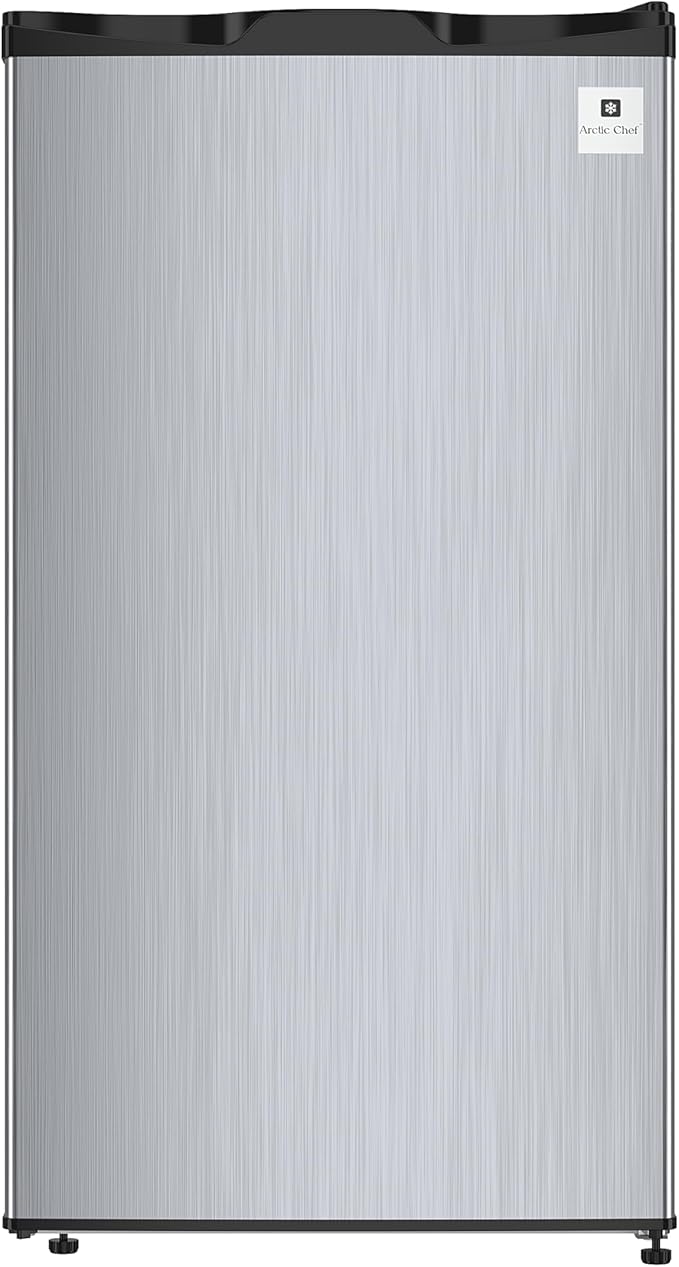
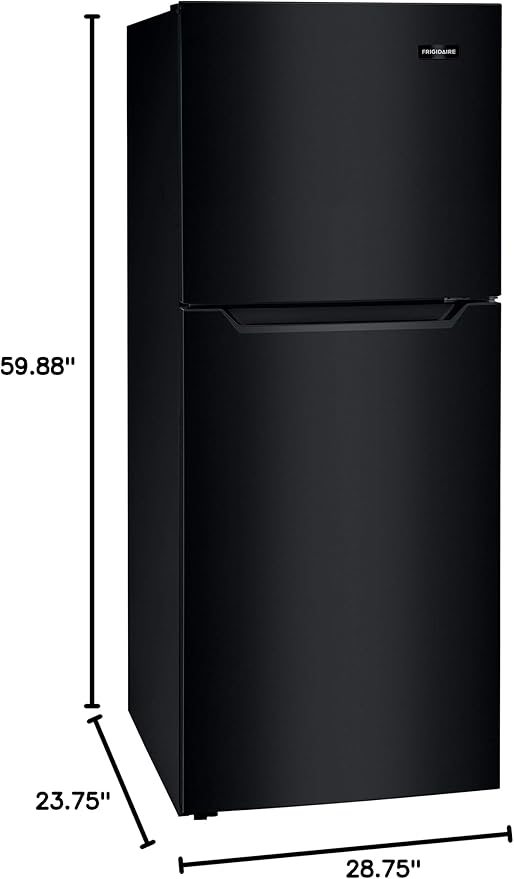
Freestanding drawer refrigerators are under-counter or roll-out units that hold food and drinks in pull-out drawers. Wine chillers are built to store wine at specific temperatures, often with dual zones for red and white. Both fit in kitchens and bars but serve different purposes. This guide compares them so you can choose the right appliance.
What Is a Freestanding Drawer Fridge
A freestanding drawer refrigerator has one or more pull-out drawers that cool like a refrigerator. It can sit under a counter, in an island, or in a bar. Capacity is often 5 to 15 cubic feet. It holds beverages, overflow groceries, or party supplies. It is not designed for wine-specific temperatures or bottle storage.
Drawer refrigerators are often used as secondary cooling—a bar fridge, overflow storage when the main refrigerator is full, or a dedicated beverage center. They complement a primary refrigerator rather than replacing it. The USDA recommends 40°F or below for perishables; drawer fridges maintain that range. They are not suitable for wine that benefits from warmer storage at 45–65°F.
Drawer refrigerators are typically 34 to 35 inches tall—the standard under-counter height. They have no door swing; you pull drawers to access contents. That makes them suitable for tight spaces where a full-height refrigerator would not fit. The U.S. Department of Energy (DOE) measures capacity in cubic feet; drawer units in the 5- to 15-cubic-foot range provide meaningful storage for a secondary cooling location.
Drawer fridges run at standard refrigerator temperature—37 to 40°F, as the USDA recommends for perishables. They can hold beer, soda, water, condiments, and some fresh food. Shelving is usually adjustable or designed for general use, not wine bottles. They are a good fit for a bar, butler's pantry, or island where you want cold drinks and overflow storage.
Drawer refrigerators typically do not have a freezer compartment. They are refrigerator only. Capacity of 5 to 15 cubic feet provides meaningful storage—enough for a bar's beverage supply, party overflow, or extra groceries. The U.S. Department of Energy (DOE) measures capacity using standardized procedures; the numbers are comparable across brands. When comparing, check both capacity and how the space is organized—drawer configuration affects usability.
What Is a Wine Chiller
A wine chiller (wine cooler) keeps wine at serving or storage temperatures—typically 45–55°F for whites and 50–65°F for reds. Many have dual zones. Shelving is designed for bottles. They are not ideal for general food or cans; they are for wine.
Wine chillers are single-purpose appliances. They do not have a freezer compartment. They are not designed for beer cans, soda bottles, or general groceries. The interior layout—shelves that hold bottles on their side or at an angle—is optimized for wine. Storing beer in a wine chiller set to 55°F would not get it cold enough for most drinkers. Storing wine in a drawer fridge set to 38°F would over-chill it.
Wine serving temperatures differ from beer and soda. Beer is best at 38–45°F; wine varies by type. Whites are served colder (45–50°F); reds warmer (55–65°F). A wine chiller maintains those ranges. Storing wine in a standard refrigerator at 38°F over-chills it and can dull flavors. A wine chiller keeps bottles at the right temperature for serving.
Wine bottle storage differs from general refrigeration. Bottles are stored on their side or at an angle to keep corks moist. Shelving is designed for that. Wine chillers do not have a freezer and are not suitable for cans, bottles of beer, or general groceries. They serve a single purpose: wine storage.
Wine chillers run at warmer temperatures than standard refrigerators. The USDA recommends 40°F or below for perishables; wine is not highly perishable in the same way. Wine benefits from storage at 45–65°F depending on type. A wine chiller maintains that range. Storing wine in a standard fridge at 38°F over-chills it; storing it in a wine chiller at 55°F keeps it at serving temperature for reds.
Drawer fridges run at standard refrigerator temps (37–40°F). Wine chillers run warmer and may offer two zones. If you need cold drinks and snacks, a drawer fridge fits. If you need wine at proper temps, a wine chiller fits. For both, use a dual-zone beverage unit or two appliances.
You cannot store wine properly in a drawer fridge set to 38°F—it will be too cold for reds and even many whites. You cannot store beer and soda effectively in a wine chiller set to 55°F—they will not get cold enough. The temperature difference is the main practical distinction. Match the appliance to what you store.
Dual-zone beverage refrigerators exist—one zone for beer and cold drinks (38–45°F), one for wine (50–65°F). They cost more and have less capacity per zone than dedicated units. If you need both cold drinks and wine, a dual-zone unit or two separate appliances are the options.
Both can be freestanding under a counter. Drawer fridges often need more height for the drawer mechanism. Wine chillers may have glass doors. Measure your space and compare dimensions. Compare drawer refrigerators and wine coolers.
Installation differs slightly. Drawer refrigerators need clearance for the drawer to pull out—typically the full depth of the unit. That means you cannot place them flush against a wall if the drawer would hit it. Wine chillers with a door need clearance for the door to swing. Both need access to a standard electrical outlet. Neither requires a water line unless you choose a model with a water dispenser—uncommon for under-counter units.
Under-counter units fit in a 34- to 35-inch opening. Drawer refrigerators need clearance for the drawer to pull out—typically the full depth of the unit. Wine chillers may have a door that opens outward or drawers. Check the manual for clearance requirements. Both need ventilation—usually at the back or front—so the condenser can reject heat.
Freestanding units require no cabinet cutout. You place them where you have space and plug them in. Built-in units require a dedicated opening and sometimes a trim kit. For flexibility and simpler installation, freestanding is the choice. For a seamless look with cabinetry, built-in may be preferred.
Drawer refrigerators offer 5 to 15 cubic feet—enough for dozens of cans, bottles, and some food. Wine chillers are often measured in bottles: 12, 24, 46, or more. A 24-bottle wine chiller takes roughly 2 to 3 cubic feet. Capacity needs differ: a bar may need a large drawer fridge for beer and mixers; a wine enthusiast may need a wine chiller for 50 bottles. Match capacity to what you store. The DOE does not have separate efficiency standards for wine coolers; they may be classified as compact refrigerators. Check manufacturer specs for energy use.
Energy Use
Both drawer fridges and wine chillers run 24/7. Drawer refrigerators run at standard fridge temperature; wine chillers run warmer, so they may use slightly less energy. The U.S. Energy Information Administration (EIA) reports average U.S. electricity prices. At typical rates, a 10-cubic-foot drawer fridge might use 200 to 300 kWh per year; a 24-bottle wine chiller might use 100 to 150 kWh. ENERGY STAR certifies efficient compact refrigerators; check the EnergyGuide label when available. Ventilation affects efficiency—blocking vents causes overheating. Leave clearance per the manual.
Choose a drawer refrigerator if you need general cold storage under a counter: beverages, overflow groceries, party supplies. It runs at fridge temperature and holds a variety of items. Choose a wine chiller if you need wine at proper serving temperatures. It has the right shelving and temperature range for bottles. If you need both, consider a dual-zone beverage unit or two appliances. Do not try to use one for the other's purpose—the temperature and layout will not work.
Summary
Freestanding drawer fridges are for general cold storage in drawers; wine chillers are for wine at specific temperatures. Drawer fridges run at 37–40°F and hold beverages, snacks, and overflow groceries. Wine chillers run at 45–65°F and store bottles at proper serving temperatures. Match the appliance to what you store. If you need both cold drinks and wine, consider a dual-zone beverage unit or two appliances. Compare drawer refrigerators and wine coolers at Fridge.com to find the right fit for your bar, pantry, or kitchen.
Frequently Asked Questions
A freestanding drawer fridge is an under-counter unit with pull-out drawers that cool like a refrigerator, typically 5–15 cu ft. It holds beverages, overflow groceries, or party supplies and runs at standard fridge temperatures (37–40°F).