Over 10 years of operation, a 15 cu ft chest freezer costs $200 to $350 less to run than a drawer freezer of one-third the capacity.
A 7 cu ft chest freezer uses roughly 150 to 250 kWh per year ($18 to $32) versus 200 to 350 kWh ($25 to $45) for a 3 cu ft drawer freezer — about 3 to 5 times more efficient per cubic foot of storage.
Typically smaller, ideal for supplementary storage.
Finding a specific item at the bottom of a 15 cu ft chest freezer can mean moving 10 to 20 items above it.
A chest freezer and a drawer freezer are the two most different approaches to frozen storage design. The chest freezer is a top-opening insulated box that delivers maximum capacity — up to 25 cubic feet — at minimum cost and energy, while the drawer freezer uses pull-out drawers for organized, waist-level access in a compact 2 to 7 cubic foot format. Choosing between them means prioritizing either volume of storage or convenience of access, because no single appliance excels at both.
The chest freezer trades organization for capacity and efficiency: cold air stays inside when the lid opens because cold air sinks, and thick insulation on all six sides retains temperature for hours. The drawer freezer trades capacity for organization: pull-out drawers on ball-bearing slides hold items in visible single layers at counter height, so there is no digging and no lifting items to reach what is underneath.
Understanding Your Freezing Needs
Assessing Your Space and Storage Requirements
Measure the area where you plan to place the freezer — kitchen, garage, basement, or utility room — before you buy, and decide whether you stock up on bulk items or only need supplementary space for frozen goods.
Consideration
Chest Freezer
Drawer Freezer
Footprint
Larger, requires more floor space
Compact, can be integrated into cabinetry
Volume Capacity
Generally larger, suited for bulk storage
Typically smaller, ideal for supplementary storage
The capacity gap between the two formats is massive in absolute numbers:
Type
Small
Medium
Large
Drawer Freezer
2 - 3 cu ft
3 - 5 cu ft
5 - 7 cu ft (rare)
Chest Freezer
3.5 - 7 cu ft
7 - 15 cu ft
15 - 25 cu ft
A large chest freezer holds 5 to 10 times more frozen food than the largest drawer freezer. For bulk storage — a quarter cow, a season of garden produce, months of meal prep — the chest freezer is the only realistic option. For daily kitchen access to frozen ingredients, the drawer freezer's organization justifies its smaller capacity.
Considering Accessibility and Convenience
With a chest freezer, items stack in a deep well: one or two hanging baskets provide top-level organization, and everything below the baskets is bulk storage where items layer on top of each other. Finding a specific item at the bottom of a 15 cu ft chest freezer can mean moving 10 to 20 items above it. A drawer freezer keeps every item visible in single layers — open a drawer, see everything, select your item, close.
Feature
Chest Freezer
Drawer Freezer
Accessibility
May require bending/stooping
Drawers offer easy access at waist level
Convenience
Can be less convenient for frequent use
More convenient for frequent access and organization
If you entertain often or cook in large batches, a drawer freezer installed at an ergonomic height rewards frequent access. If you store seasonal game, harvests, or large quantities of food you touch less often, the chest freezer's capacity outweighs the convenience factor. For a broader perspective, see the comparisons of a chest freezer vs. upright freezer and a fridge freezer combo vs. ice cream freezer chest.
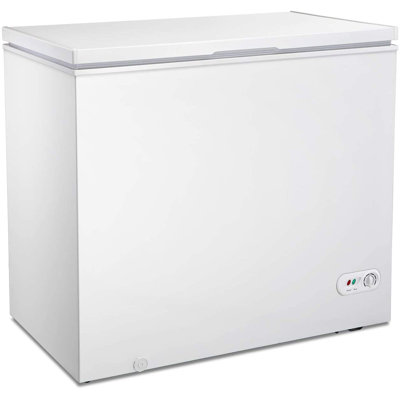
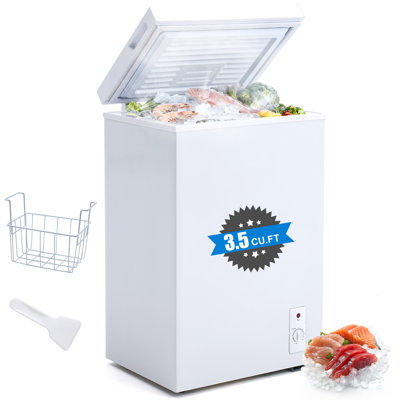
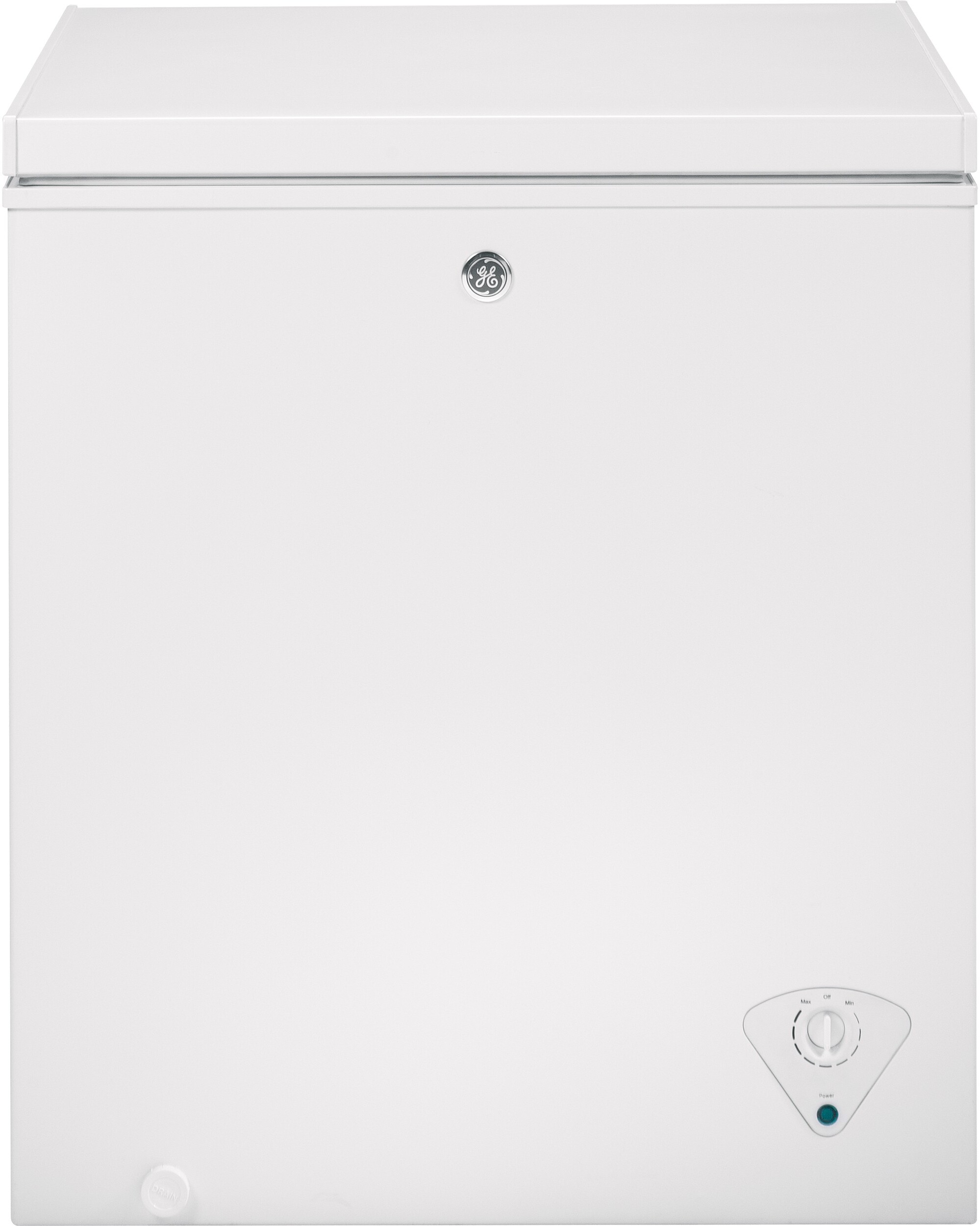
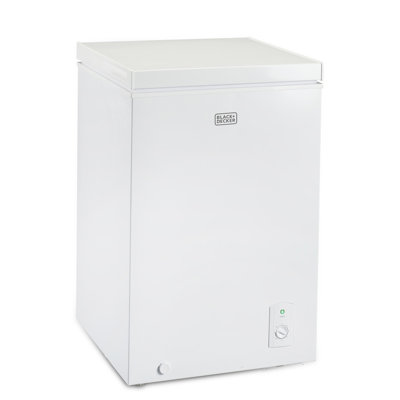
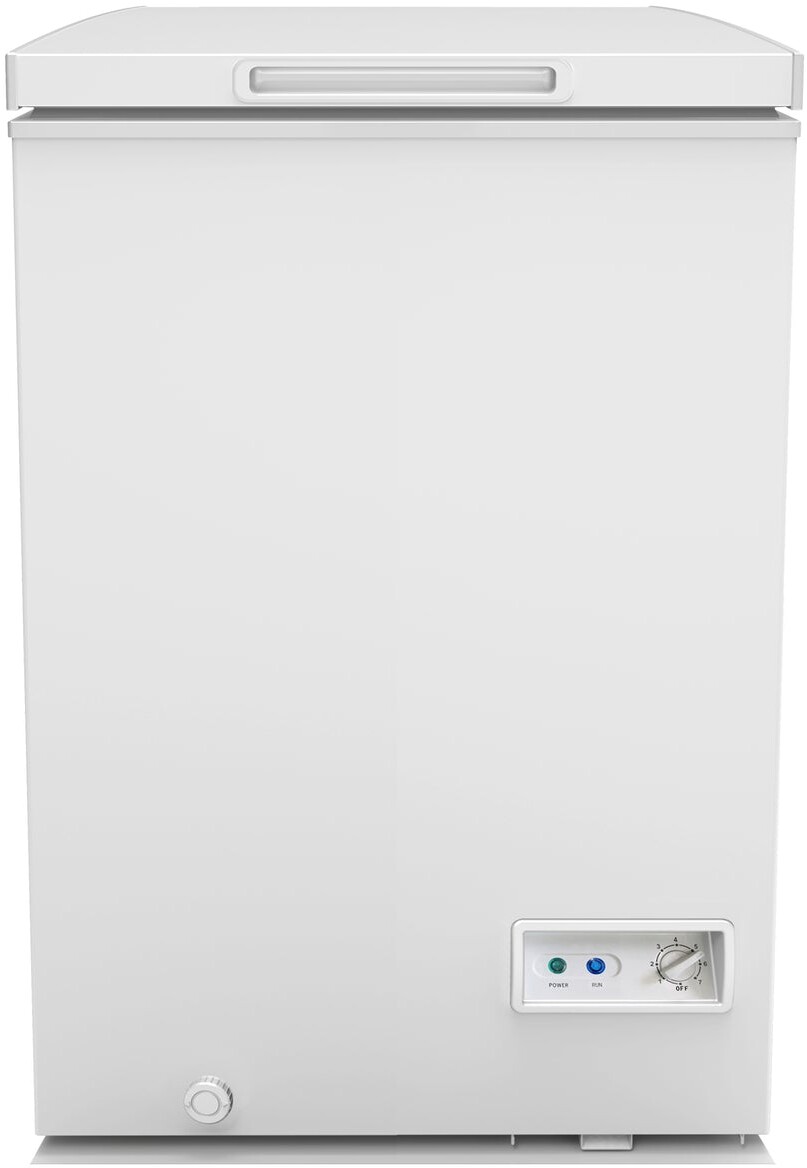
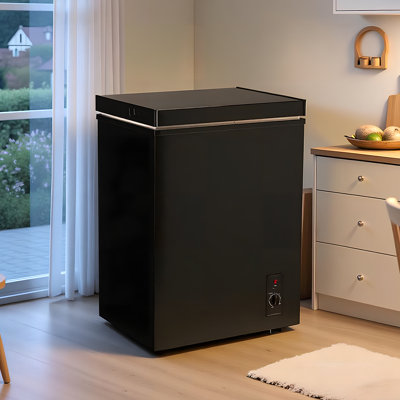
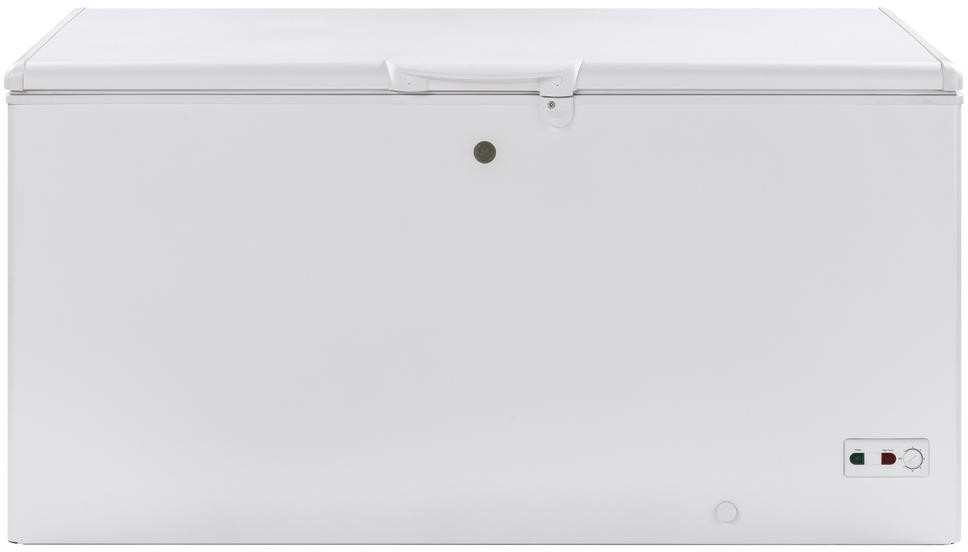
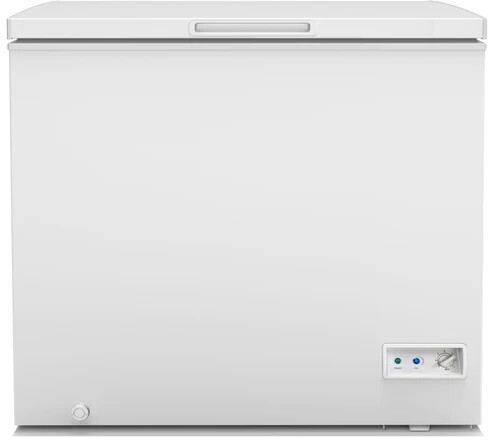
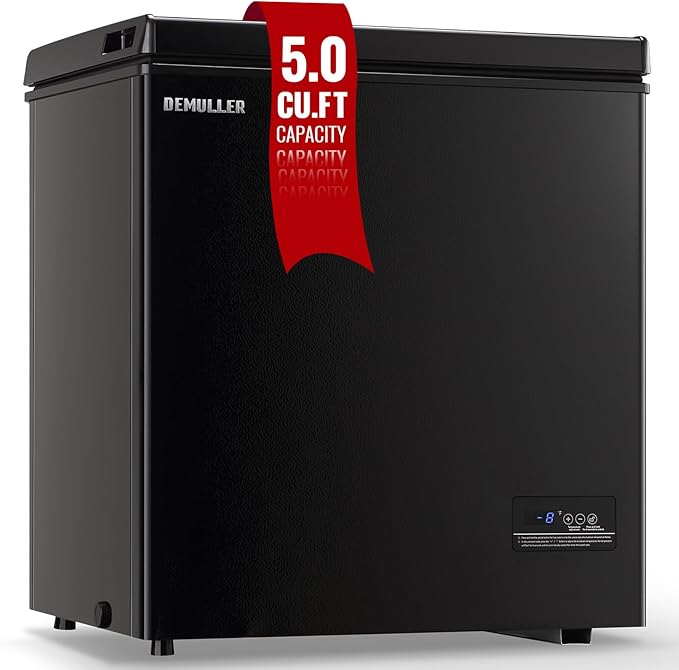
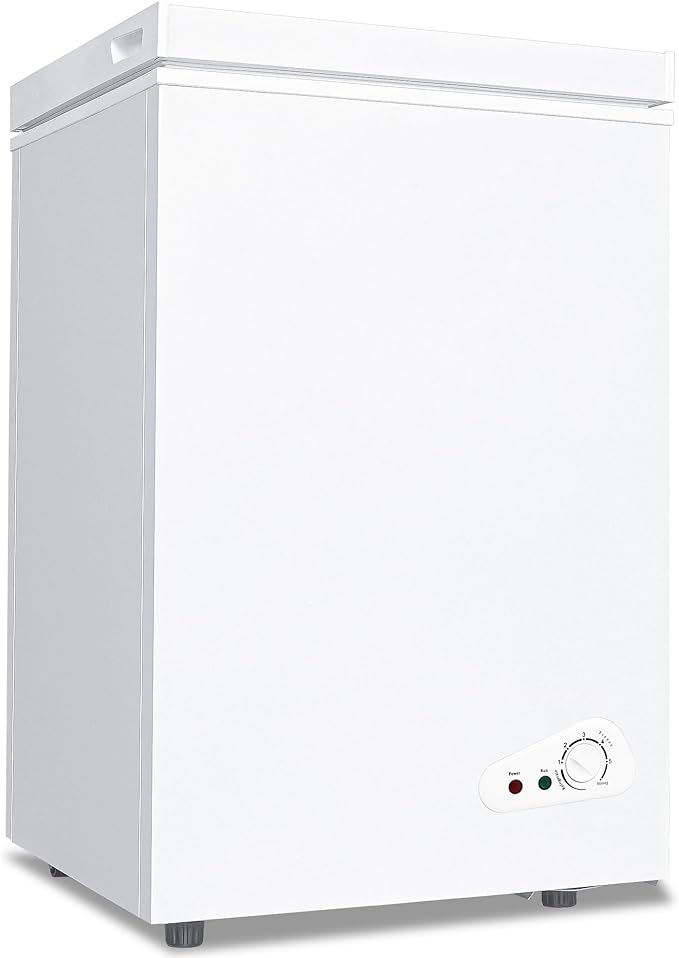
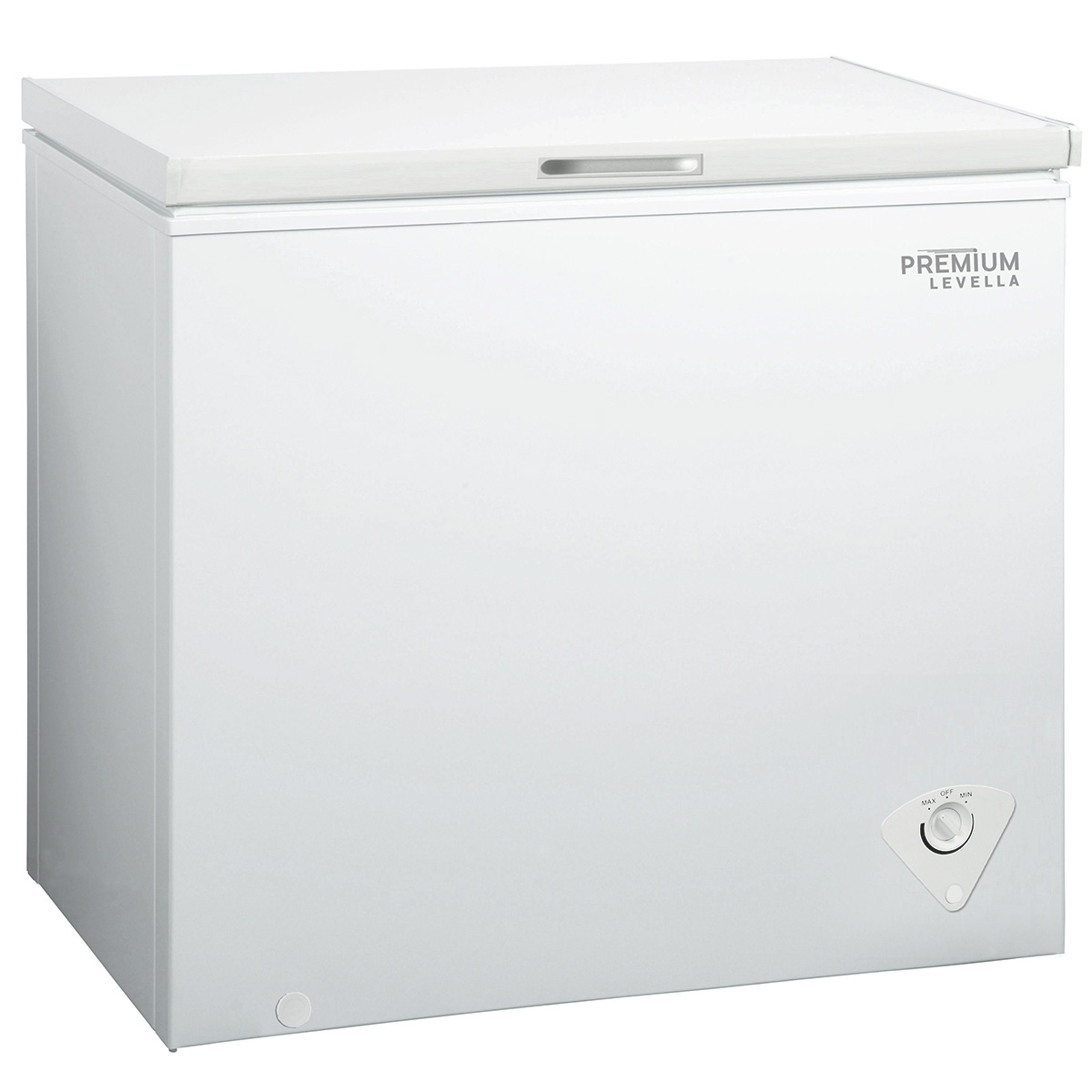
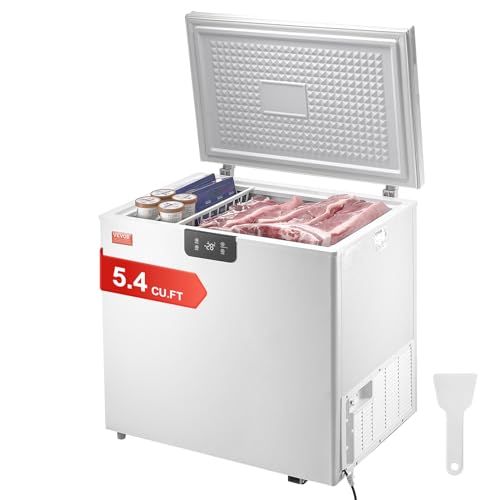
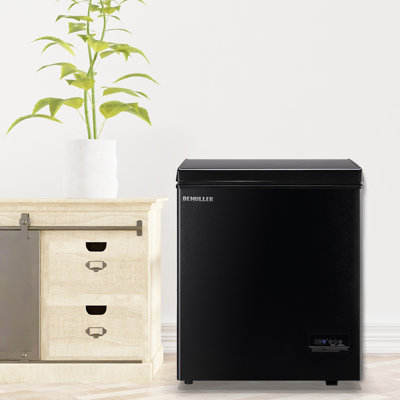
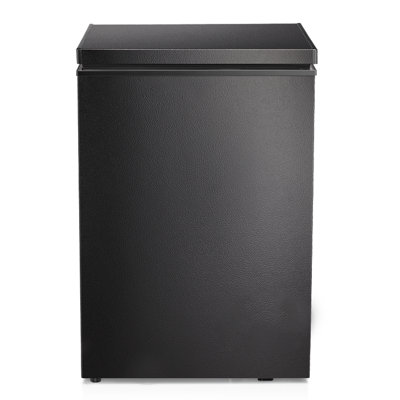
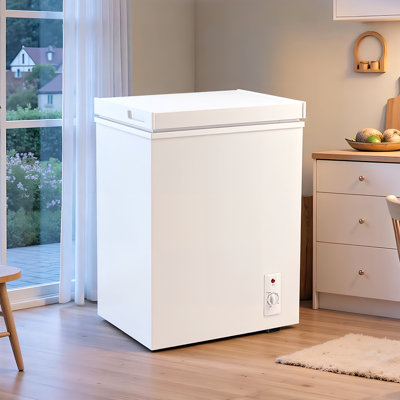
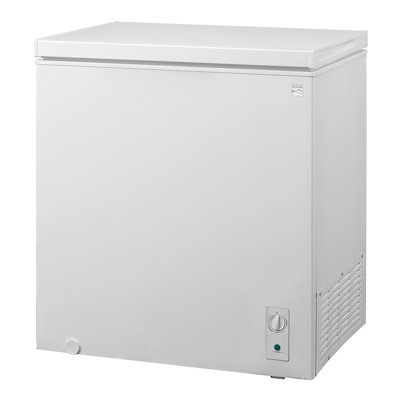
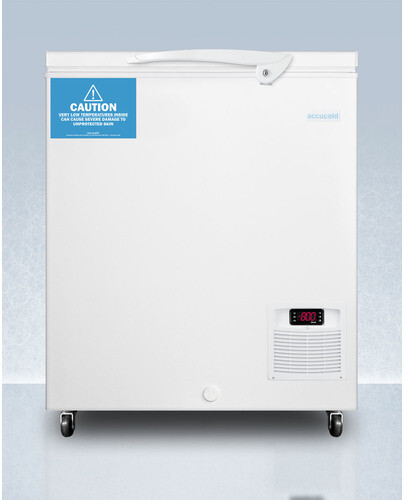
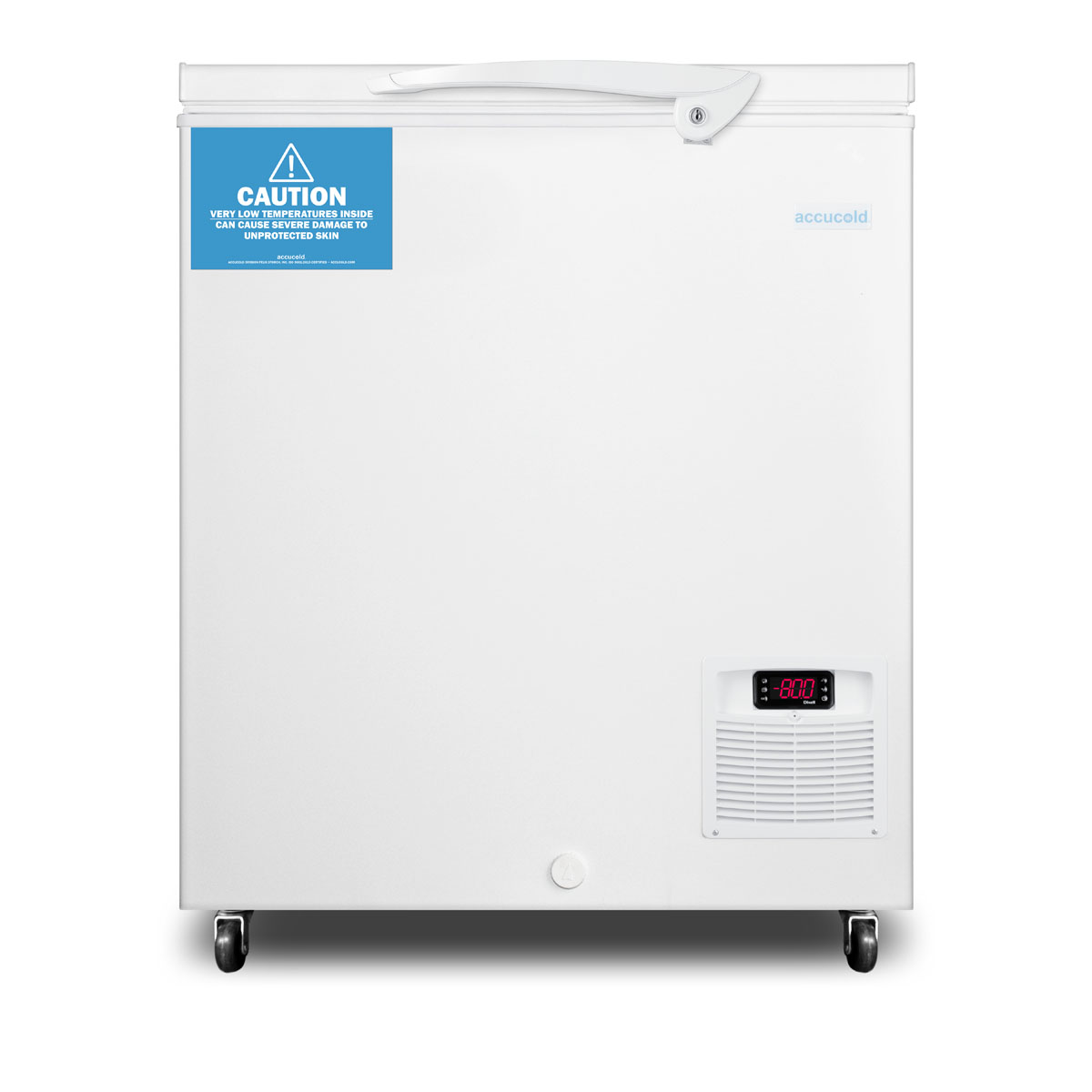
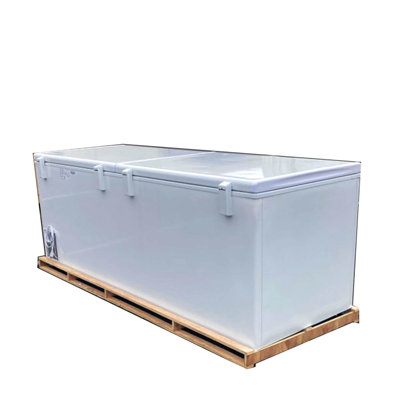
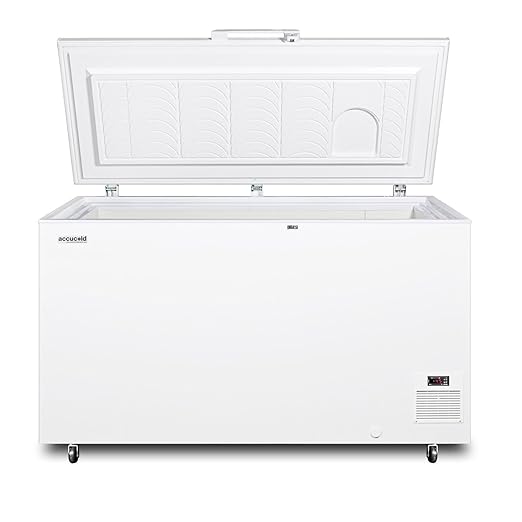
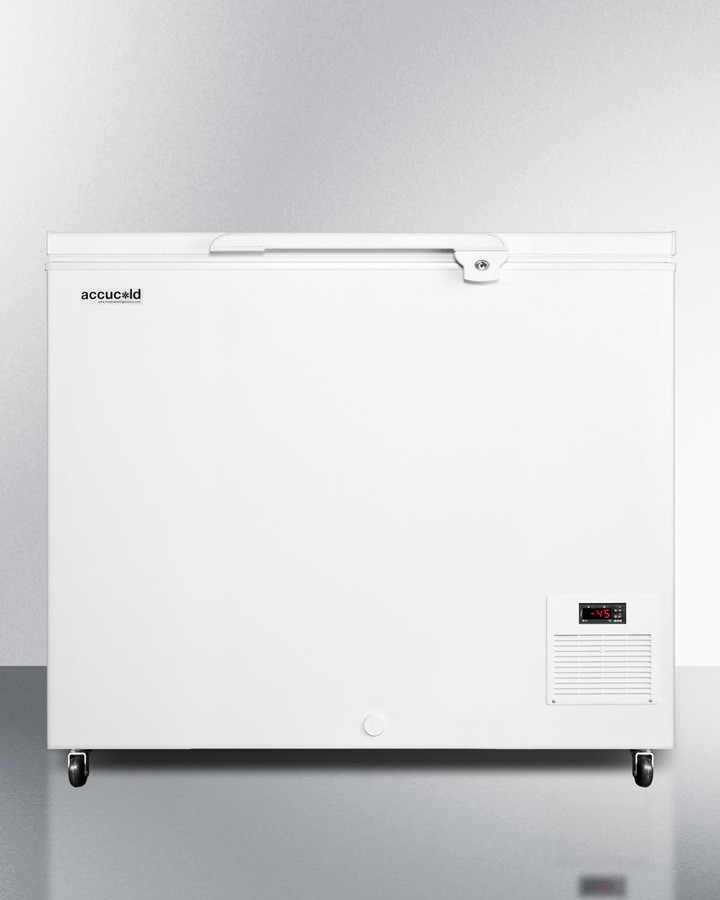
Chest freezers open from the top and feature a deep compartment for frozen goods. An evaporator coil and refrigerant remove heat from the interior, and unusually thick insulation contributes to their energy efficiency and consistent temperatures. Because cold air sinks, the top-opening design keeps cold air in the well every time the lid opens.
Advantages of Chest Freezers
Space Efficiency: Chest freezers often provide more usable space than upright models with the same exterior dimensions.
Energy Consumption: They tend to be more energy-efficient, which can lead to lower electricity bills over time.
Temperature Consistency: The design minimizes temperature fluctuations, preserving the quality of frozen goods.
Cost: Chest freezers are generally less expensive than drawer freezers and other freezer types.
Feature
Benefit
Top Opening Design
Retains cold air more effectively
Thick Insulation
Enhances energy efficiency
Spacious Interior
Accommodates bulkier items
Manual Defrost
Allows for longer uninterrupted running
Limitations of Chest Freezers
Accessibility: Items at the bottom of the deep well are hard to reach, and organizing contents is more difficult without a shelving system.
Footprint: They take up more floor space, a concern for those with limited room.
Manual Defrosting: Most chest freezers require manual defrosting once or twice per year, a process that takes 4 to 8 hours.
Aesthetics: The design does not integrate into kitchen cabinetry or living spaces the way other freezer types can.
Drawer freezers, also known as pull-out freezers, store frozen goods in sliding drawer compartments that fit seamlessly into kitchen cabinetry. They typically use a front-venting cooling system, which allows built-in installation without extra clearance for air circulation. A built-in drawer freezer requires a 24-inch cabinet opening with front ventilation and a positioned outlet; a freestanding model needs floor space with rear ventilation clearance.
Advantages of Drawer Freezers
Organizational Ease: Multiple compartments make it simple to categorize items — assign categories by drawer, and the system stays organized because the design enforces it.
Space-Saving Design: Ideal for smaller kitchens or spaces where a traditional chest or upright freezer will not fit.
Ergonomic Accessibility: Pull-out drawers allow access without bending over — waist-level access during cooking.
Aesthetic Integration: Built-in models sit flush with existing cabinetry for a sleek, modern look.
Cost: Drawer freezers cost several times more than chest freezers of equal or greater capacity.
Capacity: They top out around 7 cubic feet, a constraint for large families or bulk shoppers.
Energy Efficiency: Front-access drawers lose cold air each time they open, so most models are less energy-efficient per cubic foot than chest freezers.
Chest Freezer vs. Drawer Freezer: Key Differences
Design and Build
A chest freezer has a top-opening lid on a large insulated box and is best suited for garages, basements, and utility rooms. A drawer freezer pulls out horizontally like a standard drawer and either stands alone or builds into kitchen cabinetry, islands, bars, and prep stations — spaces where appearance matters.
Feature
Chest Freezer
Drawer Freezer
Orientation
Horizontal
Vertical
Opening Style
Top lid
Pull-out drawer
Installation
Standalone
Built-in or standalone
Installation effort differs sharply: a chest freezer plugs into any 120V outlet and stands freestanding on any flat surface — place, plug in, load. A built-in drawer freezer requires cabinet work, front ventilation, and a positioned outlet.
Capacity and Space Utilization
Chest freezers offer more storage and often come with removable baskets to organize the space, but their deep design makes bottom items hard to reach. Drawer freezers offer less total capacity but better organization, with layered drawers that make it simple to categorize and retrieve foods.
Feature
Chest Freezer
Drawer Freezer
Storage Capacity
Larger
Smaller
Organizational Ease
Less convenient
More convenient
Energy Efficiency
Chest freezers are more energy-efficient than drawer freezers because the top-opening design does not let cold air spill out when opened, while drawer freezers lose cold air with each pull of a drawer. Per cubic foot of storage, a chest freezer is roughly 3 to 5 times more efficient to run.
Type
Annual kWh
Annual Cost
Cost Per Cu Ft
Drawer Freezer (3 cu ft)
200 - 350 kWh
$25 - $45
$8 - $15
Chest Freezer (7 cu ft)
150 - 250 kWh
$18 - $32
$2.50 - $4.50
Chest Freezer (15 cu ft)
250 - 400 kWh
$32 - $50
$2 - $3.30
Over 10 years of operation, a 15 cu ft chest freezer costs $200 to $350 less to run than a drawer freezer of one-third the capacity. Look for a high energy rating either way.
Power Outage Performance
A full chest freezer keeps food frozen for 24 to 48 hours without power — the top-opening design holds cold air in the well, and the thick insulation provides hours of thermal protection. A drawer freezer keeps food frozen for roughly 8 to 12 hours, because the front-access drawers lose cold air when opened even briefly and compact units carry thinner insulation. If your area has frequent power outages, the chest freezer is the safer investment for protecting frozen food.
Noise and Durability
Chest freezers run at 38 to 44 decibels with infrequent compressor cycling — silent between cycles. Drawer freezers run at 38 to 46 decibels, and built-in installations with cabinetry dampening reduce perceived noise. On lifespan, chest freezers are among the most durable home appliances at 10 to 20 years, thanks to a simple design with minimal components. Drawer freezers last 10 to 15 years; the ball-bearing slides and frost-free system add complexity but are reliable with proper care.
Chest Freezer with Drawers: Getting Pull-Out Access in a Chest Format
Shoppers searching for a chest freezer with drawers or a chest freezer with a pull-out drawer are usually trying to combine chest-freezer capacity with drawer-freezer organization. In practice, chest freezers organize with removable hanging baskets rather than true drawers: one or two baskets slide across the top of the well for frequently used items, while everything below remains stacked bulk storage. Baskets, dividers, labels, clear bags, and an inventory list all help, but nothing eliminates the dig-to-find reality of deep chest storage.
The true pull-out format is the drawer freezer itself — and many serious home cooks and meal preppers simply own both. A chest freezer in the garage handles bulk storage (the quarter cow, the frozen garden harvest, the warehouse-club haul), while a drawer freezer in the kitchen island handles daily cooking access — tonight's chicken breasts, frozen vegetables, ice cream for dessert. Together they deliver maximum capacity plus maximum convenience across two locations. Browse chest freezers with basket organization.
Chest freezers are markedly more cost-effective upfront. Across brands and tiers, chest freezers run roughly $150 for budget models to $1,000 for premium units, while drawer freezers span about $500 for basic freestanding models to $4,000 for premium built-ins — a chest freezer costs a fraction of a drawer freezer while providing 3 to 10 times more capacity.
Freezer Type
Average Initial Cost
Estimated Annual Energy Cost
Chest Freezer
$200 - $600
$30 - $60
Drawer Freezer
$500 - $2000
$40 - $80
When budgeting, also account for delivery, installation, and any accessories such as extra baskets or dividers.
Analyzing the Layout of Your Space
Chest freezers need a larger footprint plus overhead clearance to fully open the lid, which suits garages, basements, utility rooms, and large pantries. Drawer freezers integrate into kitchen cabinetry and islands as a space-saving solution. Measure carefully before buying.
Freezer Type
Average Width
Average Depth
Average Height
Chest Freezer
30 - 60 inches
22 - 30 inches
33 - 40 inches
Drawer Freezer
24 - 36 inches
24 - 28 inches
34 - 40 inches
Thinking About Your Freezing Habits
Buy a chest freezer if your priority is maximum frozen storage at minimum cost — best for bulk buyers, hunters, gardeners, meal preppers, and any household storing large quantities of frozen food for the long term. Buy a drawer freezer if your priority is organized, kitchen-level access to frozen ingredients during cooking — best for kitchen islands, prep stations, and bar areas where you need frozen items at arm's reach.
Defrost Regularly: Chest freezers need manual defrosting when ice buildup reaches 1/4 inch thick — typically once or twice per year. The process takes 4 to 8 hours but contributes to the chest freezer's energy efficiency and frees storage space taken by frost.
Clean Interior and Exterior: Clean the interior with a solution of warm water and baking soda to remove odors and stains. Wipe the exterior with a damp cloth to keep it dust-free and prevent condenser coil blockages.
Inspect and Replace Seals: Check the door seal regularly for wear or damage so cold air is not escaping and driving up energy consumption.
Maintain Adequate Ventilation: Leave space around the freezer to prevent overheating and allow efficient air circulation.
Organize Contents: Use baskets or dividers to organize the contents, making items easier to find and reducing how long the lid stays open.
Tips for Maintaining a Drawer Freezer
Automatic Defrost: Most drawer freezers are frost-free with automatic defrost cycles. Confirm this feature is functioning properly to avoid frost buildup — no manual defrost shutdowns should be needed.
Regular Cleaning: Clean the interior regularly with a mild detergent to keep it fresh and free of spills or stains.
Check the Drawers: Inspect the drawers for smooth operation and clean the rails to remove debris that could impede their ball-bearing slides.
Seal Inspection: Inspect the seals around the drawers for leaks or damage, and keep them free of food residue.
Temperature Management: Allow food to cool before placing it in the freezer — hot items cause temperature fluctuations.
Impact on Lifestyle
A chest freezer rewards households with extra space in a garage, basement, or utility room and a habit of buying in bulk or preserving seasonal produce — remember it needs clearance to fully open the lid. A drawer freezer suits smaller living spaces like apartments and condos, and its pull-out access is particularly valuable for anyone with mobility issues. Premium drawer models add customizable temperature controls and frost-free technology; chest freezers counter with lower upfront cost and lower running cost.
Freezer Type
Ideal for
Not Ideal for
Chest Freezer
Bulk shoppers, large families, extra space owners
Small space dwellers, those with mobility issues
Drawer Freezer
Small space dwellers, those seeking organization
Bulk storage needs, budget-conscious buyers
Chest Freezer vs. Drawer Freezer: Frequently Asked Questions
Which is better, a chest freezer or a drawer freezer?
Neither is universally better — they optimize for opposite priorities. A chest freezer wins on capacity (up to 25 cu ft), purchase price, energy efficiency per cubic foot, and power-outage protection. A drawer freezer wins on organization, waist-level access, kitchen integration, and frost-free convenience. Bulk storage points to the chest; daily cooking access points to the drawer.
Can you get a chest freezer with drawers or a pull-out drawer?
Chest freezers use removable hanging baskets rather than built-in pull-out drawers — the baskets slide across the top of the well while the space below stays bulk storage. If pull-out drawer access is the priority, that is exactly what a drawer freezer provides; households that want both capacity and pull-out convenience often run a chest freezer for bulk storage alongside a drawer freezer for daily access.
Which uses less electricity?
The chest freezer. A 7 cu ft chest freezer uses roughly 150 to 250 kWh per year ($18 to $32) versus 200 to 350 kWh ($25 to $45) for a 3 cu ft drawer freezer — about 3 to 5 times more efficient per cubic foot of storage.
How long does food stay frozen in a power outage?
A full chest freezer holds food frozen for 24 to 48 hours without power; a drawer freezer holds for roughly 8 to 12 hours. Keep the lid or drawers closed to preserve the cold.
How often does a chest freezer need defrosting?
Manually defrost when ice buildup reaches 1/4 inch thick — typically once or twice per year, a 4 to 8 hour process. Most drawer freezers are frost-free and defrost automatically.
How much do chest freezers and drawer freezers cost?
Chest freezers run roughly $150 to $1,000 depending on size and tier, with estimated annual energy costs of $30 to $60. Drawer freezers span about $500 for basic freestanding units to $4,000 for premium built-ins, with annual energy costs of $40 to $80.
How long do chest freezers and drawer freezers last?
Chest freezers last 10 to 20 years and are among the most durable home appliances due to their simple, minimal-component design. Drawer freezers last 10 to 15 years with proper care of the slides and frost-free system.
What sizes do they come in?
Drawer freezers range from 2 to 7 cubic feet, and models above 5 cu ft are rare. Chest freezers range from 3.5 cu ft compacts to 25 cu ft deep-freeze units, in footprints of roughly 30 to 60 inches wide.
Compare prices on Fridge.com
Compare current prices and specifications on Fridge.com, then buy from the retailer you choose; delivery, installation and warranty terms are the retailer’s.
It also has tons of awesome articles about kitchen stuff and home news. Enhance your home, garage, backyard, patio, and office with the coolest essentials. With every necessary type of residential refrigerator or freezer in the collection, you're covered.
Frequently Asked Questions
Neither is universally better — they optimize for opposite priorities. A chest freezer wins on capacity (up to 25 cu ft), purchase price, energy efficiency per cubic foot, and power-outage protection. A drawer freezer wins on organization, waist-level access, kitchen integration, and frost-free convenience. Bulk storage points to the chest; daily cooking access points to the drawer.