Drawer fridges and traditional fridges represent two fundamentally different approaches to refrigerator design. Traditional fridges use a front-opening door with fixed or adjustable shelves — the format that has defined kitchen refrigeration for decades. Drawer fridges replace the door-and-shelf layout with pull-out drawers on ball-bearing slides, bringing contents forward for visibility and access. This comparison covers every practical difference between these two design philosophies.
How Each Design Works
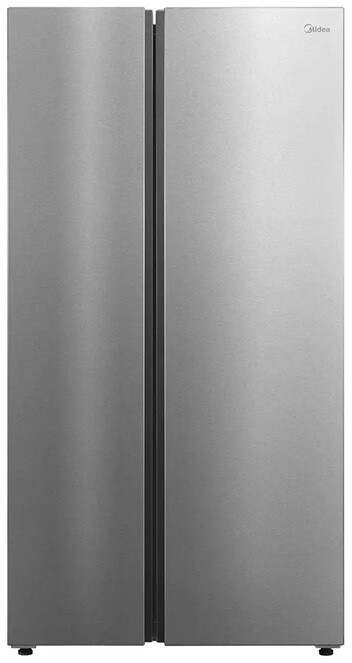
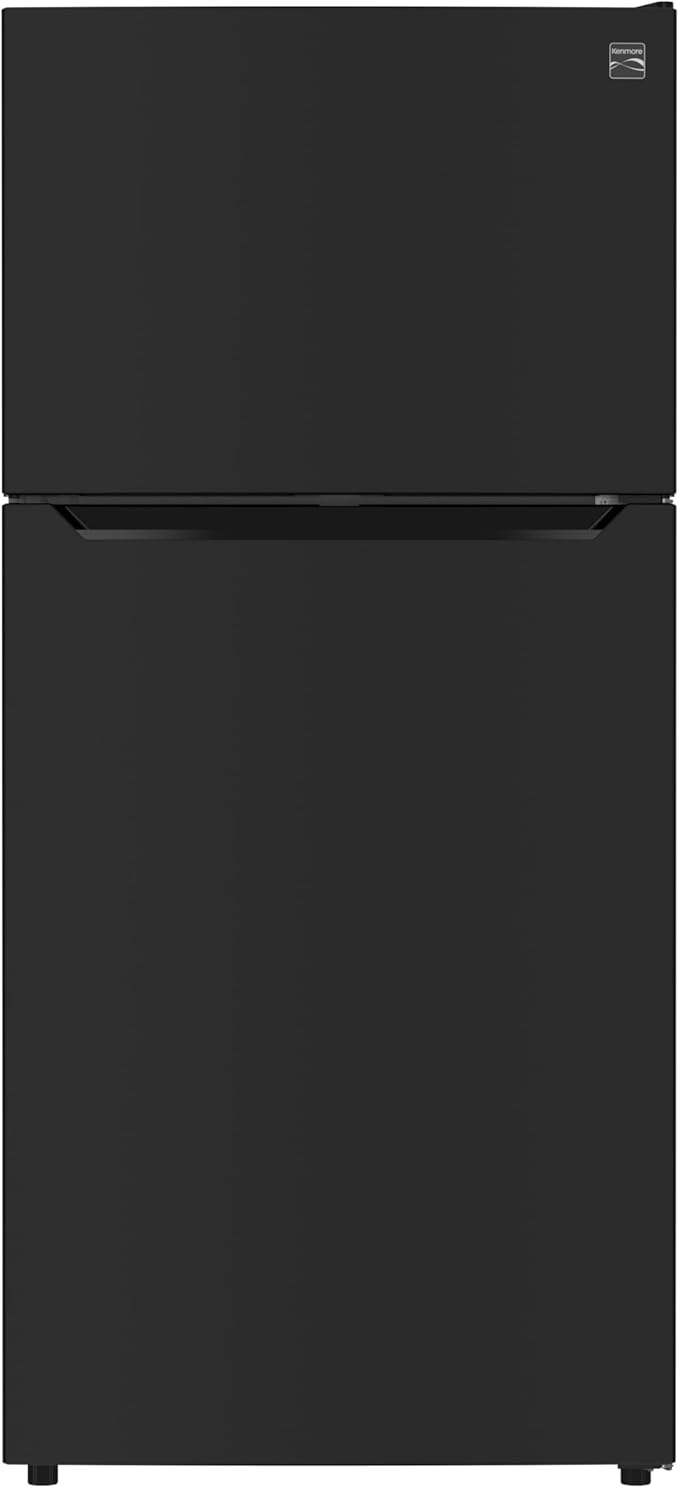
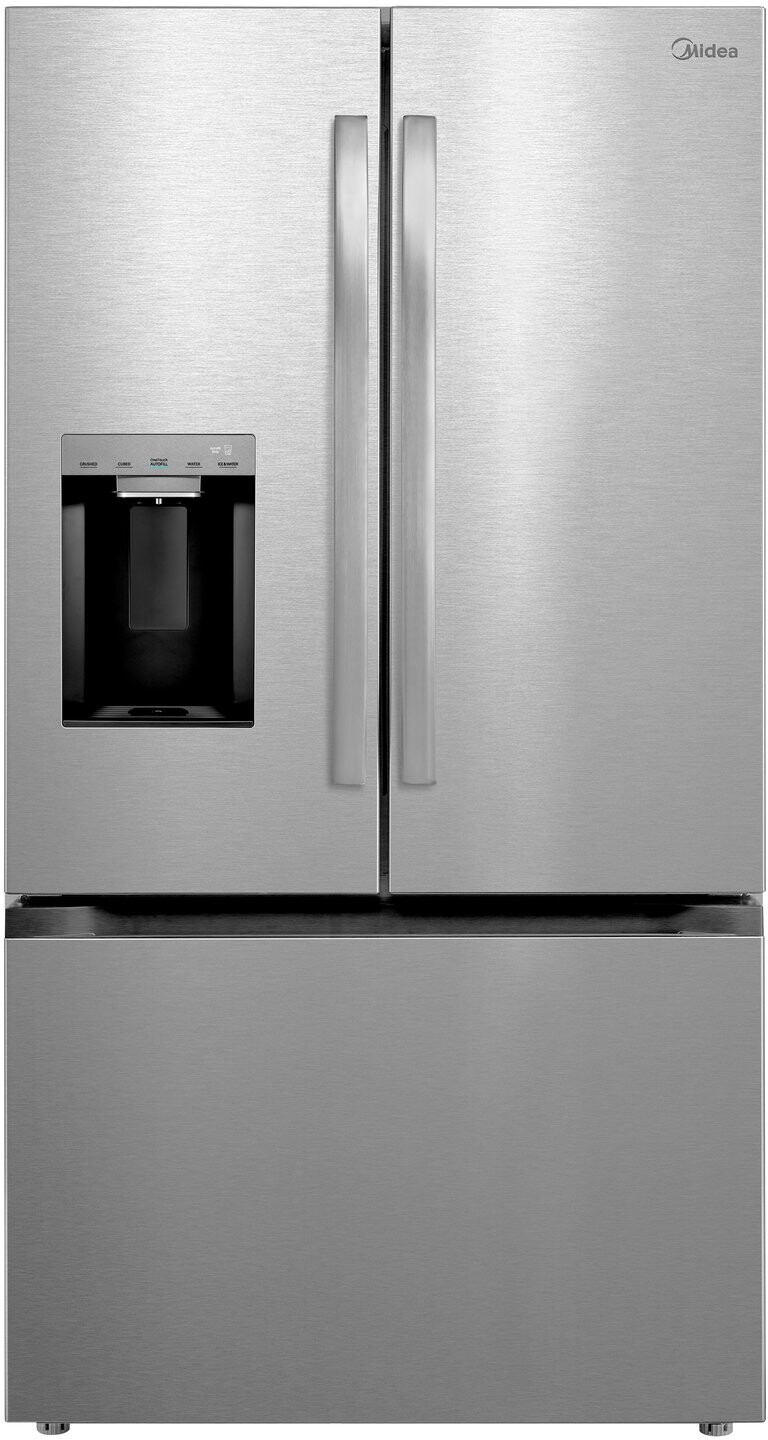
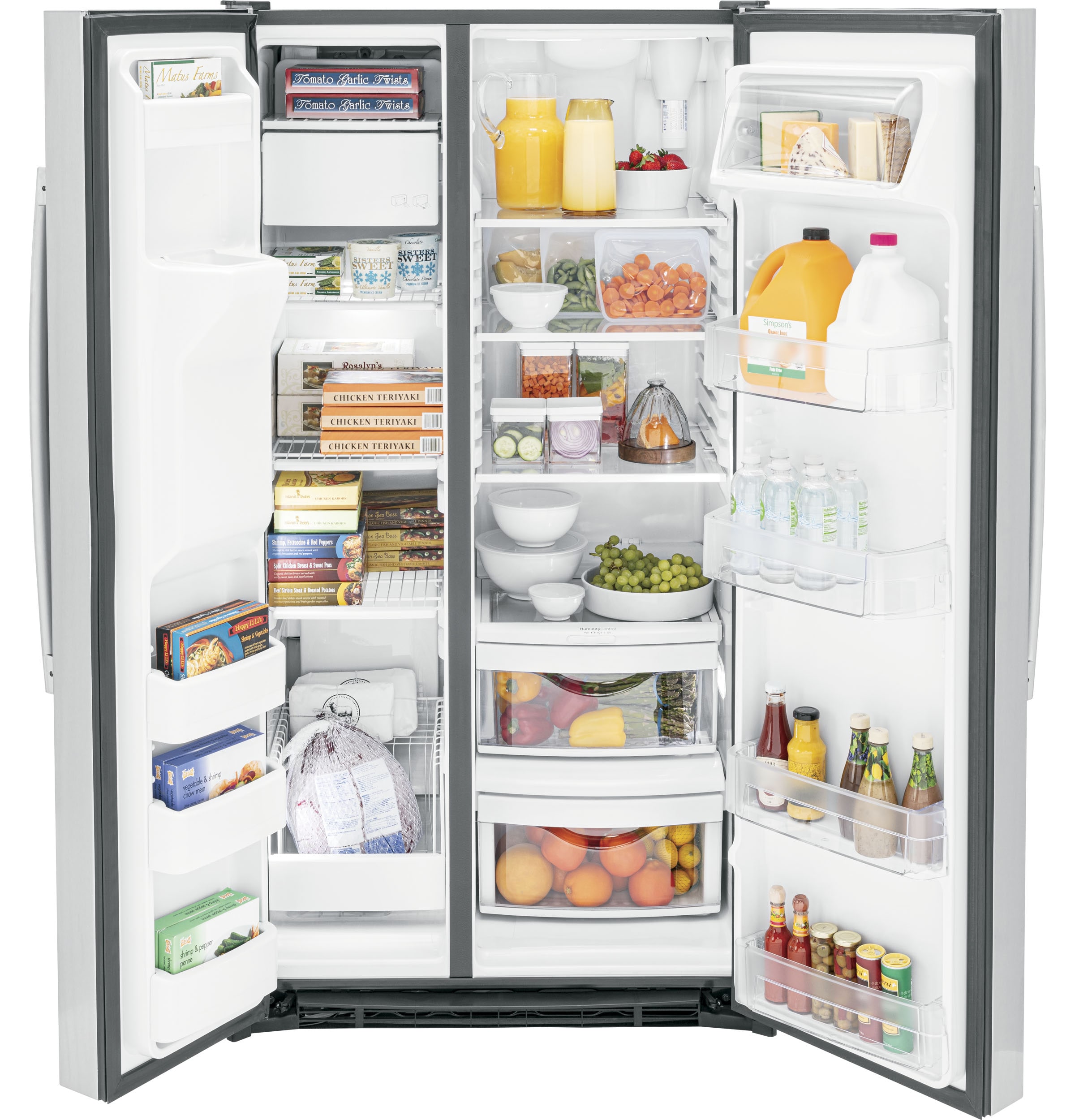
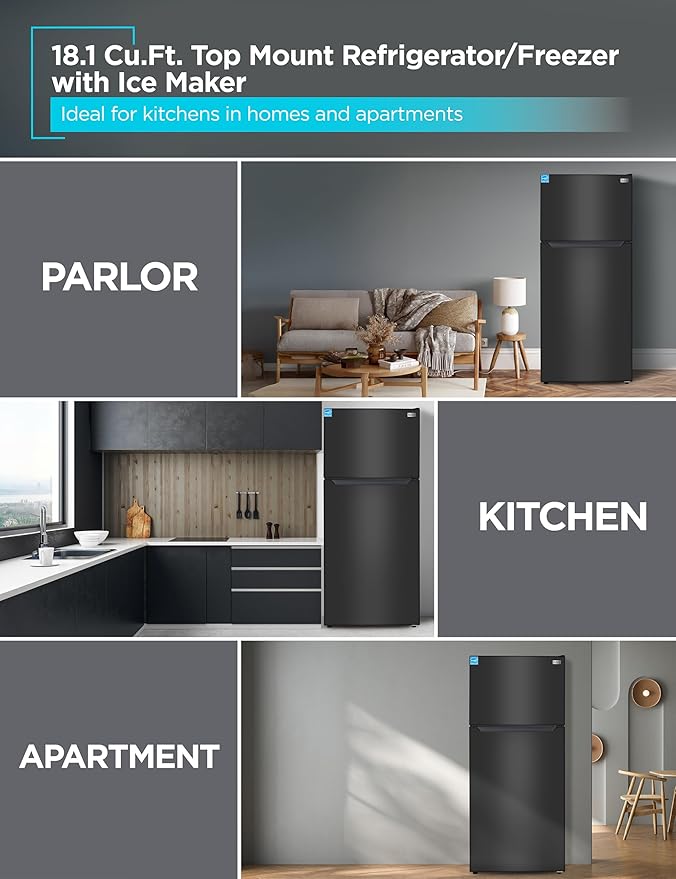
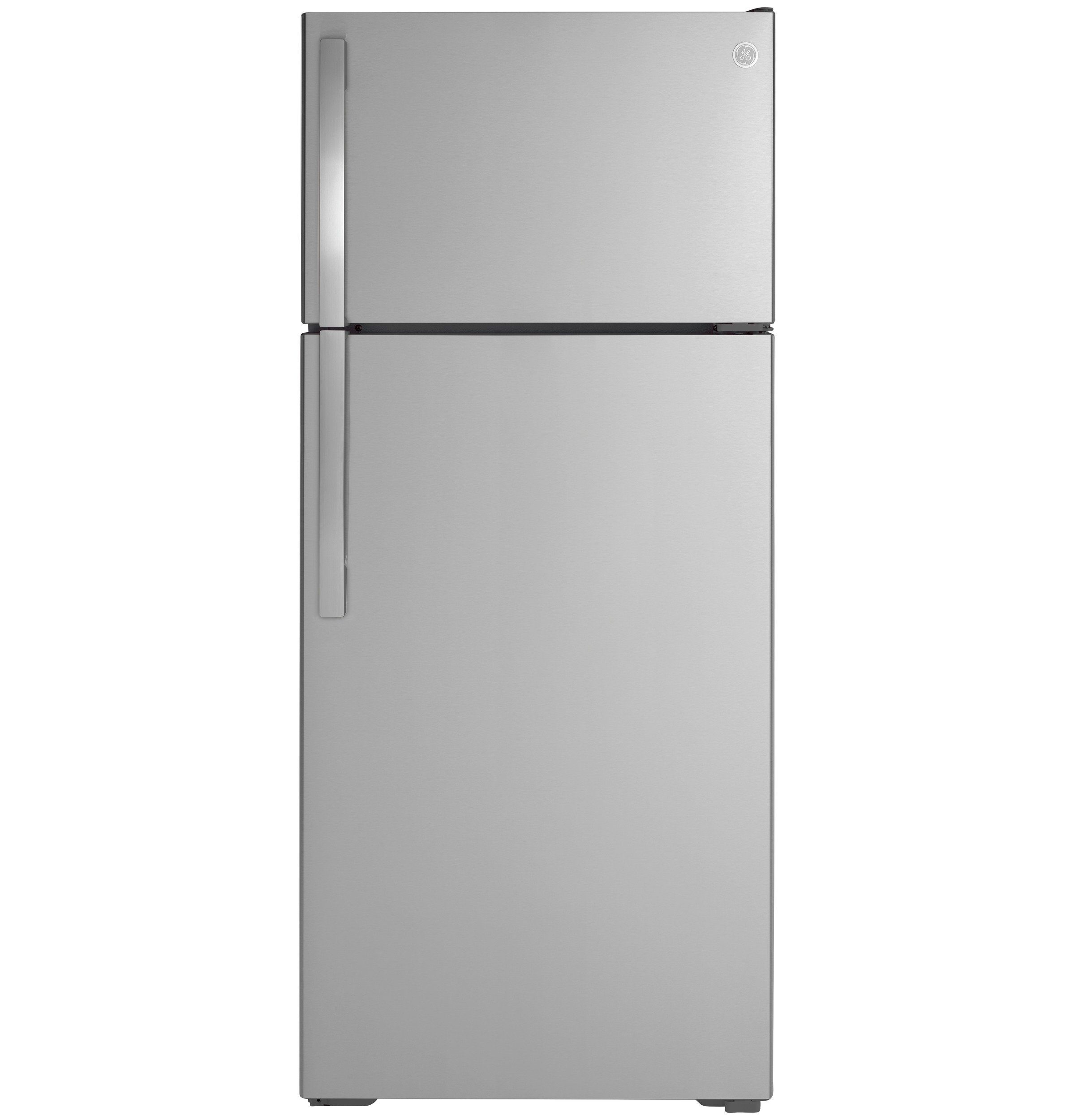
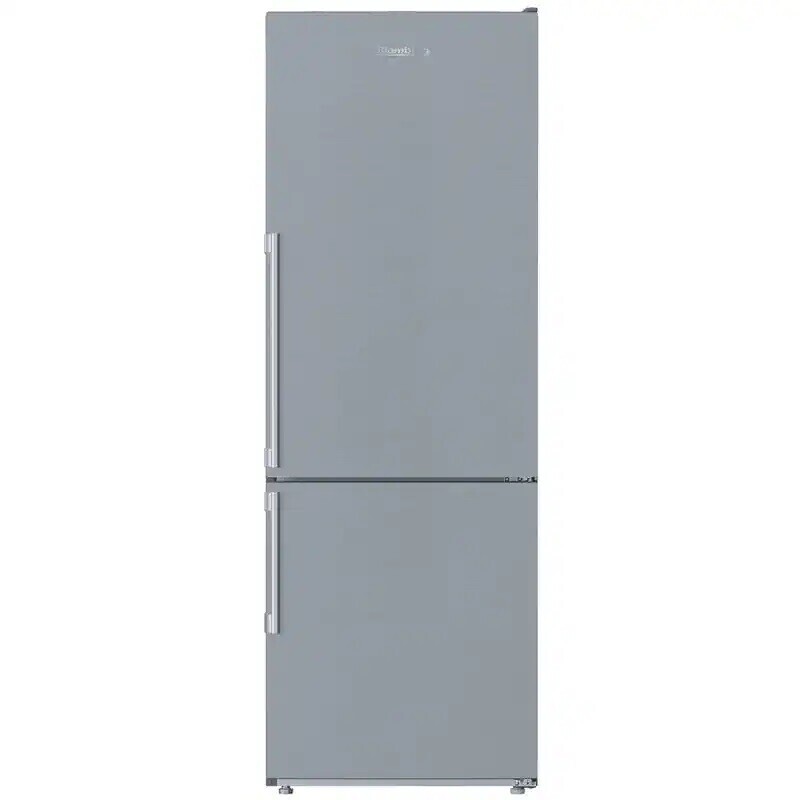
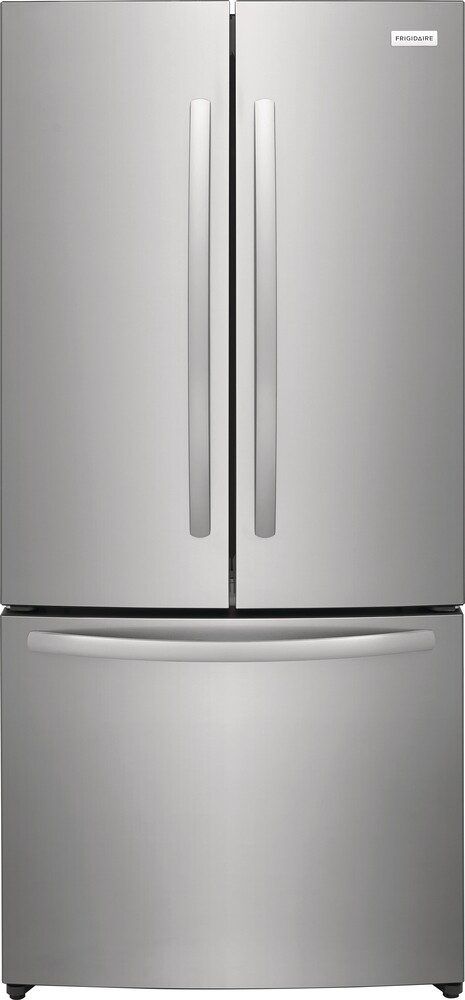
A traditional fridge opens with a single door (or two French doors) that swings outward. Inside, items sit on shelves at various heights. Door bins hold condiments and bottles. Crisper drawers at the bottom hold produce. You stand in front of the open door, scan the contents, reach in for what you need, and close the door. This layout works for the full range of food items — tall bottles, wide platters, small containers, and everything in between.
A drawer fridge opens by pulling a drawer toward you on smooth ball-bearing slides. Contents sit in a single visible layer on the drawer bottom. No reaching to the back of a deep shelf. No items hidden behind others. You look down into the open drawer, see everything at once, select what you need, and push the drawer closed. The format excels at organization and access but limits item height to the drawer depth.
Organization
Traditional fridge organization depends heavily on user discipline. Shelves hold items in layers — front and back. Items pushed behind others become invisible and forgotten. The deep back corners of shelves become a graveyard for expired leftovers. Door bins help with frequently accessed items, but the overall layout relies on the user maintaining order in a three-dimensional space.
Drawer fridge organization is enforced by the design. Each drawer holds one visible layer. Nothing hides behind other items because there is no deep shelf. The limited drawer depth prevents the three-deep stacking that makes traditional fridges chaotic. The trade-off is capacity — the single-layer format stores less per cubic foot than multi-layer shelving.
Capacity
| Type | Compact | Full-Size |
|---|---|---|
| Traditional Fridge | 3 - 14 cu ft | 18 - 28 cu ft |
| Drawer Fridge | 3 - 5 cu ft | Not available as standalone full-size |
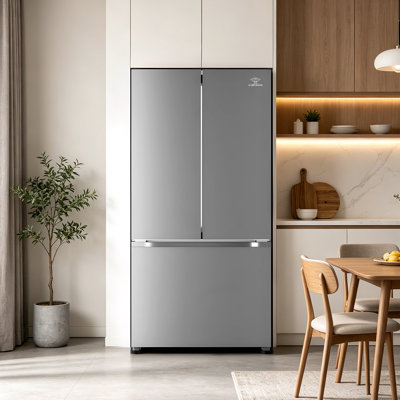
This is the drawer fridge's biggest limitation. No full-size standalone drawer fridge exists that matches the 18 to 28 cubic foot capacity of a traditional fridge. Drawer fridges top out at 5 cubic feet as compact or under-counter units. They supplement a traditional fridge — they do not replace it. Full-size refrigerators with internal drawer sections (like the crisper drawers in a French door fridge) combine both formats, but the primary storage remains shelf-based.
Cold Air Retention
When you open a traditional fridge door, cold air falls out through the full-height opening. The entire interior is exposed to warm room air. The wider and taller the door opening, the more cold air escapes. This is the primary energy efficiency challenge of the traditional front-opening design.
When you pull out a drawer, only the drawer section is exposed. The surrounding structure and any drawers above or below remain sealed. Cold air loss is reduced because the exposed surface area is smaller and the opening is horizontal rather than vertical (cold air sinks and tends to stay in a horizontal drawer rather than falling out of a vertical door). This partial-exposure design makes drawer fridges slightly more energy efficient per access event.
Ergonomics
Traditional fridges require reaching — forward into deep shelves and down to lower shelves. Upper shelves are at eye level (good). Lower shelves require bending. Items at the back of any shelf require extending your arm 12 to 18 inches. For tall users, lower shelves are inconvenient. For shorter users, upper shelves may be out of comfortable reach.
Drawer fridges bring contents forward. Pull the drawer toward you and look down. Items are visible at waist to chest height depending on installation position. No reaching deep into the fridge. No bending to lower shelves (unless the drawer itself is installed low). The ergonomic advantage is significant for repetitive access during cooking — pulling a drawer takes less energy than opening a door and reaching in.
Installation
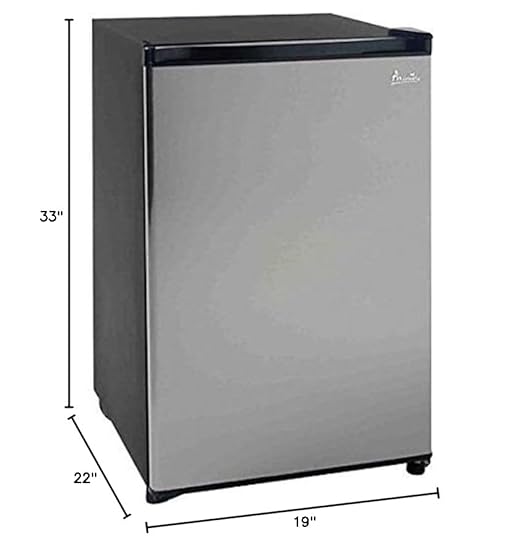
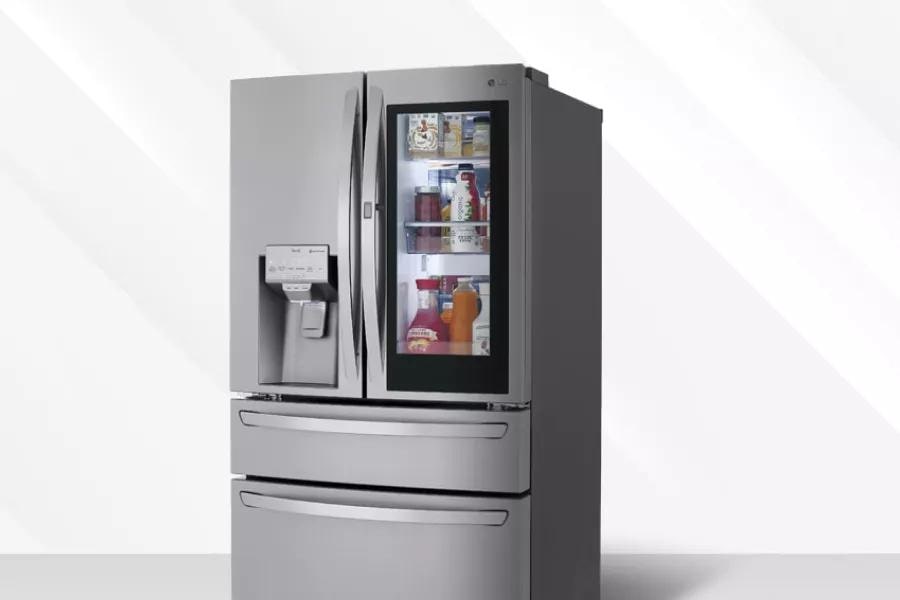
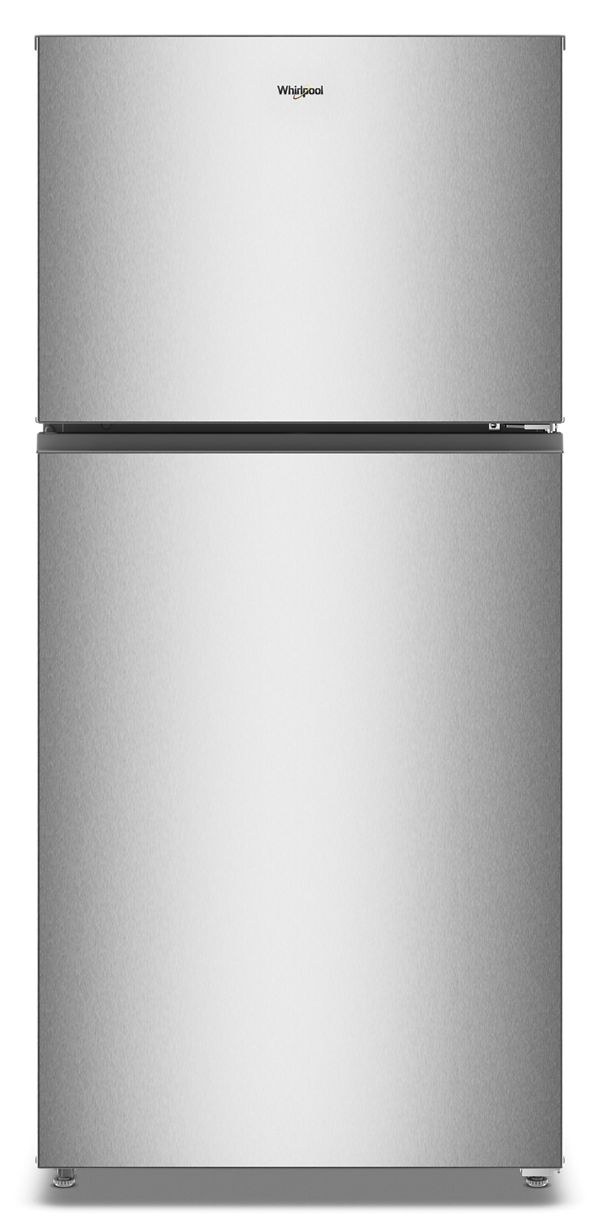
Traditional fridges are standalone appliances that fit into a kitchen bay or stand freestanding. Installation is universal — measure the space, deliver the fridge, plug it in. Every kitchen in the world can accommodate a traditional fridge.
Drawer fridges in compact format install under counters in 24-inch cabinet openings (built-in) or stand freestanding against a wall. They require more specific placement planning because the drawers need clearance to pull out fully — typically 20 to 24 inches of clear space in front of the unit when drawers are extended.
Use Cases
A traditional fridge is every household's primary kitchen appliance. It is non-negotiable. No drawer fridge can replace it for total household food and beverage storage.
A drawer fridge serves as a supplemental access point — in a kitchen island for prep ingredients, in a bar for cocktail components, in a master suite for personal beverages, or in an outdoor kitchen for grilling supplies. It puts specific items at the point of use without walking to the main fridge.
Energy Use
| Type | Annual kWh | Annual Cost |
|---|---|---|
| Drawer Fridge (3-5 cu ft) | 150 - 300 kWh | $18 - $38 |
| Traditional Fridge (top freezer, 18 cu ft) | 350 - 500 kWh | $45 - $65 |
| Traditional Fridge (French door, 25 cu ft) | 500 - 720 kWh | $65 - $92 |
Drawer fridges use less total energy due to smaller volume and reduced cold air loss per access. Adding one alongside a traditional fridge increases household cooling costs by $18 to $38 per year — a modest supplement.
Pricing
| Type | Budget | Mid-Range | Premium |
|---|---|---|---|
| Drawer Fridge (built-in) | $800 - $1,500 | $1,500 - $2,500 | $2,500 - $4,000 |
| Traditional Fridge (top freezer) | $450 - $800 | $800 - $1,200 | $1,200 - $1,800 |
| Traditional Fridge (French door) | $1,200 - $2,000 | $2,000 - $3,500 | $3,500 - $5,000+ |
Drawer fridges cost more per cubic foot than traditional fridges because of the drawer mechanism engineering, ball-bearing slides, and luxury brand positioning. A built-in drawer fridge at 4 cu ft costs as much as a mid-range traditional fridge at 18 cu ft. The premium buys organization, ergonomics, and architectural integration — not raw storage volume.
Noise
Drawer fridges run at 36 to 44 decibels. Traditional fridges run at 36 to 44 decibels. No meaningful difference. Both are appropriate for kitchen and living spaces.
Durability
Traditional fridges last 12 to 18 years. Drawer fridges last 10 to 15 years. The drawer slides are an additional mechanical component that requires periodic maintenance — cleaning rails and lubricating every 2 to 3 years. Traditional fridges have fewer moving parts (door hinges are simpler than drawer slides).
Who Should Choose Which
Every household needs a traditional fridge as its primary kitchen refrigerator. There is no substitute for the capacity, configuration options, and feature set of a full-size door-and-shelf refrigerator.
Add a drawer fridge when you want organized, ergonomic supplemental cold storage at a specific access point — kitchen island, bar, master suite, or outdoor kitchen. The drawer format delivers superior organization and access at a premium price in a compact footprint.
Shop at Fridge.com
Compare drawer fridges and traditional refrigerators at Fridge.com. Filter by format, capacity, installation type, and price to build the refrigeration system your kitchen needs.