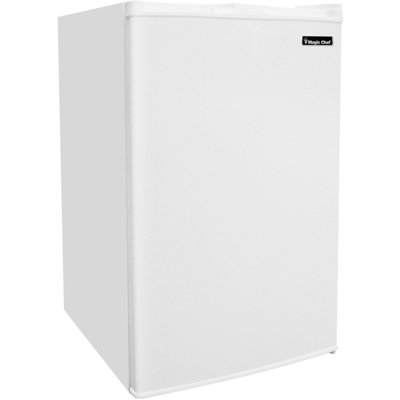
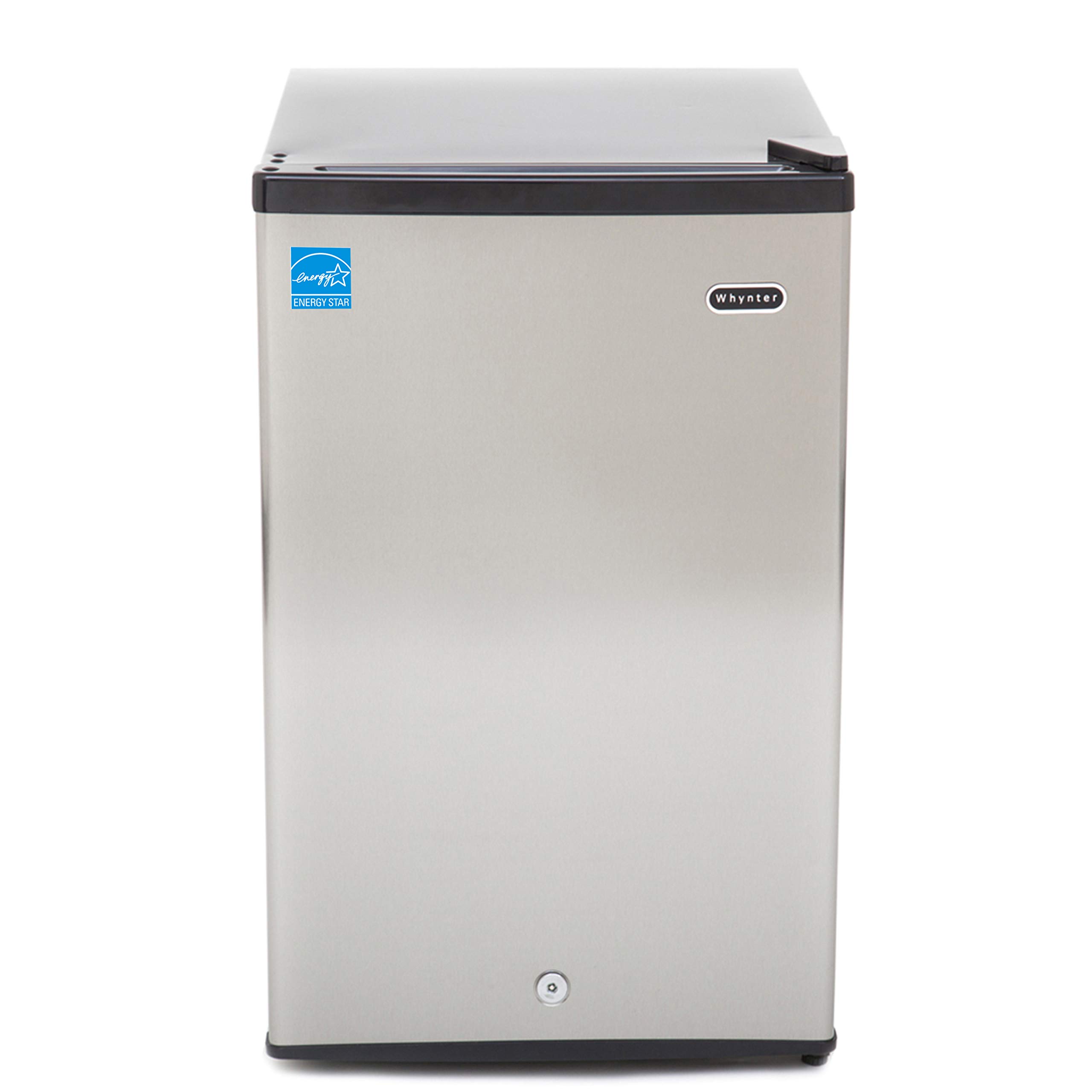
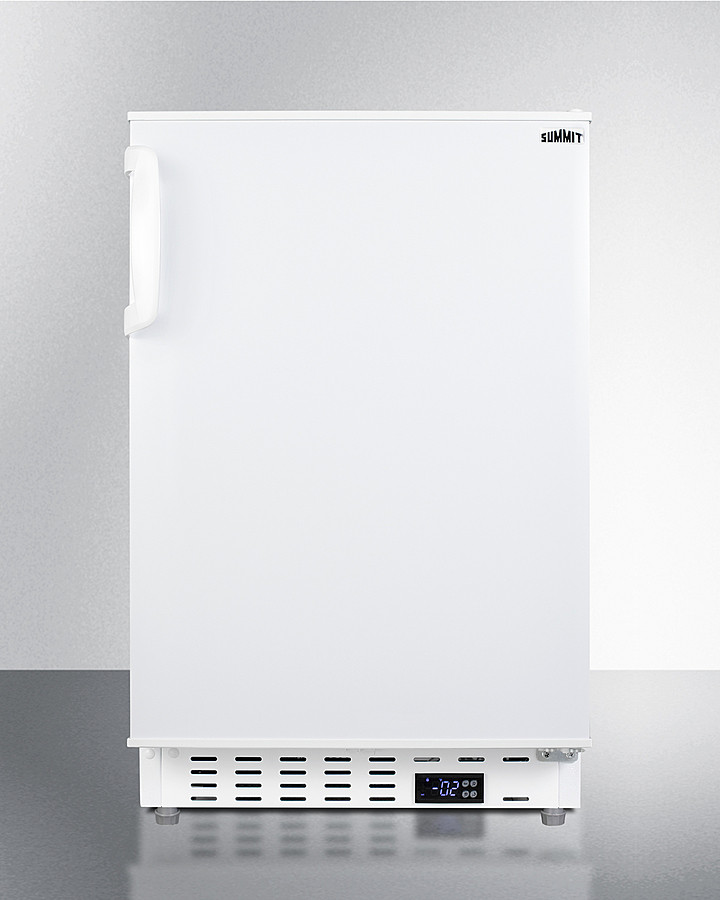
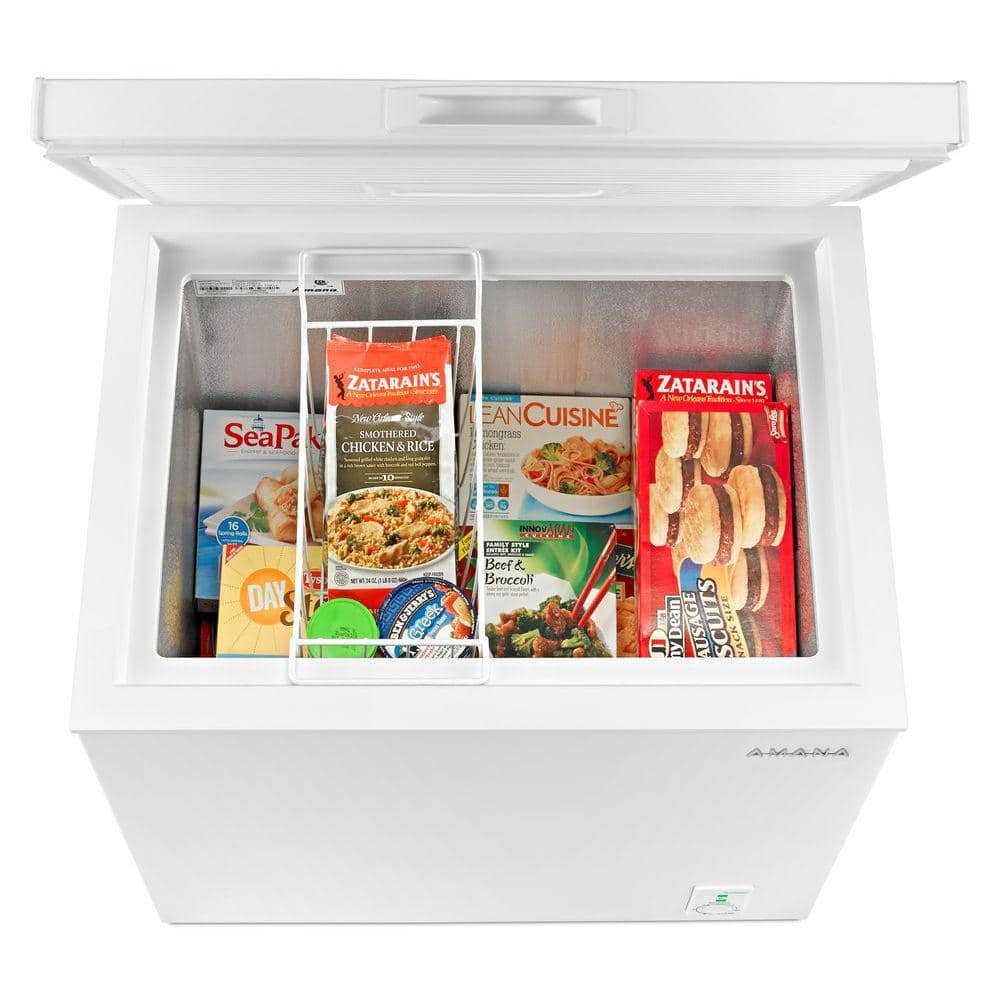
A convertible freezer refrigerator and an ice cream refrigerator are built around different design priorities. The convertible is engineered for flexibility — one appliance that handles both frozen and fresh food storage by switching modes. The ice cream unit is engineered for a single perfect outcome — ice cream at exactly the right scooping temperature. Comparing their design features reveals how engineering choices serve different user needs.
Thermostat Design
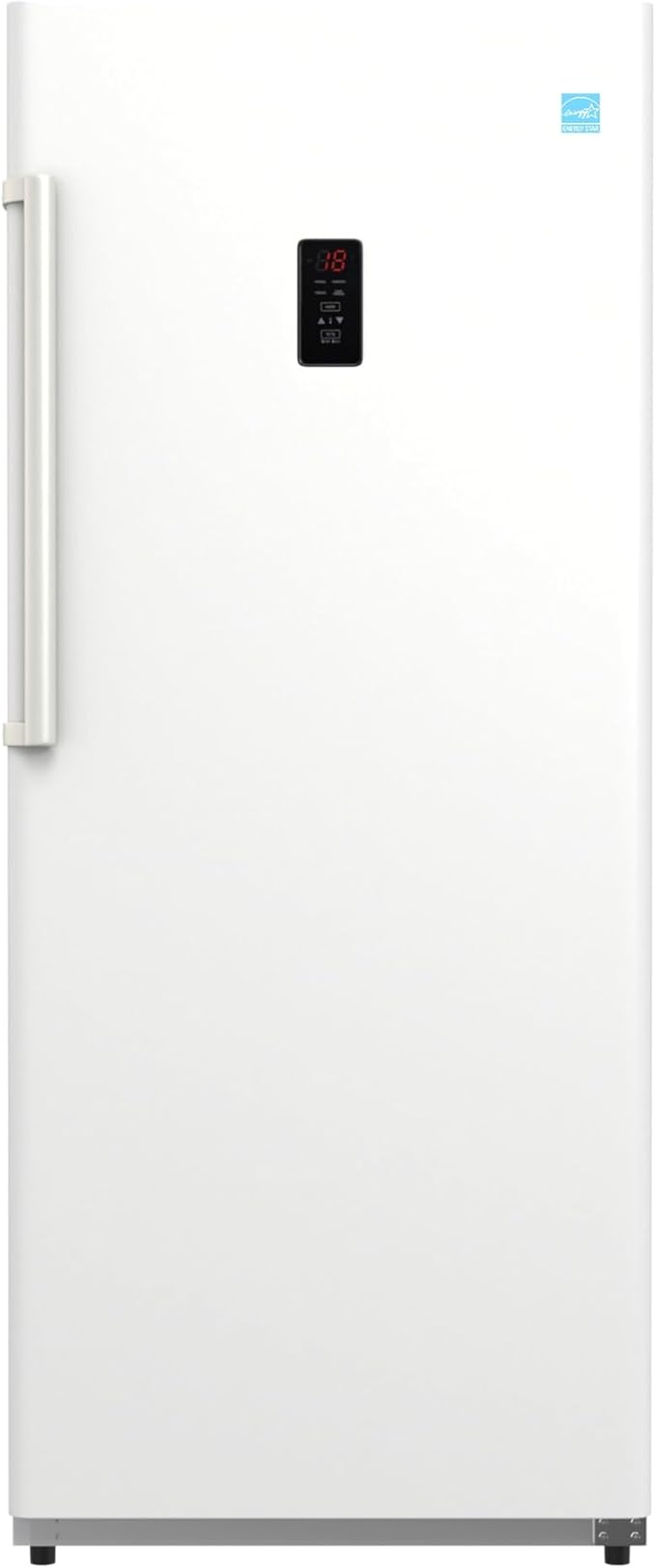
A convertible freezer refrigerator uses a wide-range thermostat that covers 0°F (freezer mode) through 42°F (refrigerator mode). The thermostat must maintain accuracy across a 42-degree operating span. This is a significant engineering challenge — a thermostat optimized for 0°F and one optimized for 38°F require different sensor calibrations. Convertible models use electronic thermostats with microprocessor control to maintain precision across the full range.
An ice cream refrigerator (serving type) uses a narrow-range thermostat calibrated for 5 to 10°F — a 5-degree window. The narrow target allows extremely precise temperature holding, which matters because ice cream texture changes noticeably with every 2 degrees of variation. At 5°F, ice cream is firm but scoopable. At 10°F, it is soft and creamy. At 15°F, it begins to deform under its own weight. The thermostat precision is the most critical design feature in an ice cream unit.
Insulation
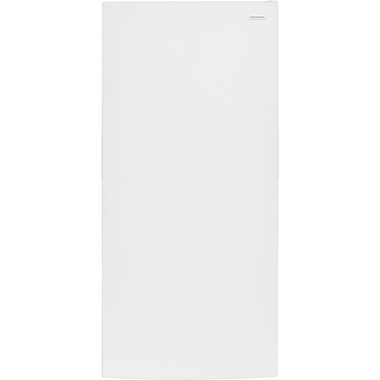
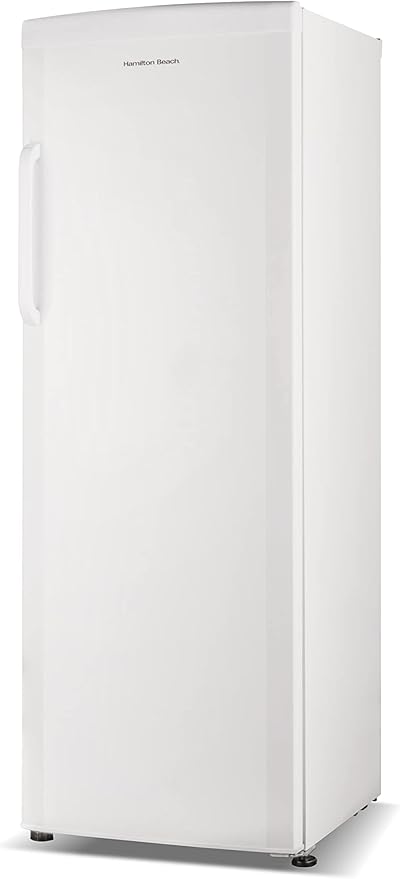
Convertible freezer refrigerators use standard polyurethane foam insulation — typically 2 to 3 inches thick. The insulation must perform across both mode temperatures. In freezer mode at 0°F, the insulation prevents external heat from warming the interior. In fridge mode at 38°F, the same insulation prevents the compressor from over-cooling. The insulation thickness is a compromise — thick enough for freezer efficiency, not so thick that it wastes space.
Ice cream dipping cabinets use thicker insulation — 3 to 4 inches — because the open-top or glass-top design creates significant thermal load. The exposed surface area where cold air meets warm room air is much larger than a sealed-door appliance. Without heavy insulation on the walls and bottom, the compressor would run continuously and still struggle to maintain temperature. The insulation thickness directly affects energy consumption and temperature stability.
Compressor System
Convertible models use residential-grade compressors rated for continuous operation at either temperature extreme. The compressor must cycle efficiently at 0°F (heavy load) and 38°F (light load) without short-cycling or over-running. Some premium models use variable-speed inverter compressors that adjust output based on current mode and thermal demand.
Ice cream freezers use commercial-duty compressors designed for the specific thermal load of an open or glass-top cabinet. The compressor runs frequently — often 60 to 80 percent of the time — because the display design constantly loses cold air. The duty cycle is much higher than a convertible freezer, which cycles only 20 to 40 percent of the time behind its sealed door.
Interior Layout
Convertible freezer refrigerators feature adjustable wire or glass shelves, door bins, and sometimes pull-out baskets. The interior layout must work for both frozen packages (rigid, stackable) and fresh food containers (various shapes, sometimes liquid-filled). Shelving is flat and adjustable to accommodate different item sizes in either mode. Nothing about the interior layout is mode-specific — the same shelves work regardless of temperature setting.
Ice cream dipping cabinets use a fundamentally different interior. Cylindrical wells or flat compartments hold round 3-gallon tubs. The wells are sized to cradle standard commercial ice cream containers. Hinged lids cover each well when not in use, reducing heat gain. The display surface — glass top, open top, or sliding glass doors — prioritizes visibility and scooping access over energy efficiency. The interior is purpose-built for one container shape and one access pattern.
Display Features
Convertible freezer refrigerators have no display features. The solid door is opaque — contents are hidden. There is no glass panel, no interior lighting visible from outside, and no merchandising-style presentation. The design is utilitarian and functional.

Ice cream display freezers are all about visibility. Glass tops or glass fronts let customers (or household members) see every flavor. Interior lighting highlights the ice cream for visual appeal. Some models include illuminated flavor labels, LED accent lighting, and angled display surfaces that present the ice cream at an optimal viewing angle. The display design is the product's primary selling point — it turns ice cream storage into an experience.
Defrost System
Convertible models come in manual defrost and frost-free variants. Frost-free models use an automatic defrost heater that periodically melts ice buildup on the evaporator. This works well in both freezer and fridge modes.
Ice cream freezers typically use manual defrost or hot gas defrost systems. Automatic frost-free cycles can cause temperature spikes that partially soften ice cream — unacceptable for a product where texture precision is critical. Hot gas defrost routes warm refrigerant through the evaporator for rapid, controlled ice removal without significant temperature increase in the storage compartment. This specialized defrost method is unique to ice cream and commercial food display equipment.
Size and Form Factor
| Type | Width | Height | Depth | Format |
|---|---|---|---|---|
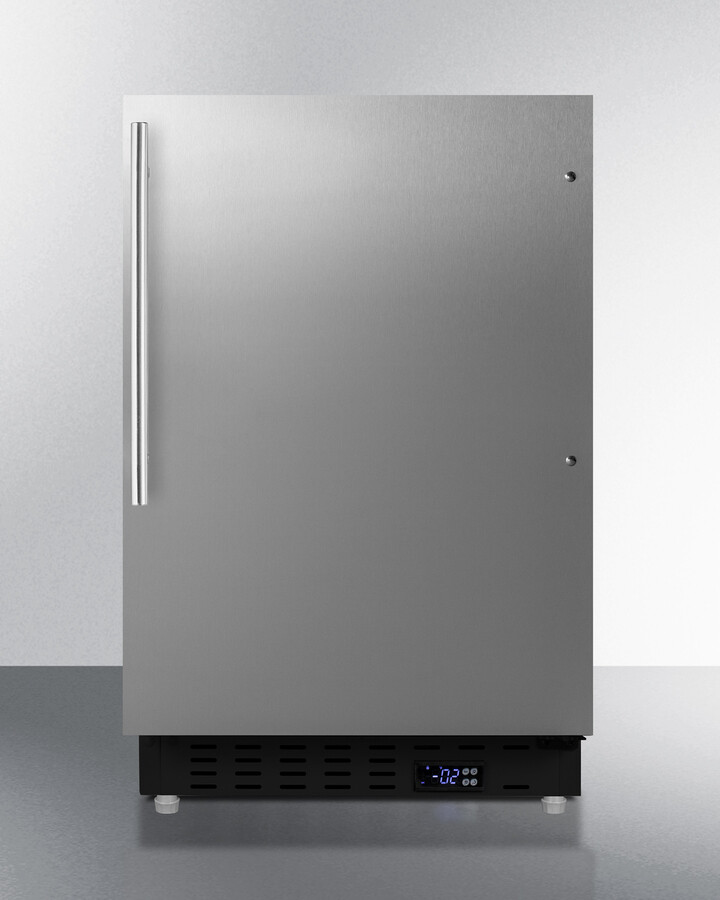
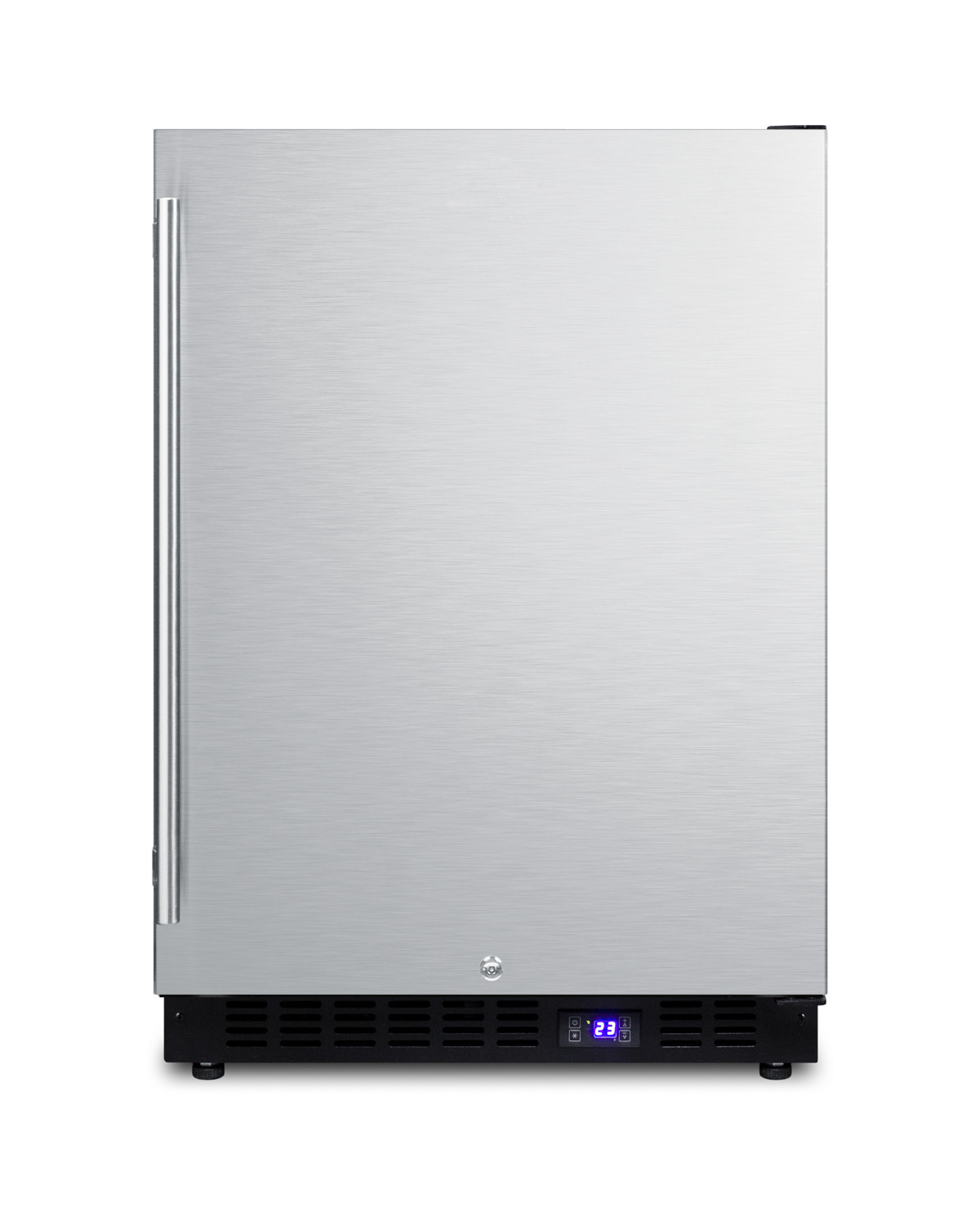
| Convertible (upright) | 21 - 32 in | 55 - 72 in | 24 - 30 in | Tall cabinet, front-opening |
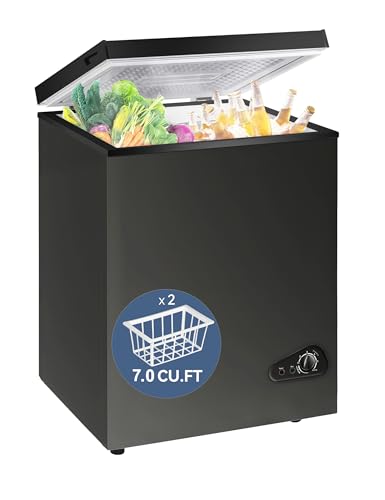
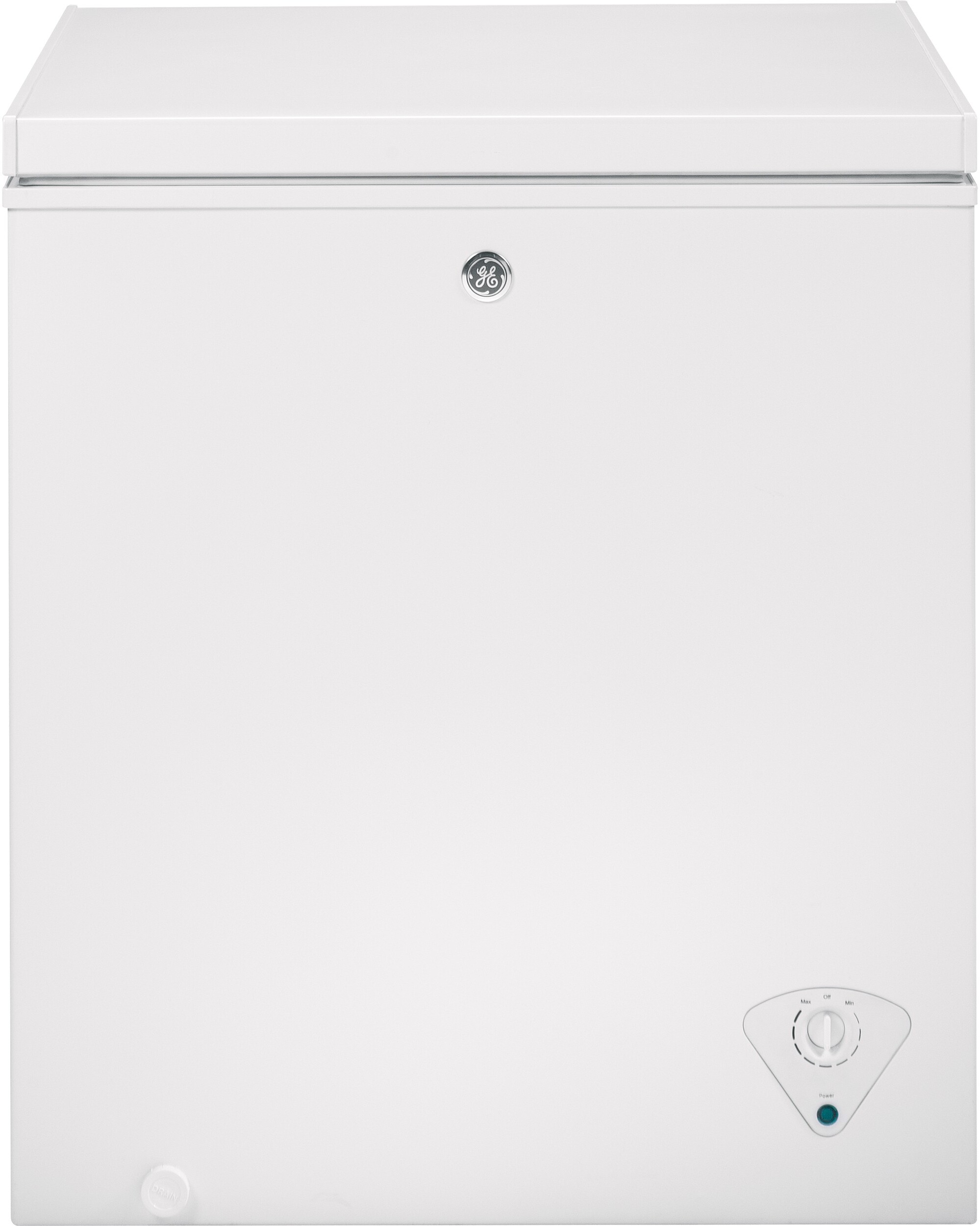
| Convertible (chest) | 28 - 48 in | 32 - 35 in | 22 - 28 in | Low box, top-opening |
| Ice Cream Dipping Cabinet | 24 - 60 in | 36 - 42 in | 24 - 30 in | Counter-height, top-access |
| Home Ice Cream Freezer | 15 - 24 in | 20 - 34 in | 15 - 22 in | Compact, front or top access |
Materials
Convertible freezer refrigerators use painted steel exteriors and plastic or coated metal interiors — standard residential appliance construction. Door handles are plastic or chrome. The materials are durable for home use but not designed for the heavy cleaning and commercial abuse that food service environments demand.
Ice cream dipping cabinets use stainless steel exteriors and interiors — full commercial-grade construction designed for daily cleaning with commercial sanitizers. Curved interior corners prevent bacterial buildup. Drain systems route cleaning solution out of the unit. The materials withstand the constant wiping, scooping impacts, and cleaning cycles that ice cream service requires.
Controls
Convertible models use electronic digital controls with clear mode indicators — a display shows the current temperature and mode (freezer or fridge). The interface must clearly communicate which mode is active to prevent accidentally storing frozen food in fridge mode or vice versa.
Ice cream freezers use precise analog or digital thermostats with narrow-range adjustment. Some models include high-temperature alarms that alert when the interior warms above the target range — protecting ice cream from partial melting during compressor failures or door-left-open events.
Energy Comparison
| Type | Annual kWh | Annual Cost |
|---|---|---|
| Convertible (14 cu ft, freezer mode) | 350 - 550 kWh | $45 - $70 |
| Ice Cream Dipping Cabinet (8 tub) | 600 - 1,200 kWh | $75 - $150 |
| Home Ice Cream Freezer (2 cu ft) | 200 - 350 kWh | $25 - $45 |
Pricing
| Type | Budget | Mid-Range | Premium |
|---|---|---|---|
| Convertible Freezer Refrigerator | $400 - $700 | $700 - $1,200 | $1,200 - $1,800 |
| Ice Cream Dipping Cabinet | $800 - $1,500 | $1,500 - $3,000 | $3,000 - $6,000 |
| Home Ice Cream Freezer | $150 - $300 | $300 - $500 | $500 - $800 |
Who Should Buy Which
Buy a convertible freezer refrigerator if you need flexible household cold storage that adapts between frozen and fresh food. The design serves general-purpose needs across two modes.
Buy an ice cream freezer if you need precision temperature control for scoopable ice cream — whether for home entertaining, homemade production, or a small business. The design serves one specific need with purpose-built engineering.
Shop at Fridge.com
Compare convertible freezer refrigerators and ice cream freezers at Fridge.com. Filter by capacity, temperature range, and price to find the appliance engineered for your specific need.