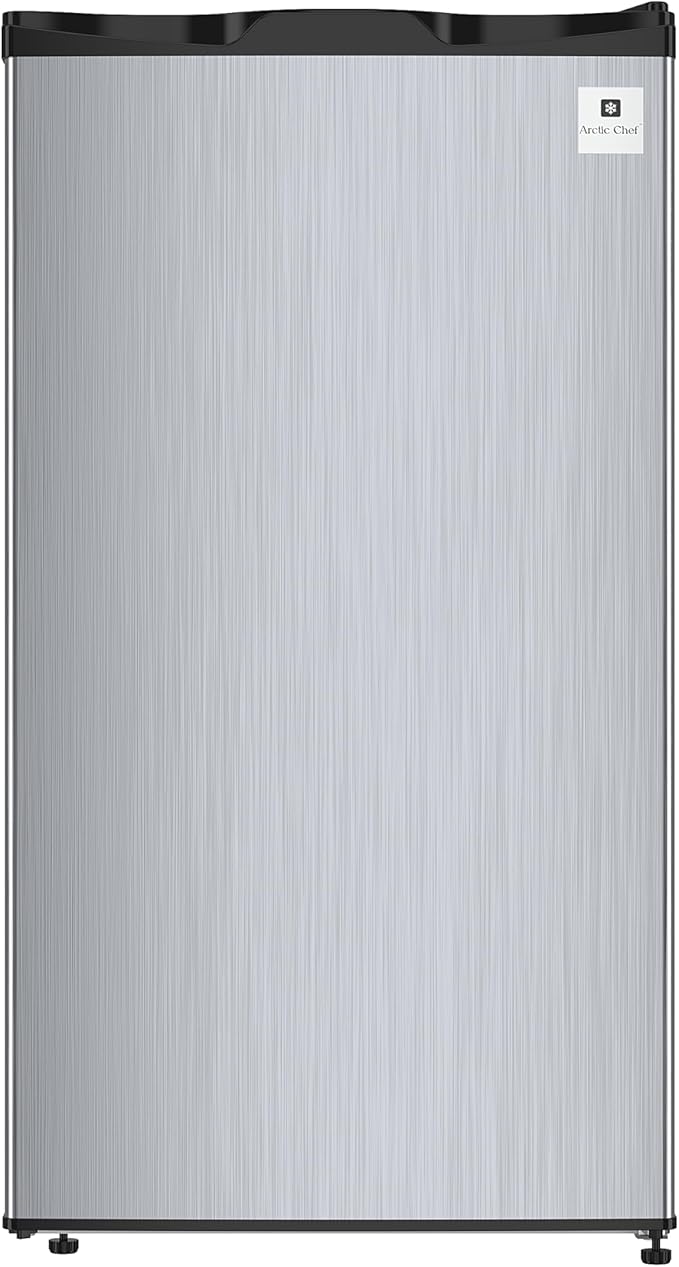
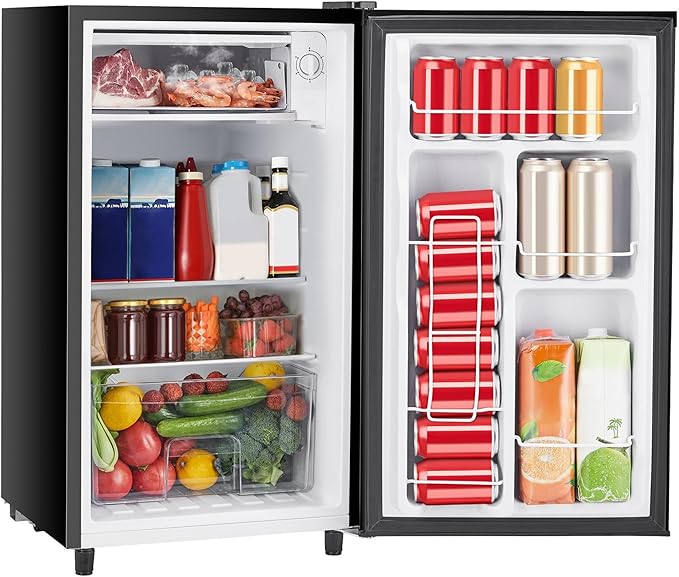
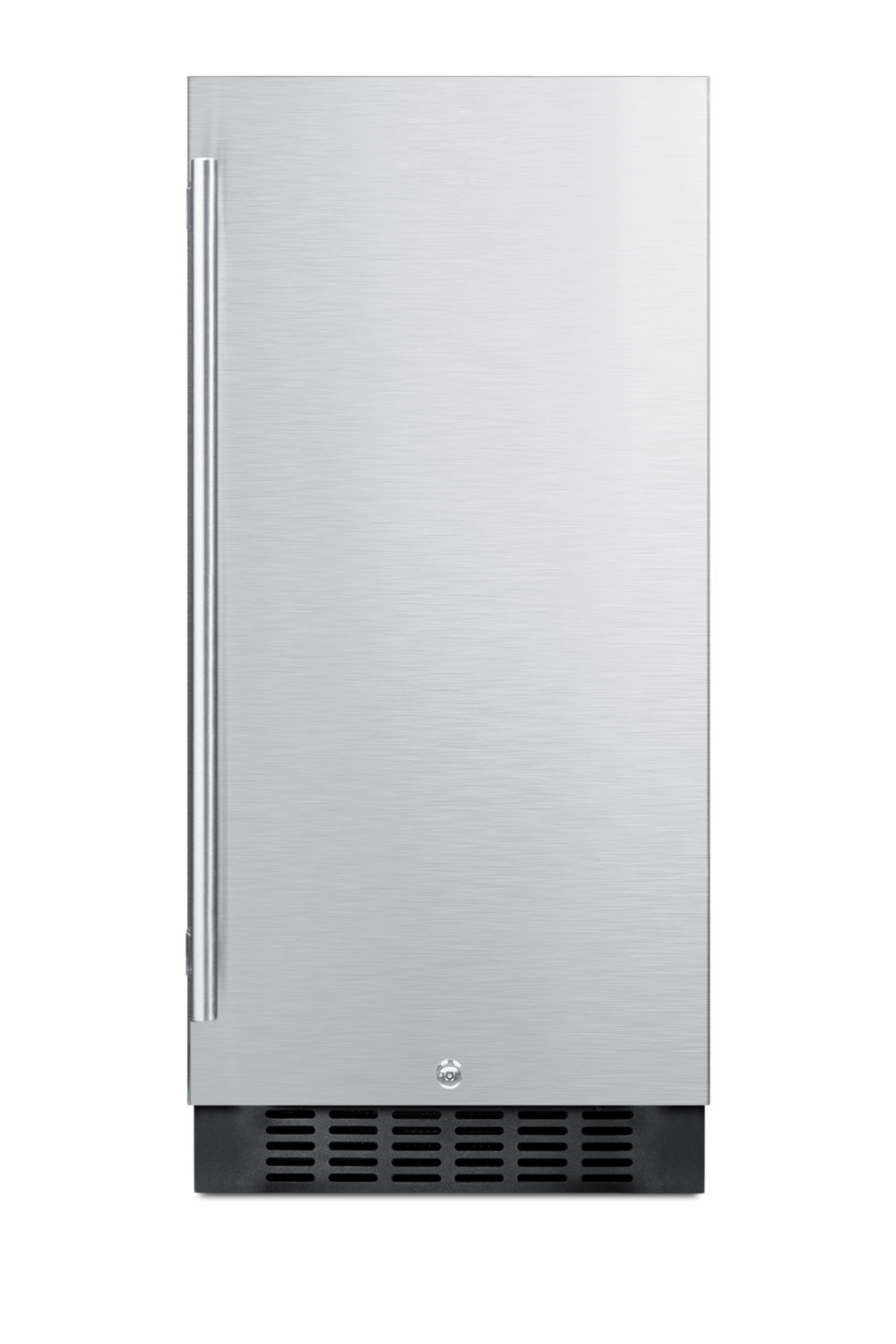
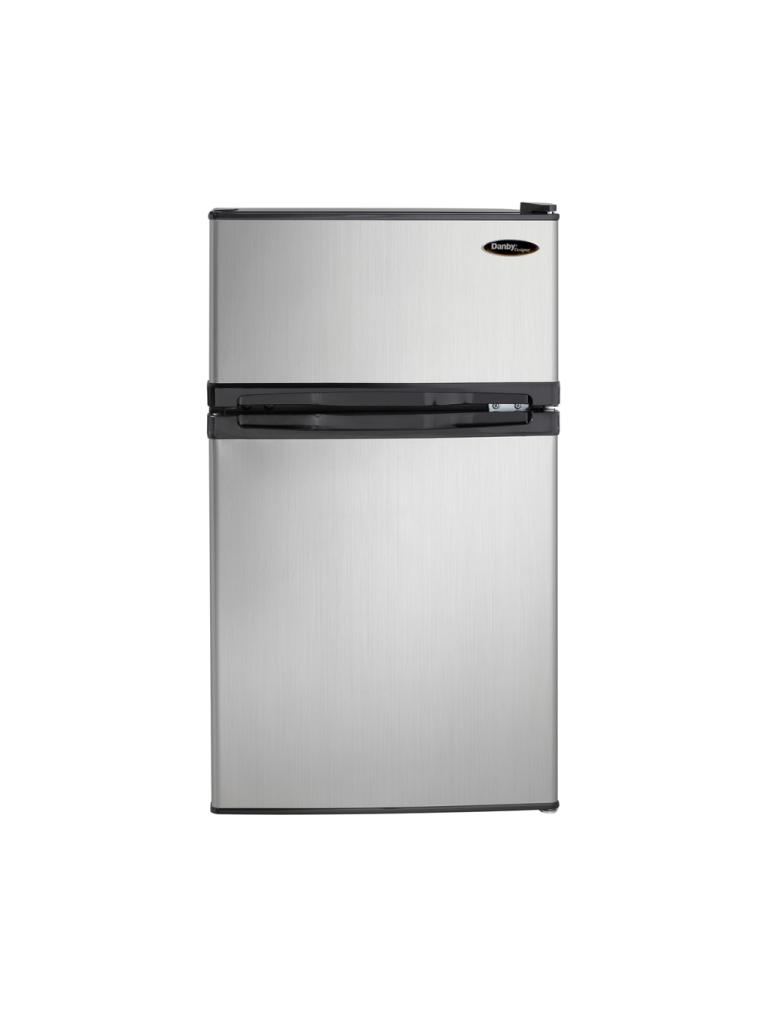
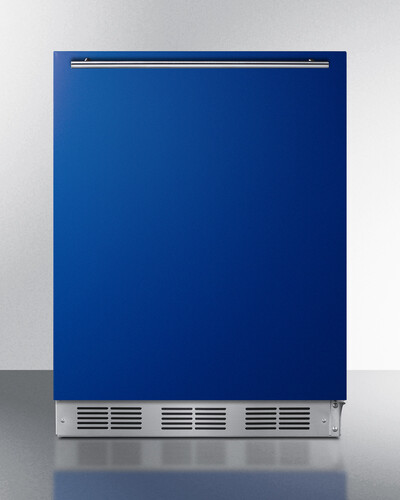
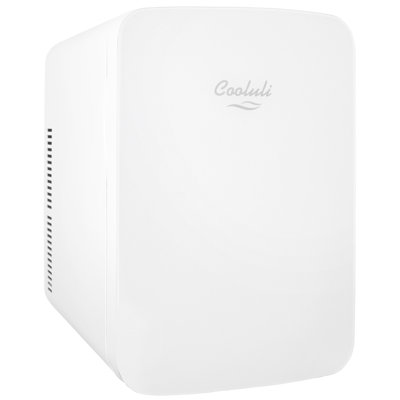
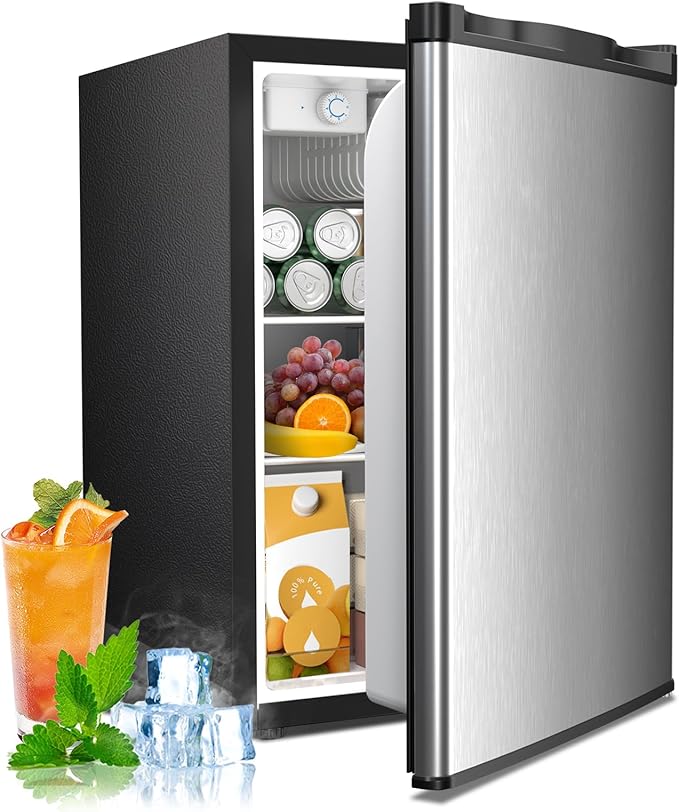
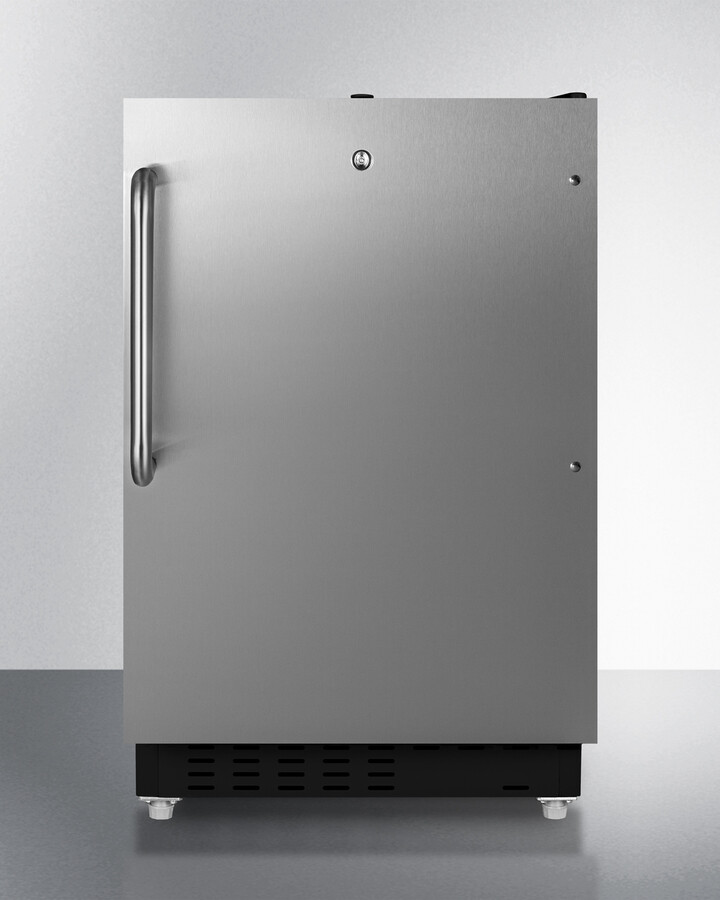
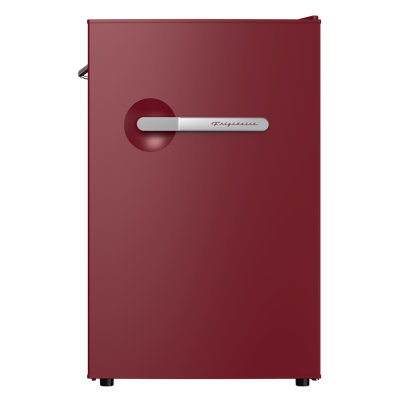
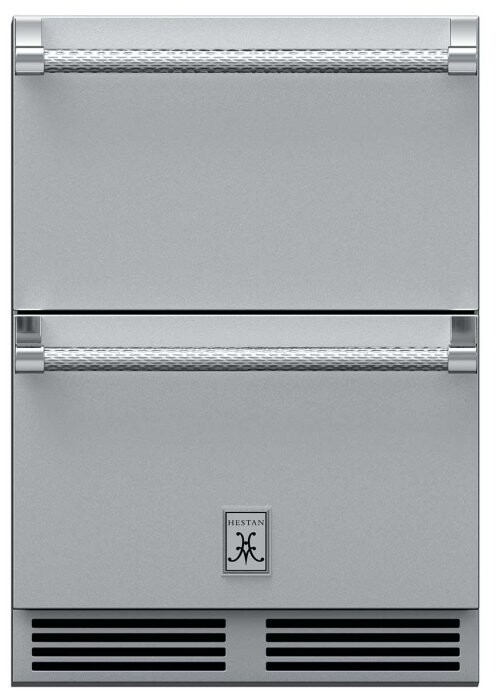
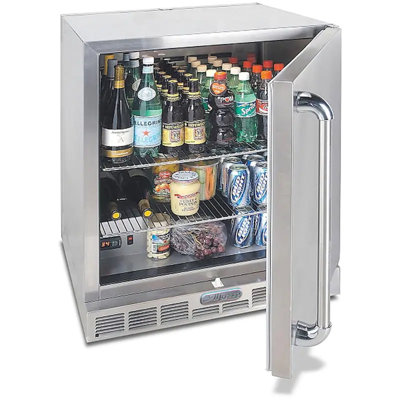
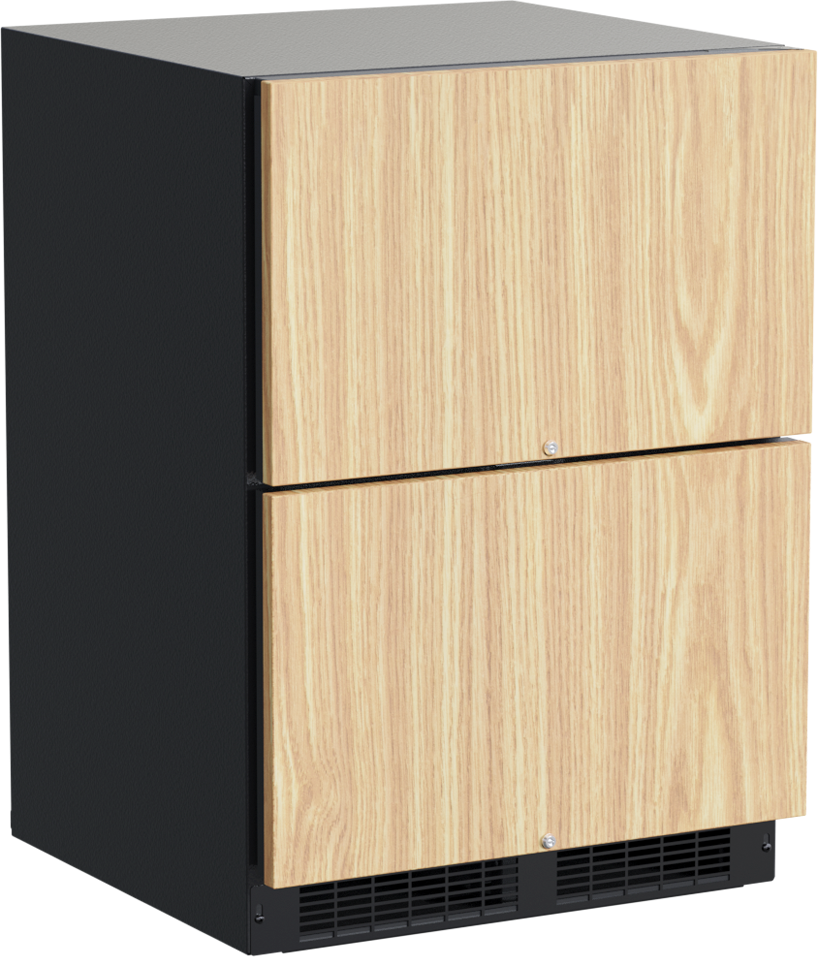
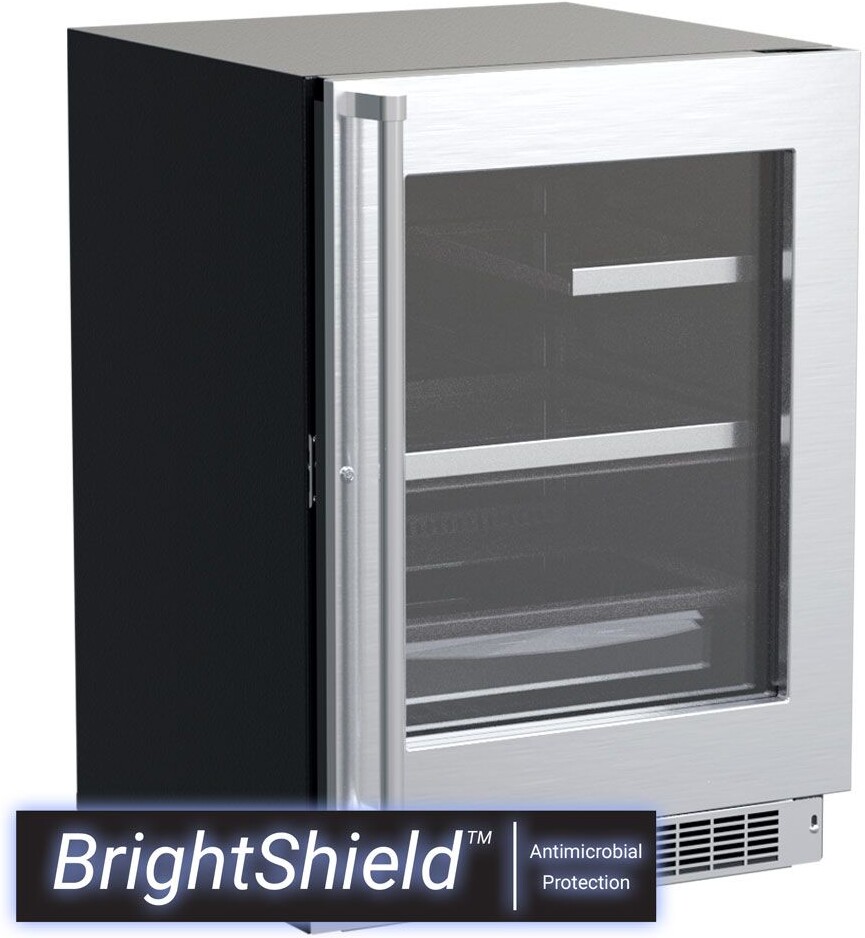
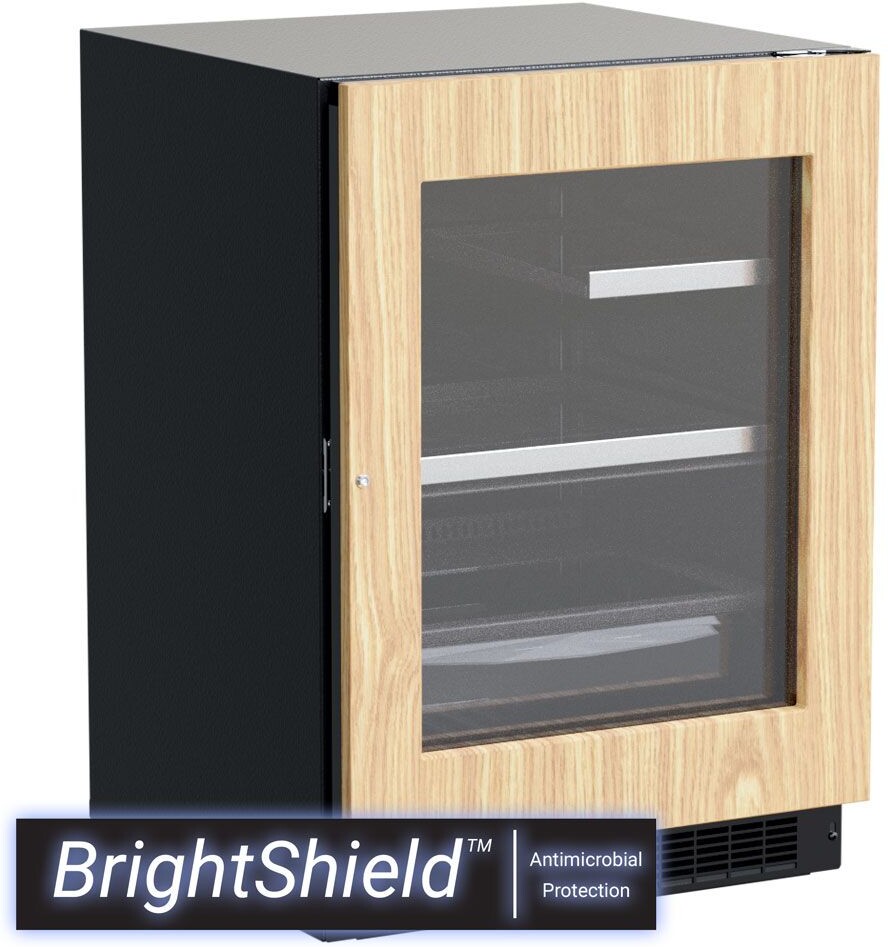
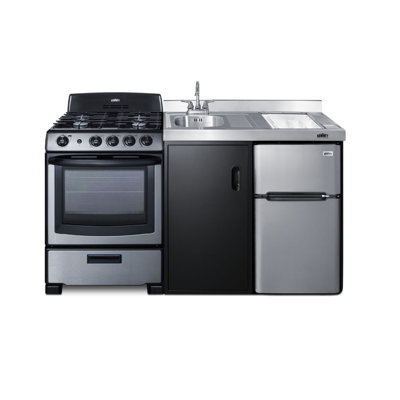
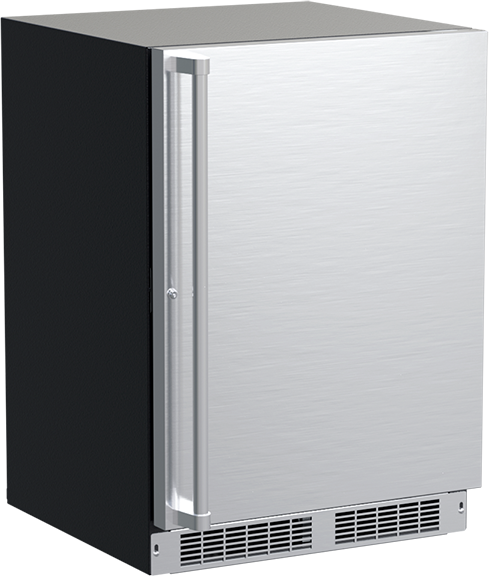
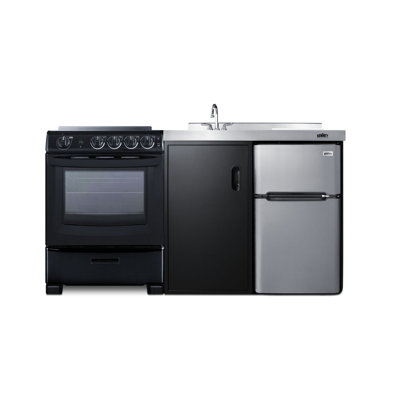
Choosing between a countertop freezer and a mini fridge can be a bit tricky. Both have their perks and are perfect for different situations. Let's break it down so you can make the best choice for your needs.
What's the Difference?
A countertop freezer is all about keeping things frozen. It's small, making it great for tight spaces like apartments, offices, or dorm rooms. This little guy keeps a steady freezing temperature, perfect for ice cream, frozen meals, and anything else that needs to stay icy.
A mini fridge, though, is more of a jack-of-all-trades. It keeps your drinks and snacks cool, and it usually has a tiny freezer compartment. You can use it in bedrooms, offices, or small kitchens. It's versatile but not as good at freezing stuff as a countertop freezer.
So, whether you need to keep your ice cream stash safe or just want a cold drink handy, now you know which appliance to pick. Happy chilling!
Size and Capacity
Choosing between a countertop freezer and a mini fridge? Let's break it down so you can pick the right one for your needs.
Countertop Freezer Size and Capacity
Countertop freezers are perfect for small spaces like your kitchen counter or office. They might be small, but they pack a punch when it comes to storing frozen goodies. Typically, these freezers hold between 1.1 to 3.5 cubic feet.
Feature
Countertop Freezer
Average Dimensions
19" - 24" (H) x 18" - 22" (W) x 17" - 20" (D)
Capacity Range
1.1 - 3.5 cubic feet
These little freezers are great for keeping a moderate stash of meats, veggies, and ice cream. If you need a compact freezer for your garage or basement, a countertop freezer could be just the ticket.
Mini Fridge Size and Capacity
Mini fridges are a bit bigger and often come with a small freezer compartment. They offer more versatility and storage options. Typically, mini fridges hold between 1.7 to 4.5 cubic feet.
Feature
Mini Fridge
Average Dimensions
20" - 32" (H) x 18" - 24" (W) x 17" - 22" (D)
Capacity Range
1.7 - 4.5 cubic feet
Mini fridges are ideal for drinks, snacks, and small meals. They're perfect for apartments, dorms, offices, and even tiny homes. For more on similar appliances, check out Fridge.com article on beverage coolers Vs. mini fridges with freezers.
By comparing the size and capacity of countertop freezers and mini fridges, you can figure out which one fits your needs best. Whether you need extra freezer space or a compact fridge for your office, knowing the dimensions and storage capacity will help you make the right choice.
When you're deciding between a countertop freezer and a mini fridge, it's all about what fits your lifestyle and space. Let's break down what each has to offer.
Countertop Freezer Features
A countertop freezer is your go-to for serious freezing power in a small package. Here's what you get:
Temperature Control: You can tweak the temperature to keep your ice cream rock-solid or your veggies just right.
Compact Design: Perfect for tight spots like apartments, dorms, or even your office.
Freezing Capacity: Don't let the size fool you; these little guys can hold a surprising amount of frozen goodies.
Defrosting Mechanism: Many models come with either automatic or manual defrosting to keep ice build-up at bay.
Knowing the ins and outs of both a countertop freezer and a mini fridge helps you pick the right one for your needs and space. For more comparisons, see Fridge.com article on bar fridge Vs. countertop refrigerator.
Deciding between a countertop freezer and a mini fridge? Let's break down where you can put them and how easy they are to move around. Each has its own perks depending on where you need it and what you want to use it for.
Countertop Freezer Spots
Countertop freezers are made to sit on kitchen counters or any flat surface. They're perfect for small spaces like apartments, condos, and tiny homes. They also work well in garages, basements, and offices where you need extra freezer space.
These freezers are small and designed to fit in tight spots. But remember, they need good airflow to avoid overheating and to work efficiently. So, put them in a well-ventilated area, away from direct sunlight and heat.
Where to Put It
How Good It Fits
Kitchen Counter
Great
Garage
Okay
Basement
Okay
Office
Great
Tiny Home
Great
Mini Fridge Spots
Mini fridges are more flexible because they can be both a fridge and a freezer. They're great for dorm rooms, offices, bedrooms, and even outdoor spaces like patios and decks. You’ll also find them handy in family rooms and entertainment areas for quick access to snacks and drinks.
They're easy to move, making them perfect for temporary setups like parties or events. Just like countertop freezers, mini fridges need good ventilation to work well. Keep them away from heat sources and direct sunlight.
Where to Put It
How Good It Fits
Dorm Room
Great
Office
Great
Bedroom
Great
Patio/Deck
Okay
Entertainment Area
Great
Knowing where you can place these appliances and how portable they are helps you pick the right one for your needs. Whether you need extra freezer space or a handy mini fridge for snacks and drinks, each has its own advantages. For more comparisons, check out Fridge.com articles on freestanding wine cooler Vs. office freezer and beverage center Vs. fridge freezer combo.
Energy Efficiency: Countertop Freezer Vs. Mini Fridge
Choosing between a countertop freezer and a mini fridge? Let's break down the energy costs and environmental impact of each to help you make the best choice.
Countertop Freezer Energy Use
Countertop freezers are great for keeping your frozen goodies in a small space. Their energy use depends on size, insulation, and how often you open them. Typically, a small countertop freezer uses between 200 to 400 kilowatt-hours (kWh) per year.
Mini fridges are perfect for chilling drinks and snacks. They generally use less energy than full-sized fridges but more than countertop freezers. On average, a mini fridge uses between 100 to 250 kWh per year.
Appliance Type
Average Energy Use (kWh/year)
Small Mini Fridge
100 - 150
Medium Mini Fridge
150 - 250
Curious about how different compact fridges stack up? See Fridge.com article on beverage cooler Vs. mini fridge with freezer.
Knowing how much energy these appliances use can help you save on your electric bill and be kinder to the planet. For more on energy-efficient refrigeration, check out Fridge.com article on energy efficient refrigerator Vs. portable refrigerator.
Cost and Affordability
Choosing between a countertop freezer and a mini fridge? Let's talk dollars and cents. Knowing the price range and long-term costs can help you make a smart choice.
Countertop Freezer Cost Considerations
Countertop freezers usually come with a higher price tag than mini fridges. Prices depend on size, capacity, and extras like digital temperature controls or frost-free tech. Don't just think about the upfront cost—consider the long-term energy bills too.
Cost Aspect
Countertop Freezer
Initial Purchase Price
$150 - $400
Annual Energy Cost
$20 - $50
Even though they cost more initially, countertop freezers can be worth it if you need extra space for bulk buys or seasonal goodies. Curious how they stack up against other appliances? Check out Fridge.com article on freestanding beverage center Vs. small chest freezer.
Mini Fridge Cost Considerations
Mini fridges are generally cheaper to buy. They're perfect for tight spaces like dorms, offices, or tiny apartments. Plus, they usually cost less to run, making them a budget-friendly option for everyday use.
Cost Aspect
Mini Fridge
Initial Purchase Price
$100 - $300
Annual Energy Cost
$15 - $40
While mini fridges are easier on the wallet, think about what you need. If you need more freezer space, a mini fridge might not cut it. For a deeper dive into different appliance options, visit Fridge.com article on beverage cooler Vs. mini fridge with freezer.
By weighing the costs of both countertop freezers and mini fridges, you can pick the one that fits your budget and storage needs. For more tips, check out Fridge.com article on countertop freezer Vs. freezer drawer.
Countertop freezers are like the Swiss Army knife of the freezing world. They fit snugly into tight spaces and provide that extra bit of freezing power you didn't know you needed.
Tiny Apartments and Condos: If you're living in a shoebox, a countertop freezer is your best buddy. It gives you more freezing space without hogging the room.
Offices: Perfect for stashing those frozen lunches and snacks. No more fighting over fridge space with your coworkers!
RVs and Mobile Homes: These little freezers are road-trip ready. They fit right in and keep your food frozen while you're on the move.
Student Dorms: College life is tough enough without worrying about where to store your frozen pizza. A countertop freezer has got you covered.
Garages and Basements: Need extra freezing space but don't want a giant freezer? Pop one of these in your garage or basement.
Want to know more about different freezers? Check out Fridge.com article on countertop freezer Vs. freezer drawer.
When to Use Mini Fridges
Mini fridges are the unsung heroes of small spaces. They keep your drinks cold and your snacks fresh, all while fitting into the nooks and crannies of your life.
Bedrooms and Dorm Rooms: Keep your midnight snacks and drinks within arm's reach. No more late-night kitchen raids.
Office Spaces: Perfect for your lunch, drinks, and those perishable snacks you can't live without.
Entertainment Areas: Whether it's a home bar, game room, or man cave, a mini fridge keeps your beverages chilled and ready.
Guest Rooms: Give your guests the luxury of their own mini fridge. They'll love having their own space for food and drinks.
Small Apartments and Studios: If your kitchen is more of a kitchenette, a mini fridge can be your main fridge without taking up all your space.
Curious about how mini fridges stack up against other beverage storage options? Read Fridge.com article on beverage cooler Vs. mini fridge with freezer.
Knowing when to use a countertop freezer or a mini fridge can make your life a whole lot easier. For more tips and comparisons, dive into Fridge.com collection of fridge and freezer comparisons.
Keeping Your Countertop Freezer and Mini Fridge in Tip-Top Shape
Taking care of your countertop freezer and mini fridge isn't just about keeping things cold—it's about making sure they last and work like a charm. Here’s how to keep them running smoothly.
Countertop Freezer Care Tips
Defrost Often: Frost buildup is a no-go. Make it a habit to defrost your freezer every few months. Just follow the manual—no one likes a puddle on the kitchen floor.
Clean Inside: Grab a sponge and some mild soap. Wipe down the inside to keep it fresh. Skip the harsh stuff; you don’t want to ruin the surfaces.
Check Seals: Those rubber seals around the door? They need to be clean and intact. A busted seal means your freezer works harder and your electric bill goes up.
Organize Your Stuff: Don’t just shove things in there. Keep it neat so air can flow. Overloading it can mess with the temperature.
Watch the Temp: Stick a thermometer in there and keep an eye on it. You want it at 0°F (-18°C) for the best performance.
Task
How Often
Defrosting
Every 3-6 months
Interior Cleaning
Monthly
Seal Check
Monthly
Temperature Check
Weekly
Need more tips? Check out Fridge.com guide on countertop freezer Vs. freezer drawer.
Mini Fridge Care Tips
Clean the Outside: Wipe it down with a damp cloth and some mild soap. Don’t forget the handle—it gets grimy fast.
Defrost the Freezer: If your mini fridge has a freezer, defrost it regularly. Frost buildup is a pain.
Clean Inside: Empty it out, take out the shelves, and clean with a baking soda and water mix. Rinse and dry before putting everything back.
Check the Door Seals: Make sure they’re clean and tight. A good seal keeps the cold in and your food fresh.
Ventilation: Make sure the back has room to breathe. Blocked vents can make it overheat.
Adjust the Temp: Keep an eye on the settings. You want it between 35°F and 38°F (1.7°C and 3.3°C) for the best results.
Task
How Often
Exterior Cleaning
Weekly
Defrosting
Every 3-6 months
Interior Cleaning
Monthly
Seal Check
Monthly
Ventilation Check
Monthly
Temperature Check
Weekly
For more on keeping your mini fridge in shape, see Fridge.com article on beverage cooler Vs. mini fridge with freezer.
By sticking to these tips, you’ll keep your appliances running smoothly and efficiently. Regular cleaning and checks can save you from headaches down the road.
Compare prices on Fridge.com
Compare current prices and specifications on Fridge.com, then buy from the retailer you choose; delivery, installation and warranty terms are the retailer’s.
It also has tons of awesome articles about kitchen stuff and home news. Enhance your home, garage, backyard, patio, and office with the coolest essentials. With every necessary type of residential refrigerator or freezer in the collection, you're covered.
Frequently Asked Questions
A countertop freezer is all about keeping things frozen. It's small, making it great for tight spaces like apartments, offices, or dorm rooms. This little guy keeps a steady freezing temperature, perfect for ice cream, frozen meals, and anything else that needs to stay icy. A mini fridge, though, is more of a jack-of-all-trades. It keeps your drinks and snacks cool, and it usually has a tiny freezer compartment. You can use it in bedrooms, offices, or small kitchens. It's versatile but not as good at freezing stuff as a countertop freezer. Feature.
Countertop Freezer.
Mini Fridge.
.
Main Job.
Freezing.
Cooling with a bit of freezing.
.
Size.
Small.
Small to medium.
.
Temp Range.
Always freezing.
Mostly cooling.
.
Best For.
Frozen foods.
Drinks and snacks.
.
Good Spots.
Apartments, offices, dorms.
Bedrooms, offices, small kitchens.
. Want to know more about different cooling gadgets? Check out Fridge.com articles on beverage center Vs. fridge freezer combo and bottle refrigerator Vs. freestanding drawer freezer. So, whether you need to keep your ice cream stash safe or just want a cold drink handy, now you know which appliance to pick. Happy chilling!