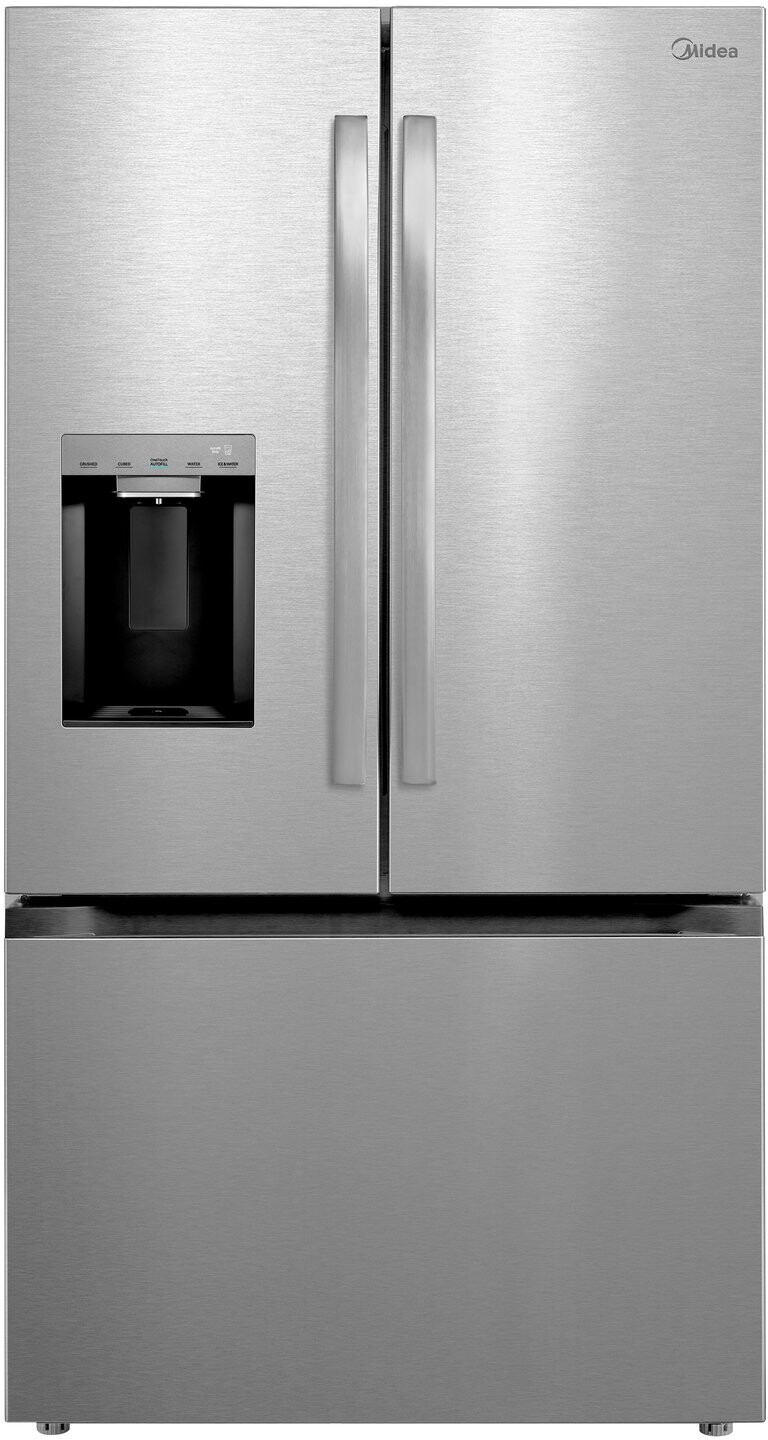
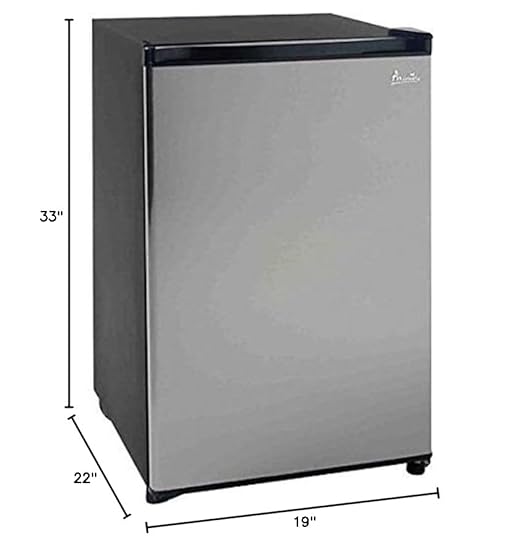
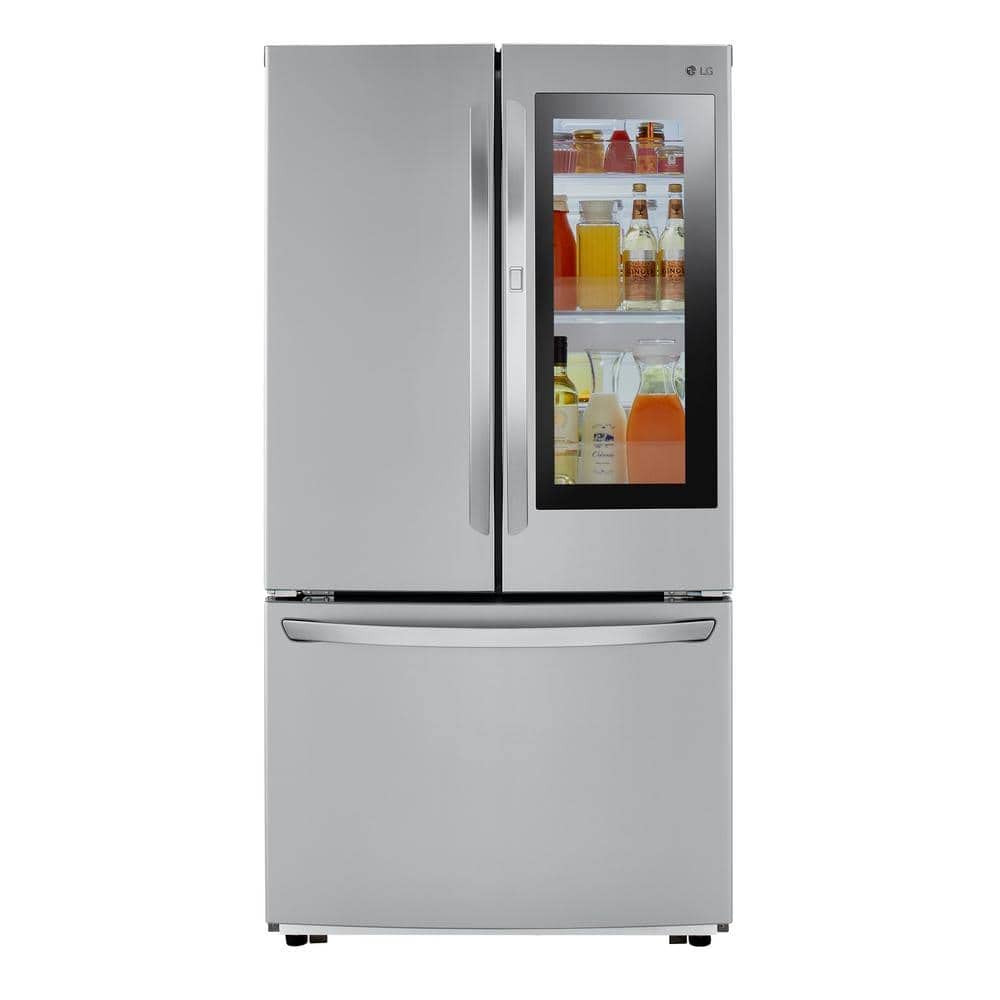
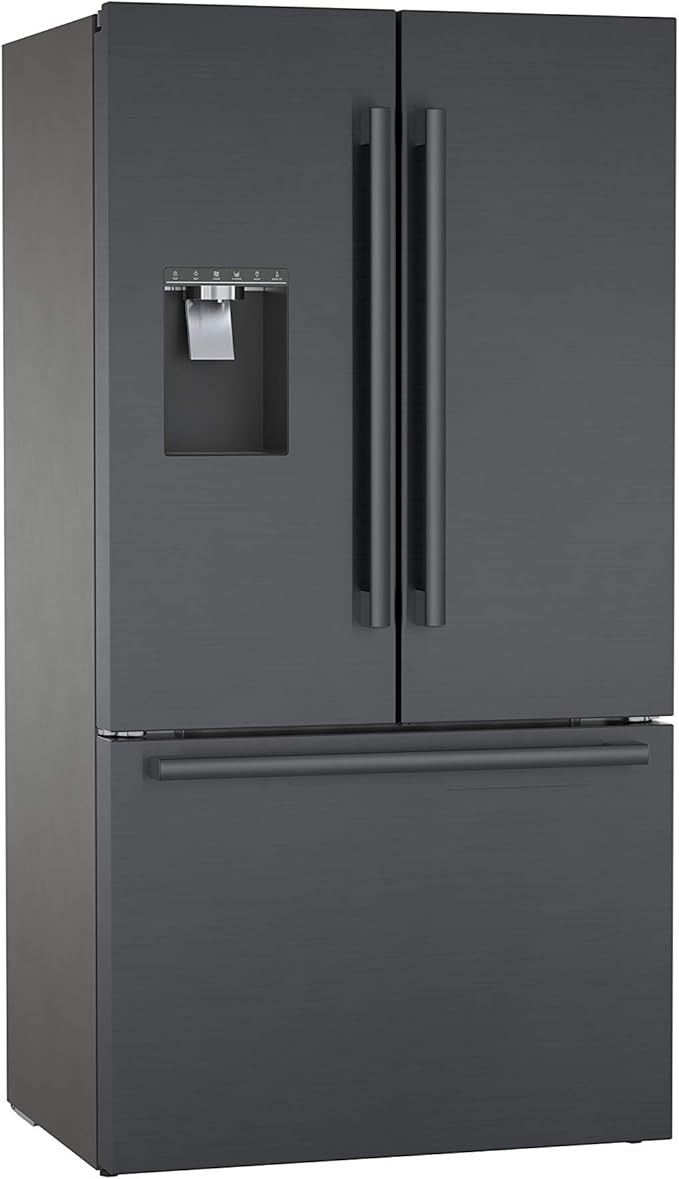
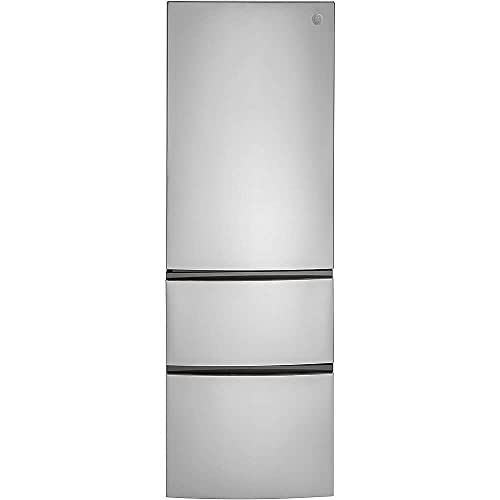
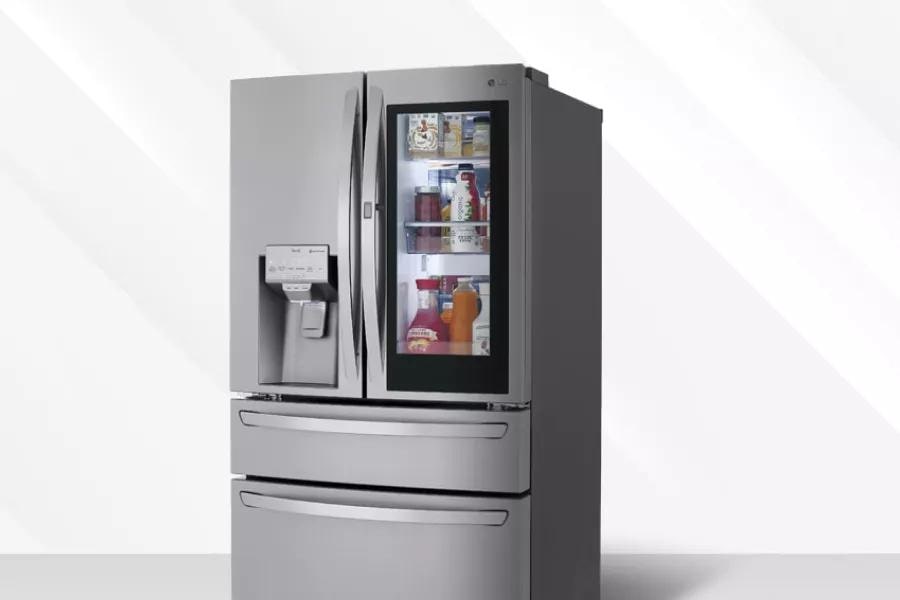
The choice between a counter-depth refrigerator and a standard-depth refrigerator is one of the most consequential kitchen design decisions. It affects how the kitchen looks, how much food you can store, and how the fridge interacts with surrounding cabinetry. A counter-depth model sits flush with 24-inch countertops for a built-in appearance. A standard-depth model protrudes past the counter edge for maximum interior volume. This guide covers every factor in the decision.
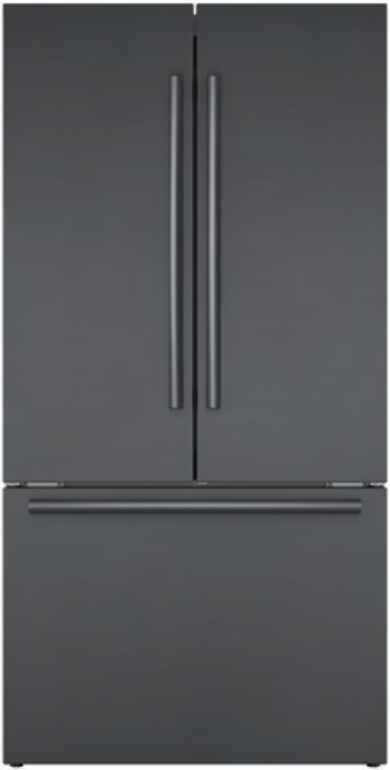
The Depth Difference
| Measurement | Counter-Depth | Standard-Depth |
|---|---|---|
| Depth (without doors) | 23 - 24 inches | 28 - 32 inches |
| Depth (with doors closed) | 24 - 27 inches | 31 - 37 inches |
| Depth (with doors open 90°) | 44 - 50 inches | 50 - 58 inches |
| Protrusion past 24-inch counter | 0 - 3 inches | 7 - 13 inches |
The 7 to 13 inch protrusion of a standard-depth fridge is the visual and spatial problem that counter-depth models solve. That protruding box breaks the countertop line, narrows the walkway in front of the fridge, and creates a bulky appearance that dominates the kitchen. Counter-depth models eliminate this by matching the cabinet face depth — the fridge front aligns with surrounding countertops and cabinets for a continuous, flat profile.


Visual Impact
In a closed kitchen with walls separating it from living areas, the protrusion matters less — visitors see the fridge from the front, not the side. In open-concept layouts where the kitchen is visible from the living room, dining room, or entry, the counter-depth flush profile makes a dramatic difference. The kitchen reads as designed and intentional rather than having a large box stuck out from the wall.
Kitchen designers and architects consistently recommend counter-depth for open-concept homes, kitchen renovations, and any project where kitchen aesthetics are a priority. The flush look was previously available only with $6,000 to $20,000 true built-in models. Counter-depth delivers a similar visual at $1,500 to $4,000.
Capacity Trade-Off
| Configuration | Standard-Depth | Counter-Depth | Capacity Lost |
|---|---|---|---|
| French Door | 24 - 28 cu ft | 20 - 23 cu ft | 3 - 5 cu ft |
| Side-by-Side | 22 - 27 cu ft | 20 - 23 cu ft | 2 - 4 cu ft |
| Top Freezer | 18 - 22 cu ft | 16 - 19 cu ft | 2 - 3 cu ft |
Every counter-depth model sacrifices interior volume compared to its standard-depth equivalent. The lost 3 to 5 cubic feet translates to roughly one shelf's worth of food storage. For a household of four that fills a 25 cu ft fridge weekly, dropping to 21 cu ft means either shopping slightly more frequently or supplementing with a secondary storage unit. For households of one to three people, the reduced capacity is rarely noticed.
Shelf Depth
Counter-depth refrigerators have shallower shelves — items sit closer to the front. This is actually an organizational advantage. In a standard-depth fridge, items pushed to the back of deep shelves get lost and forgotten. Containers of leftover soup, half-used jars, and forgotten produce accumulate in the dark back corners. Counter-depth shelves are shallow enough that you can see everything without reaching deep — nothing hides behind three rows of containers.
Food waste researchers estimate that Americans throw away 30 to 40 percent of food purchased. Shallower shelves that keep all items visible may reduce waste by making forgotten items harder to overlook. While this is difficult to quantify precisely, the organizational benefit of counter-depth shelving is real and frequently cited by owners.
Door Swing and Walkway Clearance
Counter-depth models require less space when doors are open. The shallower body means the door extends less into the kitchen walkway at every opening angle. In kitchens where the fridge faces an island, the additional 4 to 8 inches of clearance that counter-depth provides can make the difference between a comfortable passage and a tight squeeze.
For island-facing fridge locations, measure the distance from the fridge position to the island edge. With a standard-depth fridge (doors open 90 degrees), you need at least 48 inches for comfortable passage. With counter-depth, 42 to 44 inches may suffice. This 4 to 6 inch difference determines whether the kitchen flows smoothly or creates a bottleneck.
Available Configurations
Counter-depth models are available in every major configuration — French door, side-by-side, bottom freezer, and top freezer. French door counter-depth is the most popular combination, offering wide fridge shelves with narrow door swing and a flush profile. Every major brand (Samsung, LG, GE, Whirlpool, KitchenAid, Frigidaire, Bosch) offers multiple counter-depth models.
Features
Counter-depth models include the same features as their standard-depth equivalents — adjustable shelving, humidity crispers, ice makers, water dispensers, digital controls, LED lighting, and smart connectivity. Samsung Family Hub, LG InstaView, and other flagship features are available in counter-depth format. Choosing counter-depth does not mean sacrificing features — only depth and capacity.
Energy Efficiency
| Type | Annual kWh | Annual Cost |
|---|---|---|
| Counter-Depth French Door (22 cu ft) | 450 - 620 kWh | $55 - $80 |
| Standard-Depth French Door (25 cu ft) | 500 - $720 kWh | $65 - $92 |
Counter-depth models use slightly less energy because they cool a smaller volume. The difference is $8 to $15 per year — modest but consistent over the fridge's 12 to 18 year lifespan.
Pricing
| Configuration | Standard-Depth | Counter-Depth | Premium |
|---|---|---|---|
| French Door | $1,200 - $3,500 | $1,800 - $4,500 | $400 - $1,000 more |
| Side-by-Side | $900 - $2,500 | $1,400 - $3,200 | $400 - $700 more |
| Top Freezer | $500 - $1,200 | $800 - $1,600 | $300 - $500 more |
The counter-depth premium ranges from $300 to $1,000 depending on the model and brand. This premium buys the flush profile — arguably the single most impactful aesthetic upgrade available in kitchen appliances.
Resale Impact
Counter-depth refrigerators enhance kitchen resale appeal. Real estate professionals note that a flush appliance profile signals a thoughtfully designed kitchen. In homes above the median price point, counter-depth appliances are expected rather than optional. Standard-depth fridges are perfectly functional but do not add the same design polish that buyers in competitive markets notice.
Noise and Durability
Both types run at 36 to 44 decibels with comparable noise profiles. Both last 12 to 18 years with similar reliability. The depth difference does not affect noise, compressor longevity, or maintenance requirements. Performance is identical — only dimensions and capacity differ.
Who Should Choose Which
Choose counter-depth if you have an open-concept kitchen, value a flush built-in appearance, want better shelf visibility that reduces food waste, and can work with 3 to 5 fewer cubic feet of capacity. The visual upgrade is worth the modest capacity trade-off for most kitchen designs.
Choose standard-depth if you need maximum storage volume, have a closed kitchen where protrusion is not visible, have a large household that fills every cubic foot weekly, or want the most capacity per dollar. Standard-depth delivers the most food storage for the money.
Shop at Fridge.com
Compare counter-depth refrigerators and standard-depth refrigerators at Fridge.com. Filter by exact depth, configuration, capacity, features, and price to find the profile that fits your kitchen.