These settings are typically accessed via a digital control panel, which should be intuitive and user-friendly.
Each offers unique features and benefits that could be ideal for your living space, whether you're in a cozy apartment or a spacious family home.
These refrigerators are often equipped with advanced temperature controls that allow you to create the ideal environment for everything from fresh produce to frozen treats.
The wide shelving and generous door bins in these refrigerators accommodate large platters and containers, ideal for those who entertain often or have larger families.
When you're in the market for a new refrigerator, the vast array of options can be overwhelming. Two popular choices that stand out are convertible refrigerators and French door refrigerators. Each offers unique features and benefits that could be ideal for your living space, whether you're in a cozy apartment or a spacious family home.
Understanding Convertible Refrigerators
Convertible refrigerators offer a level of flexibility that suits a variety of storage needs. The key feature of a convertible refrigerator is its ability to switch between cooling and freezing modes in different compartments. This means you can expand your fridge or freezer space as needed. For instance, if you're hosting a party and need extra room for cold beverages, a convertible unit lets you adapt with ease.
Feature
Benefit
Adjustable compartments
Tailor storage to current needs
Temperature control
Optimize for specific food types
These refrigerators are often equipped with advanced temperature controls that allow you to create the ideal environment for everything from fresh produce to frozen treats. Moreover, for those with fluctuating storage needs, a convertible refrigerator can be a game-changer. You might find them particularly useful if you're comparing options such as a basement refrigerator vs. convertible freezer.
Understanding French Door Refrigerators
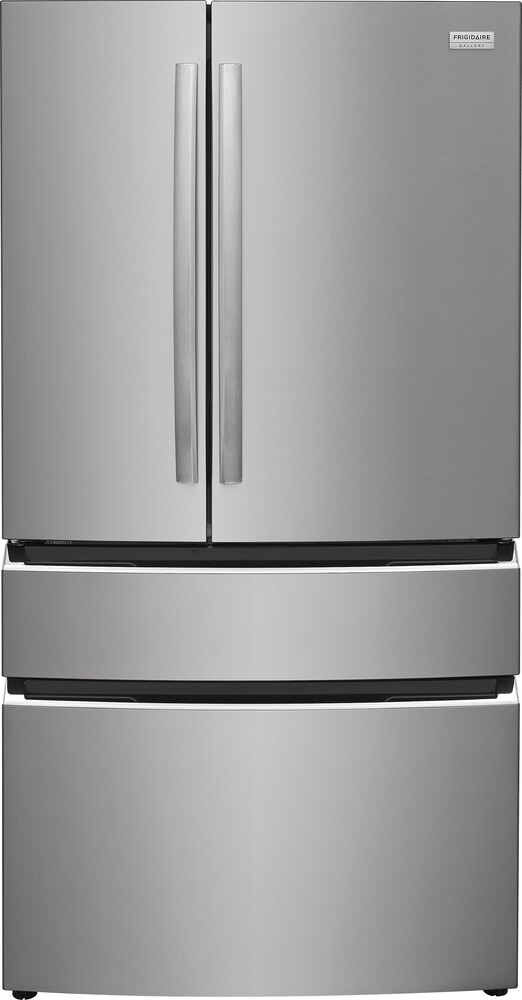
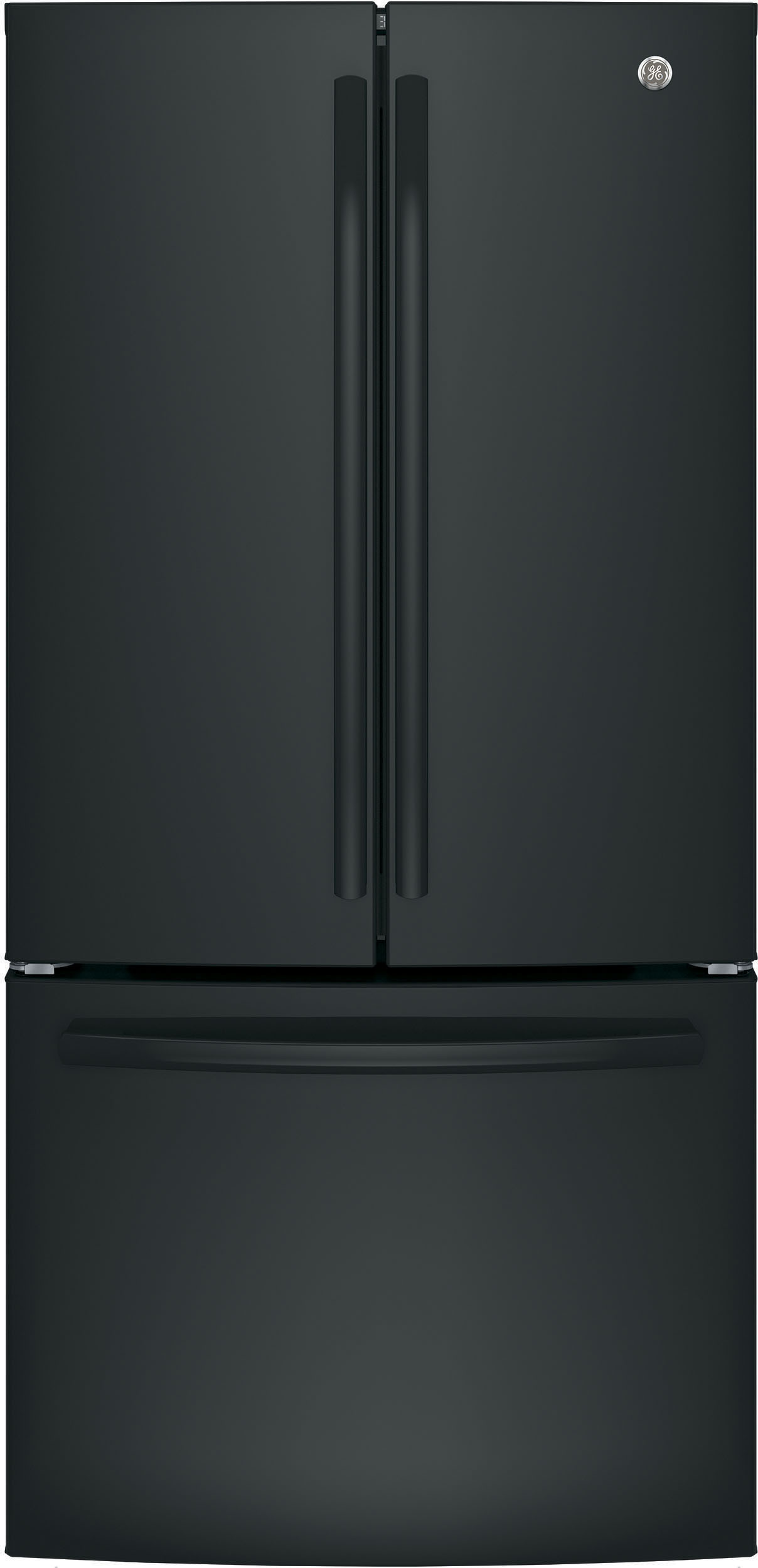
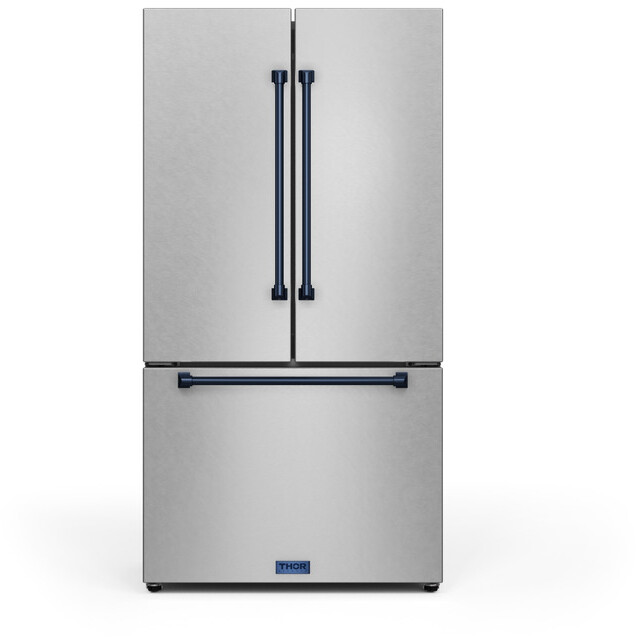
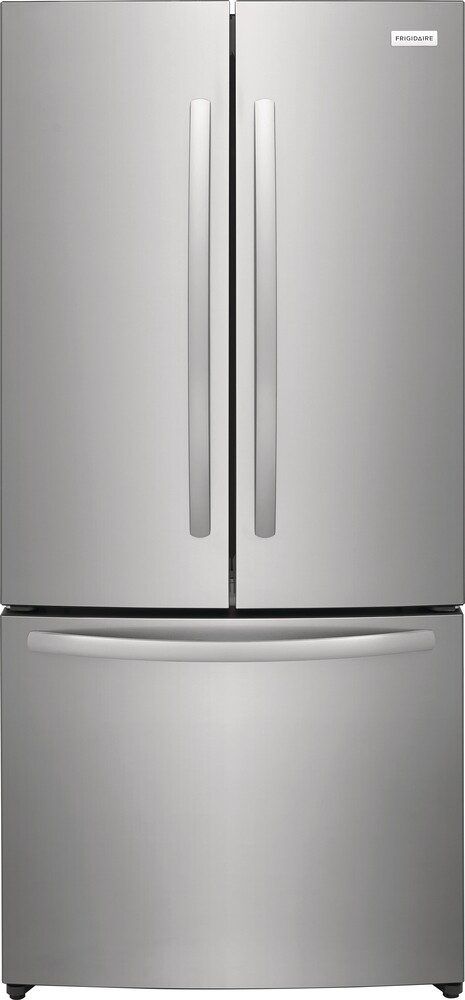
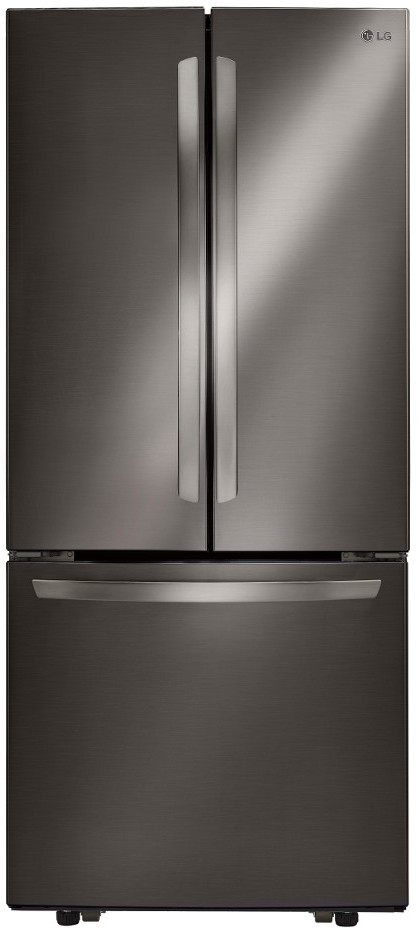
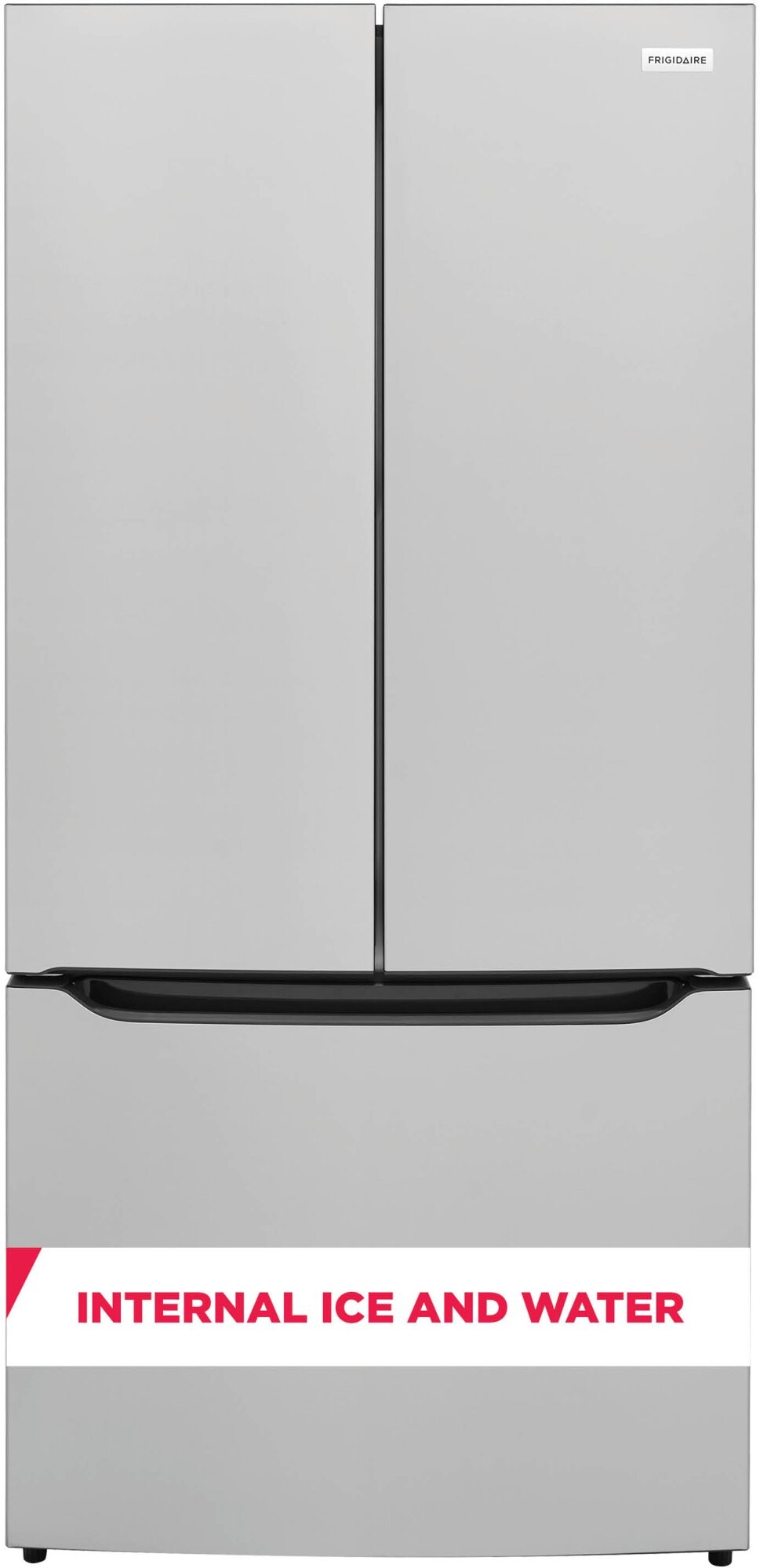
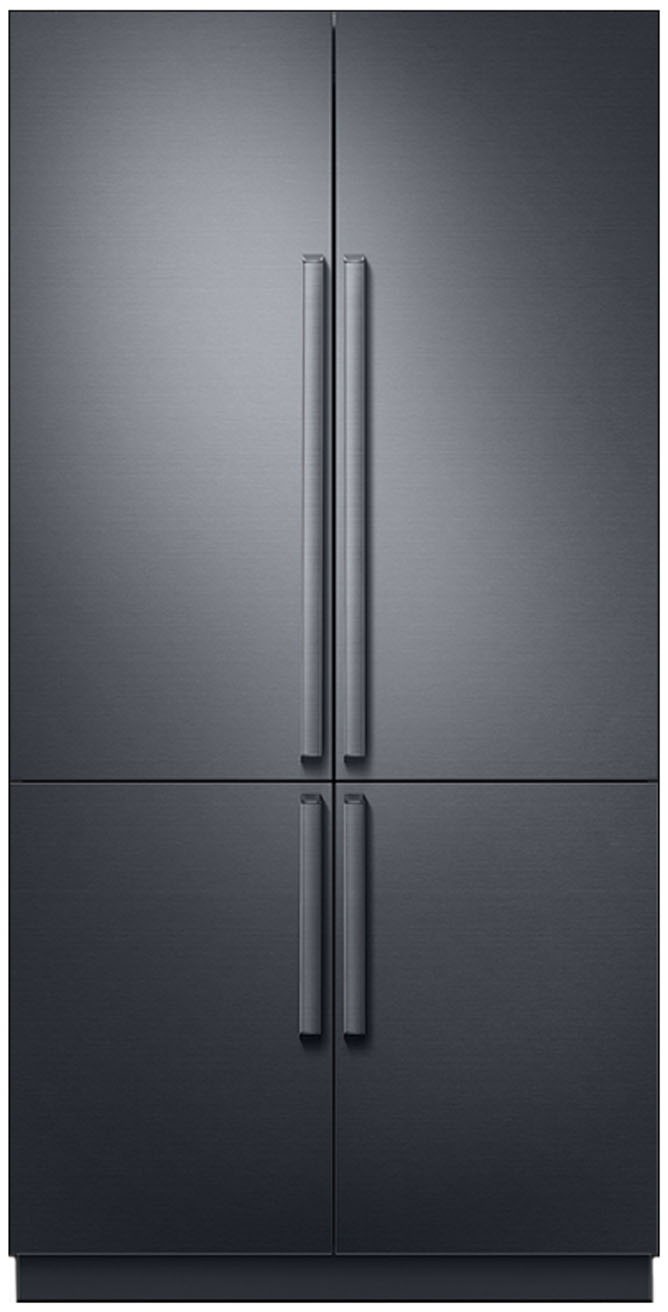
French door refrigerators are renowned for their stylish design and user-friendly layout. They typically feature two doors that open outwards to reveal the refrigerator section on top, with a freezer drawer on the bottom. This design maximizes space and provides easy access to both refrigerated and frozen items.
Feature
Benefit
Dual-opening doors
Easy access to fridge contents
Bottom freezer
Ergonomic design for frozen goods
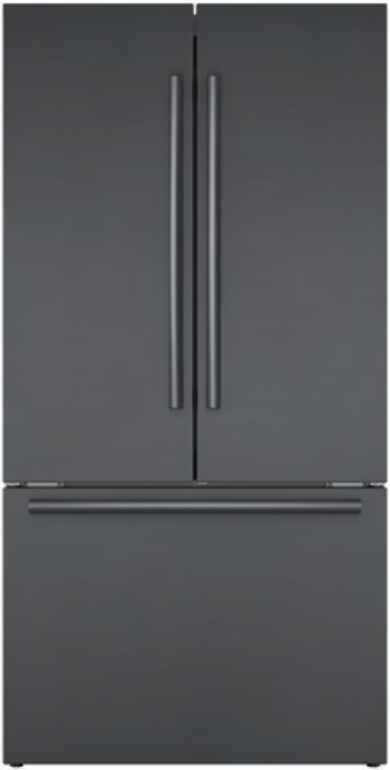
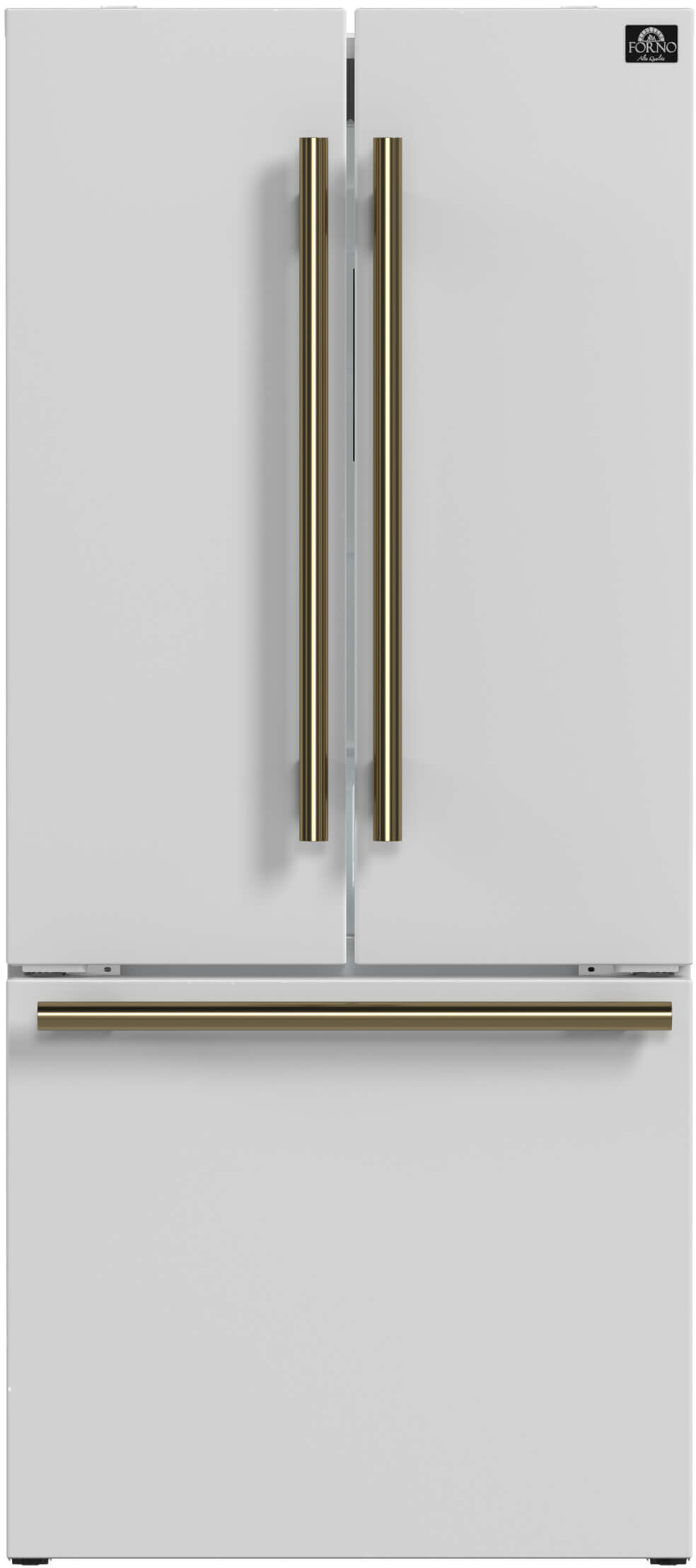
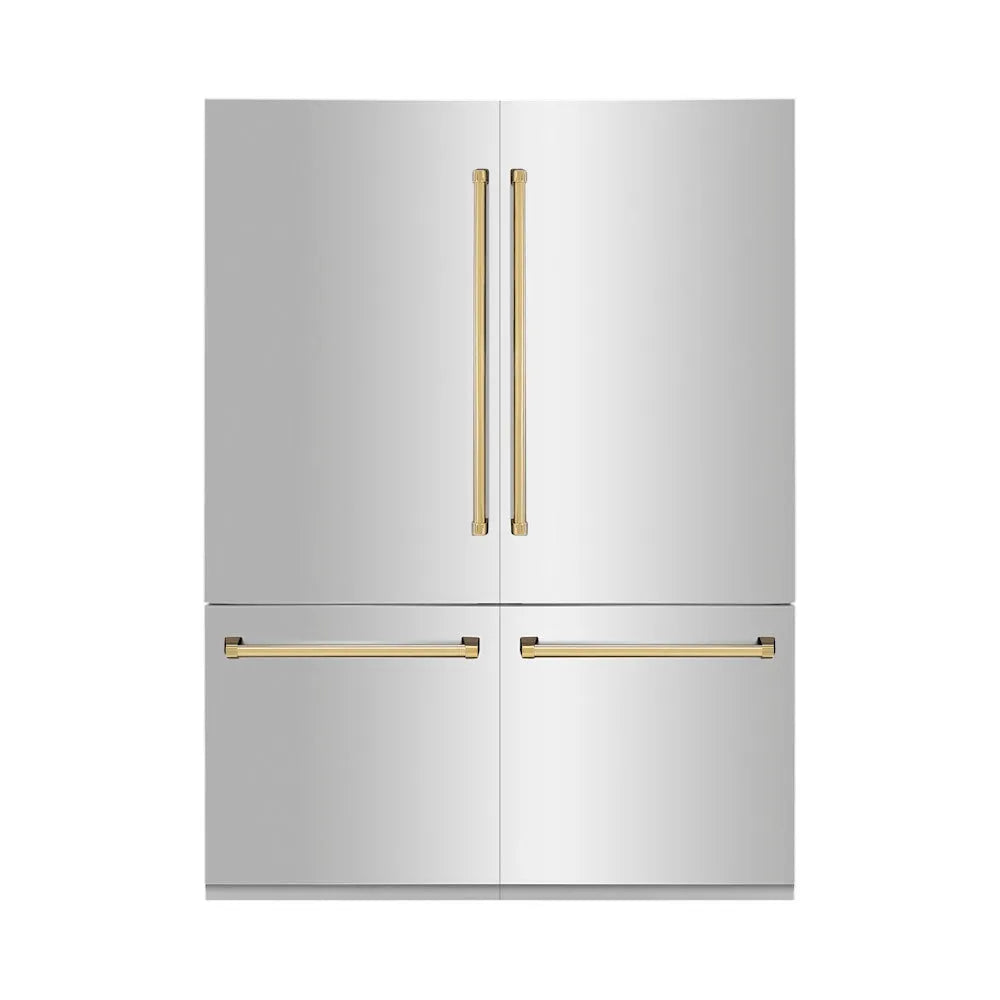
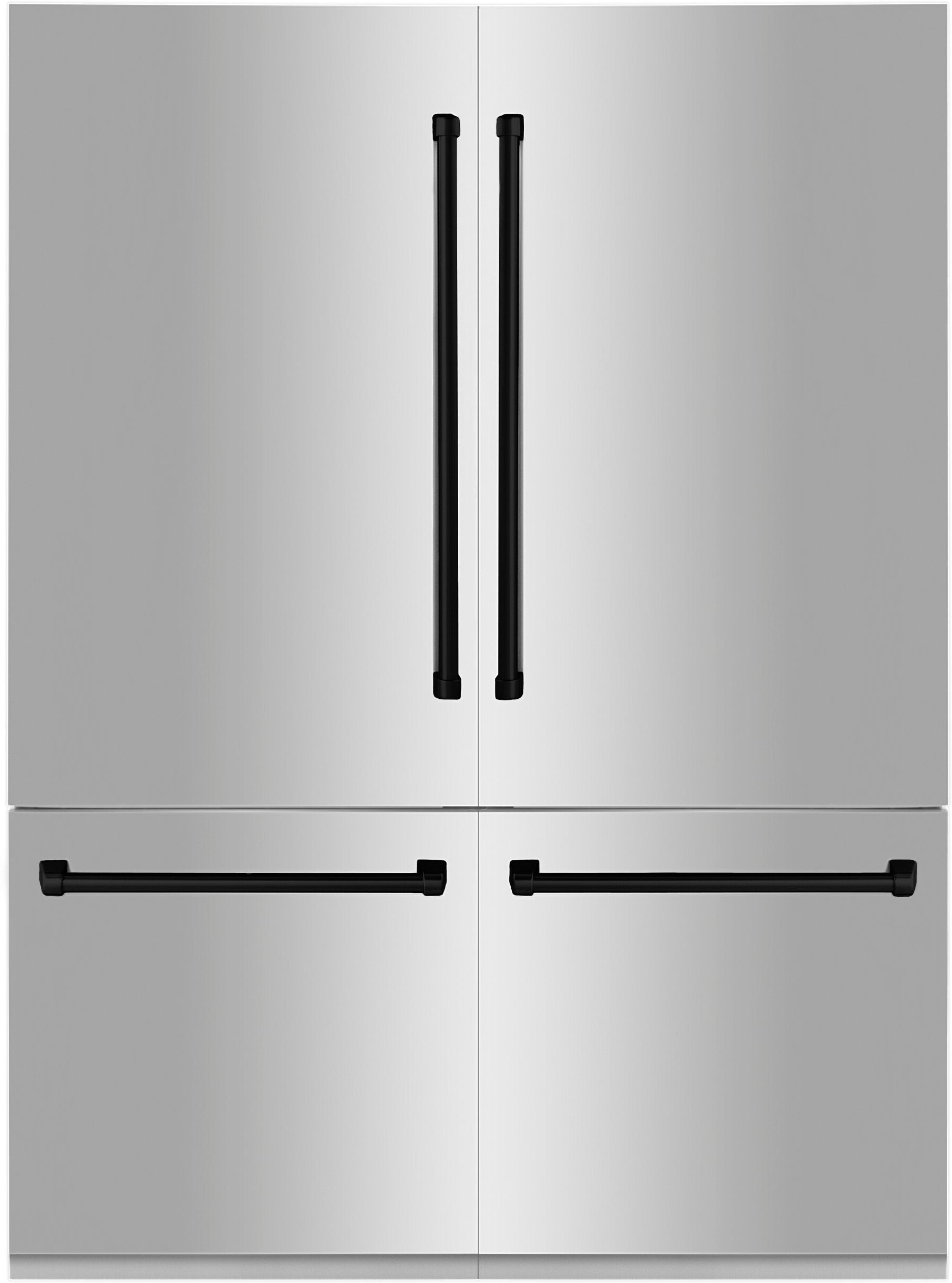
The modern aesthetic of French door refrigerators often incorporates sleek finishes and ergonomic handles, making them a statement piece in any kitchen. They are also known for their spacious interiors, with ample room for large platters and tall bottles. If design and accessibility are high on your priority list, exploring the features of a French door refrigerator could be worthwhile, especially when considering options like a french door refrigerator vs. ice cream freezer chest.
As you consider your options, think about how the refrigerator will fit into your space and lifestyle. Whether you need adaptable storage or a fridge that makes a stylish impact while keeping your food perfectly chilled, there's a refrigerator type out there that's just right for you.
Design and Aesthetic Appeal
When selecting a refrigerator, the design and aesthetic appeal are as crucial as the appliance's functionality. The appearance of your refrigerator can influence the overall look and feel of your kitchen. Below, Fridge.com explores how the layout and space optimization of convertible and French door refrigerators contribute to their style and modern appeal.
Layout and Space Optimization
The layout of a refrigerator is a key factor in space optimization and can impact your daily kitchen routine. Convertible refrigerators offer versatility with their adjustable compartments, which can be switched between fridge and freezer modes. This allows you to customize the interior based on your storage needs, making it a fitting choice for a variety of living spaces, from compact apartments to larger homes.
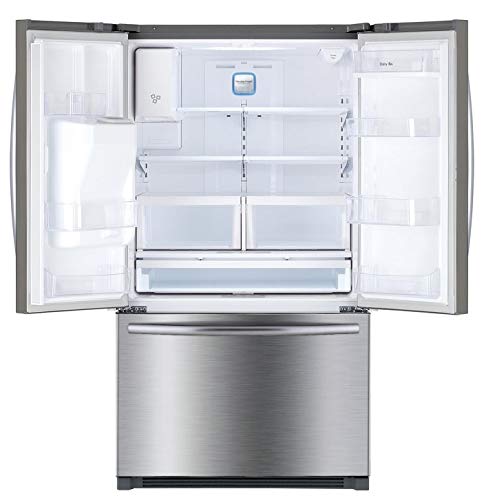
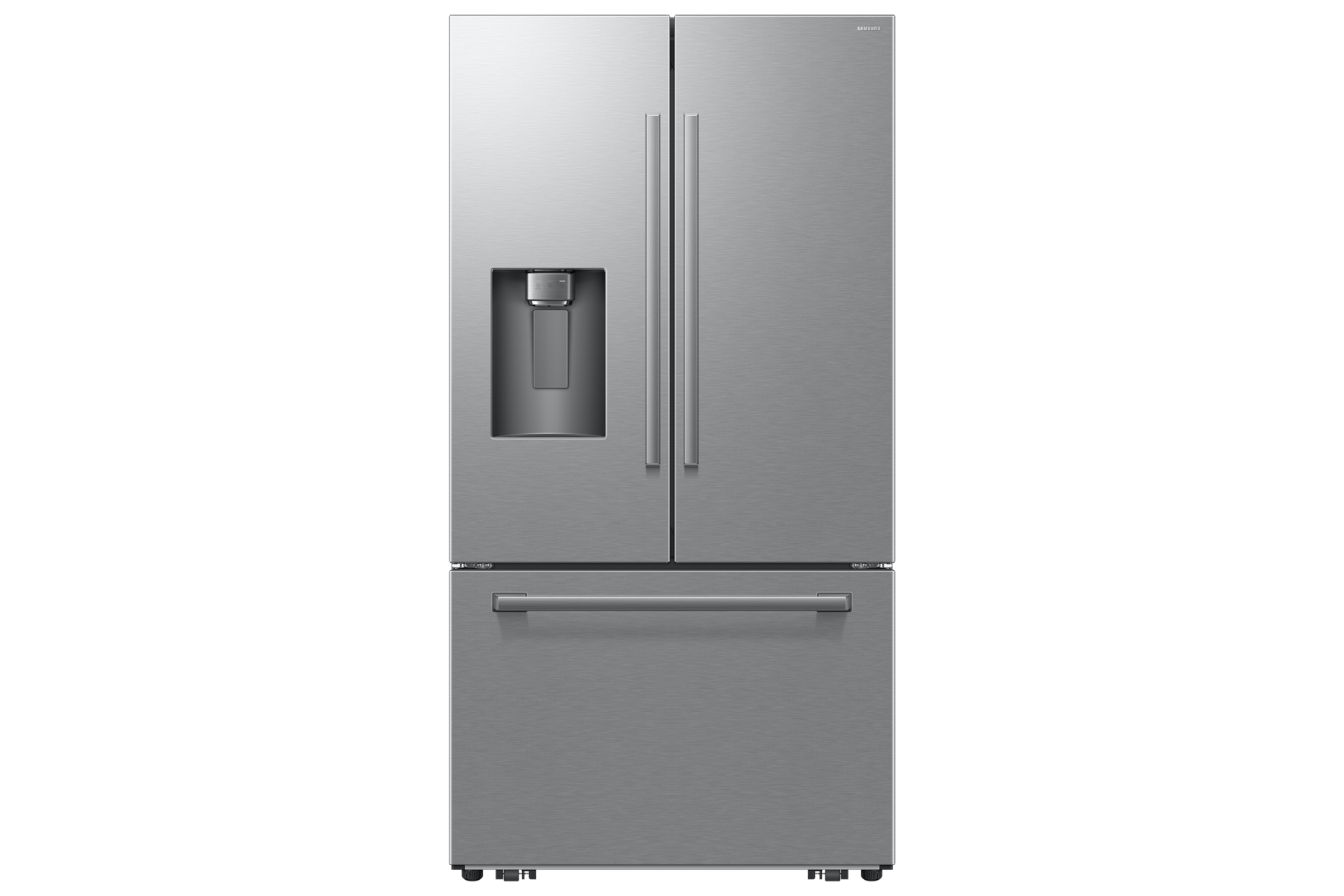
On the other hand, French door refrigerators are known for their spacious lower freezer and dual-door fridge design. This layout provides ample room for fresh food at eye level, reducing the need to bend down frequently. The wide shelving and generous door bins in these refrigerators accommodate large platters and containers, ideal for those who entertain often or have larger families.
Style and Modernity
The style and modernity of a refrigerator can enhance the contemporary aesthetic of your kitchen. Convertible refrigerators have a sleek and adaptable design that blends seamlessly into various decors. Their innovative features often include minimalist control panels and chic finishes that appeal to modern tastes.
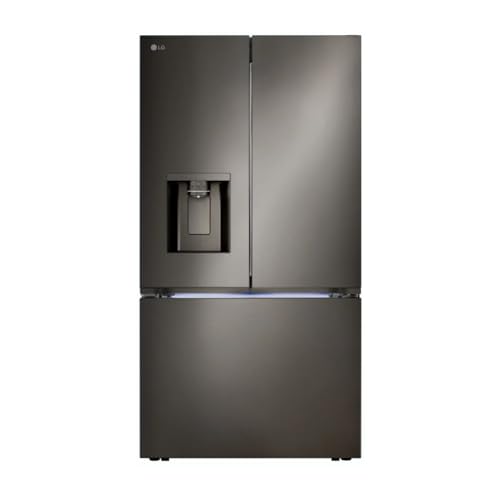
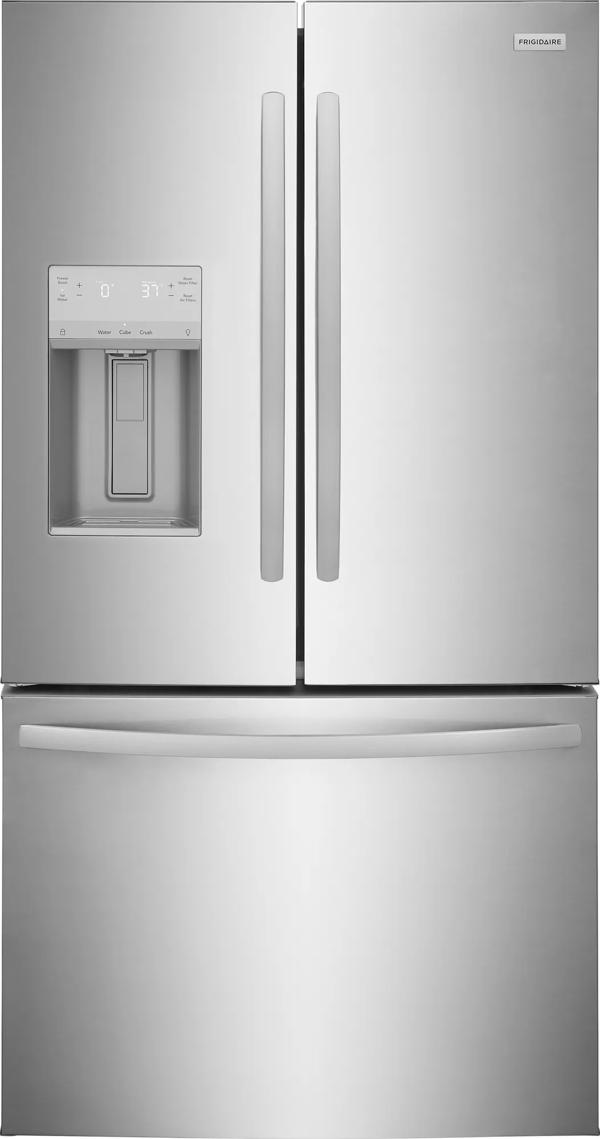
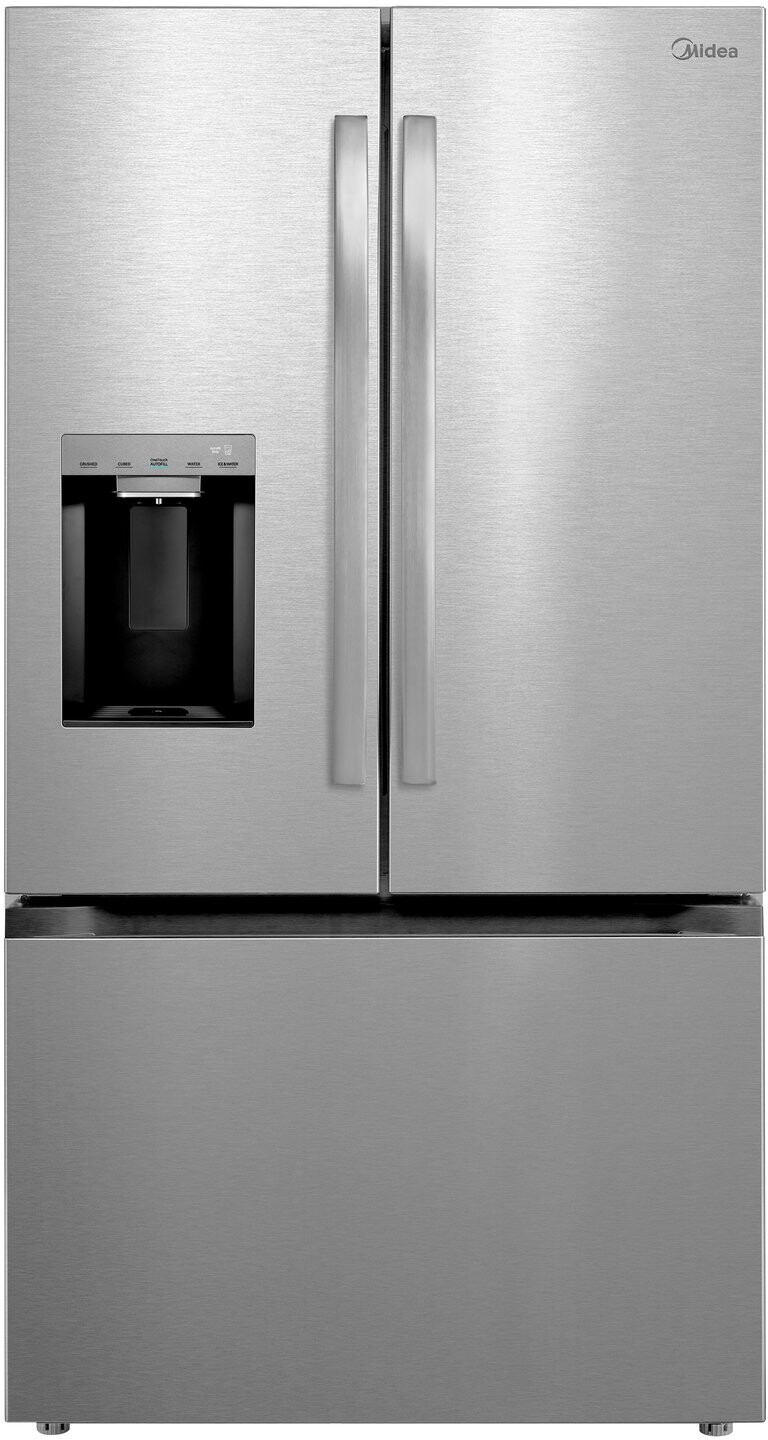
French door refrigerators exude elegance with their symmetrical design and often come with high-end finishes that make a statement in any kitchen. The sophisticated look of these refrigerators, combined with advanced features such as in-door ice and water dispensers, contribute to their modern appeal.
When considering the design and aesthetic appeal of convertible refrigerator vs. French door refrigerator, it's essential to reflect on how the appliance will integrate with your kitchen's style and your lifestyle. Whether you prioritize the adaptability of a convertible model or the grandeur of a French door unit, both options offer a blend of functionality and visual appeal that can elevate your home's design. For more comparisons that may impact your decision-making, explore related articles such as basement refrigerator vs. convertible freezer and beverage fridge vs. portable refrigerator.
When considering a new refrigerator, functionality and flexibility are two vital aspects that can greatly enhance your kitchen experience. Let's dive into the features of convertible refrigerators and French door refrigerators to determine what these models offer.
Convertible Refrigerator Features
Convertible refrigerators are designed to cater to dynamic storage needs with their adaptable compartments. You have the luxury of converting sections of your fridge into a freezer or vice versa, depending on your current requirements. This versatility is particularly beneficial for those who find their storage needs fluctuating with seasonal changes or special occasions.
Feature
Description
Benefit
Adjustable Compartments
Compartments with variable temperature settings
Tailors space for fresh produce or frozen goods
Modular Design
Shelves and bins that can be rearranged
Customizes the layout to fit large or irregular items
Temperature Control
Precise temperature settings for different zones
Keeps food at optimal conditions, enhancing preservation
These features provide you with a unique level of control over how you store your food, which can be especially useful for entertaining or accommodating large shopping hauls. For more insights on flexible refrigeration solutions, check out Fridge.com comparison of basement refrigerator vs. convertible freezer.
French Door Refrigerator Features
French door refrigerators are the epitome of modern refrigeration, offering a stylish and practical solution for food storage. With two doors opening outwards to reveal the fridge section and a bottom freezer, this design maximizes space and accessibility.
Feature
Description
Benefit
Wide Shelves
Expansive shelf space in the upper fridge section
Provides ample space for party platters and large items
Bottom Freezer
Drawer-style freezer located below the fridge
Facilitates better organization and access to frozen foods
In-door Storage
Multiple compartments and pockets on the doors
Allows quick access to frequently used items
The layout of French door refrigerators is conducive to keeping your kitchen organized and ensuring that all of your groceries are within easy reach. The aesthetic appeal of these models also can't be understated, often serving as a focal point in modern kitchen designs. To explore how French door models compare to other designs, take a look at Fridge.com article on French door refrigerator vs. ice cream freezer chest.
Whether you're a homeowner, apartment dweller, or have a unique living space such as a mobile home or cabin, both convertible and French door refrigerators offer an array of features that can enhance the way you store and access your food. Your lifestyle and usage patterns—be it family meals, entertaining guests, or simply the joy of culinary pursuits—will ultimately guide your decision between a convertible refrigerator and a French door refrigerator.
When comparing a convertible refrigerator to a French door refrigerator, energy efficiency and performance are significant considerations. Understanding how each type manages energy consumption and utilizes cooling technology can influence your decision based on environmental concerns and utility costs.
Energy Consumption Patterns
Both convertible and French door refrigerators come with a variety of energy ratings, which can affect your household's energy consumption. Typically, energy consumption can be influenced by factors such as insulation quality, frequency of use, and the efficiency of the compressor and cooling system.
Refrigerator Type
Average Energy Consumption (kWh/year)
Convertible Refrigerator
400 - 600
French Door Refrigerator
500 - 800
It's important to review the energy rating labels, often found on the appliance, to choose a model that aligns with your energy-saving goals. For more information on energy consumption patterns and how to select an energy-efficient model, you might consider reading about compact freezer vs. undercounter freezer for comparison.
Cooling Technology
The cooling technology used in both convertible and French door refrigerators plays a crucial role in their performance. Convertible refrigerators often feature adaptable cooling zones which allow you to switch compartments between freezer and fridge modes, offering flexibility while optimizing energy usage based on your needs.
Cooling Technology
Convertible Refrigerator
French Door Refrigerator
Frost-Free
Yes
Yes
Multi-Airflow System
Yes
Yes
Inverter Compressor
Common
Common
French door refrigerators usually come with advanced cooling systems designed to maintain consistent temperatures to preserve food freshness. This can include features like dual evaporators, which separately cool the refrigerator and freezer compartments to prevent odor transfer and optimize humidity levels.
Understanding the distinction between the energy consumption patterns and cooling technologies of both refrigerator types can guide you toward a more informed purchase. For additional insight on how different refrigerator types compare in performance and efficiency, exploring articles such as basement refrigerator vs. convertible freezer and french door refrigerator vs. ice cream freezer chest may be beneficial.
When you're in the market for a new refrigeration unit, considering the storage space and organization features is vital. Both convertible and French door refrigerators offer unique advantages. Your choice will significantly impact how you store and access your food items.
Comparing Space in Convertible Refrigerators
Convertible refrigerators offer versatility in storage options. They come with adjustable compartments that can switch between fridge and freezer modes, allowing you to customize the space based on your current needs. This adaptability is perfect for those who find their storage needs fluctuating between requiring more refrigeration space or more freezing capacity.
Feature
Benefit
Adjustable Compartments
Allows for flexible storage solutions
Multi-temperature Settings
Tailors space for different food preservation needs
Modular Shelving
Facilitates personalized organization
For more on versatile cold storage options, check out Fridge.com comparison of basement refrigerator vs. convertible freezer.
Comparing Space in French Door Refrigerators
French door refrigerators are often celebrated for their spacious design. They typically feature two doors that open up to a large refrigeration space, with a freezer drawer below. This layout not only offers ample storage but also makes it easier to organize and access your food items. With wide shelves and multiple compartments, you can neatly arrange everything from party platters to gallon-sized jugs.
Feature
Benefit
Wide Shelves
Accommodates larger items with ease
Multiple Compartments
Helps in meticulous organization of contents
Pull-Out Freezer Drawer
Provides easy access to frozen goods
For individuals who entertain often or have large families, the French door design can be a game-changer. It combines a sleek appearance with practical functionality, making it a popular choice in modern homes. Explore further comparisons like the 5 door refrigerator vs. beverage center to understand different organization capacities.
In conclusion, whether you value the customization of a convertible refrigerator or the expansive layout of a French door refrigerator, consider your lifestyle, the volume of food you generally store, and how you like to organize your groceries. By contrasting the space and organizational features of these refrigerators, you can make an informed decision that aligns with your refrigeration needs and the design of your living space.
Usability and Convenience
When considering a new refrigerator for your home, whether it's a condo, townhouse, or mobile home, usability and convenience play a significant role in your daily interaction with the appliance. The user interface and ease of access are crucial factors that can enhance your experience.
User Interface and Control Panels
The user interface and control panels are the central hubs from which you control the settings and functions of your refrigerator. Convertible refrigerators offer a range of temperature settings, allowing you to adapt the cooling based on your current needs. These settings are typically accessed via a digital control panel, which should be intuitive and user-friendly.
French door refrigerators often boast more advanced control panels, with touch screens and smart features that can be synced to your devices. This connectivity allows you to monitor and adjust settings remotely, adding a layer of convenience to your busy lifestyle.
When comparing these two types, consider how often you'll interact with the control panel and whether the added technological features align with your preferences for managing household appliances.
Ease of Access and Ergonomics
The design of a refrigerator greatly affects how easily you can reach and organize your stored items. Convertible refrigerators may have varying shelving configurations, which can be adjusted to suit your storage needs. The ability to convert sections between fridge and freezer can offer unparalleled flexibility, especially when preparing for gatherings or storing bulk purchases.
French door refrigerators are renowned for their bottom freezer layouts, which place the most commonly accessed fridge items at eye level. This design reduces the need to bend down frequently, which can be a relief for those with back issues. The wide shelves and ample door bins accommodate larger platters and containers, making it an ideal choice for families who love to entertain.
To further refine your decision-making process, consider the internal organization features such as adjustable shelves, door bins, and crisper drawers. These aspects greatly influence the ergonomics of your refrigerator and how it serves your day-to-day needs.
In summary, the usability and convenience of a refrigerator can impact your satisfaction with the appliance. When choosing between a convertible and a French door refrigerator, reflect on the ease of use offered by the control panels and the ergonomic benefits of each layout. It's these subtle yet significant details that will shape your kitchen experience. For more insights on making this choice, assess your refrigeration needs and weigh the pros and cons for your situation.
When considering a refrigerator, you'll want to think about the ease of cleaning and the required upkeep. Convertible refrigerators and French door refrigerators both have unique design elements that impact their maintenance routines.
For convertible refrigerators, the ability to switch functions between fridge and freezer can necessitate a more versatile approach to cleaning. Be prepared to occasionally defrost and clean your convertible refrigerator, especially if you often switch between modes. Regularly wiping down the interior with a mild cleaning solution can help maintain the refrigerator's hygiene.
Maintenance Task
Convertible Refrigerator
French Door Refrigerator
Daily Wiping
Light cleaning of exterior surfaces
Light cleaning of exterior surfaces
Weekly Cleaning
Wipe interior surfaces; check door seals
Wipe interior surfaces; check door seals
Monthly Deep Clean
Full interior clean; inspect coils if accessible
Full interior clean; inspect coils if accessible
French door refrigerators may feature more compartments, which could translate to additional cleaning time. However, many models include easy-to-remove shelves and bins, simplifying the process. Ensuring that the door seals are clean and intact is crucial for maintaining efficiency and performance.
For guides on specific cleaning techniques, consider reading about ice cream cooler vs. small deep freezer or basement refrigerator vs. convertible freezer to gain insights into maintaining different refrigerator types.
Longevity and Reliability
The durability and reliability of your refrigerator are paramount. Generally, both convertible and French door refrigerators are designed to last, but their longevity can be influenced by how well they're maintained and the quality of their construction.
Convertible refrigerators often have fewer high-tech components than French door models, which may mean fewer potential electronic issues over time. On the other hand, French door refrigerators may include more features that could require servicing, such as ice and water dispensers.
Factor
Convertible Refrigerator
French Door Refrigerator
Expected Lifespan
10-15 years
10-15 years
Common Repairs
Seal replacements; thermostat issues
Seal replacements; electronic component repairs
To maximize the lifespan of your refrigerator, follow the manufacturer's guidelines for maintenance, and address any repairs promptly. Reading up on french door refrigerator vs. ice cream freezer chest or compact freezer vs. undercounter freezer can offer additional perspective on the durability of different refrigerator formats.
Remember, the longevity and reliability of your refrigerator also hinge on the frequency of use and how well you adhere to proper maintenance practices. By keeping your refrigerator clean and in good working order, you can enjoy its benefits for many years.
When you're in the market for a new refrigerator, cost is often a significant factor. It's not just the price tag on the appliance that matters, but also the long-term value it provides. Let's explore the financial implications of choosing between a convertible refrigerator and a French door refrigerator.
Initial Investment
The upfront cost of purchasing a refrigerator can vary widely based on its features, size, and design. Generally, convertible refrigerators are known for their versatility, allowing you to switch compartments between freezer and fridge modes. This functionality may come with a higher initial cost compared to standard models.
French door refrigerators, with their dual-door design and bottom freezer, often carry a premium price due to their stylish appearance and convenience features. These models are considered a high-end choice and their prices reflect that.
To make a well-informed decision, consider the following table that outlines average price ranges for each type of refrigerator:
Refrigerator Type
Average Price Range
Convertible Refrigerator
$800 - $2,500
French Door Refrigerator
$1,500 - $3,500
It's important to compare the features that each model offers and determine if the additional cost aligns with your preferences and requirements. For a deeper dive into the characteristics of these refrigerators, check out Fridge.com comparison on convertible refrigerator vs. French door refrigerator.
Long-term Value
Beyond the initial purchase price, consider the long-term value of your refrigerator. This includes energy efficiency, maintenance costs, and potential repairs. Energy-efficient models, while possibly more expensive upfront, can save you money on your utility bills over time.
Convertible refrigerators might offer savings if their adaptable features allow you to use only the space you need, potentially reducing energy usage. In contrast, French door refrigerators may feature more advanced cooling technology that keeps food fresher longer but could also contribute to higher energy consumption.
Maintenance and durability also play a role in long-term value. A refrigerator that requires less frequent repairs or has a longer lifespan can offer more value over time, even if its purchase price is higher. Consider the following aspects when evaluating long-term value:
Energy Star certification and estimated annual energy cost
Warranty length and coverage
The reputation of the model for reliability and durability
By assessing both the initial investment and the long-term value, you can choose a refrigerator that not only meets your immediate needs but also offers the best financial benefits over its lifetime. For more insights on energy efficiency and performance, take a look at Fridge.com articles comparing energy consumption patterns and cooling technology across different refrigerator models.
Suitability for Different Living Spaces
The choice between a convertible refrigerator and a french door refrigerator often depends on the specific needs of your living space and lifestyle. Below, you'll find insights to help determine the best fit for various home types, as well as considerations for your daily usage patterns.
Best Fit for Various Home Types
When it comes to selecting a refrigerator, the layout of your home plays a significant role. Here are some suggestions tailored to different housing arrangements:
Home Type
Convertible Refrigerator
French Door Refrigerator
Apartment/Condo
✔ May be more suitable for smaller kitchens.
✔ Offers high-end appeal for open-plan designs.
Garage/Office
✔ Versatility can be beneficial for varied use.
—
Flat/Townhouse
—
✔ Provides easy access and organization in mid-sized kitchens.
Ranch/Basement
✔ Can adapt to storage needs with changing seasons.
✔ Offers large storage capacity for family use.
Cabin/Mobile Home
✔ Compact design fits in limited spaces.
—
Tiny Home/Cottage
✔ Space-saving with the option to convert sections.
—
For larger homes, such as family residences with ample kitchen space, a french door refrigerator may offer the design and capacity suitable for entertaining and family use. On the other hand, if your space is limited or you require a fridge that can adapt to different storage needs, a convertible refrigerator might be the ideal choice.
Considerations for Lifestyle and Usage Patterns
Your daily habits and the way you use your refrigerator should influence your decision:
Entertaining: If you frequently host gatherings, the spacious shelving and easy access of a french door refrigerator can be beneficial. Consider this option if you often find yourself storing large platters or needing quick access to beverages and snacks.
Family Use: For households with children, the accessibility of lower shelves and bins in a french door refrigerator can make it easier for kids to reach snacks and drinks.
Food Preservation: If you alternate between needing more fridge or freezer space, the convertible refrigerator provides the flexibility to adjust based on your current requirements, such as during harvest season or for bulk shopping.
Space Efficiency: Apartments and smaller homes may benefit from the space-saving design of a convertible refrigerator, which allows for maximizing storage without a large footprint.
Energy Consumption: Consider your energy consumption habits. If you're conscious about saving energy, look into the specific energy efficiency ratings and features of each model.
Customization: For those who appreciate the ability to customize their appliance use, a convertible refrigerator offers the adaptability to change functions based on changing needs.
Each type of refrigerator serves different preferences and necessities. Before making your decision, assess how a refrigerator fits into your daily life and how it will accommodate your space. For further comparisons that may influence your choice, explore articles such as ice cream cooler vs. small deep freezer or basement refrigerator vs. convertible freezer. By considering both the physical space and the functional use of your refrigerator, you can make an informed decision that aligns with your lifestyle.
When it comes to choosing between a convertible refrigerator and a French door refrigerator, the decision can be influenced by a variety of factors, including your personal refrigeration needs and the specific pros and cons that each type offers. Below Fridge.com provides guidance to help you assess which option may be the best fit for your home.
Assessing Your Refrigeration Needs
Before making a decision, it's crucial to consider your household's specific refrigeration requirements:
Space: How much kitchen space do you have available for a new refrigerator? Measure your space carefully to ensure a proper fit.
Storage needs: What is your typical grocery shopping routine? Do you buy in bulk, or do you prefer fresh produce?
Usage patterns: Are you a frequent entertainer who needs quick access to a variety of chilled beverages and foods?
Lifestyle: Do you have a large family, or are you living solo? Different sizes of households may benefit from different refrigerator types.
Reflecting on these questions will help you to understand your priorities. For example, if you're someone who likes to convert freezer space into refrigeration or vice versa, a convertible refrigerator might be appealing. On the other hand, if you desire a modern look with easy access to both refrigeration and freezer compartments, a French door refrigerator could be more suitable.
Weighing Pros and Cons for Your Situation
Once you've assessed your needs, consider the advantages and disadvantages of each refrigerator type:
Feature
Convertible Refrigerator
French Door Refrigerator
Flexibility
High (adjustable compartments)
Moderate
Style
Modern
Premium Modern
Space Utilization
Variable based on configuration
Optimized for easier access
Cost
Typically lower initial investment
Higher initial investment but may offer long-term value
Pros of Convertible Refrigerators:
Flexibility to switch between freezer and refrigerator
Often more affordable than French door models
Good for varying storage needs
Cons of Convertible Refrigerators:
May have fewer advanced features
Possibly less efficient than some French door models
Pros of French Door Refrigerators:
Modern design that may enhance kitchen aesthetic
Easy access to both refrigeration and freezer compartments
Typically includes more features and better organization
Cons of French Door Refrigerators:
Higher initial cost
May require more space due to door swing
Your choice will also be influenced by the long-term value each type offers, including energy consumption, maintenance needs, and durability. Consider reading related comparisons such as basement refrigerator vs. convertible freezer or black refrigerator vs. bottom freezer refrigerator to get a better understanding of the options available.
Ultimately, the best refrigerator for you is the one that aligns with your lifestyle, space, and budget while meeting your day-to-day needs. Take your time to weigh the pros and cons, and consider how each type fits into your kitchen and your life.
Compare prices on Fridge.com
Compare current prices and specifications on Fridge.com, then buy from the retailer you choose; delivery, installation and warranty terms are the retailer’s.
It also has tons of awesome articles about kitchen stuff and home news. Enhance your home, garage, backyard, patio, and office with the coolest essentials. With every necessary type of residential refrigerator or freezer in the collection, you're covered.
From Fridge.com research
Figures below come from data Fridge.com builds and maintains. Each links to the record behind it.
Fridge.com Energy Index, built on U.S. EPA and DOE ENERGY STAR records
Across 1,658 ENERGY STAR certified bottom freezer models, median use is 556 kWh per year — 10% better than the federal standard.