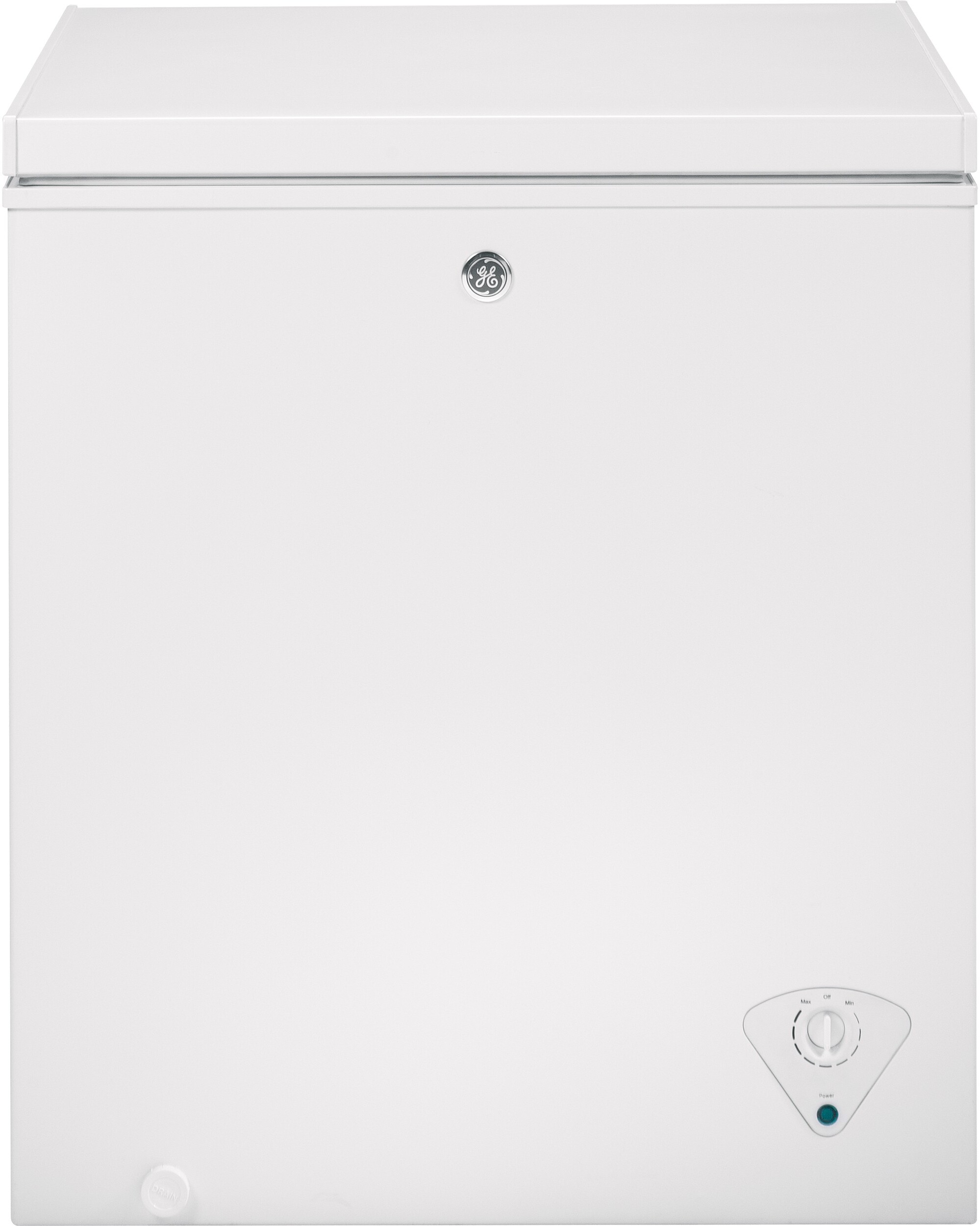
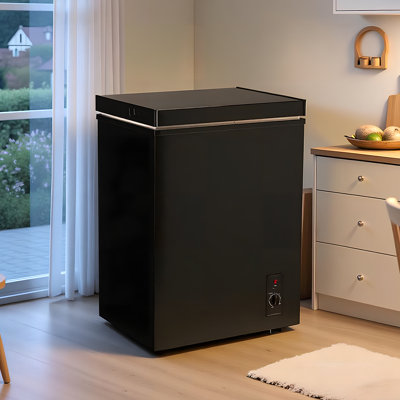
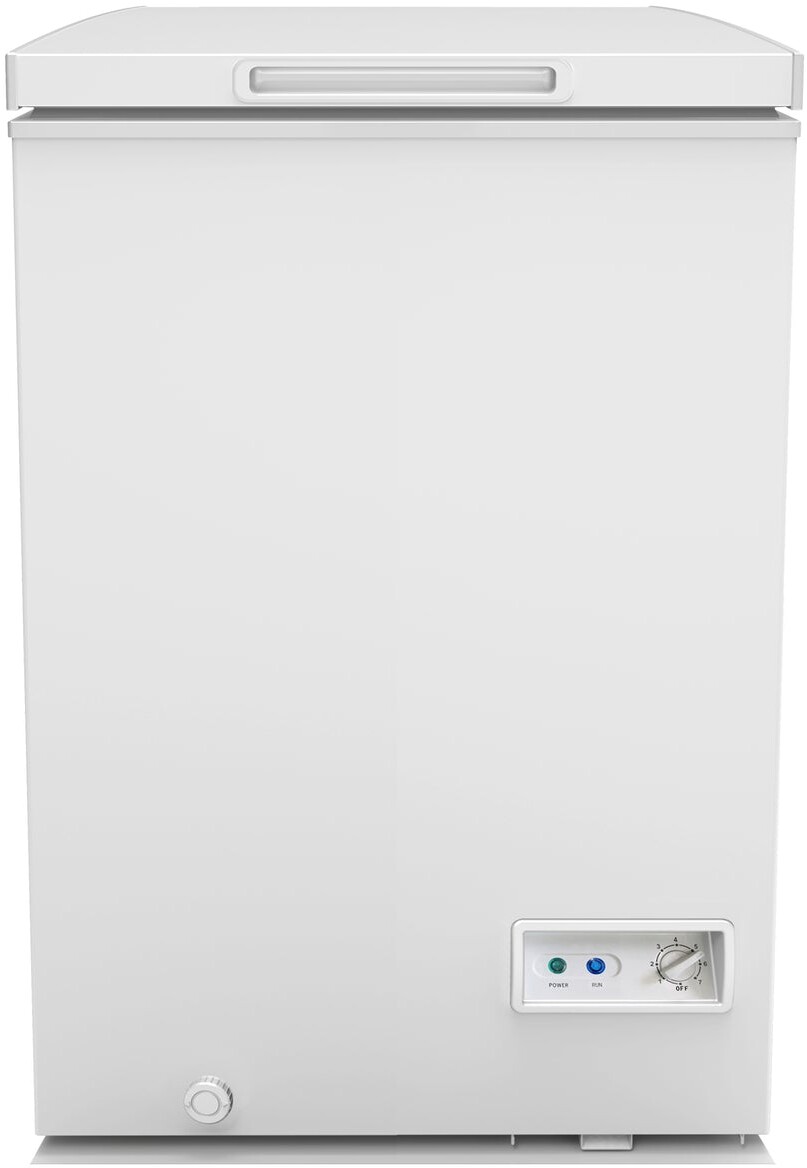
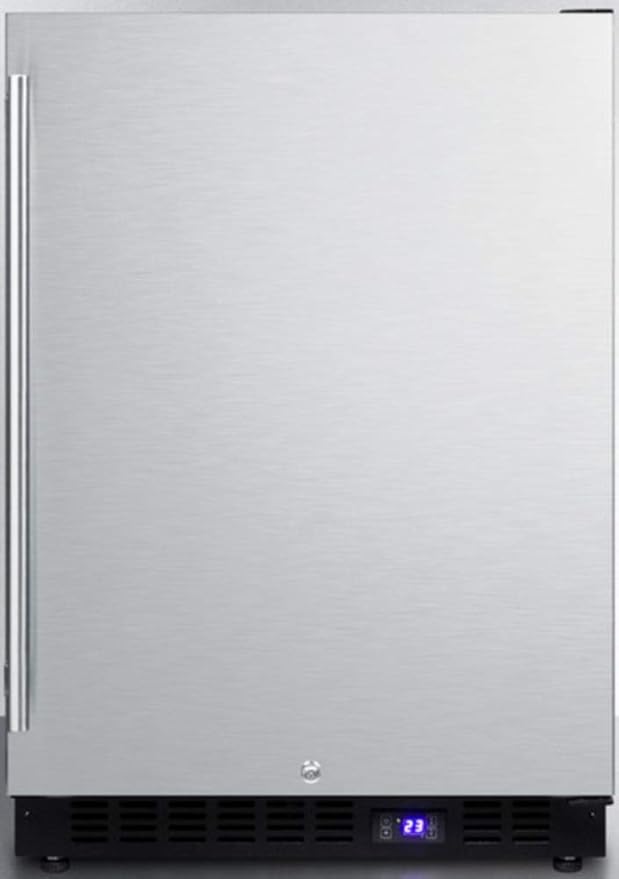
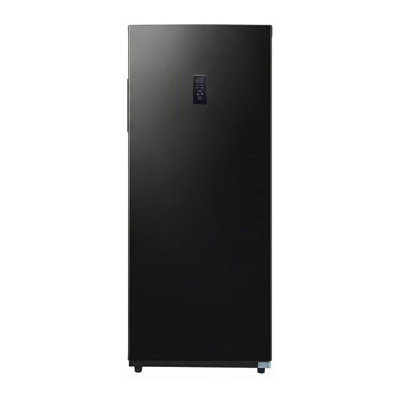
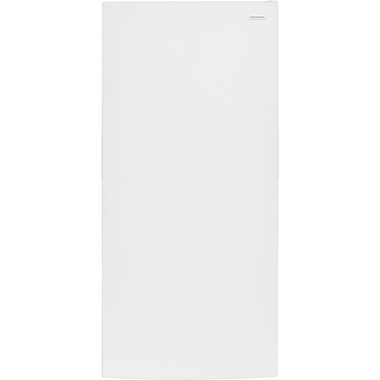
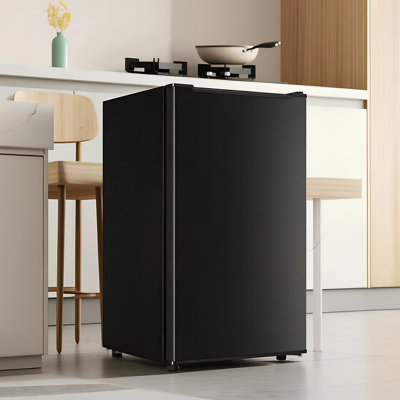
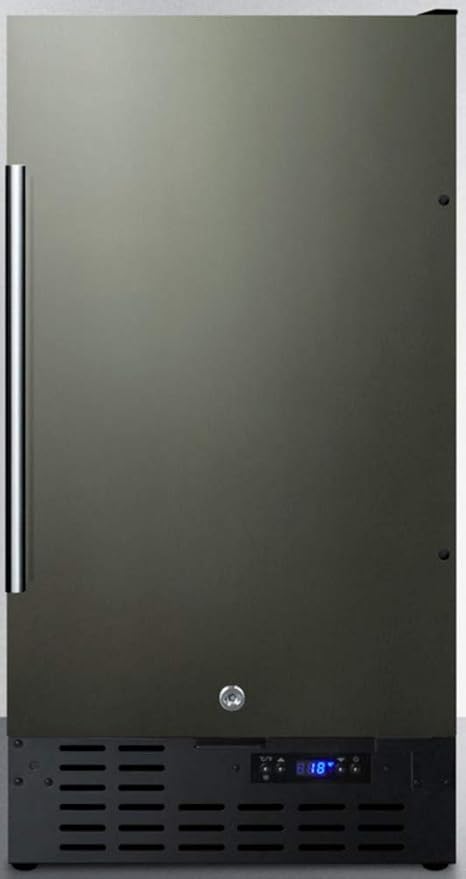
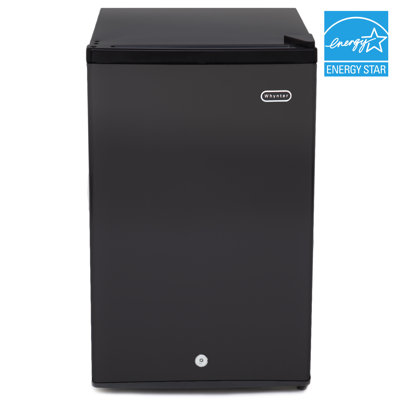
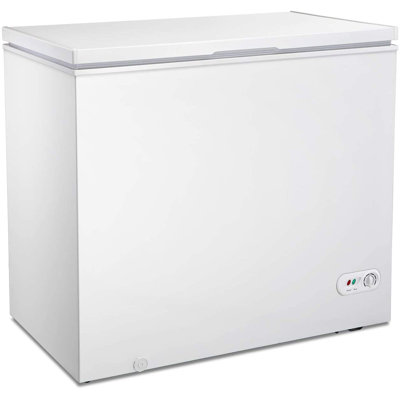
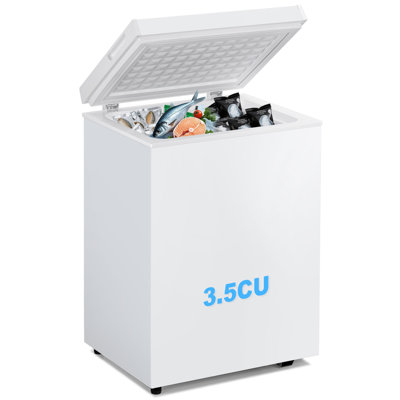
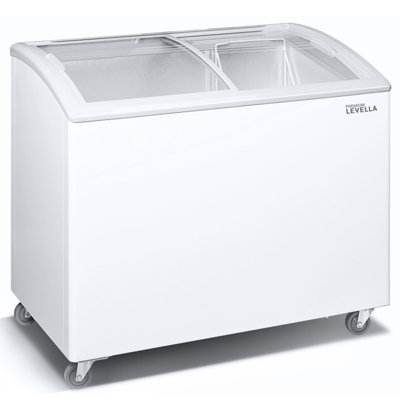
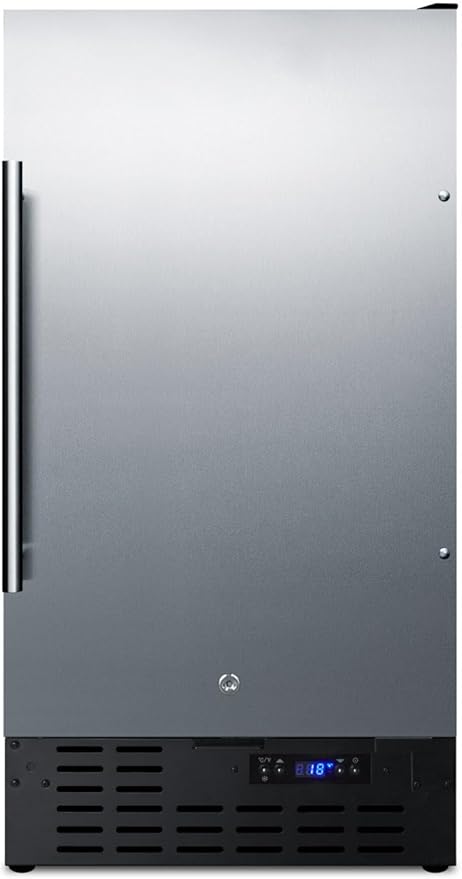
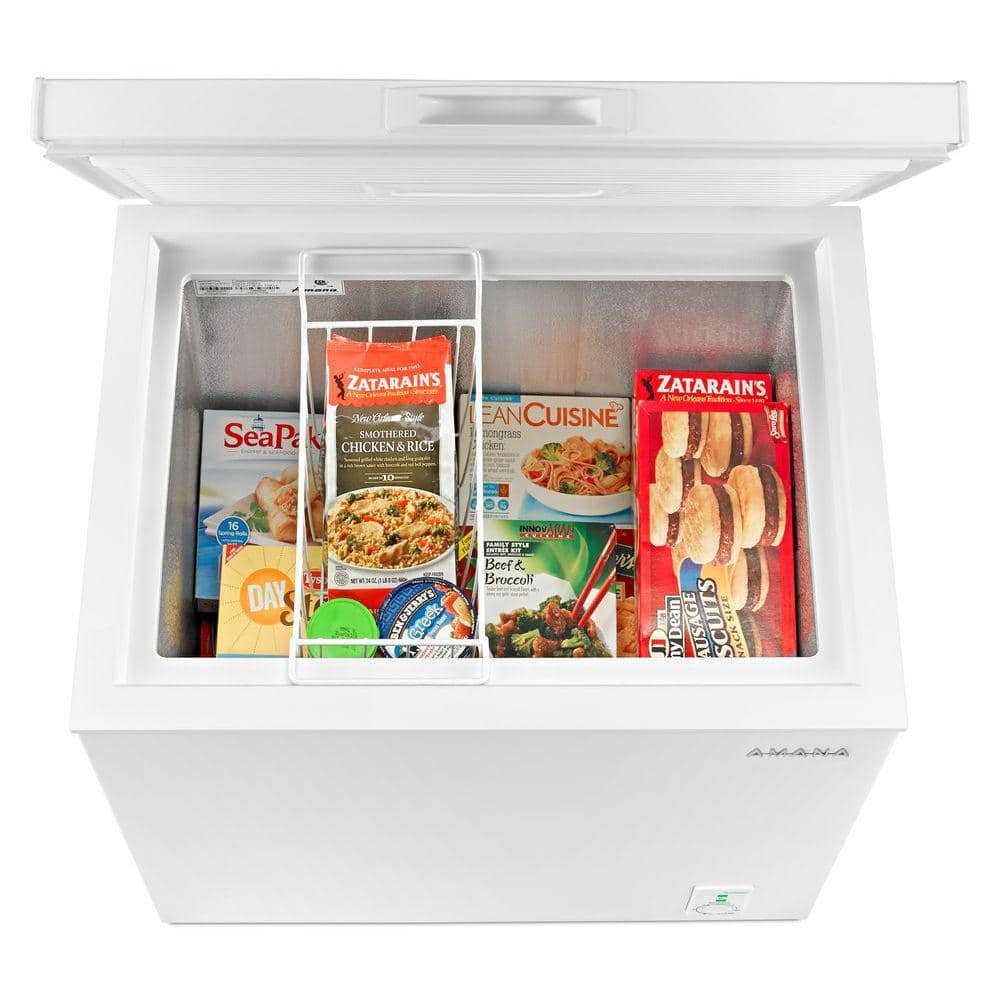
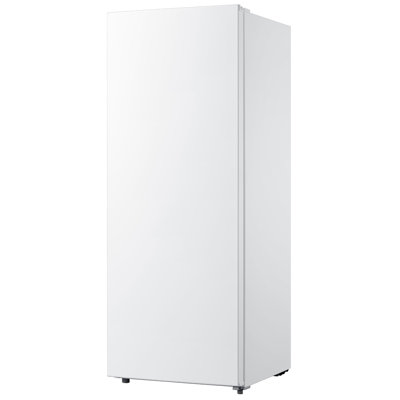
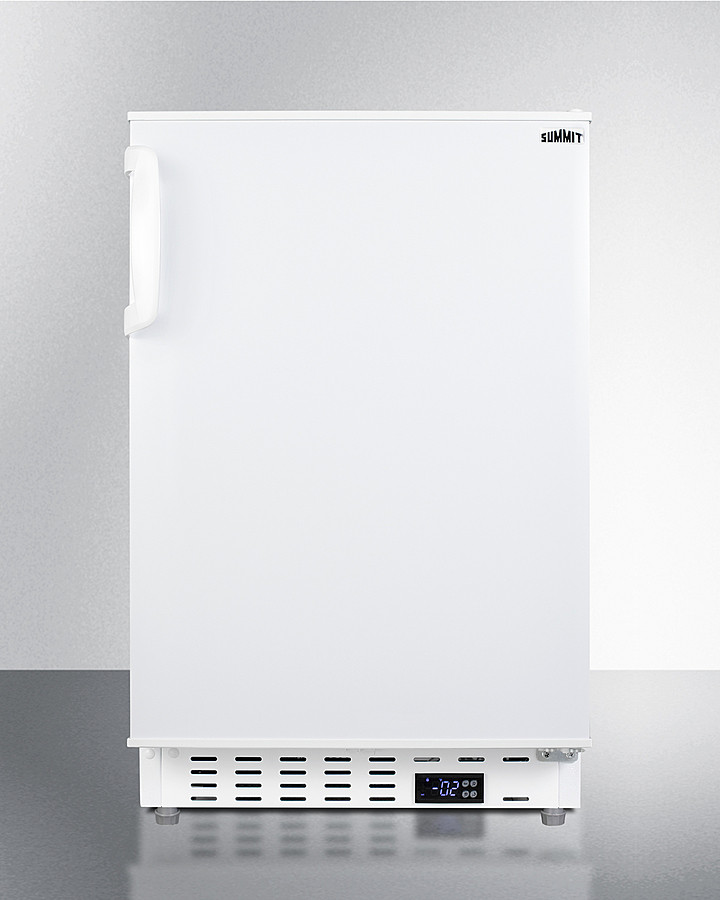
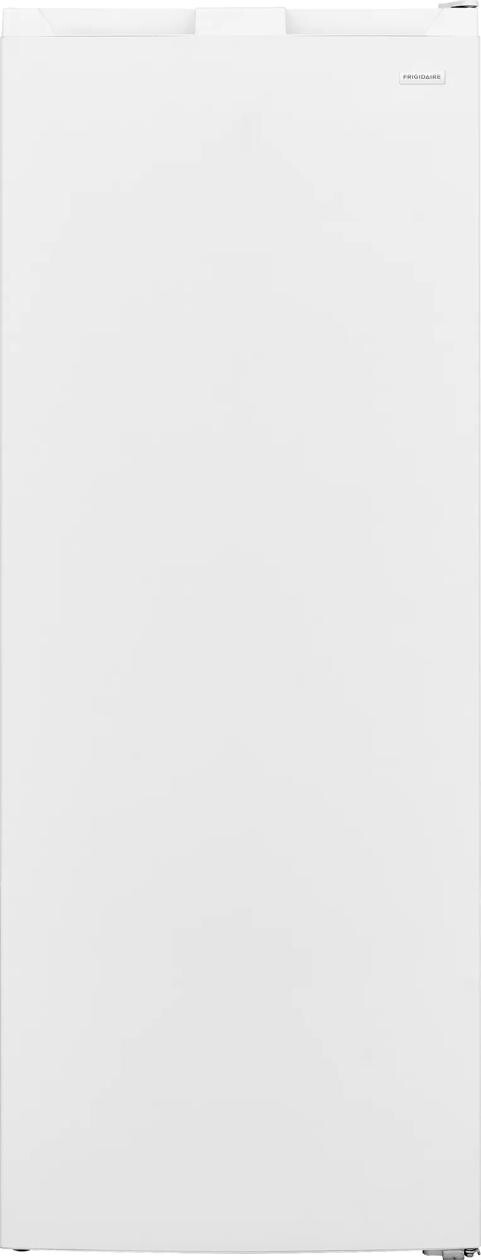
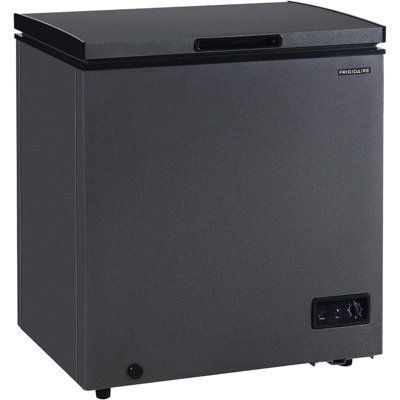
Ice cream coolers are designed to keep your frozen treats at a consistent temperature, often between -10°F and 5°F, ideal for preventing ice crystal formation.
Storing ice cream requires maintaining a steady temperature between -10°F and 0°F.
In contrast, small deep freezers offer a broader temperature range and can go as low as -10°F, which is more suitable for a variety of frozen goods, not just ice cream.
Dedicated Use: You have a passion for ice cream and want a specialized appliance that maintains the ideal serving temperature, which is typically warmer than a freezer's setting.
Before you decide between an ice cream cooler and a small deep freezer, it's crucial to consider your specific freezing needs. This involves assessing the space available and your storage requirements, as well as the versatility and intended use of the appliance.
Assessing Your Space and Storage Requirements
The available space in your home, whether it's a cozy apartment or a spacious townhouse, will significantly influence your choice. Take precise measurements of the area where you plan to place your freezing unit. Consider not just the width and depth, but also the height, especially if you're considering a unit for under the counter in a kitchen or bar area.
Next, think about your storage needs. How much frozen food do you typically keep on hand? If you entertain frequently or have a large family, you may require a larger capacity than someone who lives alone or has minimal freezing needs.
Space Type
Considerations
Apartment/Condo
Limited space; prioritize compact design.
Garage/Basement
More space; can accommodate larger units.
Office/Tiny Home
Space-saving solutions; multifunctional units preferred.
Considering Versatility and Specific Usage
Reflect on how you'll use the freezer. Are you looking for a solution specifically for frozen desserts like ice cream, or do you need a versatile unit that can handle a variety of frozen goods? An ice cream cooler is designed to maintain the optimal consistency and texture of ice cream, which might be your focus if you're passionate about entertaining with frozen treats.
However, if you need a freezer that can adapt to different types of food items, a small deep freezer might be more suitable. These freezers are generally more versatile and can accommodate everything from bulk meats to frozen vegetables.
When pondering versatility, also consider whether you need a unit that can do more than just freeze. Some modern appliances offer convertible features, allowing them to act as either a refrigerator or freezer. For comparisons that delve into multifunctional refrigeration solutions, check out Fridge.com articles on basement refrigerator vs. convertible freezer and beverage fridge vs. portable refrigerator.
In summary, understanding your freezing needs is a foundational step in the decision-making process when comparing an ice cream cooler to a small deep freezer. Take into account your available space, storage requirements, and the specific function you need from your appliance to make an informed decision that suits your lifestyle.
For those who adore the creamy delight of ice cream, understanding how an ice cream cooler operates and the conditions necessary for perfect scoops is essential. An ice cream cooler is designed specifically to store and display ice cream at optimal temperatures, ensuring it remains deliciously smooth and scoopable.
The Design and Functionality of Ice Cream Coolers
Ice cream coolers, tailored for both commercial and personal use, are constructed with specialized features to keep ice cream in the best possible condition. Typically, these coolers have a consistent temperature range that is slightly warmer than a standard freezer, preventing ice cream from becoming too hard and crystallized.
Feature
Function
Temperature Control
Maintains consistent temperature optimal for ice cream.
Glass Topping
Allows for easy viewing of ice cream flavors.
Interior Lighting
Highlights the product and enhances visibility.
Basket Storage
Facilitates organization and quick access to different ice cream tubs.
The design often includes sliding doors or a flip-top lid to allow for quick access while minimizing temperature fluctuations. The cooler's functionality is centered on creating a stable environment that preserves the texture and flavor integrity of frozen desserts.
Optimal Conditions for Ice Cream Storage
Storing ice cream requires maintaining a steady temperature between -10°F and 0°F. This narrow range is crucial as it inhibits the formation of large ice crystals, which can ruin the smoothness of ice cream. Additionally, proper storage prevents taste transfer and protects against freezer burn.
A consistent storage environment is also vital for the longevity of the ice cream's quality. To learn more about maintaining optimal conditions for various frozen treats, including how to properly store ice cream to retain its texture and flavor, you can explore Fridge.com comparison on ice cream refrigerator vs. small refrigerator.
By understanding the design and functionality of ice cream coolers, you ensure that your frozen desserts are stored under the best conditions. Whether you are looking to indulge in a personal treat or to entice customers with an array of flavors, selecting the right ice cream cooler is a step toward ice cream perfection.
When it comes to preserving your foods at a low temperature, small deep freezers offer an efficient and space-saving solution. Let's delve deeper into how these appliances operate and the numerous benefits they provide.
How Small Deep Freezers Work
Small deep freezers are designed to create a cold environment that keeps your food frozen and extends its shelf life. They work on the principle of removing heat from the interior space and releasing it outside, thereby maintaining a stable and uniformly cold temperature inside. Compressors, evaporators, condensers, and refrigerant fluid are the primary components that facilitate this process.
A thermostat within the freezer monitors the temperature and signals the compressor to turn on or off to maintain the desired coldness. The freezer's insulated walls help to keep the cold air trapped inside, ensuring efficiency in the freezing process.
The Advantages of Using a Small Deep Freezer
Small deep freezers come with a host of advantages that cater to various freezing needs. Let's look at some of the key benefits:
Compact Size: They are especially suited to places where space is a premium, such as apartments, offices, or smaller homes.
Energy Efficiency: Generally, these units are energy-efficient, helping you save on electricity bills while still providing excellent freezing capabilities.
Cost-Effective: They are often more affordable than larger units, making them a cost-effective option for budget-conscious consumers.
Sufficient Storage: Despite their size, they offer ample storage for households that don't require the capacity of a full-size freezer.
Organization: Many models come with baskets or shelves that aid in organizing the contents, making it easier to find what you need.
Here's a comparison of small deep freezers with other similar appliances based on energy consumption:
Appliance Type
Average Energy Consumption (kWh/year)
Small Deep Freezer
200 - 240
Full-Size Freezer
400 - 480
Compact Refrigerator
220 - 280
Standard Refrigerator
400 - 800
Note: The actual energy consumption can vary depending on the specific model and usage patterns.
For those considering other types of cold storage solutions, exploring comparisons like basement refrigerator vs. convertible freezer or compact freezer vs. undercounter freezer can provide further insights into what might best suit your needs.
In summary, small deep freezers are a practical choice for those looking to maximize their freezing capabilities without sacrificing too much space or energy. With the right maintenance and care, they can be a durable and reliable addition to your household or workspace. Whether you're stocking up on bulk groceries or ensuring your favorite treats are always at hand, a small deep freezer can be a valuable appliance for your freezing needs.
When you're deciding between an ice cream cooler and a small deep freezer, it's essential to consider the differences in temperature range and consistency, size and capacity, as well as energy efficiency and consumption.
Temperature Range and Consistency
The temperature range and consistency are crucial for proper storage, particularly for ice cream, which requires specific conditions to maintain its texture and flavor. Ice cream coolers are designed to keep your frozen treats at a consistent temperature, often between -10°F and 5°F, ideal for preventing ice crystal formation.
Storage Type
Temperature Range
Ice Cream Cooler
-10°F to 5°F
Small Deep Freezer
-10°F to 0°F
In contrast, small deep freezers offer a broader temperature range and can go as low as -10°F, which is more suitable for a variety of frozen goods, not just ice cream. They also feature adjustable thermostats for better temperature control.
Size and Capacity Comparison
When it comes to size and capacity, you should consider your available space and storage needs. Ice cream coolers are often slim and designed for retail display, which may not be necessary for home use. Small deep freezers, on the other hand, are more compact and can fit in tight spaces, making them ideal for various settings, including apartments and garages.
Storage Type
Typical Capacity
Ice Cream Cooler
5 - 25 cu. ft.
Small Deep Freezer
3.5 - 7 cu. ft.
Energy Efficiency and Consumption
Energy efficiency is another significant factor to take into account. Modern freezers are designed to be energy-efficient, but the actual consumption can vary based on the unit's size and usage. Ice cream coolers, especially those designed for commercial use, may consume more energy due to their larger size and the need to maintain a precise temperature.
Small deep freezers are generally more energy-efficient due to their smaller size and insulation technology. They are often used intermittently, which can result in lower energy consumption compared to an ice cream cooler that runs continuously.
Storage Type
Energy Usage
Ice Cream Cooler
Higher due to size and continuous operation
Small Deep Freezer
Lower due to intermittent use and better insulation
For detailed comparisons of energy efficiency between different types of freezers and refrigerators, you may want to explore articles such as basement refrigerator vs. convertible freezer or compact freezer vs. undercounter freezer.
Making the right choice between an ice cream cooler and a small deep freezer will depend on your specific needs in terms of temperature requirements, space constraints, and energy consumption preferences. By considering these factors, you can ensure your frozen goods are stored optimally, whether you're a homeowner, business operator, or simply someone who loves to entertain.
Maintenance and Upkeep
Maintaining your freezing appliances is essential for their longevity and optimal performance. Whether you have an ice cream cooler or a small deep freezer, regular cleaning and upkeep are necessary to ensure they function efficiently for years to come.
Best Practices for Cleaning and Maintenance
Regular cleaning is crucial to prevent the build-up of frost and to keep your appliances running smoothly. Here are some best practices:
Unplug the unit before any cleaning procedure to ensure safety.
Remove all items and store them in a cool place to prevent spoilage.
Thaw any frost that has built up inside the freezer.
Clean the interior with a mild detergent and warm water, then rinse and dry thoroughly.
Wipe down the exterior with a damp cloth and mild cleaning solution.
Check and clean the door seals to maintain proper temperature control.
Vacuum the condenser coils (if accessible) to remove dust and ensure efficient operation.
Reconnect power only after the interior is completely dry and the unit has returned to room temperature.
To facilitate a deeper understanding of the maintenance for specific appliance types, you might want to read about the nuances between a basement refrigerator vs. convertible freezer or a beer keg cooler vs. silver refrigerator.
Longevity and Durability Factors
Several factors affect the longevity and durability of your ice cream cooler or small deep freezer:
Frequency of Use: Appliances that are opened frequently may require more maintenance due to temperature fluctuations.
Climate: Units operated in hot or humid conditions may need more frequent cleaning and maintenance.
Location: Appliances located in areas with high dust levels or grease (like a garage or near a kitchen) may have condenser coils that require more regular cleaning.
Quality of Care: Following the manufacturer's guidelines for care and maintenance can significantly extend the life of your appliance.
Factor
Impact on Longevity
Frequency of Use
High
Climate
Moderate to High
Location
Moderate to High
Quality of Care
High
Remember, the care you put into your ice cream cooler or small deep freezer will directly impact its durability and performance. Regular maintenance not only helps in preserving your appliance but also in maintaining the quality of the food stored within. If you're considering other cooling or freezing options, exploring comparisons such as compact freezer vs. undercounter freezer or ice cream freezer vs. smart fridge can provide additional insights into maintenance needs.
Selecting between an ice cream cooler and a small deep freezer can shape how you preserve and enjoy your frozen treats and goods. Your choice should align with your specific requirements and the space you have available.
When to Opt for an Ice Cream Cooler
An ice cream cooler is designed to create an optimal environment for storing ice cream. If your focus is primarily on keeping ice cream at its best consistency and flavor, a cooler dedicated to ice cream may be the right choice. Here are scenarios that suggest an ice cream cooler might be more suitable for your needs:
Dedicated Use: You have a passion for ice cream and want a specialized appliance that maintains the ideal serving temperature, which is typically warmer than a freezer's setting.
Commercial Needs: You run a business where presentation and immediate serving of ice cream are important.
Temperature Consistency: You're looking for a device that offers precise temperature control to avoid ice crystal formation on ice cream.
For more insights on maintaining the quality of your frozen desserts, you might find Fridge.com comparison between ice cream refrigerator vs. small refrigerator helpful.
When a Small Deep Freezer is More Suitable
On the other hand, a small deep freezer could be the better option for those who need versatility and longer-term storage for a variety of frozen goods. Here are some factors to consider that suggest a small deep freezer is more apt for your needs:
Versatility: You require a unit to store not just ice cream, but a range of frozen goods like meats, vegetables, and bulk purchases.
Space Efficiency: Your living space can accommodate a deep freezer, which often has a smaller footprint than commercial ice cream coolers.
Cost-Effectiveness: You're seeking an appliance that offers energy efficiency for long-term storage, as deep freezers are generally more energy-efficient than ice cream coolers.
For further comparisons that might influence your decision, explore Fridge.com articles on compact freezer vs. undercounter freezer and chest freezer vs. reach in refrigerator.
When deciding between an ice cream cooler and a small deep freezer, consider how often you'll be accessing the unit, what types of products you'll be storing, and the importance of specific temperature settings for your frozen items. Your decision should enhance your lifestyle, whether you're a homeowner, run a business, or simply love frozen treats. Take into account the energy considerations, size constraints, and your personal or commercial needs to make an informed choice that will satisfy your freezing requirements.
Compare prices on Fridge.com
Compare current prices and specifications on Fridge.com, then buy from the retailer you choose; delivery, installation and warranty terms are the retailer’s.
It also has tons of awesome articles about kitchen stuff and home news. Enhance your home, garage, backyard, patio, and office with the coolest essentials. With every necessary type of residential refrigerator or freezer in the collection, you're covered.
Free tool
Freezer BTU Calculator
Free interactive tool from Fridge.com — get a quick answer while you read.