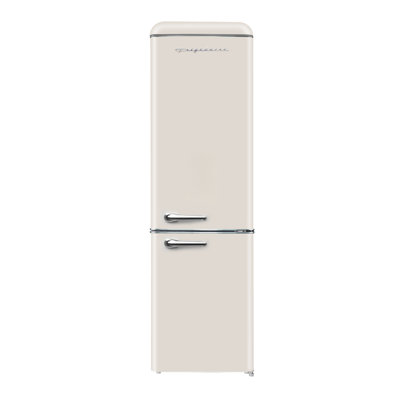
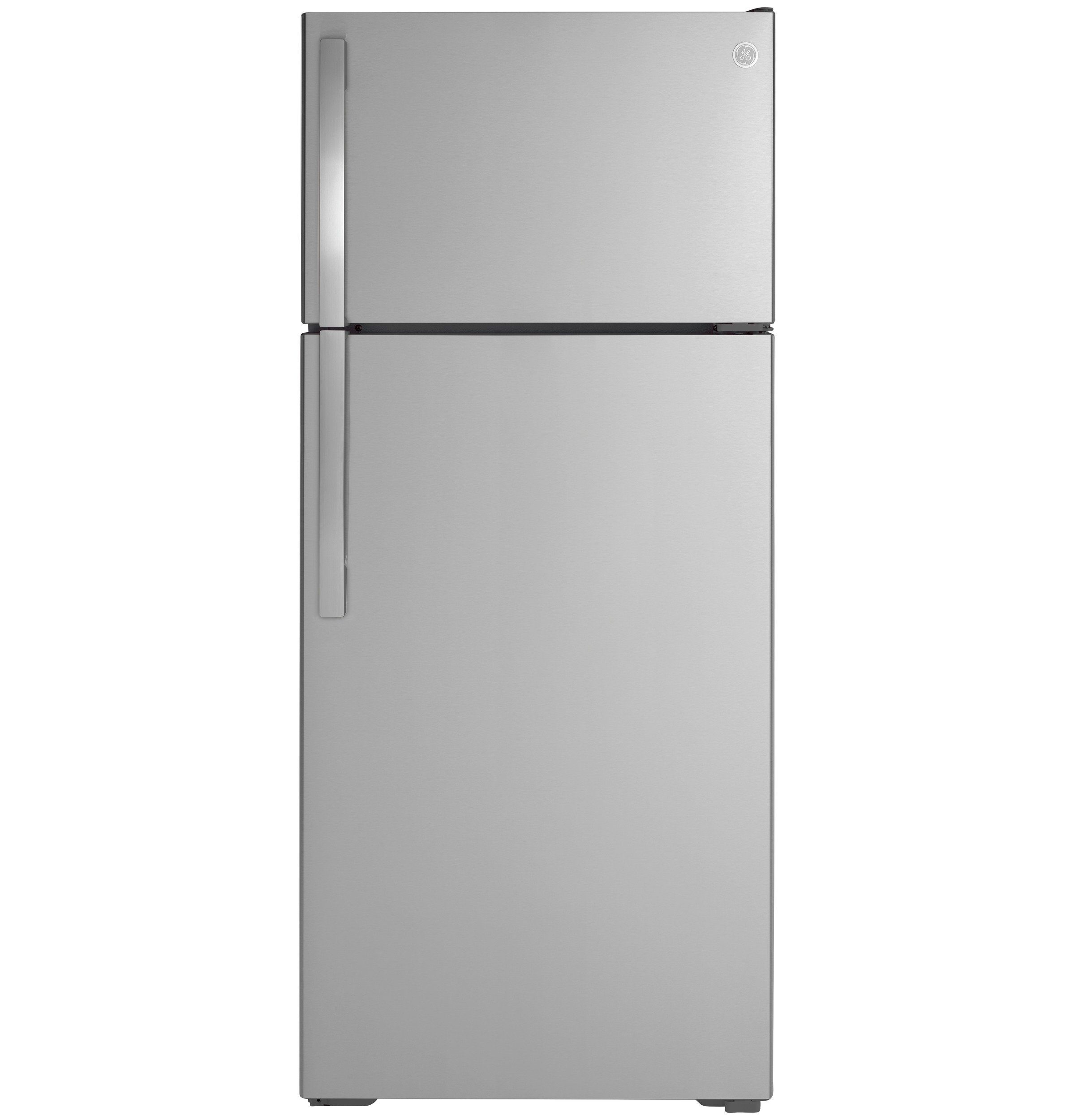
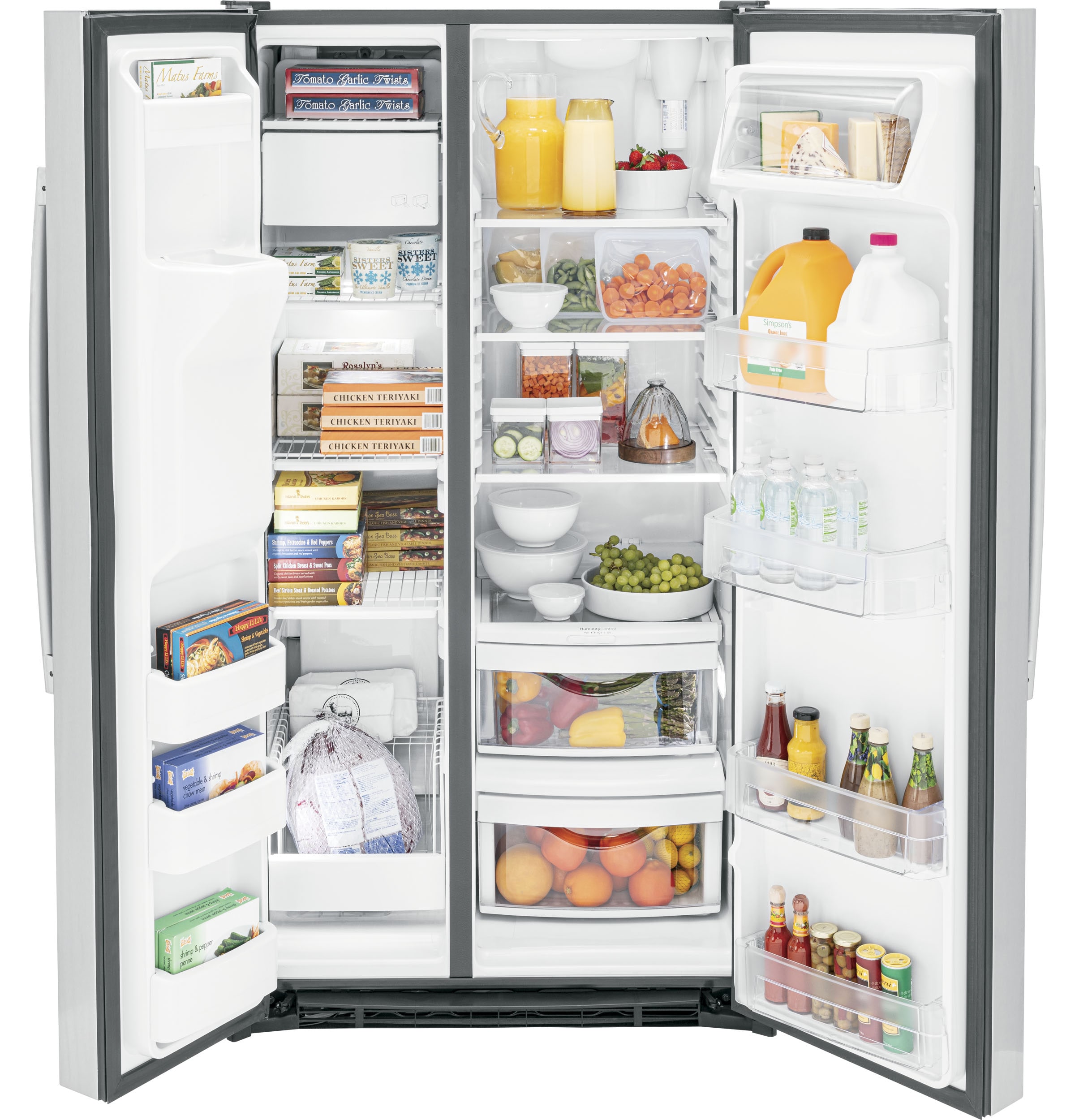
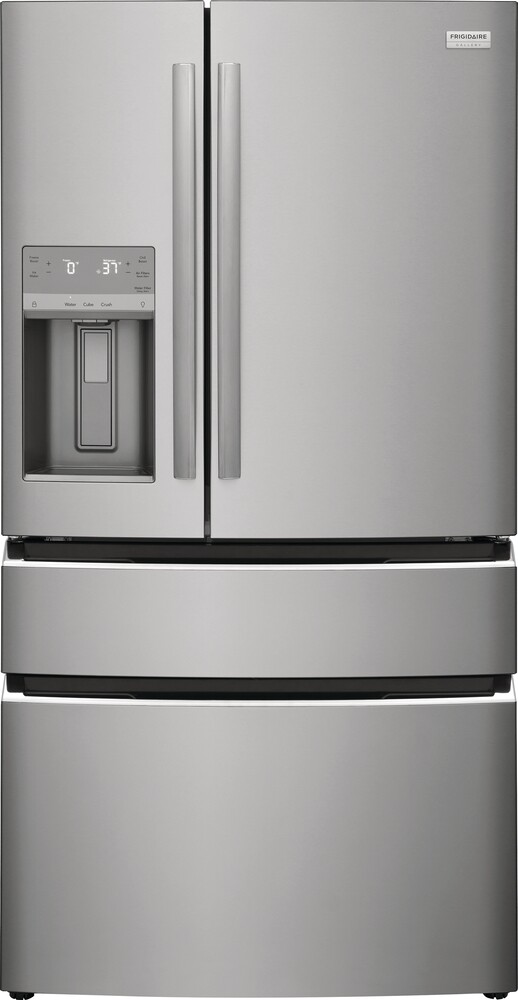
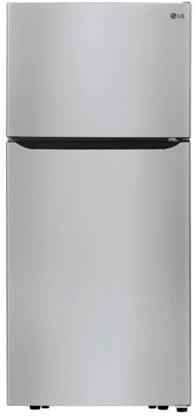
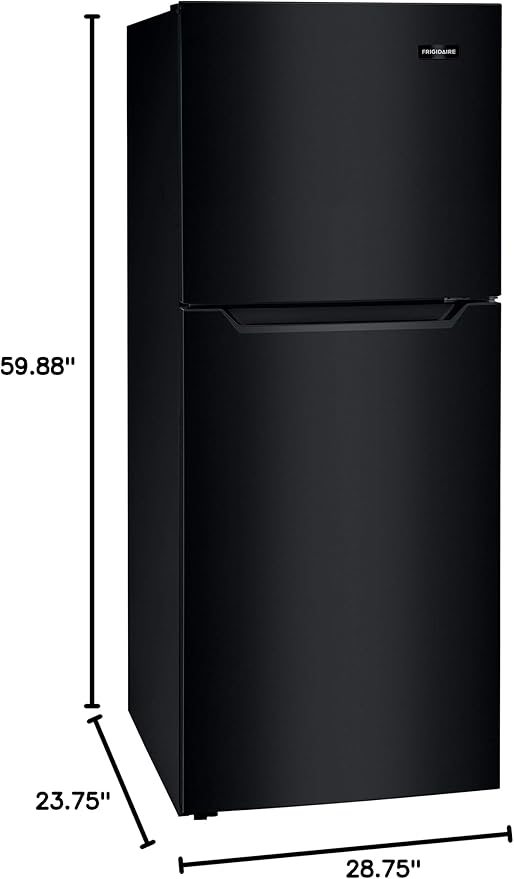
A commercial refrigerator and a residential refrigerator both keep food cold, but they are engineered for different levels of demand. Commercial units are built for restaurant kitchens, catering operations, and food service environments where the door opens 50 to 100 times per day and shelves hold 300 to 500 pounds of product. Residential units are built for household kitchens where the door opens 10 to 20 times per day and shelves hold 50 to 100 pounds. This comparison covers the real differences in construction, performance, capacity, pricing, and whether a commercial unit makes sense for home use.
Construction Quality
Commercial refrigerators use full stainless steel interiors and exteriors — not stainless-clad or stainless-look, but actual stainless steel throughout. Shelving is heavy-gauge wire or stainless steel rated for 150 to 500 pounds per section. Door hinges use commercial cam-lift mechanisms that self-close and handle thousands of open-close cycles daily. Gaskets are thick, replaceable, and designed for easy swap-out. The compressor is commercial-duty — rated for continuous operation in a hot kitchen environment where ambient temperatures reach 100+ degrees.

Residential refrigerators use a mix of materials — stainless, painted steel, or plastic exteriors over insulated shells. Interior walls are typically molded plastic or coated metal. Shelving is tempered glass or consumer-grade wire rated for 30 to 75 pounds per shelf. Door mechanisms use standard residential hinges. Gaskets are integrated into the door assembly and typically not user-replaceable. The compressor is residential-duty — rated for household ambient temperatures of 60 to 90 degrees with moderate door-opening frequency.
Cooling Performance
| Feature | Commercial | Residential |
|---|---|---|
| Temperature Recovery | Returns to setpoint in 2-5 minutes after door opening | Returns to setpoint in 10-20 minutes |
| Compressor Capacity | 1/3 to 1 HP | 1/8 to 1/4 HP |
| Airflow | Forced-air with high-volume fans | Natural convection or low-volume fans |
| Pull-Down Time | Cools warm product quickly | Designed for pre-cooled items |
The temperature recovery speed is the most significant performance difference. A commercial refrigerator returns to 35 degrees within minutes after a busy service period with dozens of door openings. A residential unit takes significantly longer because the smaller compressor and lower airflow volume cannot compensate for repeated warm air intrusion as quickly. For households that open the fridge 10 to 15 times per day, the residential compressor handles the load fine. For serious home cooks who prep all day or host large events with constant fridge access, the commercial unit's recovery speed maintains food safety better.
Capacity
| Type | Sections | Volume | Shelf Load |
|---|---|---|---|
| Commercial (1-door reach-in) | 1 | 20 - 27 cu ft | 300 - 500 lbs total |
| Commercial (2-door reach-in) | 2 | 40 - 54 cu ft | 500 - 1,000 lbs total |
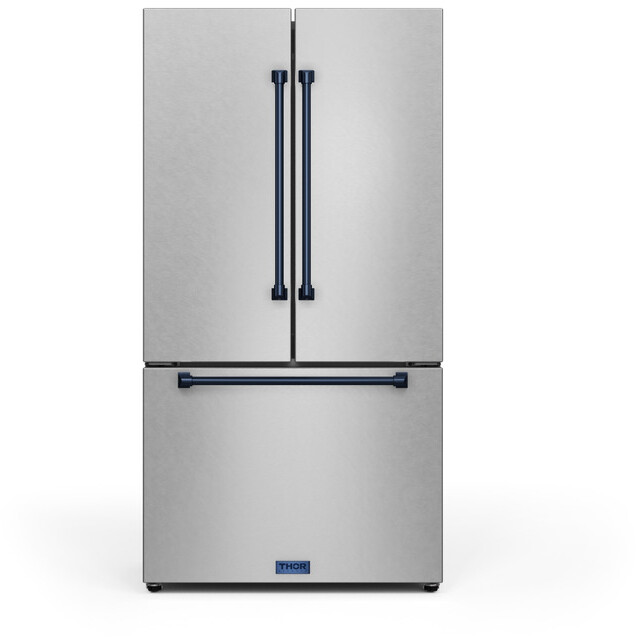
| Residential (French door) | N/A | 20 - 28 cu ft | 100 - 200 lbs total |
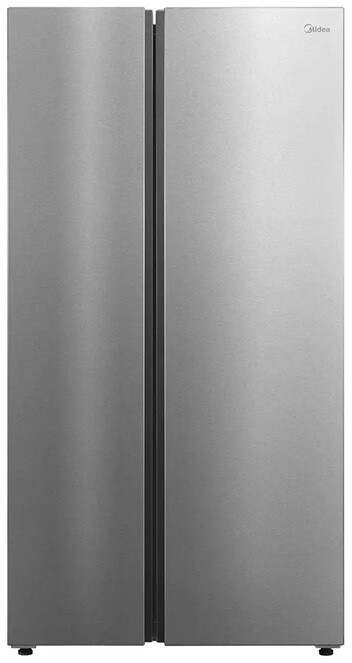
| Residential (side-by-side) | N/A | 20 - 27 cu ft | 100 - 180 lbs total |
A two-door commercial reach-in holds roughly twice the volume of a large residential French door refrigerator. More importantly, the shelving supports 3 to 5 times more weight. This matters for home caterers, serious meal preppers, and households that store heavy items like full stock pots, sheet pans of marinated meats, and cases of beverages.
Energy Use
| Type | Annual kWh | Annual Cost |
|---|---|---|
| Commercial (1-door) | 600 - 1,200 kWh | $75 - $150 |
| Commercial (2-door) | 1,000 - 2,000 kWh | $125 - $250 |
| Residential (French door) | 500 - 750 kWh | $65 - $95 |
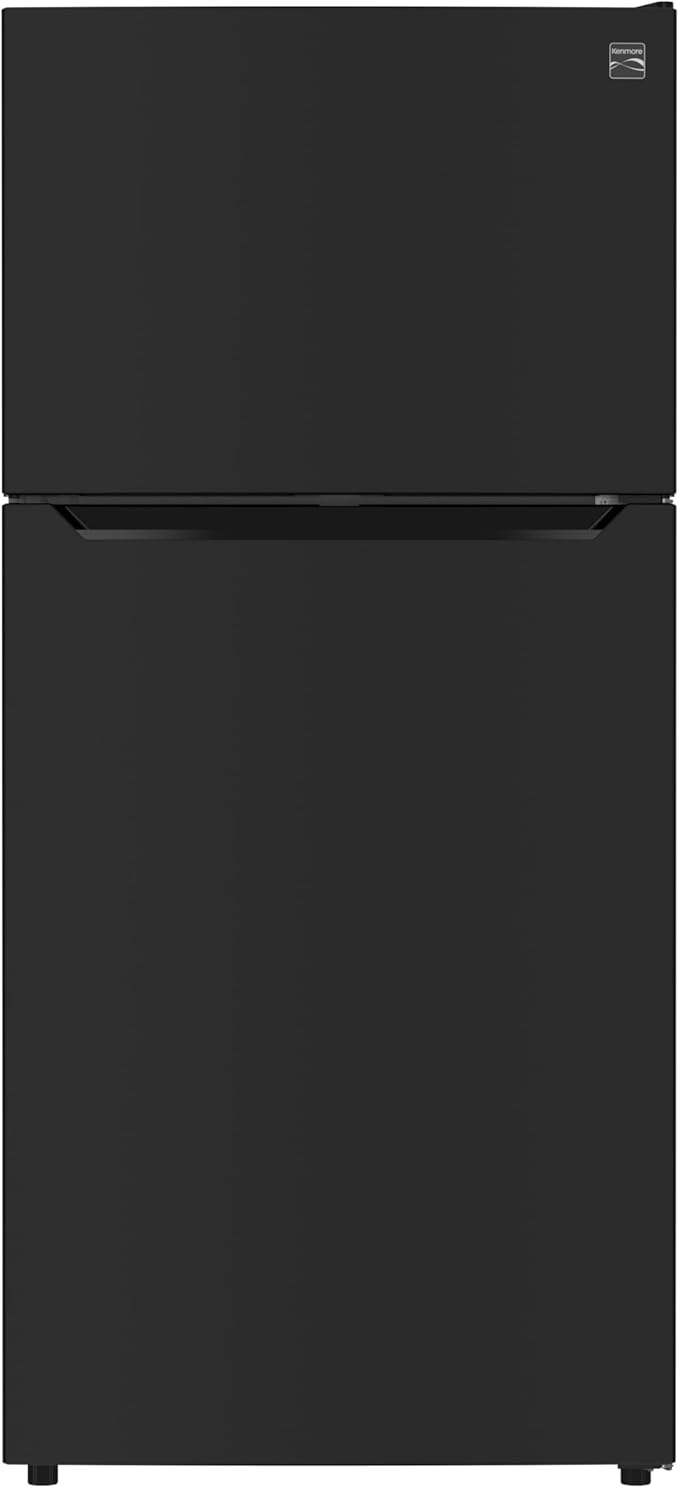
| Residential (top freezer) | 350 - 500 kWh | $45 - $65 |
Commercial refrigerators use more energy because larger compressors and forced-air systems draw more power. In a restaurant running 14 hours a day with constant door openings, the energy use is justified by the performance demands. In a home that opens the fridge 15 times per day, the extra energy consumption may not be necessary. Energy Star certification is available for both categories — commercial Energy Star units are significantly more efficient than non-certified models.
Sizing and Placement
Commercial reach-in refrigerators are tall — 78 to 84 inches — and deep — 30 to 34 inches. They require 208V or 220V electrical service in many models (though some operate on 120V). The compressor is typically top-mounted, requiring 6 to 12 inches of clearance above the unit. They do not fit standard kitchen cutouts — they stand freestanding and need heavy-duty flooring to support the weight (200 to 400 pounds empty).
Residential refrigerators are designed for standard kitchen bays — 30 to 36 inches wide, 66 to 72 inches tall, 29 to 35 inches deep. They plug into a standard 120V outlet. Counter-depth options sit flush with cabinetry. The form factor integrates into kitchen architecture by design.

Features
Commercial refrigerators prioritize function over consumer features. No ice maker. No water dispenser. No smart connectivity. No fancy LED displays. Stainless steel interior, heavy-duty shelving, digital temperature display, door alarm, and casters for mobility. The feature set is stripped to what a professional kitchen needs — nothing more.

Residential refrigerators layer on consumer features — adjustable glass shelves, humidity crispers, ice makers, water dispensers, digital controls, LED lighting, door-in-door access, smart home integration, interior cameras, and touchscreens on premium models. The feature gap reflects the different buyer expectations — restaurant operators want reliability and performance, homeowners want convenience and technology.
Noise
Commercial refrigerators run at 45 to 60 decibels. The larger compressor and high-volume fans produce more noise than residential units. In a restaurant kitchen with hood fans, dishwashers, and conversation, this is unnoticeable. In a quiet home kitchen, 55+ decibels is disruptive — comparable to a conversation at normal volume. Placing a commercial unit in a garage, basement, or separate pantry room mitigates the noise concern.
Residential refrigerators run at 36 to 44 decibels — designed for open-concept living spaces where kitchen noise carries into dining and family areas.
Pricing
| Type | Budget | Mid-Range | Premium |
|---|---|---|---|
| Commercial (1-door) | $800 - $1,500 | $1,500 - $3,000 | $3,000 - $5,000 |
| Commercial (2-door) | $1,500 - $3,000 | $3,000 - $5,000 | $5,000 - $8,000 |
| Residential (French door) | $1,200 - $2,000 | $2,000 - $3,500 | $3,500 - $5,000+ |
One-door commercial units overlap in price with mid-range residential French doors. The commercial unit delivers superior construction and performance but lacks consumer features. Two-door commercial units cost more but provide double the capacity. The price-per-cubic-foot favors commercial units at the high-capacity end.
Durability and Lifespan
Commercial refrigerators last 15 to 20 years in restaurant environments with heavy daily use. In a home setting with lighter use, they can last 20+ years. Parts are standardized and readily available. Repairs are straightforward because the design prioritizes serviceability — panels remove easily, compressors are accessible, and gaskets swap without tools.
Residential refrigerators last 12 to 18 years. Consumer electronics, ice makers, and water dispensers add failure points that commercial units avoid. Repair costs vary — simple fixes are affordable, but electronic control boards and sealed system repairs can approach the cost of a new budget unit.
Should You Put a Commercial Fridge in Your Home?
A commercial refrigerator in a home makes sense if you run a catering business from home, host large events regularly, meal prep in bulk quantities, or want the most durable and highest-performing cold storage available regardless of consumer features. Place it in a garage, basement, or dedicated pantry where the noise, size, and electrical requirements are manageable.
For the typical household that values ice makers, smart features, kitchen integration, and quiet operation, a residential refrigerator is the correct and sufficient choice. It handles normal household food storage demands at a lower noise level with more consumer-friendly features.
Shop at Fridge.com
Compare commercial refrigerators and residential refrigerators at Fridge.com. Filter by door count, capacity, voltage requirements, and price to find the right cooling performance level for your kitchen.