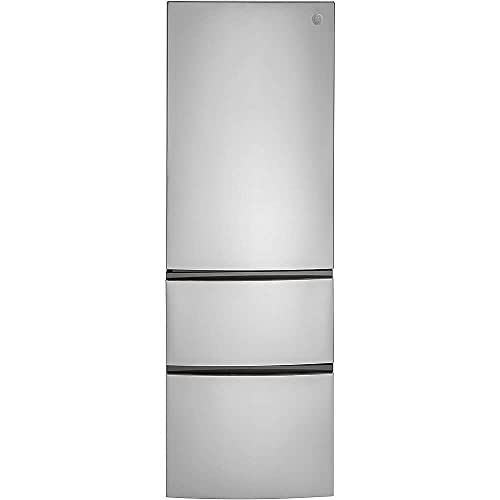
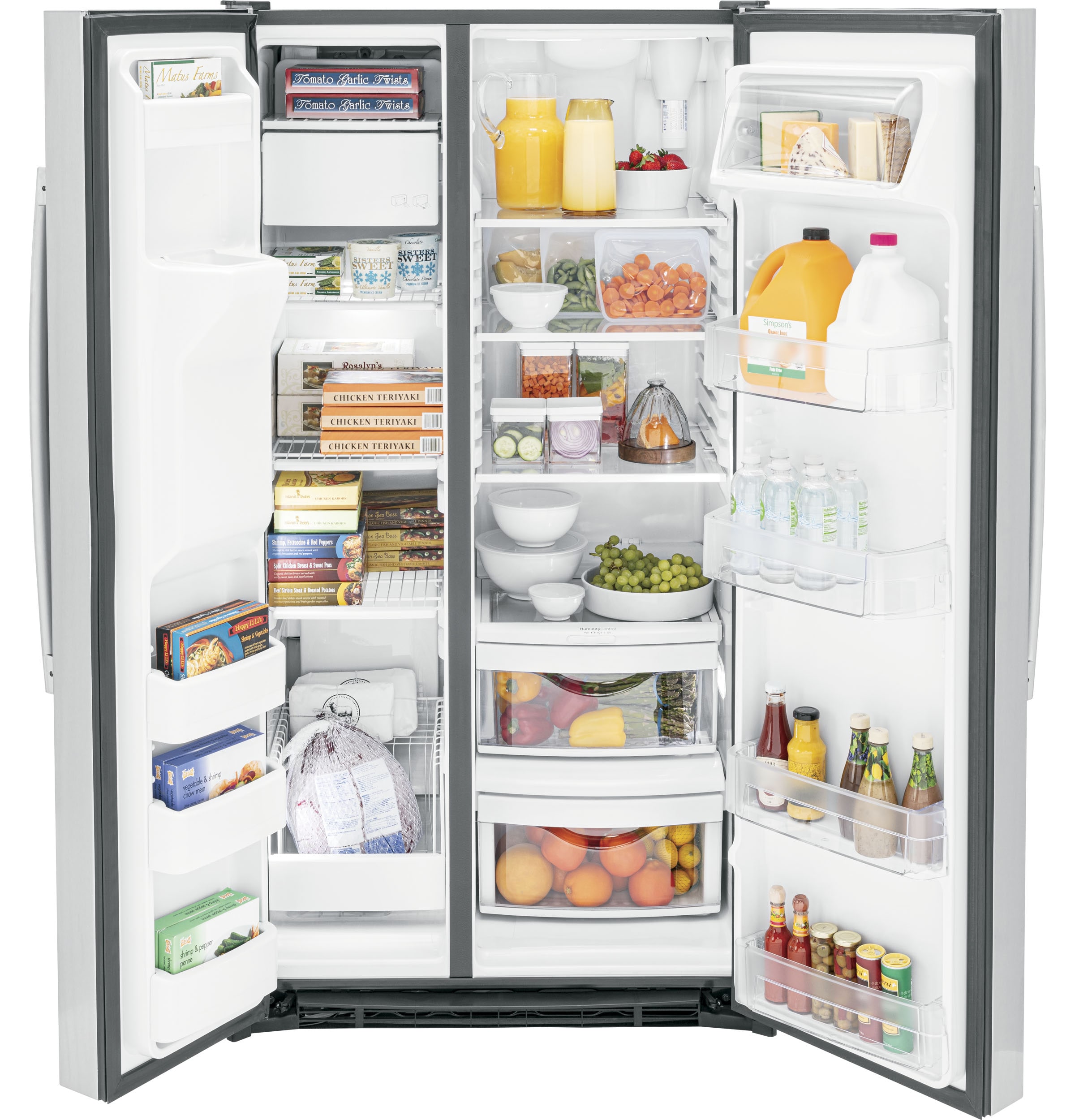
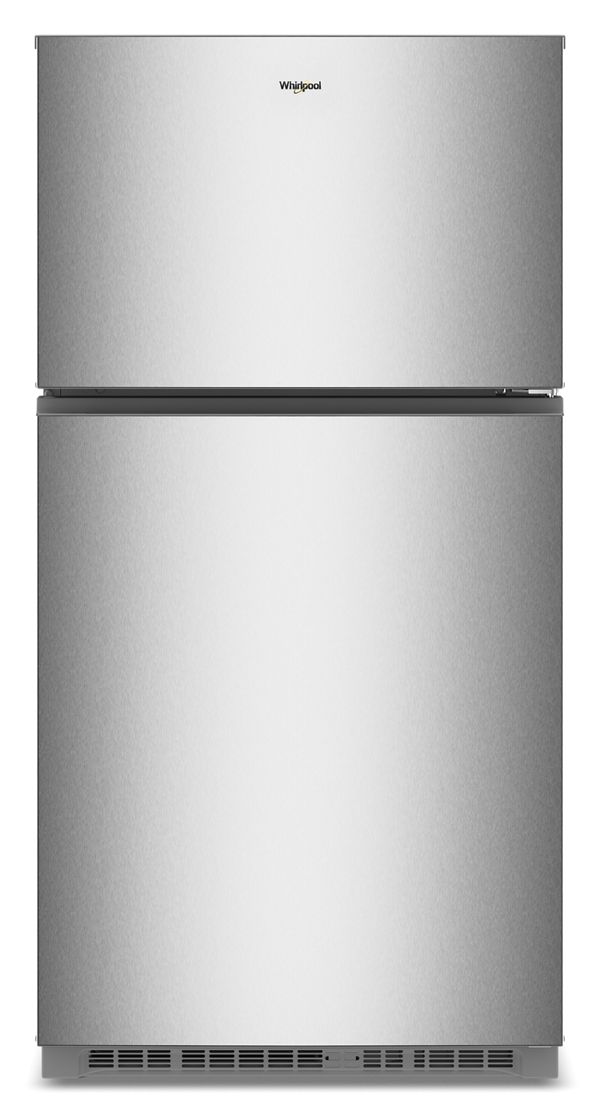
A chest refrigerator and a glass door refrigerator store cold food and beverages in fundamentally different ways. The chest refrigerator is a top-opening insulated box that keeps contents cold with minimal energy use, relying on the simple physics of cold air sinking. The glass door refrigerator is a front-opening display unit that showcases contents behind transparent panels for visual browsing and quick access. This comparison covers the practical differences between these two distinct cooling approaches for home use.
How Each Design Works
A chest refrigerator — less common than chest freezers but available in the market — operates at standard fridge temperatures (34 to 42 degrees) in a horizontal top-opening format. Cold air stays inside when the lid opens because cold air is denser and sinks to the bottom of the chest. Thick insulation on all six sides retains temperature for hours between compressor cycles. The design is the most energy-efficient refrigeration format available because it minimizes cold air loss during use.
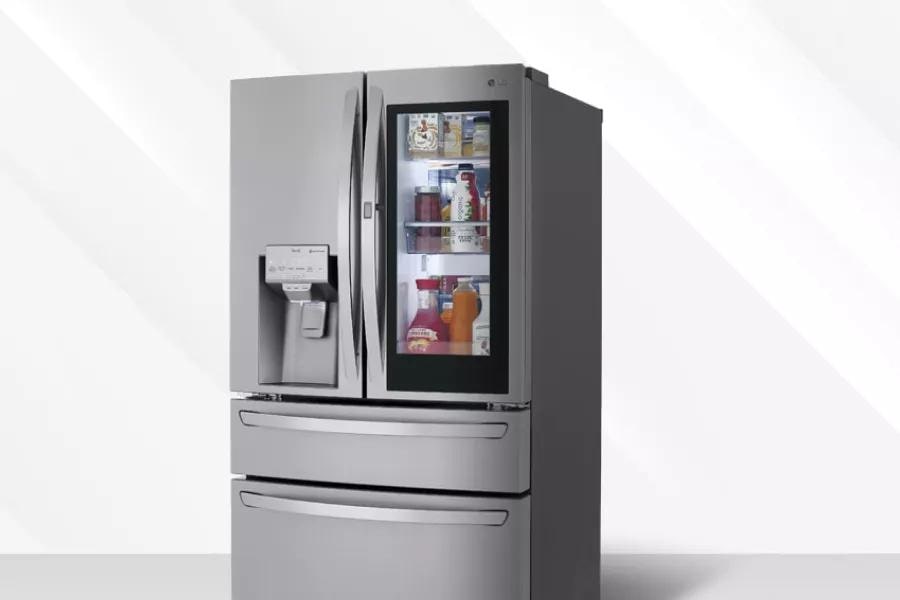
A glass door refrigerator stands upright with a front-opening door made of tempered glass — single-pane, double-pane, or triple-pane depending on the quality. Contents are visible from outside the unit. Interior LED lighting showcases the items. When the door opens, cold air falls out because gravity pulls the dense cold air downward and out through the front opening. The design prioritizes visual access and display over thermal efficiency.
Energy Efficiency
| Type | Cold Air Loss Per Opening | Insulation Effectiveness | Annual kWh (similar capacity) |
|---|---|---|---|
| Chest Refrigerator | Minimal (cold air stays in) | Excellent (6-sided foam) | 100 - 250 kWh |
| Glass Door Refrigerator | Significant (cold air falls out) | Good (glass is weaker than foam) | 250 - 500 kWh |
The chest refrigerator wins decisively on energy efficiency. The top-opening design retains cold air during every access. Glass, even double-pane insulated glass, transfers more heat than solid foam insulation. A chest refrigerator of equivalent capacity uses 40 to 60 percent less energy than a glass door model. Over a 10-year lifespan, the energy savings add up to $150 to $300.
Access and Visibility
The glass door refrigerator dominates on access convenience. You see everything without opening the door — scan the contents, decide what you want, then open and grab. The upright format puts items at various heights from eye level to waist level. Shelves organize contents in visible rows. Door bins add accessible storage at the front plane. The experience mirrors a store cooler — browse, select, close.
The chest refrigerator requires opening the lid to see contents. Items stack in layers, and deeper items require moving things on top. Visibility is limited to the top layer unless you dig. For items you access daily (milk, beverages, snacks), this means rearranging the same stack multiple times per day. The chest design works better for bulk storage of uniform items than for daily grab-and-go access to a variety of products.
Capacity and Organization
| Type | Typical Range | Organization |
|---|---|---|
| Chest Refrigerator | 5 - 15 cu ft | Open well with 1-2 hanging baskets |
| Glass Door Refrigerator | 3 - 25 cu ft | Multiple shelves, door bins, crispers |
Glass door refrigerators offer superior organization through shelving, bins, and compartments. A well-organized glass door unit keeps every item visible and reachable. A chest refrigerator of the same volume holds more total food (no space wasted on shelf supports and door mechanisms) but at the cost of organizational convenience.
Temperature Consistency
Chest refrigerators maintain exceptionally consistent temperatures. Cold air stays in the chest during lid openings. The compressor cycles less frequently. Temperature typically holds within 1 to 2 degrees of setpoint across the entire interior. During power outages, a full chest refrigerator maintains safe food temperatures for 8 to 12 hours.
Glass door refrigerators experience more temperature fluctuation. Each door opening dumps cold air and draws in warm room air. The compressor works harder and cycles more frequently. Glass doors transfer more ambient heat than solid insulated panels, creating a constant thermal load. Temperature may swing 3 to 5 degrees between compressor cycles. The top and bottom of the unit often run at slightly different temperatures due to natural cold air stratification.
Use Cases
A chest refrigerator excels as bulk cold storage where energy efficiency matters most and display does not. Outdoor events, farm operations, large-batch food storage, and utility situations benefit from the chest format. It also works for households that want the cheapest cold storage operating cost possible.

A glass door refrigerator excels wherever visual display and convenient access are priorities — home bars, entertainment areas, retail spaces, office break rooms, and kitchens where seeing the contents reduces food waste and simplifies meal planning. The display factor also makes glass door fridges popular in open-concept living spaces where the refrigerator is visible from multiple rooms.
Pricing
| Type | Budget | Mid-Range | Premium |
|---|---|---|---|
| Chest Refrigerator | $200 - $400 | $400 - $700 | $700 - $1,000 |
| Glass Door Refrigerator | $300 - $600 | $600 - $1,200 | $1,200 - $3,000+ |
Glass door models cost more because the glass panel, LED lighting, and upright display design are more expensive to manufacture than a simple insulated chest. Premium glass door refrigerators with double-pane UV glass, digital controls, and commercial-grade compressors command significant premiums.
Noise
Chest refrigerators run at 35 to 42 decibels with infrequent compressor cycling — the thick insulation holds temperature for long periods. The unit is silent more often than it runs.
Glass door refrigerators run at 38 to 48 decibels with more frequent cycling due to higher thermal load through the glass. Commercial-style glass door models can reach 50+ decibels. For living spaces, choose a residential glass door model and check the decibel rating.
Durability
Chest refrigerators last 10 to 20 years. The simple design has very few failure points.
Glass door refrigerators last 8 to 15 years. The glass door, LED lighting, and more complex shelving add potential maintenance points. The glass panel is the most vulnerable component — impact damage requires expensive replacement.
Who Should Buy Which
Buy a chest refrigerator for maximum energy efficiency and bulk cold storage in a garage, basement, outdoor area, or utility space. The top-opening design delivers the lowest operating cost and best temperature stability of any refrigerator format.
Buy a glass door refrigerator for visual display and convenient access in a home bar, entertainment area, office, or kitchen. The see-through door reduces unnecessary openings, showcases drink and food collections, and adds a modern aesthetic to any room.
Shop at Fridge.com
Compare chest refrigerators and glass door refrigerators at Fridge.com. Filter by capacity, door type, energy rating, and price to find the cooling format that fits your space and priorities.