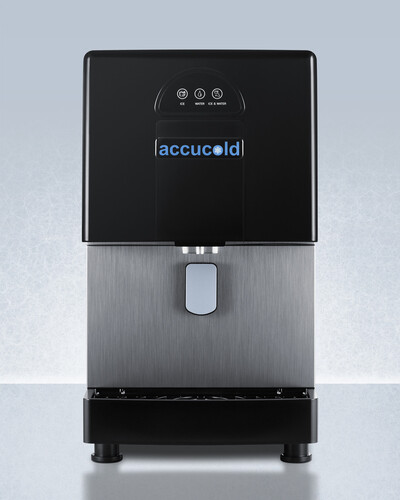
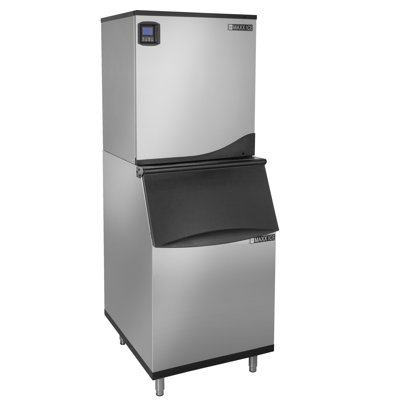
A built-in ice maker and a portable ice maker both produce ice on demand, but they differ in installation, output, ice quality, and price. The built-in model connects to a water line and installs permanently under a counter. The portable model sits on a countertop, fills from a water reservoir, and plugs into any outlet. This comparison covers every factor so you can decide which ice production method fits your home.
How Each Works
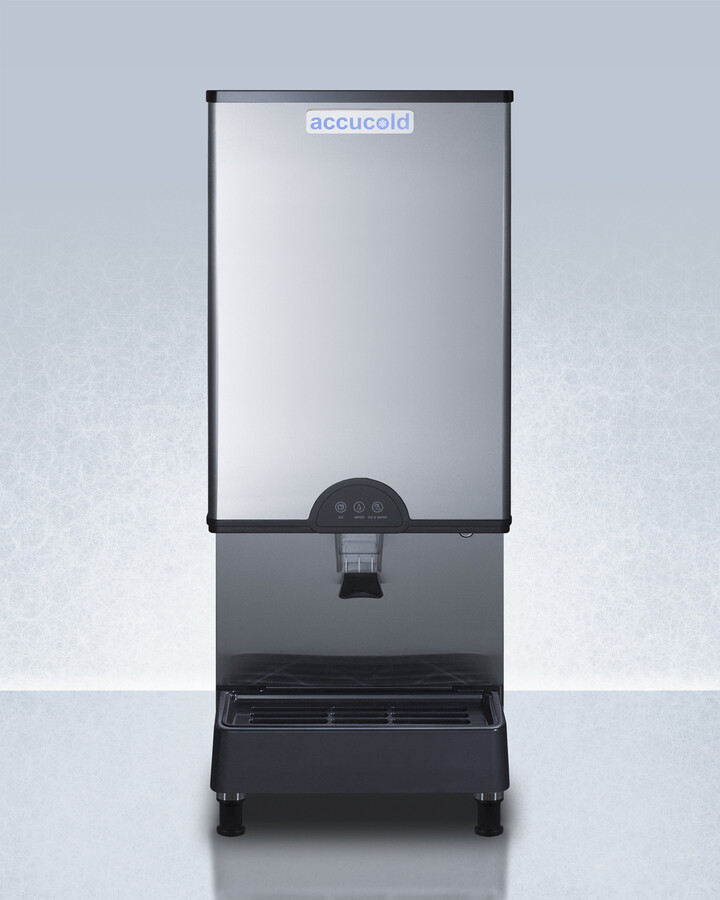
A built-in ice maker connects to a dedicated water supply line and a drain. Water flows automatically into the freezing mechanism, ice forms on an evaporator plate or in molds, and finished ice drops into an insulated storage bin below. When the bin is full, a sensor stops production. Melted ice drains through the drain line. The cycle is fully automatic — as long as the water line is connected, the machine produces ice continuously without any user intervention.
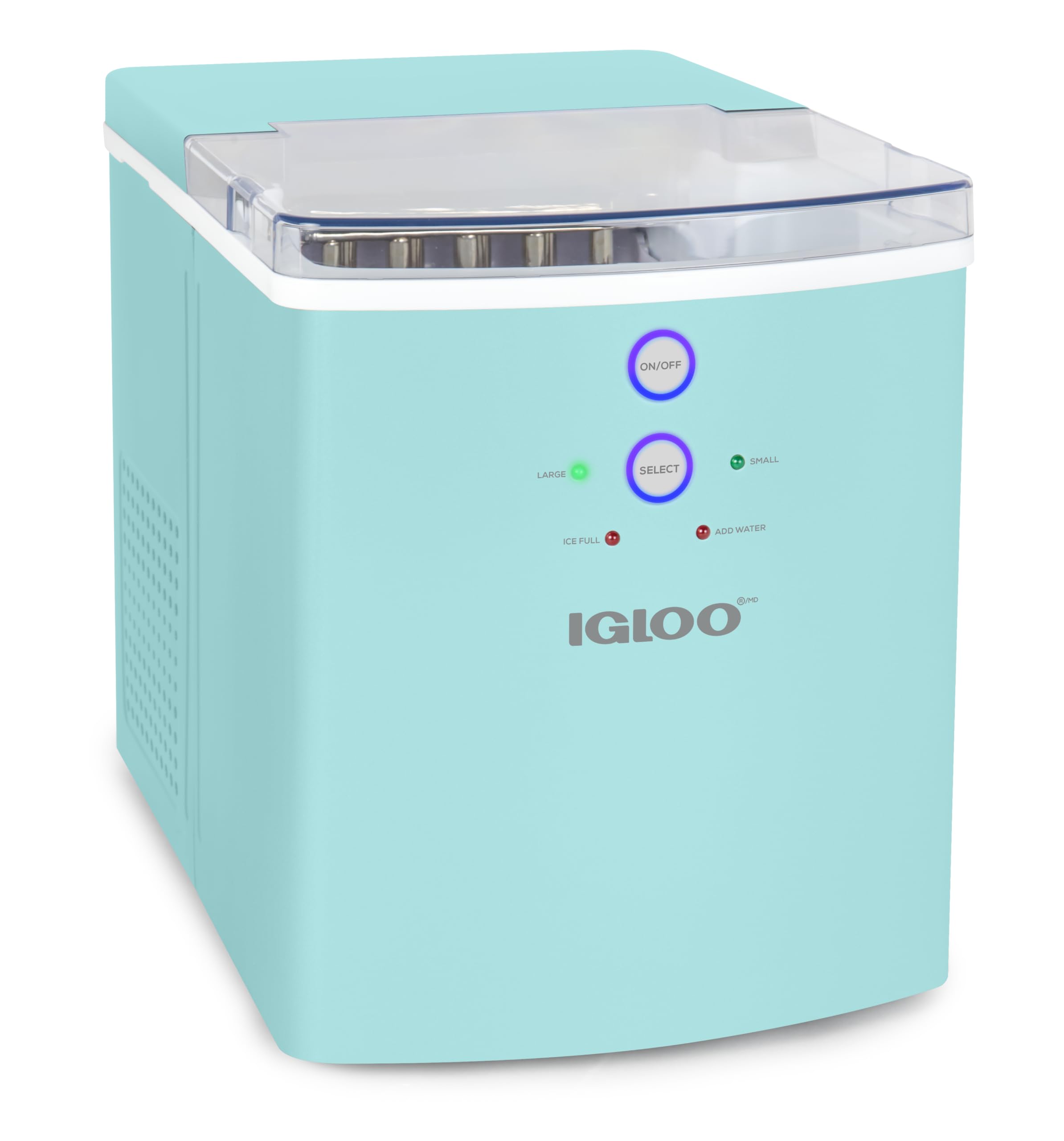
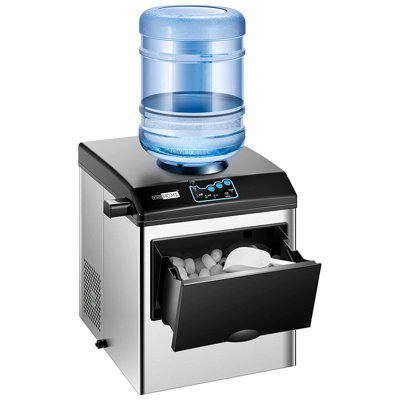
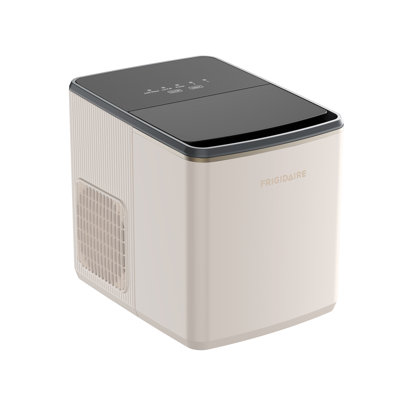
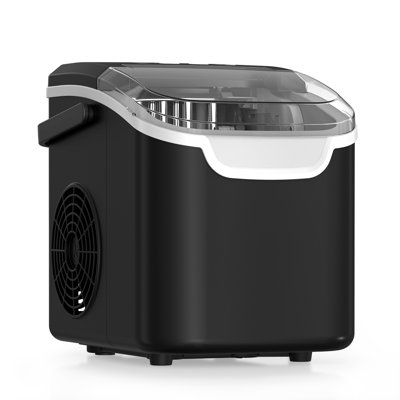
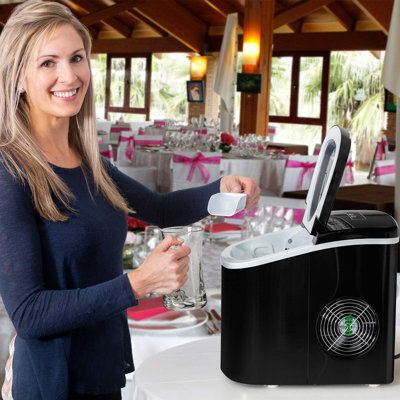
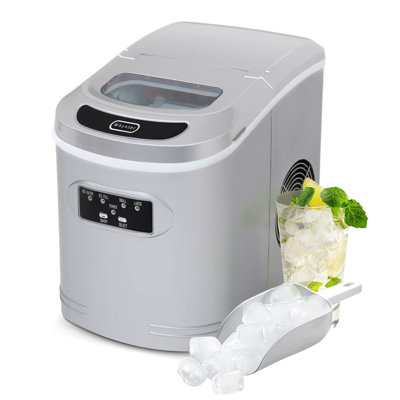
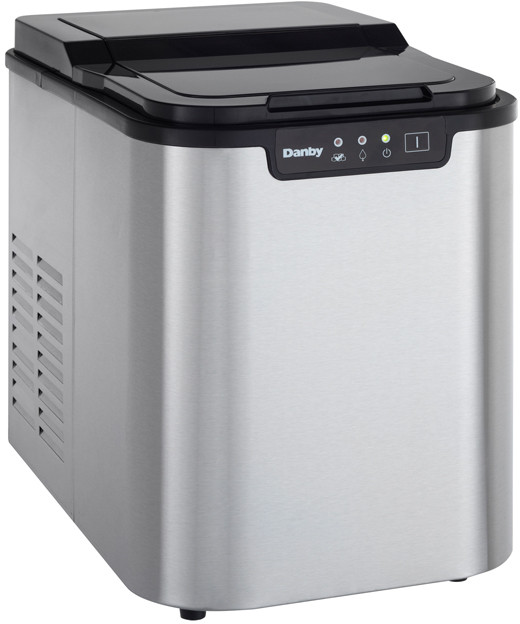
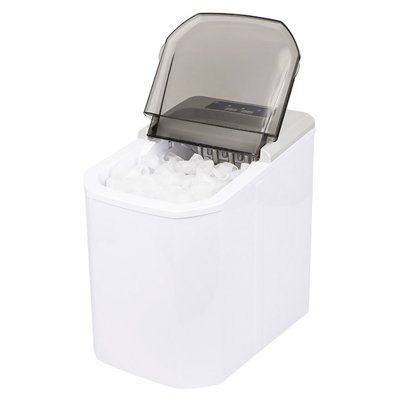
A portable ice maker sits on a counter and uses a manual-fill water reservoir — typically 1 to 3 quarts. You pour water into the tank, press a button, and the machine produces ice in 6 to 15 minutes per cycle. When the reservoir runs dry, you refill it. When the storage basket is full, you empty it into a cooler or freezer because portable models do not maintain freezing temperatures — the ice melts back into the reservoir and recycles through the system if left unattended.
Ice Production Capacity
Type
Daily Production
Storage Bin
Ice Ready In
Built-In Ice Maker
25 - 80 lbs/day
15 - 35 lbs
First batch: 15 - 30 min
Portable Ice Maker
20 - 35 lbs/day
1.5 - 3 lbs
First batch: 6 - 15 min
Built-in models produce more ice per day and store significantly more at once. A 35-pound storage bin holds enough ice for a party of 20 to 30 people. A portable model's 2-pound basket fills up fast and needs frequent emptying. For daily household use, a portable maker handles the job. For entertaining or heavy ice consumption, the built-in's production and storage capacity is essential.
Built-in ice makers produce specific ice types depending on the model. Clear ice makers create large, dense, crystal-clear cubes by freezing water in layers — these melt slowly and look professional in cocktails. Nugget ice makers produce soft, chewable pellet ice popular for soft drinks, smoothies, and mixed drinks. Crescent and gourmet cube shapes are also available. The ice type is a primary selection criterion when choosing a built-in model.
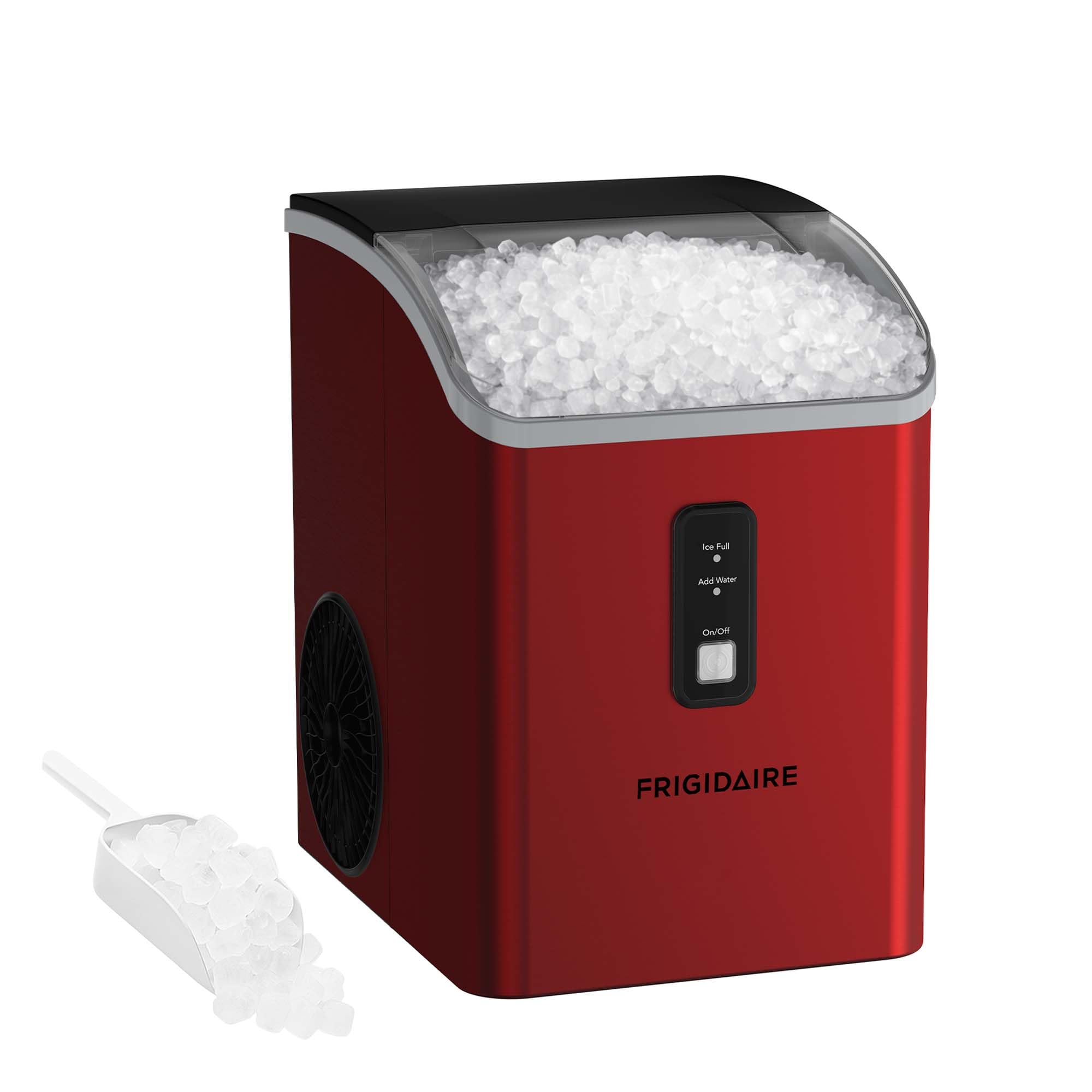
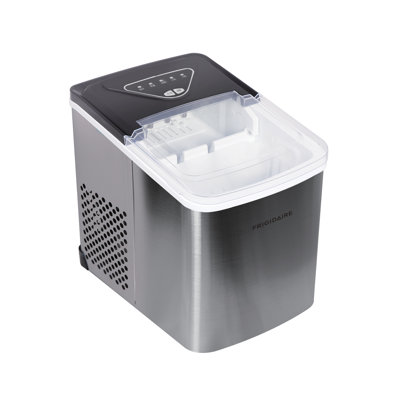
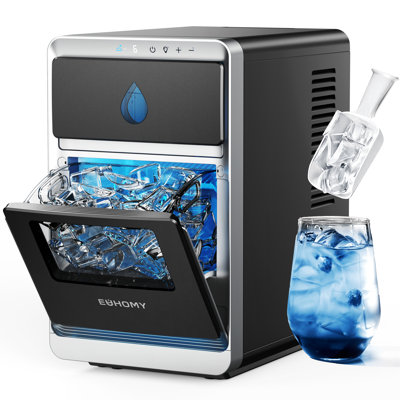
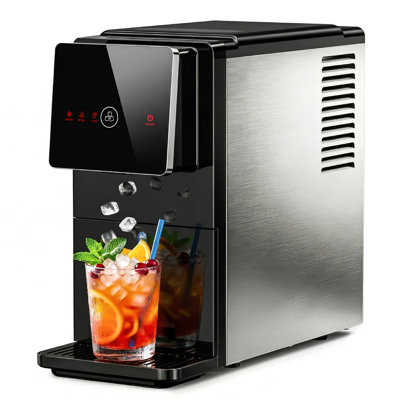
Portable ice makers typically produce bullet-shaped or cylindrical hollow ice. The ice forms quickly because the hollow center freezes faster than a solid cube. This ice melts faster than solid cubes or clear ice, which means more dilution in drinks. The shape and quality are functional but not premium. Some higher-end portable models now produce nugget ice, which has become a popular category — brands like GE Profile Opal produce countertop nugget ice at a fraction of built-in prices.
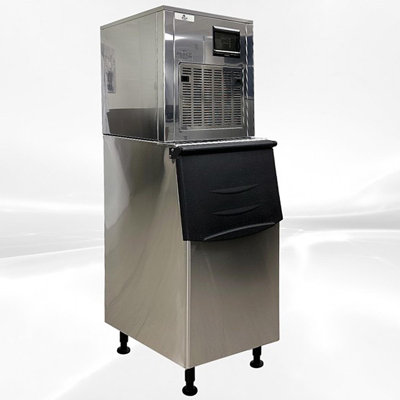
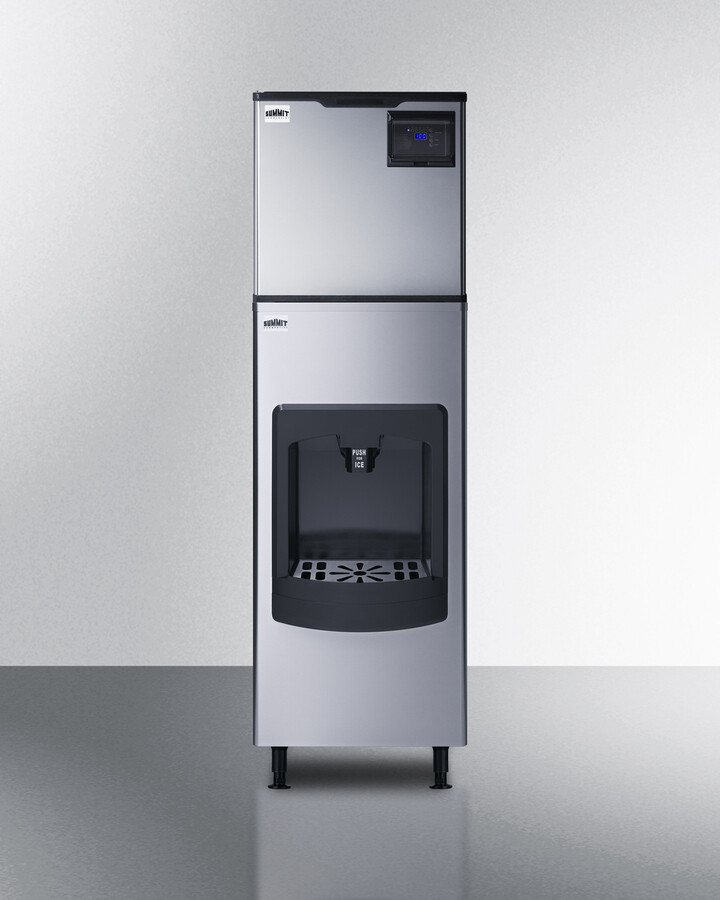
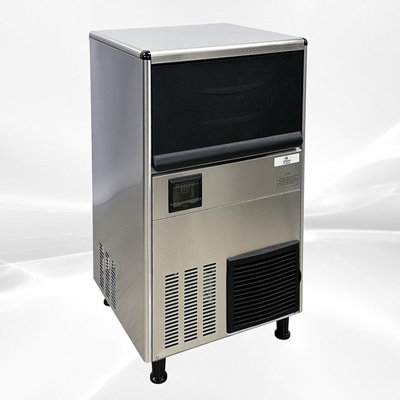
Built-in ice makers require professional or skilled DIY installation. You need a water supply line with a shut-off valve, a drain connection (gravity drain to a nearby floor drain or a drain pump for locations without floor-level drainage), and a dedicated 120V electrical outlet. Under-counter models fit a standard 15-inch or 18-inch wide cabinet opening. The installation cost — including plumbing and electrical work if not already in place — adds $200 to $800 beyond the unit price.
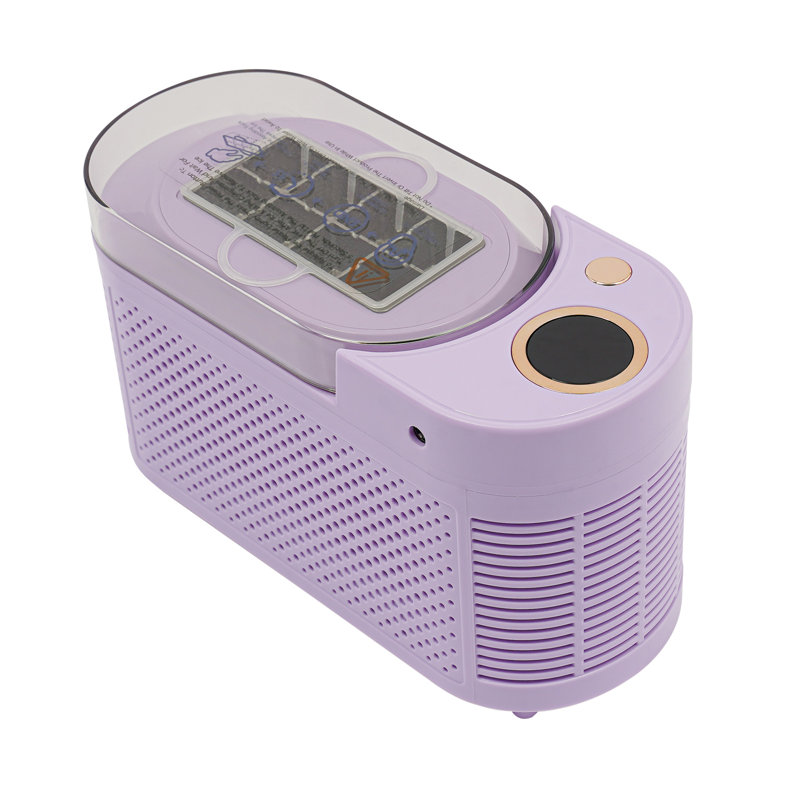
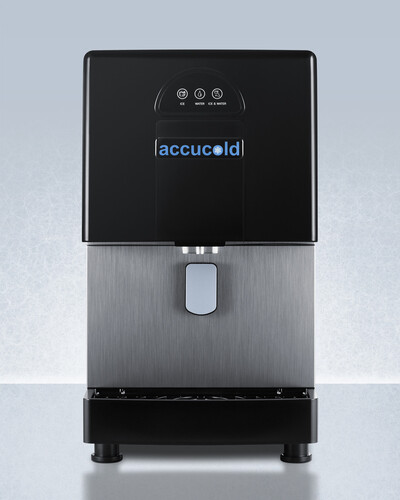
Portable ice makers require zero installation. Place on a counter, fill the reservoir, plug into any outlet, and press start. No plumbing, no drain, no cabinet modification. The machine is fully operational within minutes of unboxing. This is the defining advantage of the portable category — instant ice production anywhere there is a countertop and an outlet.
Built-in ice makers measure 15 to 18 inches wide, 24 inches deep, and 34 inches tall — standard under-counter dimensions. They install in home bars, kitchen islands, outdoor kitchens, and butler's pantries. The unit is a permanent fixture that becomes part of the cabinetry.
Portable ice makers measure 10 to 17 inches wide, 12 to 16 inches deep, and 13 to 17 inches tall. They sit on any stable countertop, table, or cart. Move them between rooms, take them to a vacation rental, or store them in a closet when not in use. The portability makes them useful for RVs, boats, camping setups, and temporary entertaining spaces.
Maintenance
Built-in ice makers need cleaning and descaling every 3 to 6 months depending on water hardness. Mineral deposits from hard water reduce ice production, affect taste, and can damage internal components. Water filters need replacement every 6 to 12 months. Drain lines should be checked for clogs. Condenser coils need periodic cleaning. The maintenance schedule is similar to a commercial ice machine — more involved than a simple appliance but manageable with a regular routine.
Portable ice makers need cleaning every 1 to 2 weeks if used daily. The water reservoir and ice basket should be wiped with warm water and mild detergent. Descaling with vinegar or citric acid every 1 to 3 months prevents mineral buildup. No water filter to replace. No drain line to maintain. The simpler system means simpler maintenance, but the more frequent cleaning cycle (due to the recirculating water) requires attention to prevent slime or mineral taste.
Built-in ice makers connected to a home water line benefit from whole-house filtration or inline filters. Many models include a built-in water filter that removes chlorine, sediment, and minerals for better-tasting ice. The continuous fresh water supply means each batch uses clean water.
Portable ice makers recirculate melted ice back through the system. If ice melts and sits in the reservoir, it can develop off-flavors from mineral concentration and bacterial growth. Using filtered water for the initial fill and emptying/refilling the reservoir daily when in heavy use maintains ice quality. The recirculation design is efficient (no wasted water) but requires more user attention to water freshness.
Built-in models use more energy because they run continuously to maintain the storage bin temperature and produce higher daily volumes. Portable models only consume energy when actively making ice and do not maintain the storage bin at freezing temperature. If you use the portable maker a few times per week rather than continuously, actual annual consumption drops well below the rated maximum.
Pricing
Type
Unit Cost
Installation
Total
Built-In Ice Maker (standard)
$500 - $1,500
$200 - $800
$700 - $2,300
Built-In Ice Maker (clear ice)
$1,500 - $3,500
$200 - $800
$1,700 - $4,300
Portable Ice Maker (bullet)
$80 - $200
$0
$80 - $200
Portable Ice Maker (nugget)
$350 - $600
$0
$350 - $600
Portable ice makers are dramatically cheaper. A basic bullet ice maker costs less than the installation alone on a built-in model. Countertop nugget ice makers from brands like GE Profile Opal offer a middle ground — premium ice type at a fraction of built-in prices with zero installation cost.
Built-in ice makers run at 40 to 55 decibels during production. The water pump, compressor, and ice harvest cycle create a combined noise profile that is noticeable in quiet spaces. Under-counter installation behind a cabinet face dampens some sound.
Portable ice makers run at 35 to 50 decibels. The rapid cycle time means the machine is louder during its 6 to 15 minute production burst but silent between batches if you turn it off. Nugget ice machines run continuously when on and produce a steady low hum.
Built-in ice makers come in outdoor-rated versions with stainless steel construction, sealed electronics, and compressors rated for wide ambient temperature ranges. These are popular in outdoor kitchens and pool areas where permanent ice production is needed.
Portable ice makers are not weather-rated but can be used outdoors temporarily — on a covered patio table, under a canopy at a tailgate, or on a boat deck. Bring them inside when not in use. For occasional outdoor entertaining, the portable model's flexibility is an advantage.
Who Should Buy Which
Buy a built-in ice maker if you use ice daily, entertain frequently, want premium ice types (clear cubes or nugget), and have the plumbing infrastructure for a permanent installation. The built-in is the right choice for dedicated home bars, outdoor kitchens, and households with 4 or more regular ice consumers.
Buy a portable ice maker if you want ice on demand without installation, use ice a few times per week, need the flexibility to move the machine between locations, or want to test whether a dedicated ice maker fits your lifestyle before committing to a built-in. The portable is the right entry point for most households.
Compare prices on Fridge.com
Compare built-in ice makers and portable ice makers. Filter by ice type, daily production, installation style, and price to find the ice solution that matches your needs.
Frequently Asked Questions
Most portable ice makers produce the first batch of bullet ice in 6 to 15 minutes. Daily capacity ranges from 20 to 35 pounds. Built-in models take 15 to 30 minutes for the first batch but produce 25 to 80 pounds per day. Compare production specs at Fridge.com.
Free tool
Ice Maker Capacity Calculator
Free interactive tool from Fridge.com — get a quick answer while you read.