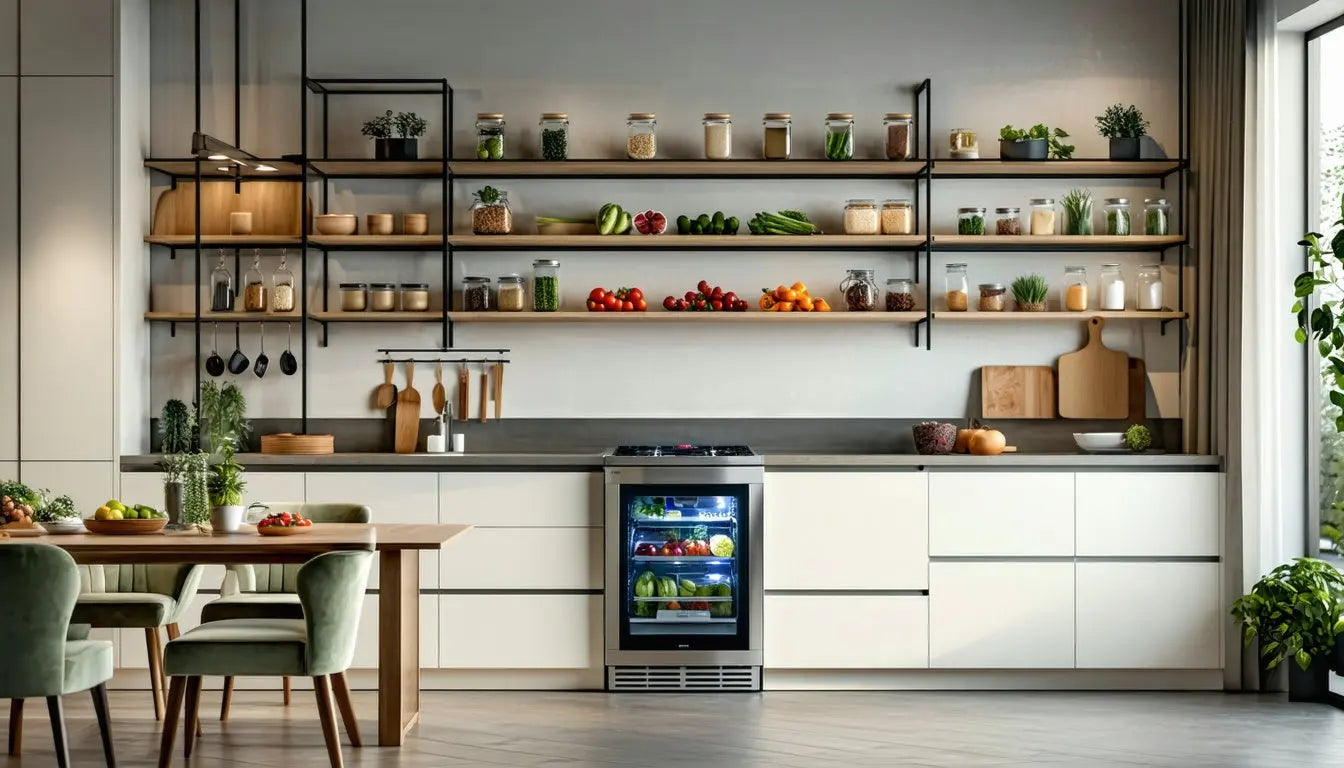
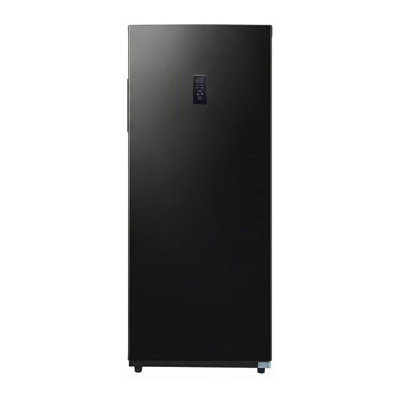
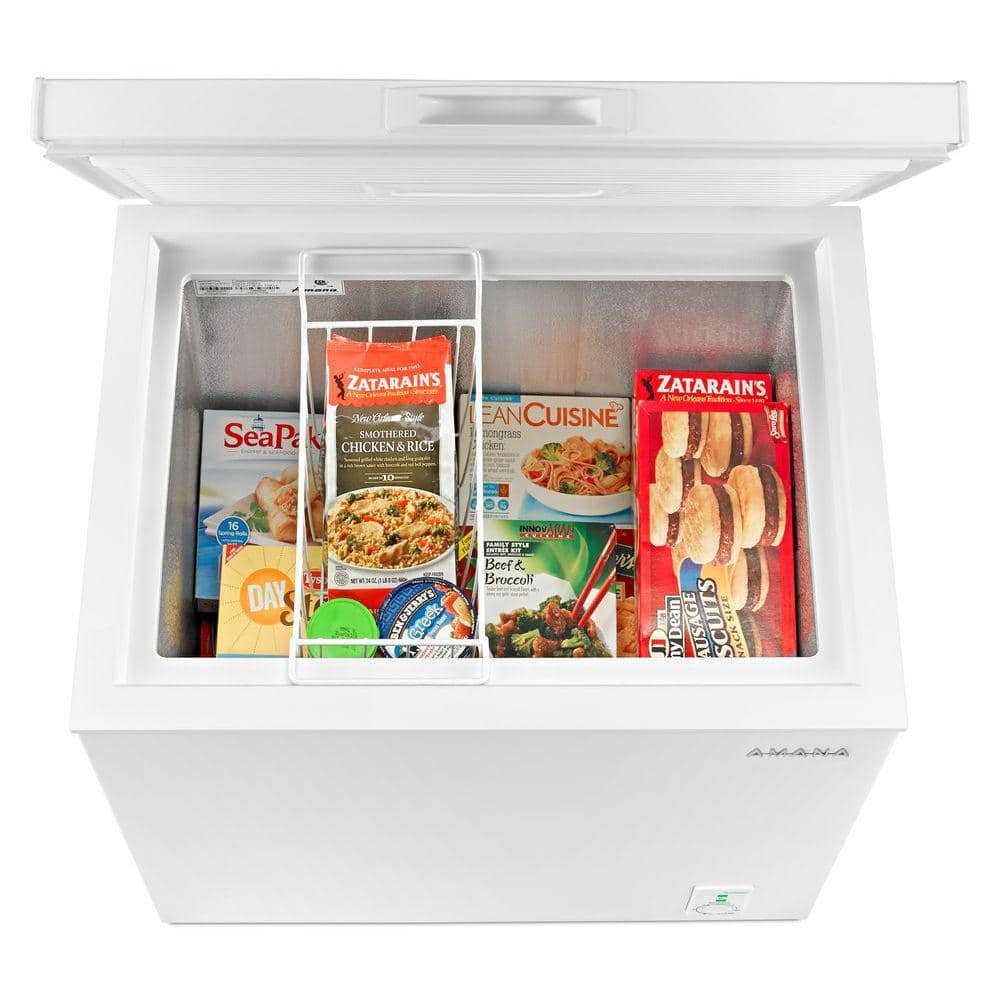
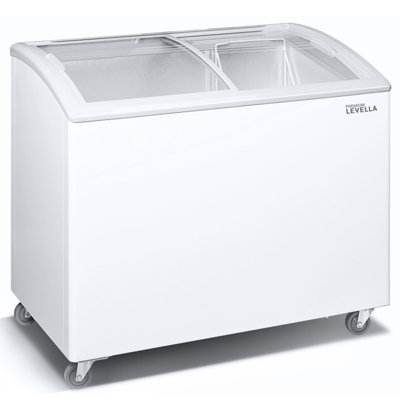
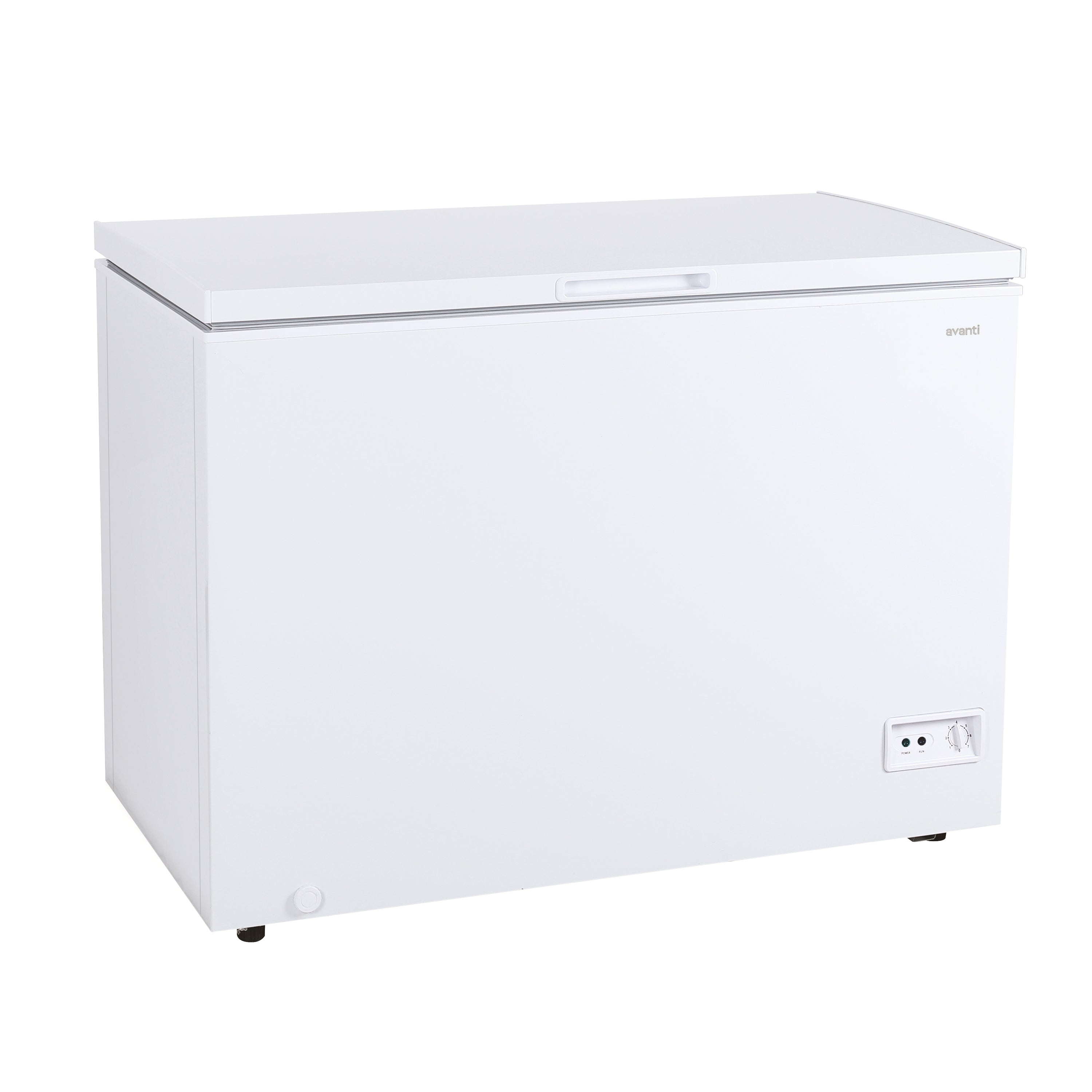
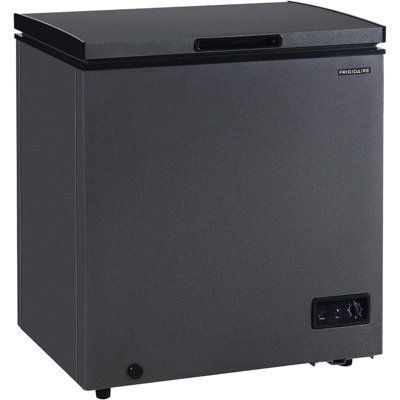
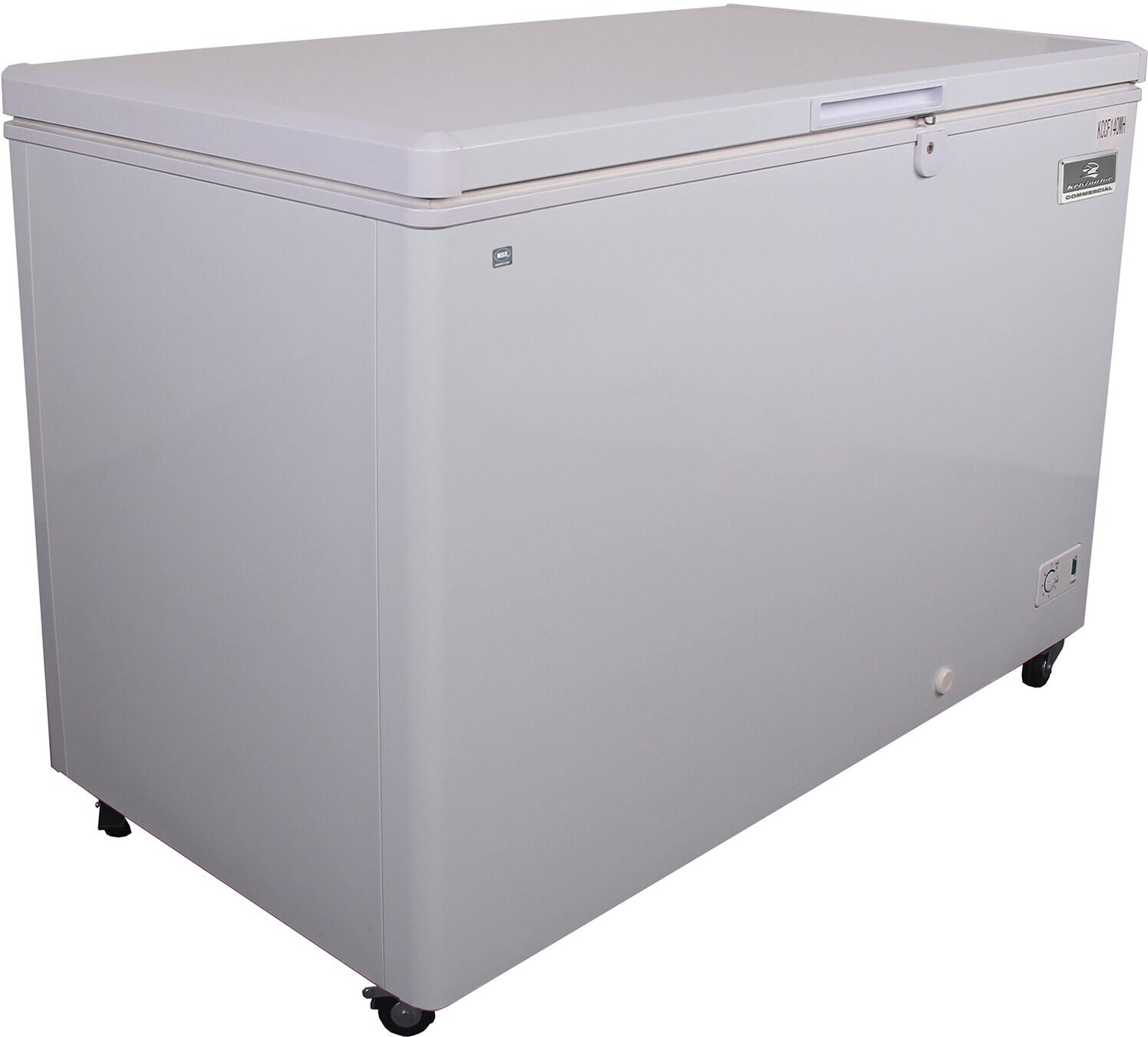
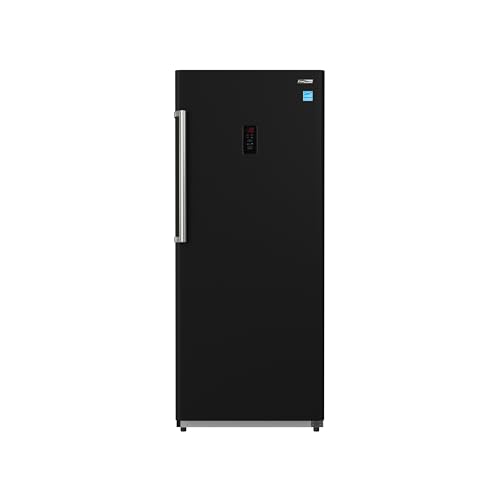
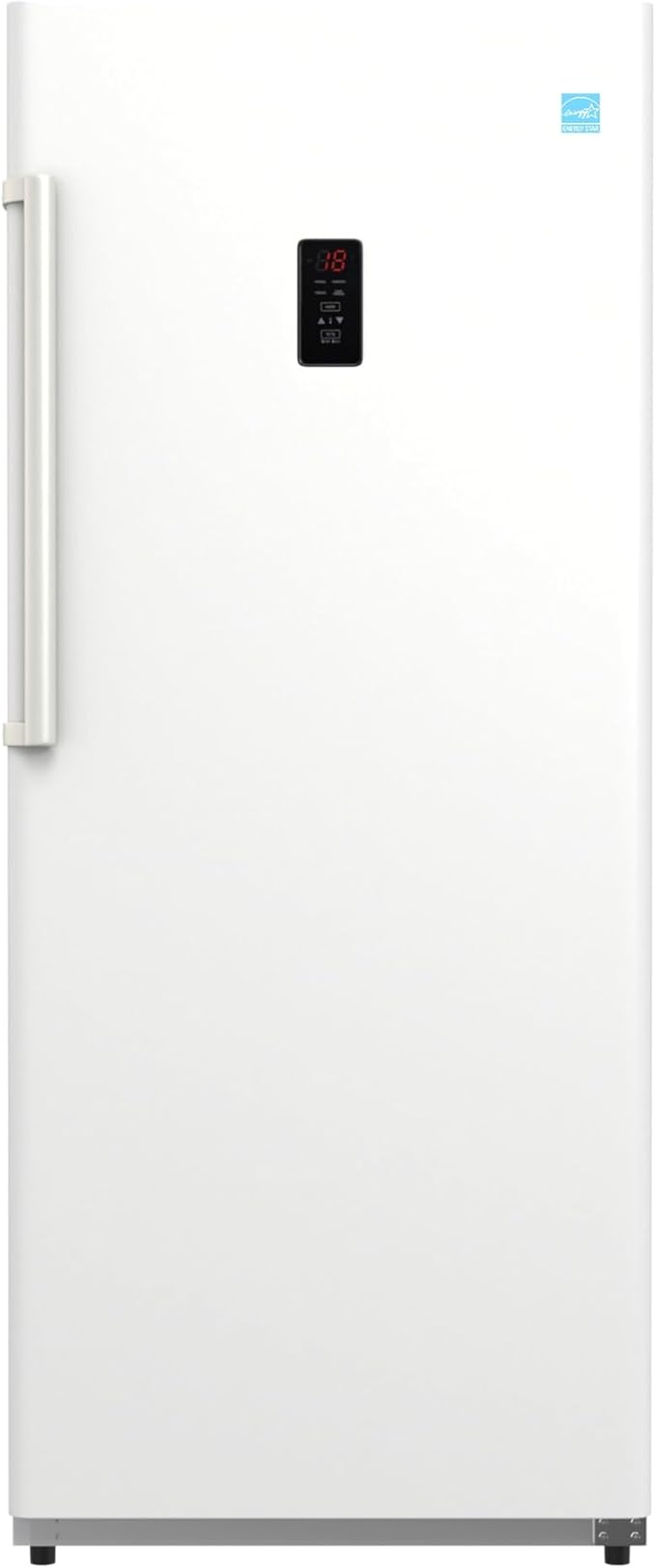
Built-in freezers are designed to blend seamlessly with kitchen cabinetry, providing a functional yet aesthetically pleasing solution for food storage. Unlike freestanding models, these freezers are integrated into the kitchen for a streamlined appearance, maximizing space efficiency. They serve a vital role in preserving food items over long periods and can significantly enhance food organization, especially for busy households.
Benefits of Built-In Freezers
Built-in freezers offer numerous advantages that cater to the needs of families, food enthusiasts, and individuals alike. Some of the primary benefits include:
Benefit
Description
Space-Saving Design
Built-in freezers maximize storage by fitting into cabinetry, allowing for a cleaner kitchen layout.
Enhanced Food Preservation
They provide optimal temperatures for food storage, helping to maintain freshness and taste.
Customization Options
These units can be customized to match the kitchen decor, providing a cohesive look.
Noise Reduction
Many built-in freezers operate more quietly than their freestanding counterparts, creating a peaceful kitchen environment.
For those looking for options that combine functionality and style at an affordable price, it is worth exploring built-in freezers under $1000. These units can enhance both kitchen efficiency and overall appearance, making them ideal for homeowners, roommates, and chefs.
Features to Consider
When selecting a built-in freezer, several essential features must be evaluated to ensure it meets the needs of the household. The following key aspects should guide the decision-making process.
Capacity and Size
Capacity is crucial when determining the suitability of a built-in freezer for a home. Freezers come in various sizes, and it is essential to select one that fits the available space while meeting storage requirements.
Freezer Size
Capacity (Cubic Feet)
Ideal for
Small
3 - 5
Singles or couples
Medium
6 - 10
Small families or food enthusiasts
Large
11+
Large families or professional kitchens
Assessing the number of meals prepared and the quantity of frozen items typically stored can aid in selecting the right capacity.
Design and Integration
The design of a built-in freezer is not merely about aesthetics; it also involves ensuring a seamless integration with existing kitchen decor. Consideration should be given to the following:
Color and Finish: Whether stainless steel, black, or custom cabinetry.
Door Style: French doors, sliding, or standard swing doors.
Panel-Ready Options: For a more integrated look with kitchen cabinetry.
These factors contribute to the overall visual appeal of the kitchen space. For more about design choices, check the article on built in refrigerators under 500.
Energy Efficiency
Energy efficiency is a significant consideration when purchasing built-in freezers. Energy-efficient appliances can help reduce electricity bills and minimize environmental impact. The following metric is useful for evaluating efficiency:
Energy Star Rating
Estimated Annual Operating Cost
Non-Energy Star
$50 and above
Selecting a model with an Energy Star rating ensures compliance with certain energy efficiency guidelines set forth by the EPA. Energy efficiency ratings can serve as a benchmark when comparing different models. More tips on efficient appliances can be found in related articles about refrigeration.
By considering capacity, design, and energy efficiency, buyers can make informed decisions when searching for the best built-in freezers under 1000. This ensures the chosen freezer not only meets practical needs but also fits harmoniously into the overall kitchen environment.
Budget-Friendly Built-In Freezers
Finding an affordable built-in freezer can be a challenge, but there are plenty of options available under $1000. This section explores various choices within different price ranges, tailored to meet the needs of homeowners and food enthusiasts.
Under $500 Options
For those on a tighter budget, there are several built-in freezers available for under $500. These models often provide sufficient space and essential features without the additional bells and whistles.
Model
Capacity
Features
Price Range
Freezer A
5.0 cu ft
Adjustable shelves, manual defrost
$400 - $450
Freezer B
4.5 cu ft
Compact design, interior light
$350 - $400
$500-$800 Options
This mid-range category includes more spacious and feature-rich options, ideal for families or those looking to store larger quantities of food.
Model
Capacity
Features
Price Range
Freezer C
10.0 cu ft
Digital thermostat, energy-efficient
$600 - $700
Freezer D
8.5 cu ft
Frost-free, customizable compartments
$550 - $800
$800-$1000 Options
In this range, buyers can find high-quality built-in freezers with advanced features, perfect for foodies and home chefs who prioritize efficiency and functionality.
Model
Capacity
Features
Price Range
Freezer E
14.0 cu ft
Smart technology, sleek design
$900 - $1000
Freezer F
12.5 cu ft
LED lighting, rapid freeze option
$800 - $950
By exploring these options, individuals can find a built-in freezer that fits their budget and storage needs while enhancing their kitchen space. For further insights on related appliances, check Fridge.com article on built in refrigerators under 500.
Installation Considerations
Choosing to install a built-in freezer involves several important factors. Homeowners should carefully consider the differences between built-in and freestanding options, plan the available space, and comply with ventilation requirements.
Built-In Vs. Freestanding
The choice between built-in and freestanding freezers is significant. Built-in freezers are designed to fit seamlessly into cabinetry, providing a streamlined appearance. They are ideal for homeowners looking to optimize space and maintain aesthetics. On the other hand, freestanding models offer flexibility in placement and can be moved easily when necessary.
Feature
Built-In Freezers
Freestanding Freezers
Installation
Requires custom cabinetry
Can be placed anywhere
Aesthetics
Integrated look
Standalone appearance
Moveable
Often permanent
Easily moved
Cost
Generally higher
Typically more budget-friendly
Space Planning
Proper space planning is essential for a successful installation. Homeowners should measure the designated area for the built-in freezer before making a purchase. This ensures that the model will fit appropriately while allowing room for airflow and door clearance. It's also important to consider additional features, such as shelves and drawers, that will impact the usability of the freezer.
Measurement
Suggested Minimum
Width
Varies by model, typically 24"-30"
Depth
Minimum 24"-30"
Height
Standard at about 80"
Ventilation Requirements
Adequate ventilation is necessary for built-in freezers to operate efficiently and prolong their lifespan. Unlike freestanding models that can be placed in open spaces, built-in freezers often have specific airflow requirements. It's essential to follow the manufacturer's guidelines regarding spacing around the appliance, particularly at the back and sides, to prevent overheating.
Ventilation Space Needed
Recommended Clearance
Side Clearance
At least 1 inch
Back Clearance
At least 2 inches
Top Clearance
Varies by model, typically 1 inch
Homeowners can achieve excellent results with built-in freezers under $1000 by paying attention to installation considerations. Ensuring that both space and ventilation are properly addressed will lead to a more effective and efficient appliance, providing ample storage for frozen goods. For further assistance on freezer options, explore more about the best built-in freezers under 1000.
Proper maintenance and care of built-in freezers is essential for ensuring longevity and optimal performance. Here are some crucial tips for keeping these appliances in great shape.
Defrosting Methods
Regular defrosting is vital to prevent ice buildup, which can affect performance and reduce available storage space. There are a couple of methods one can use to defrost a freezer:
Manual Defrosting:
Unplug the freezer.
Remove all items and place them in a cooler.
Leave the door open and let the ice melt naturally.
Use a towel to soak up excess water.
Using Heat:
Place a bowl of hot water inside and close the door for a few minutes; the steam will help the ice to loosen.
Do not use sharp objects to chip the ice away, as this can damage the freezer.
Defrosting Method
Time Required
Pros
Cons
Manual
1-4 hours
Simple and effective
Possible long wait time
Using Heat
30-60 minutes
Faster melting
Requires supervision
Cleaning and Sanitizing
Keeping the freezer clean is essential for food safety. Regular cleaning prevents odors and maintains hygiene. Here are steps to follow:
Empty the Freezer: Remove all contents and keep them in a cooler.
Unplug: For safety, always unplug the freezer.
Wash with Mild Soap: Use a mixture of mild soap and warm water to clean all surfaces.
Rinse: Wipe down with a damp cloth to remove soap residue.
Sanitize: Use a solution of one tablespoon of baking soda dissolved in a quart of water for sanitizing.
Dry: Ensure everything is completely dry before plugging the freezer back in.
Troubleshooting Common Issues
Homeowners may encounter some common issues with built-in freezers. Here are solutions to a few frequent problems:
Issue
Possible Cause
Solution
Freezer not cooling
Temperature settings too low/high
Adjust thermostat settings
Excessive ice buildup
Blocked airflow
Clear any frost and check vents
Strange noises
Loose parts or uneven surface
Tighten loose screws and level the freezer
For information on how to keep a built-in freezer odor-free, refer to Fridge.com article on how to keep your built-in freezer odor free. Maintenance routines and troubleshooting techniques will help ensure that built-in freezers provide the best performance for homeowners, chefs, and families alike.
From Fridge.com research
Figures below come from data Fridge.com builds and maintains. Each links to the record behind it.
Fridge.com Energy Index, built on U.S. EPA and DOE ENERGY STAR records
Across 5,455 ENERGY STAR certified refrigerators and freezers from 263 brands, median use is 360 kWh per year.