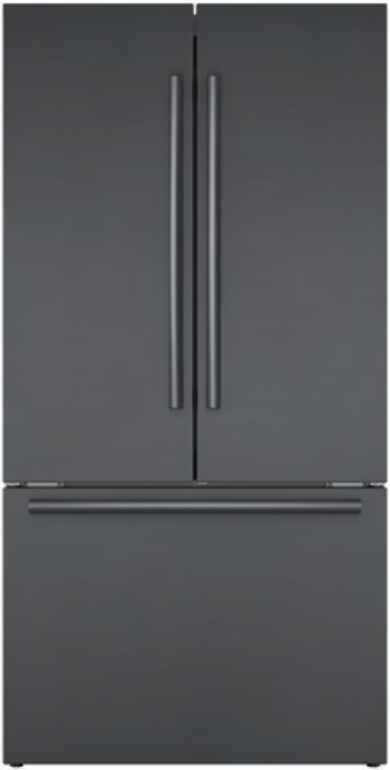
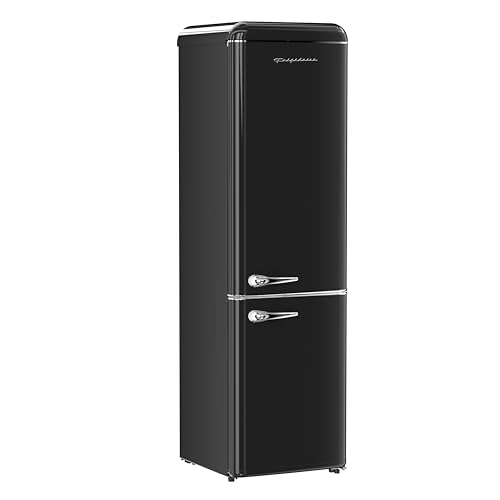
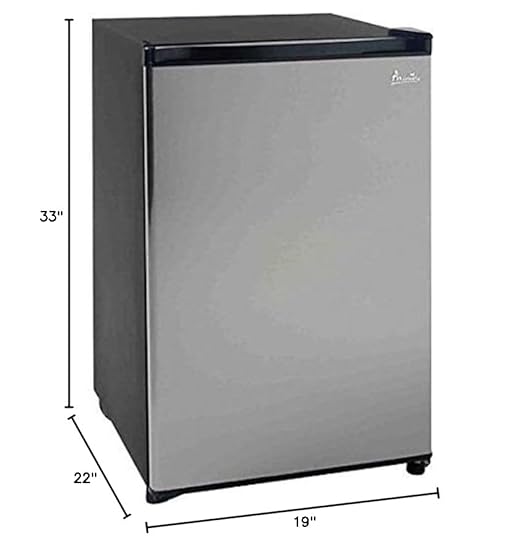
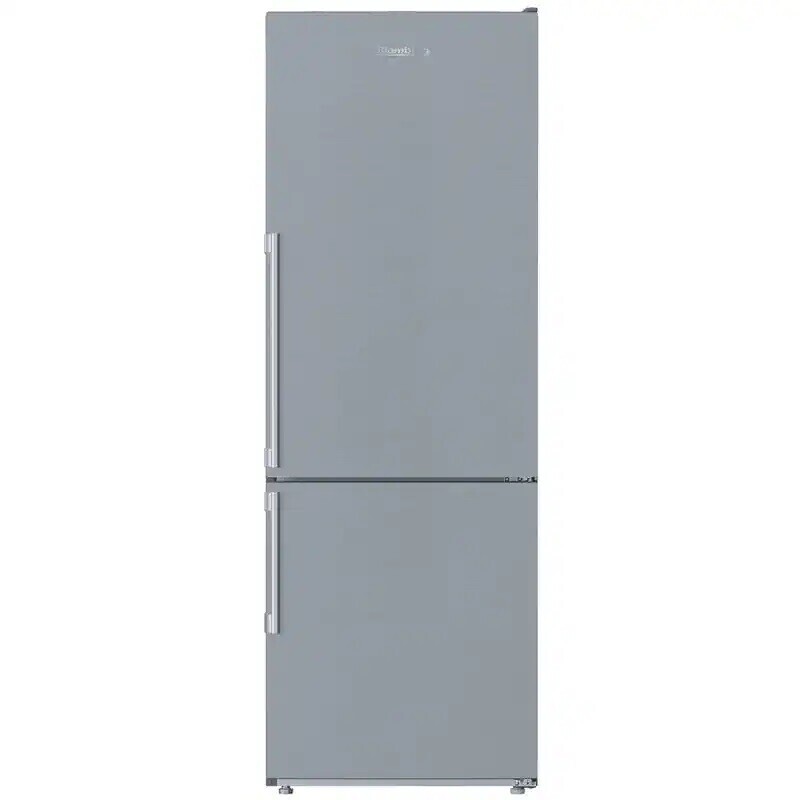
Some manufacturers charge a $50 to $100 premium for black stainless over standard stainless.
Glossy black can streak if cleaned with the wrong product — use glass cleaner or a manufacturer-recommended cleaner for the best streak-free results.
Stainless coordinates with professional-style ranges, dishwashers, and hoods — the complete stainless appliance suite has been the default upscale kitchen look since the early 2000s.
For families, this is a surprisingly important everyday feature.
The finish on your refrigerator sets the visual tone for the entire kitchen. Black and stainless steel are the two most popular finish categories, and they create distinctly different aesthetics. Black refrigerators deliver a bold, modern, or sleek look that hides fingerprints and recedes into dark cabinetry. Stainless steel refrigerators project a professional, bright, contemporary feel that has dominated kitchen design for decades. This comparison covers appearance, maintenance, durability, pricing, and how each finish interacts with your kitchen design.
Visual Impact
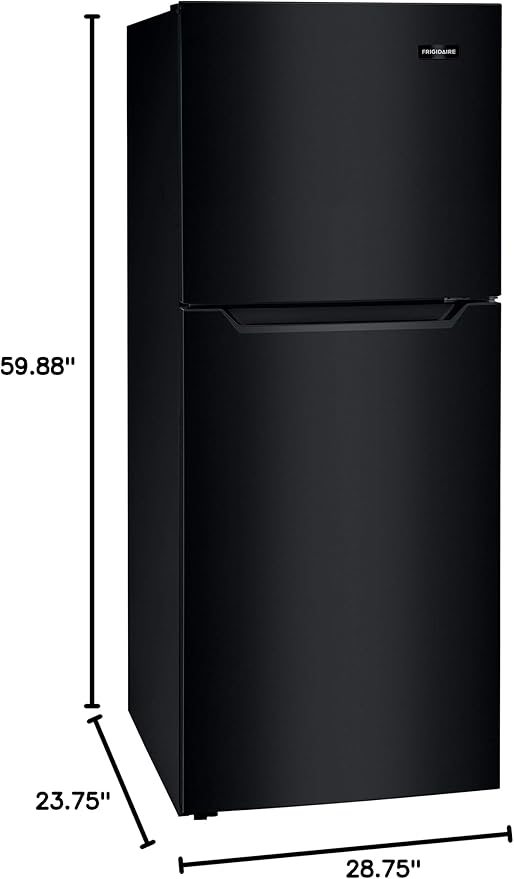
A black refrigerator creates visual depth. In kitchens with dark cabinets, dark countertops, or moody color schemes, a black fridge blends into the design rather than standing out. The matte or glossy surface absorbs light, reducing visual weight in the room. Black also works as a contrasting accent against white or light-toned cabinetry, creating a deliberate design statement.
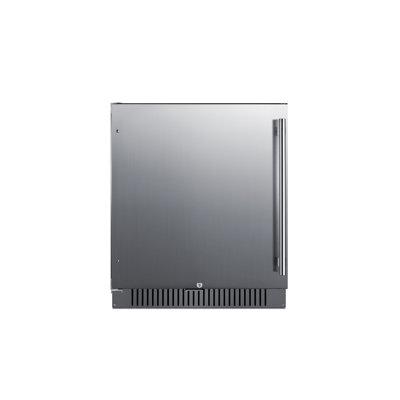
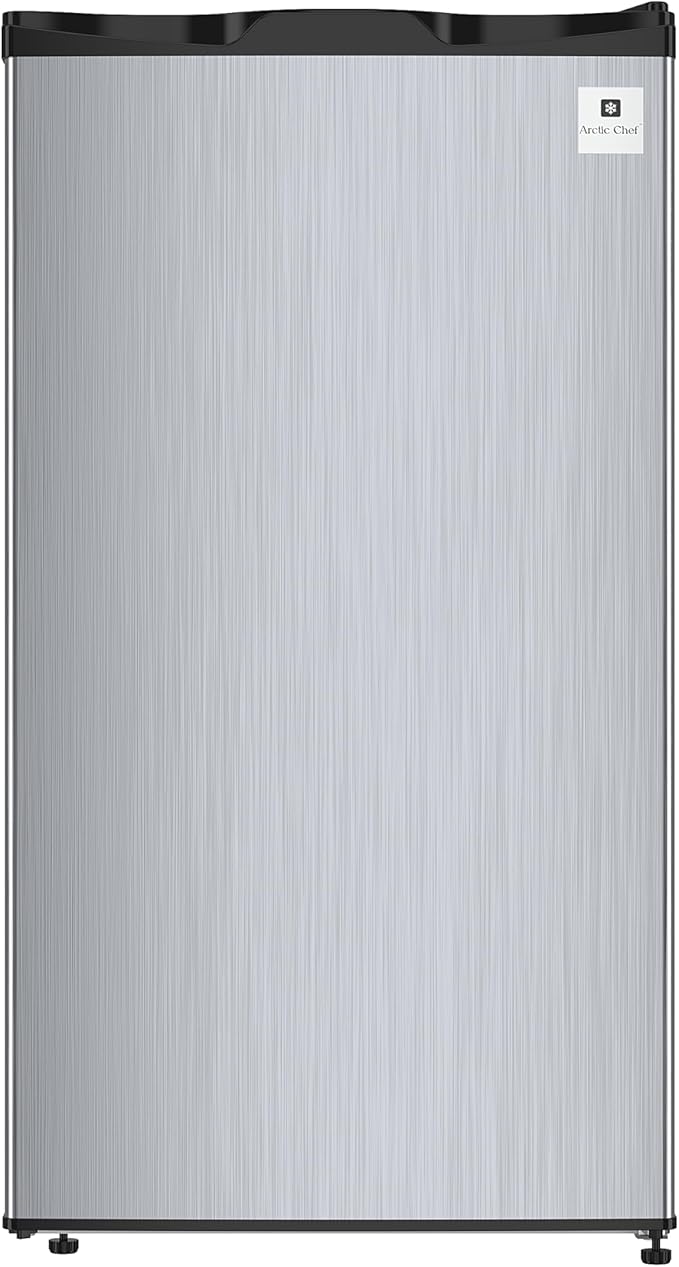
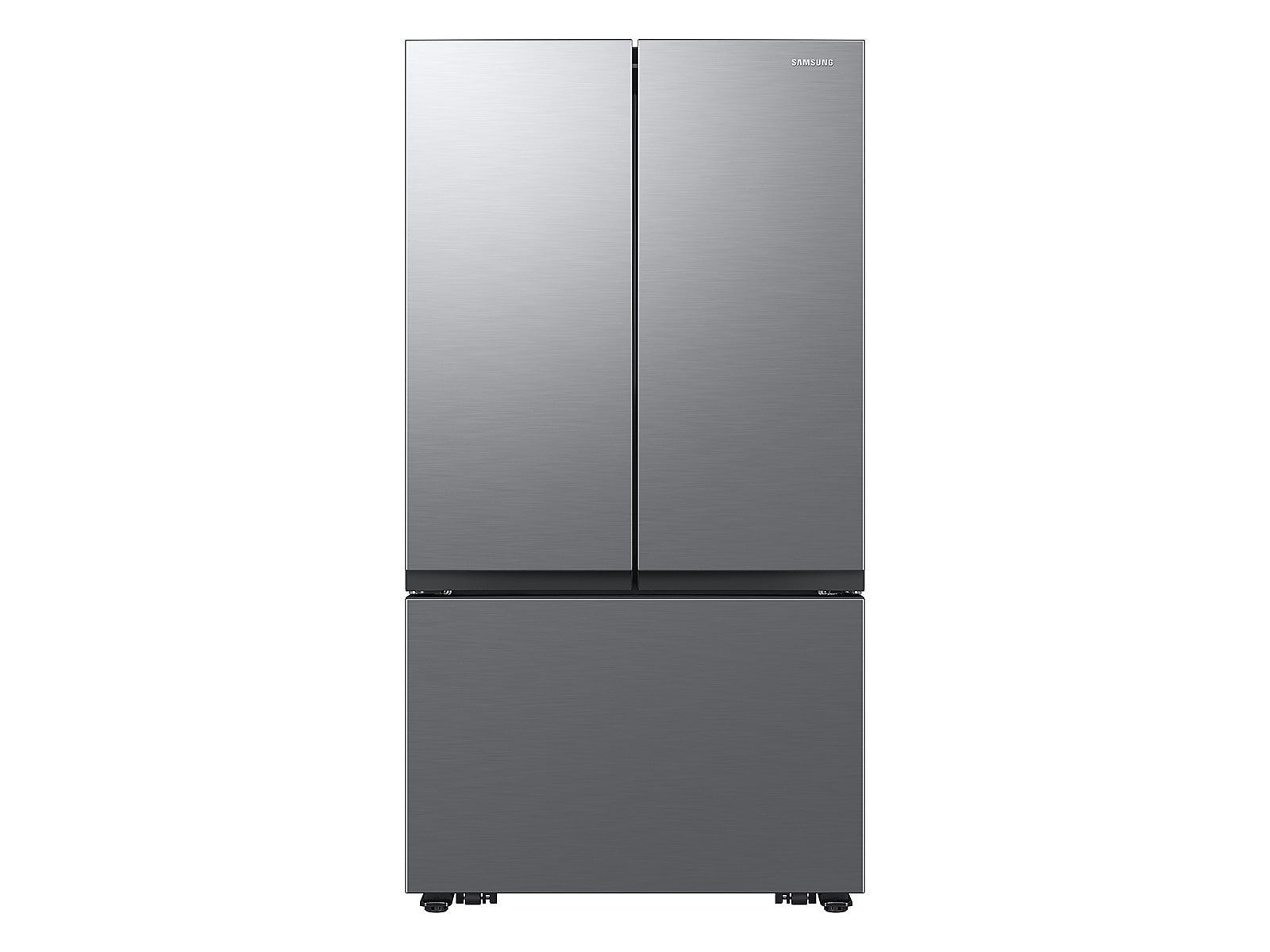
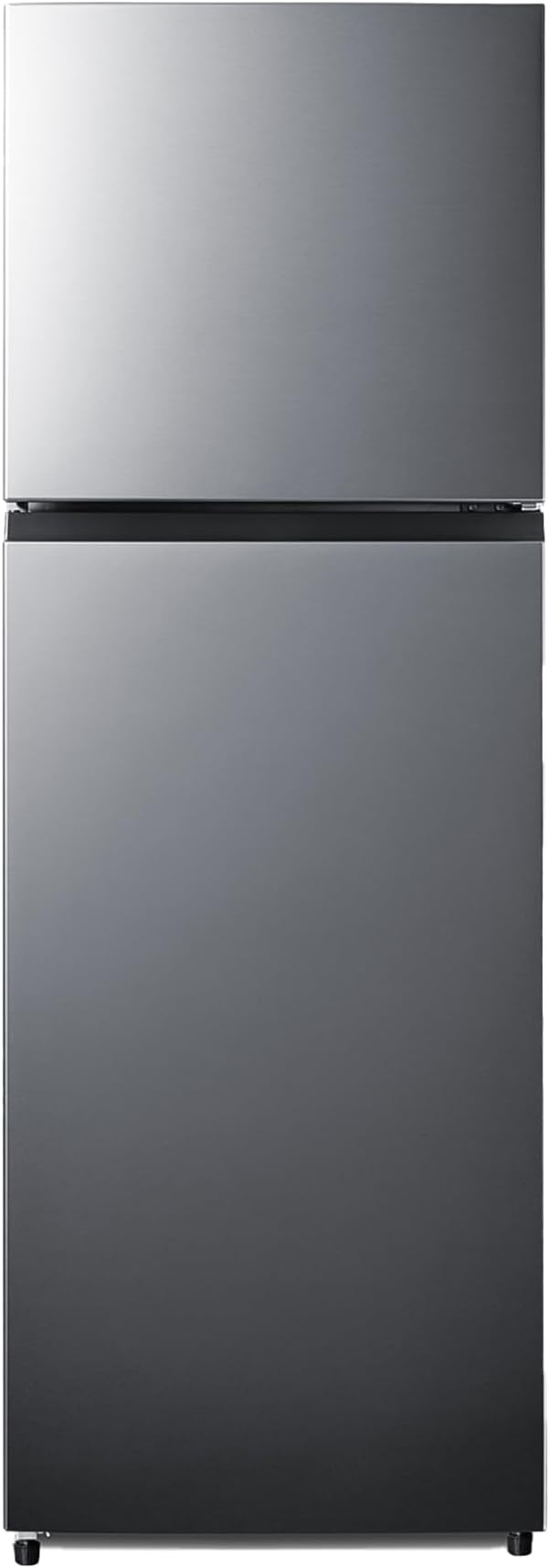
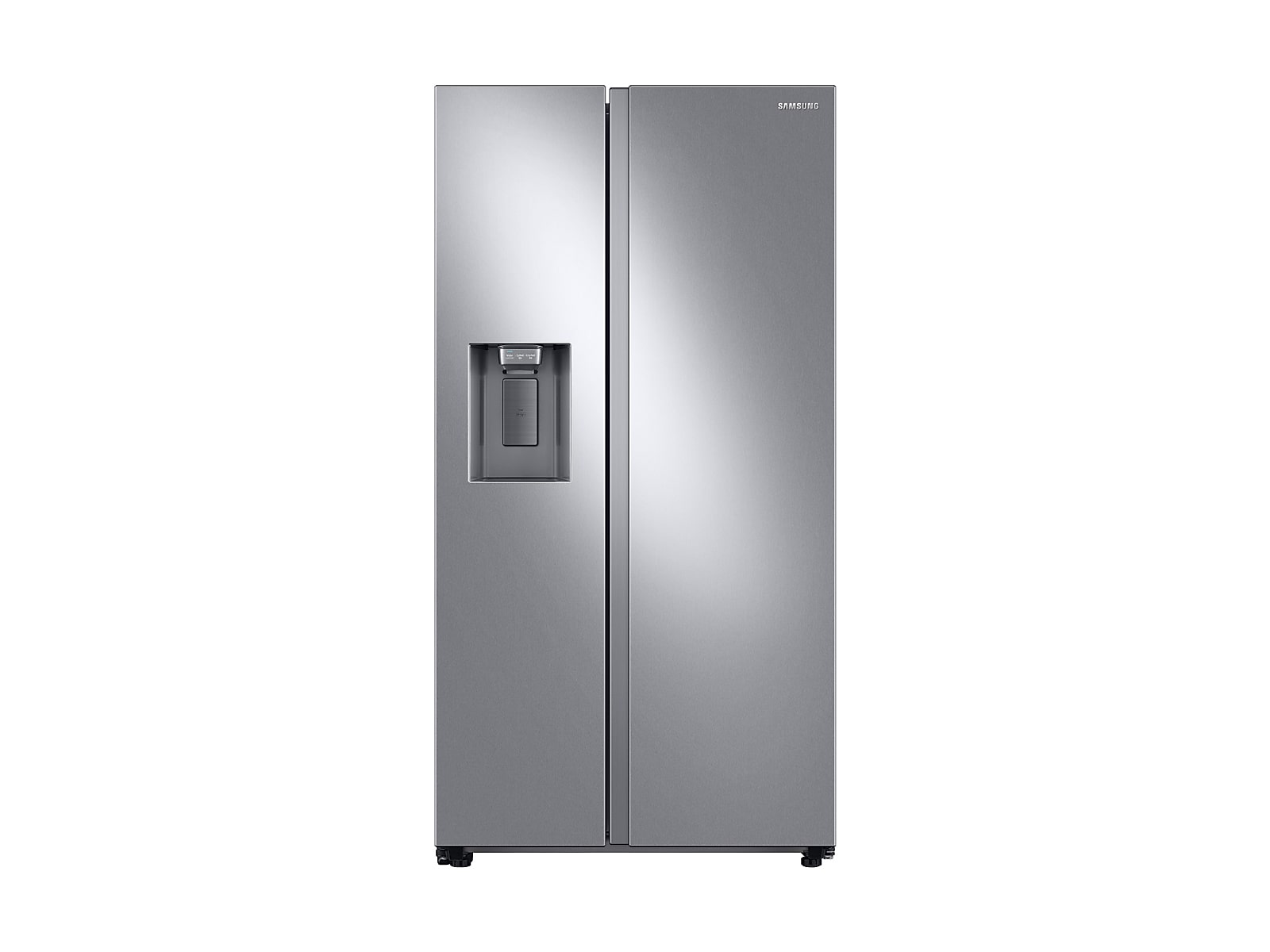
A stainless steel refrigerator reflects light and commands attention. The metallic surface brightens a kitchen and creates a focal point. Stainless coordinates with professional-style ranges, dishwashers, and hoods — the complete stainless appliance suite has been the default upscale kitchen look since the early 2000s. In open-concept homes, the reflective surface adds visual energy to the kitchen zone.
Fingerprint and Smudge Resistance
Black finishes — especially matte black and black stainless — hide fingerprints, smudges, and water spots significantly better than polished stainless steel. In homes with children, frequent cooking, or high kitchen traffic, the practical advantage is real. A black fridge looks clean with minimal wiping. Matte black finishes are the most forgiving, showing almost no fingerprints even under direct light.
Traditional stainless steel shows every fingerprint, handprint, water drop, and smudge. The brushed surface catches oils from skin and magnifies them under kitchen lighting. Maintaining a clean stainless surface requires daily wiping with microfiber cloths and stainless-specific cleaners. Smudge-proof and fingerprint-resistant stainless finishes from Samsung, LG, and Whirlpool reduce this issue substantially — they look like regular stainless but repel oils and water better. These resist fingerprints so that only close inspection reveals them.
Black refrigerators come in several sub-finishes. Glossy black is the traditional option — smooth, shiny, and dramatic. Matte black (sometimes called flat black) absorbs light for a softer, contemporary look. Black stainless is a dark coating over brushed stainless steel that combines the warmth of black with the texture of stainless. Black slate (GE's proprietary finish) has a slightly warm undertone with a matte texture that accepts magnets — a feature stainless and regular black finishes lack.
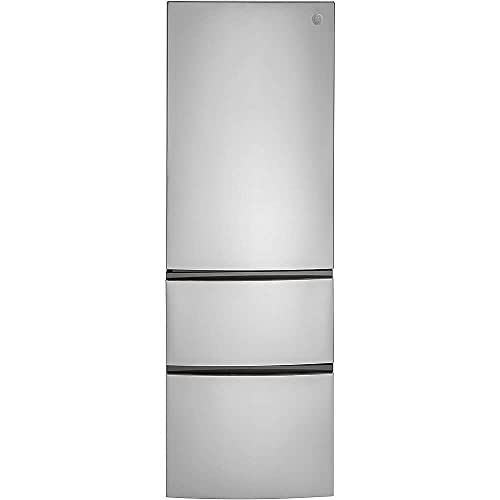
Stainless steel also varies. Standard stainless is polished and bright. Brushed stainless has a directional grain that reduces glare. Fingerprint-resistant stainless has a clear coating that repels oils. Commercial-style stainless uses thicker gauge steel with heavier texture. Pro-style handles and hinges add to the professional kitchen aesthetic.
Black finishes vary in scratch resistance. Glossy black shows scratches easily — the reflective surface highlights any surface damage. Matte black is more forgiving because the non-reflective surface diffuses light around minor scratches. Black stainless can be problematic — scratches cut through the dark coating and expose the silver stainless steel underneath, creating a visible contrast. Repair options include manufacturer-supplied touch-up pens, but deep scratches may require professional refinishing.
Stainless steel handles scratches differently. Light scratches on brushed stainless can sometimes be buffed out by following the grain direction with a Scotch-Brite pad. Deeper scratches remain visible but blend into the existing grain pattern over time. Stainless does not have a coating to penetrate — it is the same material all the way through — so scratches do not reveal a different color underneath.
Standard stainless steel refrigerators are magnetic — magnets stick to the surface. This means photos, grocery lists, children's artwork, and calendar clips adhere directly to the fridge door. For families, this is a surprisingly important everyday feature.
Most black finishes are also magnetic since the underlying material is steel. However, some premium stainless models use non-magnetic stainless alloys (like 304 stainless) that do not hold magnets. Black slate (GE) is specifically marketed as magnet-compatible. Before purchasing, check the specific model's magnet compatibility if this feature matters to your household.
Kitchen Design Compatibility
Kitchen Style
Black
Stainless Steel
Modern/Contemporary
Excellent
Excellent
Traditional
Good with dark wood
Excellent
Farmhouse
Limited (too sleek)
Good
Industrial
Good
Excellent
Minimalist
Excellent (matte)
Good
Transitional
Good
Excellent
Stainless steel is the safe, universal choice that works in virtually every kitchen style. Black is a bolder choice that excels in modern, minimalist, and contemporary designs but may feel out of place in traditional or farmhouse kitchens unless carefully coordinated with other dark elements.
If you are outfitting a full kitchen, matching the finish across all appliances creates a cohesive look. Stainless steel suites are universally available — every major brand offers every major appliance in stainless. Black suites are well-represented but with fewer options. Black stainless suites are available from Samsung, LG, KitchenAid, and others but not every model in every product line is offered in black stainless.
Mixing finishes is increasingly common. A black refrigerator with stainless range and dishwasher can work if the black serves as an intentional accent. However, mixing within the same stainless family (regular stainless from one brand with black stainless from another) creates subtle but noticeable mismatches in tone and texture.
Black and stainless steel refrigerators are priced within the same range for identical models. Some manufacturers charge a $50 to $100 premium for black stainless over standard stainless. Glossy black and matte black are typically the same price as standard stainless or slightly less. The finish choice is primarily a design decision, not a budget decision.
Resale and Kitchen Value
Stainless steel remains the most broadly appealing finish for home resale. Real estate agents consistently note that stainless appliances photograph well and appeal to the widest range of buyers. Black finishes are trendy and well-received in contemporary homes but may not appeal to traditional-style buyers.
Black stainless is in a transitional phase — it is modern enough to attract buyers who appreciate current design trends but unfamiliar enough that some buyers perceive it as a departure from the safe stainless norm. In homes priced above the median, black stainless reads as intentionally stylish. In starter homes, it can read as unusual.
Black finishes clean easily with a damp microfiber cloth. Matte black rarely shows cleaning streaks. Glossy black can streak if cleaned with the wrong product — use glass cleaner or a manufacturer-recommended cleaner for the best streak-free results.
Stainless steel requires more maintenance effort. Clean with the grain direction using a stainless steel cleaner and microfiber cloth. Avoid abrasive pads, bleach-based cleaners, and paper towels (which can scratch). Fingerprint-resistant stainless finishes reduce the frequency of cleaning from daily to every few days.
Black finishes maintain their appearance well over time because they do not develop the patina or discoloration that stainless can show after years of cleaning and use. Matte black in particular ages gracefully with minimal visible wear.
Stainless steel develops a natural patina over years. The brushed surface accumulates micro-scratches that can dull the original sheen. This is not damage — it is normal aging — and many homeowners appreciate the lived-in character it develops. Others prefer the like-new brightness and may find the aging process disappointing.
Which Finish to Choose
Choose black if you want low-maintenance cleanliness, a modern or bold design statement, coordination with dark kitchen elements, and a finish that hides everyday wear. Matte black is the most versatile sub-option. Black stainless offers the best of both worlds for those who want dark warmth with stainless texture.
Choose stainless steel if you want the broadest design compatibility, the highest resale appeal, the widest model selection, and a professional kitchen aesthetic. Fingerprint-resistant stainless is the best sub-option for households that want the stainless look without the constant wiping.
Much less than stainless steel. Matte black finishes show almost no fingerprints. Black stainless and glossy black show some marks but significantly fewer than polished stainless steel. For busy kitchens with children, black finishes require less daily wiping. Compare finishes at Fridge.com.
Free tool
Kitchen Space Planner
Free interactive tool from Fridge.com — get a quick answer while you read.