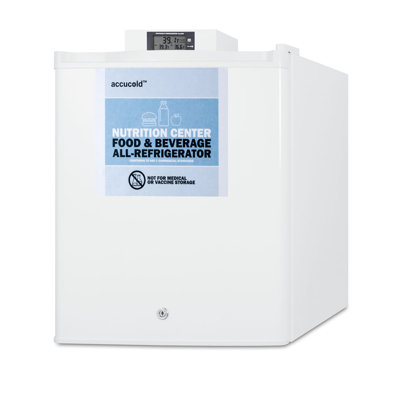
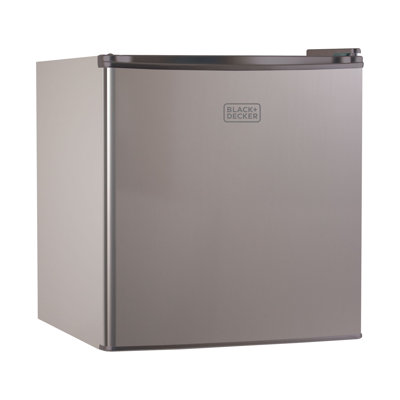
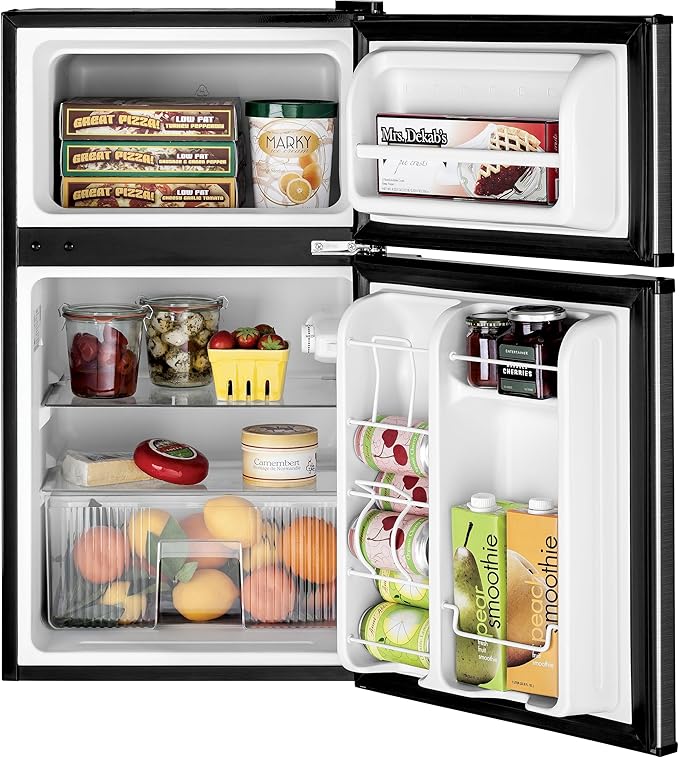
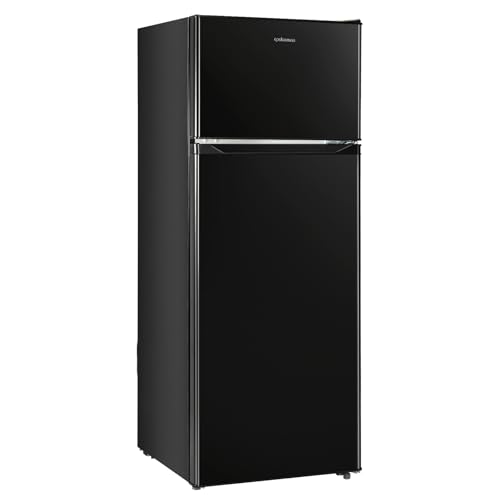
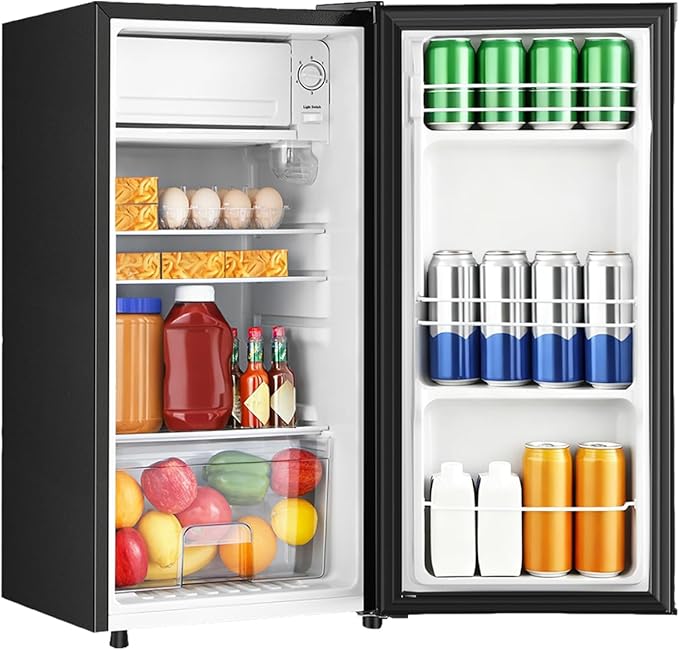
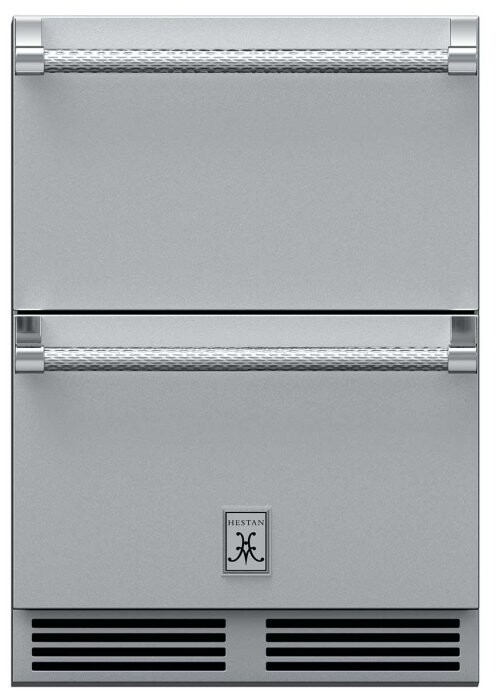
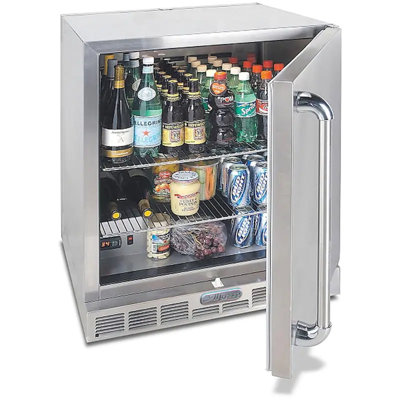
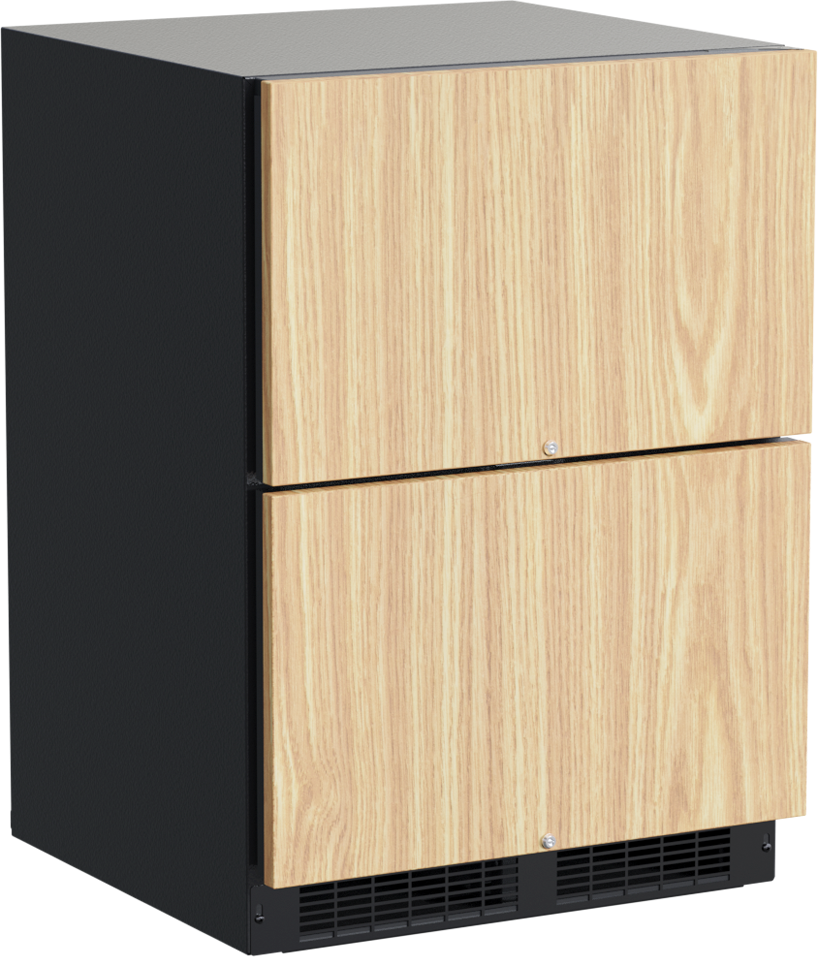
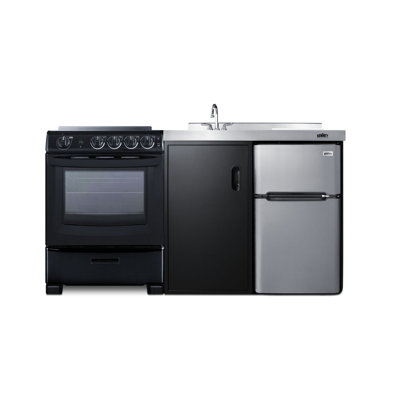
A beverage center and a retro mini fridge both fit into entertainment spaces, home bars, and bedrooms, but they appeal to different priorities. The beverage center is a performance-first drink cooler with glass doors, precision temperature controls, and shelving optimized for cans and bottles. The retro mini fridge is a style-first compact refrigerator with mid-century design cues — rounded corners, chrome handles, bold colors, and a solid door that turns a utilitarian appliance into a room accent. This comparison covers function, aesthetics, and everything in between.
Design and Aesthetics
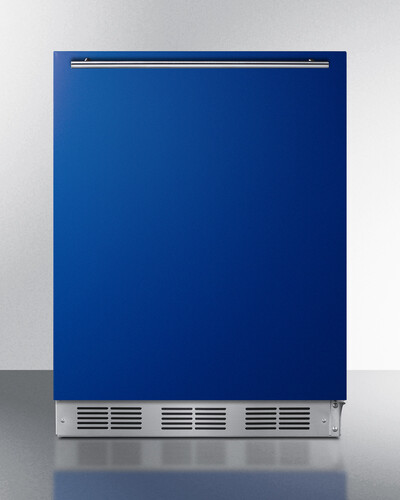
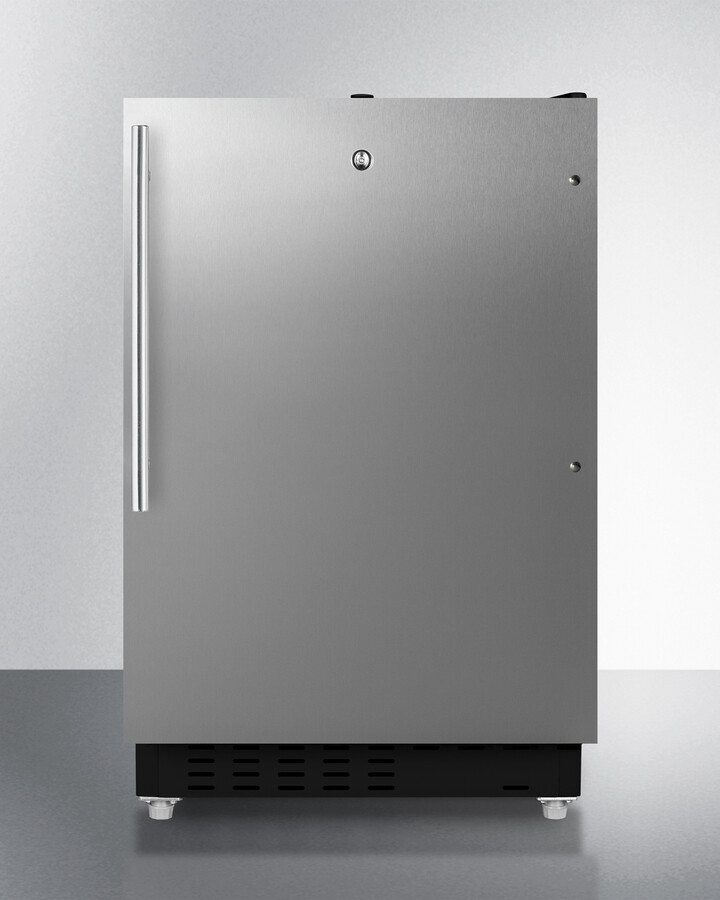
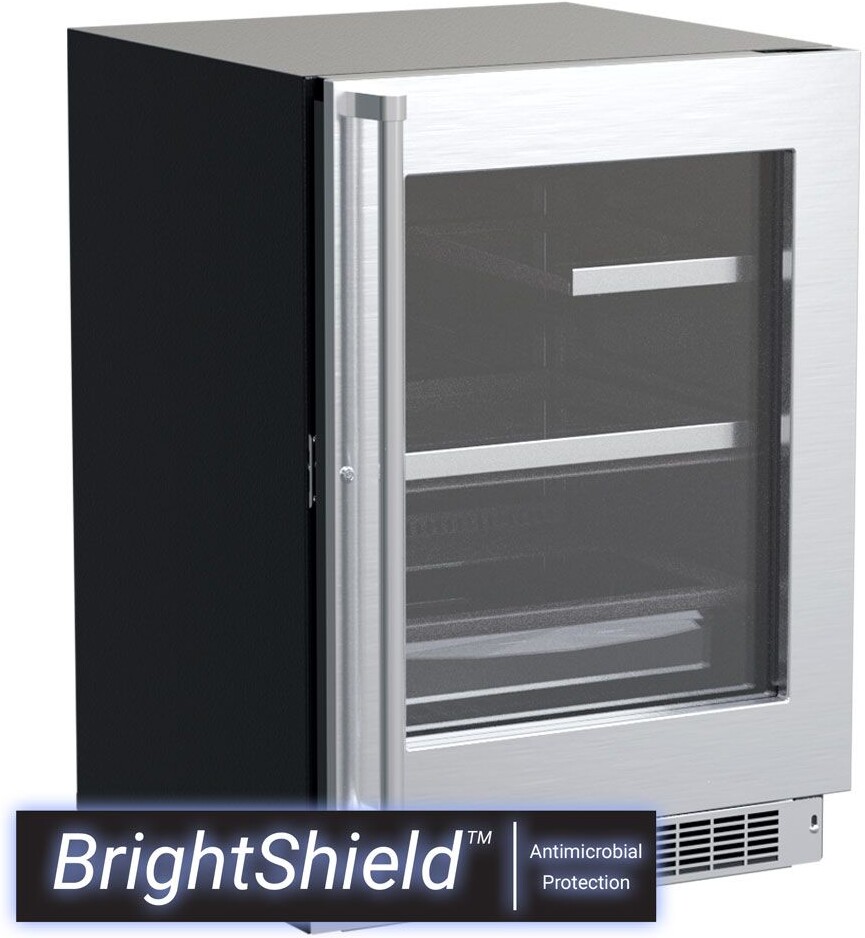
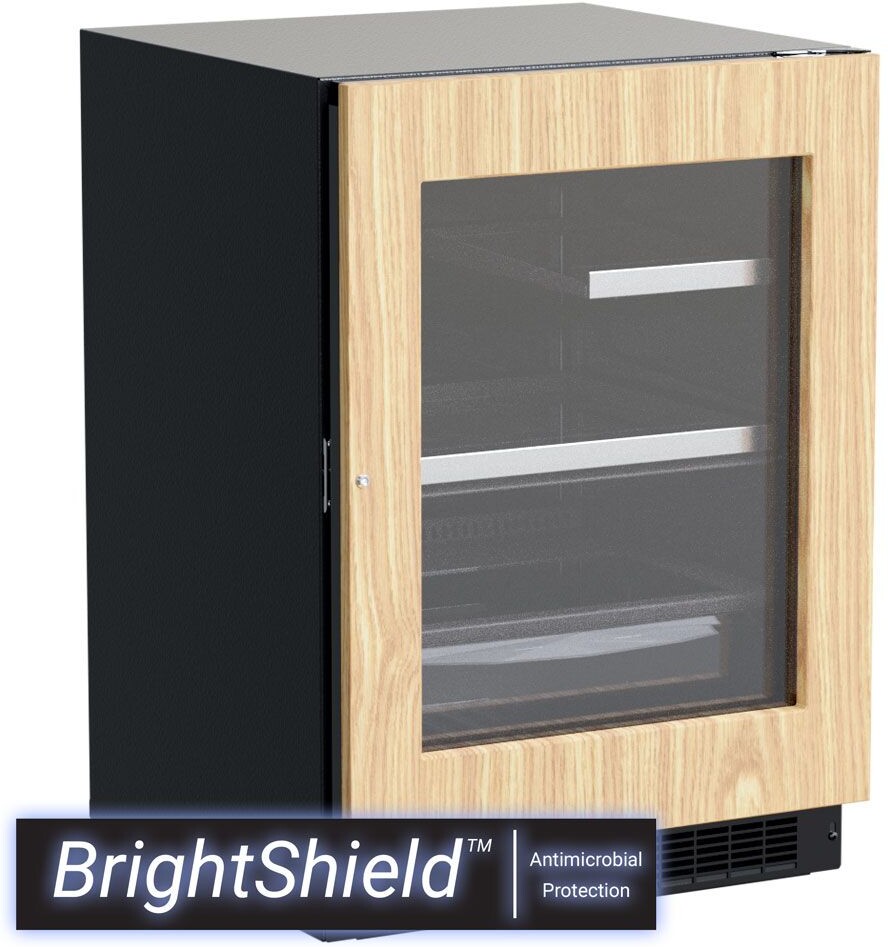
A beverage center looks like a modern appliance. Clean lines, stainless steel or black stainless frames, glass door panels, LED interior lighting, and digital controls project a sleek, contemporary look. It fits into modern kitchens, minimalist home bars, and built-in cabinetry where the appliance is meant to blend with surrounding finishes.
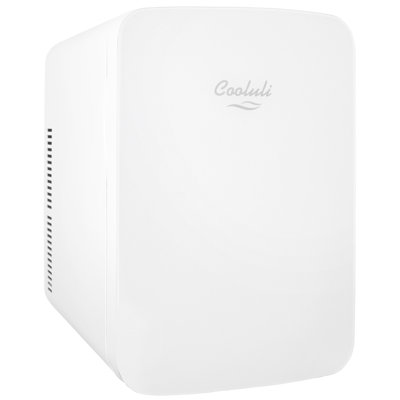
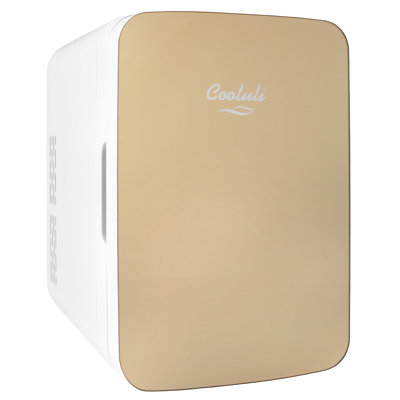
A retro mini fridge is a deliberate visual statement. Curved body panels, chrome accents, Smeg-style handles, and colors like mint green, candy red, robin's egg blue, buttercup yellow, and glossy black reference 1950s and 1960s appliance design. It stands out in any room it occupies. Interior design trends have pushed retro fridges into living rooms, studios, home offices, and Instagram-ready kitchens where the fridge doubles as a decorative piece.
Interior Layout
Beverage center interiors are engineered for drink containers. Tiered can racks, bottle cradles, adjustable chrome shelves, and door bins hold every standard beverage container size. The layout maximizes drink count per cubic foot and allows you to see and grab specific items quickly through the glass door.
Retro mini fridge interiors mirror a standard compact refrigerator. One to three adjustable shelves, a small crisper or half-width drawer, door bins for condiments and small bottles, and sometimes a tiny freezer compartment at the top. The shelving handles a mix of food and drinks — not optimized for either but flexible enough for both. If you load a retro fridge entirely with cans, the food-oriented shelf spacing wastes some vertical space between rows.
Temperature Control
| Feature | Beverage Center | Retro Mini Fridge |
|---|---|---|
| Range | 34 - 50°F | 35 - 40°F (fridge), 10 - 25°F (freezer) |
| Control | Digital, degree-level | Mechanical dial |
| Zones | Single or dual zone | Single zone |
The beverage center offers a wider temperature range with precise digital controls — useful for setting wine at 50 degrees, beer at 36 degrees, or anything in between. Dual-zone models run two temperatures simultaneously for different drink types.
The retro mini fridge runs at a fixed food-safe temperature adjusted by a simple dial — typically numbered 1 through 7 without degree markings. The temperature stays in a narrow range suitable for perishable food. You cannot warm it to wine cellar temperatures without risking food safety on other contents. The freezer compartment, when present, runs at 10 to 25 degrees — cold enough for ice trays but not true long-term freezing.
Capacity
| Type | Total Volume | Drink Capacity (cans) |
|---|---|---|
| Beverage Center | 2.5 - 5.5 cu ft | 60 - 180 cans |
| Retro Mini Fridge | 1.5 - 4.5 cu ft | 30 - 80 cans (mixed with food) |
The beverage center stores significantly more drinks in the same volume because of optimized shelving. A 3.5 cubic foot beverage center can hold 100 to 120 cans, while a 3.5 cubic foot retro fridge holds 50 to 70 cans when sharing space with other items. If pure drink capacity matters, the beverage center wins.
Door Type and Visibility
The beverage center's glass door is both functional and aesthetic. You see the full collection without opening the door — less cold air loss, faster drink selection, and a display effect that enhances a bar area. Interior LED lighting activates when the door opens or stays on constantly for a showcase effect.
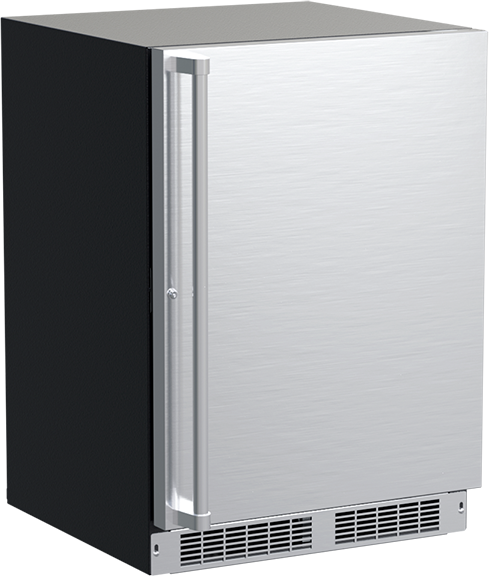
The retro mini fridge's solid door provides better insulation and contributes to the vintage look — the exterior IS the aesthetic. You cannot see inside without opening it. The trade-off is less cold air loss from idle visual browsing (no one stares through the door debating their choice) but more cold air loss from exploratory openings when someone does not remember what is inside.
Energy Consumption
| Type | Annual kWh | Estimated Annual Cost |
|---|---|---|
| Beverage Center | 200 - 350 kWh | $25 - $45 |
| Retro Mini Fridge | 150 - 300 kWh | $18 - $38 |
Retro mini fridges with solid doors are slightly more energy-efficient because the solid insulated door retains cold better than glass. The difference is $5 to $10 per year. Neither type is a major energy consumer — both fall well under the annual cost of a full-size refrigerator.
Pricing
| Type | Budget | Mid-Range | Premium |
|---|---|---|---|
| Beverage Center | $150 - $350 | $350 - $700 | $700 - $1,800 |
| Retro Mini Fridge | $100 - $250 | $250 - $500 | $500 - $1,200 |
Budget retro fridges are inexpensive because the vintage styling is largely cosmetic — a color-matched shell over standard mini fridge internals. Premium retro models from brands like Smeg and Galanz add quality compressors, stainless accents, and improved insulation. Premium beverage centers command higher prices for glass door construction, dual zones, and commercial-grade shelving.
Noise
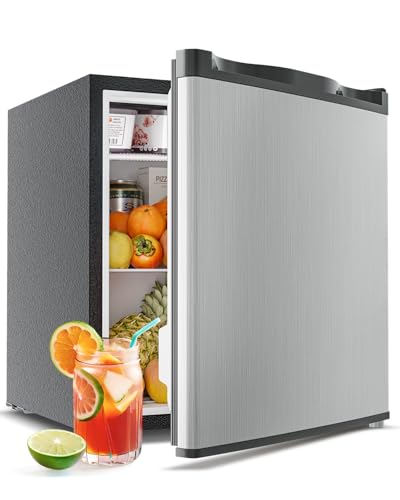
Both types run at 35 to 45 decibels with compressor-based cooling. Retro mini fridges tend toward the louder end because many budget models use older compressor designs. Premium beverage centers with inverter or thermoelectric cooling run quieter at 25 to 38 decibels. For bedroom or office placement, noise should factor into the purchase decision — check the decibel rating for any model you consider.
Freezer Availability
Beverage centers do not include a freezer section. They are fridge-only appliances focused on drink cooling.
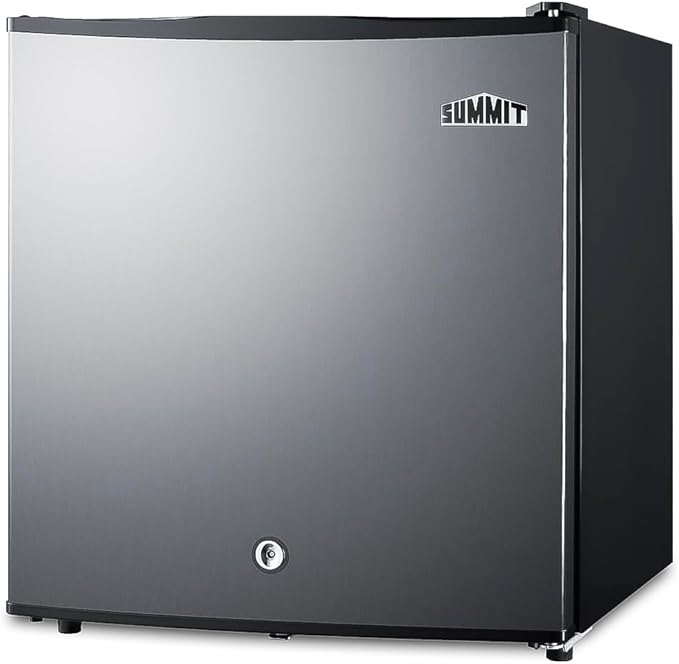
Many retro mini fridges include a small freezer compartment — typically 0.3 to 0.7 cubic feet. It holds a few ice trays, popsicles, or small frozen snacks. If having any freezer capacity matters in your setup, the retro fridge has the edge.
Placement and Use Cases
Beverage centers fit home bars, media rooms, kitchen islands, outdoor kitchens (outdoor-rated models), and office break rooms. The glass door and modern styling integrate into contemporary interiors. Built-in models slide into cabinetry for a flush, custom look.
Retro mini fridges fit bedrooms, dorm rooms, home offices, studio apartments, game rooms, workshops, and any room where the fridge is visible and the vintage aesthetic adds character. They work as conversation pieces in living rooms and are popular gifts. Freestanding placement is standard — built-in installation is rare in the retro category.
Who Should Buy Which
Buy a beverage center if drink storage capacity, temperature precision, and modern integration are priorities. The glass door, can-optimized shelving, and dual-zone options make it the better functional choice for dedicated drink service.
Buy a retro mini fridge if visual style and all-purpose flexibility matter more than drink-specific performance. The vintage design makes a statement, the freezer compartment adds versatility, and the lower price point fits tighter budgets. It is the right pick when the fridge needs to look good first and cool drinks second.
Shop at Fridge.com
Compare beverage centers and retro mini fridges at Fridge.com. Browse by color, size, features, and price to find the compact cooler that fits your space and style.