Choosing a freezer isn't just about keeping your ice cream cold. It's about finding the right fit for your lifestyle and space. Let's break down the basics and help you figure out whether a compact or reach-in freezer is your best bet.
Freezers 101
Freezers are lifesavers when it comes to preserving food. They come in all shapes and sizes, perfect for everything from tiny apartments to bustling restaurant kitchens. The two main types you'll come across are compact freezers and reach-in freezers. Each has its own perks, so let's dive in.
Compact Vs. Reach-In Freezers: What's the Deal?
Knowing the difference between compact and reach-in freezers can save you a lot of headaches. Here's a quick rundown:
Feature
Compact Freezers
Reach-In Freezers
Size
Small and snug
Big and roomy
Storage Capacity
Limited
Plenty of space
Best For
Small homes, dorms, offices
Big families, businesses
Portability
Easy to move
Stays put
Installation
Fits under counters
Needs more room
Accessibility
Might need to bend
Easy reach with doors
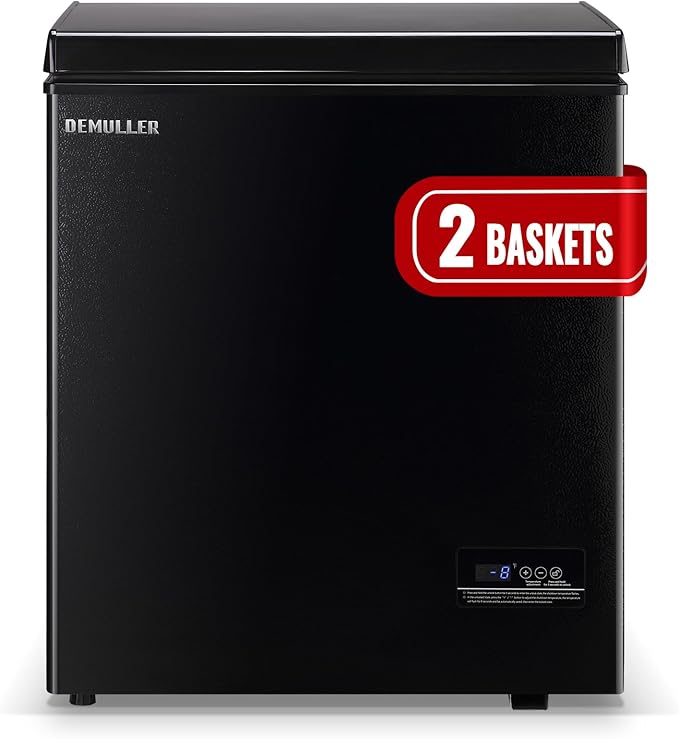
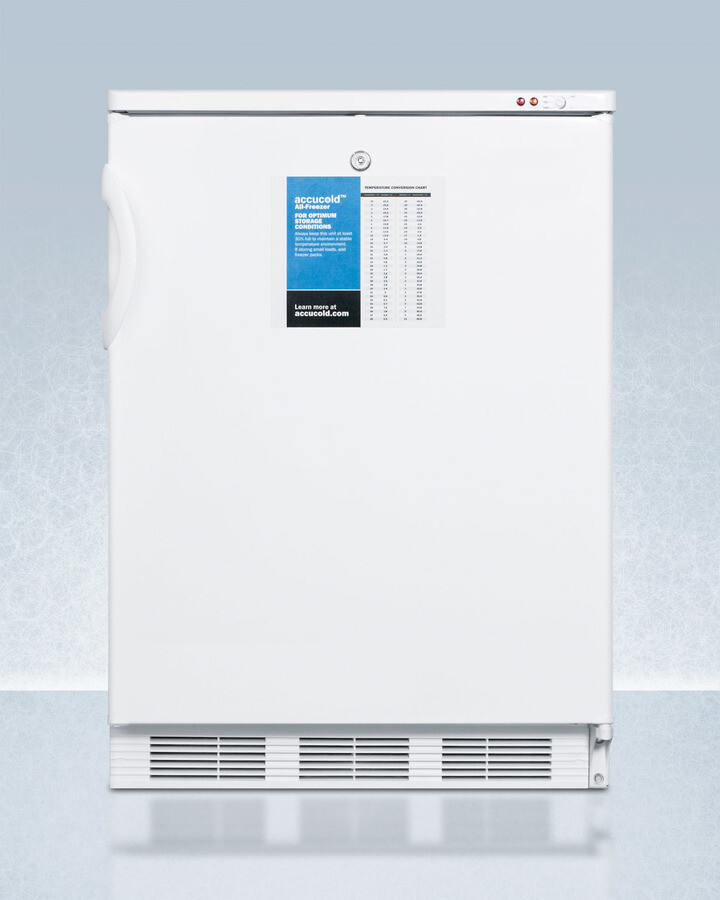
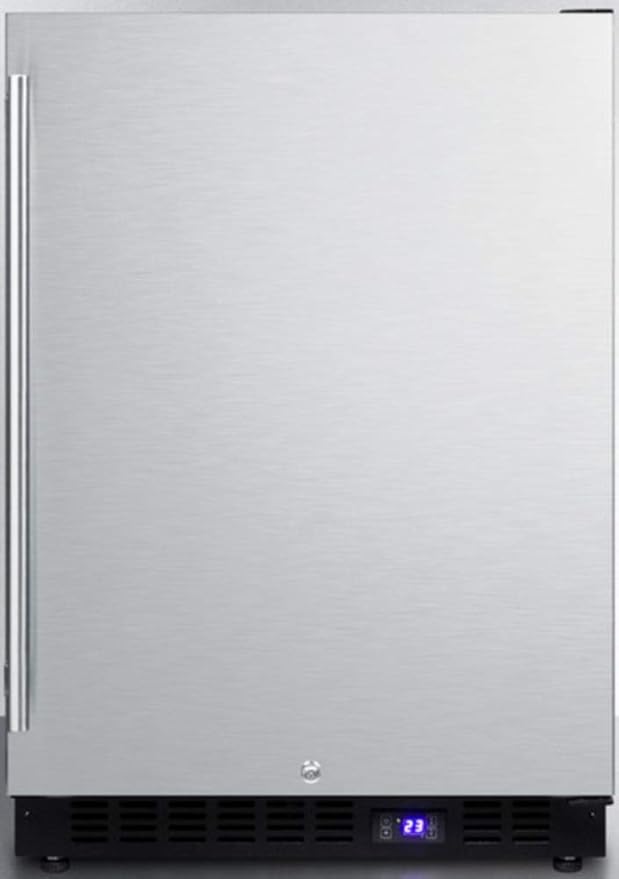
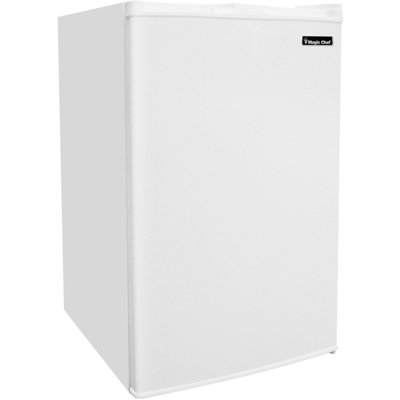
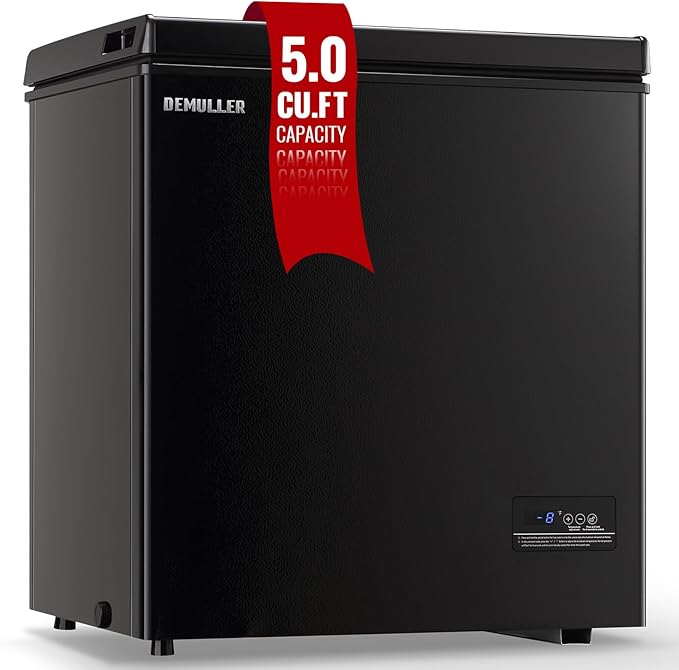
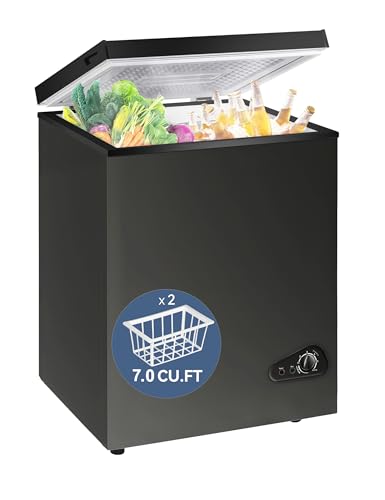
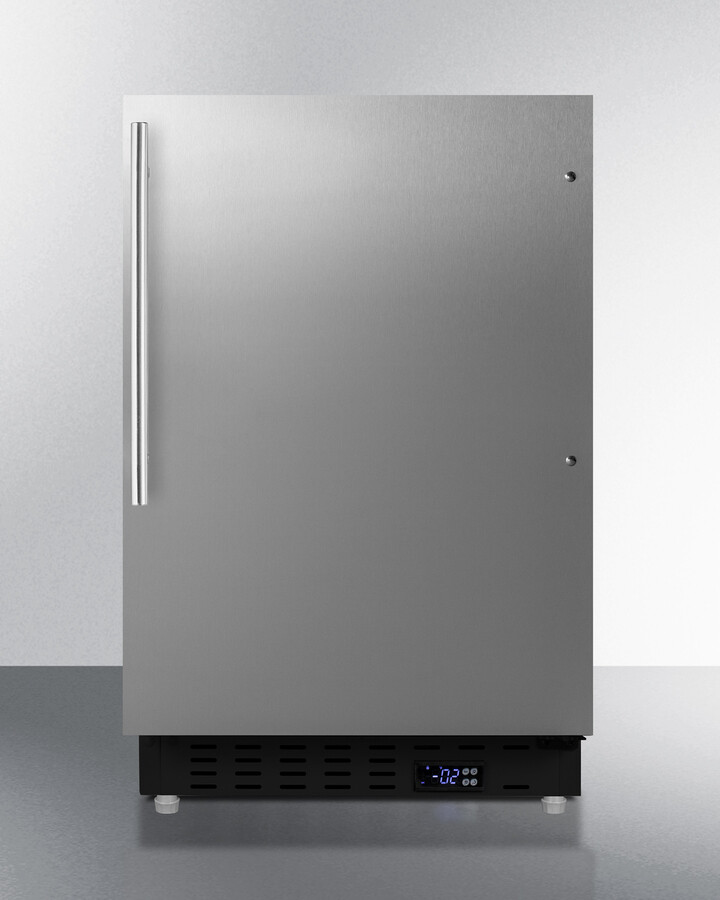
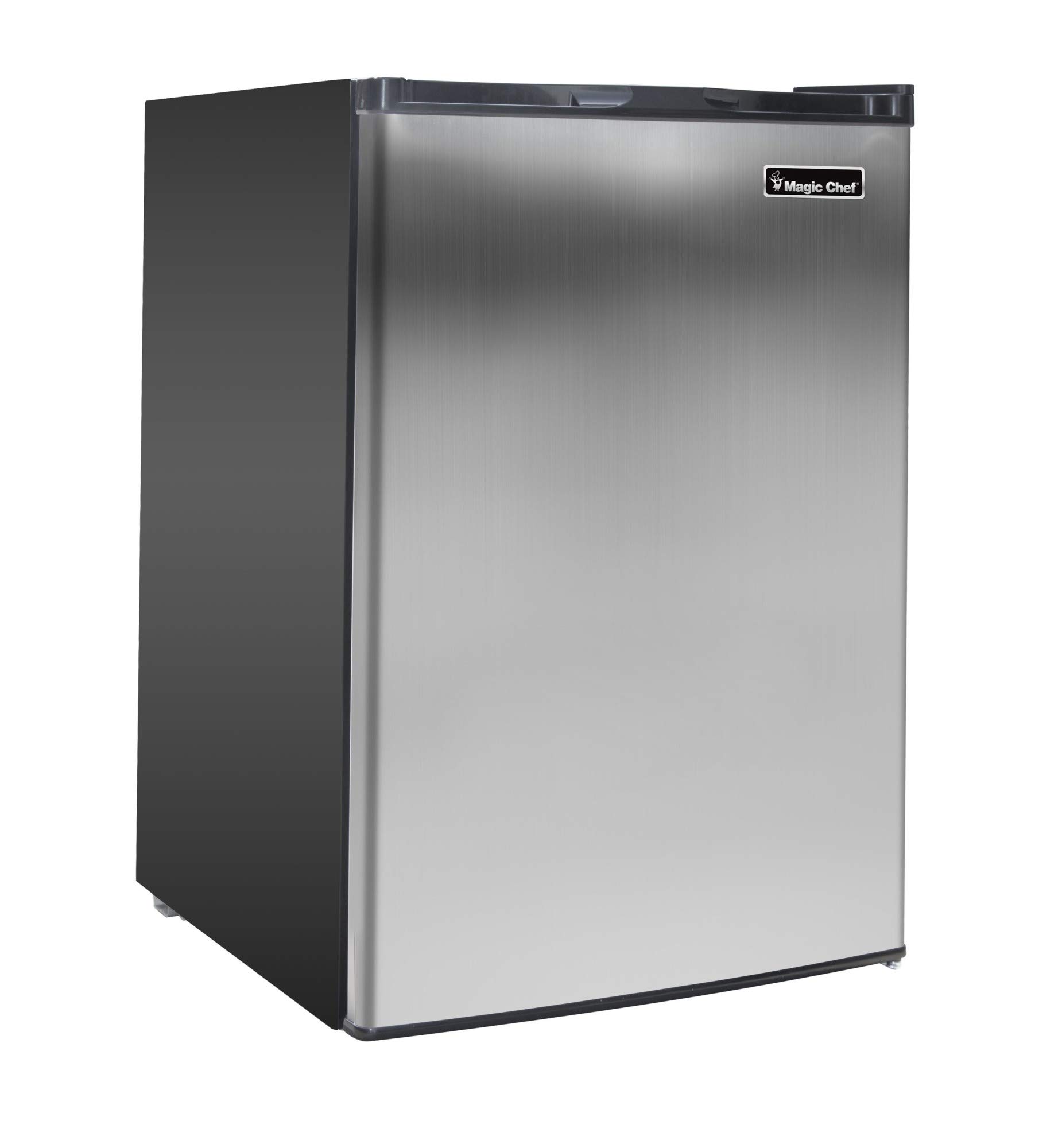
Compact freezers are perfect for tight spaces like apartments, dorm rooms, or offices. They're small, easy to move, and can fit just about anywhere. But, they don't hold much, so if you have a lot of frozen goodies, you might need something bigger.
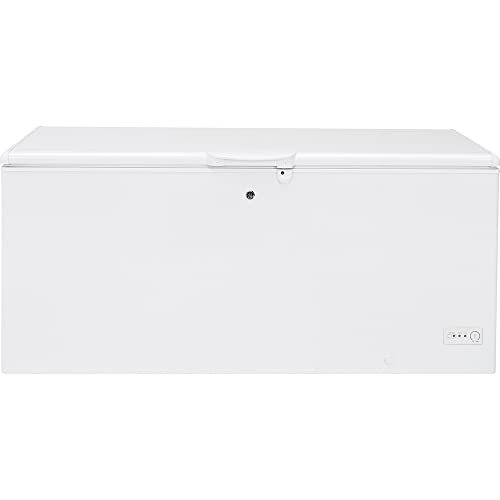
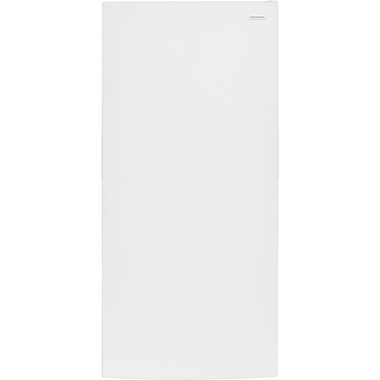
Reach-in freezers are the heavyweights. They offer tons of storage, making them great for large families or commercial use. With multiple shelves and compartments, you can easily organize and access your food. The downside? They take up more space and aren't exactly easy to move around.
Compact freezers pack a punch in a small package, making them perfect for places where a big freezer just won't fit. Here's why they're awesome:
Space-Saving Design: Got a tiny kitchen, apartment, dorm room, or office? These little guys slide right in without hogging all the space.
Energy Efficiency: Many of these freezers are energy misers, so you won't see a scary spike in your electricity bill.
Portability: Because they're small, you can move them around easily. Need to rearrange? No problem.
Quick Freezing: Don't let their size fool you. They can freeze stuff fast, which is great when you need to chill something in a hurry.
Versatility: From frozen meals and ice cream to bulk meat and veggies, these freezers can handle it all.
Feature
Benefit
Space-Saving Design
Fits small kitchens and apartments
Portability
Easy to move and reposition
Quick Freezing
Rapidly freezes items
Versatility
Suitable for various storage needs
Ideal Uses for Compact Freezers
These freezers are like the Swiss Army knives of the appliance world. Check out where they shine:
Apartments and Condos: Perfect for folks with limited space who still need to freeze stuff.
Offices: Great for keeping frozen lunches, snacks, and other goodies for the team.
Dorm Rooms: A lifesaver for students needing a personal stash of frozen food.
Garages and Basements: Handy for extra storage of bulk buys or seasonal items.
Mobile Homes and Tiny Homes: Ideal for those living in cozy quarters.
Cottages and Cabins: Perfect for storing food during those long, relaxing stays.
Chefs and Foodies: Extra space for those special ingredients that make your dishes pop.
Knowing what compact freezers bring to the table helps you figure out if they're the right fit for you. Want to see how they stack up against other freezer options? Check out Fridge.com article on fridge freezer combo Vs. small deep freezer.
Reach-In Freezers
Features and Benefits
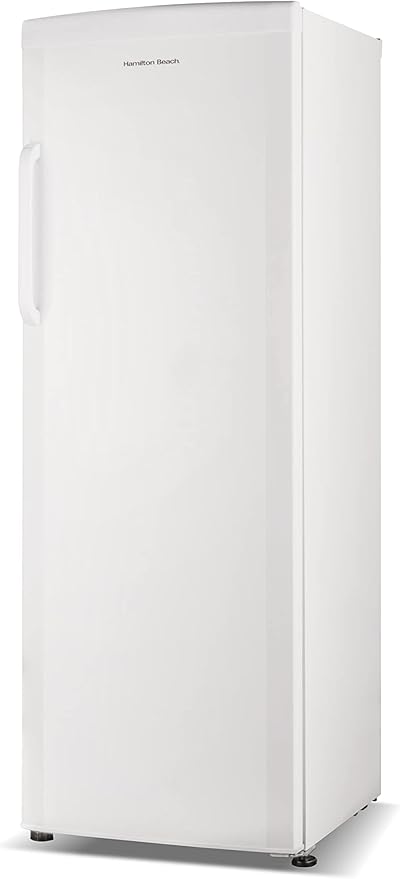
Reach-in freezers are your go-to for easy access and big storage. Perfect for homes, offices, and commercial kitchens, they pack a punch with these standout features:
Big Storage: These freezers have room for days. Great for bulk buys and stocking up.
Adjustable Shelves: Move shelves around to fit your stuff just right.
Temperature Control: Keeps things chill with steady temps, so your food stays fresh.
Easy Access: No more digging around. Everything's right there, ready to grab.
Built to Last: Made tough to handle everyday use and keep going strong.
Where Reach-In Freezers Shine
These freezers are versatile and fit right in wherever you need them:
Commercial Kitchens: Restaurants and cafes love them for their big storage and easy access.
Big Families: Perfect for households with lots of mouths to feed. Stock up and shop less.
Party Hosts: Keep all your party snacks and drinks ready to go.
Basements and Garages: Extra storage space for long-term food stash.
Feature
Reach-In Freezer
Storage Capacity
Large
Shelves
Multiple, adjustable
Temperature Control
Advanced, consistent
Durability
High
Ease of Access
Excellent
Want to see how they stack up against compact freezers? Check out our capacity and size guide.
Reach-in freezers are a solid pick if you need more space and easy access to your food. For tips on keeping them clean and running smoothly, visit our maintenance and cleaning section. Curious about costs? Fridge.com cost comparison section has you covered.
Picking between a compact freezer and a reach-in freezer can be a bit of a head-scratcher. But don't worry, Fridge.com has the lowdown to help you make the right call based on what you need.
Storage Capacity Comparison
How much stuff you can cram into a freezer is a big deal, especially if you're stocking up for a big family or a busy kitchen. Compact freezers and reach-in freezers each have their own perks.
Compact freezers are the little guys, perfect for when space is tight. Think small households, apartments, or offices. They don't hog much room but still get the job done. Reach-in freezers, on the other hand, are the big guns. They hold a lot more, making them great for big families, commercial kitchens, or anyone who buys in bulk.
Here's a quick look at what you can expect:
Freezer Type
Storage Capacity (Cubic Feet)
Compact Freezer
3 - 10
Reach-In Freezer
15 - 30
Want more details on storage options? Check out Fridge.com article on small freezer chest Vs. wine cellar.
Space Requirements for Compact and Reach-In Freezers
How much room you have is another biggie. Compact freezers are made for tight spots. You can tuck them into apartments, dorm rooms, or small kitchens. They fit on countertops, in closets, or under counters.
Reach-in freezers are bigger and need more space. They're best for basements, garages, or commercial kitchens where there's plenty of room. Make sure to measure your space before buying one to avoid any awkward fits.
By thinking about how much stuff you need to store and how much space you have, you can pick the freezer that's right for you. Whether you go for a compact freezer or a reach-in freezer, make sure it fits your needs and your space. For more comparisons, take a look at Fridge.com guide on basement refrigerator Vs. beverage cellar.
Keeping It Cool: Choosing the Right Freezer
Cooling Tech Basics
Picking the right freezer can feel like a big decision, but understanding how they work can make it easier. Whether you're eyeing a compact freezer or a reach-in freezer, knowing their cooling methods can help you decide.
Compact Freezers: These usually use either a compressor-based system or thermoelectric technology. Compressor models are the go-to for strong cooling power. Thermoelectric ones are quieter and save energy but might not handle super hot days well.
Reach-In Freezers: Mostly run on compressor systems. They often have multiple cooling zones and smart airflow to keep everything evenly chilled. This is a big deal in commercial kitchens where you need to keep lots of food at the right temp.
Energy Efficiency: Compact Vs. Reach-In Freezers
Energy use is a biggie, especially if your freezer's going to be running a lot. How much juice a freezer uses can vary a lot depending on its size, design, and cooling tech.
Freezer Type
Average Annual Energy Use (kWh)
Energy-Saving Features
Compact Freezer
150 - 300
Smaller size, some use thermoelectric tech
Reach-In Freezer
700 - 2000
Bigger size, often have energy-efficient compressors and insulation
Compact freezers are smaller, so they usually use less energy. They're great for homes, offices, and small apartments where space and saving energy matter. Reach-in freezers, though, are built for bigger storage needs and are common in commercial spots. They often come with perks like better insulation, energy-smart compressors, and eco-friendly coolants.
When deciding between a compact and a reach-in freezer, think about how much stuff you need to store, how much space you have, and how much you care about energy bills. Compact freezers usually win on energy savings, but reach-in freezers are the champs for big storage and commercial use with their advanced cooling features.
For more tips on keeping your freezer energy-efficient and running smoothly, check out Fridge.com guide on fridge freezer combo Vs. small deep freezer.
Organization and Accessibility
When you're deciding between compact freezers and reach-in freezers, how you can organize and access your frozen goodies is a big deal. The way the inside is set up can make a huge difference in how easy it is to stash and grab your stuff.
Interior Design and Layout
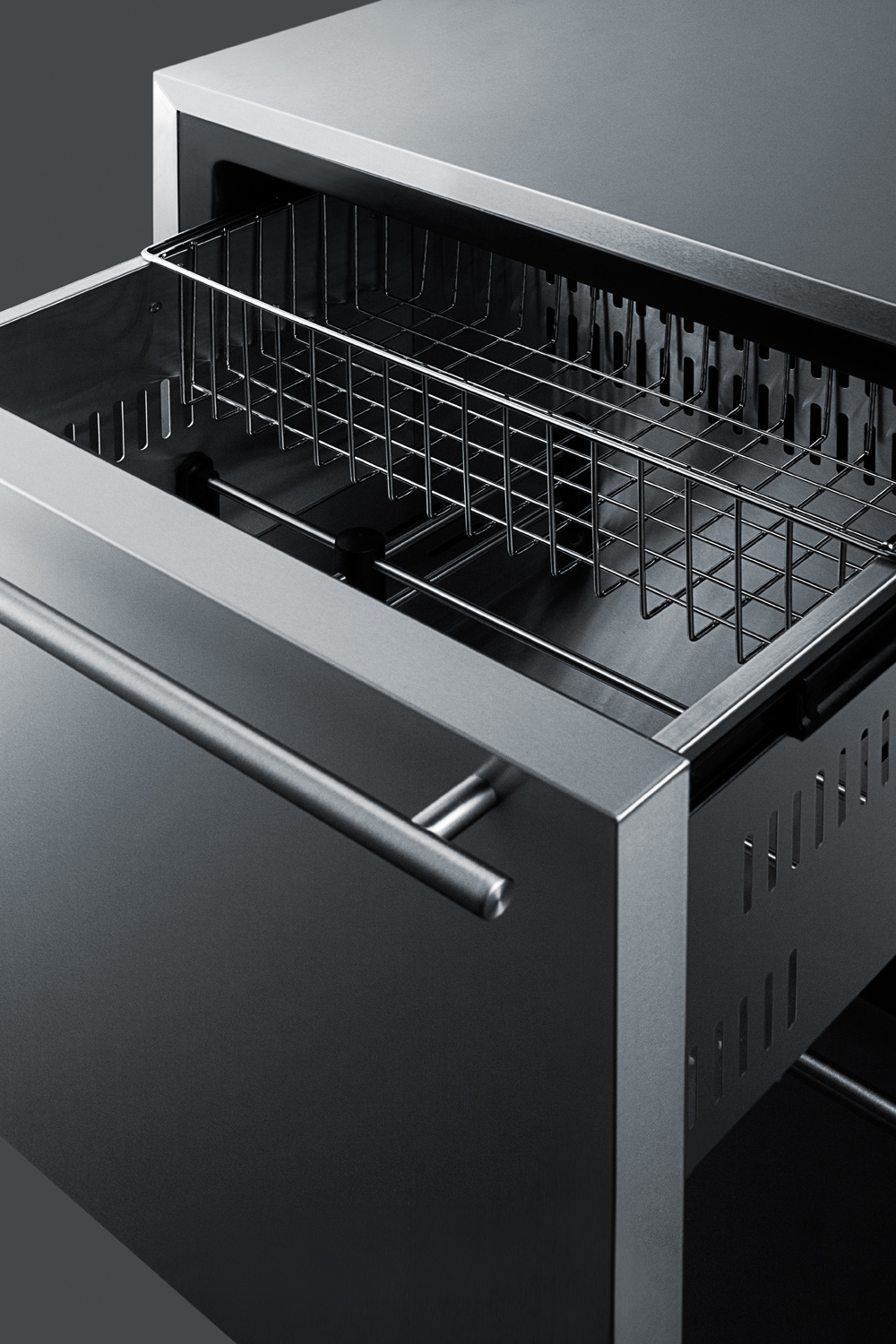
Compact freezers are all about making the most out of a small space. They usually come with a mix of shelves, bins, and door compartments to help you keep things tidy. Sure, fitting in bigger items can be a bit of a puzzle, but the upside is that everything's within arm's reach.
On the flip side, reach-in freezers give you more room to play with. They come with multiple shelves and compartments, making it easier to store larger items and more food. If you need lots of storage and like things to be super organized, a reach-in freezer is your best bet.
Feature
Compact Freezer
Reach-In Freezer
Shelves
Limited
Multiple
Bins
Few
Several
Door Compartments
Yes
Yes
Storage for Large Items
Limited
Ample
Ease of Access in Compact and Reach-In Freezers
How easy it is to get to your stuff is a big deal when picking a freezer. Compact freezers, being smaller, let you grab things quickly. But, they can get crowded, making it a bit tricky to find what you need sometimes.
Reach-in freezers, with their extra space, make it easier to see and get to everything. The multiple shelves and compartments help you keep things sorted, so you can find what you need without digging around. This is especially handy if you have a variety of items and need to get to them often.
Feature
Compact Freezer
Reach-In Freezer
Accessibility
Easy
Easier
Overcrowding
Possible
Less Likely
Item Categorization
Limited
Extensive
For more comparisons on different types of refrigeration and freezing units, check out Fridge.com articles on black stainless refrigerator Vs. dry age fridge and basement refrigerator Vs. beverage cellar.
Knowing the differences in organization and accessibility between compact and reach-in freezers can help you pick the right one for your needs.
Taking care of your compact or reach-in freezer isn't just about keeping it clean; it's about making sure it runs smoothly for years. Here's how to keep your freezer in tip-top shape.
How to Clean Your Freezer
Regular cleaning stops frost, mold, and bad smells from taking over. Here's a simple guide:
Unplug It: Safety first! Always unplug before you start.
Empty It Out: Take everything out and stash it in a cooler.
Defrost Time: If there's a lot of frost, let it melt. Towels around the base will catch the water.
Scrub the Inside: Mix mild soap with warm water. Skip the harsh stuff. Wipe down shelves and drawers.
Rinse and Dry: Use clean water to rinse, then dry with a soft cloth to avoid water spots.
Wipe the Outside: A damp cloth works wonders on the exterior, especially handles and seals.
Reload: Plug it back in, let it cool down, then put your stuff back.
Tips to Keep It Running Smoothly
Want your freezer to last longer and work better? Follow these tips:
Defrost Regularly: If you have a manual defrost model, do it often to keep ice from building up.
Check the Seals: Look at the door seals for cracks. A good seal keeps the cold in and saves energy.
Clean the Coils: For reach-in freezers, clean the condenser coils every few months. Dusty coils make the freezer work harder.
Watch the Temperature: Use a thermometer to make sure it's at the right temp. Adjust if needed.
Don't Overload: Too much stuff blocks air circulation, making the freezer less efficient.
Listen Up: Strange noises or issues? Fix them fast to avoid bigger problems.
By following these steps, your compact or reach-in freezer will stay in great shape. Want to know more? Check out Fridge.com articles on fridge freezer combo Vs. small deep freezer and glass door freezer Vs. ice cream freezer.
Cost Comparison
Trying to figure out whether to go with a compact freezer or a reach-in freezer? Let's break down the costs so you can make a smart choice. Fridge.com will look at both the initial price tag and what you'll be shelling out over time.
Initial Investment Cost
First things first, how much are you going to spend upfront? Compact freezers are usually easier on the wallet because they're smaller and simpler. Reach-in freezers, though, come with a bigger price tag thanks to their larger size and fancy features.
Freezer Type
Average Initial Cost ($)
Compact Freezer
100 - 300
Reach-In Freezer
700 - 2000
Operating Costs Over Time
Now, let's talk about what it costs to keep these bad boys running. Compact freezers generally use less energy, so your electric bill won't take a huge hit. Reach-in freezers, on the other hand, can be a bit more power-hungry, which means higher bills. But remember, the exact energy use can vary from model to model.
Freezer Type
Average Annual Operating Cost ($)
Compact Freezer
20 - 60
Reach-In Freezer
50 - 150
So, if you're looking to save some bucks both now and later, a compact freezer might be your best bet. But if you need more space and extra features, a reach-in freezer could be worth the splurge.
For more comparisons, check out Fridge.com articles on glass door freezer Vs. ice cream freezer and small freezer chest Vs. wine cellar.
Compare prices on Fridge.com
Compare current prices and specifications on Fridge.com, then buy from the retailer you choose; delivery, installation and warranty terms are the retailer’s.
It also has tons of awesome articles about kitchen stuff and home news. Enhance your home, garage, backyard, patio, and office with the coolest essentials. With every necessary type of residential refrigerator or freezer in the collection, you're covered.
Free tool
Food Storage Calculator
Free interactive tool from Fridge.com — get a quick answer while you read.