Freezer burn is the dry, discolored patches and tough texture that develop when food is exposed to air in the freezer. It is not unsafe to eat, but it hurts quality and taste. Avoiding it comes down to how you wrap and store food. This guide covers what causes freezer burn and how to prevent it.
What Causes Freezer Burn
Freezer burn happens when moisture leaves the food and forms ice crystals on the surface or on the packaging. Air in the package or fluctuating temperatures speed this up. The food dries out in spots and can taste bland or off. It is a quality issue, not a safety one—freezer-burned food is still safe to eat if it was frozen and stored properly, but it may not be pleasant.
The process is sublimation: ice in the food turns directly to vapor and escapes. In a dry freezer environment, moisture migrates from the food to the colder surfaces (like the evaporator) or into the air. The result is dehydrated patches—gray or brown on meat, discolored on vegetables, tough on bread. The USDA notes that freezer burn does not make food unsafe; it affects quality. Proper packaging slows or prevents it.
Temperature fluctuations worsen freezer burn. When the freezer warms slightly—from door openings, defrost cycles, or power outages—ice in the food can melt and refreeze, causing moisture to migrate. A steady 0°F or below, as the USDA recommends, helps minimize this. So does minimizing door openings and keeping the freezer well stocked.
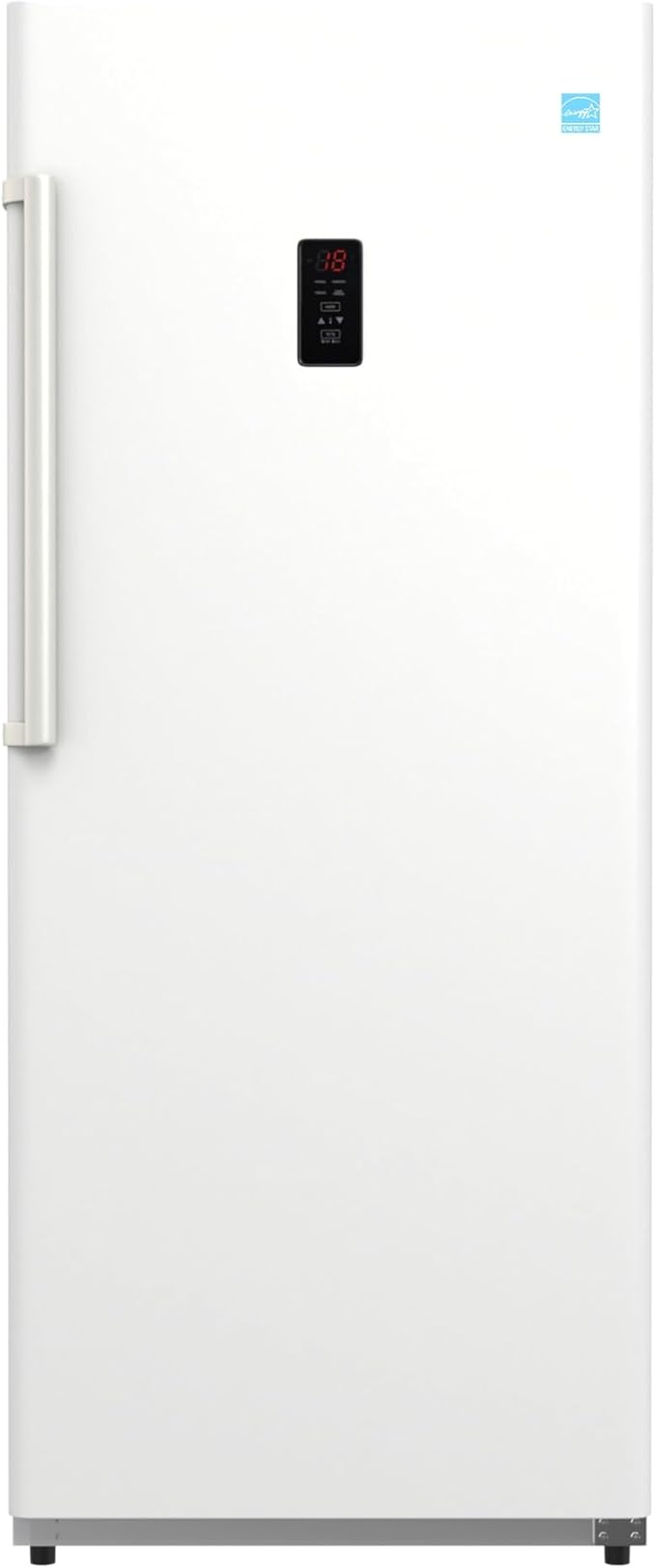
Frost-free freezers run a defrost cycle that briefly warms the evaporator. Well-designed units keep the temperature rise minimal and within the food compartment. The cycle is necessary to prevent frost buildup; the tradeoff is a slight increase in temperature fluctuation compared to manual-defrost units. For most households, the convenience of frost-free outweighs this concern. Proper packaging remains the primary defense against freezer burn regardless of freezer type.
Wrap Food Tightly
Reduce air contact by wrapping food tightly. Use freezer-grade plastic wrap, aluminum foil, or freezer bags. Press out as much air as possible before sealing. For freezer bags, some people use a straw to suck out extra air or use a vacuum sealer. Double-wrapping or using a bag inside a rigid container adds protection for long-term storage.
Air is the enemy. Oxygen promotes oxidation and moisture loss. The less air in contact with the food, the slower freezer burn develops. Vacuum sealers remove most of the air and can extend the time before quality degrades. For items you will use within a few months, heavy-duty freezer bags with the air pressed out are often sufficient.
For irregular shapes—like a whole chicken or a roast—wrap tightly and press the wrap against the surface. Leave no gaps where air can reach the food. Double-wrap for long-term storage: plastic wrap or bag first, then foil or a second bag. Label with the date so you use older items first.
Not all packaging is meant for the freezer. Thin plastic wrap or regular bags can let in air and moisture over time. Look for packaging labeled "freezer" or "freezer-safe." Vacuum sealers remove air and extend the time before freezer burn appears. Containers should be rigid and seal well.
Freezer bags are thicker than regular storage bags and are designed to resist cracking at low temperatures. Regular plastic wrap can become brittle and allow air in. Deli containers and takeout containers may not be freezer-safe; check the label. Glass jars can work but leave headspace for expansion—liquid expands when frozen and can crack glass if the jar is full.
Vacuum sealing is one of the most effective methods. It removes air and creates a tight seal. Vacuum-sealed meat can last a year or more in the freezer with minimal quality loss. The equipment pays for itself if you freeze meat, fish, or bulk purchases regularly.
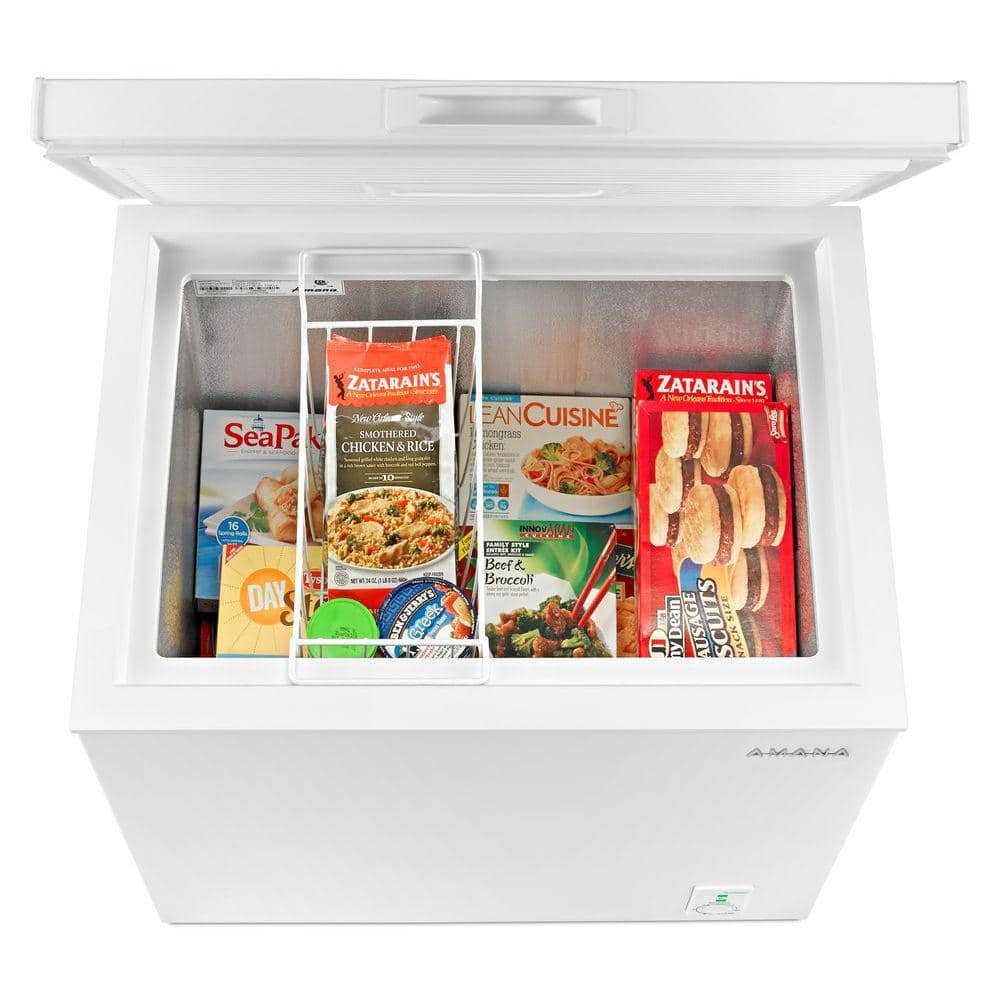
A full freezer holds temperature better and has less air circulating around each item, which can slow moisture loss. Do not pack the freezer so tight that you block vents or airflow; follow the manual's guidance. If the freezer is mostly empty, you can fill empty space with jugs of water or ice packs to improve efficiency and reduce air movement.
The U.S. Department of Energy (DOE) notes that a full freezer is more efficient than an empty one. The mass of frozen food helps maintain temperature when the door opens; cold air does not rush out as quickly because there is less empty space. For the same reason, less air circulates around each package, which can slow sublimation.
Do not block the vents. Frost-free freezers need airflow over the evaporator. Blocking vents causes uneven cooling and can create hot spots. Leave space around the vents as the manual specifies. A well-organized freezer that is full but not blocked is the goal.
Store the freezer at 0°F or below. Avoid frequent door openings and long open-door time. A steady temperature and minimal air exchange help protect food quality. Check the door seal so warm air is not leaking in.
The USDA recommends 0°F or below for freezer storage. A thermometer helps you verify. If the freezer struggles to hold temperature—because of a bad seal, dirty coils, or an aging compressor—fluctuations can accelerate freezer burn. Maintain the freezer: clean the coils, check the seal, and avoid overloading.
Minimize door openings. Each opening lets warm, moist air in. The compressor runs to cool the space again, and the moisture can deposit on food surfaces. Plan what you need before opening the door, and close it promptly.
Use Food in a Reasonable Time
Even well-wrapped food can develop freezer burn after many months. Use frozen food within recommended time frames—often a few months to a year depending on the item. Label packages with the date so you use older items first.
The USDA provides guidelines for how long different foods maintain quality in the freezer. Ground meat: 3 to 4 months. Steaks and roasts: 4 to 12 months. Poultry: 9 to 12 months. Fish: 3 to 6 months. Bread and baked goods: 2 to 3 months. These are quality guidelines, not safety limits—properly frozen food remains safe indefinitely, but quality declines over time.
First in, first out. Use a system—labels, bins, or a list—so you use older items before newer ones. That reduces the chance of finding freezer-burned food at the back of the freezer months later.
If you find freezer-burned food, it is still safe to eat if it was frozen and stored properly. The USDA confirms that freezer burn affects quality, not safety. You can trim off the affected areas before cooking—the gray or dehydrated patches may be tough or bland. For ground meat, you might mix it into a dish where the texture is less noticeable. For vegetables, they may be fine in soups or stews. For expensive cuts of meat, consider whether the quality loss is acceptable or if you prefer to discard the badly affected portions.
Prevention is better than salvage. Once freezer burn develops, you cannot reverse it. Focus on improving packaging and storage habits for future purchases. A vacuum sealer or better freezer bags can make a big difference. So can using food within the recommended time frames. The U.S. Environmental Protection Agency notes that food waste is a significant issue; proper freezer storage helps you use what you buy before quality degrades.
Summary
Freezer burn is caused by air and moisture loss. Prevent it by wrapping food tightly in freezer-safe packaging, keeping the freezer full but not blocked, and maintaining a steady 0°F. Use food within recommended storage times. For more on freezer storage and efficient freezers, see guides and comparisons.
Frequently Asked Questions
Freezer burn happens when moisture leaves food and forms ice crystals—often due to air in the package or temperature swings. It’s a quality issue, not safety.
Free tool
Food Storage Calculator
Free interactive tool from Fridge.com — get a quick answer while you read.