Freezers come in two main defrost types: automatic (frost-free) and manual. Each has tradeoffs in energy use, convenience, and cost. This guide compares them so you can choose the right type for your needs.
How Auto-Defrost (Frost-Free) Works
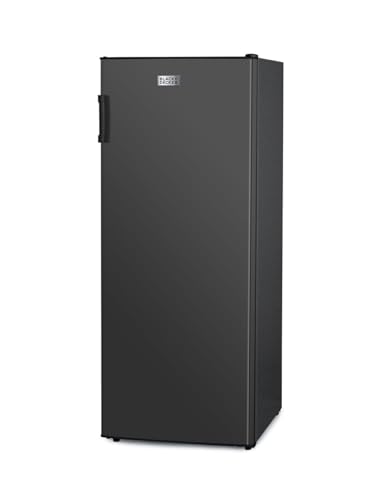
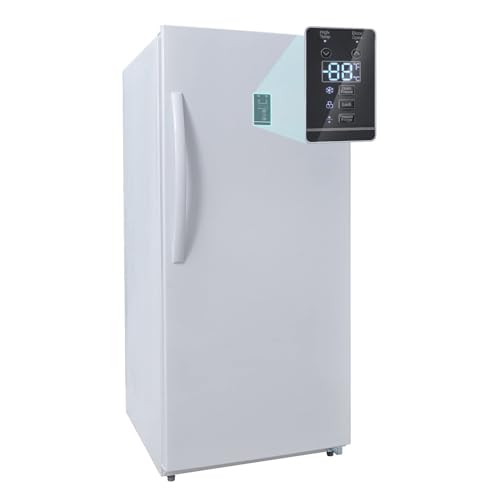
Frost-free freezers use a defrost cycle: a heater melts frost on the evaporator periodically, and the water drains away. You never have to defrost by hand. The freezer stays clear of heavy frost buildup. The system uses a bit more energy than manual defrost because of the heating cycle and the fan that circulates air. Most upright freezers and many chest freezers sold today are frost-free.
The defrost cycle typically runs on a timer or when a thermostat detects frost. The compressor stops, a heating element warms the evaporator coils, and the melted frost drains to a pan. The compressor heat evaporates the water, so you rarely need to empty anything. The cycle usually takes 15 to 30 minutes. The USDA recommends keeping freezers at 0°F or below; frost-free units are designed to maintain that temperature between cycles.
Frost-free freezers use a fan to circulate cold air. That fan runs during cooling and may run during defrost. The combination of fan and defrost heater adds to energy use compared to manual-defrost units, which have no heater and often no fan. For many users, the convenience of never defrosting outweighs the extra energy cost.
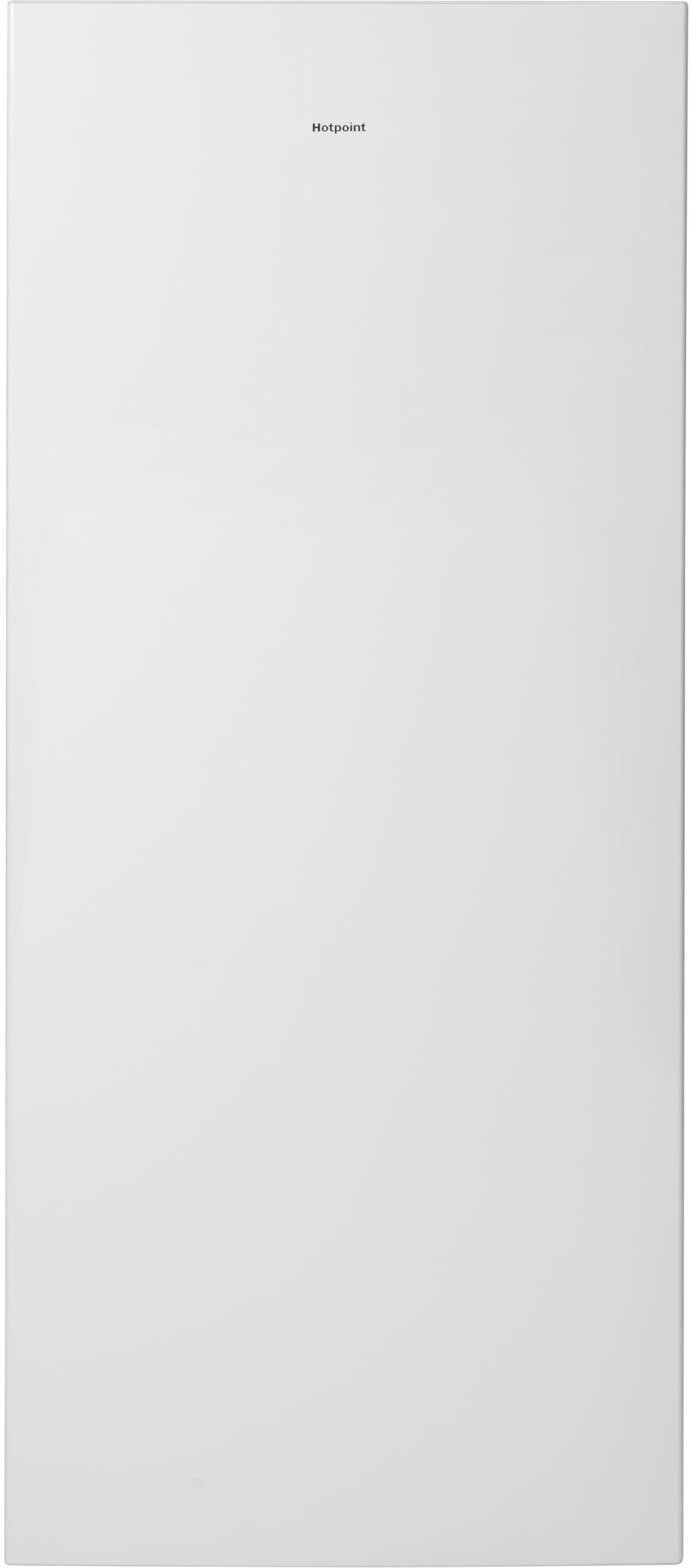
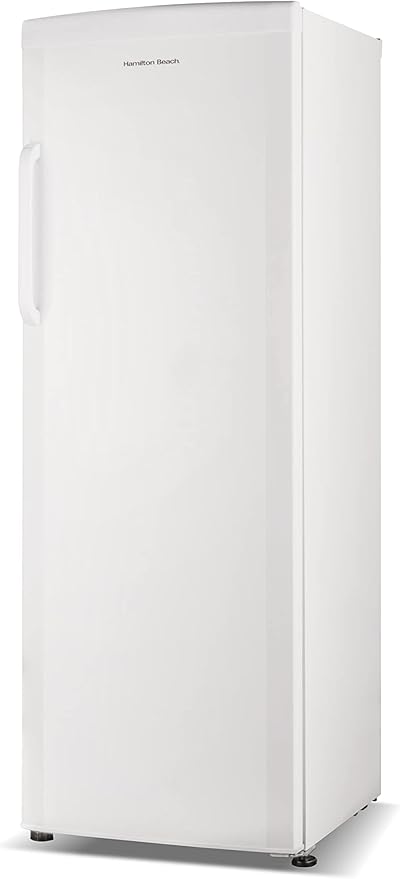
Most upright freezers sold in the U.S. are frost-free. The design has dominated the market for decades because it eliminates the most tedious maintenance task. Chest freezers are split—many are still manual defrost for maximum efficiency, but frost-free chest models exist for buyers who want the convenience. When comparing, check the product specifications for defrost type; it is always listed.
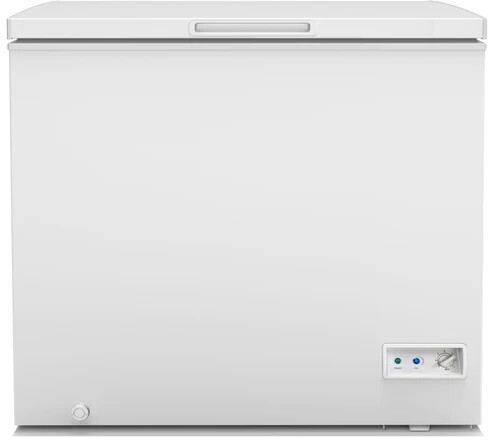
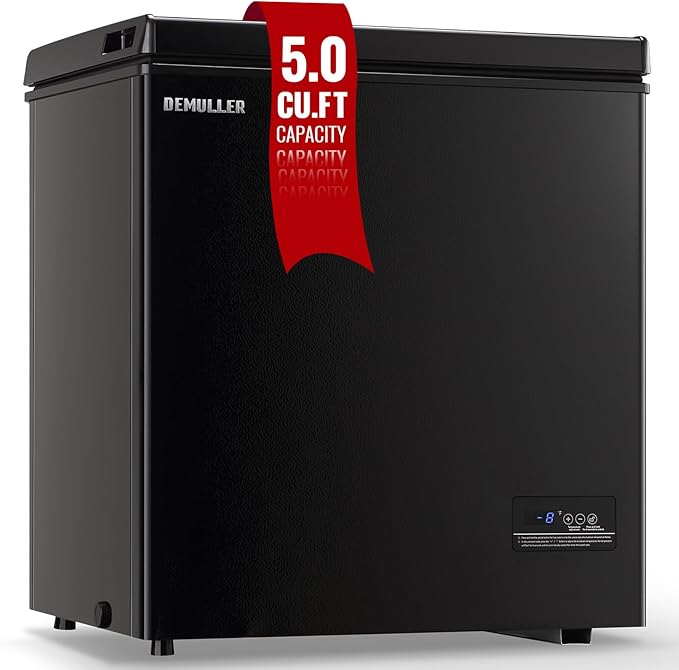
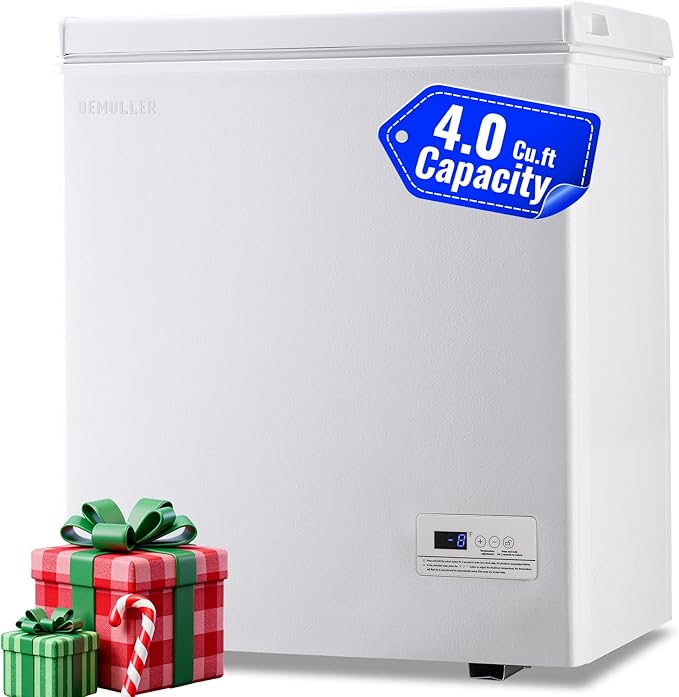
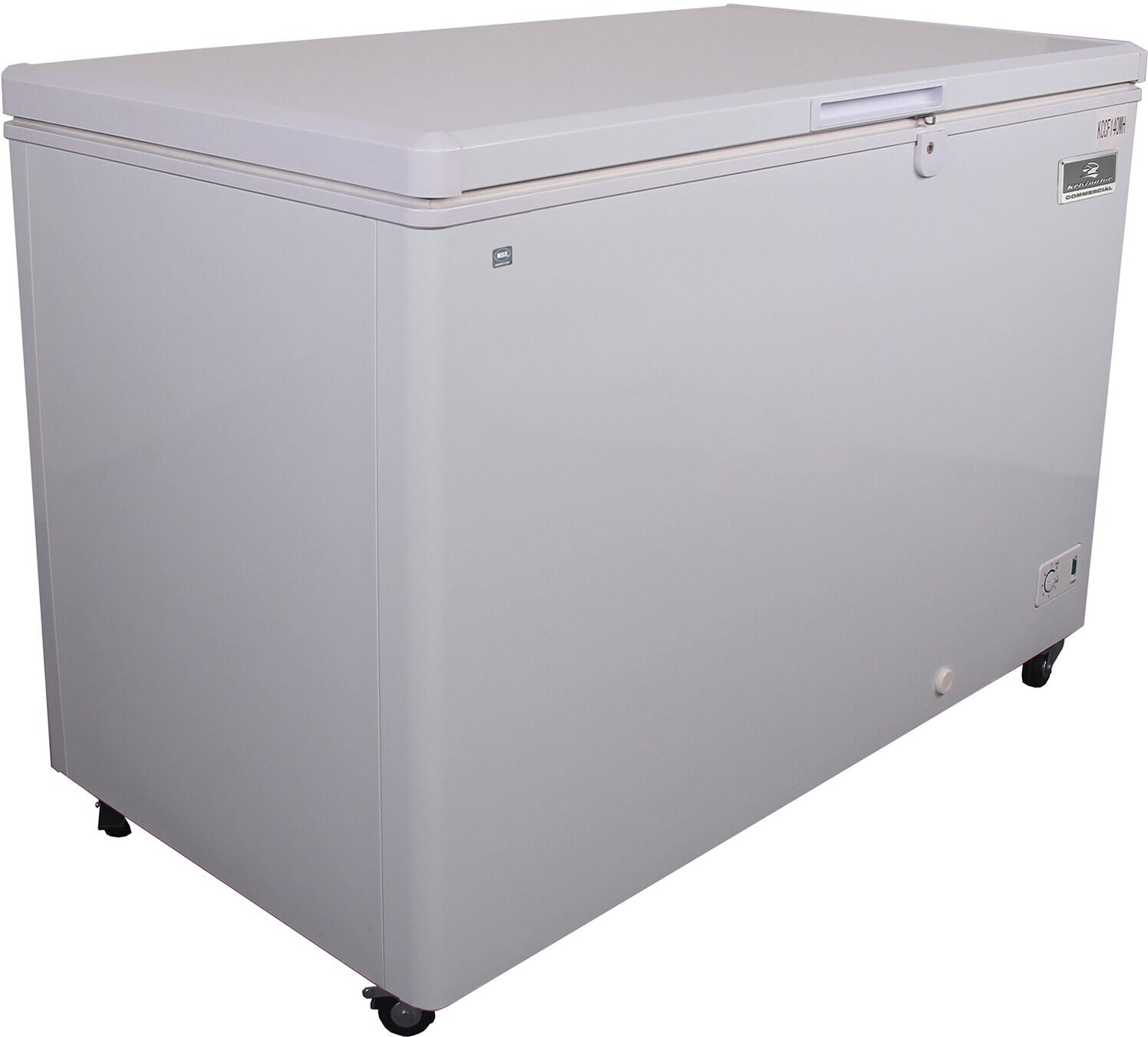
Manual-defrost freezers have no heating cycle. Frost builds up over time on the evaporator and walls. You must turn the freezer off periodically, let the frost melt (often with towels and a pan to catch water), then wipe it out and turn the unit back on. Manual defrost typically uses less energy than frost-free because there is no defrost heater and the design can be simpler. Chest freezers are often manual defrost; upright manual-defrost models are less common.
Manual defrost is required when frost buildup reaches about 1/4 inch or more. For a chest freezer in a basement used for long-term storage, that might be once or twice a year. For an upright in daily use, it could be every few months. The process takes several hours: unplug, empty or move food to a cooler, let frost melt, wipe dry, and plug back in.
The U.S. Department of Energy (DOE) sets efficiency standards for freezers. Manual-defrost models often meet or beat the ENERGY STAR criteria more easily because they have fewer energy-consuming components. The EnergyGuide label on each unit shows estimated yearly kWh so you can compare frost-free and manual-defrost models of similar capacity.
Manual defrost is best planned for when the freezer is nearly empty or when you have a cooler to hold the food. In summer, the process goes faster because room temperature helps melt the frost. In winter or in a cold basement, it can take longer. Have towels and a pan ready to catch water. Do not use sharp tools to chip frost—you can damage the evaporator. Let it melt naturally.
Manual defrost freezers usually use 10 to 25 percent less energy than comparable frost-free models, depending on size and efficiency. The EnergyGuide label shows estimated yearly kWh so you can compare. If you want the lowest possible energy use and do not mind defrosting once or twice a year, manual defrost can save money. If you prefer never defrosting, choose frost-free and look for ENERGY STAR to keep use reasonable.
The U.S. Energy Information Administration (EIA) reports average U.S. residential electricity prices. At typical rates, a manual-defrost chest freezer might use 200 to 350 kWh per year; a frost-free upright of similar capacity might use 250 to 400 kWh. The difference of 50 to 100 kWh per year could mean $8 to $16 in savings, depending on your rate. Over 10 years, that adds up—but so does the time spent defrosting.
ENERGY STAR certifies both frost-free and manual-defrost freezers. The criteria are based on capacity and type. When comparing, look at the actual kWh number on the EnergyGuide label, not just the ENERGY STAR logo. A manual-defrost unit may use less energy even if both are certified.
Convenience
Frost-free is more convenient: no defrosting, no water to deal with, no downtime. Manual defrost requires planning—you need to use or move the food, run the defrost, and clean up. For a chest freezer in a basement or garage that you use for long-term storage, many people accept manual defrost. For an upright in daily use, frost-free is usually preferred.
Manual defrost means the freezer is off for several hours. You need a cooler or another place to hold the food, or you defrost when the freezer is nearly empty. In summer, defrosting can be messy as frost melts quickly. In winter, it may take longer. Frost-free eliminates all of that—you never think about defrosting.
Organization differs. Frost-free uprights have shelves and baskets that make it easy to see and reach food. Manual-defrost chest freezers require bending and digging; items at the bottom can be forgotten. If you use the freezer often and want easy access, frost-free upright is more convenient. If you use it for bulk storage and open it rarely, manual-defrost chest can be acceptable.
Frost-free upright freezers are widely available. Manual defrost chest freezers are common; manual defrost uprights are rarer. Price varies by size and features. Compare both types by defrost type, capacity, and energy use at Fridge.com to find the best fit for your space and habits.
Frost-free models typically cost more to buy than manual-defrost models of similar capacity. The defrost system adds components and complexity. Over the life of the freezer, the higher purchase price may be offset by convenience—or by higher energy use, depending on the model. Run the numbers for your situation.
Availability varies by retailer and region. Large home-improvement stores and appliance dealers usually carry both frost-free uprights and manual-defrost chest freezers. Manual-defrost uprights are a smaller category; if you want one, you may need to search. Use filters for defrost type when comparing online.
Both frost-free and manual-defrost freezers maintain 0°F or below, as the USDA recommends. Food safety is the same. The difference is how you maintain the unit, not how well it preserves food. Frost-free units may have slightly more temperature fluctuation during the defrost cycle, but it is brief and within safe limits. For long-term storage of meat, produce, or prepared meals, either type works.
The USDA provides guidelines for how long different foods maintain quality in the freezer. Ground meat: 3 to 4 months. Steaks and roasts: 4 to 12 months. Poultry: 9 to 12 months. These apply regardless of defrost type. What matters is maintaining 0°F or below, using proper packaging to prevent freezer burn, and rotating stock so older items get used first.
Choose frost-free if you want zero maintenance for defrosting, use the freezer frequently, or prefer an upright with shelves and easy access. Frost-free is the default for most upright freezers and many chest freezers. It suits daily use, apartments, and anyone who does not want to plan around defrost cycles.
When to Choose Manual Defrost
Choose manual defrost if you want the lowest energy use, use the freezer for bulk long-term storage and open it rarely, or prefer a chest freezer and do not mind defrosting once or twice a year. Manual-defrost chest freezers are common for basements and garages where energy efficiency and capacity matter more than convenience.
Manual defrost also suits off-grid or solar-powered homes where every watt counts. The 10 to 25 percent energy savings can reduce battery or generator load. For a freezer that runs 24/7, that difference adds up. If you have the discipline to defrost periodically and the space to store food during the process, manual defrost is the most efficient choice.
Auto-defrost freezers are convenient and require no defrosting but use more energy. Manual defrost uses less energy but requires periodic defrosting. Choose frost-free for daily use and convenience; choose manual defrost for lowest energy use and long-term storage if you are willing to defrost. Compare freezers by defrost type and ENERGY STAR.
Frequently Asked Questions
Auto-defrost (frost-free) melts frost automatically; manual defrost requires you to turn off the unit and defrost by hand periodically.