Choosing between a 3 door refrigerator and a small refrigerator comes down to how much space you have, how much food you store, and where the unit will live. A 3 door model dominates a kitchen with wide shelves and a dedicated freezer drawer. A small refrigerator handles the basics in a fraction of the footprint. Here is a thorough side-by-side comparison covering every factor that matters.
Defining the Two Categories
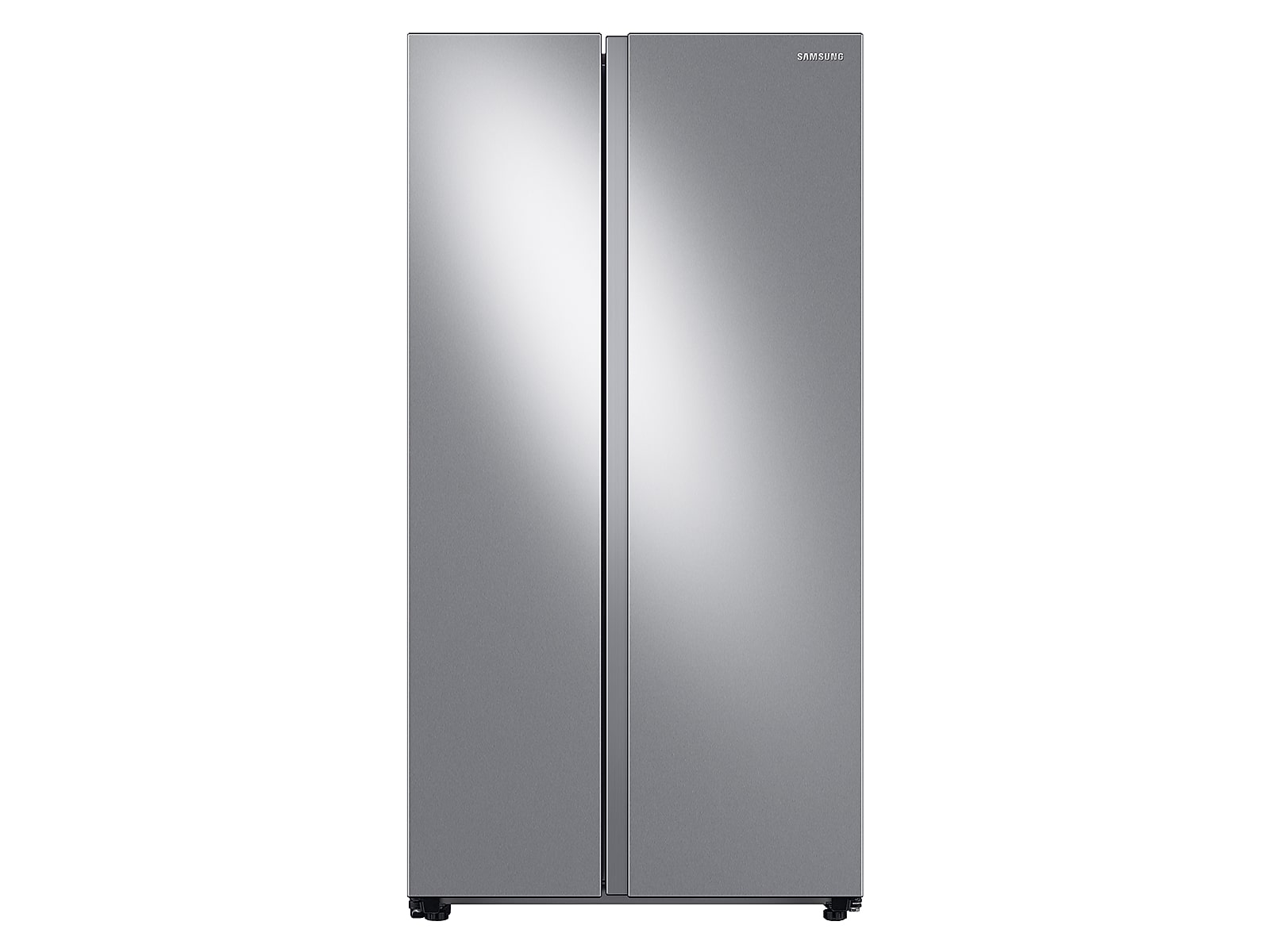
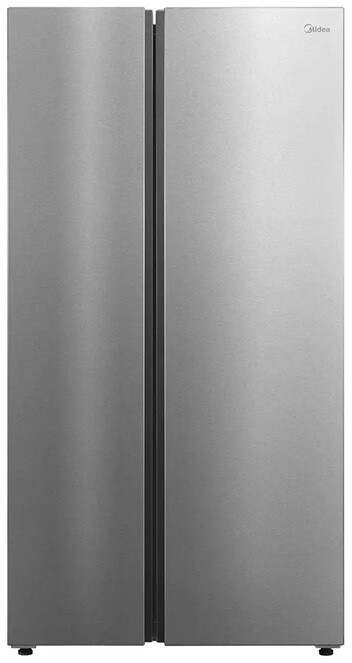
A 3 door refrigerator features two upper French-style doors that open to a spacious fridge compartment and a lower pull-out freezer drawer. Some versions include a middle flex drawer that works as a fridge, freezer, or temperature-controlled zone depending on what you store. Total capacity typically falls between 20 and 28 cubic feet.
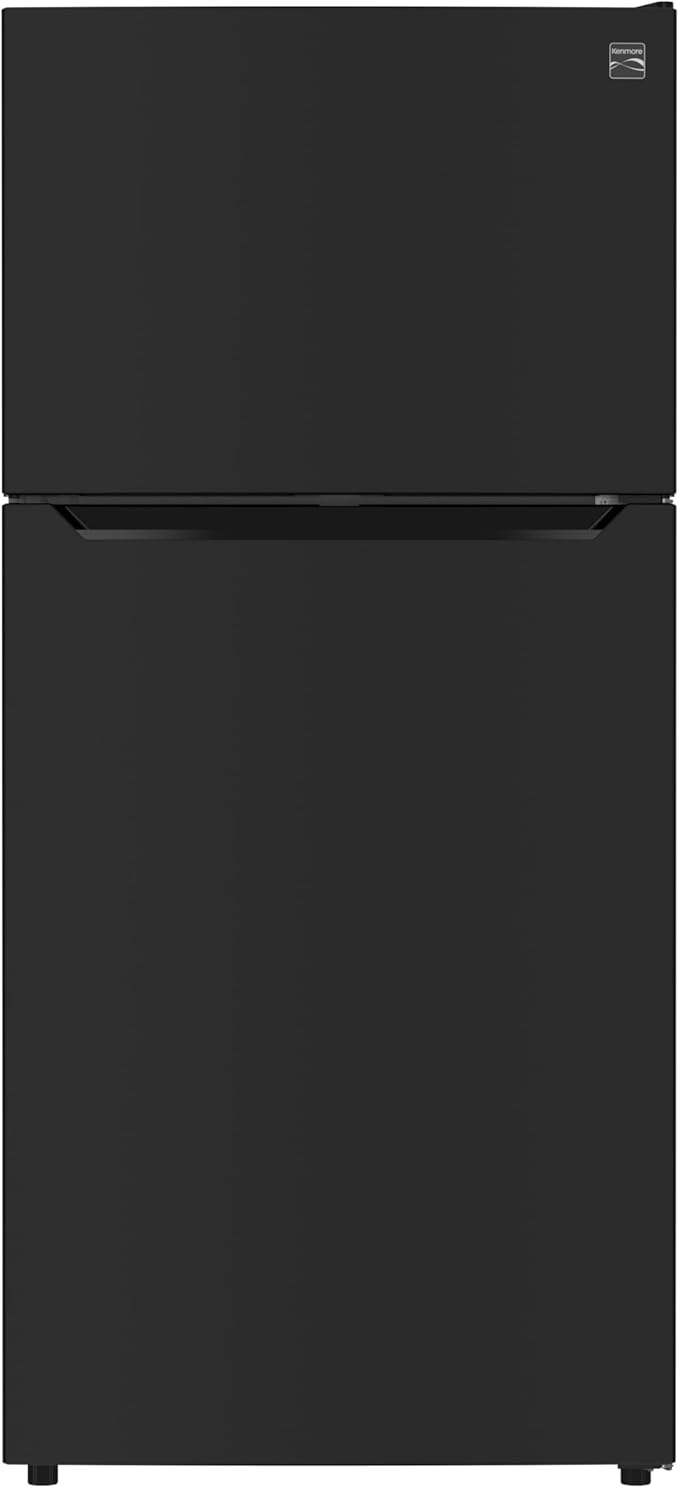
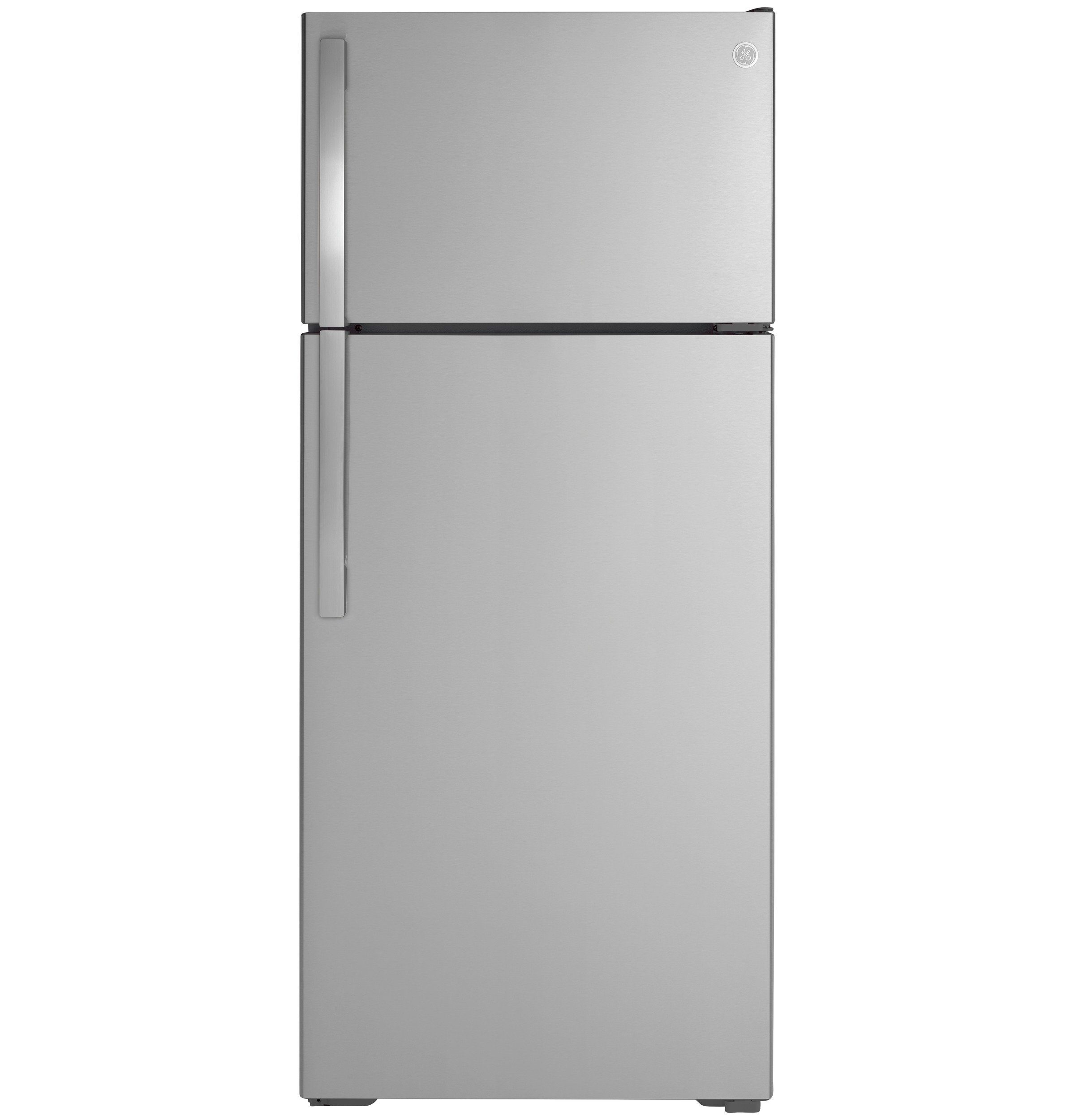
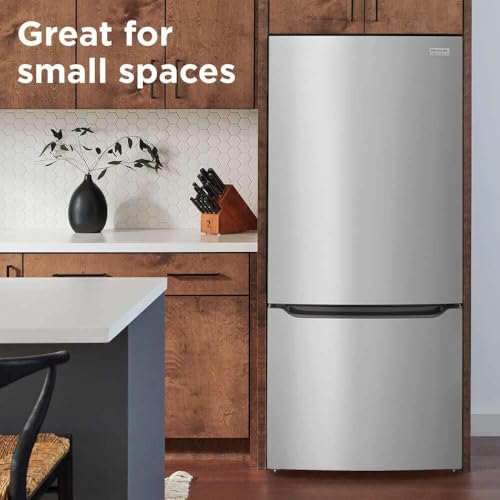
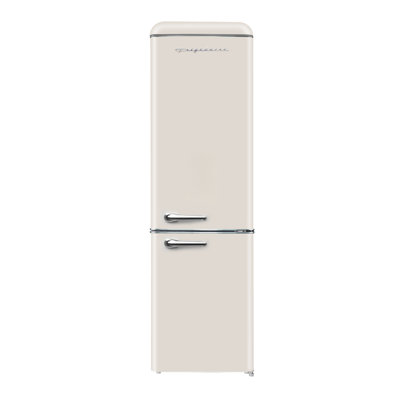
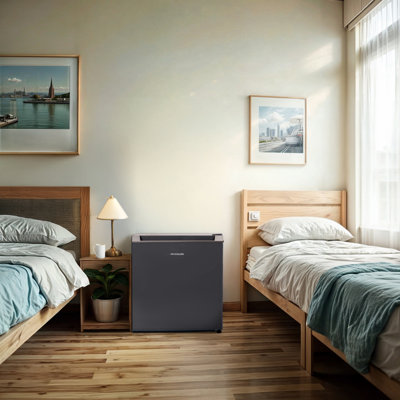
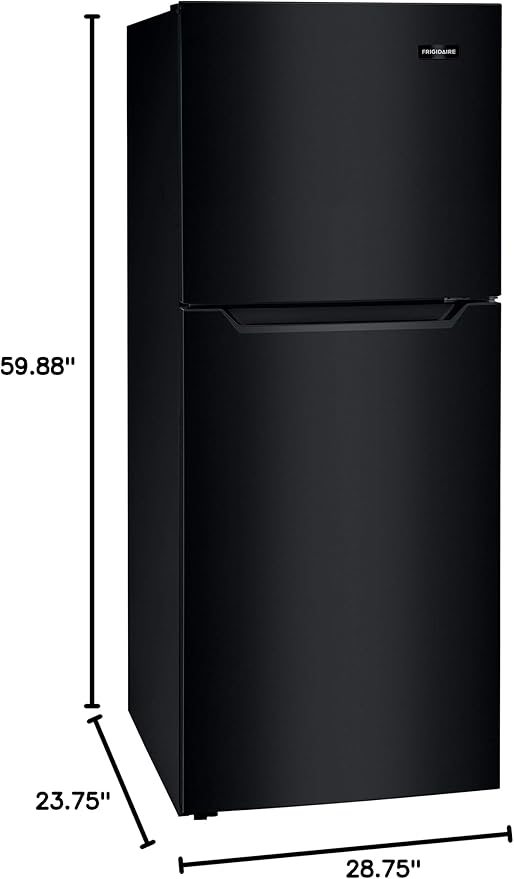
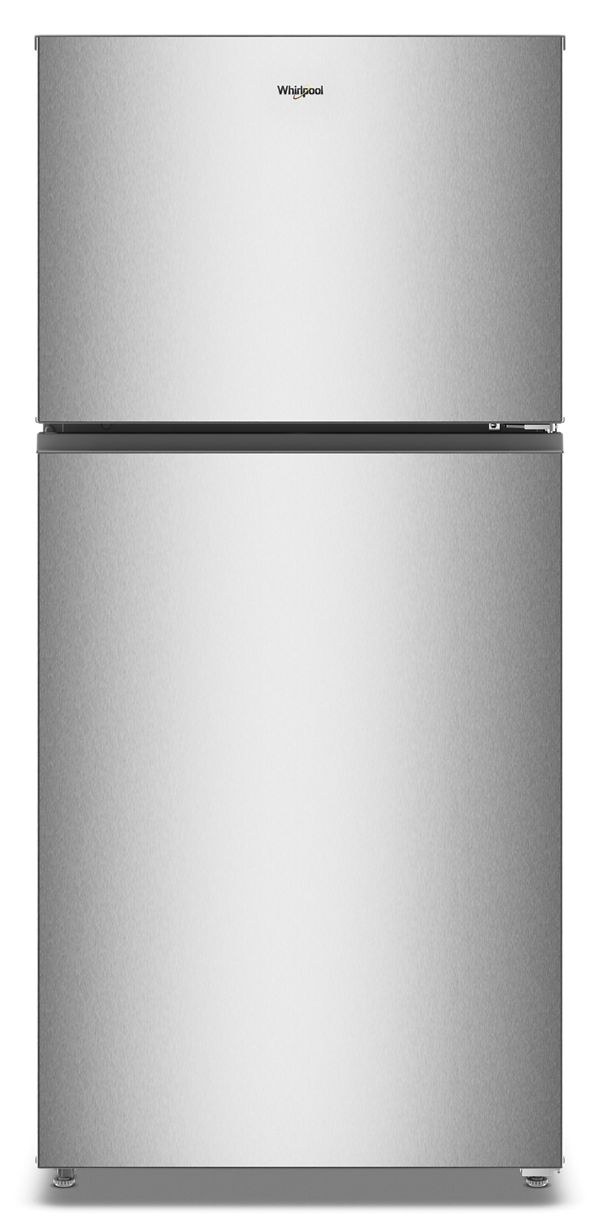
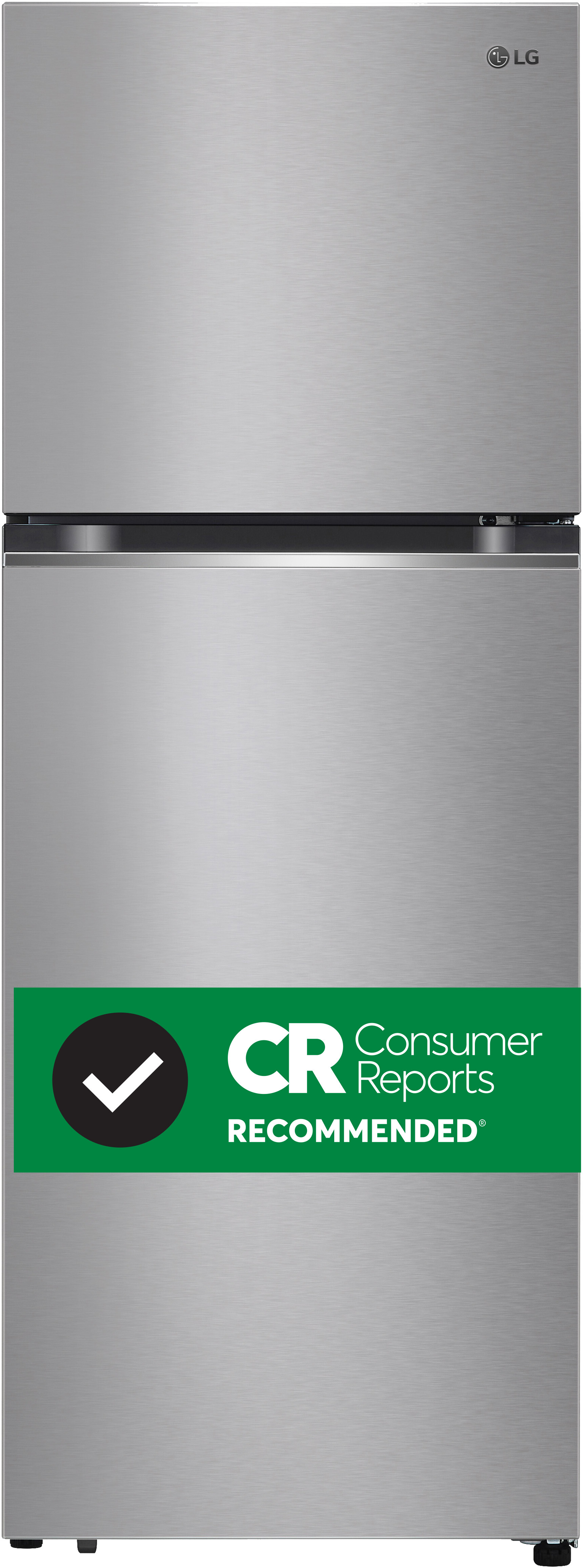
A small refrigerator — sometimes called a compact refrigerator — ranges from about 3 to 11 cubic feet. These units stand 20 to 60 inches tall and come in single-door or double-door configurations. Most include a small freezer section, either as a compartment inside the fridge or as a separate top-mount door. They are built for apartments, condos, offices, guest rooms, and secondary kitchens.
Storage Capacity and Organization
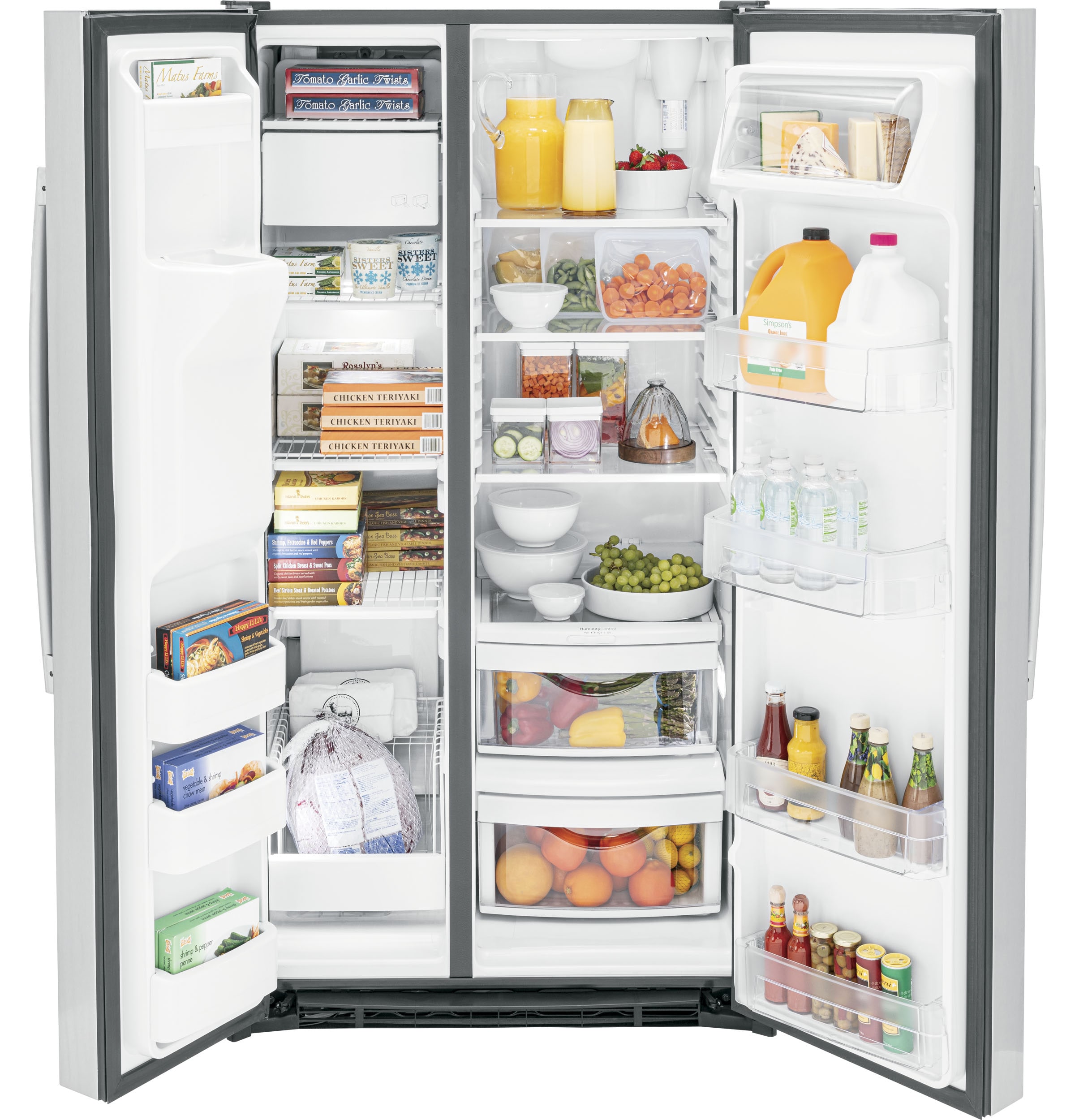
The 3 door layout offers 20 to 28 cubic feet split across three compartments. Wide adjustable shelves hold platters, casserole dishes, and large containers flat. Dedicated crisper drawers with humidity controls keep produce fresh for days longer than basic shelving. The freezer drawer typically holds 5 to 8 cubic feet and includes dividers or sliding baskets for organization.
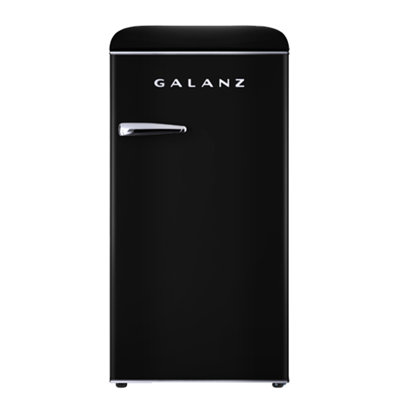
A small refrigerator provides 3 to 11 cubic feet total. The interior usually includes two to four shelves, a small crisper or half-width drawer, and door bins for bottles and condiments. The freezer section — if present — ranges from 0.5 to 2 cubic feet. You can store essentials like milk, eggs, leftovers, and beverages, but bulk grocery runs and meal prep for a family will not fit.
For a single person or couple with modest cooking habits, the small refrigerator covers daily needs. For a household that stocks a full week of groceries, the 3 door model is the practical choice.
Dimensions and Placement
Standard 3 door refrigerators measure 30 to 36 inches wide, 29 to 35 inches deep, and 68 to 72 inches tall. Counter-depth versions reduce depth to around 24 inches for a flush look with cabinetry. These units fit standard kitchen cutouts and require 1 to 2 inches of clearance on each side and at the top.
Small refrigerators range from 18 to 24 inches wide, 17 to 26 inches deep, and 20 to 60 inches tall. The smallest models slide under a standard desk. Mid-size compact units fit under a kitchen counter or stand alone in a pantry. Measure your intended space carefully — a 10 cubic foot compact model is significantly taller and wider than a 3.5 cubic foot dorm-style unit.
Cooling Technology
Three door refrigerators use dual or triple evaporator systems. The fridge and freezer operate on independent cooling loops, which prevents odor transfer between compartments and maintains precise humidity levels. Digital sensors monitor temperature across all zones and adjust compressor speed automatically. Many premium models use linear inverter compressors that vary speed continuously rather than cycling on and off.
Small refrigerators typically use a single evaporator system. One cooling circuit handles both the fridge and freezer sections, which makes it harder to maintain optimal temperatures in both zones simultaneously. Manual thermostat dials are common in budget models. Higher-end compact refrigerators may include digital controls and frost-free operation, but the technology gap compared to full-size units remains significant.
Energy Use and Annual Cost
| Type | Capacity Range | Annual kWh | Estimated Annual Cost |
|---|---|---|---|
| 3 Door Refrigerator | 20 - 28 cu ft | 400 - 700 kWh | $50 - $90 |
| Small Refrigerator (3-5 cu ft) | 3 - 5 cu ft | 200 - 300 kWh | $25 - $40 |
| Small Refrigerator (7-11 cu ft) | 7 - 11 cu ft | 280 - 400 kWh | $35 - $50 |
A 3 door refrigerator uses more total energy, but it cools 3 to 7 times more storage volume. On a per-cubic-foot basis, full-size models are more efficient. Energy Star certified 3 door models cut annual consumption by 15 to 20 percent compared to non-certified equivalents. Small refrigerators vary widely — thermoelectric models are less efficient than compressor-based units despite being quieter.
Price Comparison
| Type | Budget | Mid-Range | Premium |
|---|---|---|---|
| 3 Door Refrigerator | $1,200 - $1,800 | $1,800 - $2,800 | $2,800 - $4,500+ |
| Small Refrigerator | $100 - $250 | $250 - $500 | $500 - $900 |
The upfront cost of a 3 door refrigerator is 3 to 10 times higher, but it replaces the need for multiple smaller units and lasts longer. If you are outfitting a primary kitchen, the 3 door model delivers better long-term value. For a secondary space where budget matters more than capacity, a small refrigerator is the sensible pick.
Features Head to Head
Three door refrigerators pack in features: adjustable tempered glass shelves, full-width deli drawers, humidity-controlled crispers, through-the-door ice and water dispensers, interior LED lighting, digital temperature displays, door alarms, Wi-Fi connectivity, and smart diagnostics. Some models offer a FlexZone middle drawer that switches between fridge and freezer temperatures.
Small refrigerators focus on the basics. Expect wire or glass shelves, a bottle rack on the door, a small vegetable bin, and a mechanical temperature dial. Some mid-range models add reversible door hinges for flexible placement, a small ice tray in the freezer, and interior lighting. Smart features and ice makers are rare in the compact category.
Noise and Vibration
Full-size 3 door models with inverter compressors operate at 36 to 42 decibels. The variable-speed motor reduces the harsh cycling noise associated with traditional compressors. In an open-concept kitchen, the hum blends into background noise.
Small refrigerators range from 30 to 45 decibels depending on the type. Thermoelectric models are nearly silent but cool less effectively. Compressor-based compact fridges can produce noticeable vibration, especially when the compressor kicks on. If the unit sits in a bedroom, noise matters — check the decibel rating before purchasing.
Durability and Lifespan
A 3 door refrigerator built by a major brand lasts 12 to 18 years with routine maintenance — cleaning condenser coils annually, replacing water filters, and checking door gaskets. Repair parts are readily available and most issues can be fixed by a standard appliance technician.

Small refrigerators last 5 to 10 years. The lighter-duty compressor and thinner insulation wear faster, and the economics of repair often favor replacement at the lower price point. Budget models under $200 typically last 4 to 6 years of daily use.

Who Should Choose Which
A 3 door refrigerator fits households of two or more people who cook regularly, buy groceries weekly, and need dedicated freezer space. It works as the sole refrigerator in a home and handles everything from fresh produce to frozen bulk items.
A small refrigerator fits solo dwellers in studios or dorms, home offices that need cold drinks and snacks within reach, guest suites, RVs and tiny homes, and anyone who needs a secondary cold storage unit without the footprint of a full-size appliance.
Compare Both Options at Fridge.com
Browse 3 door refrigerators and small refrigerators at Fridge.com. Filter by size, price, brand, and features to find the exact unit that fits your space and budget.