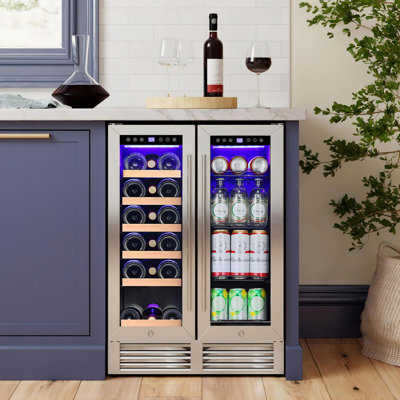
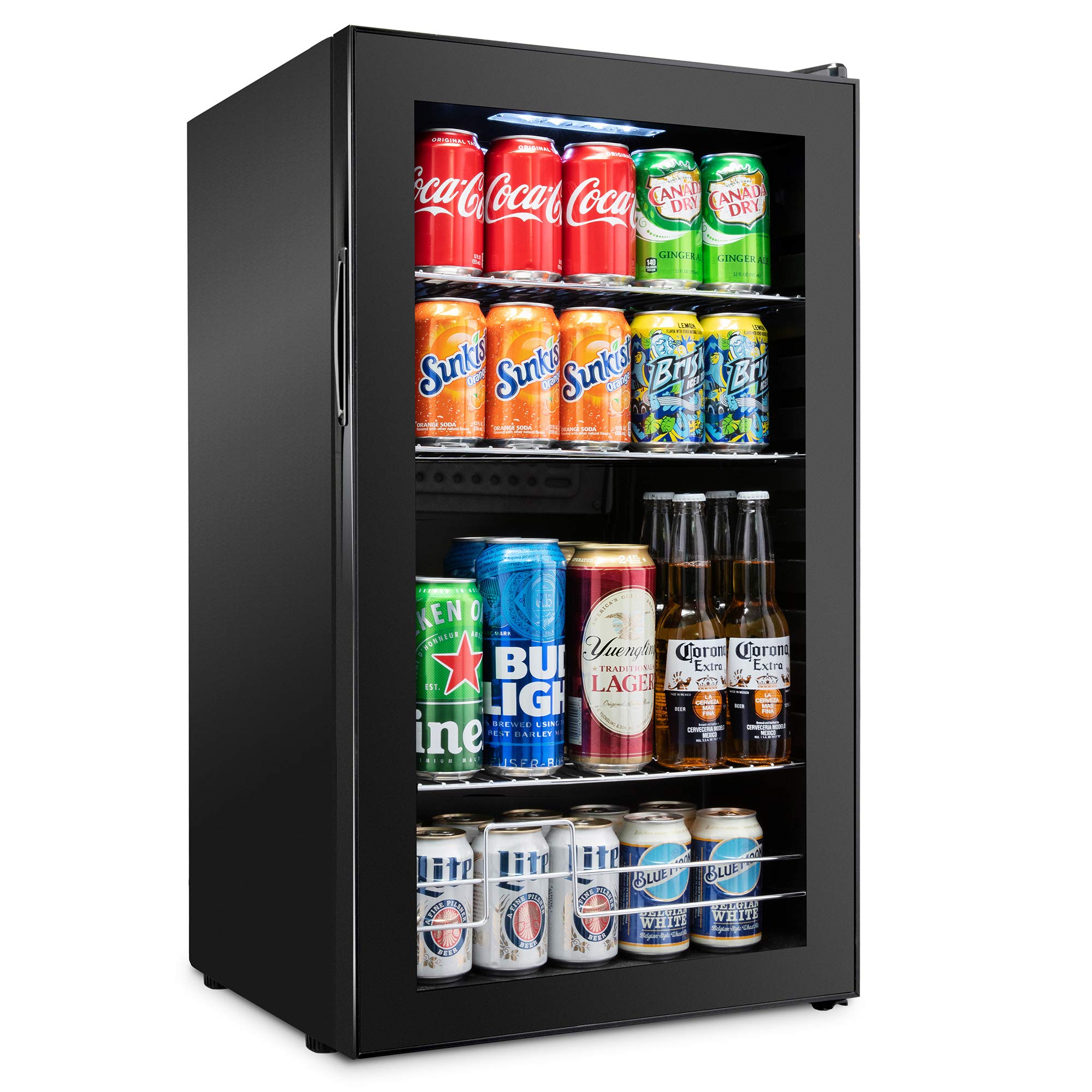
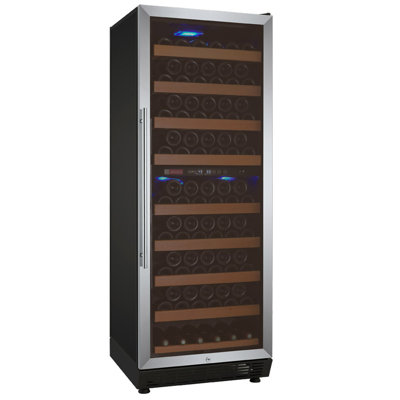
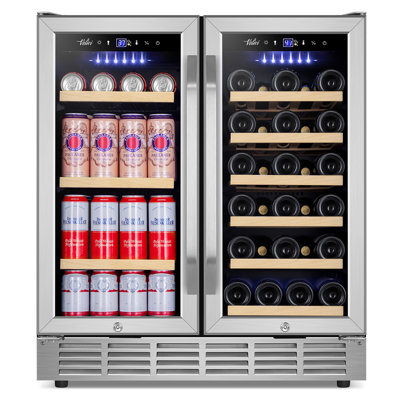
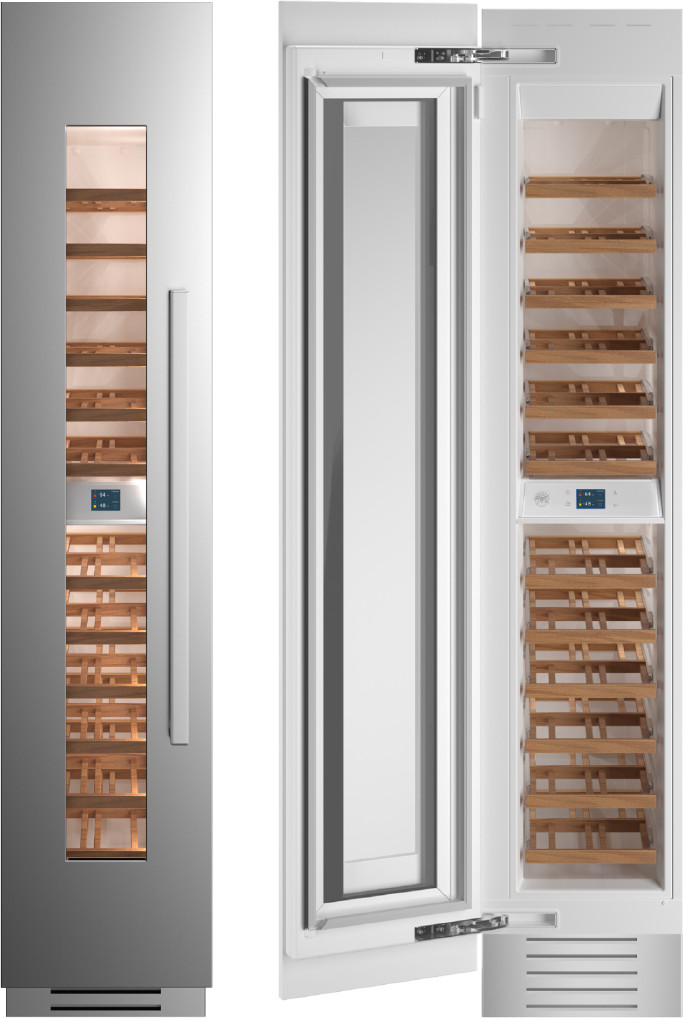
The temperature range of 45-65°F spans the ideal storage (55°F) and serving temperatures for all wine types — from sparkling and light whites at 45°F to full-bodied reds at 65°F.
It dedicates 100% of its interior volume to refrigeration at 35-42°F — the temperature range recommended by the FDA for safe perishable food storage.
Wine stored at 37°F (upright refrigerator temperature) suffers — reds taste thin and harsh as cold suppresses aromatic compounds and tightens tannins.
Fresh food stored at 55°F (wine cooler temperature) enters the bacterial danger zone — meat, dairy, seafood, and cut produce spoil rapidly at temperatures above 40°F.
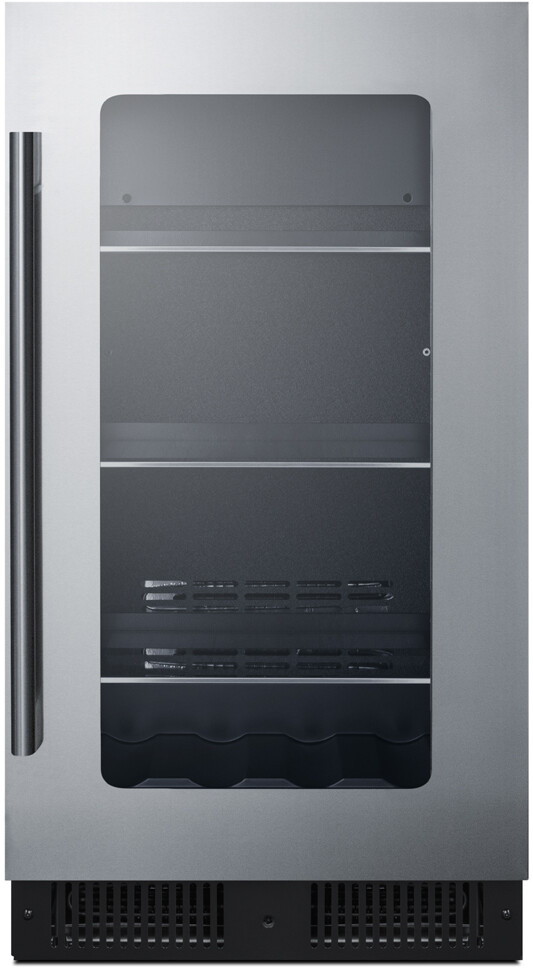
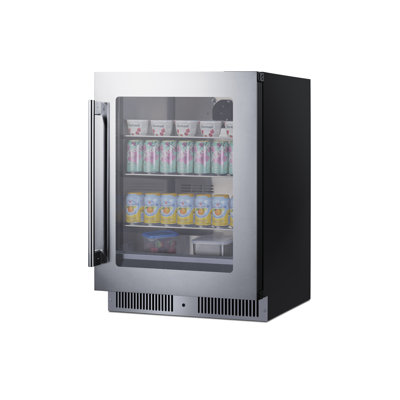
A wine cooler and an upright refrigerator are both tall, front-opening cooling appliances, but they are designed for entirely different contents at entirely different temperatures. A wine cooler maintains 45-65°F with wine-specific preservation features — horizontal bottle racks, UV-tinted glass, vibration dampening, and humidity-friendly operation — engineered to store and serve wine at ideal conditions. An upright refrigerator (also called an all-fridge or freezerless refrigerator) maintains 35-42°F with standard fresh food features — adjustable shelves, crisper drawers, and door bins — designed to store the full range of perishable foods without any freezer compartment. This guide covers every specification so you choose the right tall cooling appliance for your needs.
Purpose and Design
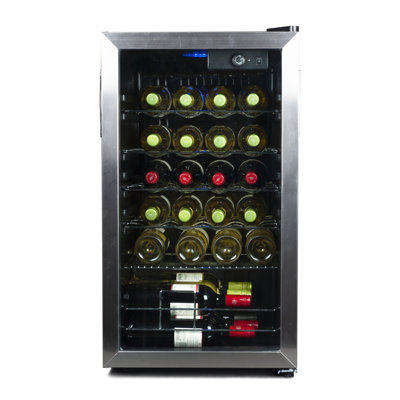
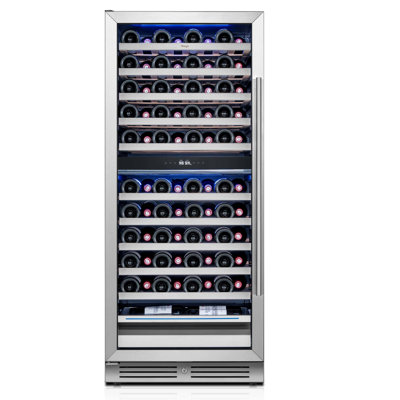
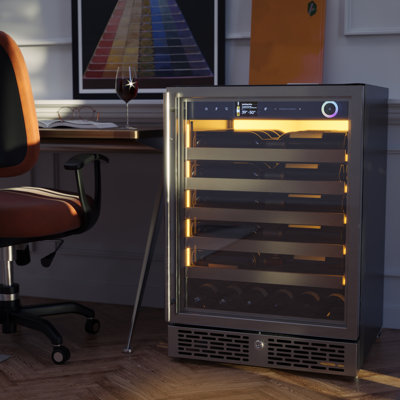
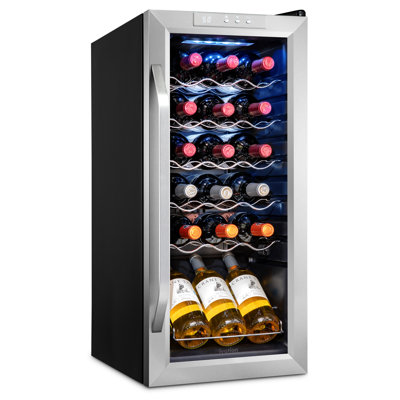
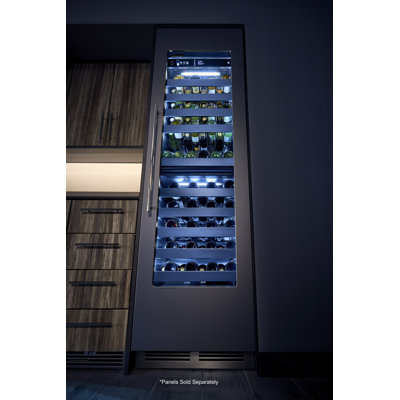
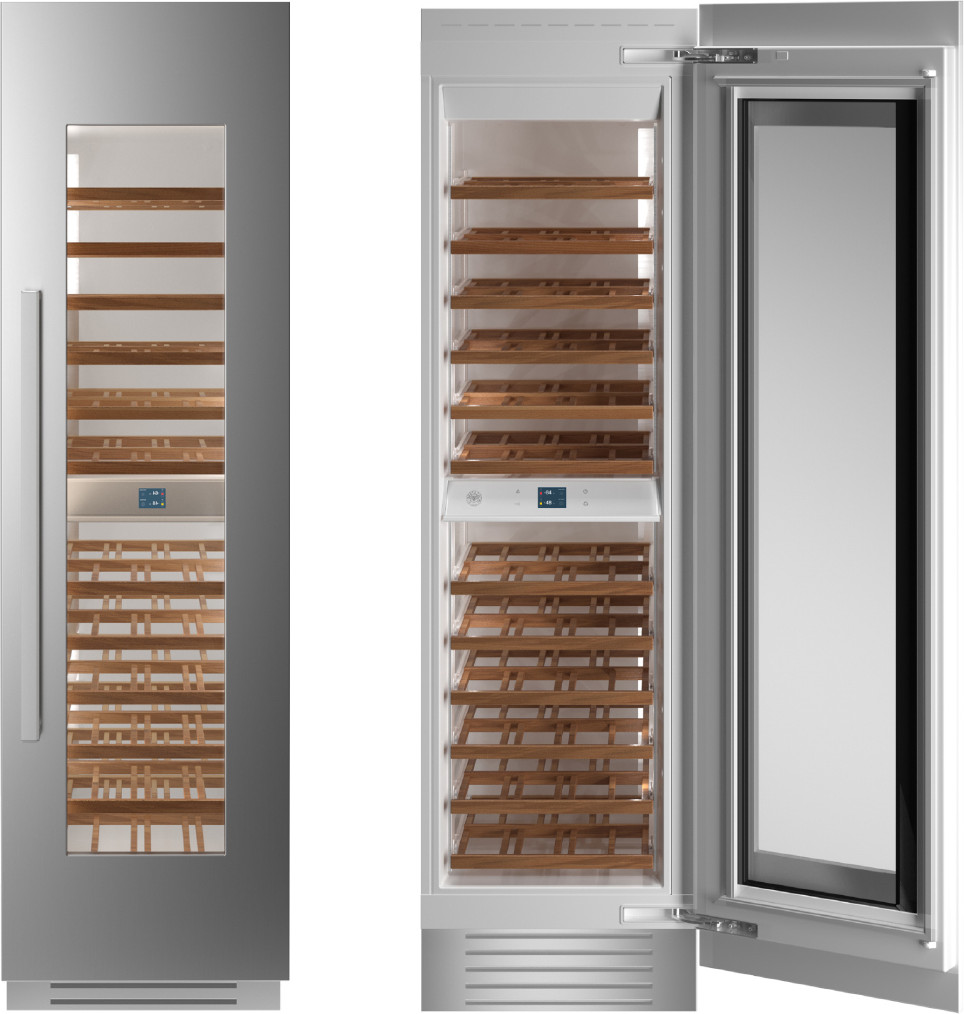
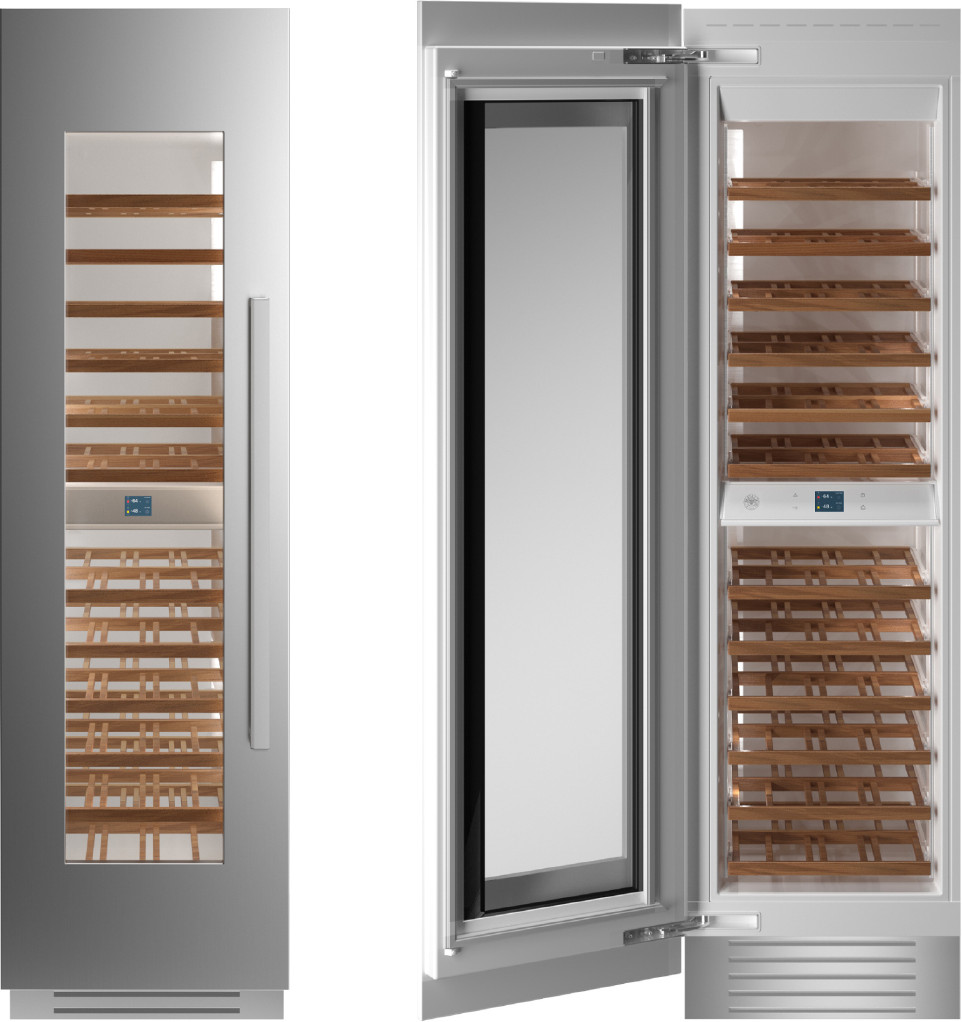
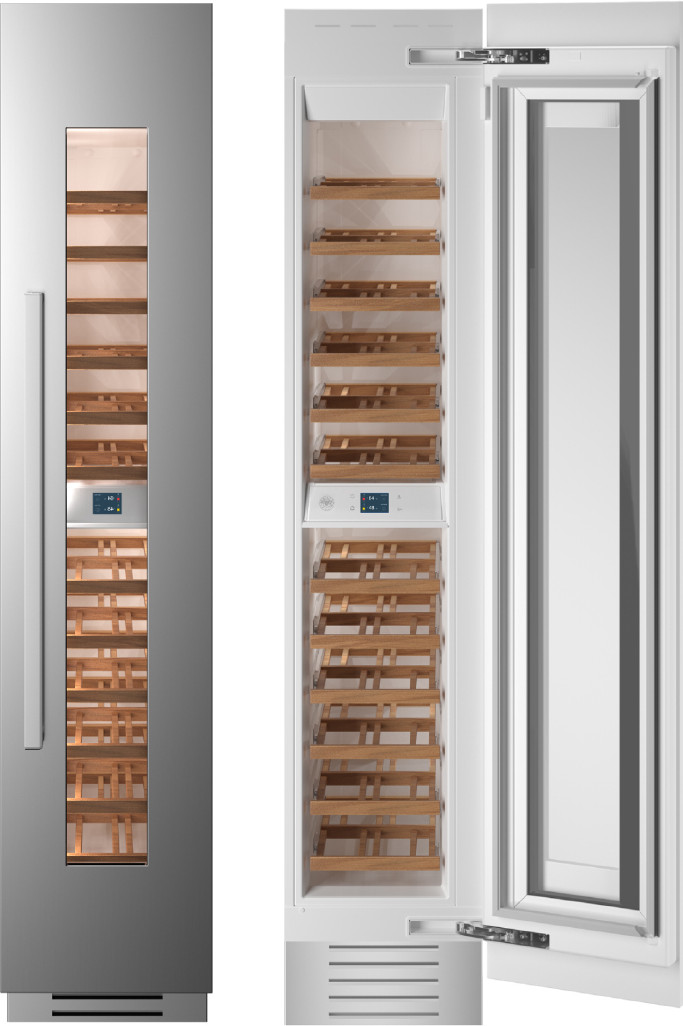
A wine cooler is a single-purpose preservation appliance. Every component serves wine. Horizontal wooden racks cradle bottles on their sides to keep natural corks moist and sealed — a dry cork shrinks, admits air, and oxidizes the wine. UV-tinted double-pane glass blocks ultraviolet light that degrades tannins, pigments, and aromatics. Vibration-dampened compressor mounts and rubber-isolated shelving prevent the physical disturbance that can harm sediment in aging wines. The temperature range of 45-65°F spans the ideal storage (55°F) and serving temperatures for all wine types — from sparkling and light whites at 45°F to full-bodied reds at 65°F.
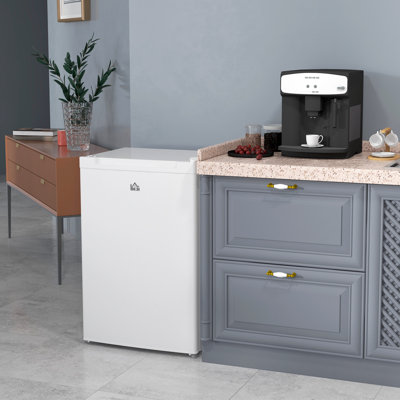
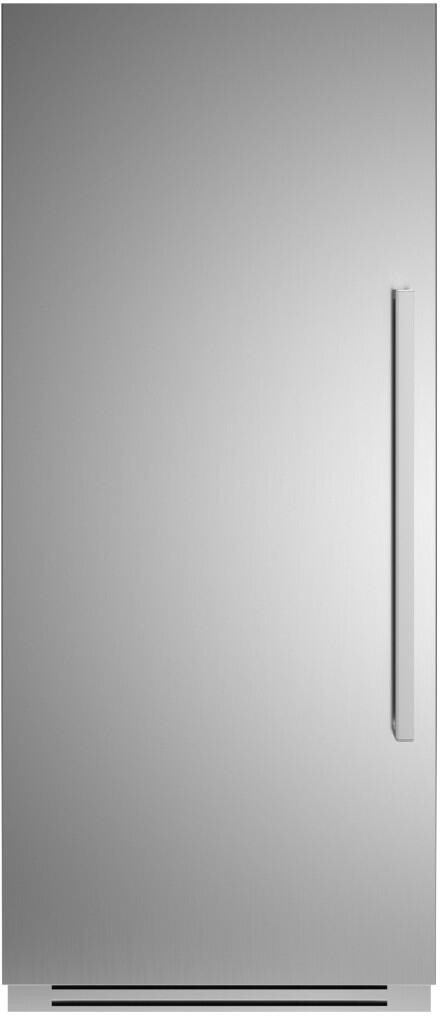
An upright refrigerator is a general-purpose fresh food appliance. It dedicates 100% of its interior volume to refrigeration at 35-42°F — the temperature range recommended by the FDA for safe perishable food storage. By eliminating the freezer compartment found in standard combo units, it maximizes fresh food capacity. A 30-inch upright refrigerator provides 17 to 21 cubic feet of shelving, drawers, and bins for produce, dairy, meats, beverages, condiments, and leftovers. The upright refrigerator is a household workhorse that stores whatever needs cold storage.
Temperature Comparison
Appliance
Temperature Range
Contents
Storage Duration
Wine Cooler
45-65°F
Wine bottles exclusively
Weeks to years
Upright Refrigerator
35-42°F
All fresh foods and beverages
Days to 2 weeks
The temperature gap creates real consequences. Wine stored at 37°F (upright refrigerator temperature) suffers — reds taste thin and harsh as cold suppresses aromatic compounds and tightens tannins. Whites are slightly overcooled, losing nuance. The low humidity in a refrigerator (30-40% RH) dries out natural corks within weeks, leading to oxidation that ruins the wine. Fresh food stored at 55°F (wine cooler temperature) enters the bacterial danger zone — meat, dairy, seafood, and cut produce spoil rapidly at temperatures above 40°F. Neither appliance can safely store the other's intended contents long-term.
A full-height wine cooler holds 100 to 166 bottles — an entire serious collection in one appliance. The horizontal racks cannot accommodate cans, food containers, produce bags, or any non-bottle items. An upright refrigerator holds 17 to 21 cubic feet of virtually anything that needs refrigeration — but wine bottles standing upright on shelves take up significant space and the horizontal orientation wine needs for cork preservation is impossible on flat shelves. If you try to use an upright refrigerator for wine storage, you sacrifice enormous food capacity for a suboptimal wine experience.
Wine coolers use horizontal pull-out racks — wooden or chrome wire with scalloped grooves that hold individual bottles securely on their sides. Ball-bearing glides allow smooth, vibration-free sliding. Dual-zone models separate whites (upper zone, 45-50°F) from reds (lower zone, 55-65°F). Presentation shelves display one or two bottles label-up for easy identification. The interior is purpose-built and inflexible — it stores wine bottles and absolutely nothing else.
Upright refrigerators use adjustable glass or wire shelves, humidity-controlled crisper drawers, temperature-specific deli drawers, and multi-tier door bins. Full-extension shelving pulls completely out for rear-item access. Shelf height adjusts to accommodate tall pitchers, cake boxes, party platters, and oversized containers. The interior adapts to whatever combination of foods and beverages the household needs at any given time — completely flexible but not wine-optimized in any way.
UV Protection and Vibration
Wine coolers include UV-tinted or UV-coated double-pane glass that blocks 95%+ of ultraviolet radiation. Even indirect sunlight or overhead fluorescent lighting degrades wine over weeks of continuous exposure. Vibration-dampened compressor mounts and rubber-isolated shelving prevent physical disturbance that could harm sediment and accelerate undesirable chemical reactions in aging wines. These features add cost but protect the value and quality of every bottle stored.
Upright refrigerators have solid doors (blocking all light — better than glass for UV protection) but no vibration dampening. The compressor runs on standard mounts, and shelving connects rigidly to the cabinet. Vibration from the compressor transmits through the structure to the contents — irrelevant for food but potentially harmful for wine stored over months. If you use an upright refrigerator for occasional wine chilling (a few hours before serving), vibration has zero impact. For wine stored for weeks or months, it becomes a consideration.
Wine coolers consume less energy than upright refrigerators of comparable size because they maintain warmer temperatures. The compressor works significantly less hard to hold 55°F than 37°F. A full-height wine cooler storing 150 bottles uses roughly half the annual energy of a full-height upright refrigerator storing 20 cubic feet of food. The savings amount to $20-$30 per year — modest but cumulative over the appliance's 10-15 year lifespan.
Pricing overlaps significantly at the mid-range. A quality 150-bottle wine cooler and a quality 18-cubic-foot upright refrigerator both cost $1,000-$2,000. At the premium tier, high-end wine coolers from EuroCave, Sub-Zero, and Liebherr reach $5,000-$10,000, while premium column refrigerators from the same brands cost $4,000-$8,000. The price parity reflects comparable build quality and engineering sophistication — these are both serious appliances at the premium level.
Wine coolers operate at 35 to 45 decibels with compressor cooling and 25 to 35 decibels with thermoelectric cooling (small models only). The vibration-dampened mounts reduce both noise and physical vibration. Wine coolers are designed for prominent placement — kitchens, dining rooms, home bars, and wine rooms — where the glass door with LED lighting creates an attractive display.
Upright refrigerators operate at 36 to 44 decibels. Inverter compressor models are quieter at 32 to 38 decibels. The solid door provides better sound insulation than glass, and the appliance's kitchen placement means ambient cooking and conversation noise provides a masking backdrop. Neither appliance type produces problematic noise levels in their intended placement locations.
Maintenance and Lifespan
Wine coolers need annual coil cleaning, gasket inspection, interior wiping, and carbon filter replacement if equipped. Wooden racks should be checked for mold. Compressor models last 10 to 15 years. Premium brands often exceed 15 years. Thermoelectric models last 5 to 10 years before Peltier module degradation requires replacement.
Upright refrigerators need annual coil cleaning, gasket inspection, interior cleaning, and water filter replacement if equipped with a dispenser. The auto-defrost system manages frost automatically. Quality upright refrigerators last 12 to 18 years — among the most durable kitchen appliances. Parts availability is excellent for major brands, making repairs practical throughout the appliance's life.
Wine requires 50-70% relative humidity to keep natural corks moist, elastic, and airtight. Wine coolers maintain moderate humidity naturally because their warmer operating temperature (45-65°F) extracts less moisture from the air during cooling cycles compared to colder appliances. The sealed cabinet with infrequent door opening supports stable humidity levels. Some premium wine coolers include humidity management systems — water trays, carbon filters, or passive humidity regulators — that fine-tune the interior environment for optimal cork preservation over years of storage.
Upright refrigerators running at 35-38°F extract significantly more moisture from the air during each cooling cycle, creating dry interiors at 30-40% relative humidity. This is ideal for food — low humidity prevents condensation and mold growth on produce and packaging. But it is damaging to cork-sealed wine. Within 2 to 4 weeks of storage in a standard refrigerator, natural corks begin to dry out, shrink, and lose their airtight seal. The resulting oxidation changes the wine's color, flattens its fruit flavors, and eventually renders it undrinkable. Screw-top wines are unaffected by humidity because their seals are mechanical rather than organic, but the temperature remains too cold for reds.
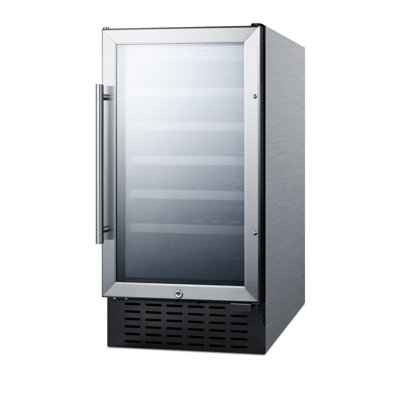
Wine coolers come in freestanding, built-in, and panel-ready configurations. Freestanding models sit against any wall with rear ventilation clearance. Built-in models use front-venting exhaust for flush cabinet installation. Panel-ready models accept custom door panels matching surrounding cabinetry. Wine coolers install in kitchens, dining rooms, home bars, butler's pantries, basements, and dedicated wine rooms. The glass door with LED lighting creates a visual showcase for the collection — many homeowners treat the wine cooler as both a storage appliance and a decorative element.
Upright refrigerators come in freestanding, built-in column, and counter-depth configurations. Freestanding models are the most affordable and versatile. Built-in column models from premium brands install flush with cabinetry at 24-inch widths, creating a seamless wall of refrigeration that can be paired with a matching column freezer. Counter-depth models (24-25 inches deep) sit flush with countertops for a built-in look without the premium price. Upright refrigerators install exclusively in kitchens and adjacent food preparation areas — their solid doors and food-centric design do not lend themselves to decorative placement in entertaining spaces.
Common Mistakes
The most common mistake is storing a wine collection in a kitchen refrigerator long-term. The cold temperature, low humidity, standard compressor vibration, and frequent door openings create a hostile environment for wine. A bottle of white wine chilled for a few hours before dinner suffers no damage. A collection stored in the refrigerator for months experiences degraded corks, muted flavors, and oxidation. If you buy wine more than a week before drinking it, a wine cooler is worth the investment for the quality preservation it provides.
The second common mistake is buying a wine cooler expecting it to function as a food refrigerator. Wine coolers cannot safely store perishable food — the warmest wine cooler temperatures (55-65°F) are well above the FDA's maximum safe storage threshold of 40°F for perishable items. Some people buy wine coolers based on their attractive glass-door appearance and then discover they cannot store food, drinks, or anything other than wine bottles inside. Understand the single-purpose nature of the wine cooler before purchasing — it is not a small refrigerator with a nice door.
Buy a wine cooler if you have a wine collection of 20 or more bottles and want to store and serve wine at proper temperatures. The wine cooler preserves every bottle optimally and displays your collection beautifully. It does not replace a food refrigerator — you still need an upright refrigerator or standard fridge for food. The wine cooler is an addition to your kitchen cooling, not a substitute.
Buy an upright refrigerator if you need maximum fresh food storage without a freezer compartment. Pair it with a standalone freezer for a complete kitchen cooling system that provides more total capacity than any combination refrigerator-freezer. The upright refrigerator handles all of your household's daily fresh food needs in one tall, organized appliance.
Compare prices on Fridge.com
Browse wine coolers and upright refrigerators. Filter by capacity, temperature zones, dimensions, and price to find the right tall cooling appliance for your wine collection or food storage needs.
Frequently Asked Questions
At 35-38°F — too cold. Lacks humidity and vibration control. Wine degrades within weeks. Use a wine cooler at 45-65°F for proper preservation. Compare at Fridge.com.
Free tool
Food Storage Calculator
Free interactive tool from Fridge.com — get a quick answer while you read.