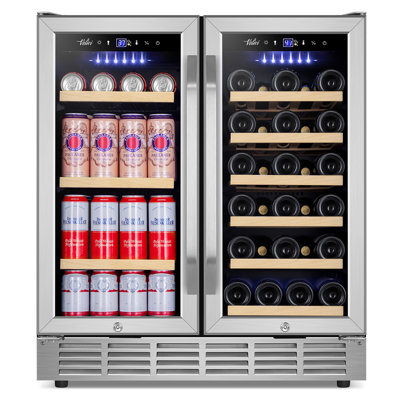
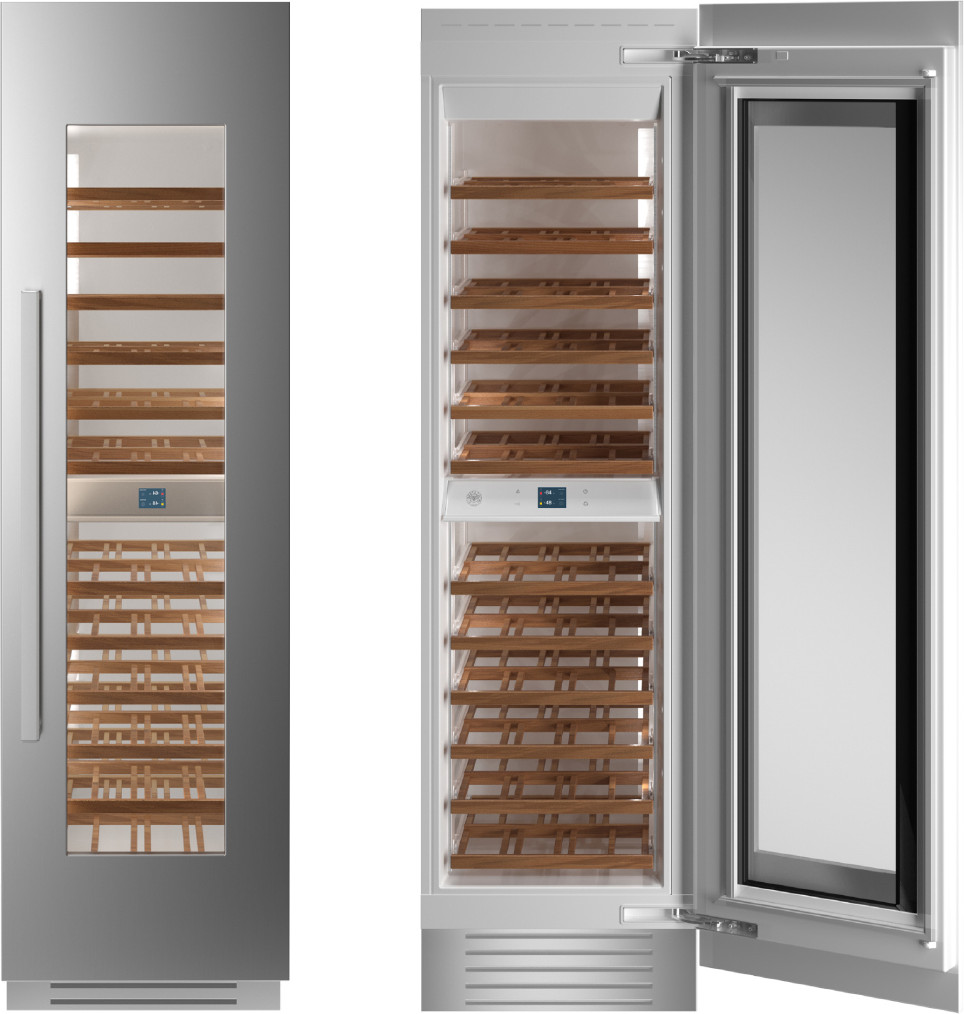
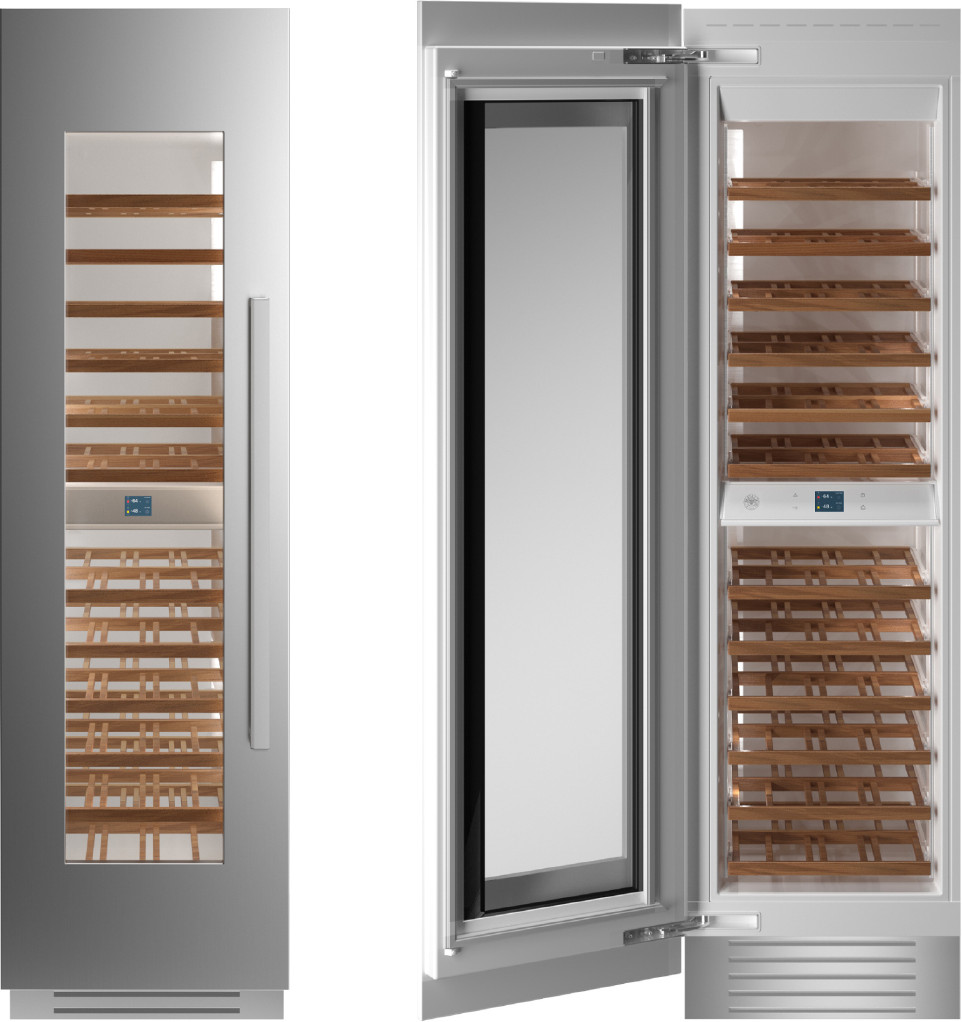
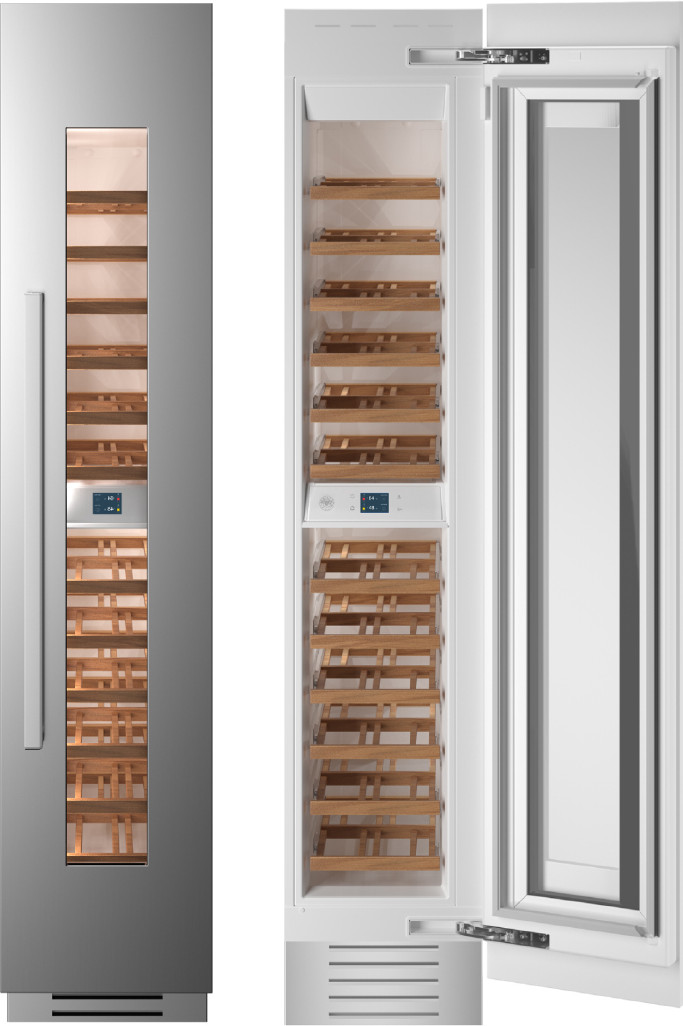
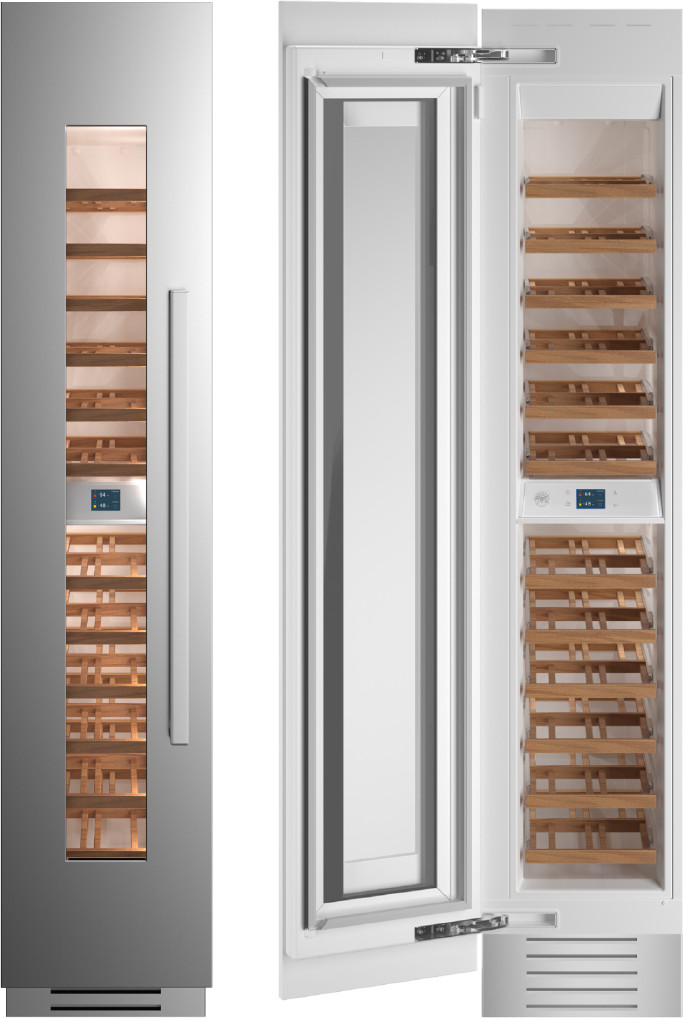
A wine cooler maintains 45-65°F with vibration dampening, UV-tinted glass, and horizontal bottle racks — designed exclusively for indoor wine preservation.
Temperature controls maintain 45-65°F — the full spectrum needed for every wine style.
Compressors are rated for ambient temperatures ranging from 35°F to 110°F, allowing the unit to function through summer heat waves and mild winter conditions without cycling failures.
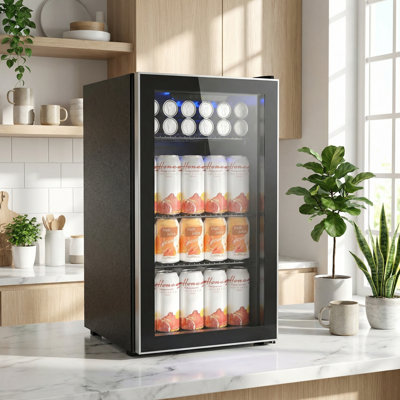
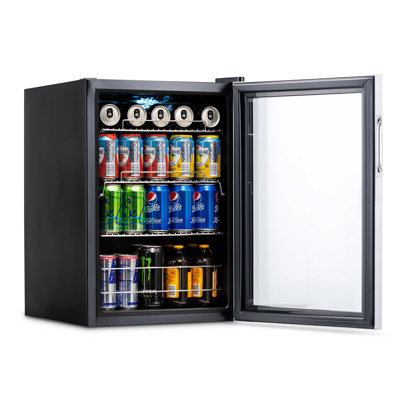
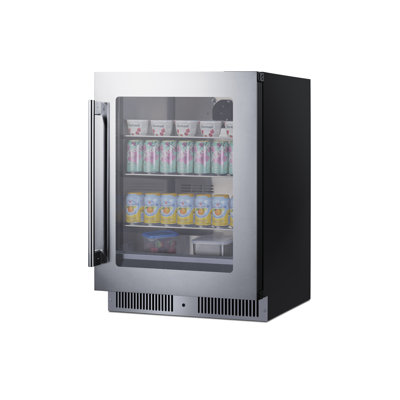
The interior maintains standard refrigeration at 34-42°F with adjustable shelves and door bins designed for cans, bottles, food containers, and party platters.
A wine cooler and an outdoor refrigerator are both specialty cooling appliances, but they are engineered for completely different environments and contents. A wine cooler maintains 45-65°F with vibration dampening, UV-tinted glass, and horizontal bottle racks — designed exclusively for indoor wine preservation. An outdoor refrigerator maintains 34-42°F with weather-rated stainless steel construction, sealed electrical components, and reinforced hinges — built to withstand rain, humidity, temperature extremes, and direct sunlight on patios, decks, and outdoor kitchens. This guide covers every specification so you can choose the right appliance for your indoor collection, outdoor entertaining space, or both.
What Is a Wine Cooler?
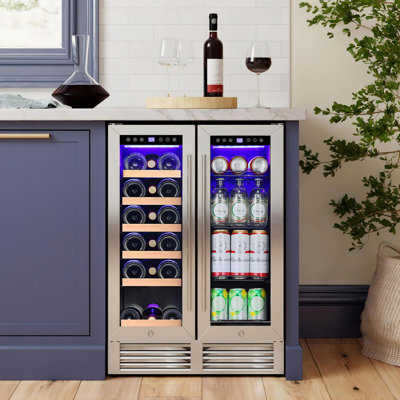
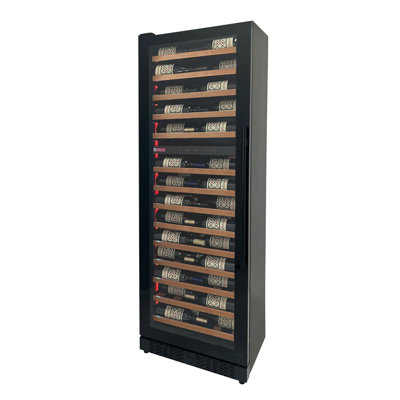
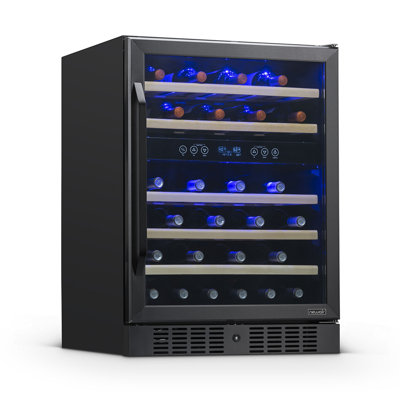
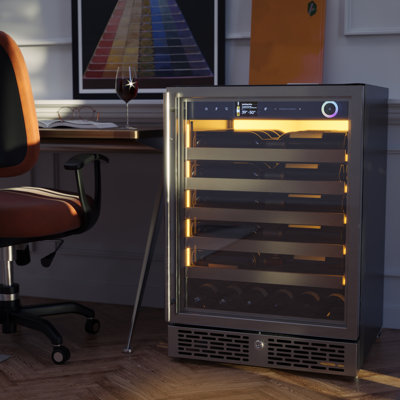
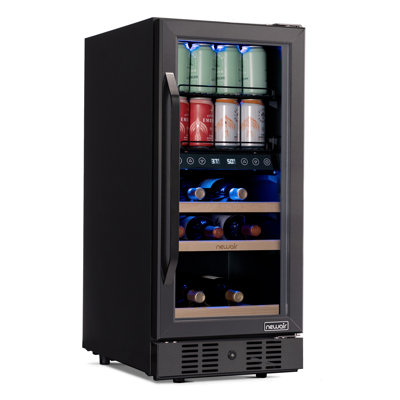
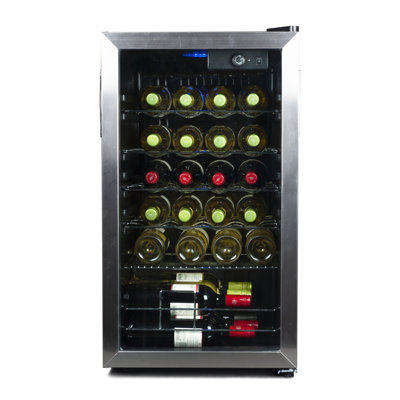
A wine cooler is a specialized indoor appliance that stores wine at precise preservation temperatures. The interior features horizontal pull-out racks with scalloped grooves that hold bottles on their sides, maintaining constant cork contact with wine to prevent drying and oxidation. UV-tinted double-pane glass blocks ultraviolet light that degrades tannins and aromatic compounds. Vibration-dampened compressor mounts isolate the cabinet from physical disturbance that can unsettle sediment in aging wines and trigger unwanted chemical reactions.
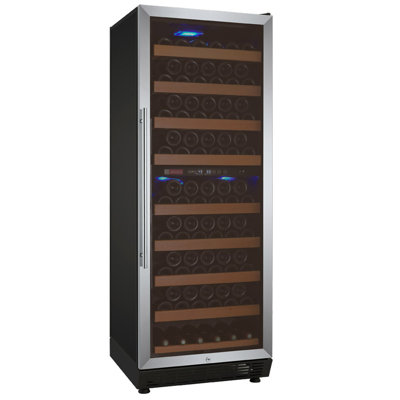
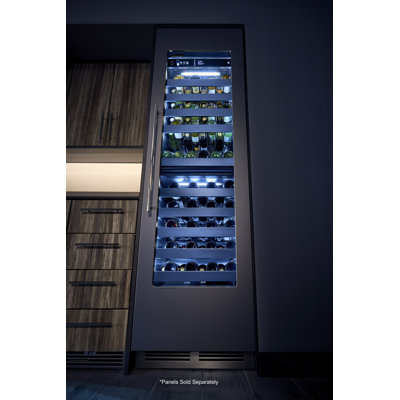
Temperature controls maintain 45-65°F — the full spectrum needed for every wine style. Dual-zone models split the cabinet into two independently controlled compartments for simultaneous white and red storage. Wine coolers come in countertop, undercounter, freestanding, and full-height column formats, holding from 6 bottles in a compact countertop unit to over 200 bottles in a floor-to-ceiling column. The wine cooler is an indoor appliance — standard models lack the weatherproofing, drainage, and sealed electronics needed for outdoor installation, and exposing them to rain, direct sunlight, or temperature swings outside the 50-95°F ambient range voids most warranties and risks electrical failure.
What Is an Outdoor Refrigerator?
An outdoor refrigerator is a general-purpose cooling appliance engineered specifically for installation in uncovered or partially covered outdoor spaces. The exterior uses marine-grade 304 stainless steel that resists rust, salt air corrosion, and UV degradation. Electrical components are sealed against moisture intrusion. Compressors are rated for ambient temperatures ranging from 35°F to 110°F, allowing the unit to function through summer heat waves and mild winter conditions without cycling failures. Reinforced door hinges withstand wind gusts, and self-closing mechanisms prevent doors from staying open in breezy conditions.
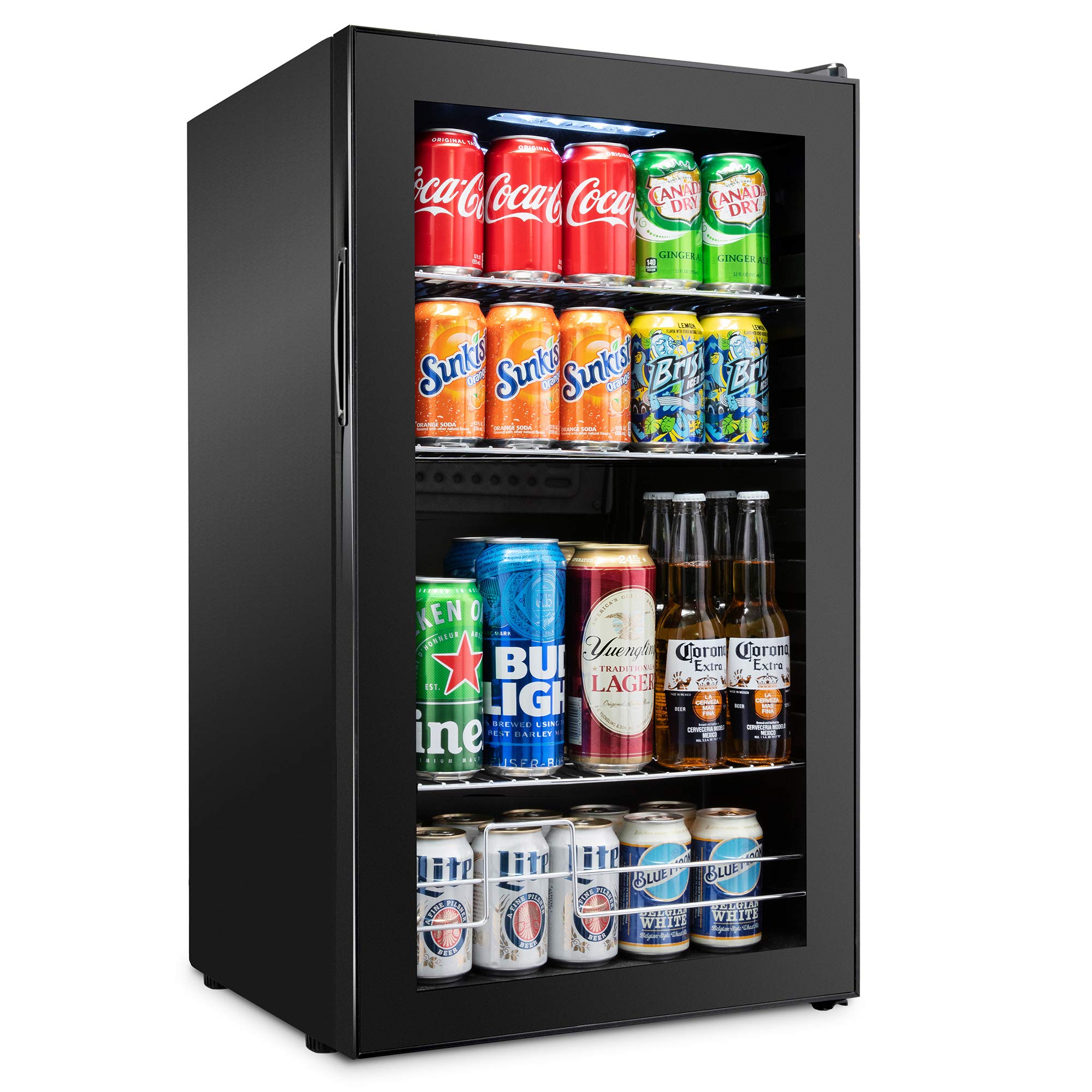
The interior maintains standard refrigeration at 34-42°F with adjustable shelves and door bins designed for cans, bottles, food containers, and party platters. Outdoor refrigerators typically offer 3 to 7 cubic feet of storage in undercounter formats that fit standard 24-inch outdoor kitchen cabinet openings. The focus is on rugged, weather-resistant daily use — keeping beverages cold for pool parties, storing grilling ingredients at the barbecue station, and providing cold food access for patio dining without trips back to the indoor kitchen.
The temperature gap is the most critical functional difference. Wine stored in an outdoor refrigerator at 37°F is overcooled by 8-28 degrees depending on the varietal — reds taste thin and astringent, whites lose their aromatic complexity, and the low humidity dries out natural corks within weeks. Fresh food and beverages stored in a wine cooler at 55°F sit in the bacterial danger zone, where meat, dairy, and cut produce spoil rapidly above 40°F. Neither appliance can safely or effectively store the other's intended contents.
This is where the outdoor refrigerator's engineering justifies its premium price. Marine-grade 304 stainless steel resists corrosion from rain, pool chemicals, salt air, and cleaning products that would pit and rust standard appliance finishes within a single season. Sealed electrical connections prevent moisture from reaching wiring, control boards, and compressor terminals — critical for safety and longevity in environments where dew, rain, and sprinkler overspray are constant. Compressors rated for 110°F ambient operation maintain consistent interior temperatures even during summer heat waves that would force an indoor-rated compressor to run continuously until it overheats and fails.
Wine coolers built for indoor use have none of these protections. The cabinetry uses standard painted steel or laminate finishes that rust and peel when exposed to outdoor moisture. Electrical components are not sealed against water intrusion. Compressors are calibrated for stable indoor temperatures between 50-95°F and cannot maintain proper operation when ambient conditions fluctuate from freezing winter mornings to scorching summer afternoons. Placing a standard wine cooler outdoors risks electrical hazard, compressor failure, and complete appliance destruction — typically within one to two seasons of exposure.
Wine cooler interiors are built exclusively for horizontal bottle storage. Every rack, groove, and shelf angle serves the single purpose of cradling 750ml bottles on their sides. This rigid layout means the wine cooler cannot accommodate cans, food containers, platters, or any non-bottle item. Outdoor refrigerator interiors use adjustable wire shelves, door bins, and open compartments that handle any combination of cans, bottles, food containers, and party platters with complete flexibility. The outdoor fridge is built for versatile everyday use; the wine cooler is built for purpose-specific wine preservation.
Energy Consumption
Appliance
Annual kWh
Annual Cost
Wine Cooler (46-bottle undercounter)
100-250 kWh
$13-$32
Outdoor Refrigerator (5.5 cu ft)
300-500 kWh
$39-$65
Outdoor refrigerators consume more energy than wine coolers for two compounding reasons. First, they maintain colder temperatures — 37°F versus 55°F — requiring more compressor work per cooling cycle. Second, outdoor ambient conditions force the compressor to work harder to overcome heat gain from direct sunlight, hot pavement radiation, and high ambient air temperatures that would never occur in a climate-controlled indoor kitchen. A wine cooler in an air-conditioned room at 72°F maintains its target temperature with minimal compressor cycling. An outdoor refrigerator in a 100°F patio environment runs nearly continuously to hold 37°F against a 63-degree temperature differential. This hard duty cycle increases both energy consumption and long-term compressor wear.
Wine coolers prioritize quiet operation because they install in living spaces where noise matters. Compressor models run at 35-42 decibels — barely audible in a kitchen or dining room. Thermoelectric models achieve 25-35 decibels with zero vibration. Outdoor refrigerators operate at 40-50 decibels, which is louder but less noticeable because outdoor ambient noise from wind, traffic, conversations, and music masks appliance sounds. The outdoor environment's higher ambient noise floor means compressor noise that would be objectionable indoors goes unnoticed on a patio or deck.
Outdoor refrigerators cost more than comparably sized wine coolers at every price tier because the weather-resistant construction — marine-grade stainless steel, sealed electronics, high-ambient compressors, and reinforced hinges — adds significant manufacturing cost. A mid-range outdoor refrigerator at $1,500 costs roughly the same as a premium undercounter wine cooler. The outdoor fridge's price premium reflects the engineering required to survive years of exposure to rain, sun, heat, cold, and humidity that would destroy a standard indoor appliance.
Installation Differences
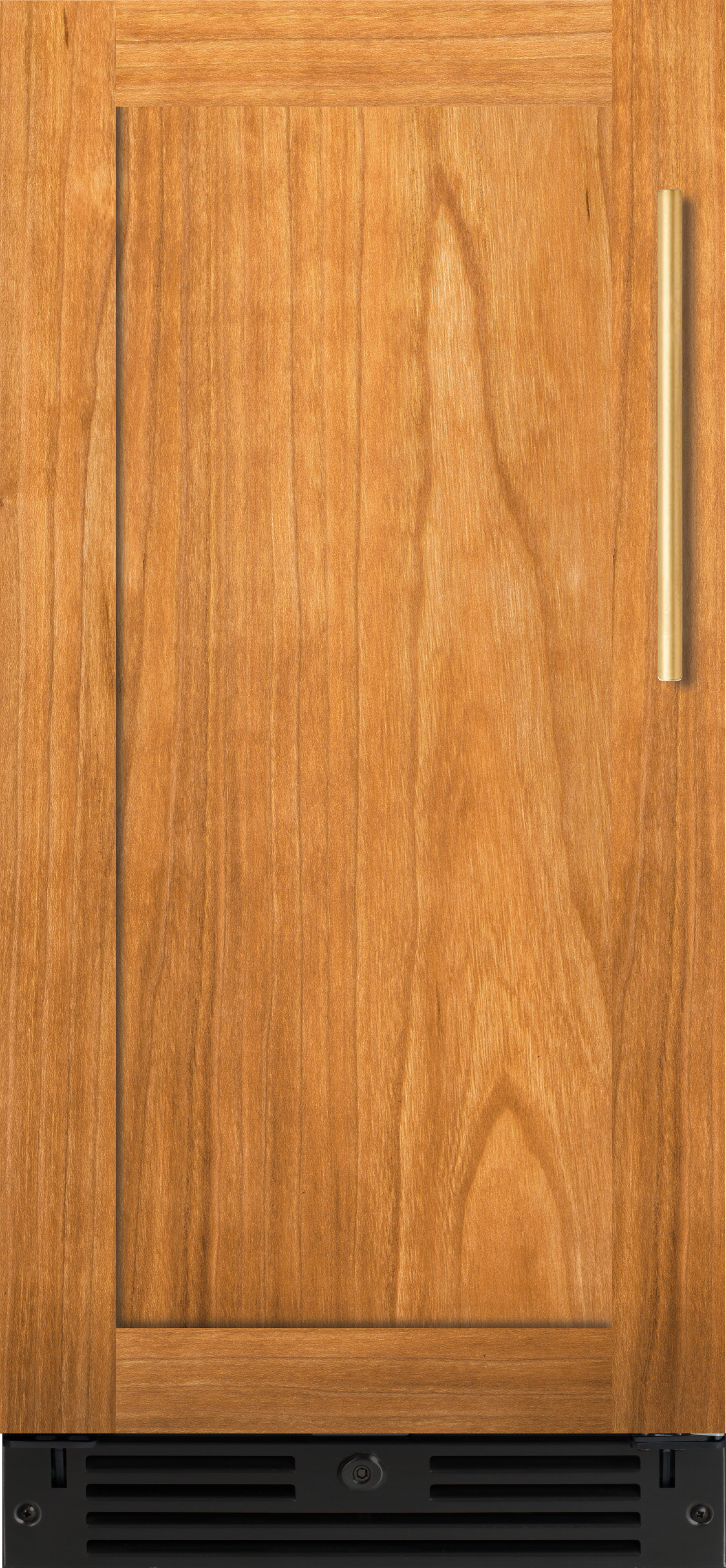
Wine coolers install indoors in climate-controlled spaces — kitchens, dining rooms, butler's pantries, basements, and home bars. Undercounter models fit standard 24-inch cabinet openings with front-venting exhaust for flush installation. No special electrical requirements beyond a standard 15-amp outlet. The controlled indoor environment provides stable ambient temperatures that allow the wine cooler to operate at peak efficiency with minimal compressor stress.
Outdoor refrigerators install in outdoor kitchen islands, bar areas, pool house cabinets, and covered patio stations. They require GFCI-protected outdoor electrical outlets rated for wet locations. Adequate drainage around the installation prevents water pooling during rain. While front-venting models allow flush built-in installation, adequate airflow around the condenser is essential because the outdoor environment provides no air conditioning to reduce ambient heat load. Some installations benefit from partial shade structures that reduce direct sun exposure and lower the compressor's workload during peak afternoon heat.
Wine coolers require minimal indoor maintenance — annual condenser coil cleaning, gasket inspection, and interior wiping. The controlled indoor environment keeps dust accumulation modest and eliminates exposure to corrosive elements. Expected lifespan is 10-15 years with basic care.
Outdoor refrigerators require more frequent and more rigorous maintenance because of environmental exposure. Condenser coils should be cleaned quarterly rather than annually — outdoor dust, pollen, leaves, and insect debris accumulate faster than indoor conditions allow. Stainless steel exteriors need regular cleaning and occasional protective coating application to maintain corrosion resistance, especially in coastal or pool-adjacent installations where salt air and chlorine accelerate surface degradation. Door gaskets degrade faster from UV exposure and temperature cycling, requiring more frequent inspection and replacement. Despite the rugged construction, the harder duty cycle and environmental stress typically reduce outdoor refrigerator lifespan to 8-12 years compared to 10-15 years for an equivalent indoor appliance.
Common Mistakes When Choosing Between These Appliances
The most frequent mistake is placing a standard indoor wine cooler on an outdoor patio. Homeowners assume that because the wine cooler works perfectly in the kitchen, it will perform equally well in a covered outdoor space. It will not. Even a covered patio exposes the appliance to humidity swings, temperature extremes, wind-driven rain, and dust infiltration that no indoor-rated appliance can withstand. Condensation corrodes unsealed electrical connections within months, and compressor failures from heat stress typically follow within one to two seasons. If you want wine storage outdoors, you need a specifically outdoor-rated wine cooler — a niche product that costs $1,000 to $4,000 and combines wine preservation features with weather-resistant construction.
The second common mistake is using an outdoor refrigerator to store wine long-term. The 37°F temperature, low humidity, standard vibration, and lack of UV protection make an outdoor fridge hostile to wine preservation. Bottles stored in an outdoor refrigerator for weeks develop dried corks, muted flavors, and oxidation damage that ruins wines meant for aging. The outdoor fridge is built for beverages and food — use it for beer, soda, water, grilling supplies, and snacks, and keep wine in a proper wine cooler indoors.
A third mistake is underestimating the installation requirements for outdoor refrigerators. Outdoor units need GFCI-protected outlets, adequate drainage, and proper ventilation clearance. Installing an outdoor fridge in a tight, poorly ventilated island cabinet without drainage can trap heat and moisture, shortening compressor life significantly and creating potential electrical hazards during heavy rain events.
Who Should Buy Which
Buy a wine cooler if your primary goal is preserving a wine collection at proper temperatures indoors. The wine cooler provides the specialized temperature, humidity, vibration, and UV controls that wine requires for short-term serving readiness and long-term aging. It belongs inside your home where climate control supports optimal performance.
Buy an outdoor refrigerator if you need weather-resistant cold storage for food and beverages in an outdoor entertaining space. The outdoor fridge keeps drinks cold at the pool, ingredients fresh at the grill, and snacks accessible on the patio without trips to the indoor kitchen. It is built to survive the elements and serve the practical needs of outdoor living.
For homeowners who entertain both indoors and outdoors, the answer is both appliances serving their respective environments. The wine cooler stores and serves the collection inside the home. The outdoor refrigerator handles patio entertaining supplies outside. When serving wine outdoors, simply bring bottles from the indoor wine cooler to the patio 20-30 minutes before serving and use an insulated carrier or ice bucket to maintain temperature.
Compare prices on Fridge.com
Browse wine coolers and outdoor refrigerators. Filter by capacity, weather rating, temperature zones, dimensions, and price to find the right cooling solution for your indoor and outdoor spaces.
Frequently Asked Questions
Not standard models — most wine coolers are indoor-only. Rain, UV, and temperature extremes damage components. Some outdoor-rated wine coolers exist at premium prices. Browse at Fridge.com.
Free tool
Wine Refrigerator Calculator
Free interactive tool from Fridge.com — get a quick answer while you read.