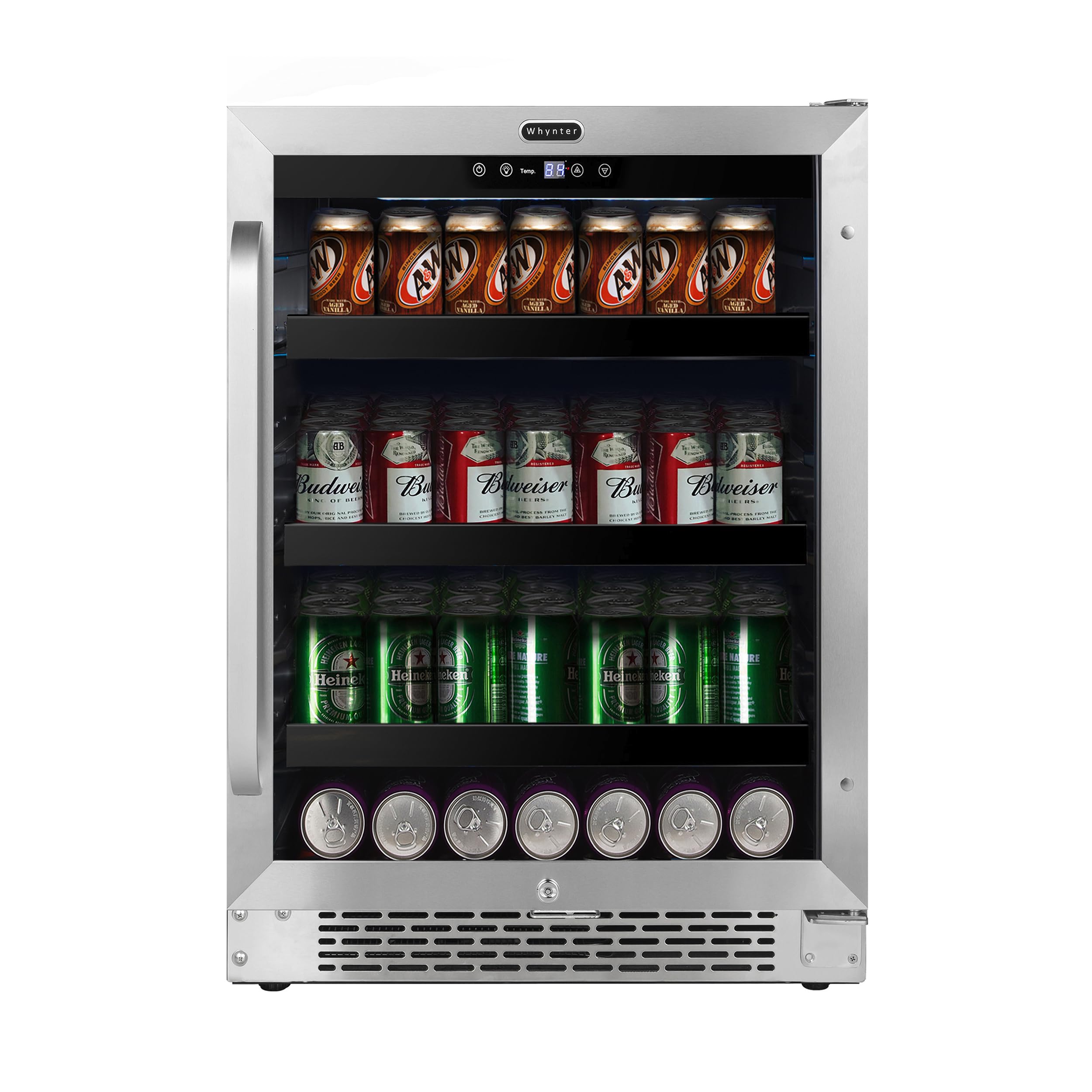
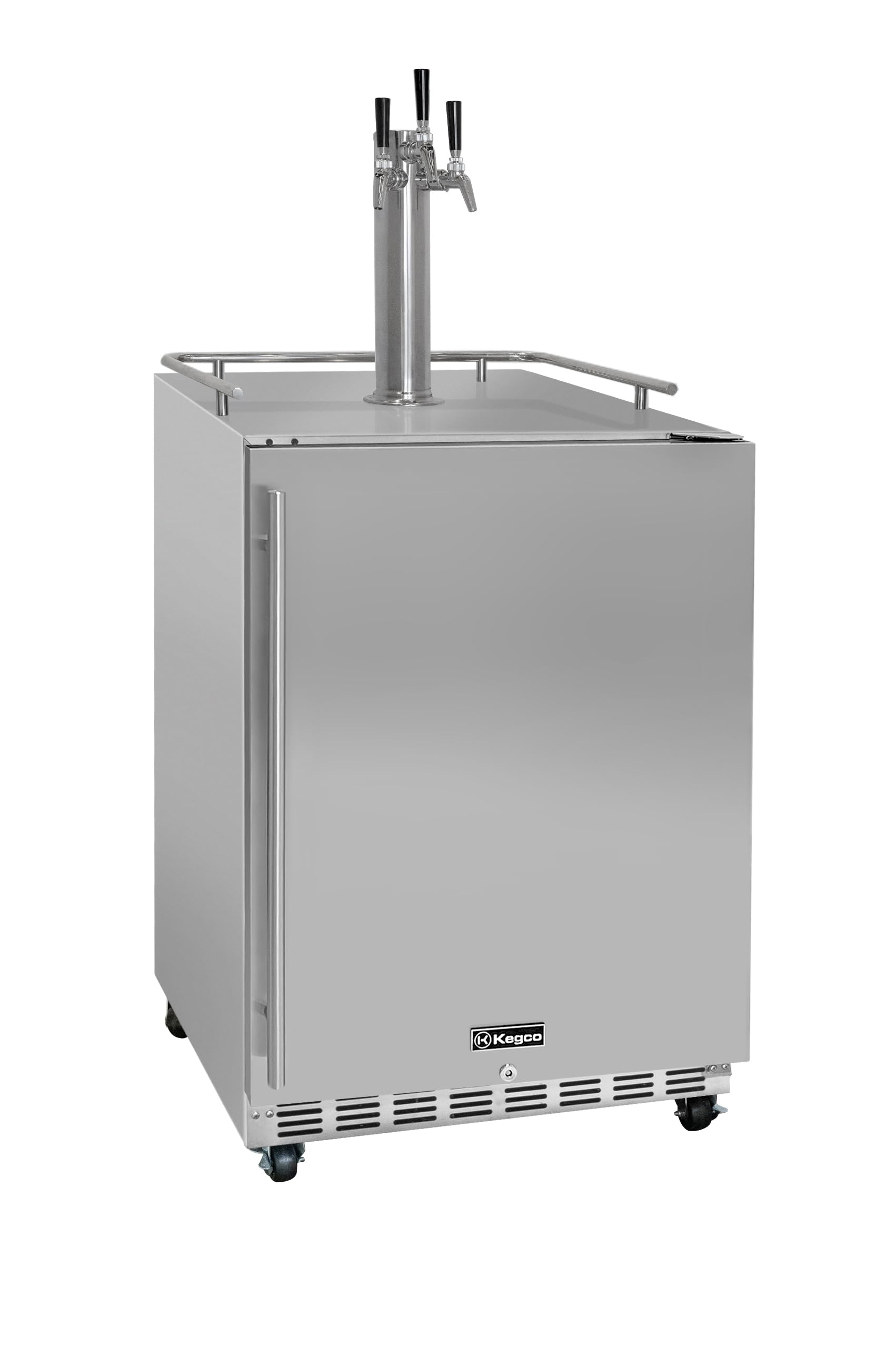
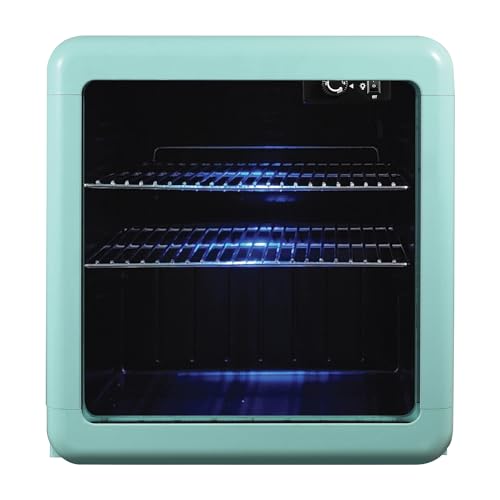
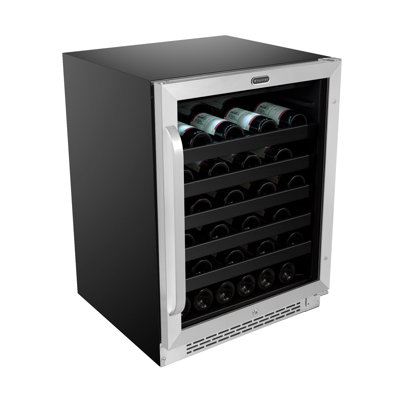
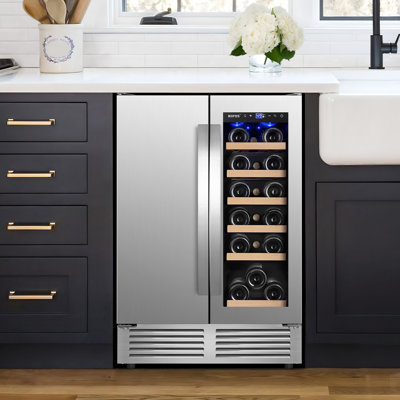
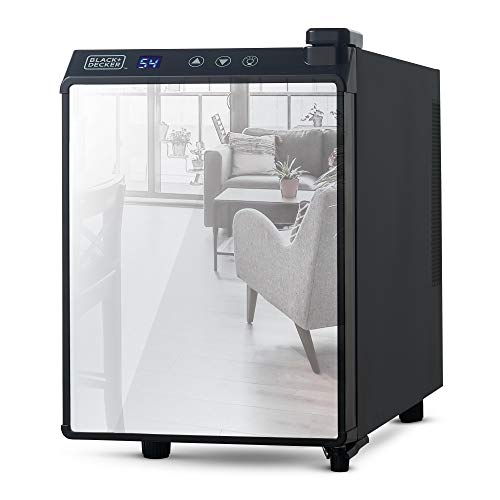
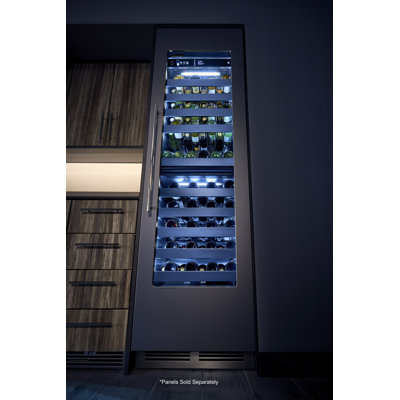
Frozen food held at wine cooler temperature (55°F) thaws within hours and enters the bacterial danger zone of 40–140°F, where pathogens multiply rapidly.
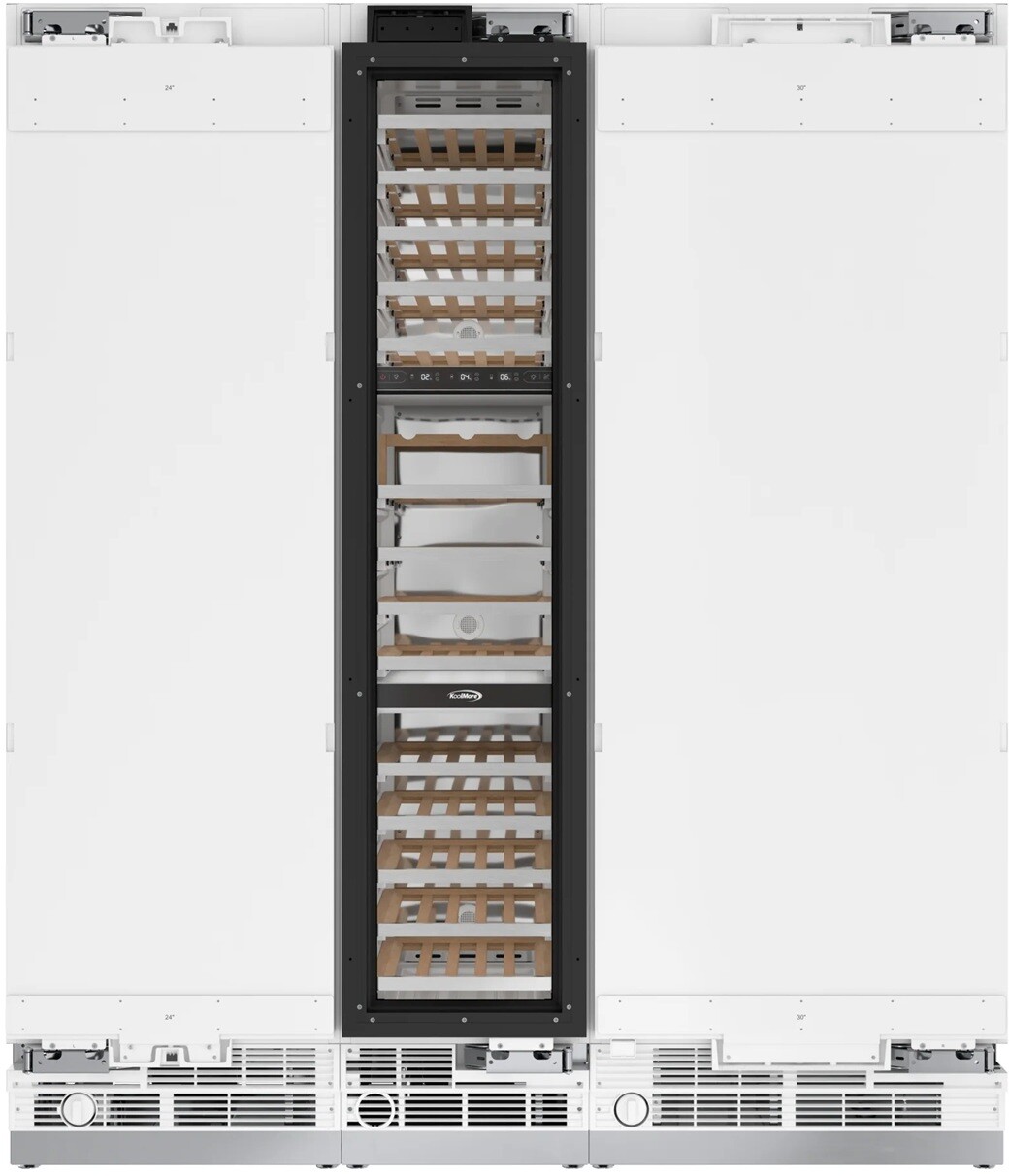
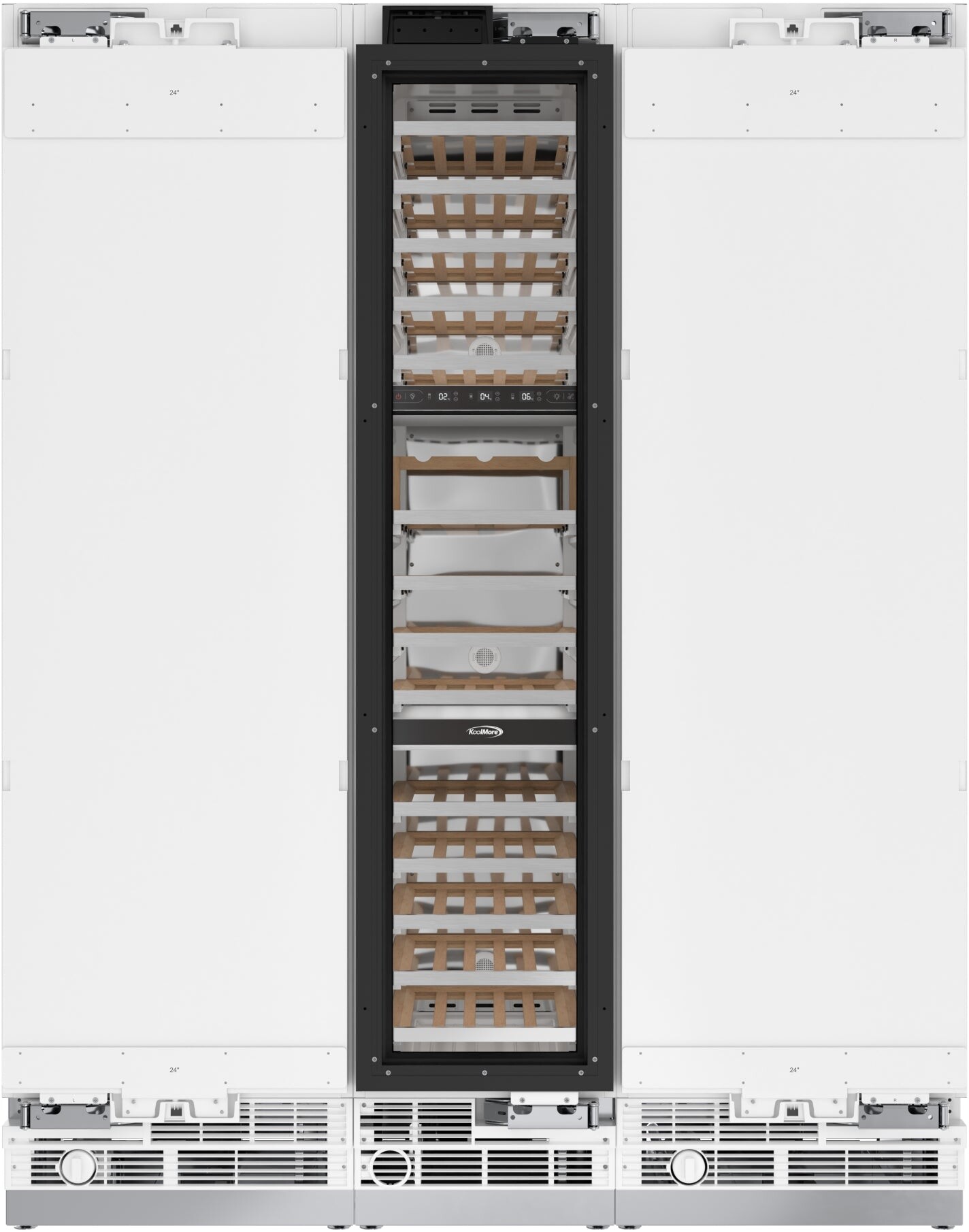
At the premium end, large dual-zone built-in wine coolers reach $3,000–$5,000, a tier mini freezers never approach.
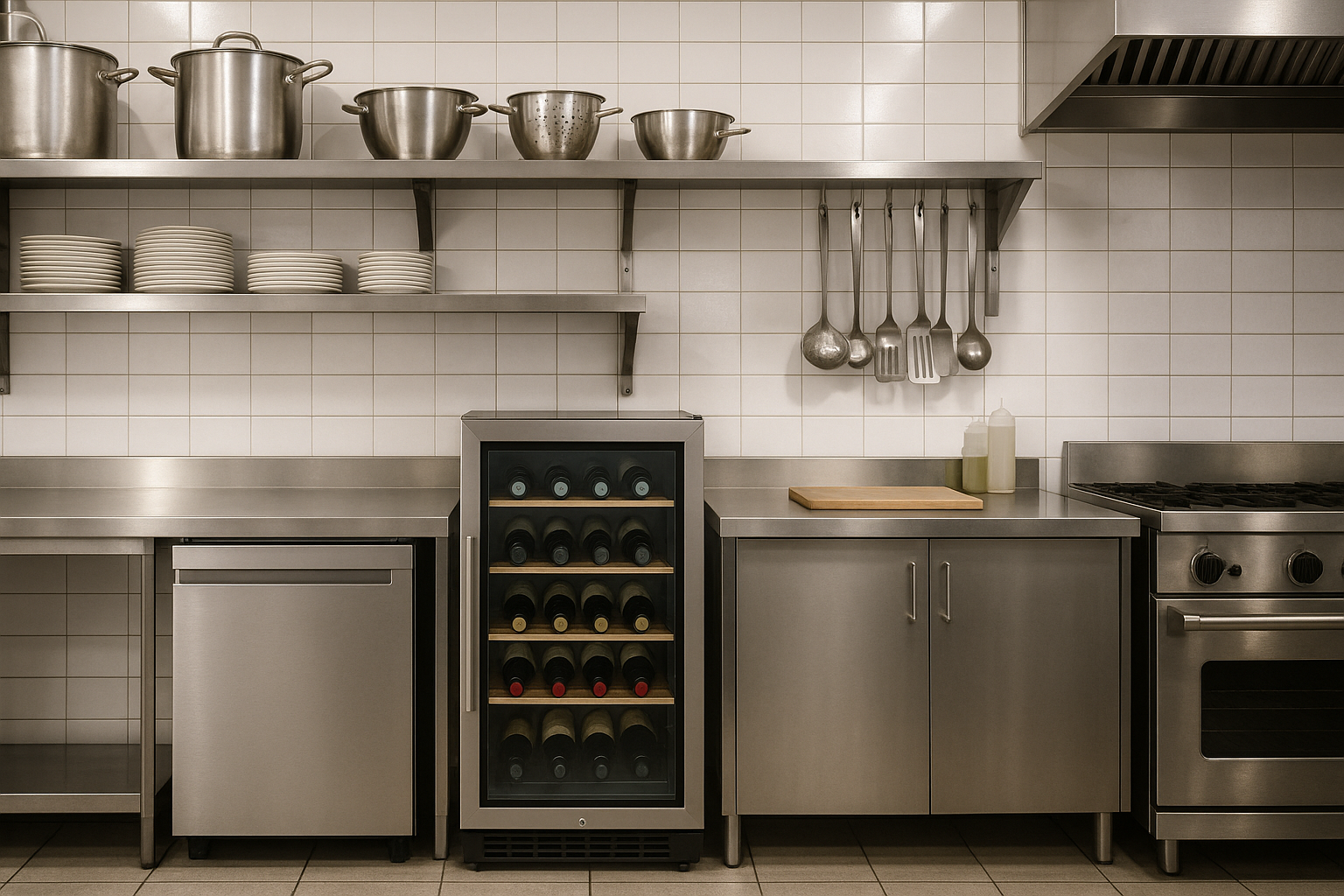
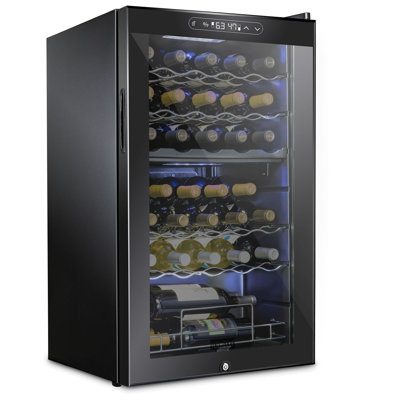
A wine cooler is built to preserve wine quality with steady temperatures (typically within ±2°F of the set point), humidity control, UV protection, and low vibration.
Home Use: Even a small 12-bottle cooler holds every bottle at ideal serving temperature — noticeably better than wine pulled from a kitchen fridge (too cold) or pantry shelf (too warm).
A mini freezer keeps food frozen at 0°F or below, while a wine cooler holds bottles at 45–65°F — a gap of 45 to 65 degrees that makes the two appliances completely non-interchangeable despite their similar compact footprints. A mini freezer is built for long-term frozen food storage: at 0°F bacterial growth stops and food remains safe indefinitely, though quality degrades over months. A wine cooler is built to preserve wine quality with steady temperatures (typically within ±2°F of the set point), humidity control, UV protection, and low vibration. This guide compares temperature ranges, capacity, energy use, noise, pricing, and maintenance so you can choose the right unit.
Mini Freezer Vs. Wine Cooler
Understanding the Purpose of Mini Freezers and Wine Coolers
Mini Freezers: Mini freezers maintain a consistent temperature of 0°F or below to keep meats, vegetables, and prepared meals frozen for extended periods. They supplement your kitchen freezer when you buy meat in bulk, store frozen meal prep, keep ice cream, preserve garden harvests, or hold ice bags for entertaining. Learn more about how long can you freeze bacon in the freezer.
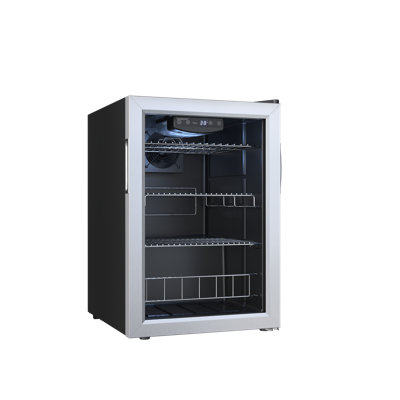
Wine Coolers: Wine coolers store wine at 45–65°F in a controlled environment with minimal temperature fluctuation, preserving the wine's quality and flavor whether you are aging bottles or serving them within weeks of purchase. Every design element serves preservation: horizontal shelving keeps corks moist, UV-tinted glass blocks light damage, and low-vibration cooling prevents sediment disturbance. For more details, check out Fridge.com article on what temperature should wine be stored.
Factors to Consider Before Choosing Between a Mini Freezer and a Wine Cooler
Storage Needs: If you require additional space for frozen foods, a mini freezer is the right choice. If you need to store and chill wine, a wine cooler is more suitable.
Temperature Requirements: Mini freezers hold -10°F to 0°F; wine coolers hold 45–65°F. Neither can do the other's job.
Space and Location: Mini freezers suit utility spaces — kitchens, basements, laundry rooms, and garages. Wine coolers, with glass doors and interior LED lighting, are typically placed where they can be seen: kitchens, dining rooms, home bars, or dedicated wine areas. Learn more about chest freezers for garage.
Energy Efficiency: Mini freezers use more energy because maintaining 0°F requires far more compressor work than maintaining 55°F; wine coolers are generally more energy-efficient at equivalent size.
Maintenance: Manual-defrost mini freezers need periodic defrosting; wine coolers require minimal maintenance beyond cleaning and gasket checks.
Temperature Ranges: Why They Are Not Interchangeable
Wine stored at 0°F freezes solid: the water content expands, potentially cracking the bottle, pushing the cork out under pressure, and destroying the wine's flavor compounds and texture. Even a few hours forgotten in a freezer can cause irreversible damage to delicate wines.
The reverse is a food-safety issue. Frozen food held at wine cooler temperature (55°F) thaws within hours and enters the bacterial danger zone of 40–140°F, where pathogens multiply rapidly. Meat, seafood, dairy, and prepared foods become unsafe to eat after more than two hours in that zone. A wine cooler cannot serve as a food-preservation appliance for perishable items.
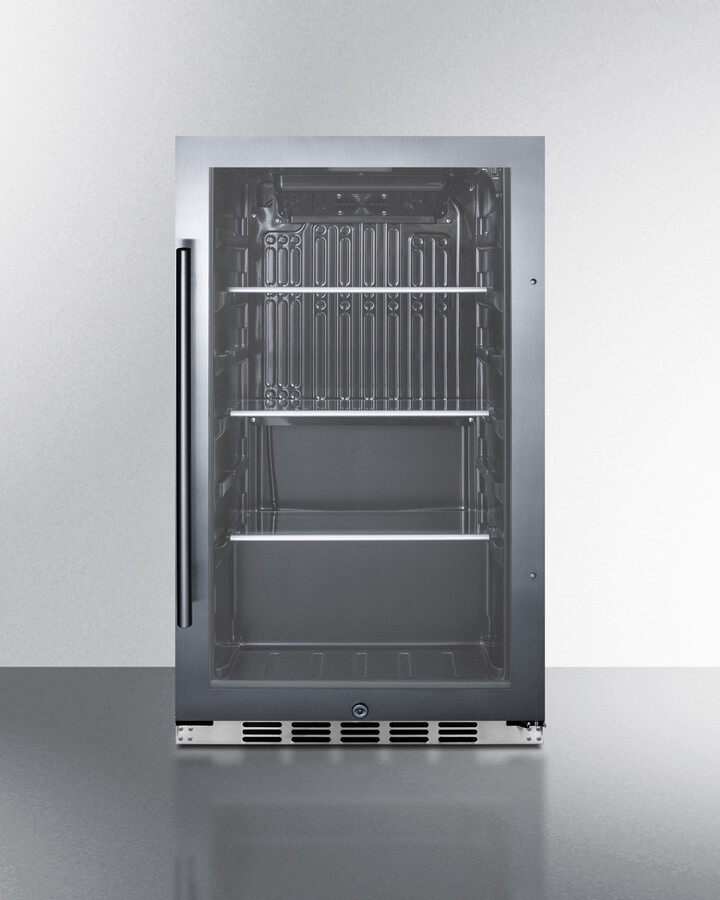
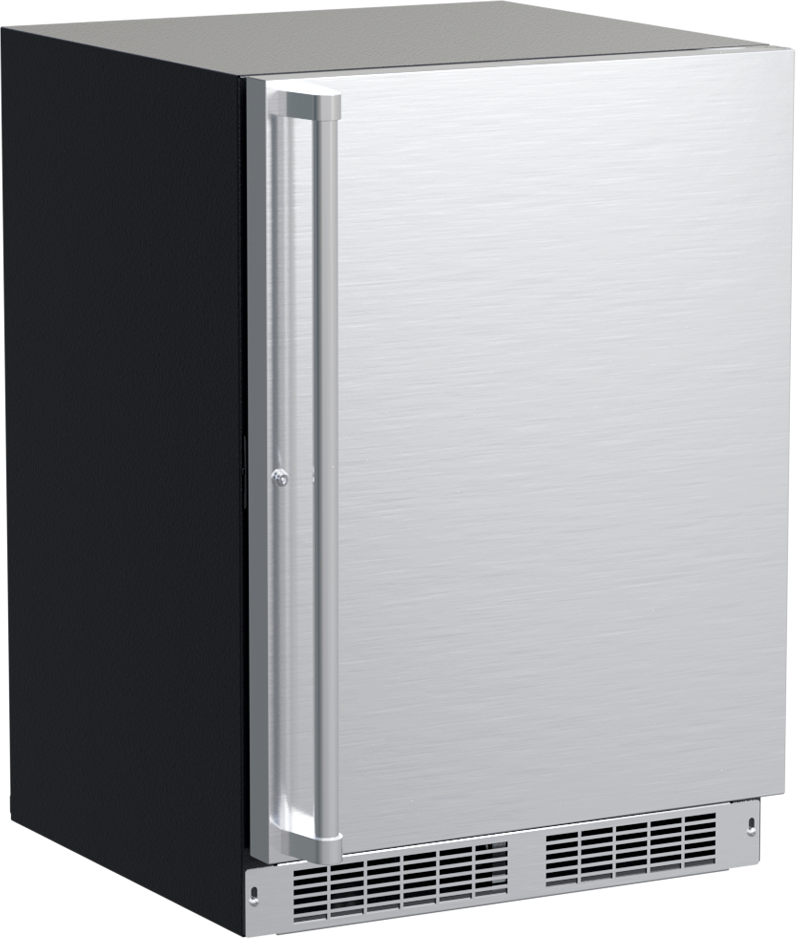
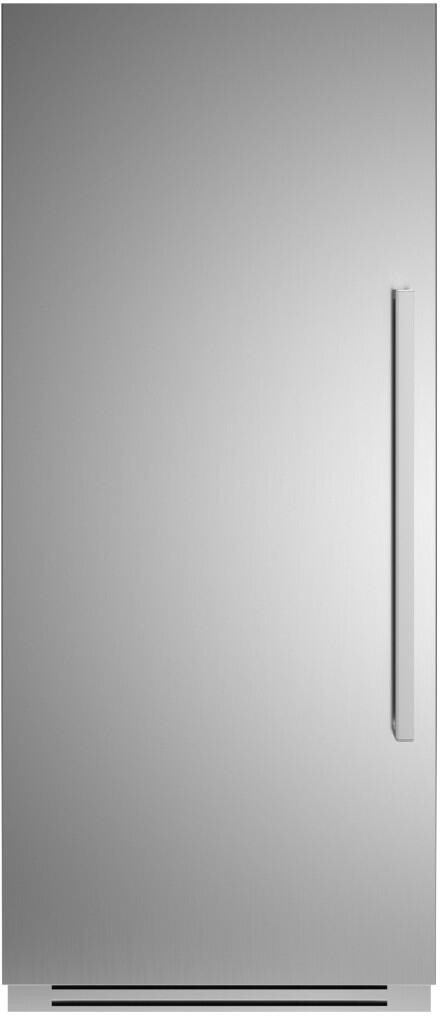
Mini freezers come in two formats: upright models resembling small refrigerators (1.1 to 5.0 cubic feet, holding roughly 40 to 175 pounds of frozen food) and chest-style models with top-opening lids (3.5 to 7.0 cubic feet). Upright models use fixed or adjustable wire shelves — door-shelf models keep every item visible without digging — while chest models use hanging baskets for frequent-access items over bulk storage below. Both use solid, insulated doors, and most offer adjustable temperature settings.
Feature
Benefit
Compact Size
Fits in small spaces
Temperature Control
Optimal freezing for different foods
Versatility
Stores a variety of items
Portability
Easy to move and relocate
Ideal Uses for Mini Freezers
Home Use: Overflow storage for small families, apartments, and condos when the kitchen freezer is full.
Office Use: Frozen lunches and snacks for employees.
Garages and Basements: Bulk meat purchases and garden harvest preservation where kitchen space runs out.
Outdoor Use: Ice cream, frozen treats, and ice near outdoor kitchens or pools.
Mobile Homes and Cabins: Compact frozen storage where floor space is limited.
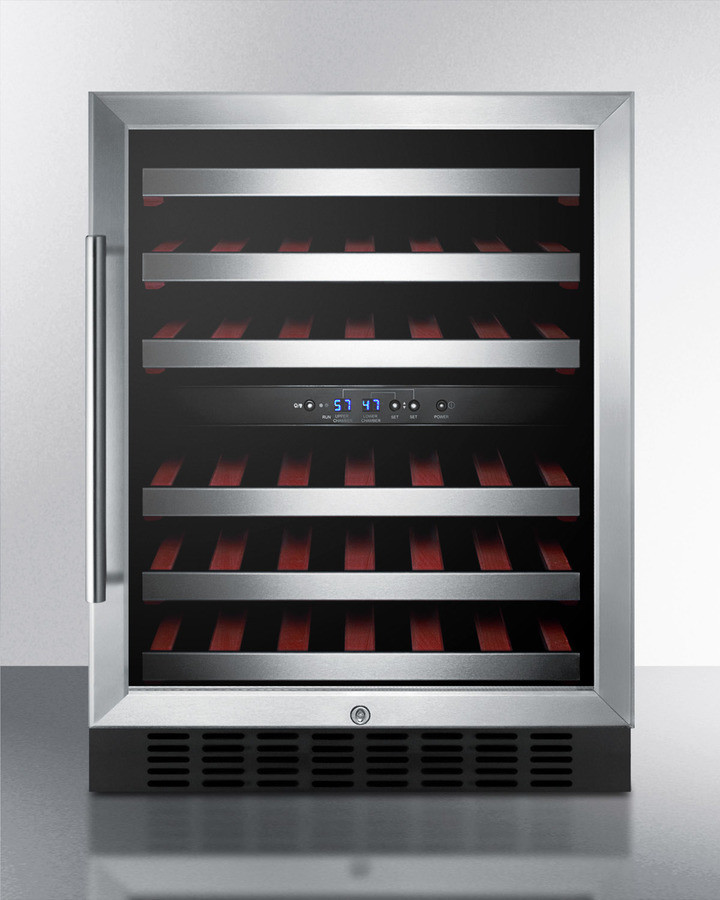
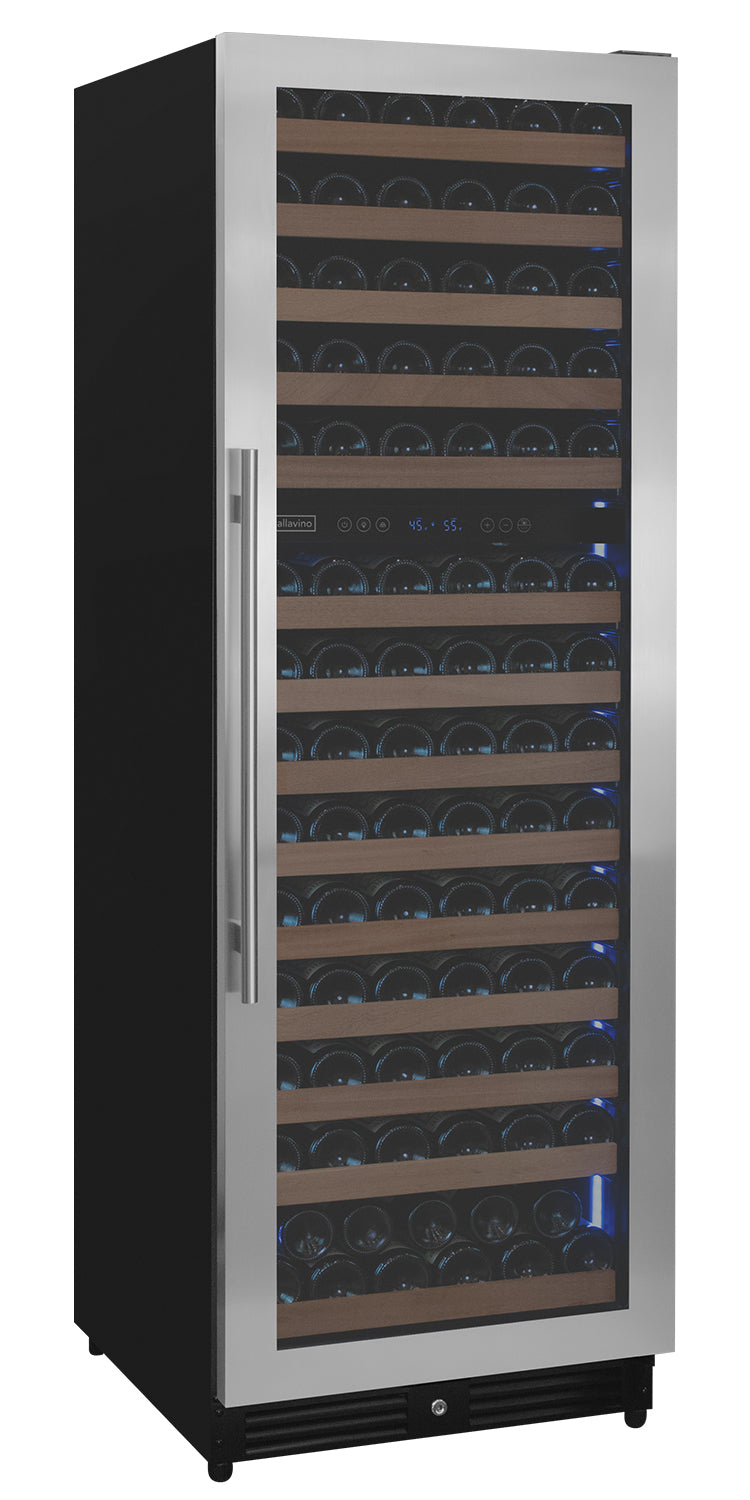
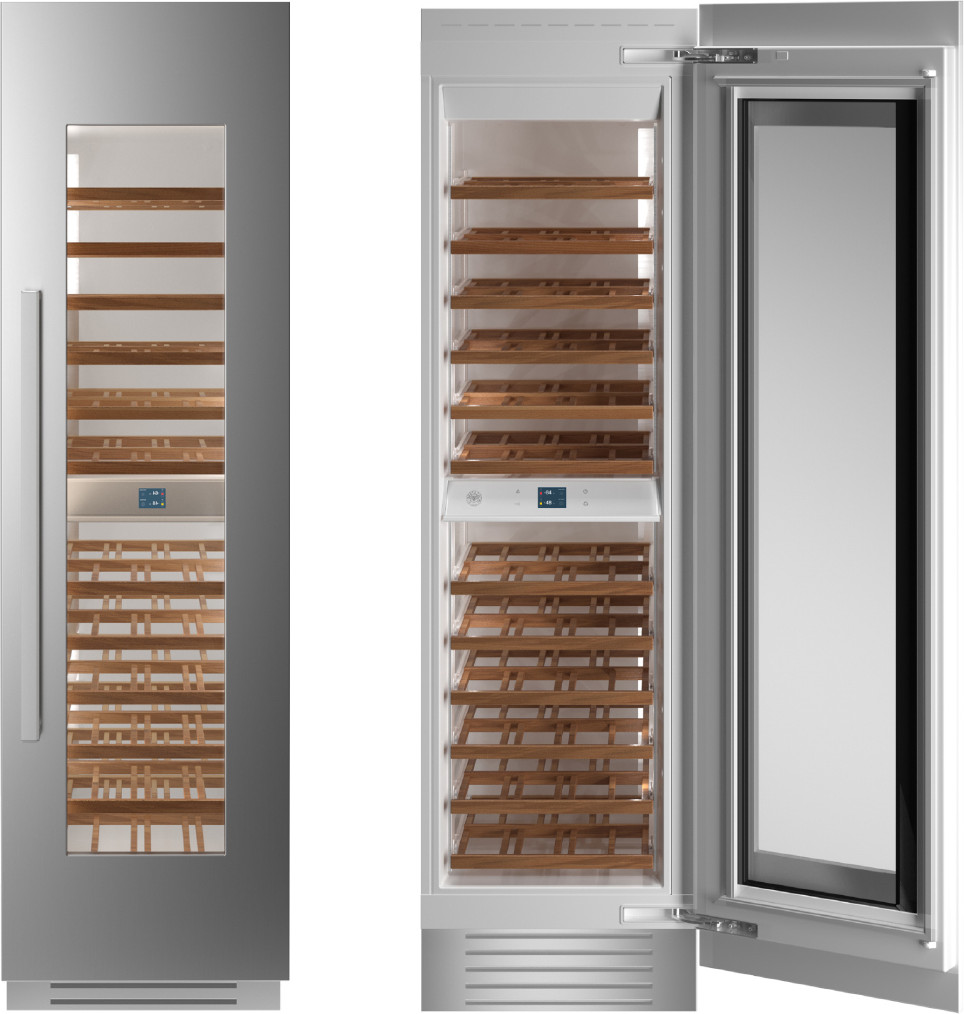
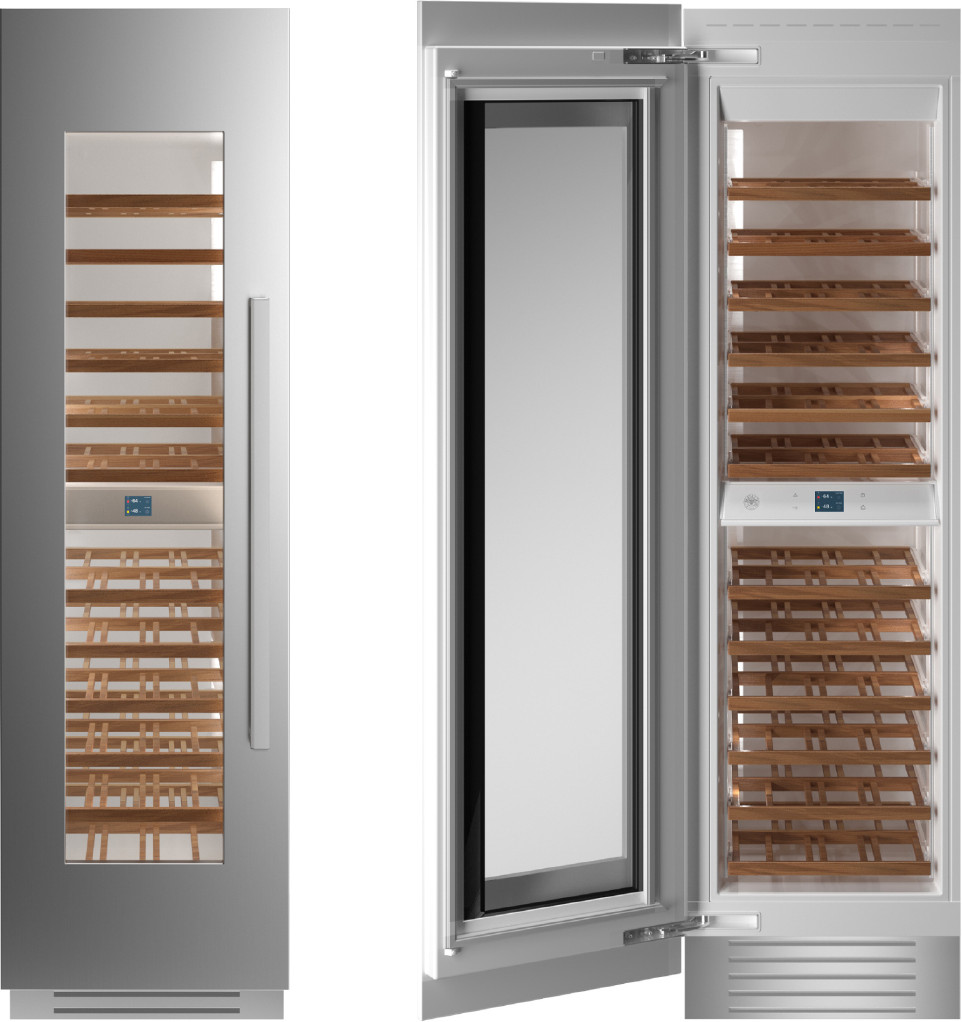
Temperature Control: Precise settings from 45°F to 65°F, held within about ±2°F of the set point. Dual-zone models split the cabinet into two independently controlled compartments — whites at 45–50°F, reds at 55–65°F — in one unit.
Humidity Regulation: Keeps corks from drying out, preventing the oxidation that follows a desiccated cork.
Vibration Reduction: Low-vibration compressors or thermoelectric modules keep sediment undisturbed during aging.
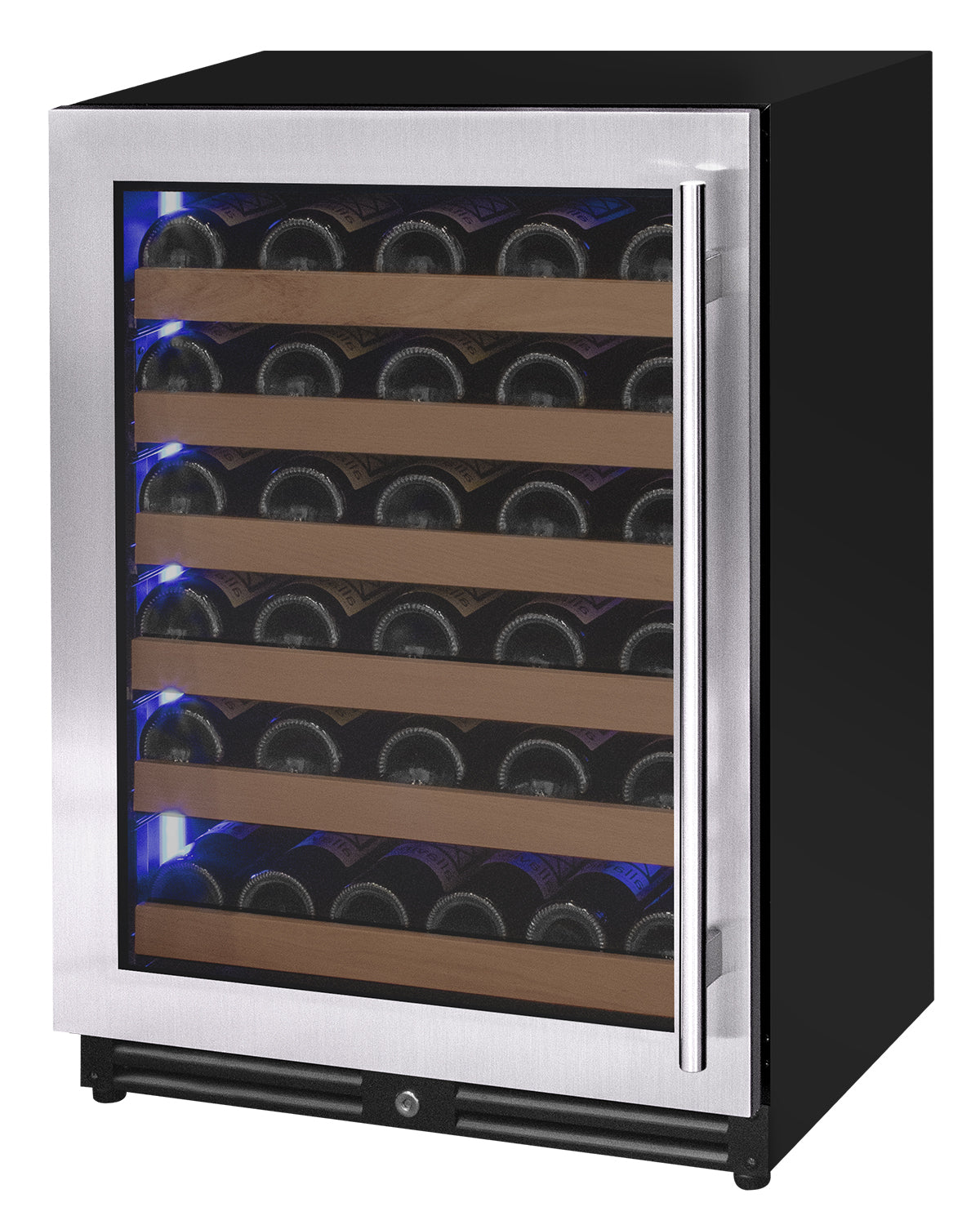
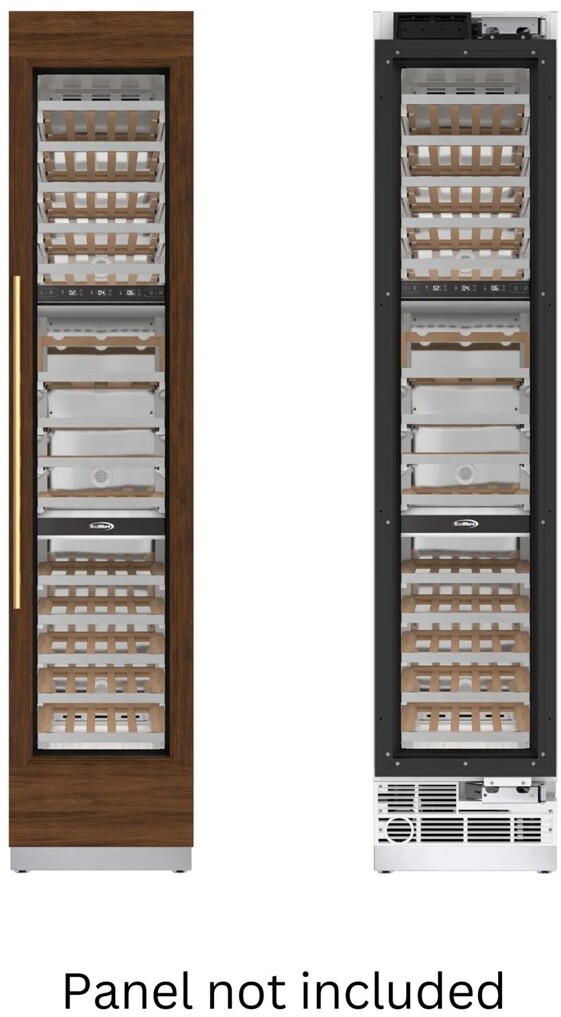
Adjustable Shelves: Horizontal pull-out racks — wooden slats, wire cradles, or scalloped chrome shelves on smooth glides — hold bottles on their sides and accommodate different bottle sizes.
Ideal Uses for Wine Coolers
Home Use: Even a small 12-bottle cooler holds every bottle at ideal serving temperature — noticeably better than wine pulled from a kitchen fridge (too cold) or pantry shelf (too warm).
Entertaining: Easy access to perfectly chilled wine for parties and gatherings.
Restaurants and Bars: Maintains quality and taste for wines served in dining establishments.
Wine Cellars: Supplements a traditional cellar with additional controlled storage.
Feature
Benefit
Temperature Control
Ensures optimal storage temperature for various wines
Humidity Regulation
Prevents corks from drying out and maintains wine quality
Vibration Reduction
Keeps wine sediment undisturbed, aiding in proper aging
UV Protection
Protects wine from harmful light exposure
Adjustable Shelves
Accommodates different bottle sizes for better organization
Mini freezer capacity is measured in cubic feet. Upright models fit roughly the same footprint as a wine cooler; chest models need more floor space but deliver more usable storage volume per dollar.
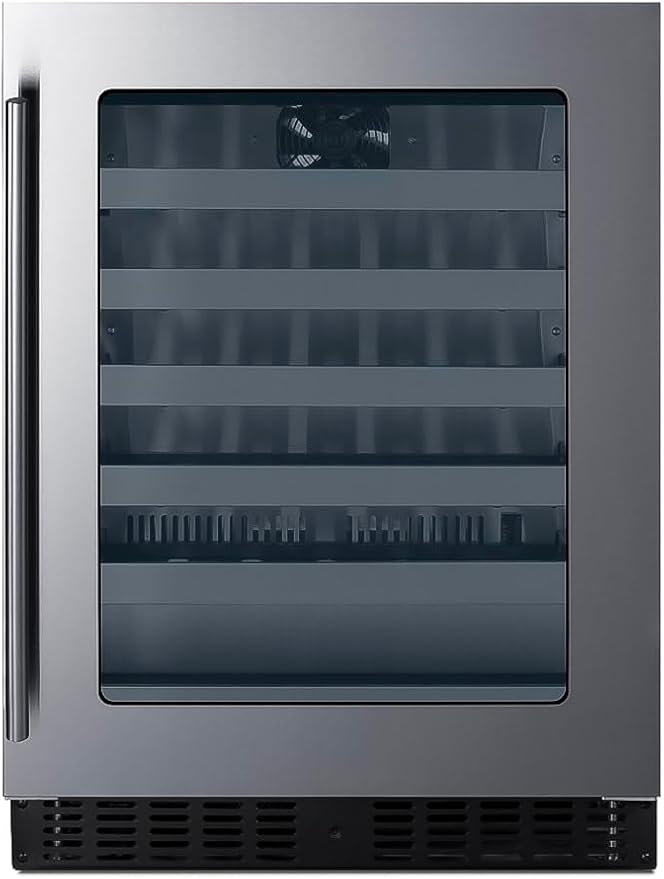
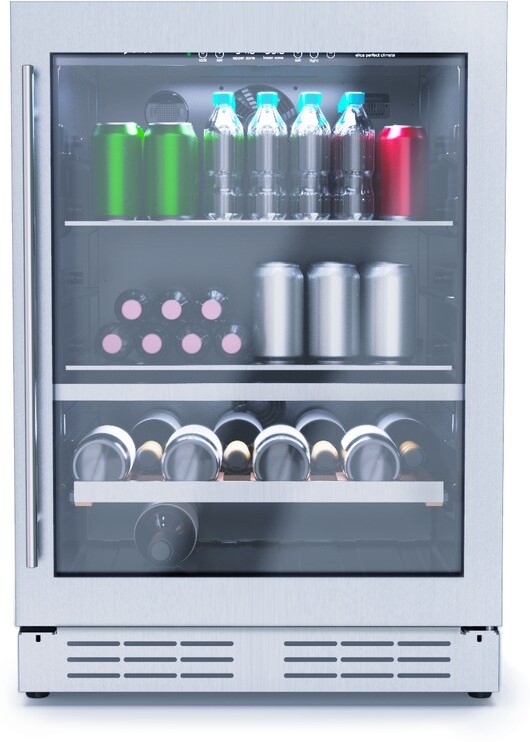
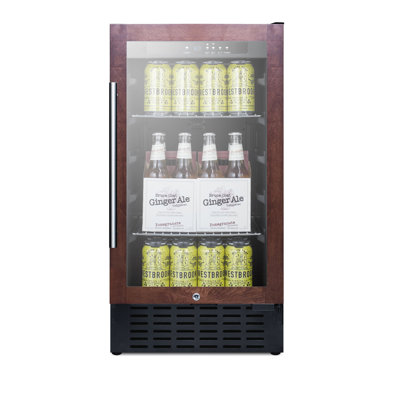
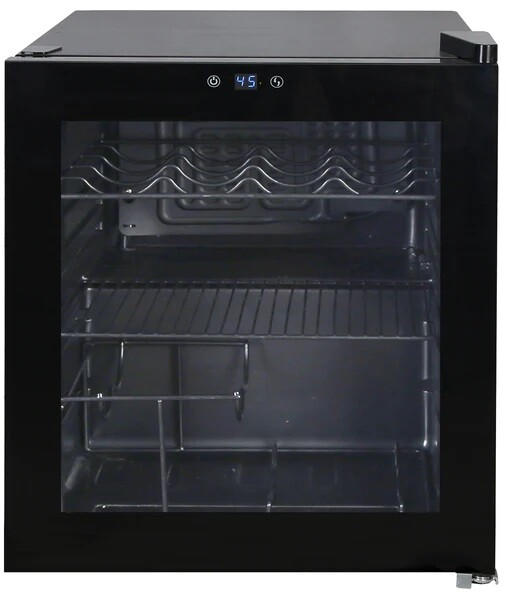
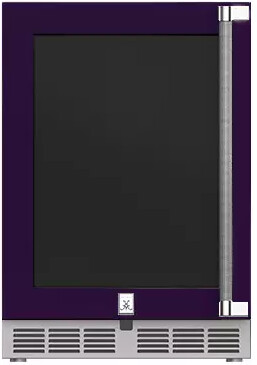
Wine cooler capacity is measured in bottles. The three main formats are countertop models (6–20 bottles), undercounter built-ins (20–60 bottles), and freestanding floor units (40–300 bottles). Standard widths of 12, 15, and 24 inches are designed to fit kitchen cabinetry; built-in models vent through the front, while freestanding models need 3–5 inches of ventilation clearance.
Wine coolers use either compressor-based or thermoelectric cooling. Compressor models circulate refrigerant and reach any set point in the 45–65°F range regardless of room temperature. Thermoelectric models use Peltier modules that cool only 20–30°F below ambient — fine in climate-controlled rooms, inadequate in hot garages or outdoor spaces — but they run silently with zero vibration, ideal for bedrooms.
Mini freezers exclusively use compressor cooling, because reaching 0°F demands power that thermoelectric technology cannot deliver. The freezer compressor also works against a much larger temperature differential — a 72-degree gap in a 72°F room, versus the 7-to-27-degree gap a wine cooler faces — so it runs louder and consumes more energy.
Appliance
Noise Level
Thermoelectric wine cooler
25–35 dB (near silent)
Compressor wine cooler
35–42 dB (quiet library)
Mini freezer
38–47 dB (noticeable in bedrooms)
If a mini freezer must live in a living space, look for models with low-noise or variable-speed inverter compressors that run continuously at lower power instead of cycling on and off.
Energy Efficiency and Maintenance
Energy Efficiency of Mini Freezers
Mini freezer energy use varies with model, insulation quality, and how often the door is opened. Chest-style mini freezers are the most efficient format because cold air sinks — opening the lid keeps cold air inside rather than spilling it out as an upright door does.
Mini Freezer
Energy Consumption (kWh/year)
Small (1.1 - 2.0 cu. ft.)
150 - 250
Medium (2.1 - 5.0 cu. ft.)
250 - 400
Large (5.1 - 7.0 cu. ft.)
400 - 600
Typical running cost is roughly $19–$45 per year depending on size and format. To maximize efficiency, place the unit in a cool, well-ventilated area, avoid overloading it, and defrost manual models when ice buildup exceeds a quarter inch — typically once or twice a year. A full manual defrost (unplug, empty, let ice melt) takes 4 to 8 hours; auto-defrost models eliminate the chore but consume more energy. Regular coil cleaning also helps. For more freezer tips, check out Fridge.com article on how long can you keep frozen pizza in the freezer.
Energy Efficiency of Wine Coolers
Wine coolers are generally more energy-efficient than mini freezers because of their lower cooling requirements. Efficiency depends on cooling technology, the number of temperature zones, and insulation quality.
Wine Cooler
Energy Consumption (kWh/year)
Small (6 - 20 bottles)
70 - 150
Medium (21 - 50 bottles)
150 - 250
Large (51 - 100 bottles)
250 - 350
Typical running cost is roughly $10–$32 per year. Keep the unit away from direct sunlight and heat sources, verify the door seals are intact, vacuum the condenser coils once or twice per year, replace carbon filters if equipped, and check wooden shelves for mold in humid environments. ENERGY STAR certified models are the most efficient choice in both categories. For more information on storing wine, see Fridge.com guide on what temperature should wine be stored.
Pricing and Lifespan
Appliance
Compact
Mid-Size
Large
Wine Cooler
$100-$300 (6-20 bottles)
$300-$800 (20-50 bottles)
$800-$5,000 (50-300 bottles)
Mini Freezer
$80-$200 (1.1-2.5 cu ft)
$200-$400 (3.0-5.0 cu ft)
$350-$600 (5.0-7.0 cu ft)
Mini freezers are generally cheaper at equivalent sizes because the technology is simpler — no UV glass, vibration dampening, wooden racks, or dual-zone controls. A quality 3-cubic-foot mini freezer runs $150–$250, while a quality 30-bottle wine cooler runs $250–$500. At the premium end, large dual-zone built-in wine coolers reach $3,000–$5,000, a tier mini freezers never approach.
Expected lifespans: 10–15 years for a compressor wine cooler, 5–10 years for a thermoelectric wine cooler, and 8–12 years for a mini freezer — the freezer's compressor works harder against its larger temperature differential.
Storage Needs: For frozen foods like meat, vegetables, or frozen pizza, a mini freezer is ideal. For preserving wine at optimal temperatures, choose a wine cooler.
Space Availability: Mini freezers come in compact sizes for apartments, condos, and garages. Wine coolers are designed to fit kitchens, dining rooms, or dedicated wine storage areas.
Usage Frequency: For frequent access to frozen items, a mini freezer is practical. If you regularly entertain or enjoy wine, a wine cooler is the better choice.
Both: Many households benefit from owning both — a wine cooler in the kitchen or dining area, and a mini freezer in the garage or basement for frozen overflow. They solve independent problems at opposite ends of the temperature spectrum.
No. A wine cooler bottoms out around 45°F — far above freezing. Perishable food held at that temperature sits in the 40–140°F bacterial danger zone and becomes unsafe to eat after more than two hours.
Can you store wine in a mini freezer?
No. At 0°F wine freezes solid: the expanding liquid can crack the bottle or push out the cork, and the wine's flavor compounds and texture are destroyed. Even a few hours in a freezer can irreversibly damage delicate wines.
Which uses more electricity, a mini freezer or a wine cooler?
The mini freezer. Holding 0°F in a 72°F room means overcoming a 72-degree gap, versus 7–27 degrees for a wine cooler. Expect roughly 150–600 kWh/year for a mini freezer against 70–350 kWh/year for a wine cooler, with chest freezers and ENERGY STAR models at the efficient end of each range.
What is a dual-zone wine cooler?
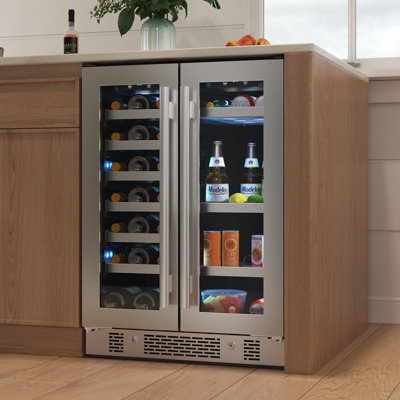
A dual-zone wine cooler has two independently controlled compartments in one cabinet — typically whites at 45–50°F and reds at 55–65°F. Mini freezers are universally single-zone because all frozen food stores safely at one uniform temperature.
Which is quieter?
Wine coolers. Thermoelectric models run at 25–35 dB (near silent) and compressor models at 35–42 dB, while mini freezers run at 38–47 dB. For a bedroom, a thermoelectric wine cooler is the quietest option of all.
How long do mini freezers and wine coolers last?
A compressor wine cooler typically lasts 10–15 years, a thermoelectric wine cooler 5–10 years, and a mini freezer 8–12 years with regular defrosting and coil cleaning.
Should I get an upright or chest mini freezer?
Choose upright (1.1–5.0 cu ft) for a small footprint and shelf-visible access; choose chest (3.5–7.0 cu ft) for maximum capacity, better energy efficiency, and lower cost per cubic foot. Chest lids keep sinking cold air inside when opened.
Get Your Upgrade or New Addition at Fridge.com
Whether you're searching for your perfect fridge, freezer, wine fridge, beer fridge, ice maker, or kegerator, Fridge.com has what you need.
From Fridge.com research
Figures below come from data Fridge.com builds and maintains. Each links to the record behind it.
Fridge.com Energy Index, built on U.S. EPA and DOE ENERGY STAR records
Across 112 ENERGY STAR certified compact cooler models, median use is 135 kWh per year — 25% better than the federal standard.