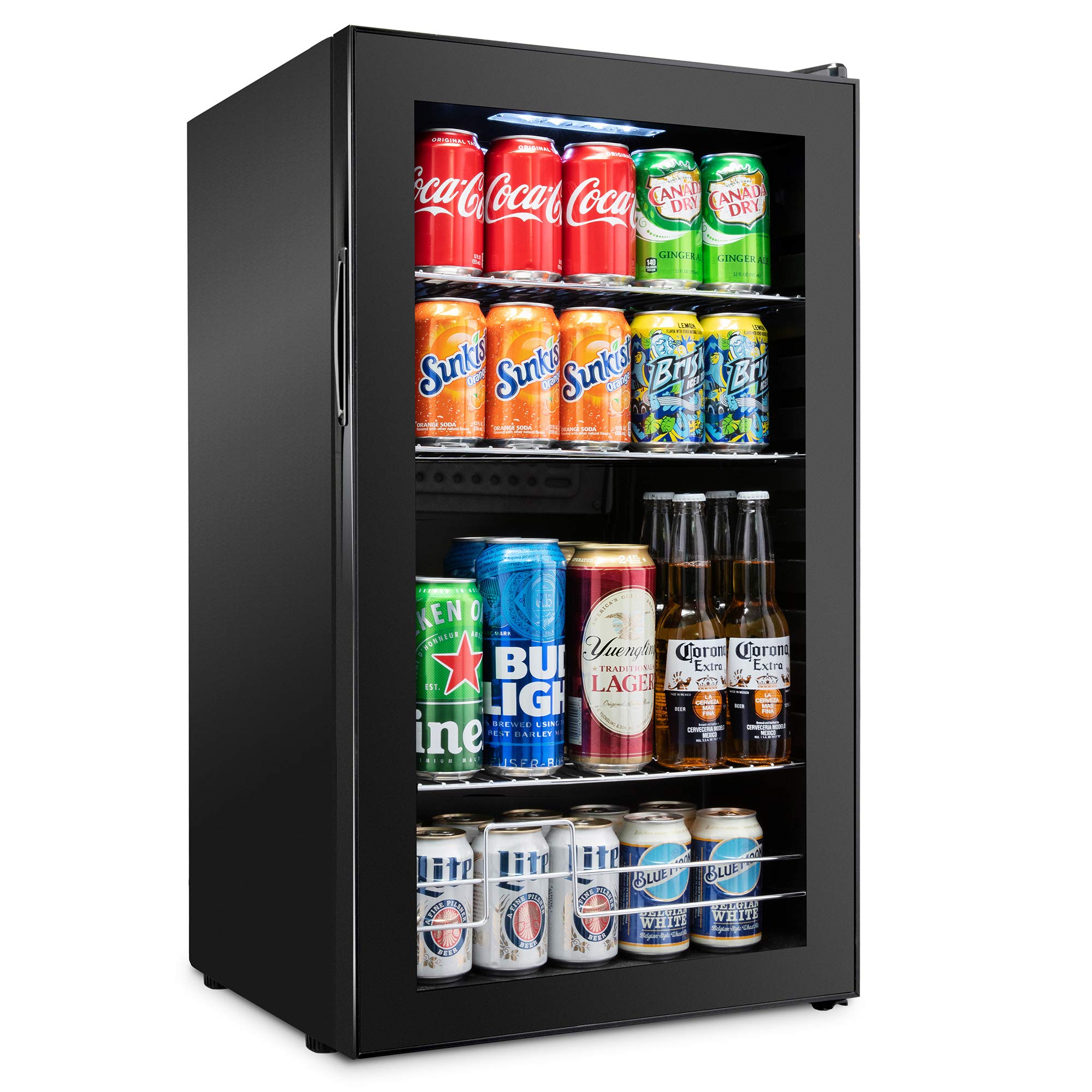
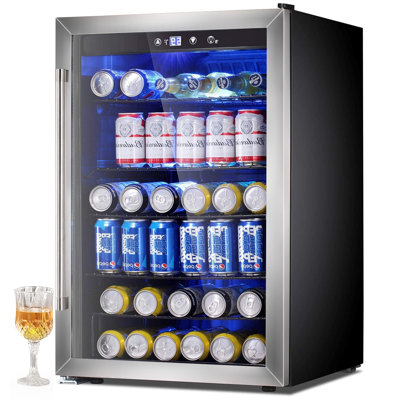
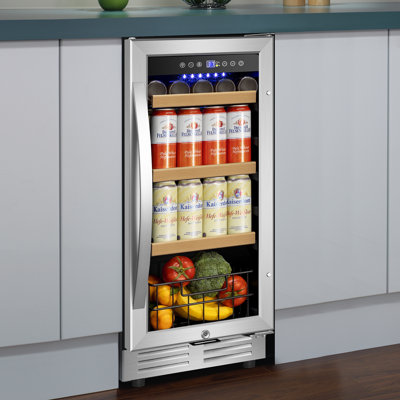
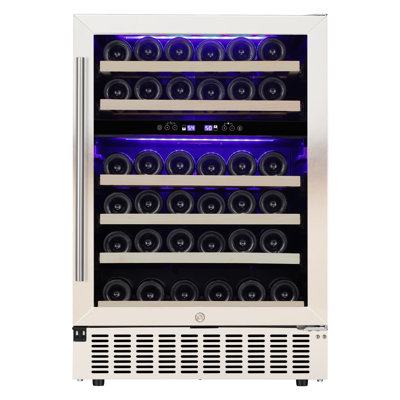
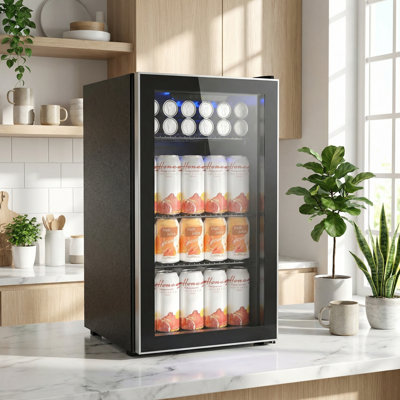
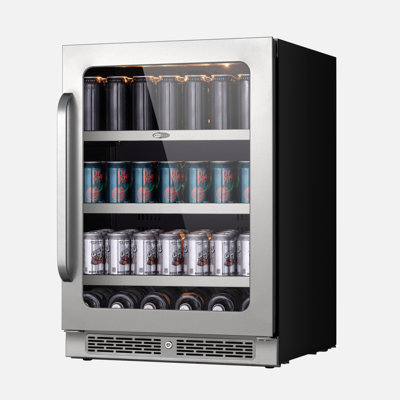
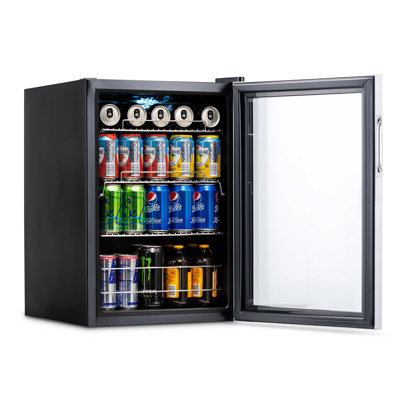
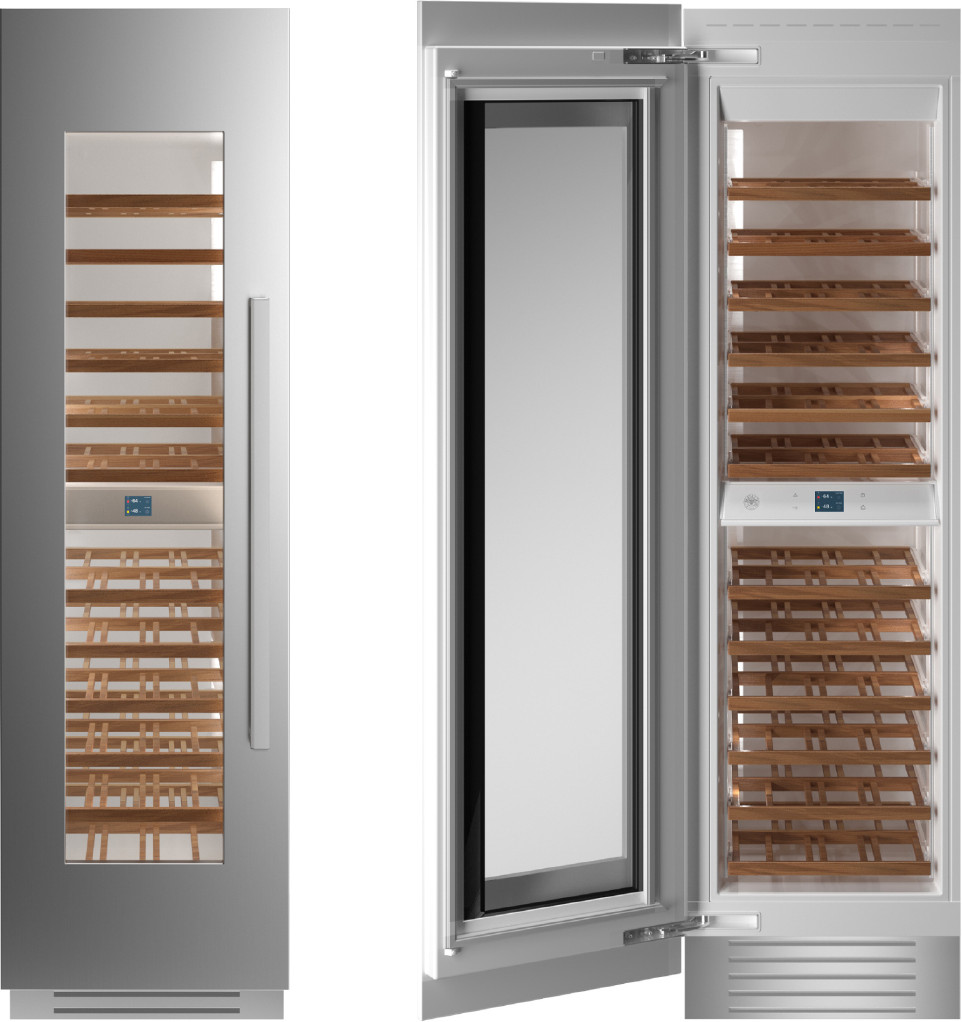
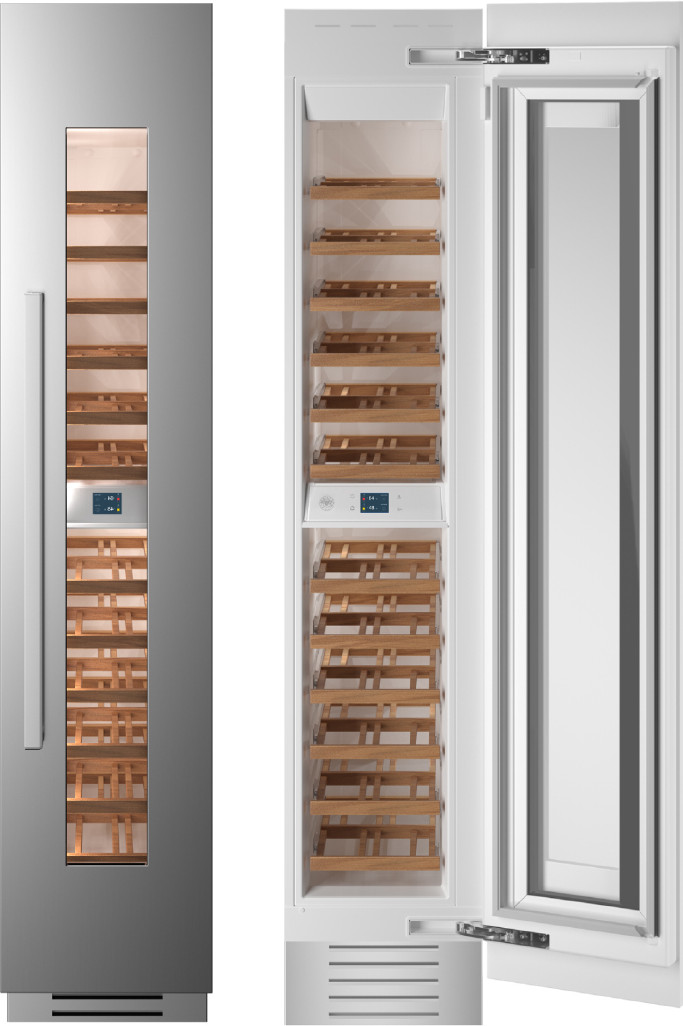
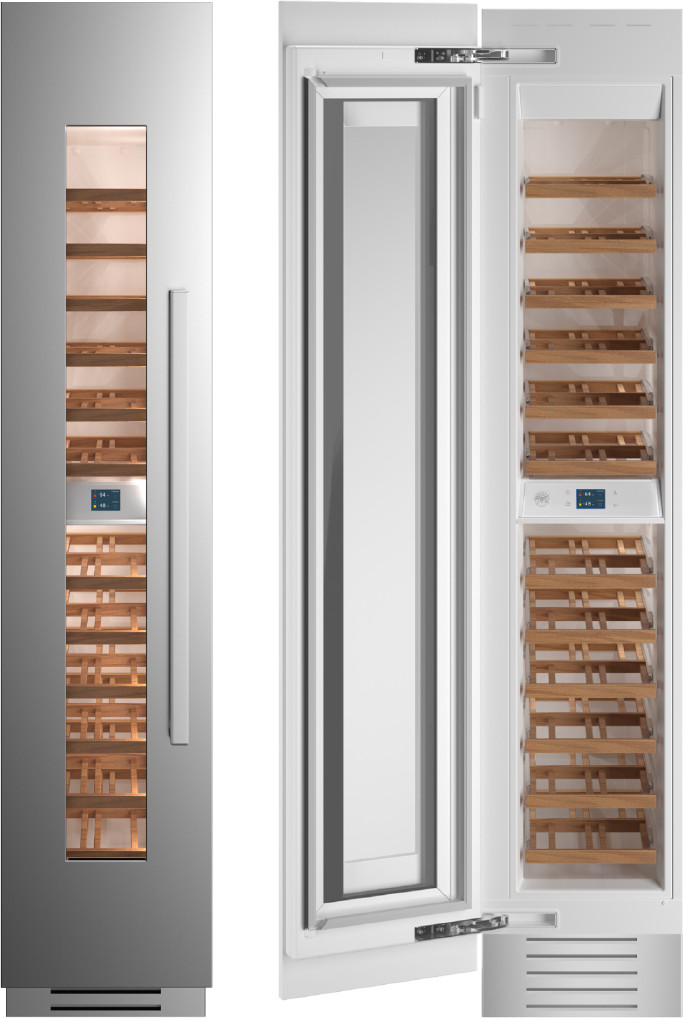
A wine cooler and a fridge freezer are fundamentally different appliances that serve different purposes in a home. A wine cooler is a specialty appliance that stores wine at 45-65°F with preservation features — horizontal bottle racks, UV-tinted glass, vibration dampening, and humidity conditions designed to protect wine quality. A fridge freezer is the standard two-compartment kitchen refrigerator that every household relies on for food storage — maintaining 35-38°F in the refrigerator section and 0°F in the freezer section. This guide explains every difference so you understand what each appliance does, why neither can substitute for the other, and how both can work together in a well-equipped home.
What Is a Fridge Freezer?
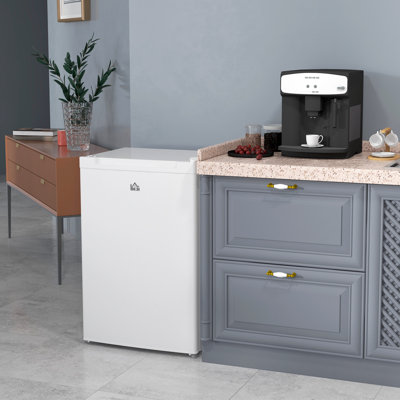
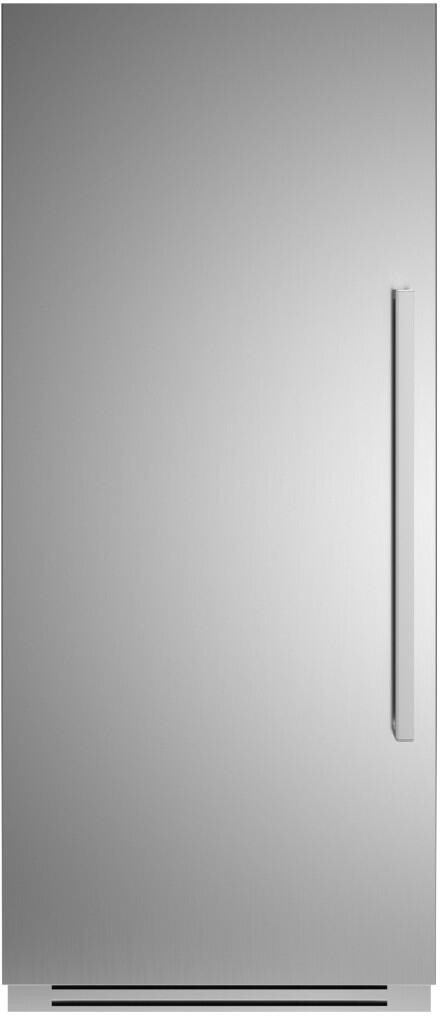
A fridge freezer — called a refrigerator-freezer combination in industry specifications — is the standard kitchen refrigerator with both a fresh food compartment and a freezer compartment in a single unit. This is the appliance sitting in virtually every American kitchen. It comes in four main configurations: top freezer (freezer on top, fresh food on bottom), bottom freezer (fresh food on top, freezer drawer below), French door (two fresh food doors with a bottom freezer drawer), and side-by-side (refrigerator on one side, freezer on the other, full height).
The fresh food compartment maintains 35-38°F — the FDA-recommended temperature range for safe perishable food storage. Features include adjustable glass shelves, humidity-controlled crisper drawers for produce, deli drawers for meats and cheeses, door bins for condiments and beverages, and interior LED lighting. The freezer compartment maintains 0°F for long-term frozen food storage. Many fridge freezers include automatic ice makers, water dispensers with filtration, and smart features like WiFi connectivity, interior cameras, and temperature alerts.
Fridge freezers range from compact 10 cubic foot top-freezer models for small spaces to massive 30+ cubic foot French door models for large families. Standard widths are 28, 30, 33, and 36 inches. Heights range from 60 to 72 inches. The fridge freezer is the most essential and most universal kitchen appliance — no home functions without one.
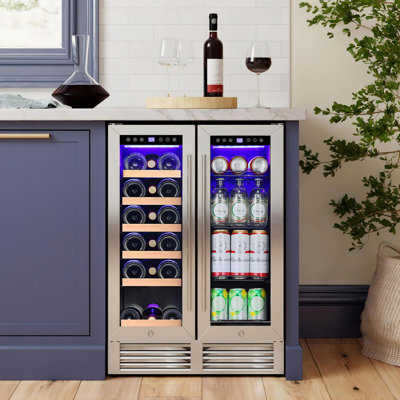
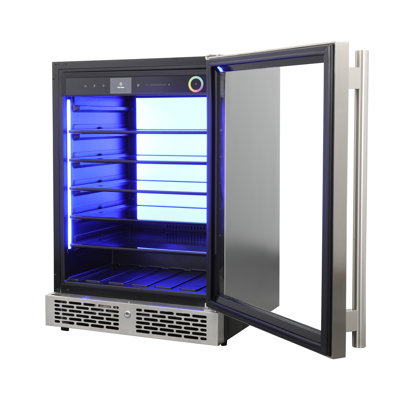
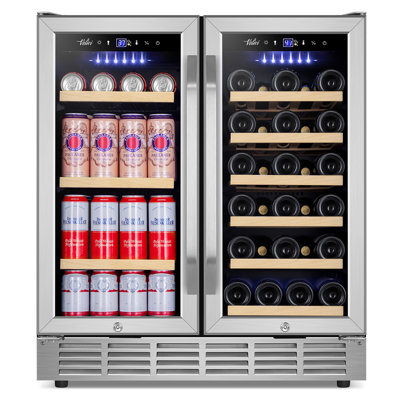
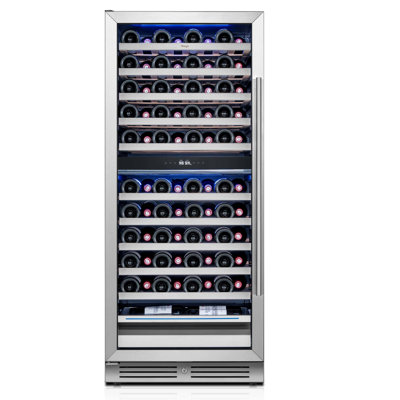
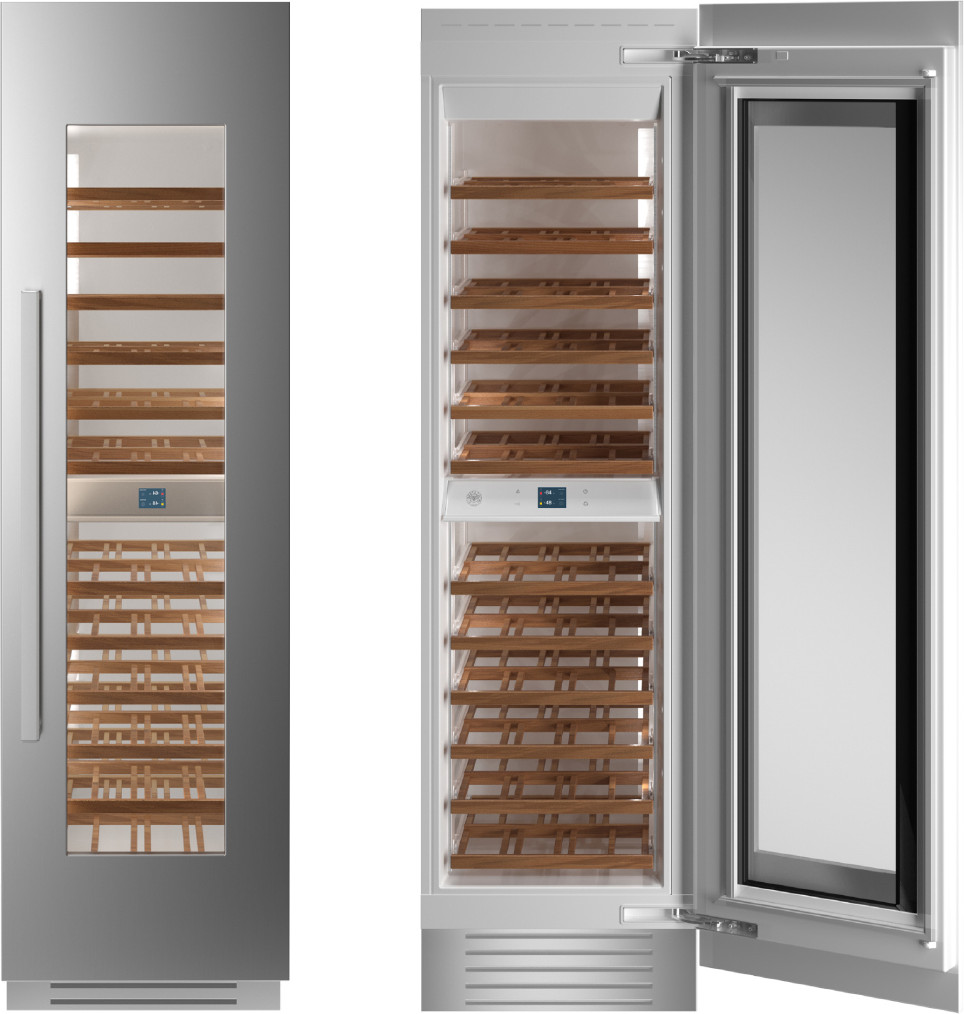
A wine cooler — also called a wine refrigerator, wine fridge, or wine cabinet — is a temperature-controlled storage appliance designed exclusively for wine. It maintains temperatures between 45°F and 65°F, which is the optimal range for wine storage and serving. White wines store best at 45-50°F, rosé at 50-55°F, and red wines at 55-65°F. Dual-zone wine coolers maintain two independently controlled temperature compartments so you can store reds and whites in the same unit at their ideal temperatures.
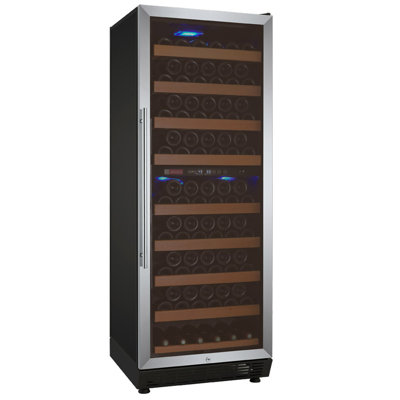
Wine cooler interiors are purpose-built for the standard 750ml Bordeaux bottle. Horizontal pull-out wooden or wire shelves with scalloped grooves cradle each bottle on its side — keeping the wine in contact with the natural cork to prevent drying and oxidation. UV-tinted double-pane glass doors block ultraviolet light that degrades wine quality. Vibration-dampened compressor mounting prevents sediment disturbance in aging wines. The sealed cabinet at warmer operating temperatures naturally maintains 50-70% humidity for cork health.
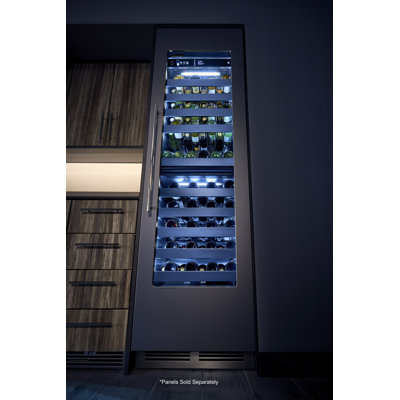
Wine coolers range from 6-bottle countertop units to 300-bottle full-height cabinets. Standard form factors include countertop, undercounter built-in (15 or 24 inches wide), and freestanding floor models. Wine coolers are a secondary appliance — they supplement the kitchen fridge freezer, they do not replace it.
The temperature ranges of these appliances do not overlap in any useful way. The fridge freezer's fresh food section at 37°F is 8-28 degrees colder than wine needs. Red wine stored at 37°F suffers dramatically — aromatic compounds that create the wine's bouquet are suppressed by cold, tannins become harsh and astringent instead of smooth, and fruit character retreats behind a wall of sharp acidity. The freezer at 0°F would freeze wine solid (wine freezes around 15-25°F depending on alcohol content), potentially pushing the cork out or cracking the glass bottle as the liquid expands.
Conversely, a wine cooler at 55°F cannot safely store food. Bacteria that cause foodborne illness — Salmonella, E. coli, Listeria — multiply rapidly above 40°F. The FDA considers any perishable food stored above 40°F for more than two hours to be unsafe for consumption. A wine cooler set to its coldest (45°F) is still above the safe threshold for most perishable items. You cannot store meat, dairy, produce, or leftovers in a wine cooler.
Interior Design
The fridge freezer interior is a multi-purpose storage environment optimized for the widest possible variety of food items. Adjustable tempered glass shelves accommodate everything from small yogurt cups to large casserole dishes. Humidity-controlled crisper drawers with adjustable vents maintain 80-95% humidity for fruits and vegetables or 30-40% for meats and cheeses. Door bins hold gallon jugs of milk, 2-liter soda bottles, condiment bottles, and egg cartons. The freezer section uses wire baskets, shelves, and bins to organize frozen foods, ice cream, and frozen vegetables. Many models include an ice maker that produces 3-8 pounds of ice per day and a filtered water dispenser built into the door.
The wine cooler interior is entirely dedicated to wine bottles. Horizontal pull-out racks with ball-bearing glides hold bottles on their sides. Premium models use solid beechwood shelving that absorbs vibration and creates an elegant display through the glass door. There are no flat shelves for food containers, no crisper drawers, no door bins, no freezer section, no ice maker, and no water dispenser. Every cubic inch of interior space is configured for storing standard wine bottles at the correct orientation and temperature. Some wine coolers include one flat presentation shelf for displaying a special bottle label-up, but this is still a wine-specific feature.
Wine coolers incorporate three preservation technologies that fridge freezers do not need or include. First, vibration dampening: rubber-mounted compressors, shock-absorbing shelf brackets, and quiet fan motors prevent micro-vibrations from reaching wine bottles. Vibration disturbs sediment in aging wines, can cloud clear wine, and may accelerate unwanted chemical reactions during long-term cellaring. Second, UV protection: tinted double-pane glass blocks 95%+ of ultraviolet light that triggers photochemical degradation of tannins, pigments, and aromatic compounds. Third, humidity maintenance: the warmer operating temperature and sealed cabinet maintain 50-70% humidity that keeps natural corks moist and sealed.
Fridge freezers need none of these features. Food is not vibration-sensitive — a jar of pickles on a vibrating shelf tastes the same as one on a still shelf. Solid doors block all light without needing UV-specific coatings. Low humidity in the main compartment (30-40% RH) is actually desirable because it prevents mold growth on food. The freezer operates at 0% humidity by design. These environmental conditions — low humidity, cold temperature, standard vibration, no UV concern — are perfect for food and terrible for wine.
Fridge freezers dominate kitchen floor plans — a 36-inch French door model occupies a large share of available kitchen wall space. Wine coolers are designed to fit into secondary spaces: under a bar counter (15 or 24 inches wide), beside a kitchen fridge (if space allows), in a dining room, in a basement, or in a dedicated wine room. The most popular wine cooler form factor — the 24-inch undercounter model — installs in a standard cabinet opening and holds 40-60 bottles without taking up any additional floor space.
Fridge freezers consume more energy because they maintain much colder temperatures across a larger volume and include an energy-intensive freezer compartment at 0°F. The freezer alone accounts for 30-40% of a fridge freezer's total energy consumption. Wine coolers use less energy because they cool a smaller volume to a warmer temperature with no freezer. Adding a wine cooler to your home increases total electricity consumption by roughly $15-$35 per year — less than the cost of a single bottle of premium wine.
Pricing
Appliance
Budget
Mid-Range
Premium
Fridge Freezer
$500-$1,200
$1,200-$2,500
$2,500-$10,000
Wine Cooler
$100-$400
$400-$1,500
$1,500-$5,000
Fridge freezers cost more at every tier because they are larger, more complex appliances with freezer compartments, ice makers, water dispensers, and increasingly sophisticated electronics. Wine coolers start at a lower price point because even a quality 30-bottle model is a simpler, single-purpose appliance without a freezer or dispensers. The total cost of equipping a home with both a mid-range fridge freezer ($1,500) and a mid-range wine cooler ($700) is $2,200 — a reasonable investment that provides proper food storage and proper wine storage simultaneously.
Fridge freezers produce 32-47 dB during operation. Noise sources include the compressor, condenser fan, evaporator fan, ice maker cycling, automatic defrost cycle, and water dispenser valve. Modern inverter compressor models are quieter than older fixed-speed designs because they ramp speed smoothly rather than cycling fully on and off. The sound is a familiar kitchen background — most people do not notice it unless the room is otherwise silent.
Wine coolers produce 35-45 dB with compressor cooling or 25-35 dB with thermoelectric cooling. Since wine coolers are often placed in quieter rooms (dining rooms, living rooms, bedrooms), noise level matters more than it does for a kitchen fridge freezer. Thermoelectric wine coolers are the quietest option — producing only the faint sound of a small fan — but they are limited to 30 bottles and perform poorly in rooms above 77°F.
Buy a fridge freezer because every household needs one. It is the primary food storage appliance in your home. Choose based on capacity (family size), configuration (French door, side-by-side, top freezer, bottom freezer), dimensions (your kitchen space), features (ice maker, water dispenser, smart connectivity), energy efficiency (ENERGY STAR certification), and budget. The fridge freezer is not optional — it is essential.
Buy a wine cooler if you drink wine regularly and want to serve every bottle at its best. A wine cooler supplements your fridge freezer — it provides dedicated temperature, UV, vibration, and humidity conditions that a kitchen fridge cannot match. Even a modest 20-bottle undercounter model transforms the wine experience. The wine cooler is optional but highly recommended for any household that enjoys wine more than occasionally.
Maintenance Comparison
Fridge freezers need regular maintenance: clean interior surfaces every 3-6 months, replace water filters every 6 months (dispensing models), vacuum condenser coils annually, check door gaskets for airtight seal, and defrost the freezer if not frost-free. Wine coolers need similar cleaning plus replacement of carbon air filters every 6-12 months (models with filtration) and occasional oiling of wooden shelves to prevent drying. Both appliances benefit from surge protectors to guard compressor electronics against power spikes.
Compare prices on Fridge.com
Browse fridge freezers and wine coolers. Compare dimensions, capacity, configuration, energy ratings, and prices for both categories. Build your ideal kitchen and bar with the right food refrigerator and the right wine storage — both available.
Frequently Asked Questions
Only for short-term chilling (30-60 minutes before serving). Your fridge freezer at 35-38°F is too cold for wine storage — it mutes red wine flavors, dries corks in the low humidity, and food odors can permeate natural corks. Never put wine in the freezer — it can freeze, push out the cork, or crack the bottle. Use a wine cooler for storage. Shop at Fridge.com.
From Fridge.com research
Figures below come from data Fridge.com builds and maintains. Each links to the record behind it.
Fridge.com Energy Index, built on U.S. EPA and DOE ENERGY STAR records
Across 122 ENERGY STAR certified compact cooler models, median use is 134 kWh per year — 32% better than the federal standard.