Always check that your storage appliance maintains 45-65°F before committing wine bottles to long-term storage.
Both categories overlap in the $400-$1,000 mid-range where most quality undercounter models fall.
However, the wine section in most dual-zone beverage centers reaches only 40-55°F — adequate for whites but too cold for proper red wine storage at 58-65°F.
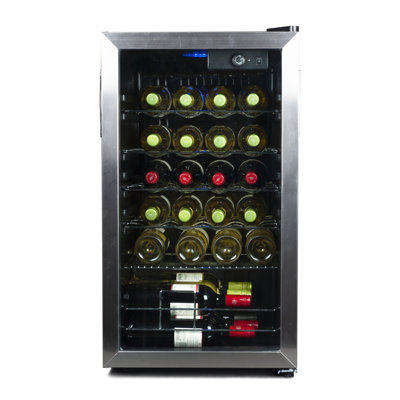
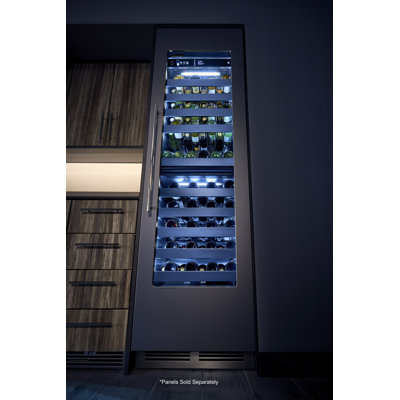
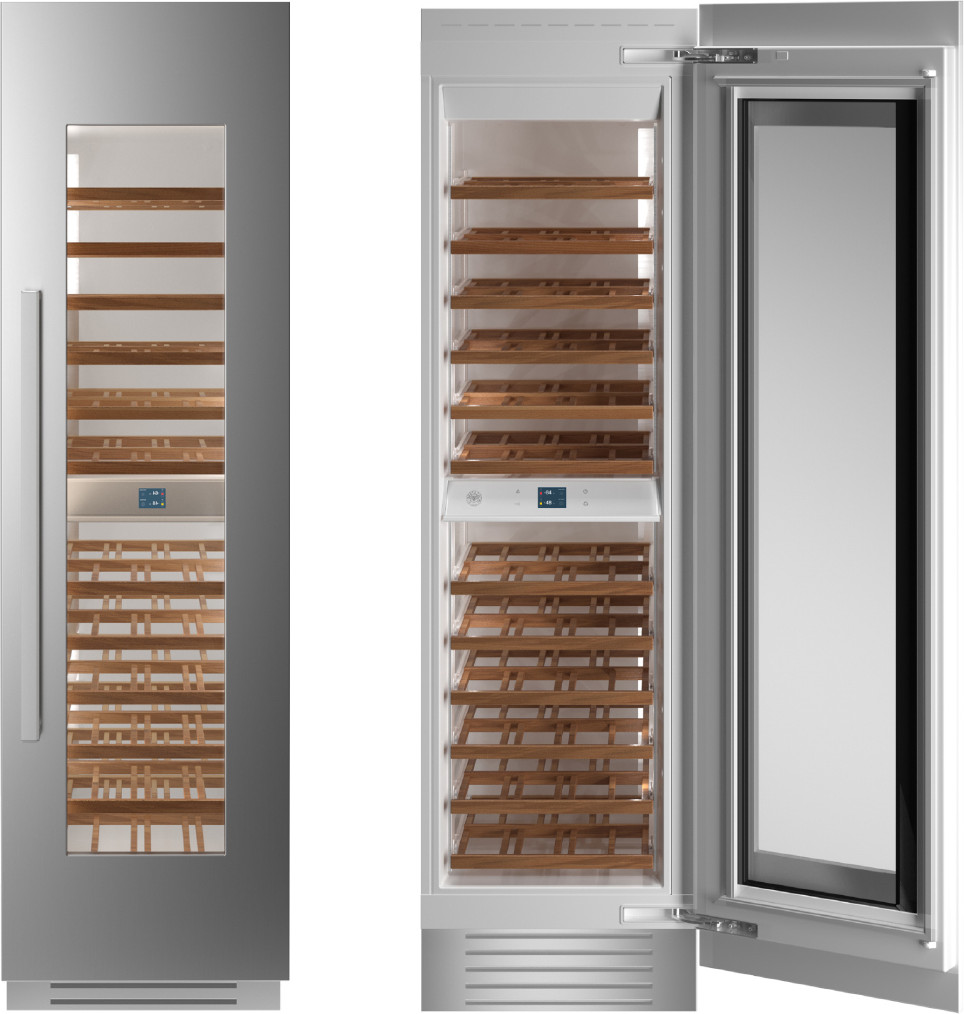
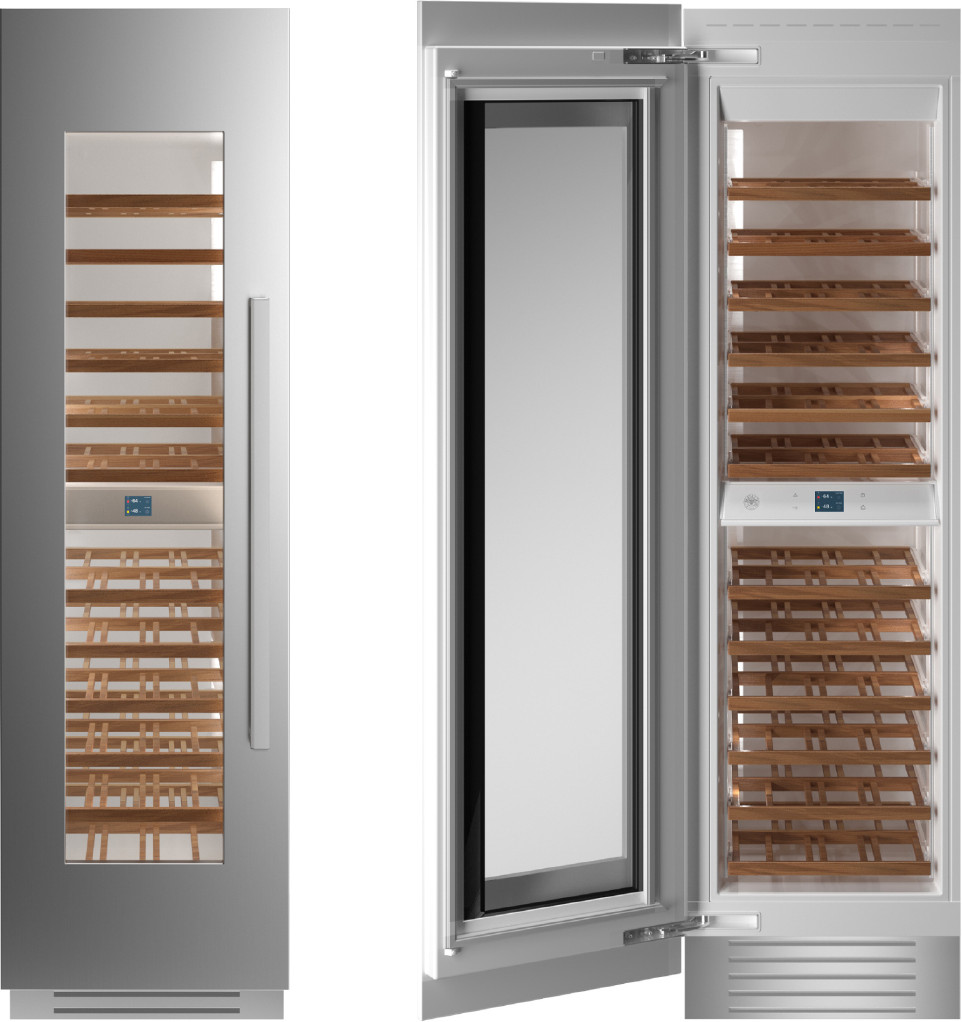
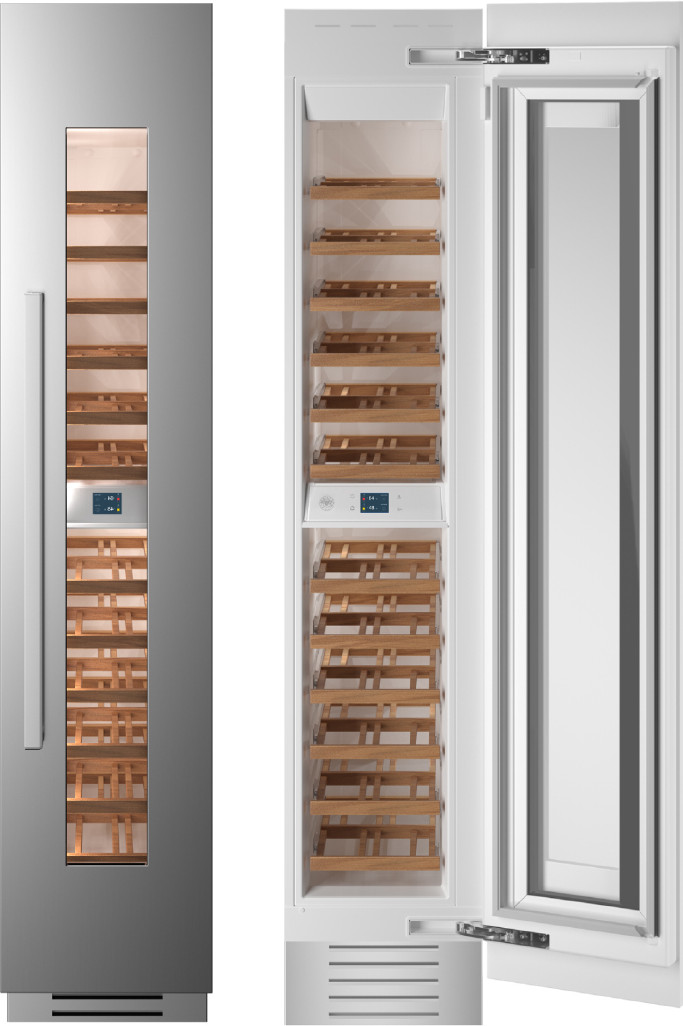
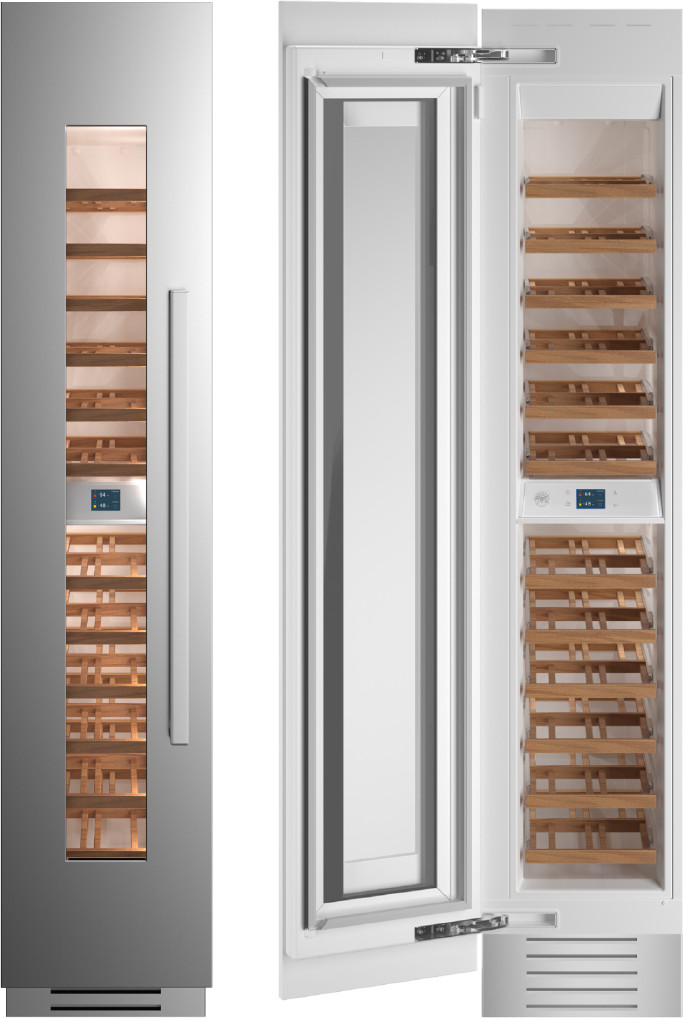
A wine cooler maintains 45-65°F with vibration dampening, UV-tinted glass, humidity retention, and horizontal bottle racks designed for long-term wine preservation.
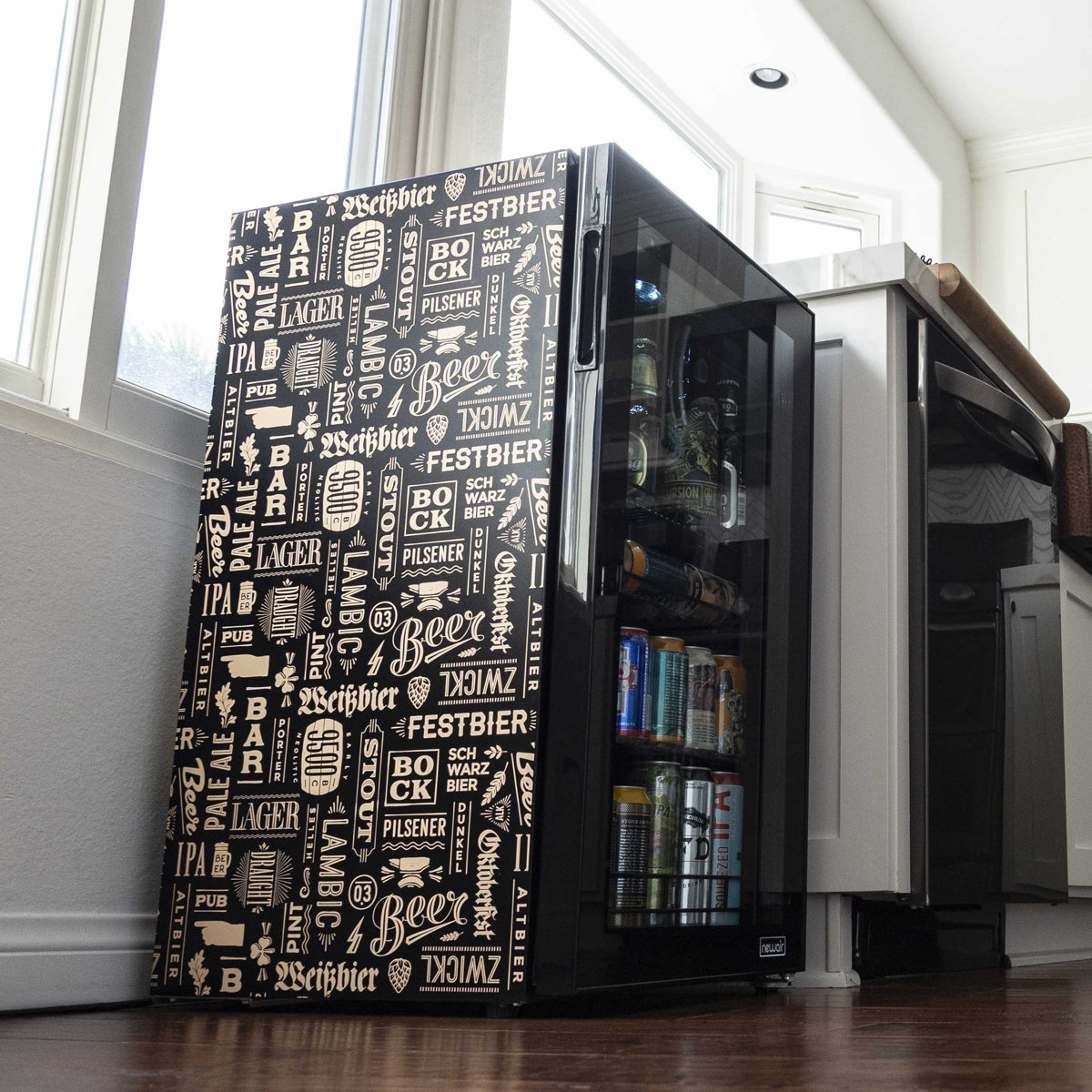
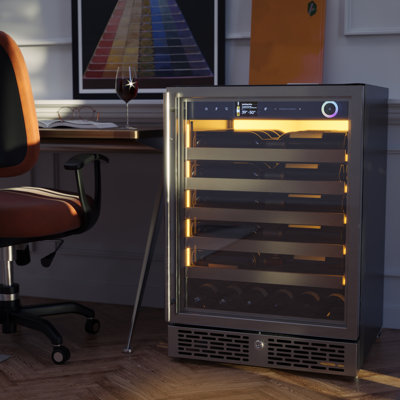
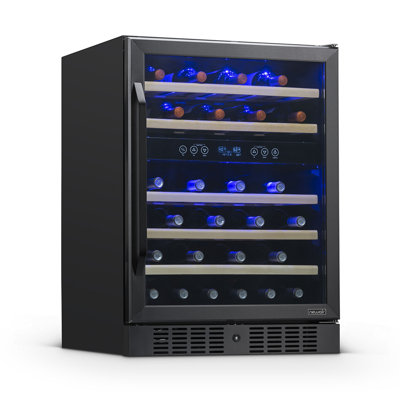
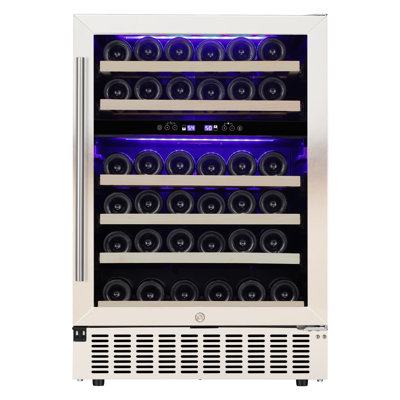
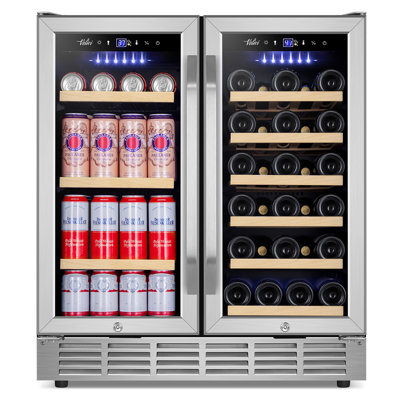
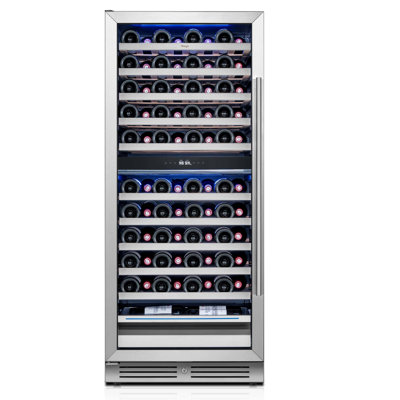
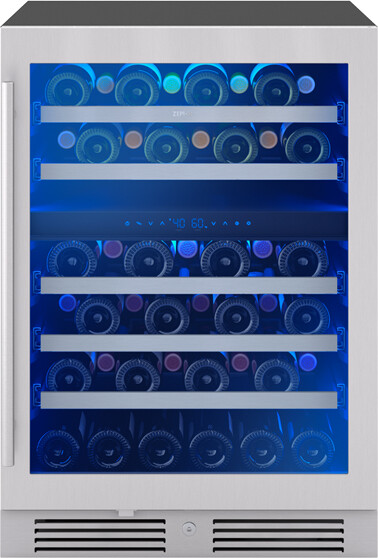
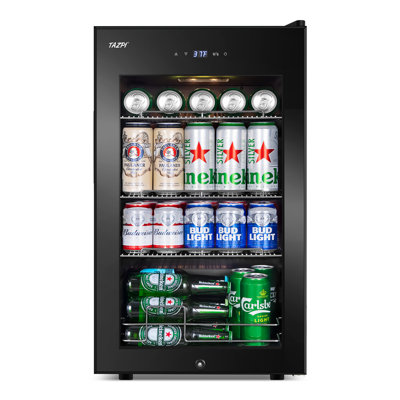
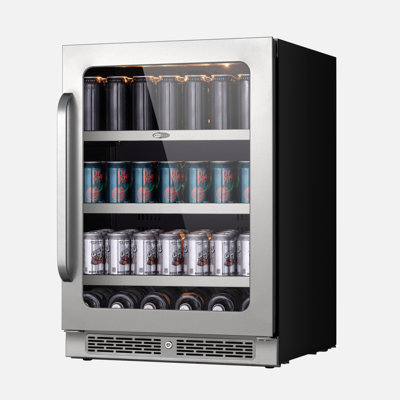
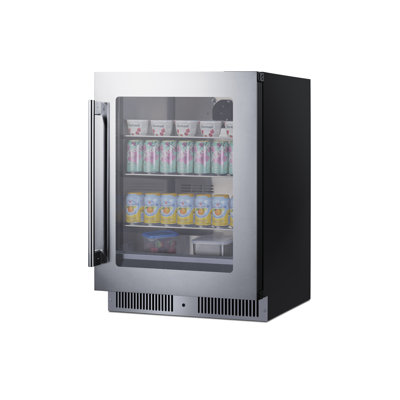
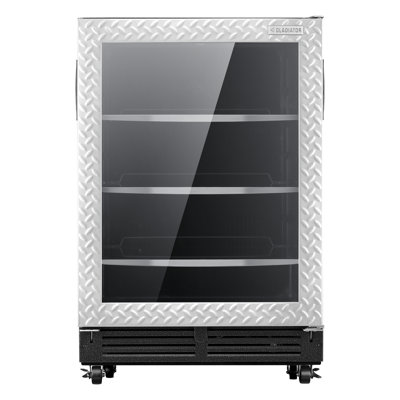
A wine cooler and a beverage refrigerator occupy neighboring but distinct categories in the compact cooling appliance market. The terms sound interchangeable, and many shoppers assume a beverage refrigerator can handle wine just as well as a dedicated wine cooler — but the engineering differences between these appliances produce dramatically different storage results. A wine cooler maintains 45-65°F with vibration dampening, UV-tinted glass, humidity retention, and horizontal bottle racks designed for long-term wine preservation. A beverage refrigerator maintains 34-42°F with adjustable shelving, bright display lighting, and versatile layouts designed to keep cans, bottles, and mixed drinks at ice-cold serving temperatures. This guide breaks down how these drink cooling categories differ in every measurable way so you can invest in the right appliance for your actual drinking habits.
Defining the Categories
The term "wine cooler" describes an appliance whose sole function is wine storage and preservation. Every feature — temperature range, rack design, glass treatment, compressor mounting — serves wine and nothing else. The term "beverage refrigerator" describes an appliance that stores any cold drink at standard refrigeration temperatures. The word "refrigerator" in the name signals that this appliance operates at the same 34-42°F range as a household refrigerator, just in a compact form factor optimized for drinks rather than food.
This naming distinction matters because temperature is the defining functional difference between these categories. The wine cooler's 45-65°F range is warmer than standard refrigeration — intentionally so, because wine tastes best and preserves best at temperatures well above the 37°F target that keeps food safe and beverages ice cold. A beverage refrigerator's 34-42°F range matches kitchen refrigerator temperatures exactly, delivering the cold, crisp experience people expect from non-wine drinks. Choosing between these appliances is fundamentally a question of what you drink most and how you want it stored.
Temperature and Preservation
Feature
Wine Cooler
Beverage Refrigerator
Temperature Range
45-65°F
34-42°F
Humidity
50-80% RH (cork preservation)
30-40% RH (standard refrigeration)
Vibration Control
Dampened compressor mounts
Standard compressor operation
UV Protection
Tinted double-pane glass
Clear glass with LED display
Storage Orientation
Horizontal (cork in contact with wine)
Upright (standard shelf storage)
Wine stored in a beverage refrigerator at 37°F is overcooled by 8-28 degrees depending on the varietal. Red wines lose their aromatic complexity and taste thin, harsh, and one-dimensional. White wines lose the delicate floral and fruit notes that proper serving temperature reveals. The low humidity environment — 30-40% in a standard beverage refrigerator — dries out natural corks within weeks, breaking the seal and allowing air to oxidize the wine. Compressor vibration disturbs sediment in aging wines. The bright LED display lighting degrades photosensitive compounds. Every characteristic that makes a beverage refrigerator excellent for cold drinks makes it hostile to wine preservation.
Conversely, beverages stored in a wine cooler at 55°F taste unacceptably warm. Beer loses its refreshing crispness. Soda feels flat and syrupy. Water provides no cold satisfaction. The wine cooler's temperature target is 15-20°F warmer than what non-wine drinkers expect, and no amount of waiting or ice can compensate for the fundamental mismatch between wine preservation temperatures and cold drink serving temperatures.
Wine coolers use horizontal pull-out racks with individual bottle cradles — scalloped grooves that hold each bottle on its side in a secure, vibration-dampened position. The racks slide on smooth ball-bearing glides for gentle access. This layout maximizes wine bottle capacity in a fixed configuration that cannot accommodate cans, food containers, or non-standard bottle shapes. The rigidity is intentional — wine bottles have a uniform shape that benefits from purpose-built storage, and the horizontal orientation keeps corks moist for long-term preservation.
Beverage refrigerators use adjustable wire shelves that reconfigure in minutes for any container combination. Tall shelves for wine bottles and water jugs. Short shelves for stacked can rows. Mixed-height configurations for parties with diverse drink selections. Some models include angled can dispensers that roll the next can forward automatically and dedicated door bins for tall bottles. This flexibility makes the beverage refrigerator adaptable to whatever your household drinks — today it holds craft beer cans, tomorrow it holds party platters of juice boxes and water bottles, next week it stocks energy drinks for a home office. The wine cooler cannot match this versatility because its design serves one container type exclusively.
Each appliance maximizes capacity for its intended contents. The wine cooler packs 40-54 bottles into horizontal racks that use every available cubic inch for bottle storage. The beverage refrigerator holds 120-180 cans or a flexible mix of cans and bottles on adjustable shelves. Wine bottles can fit upright in a beverage refrigerator for short-term chilling — placing a white wine bottle in the beverage fridge for an hour before serving is perfectly acceptable — but the upright orientation, cold temperature, low humidity, and vibration make it unsuitable for wine storage beyond a few hours.
Wine coolers use less energy because their warmer temperature target requires less compressor work per cycle. The UV-tinted, often double-pane glass insulates better than the clear single-pane glass common on beverage refrigerators. The wine cooler's lower door-opening frequency — wine is accessed a few times per week versus drinks accessed multiple times daily — further reduces compressor cycling and energy consumption. Over a decade of ownership, the wine cooler saves roughly $130-$150 in electricity, though both appliances are modest energy consumers compared to full-size kitchen refrigerators.
Noise and Vibration
Wine coolers operate at 35-42 decibels for compressor models. Thermoelectric wine coolers achieve 25-35 decibels with zero vibration — making them nearly silent. Quiet operation is a design priority because vibration affects wine quality and these appliances install in living spaces. Beverage refrigerators run at 37-45 decibels, with the louder operation reflecting the harder compressor workload at colder temperatures. The noise difference is 2-5 decibels — noticeable in quiet rooms but insignificant in active kitchen or entertaining environments. For placement in bedrooms, home offices, or formal dining rooms, the wine cooler's quieter operation provides a measurable advantage.
Both categories overlap in the $400-$1,000 mid-range where most quality undercounter models fall. Wine coolers extend higher in the premium tier because large-capacity dual-zone models with advanced preservation engineering command prices up to $4,000. Beverage refrigerators top out lower because their simpler construction — adjustable shelves, standard compressor, clear glass — involves less specialized manufacturing. At comparable price points, the wine cooler dedicates its engineering budget to preservation features while the beverage refrigerator dedicates its budget to cooling power and storage versatility.
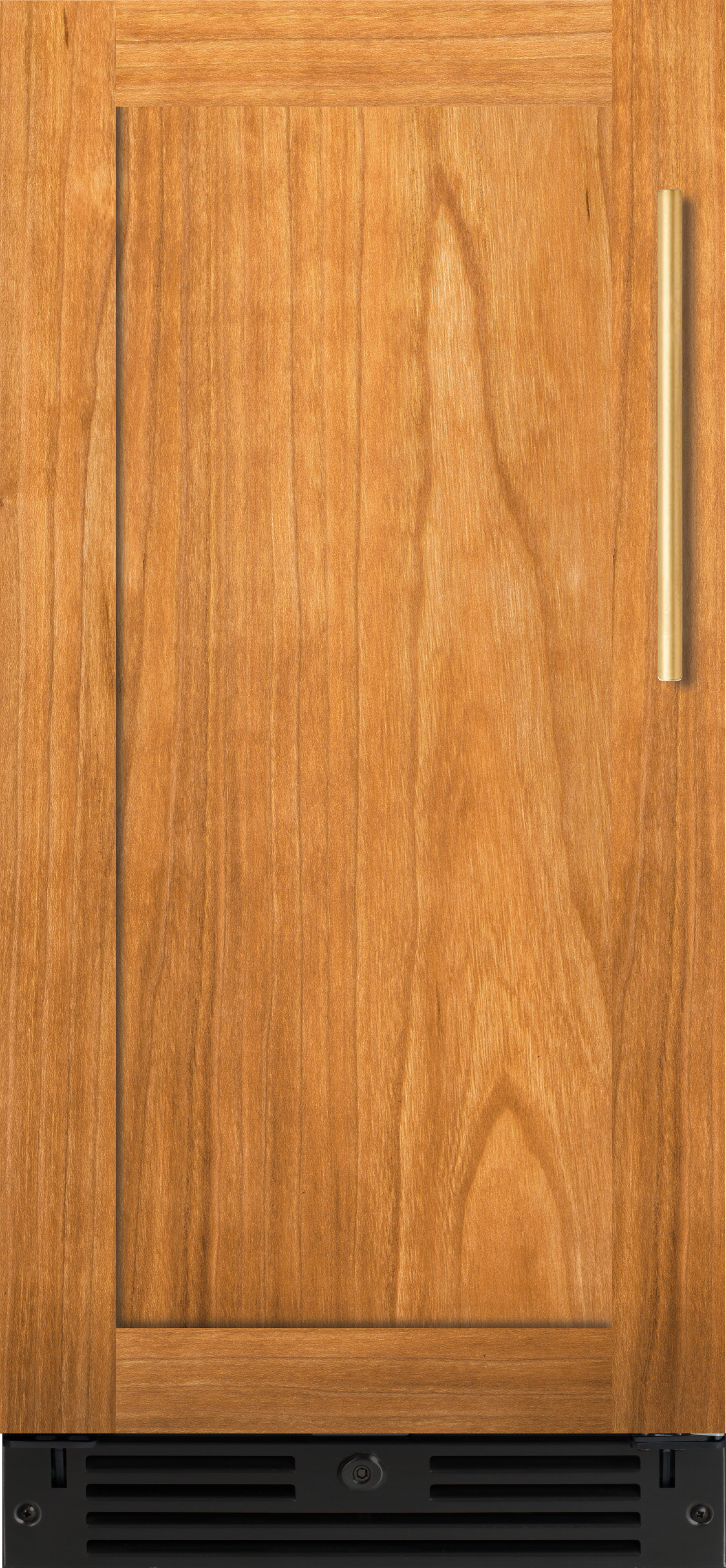
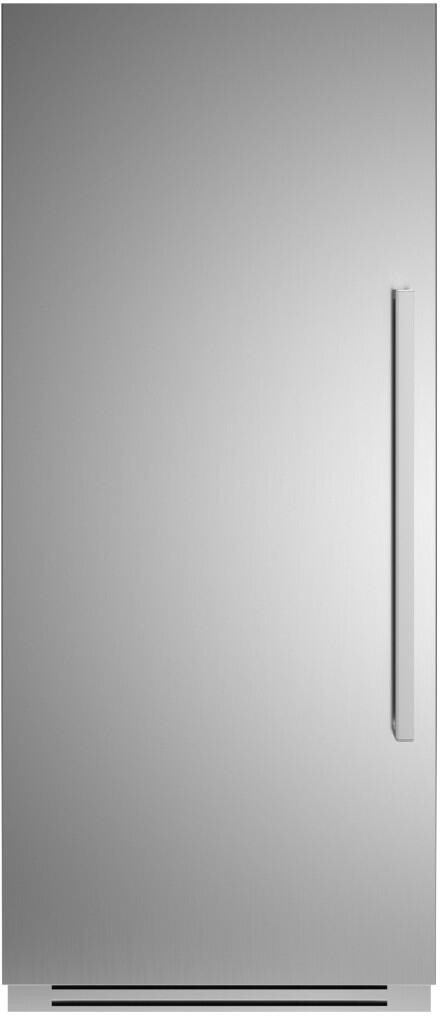
Both wine coolers and beverage refrigerators are available as undercounter built-in, freestanding, and countertop models. Both undercounter formats fit standard 24-inch cabinet openings with front-venting exhaust for flush installation. Both offer panel-ready configurations for custom cabinetry integration. Electrical requirements are identical — a standard 15-amp household outlet. The only installation difference is aesthetic intent: wine coolers are designed for display through tinted glass that showcases a collection, while beverage refrigerators use clear glass with bright LED lighting that creates a store-like merchandise display effect. The visual impression differs significantly even when the physical installation is identical.
Maintenance and Lifespan
Wine coolers require annual condenser coil cleaning, door gasket inspection, interior wiping, and periodic cleaning of wooden racks to prevent mold growth. The UV glass, vibration mounts, and humidity systems need occasional inspection. Compressor wine coolers last 10-15 years with proper maintenance. Thermoelectric models last 5-8 years before the cooling module degrades.
Beverage refrigerators require similar basic maintenance — coil cleaning, gasket inspection, and shelf cleaning — plus frequent glass door cleaning to remove fingerprints from the heavily used surface. The adjustable wire shelves clean more easily than wooden wine racks. Expected lifespan is 8-12 years for quality models. The shorter average lifespan compared to wine coolers reflects higher daily usage — beverage refrigerators endure substantially more door openings per day than wine coolers, increasing compressor cycling, gasket wear, and overall mechanical stress.
Dual-Zone Beverage Centers: A Middle Ground?
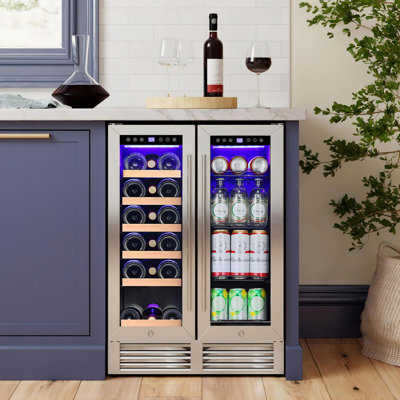
Some manufacturers offer dual-zone beverage centers that combine a small wine section at 40-55°F with a larger beverage section at 34-40°F in a single cabinet. These combination units appeal to households that want both functions without buying two appliances. However, the wine section in most dual-zone beverage centers reaches only 40-55°F — adequate for whites but too cold for proper red wine storage at 58-65°F. Most also lack vibration dampening, UV protection, and humidity control. The wine section in these hybrid appliances is a convenience compromise, not a true preservation environment. For casual wine drinkers who store only whites for short periods, the dual-zone beverage center offers acceptable performance. For anyone storing reds or aging wine beyond a few weeks, a dedicated wine cooler remains essential.
The most expensive mistake is buying a beverage refrigerator filled with costly wine and discovering months later that dried corks have ruined half the collection. Natural cork wines stored at 37°F in low humidity begin deteriorating within weeks, and the damage is irreversible once oxidation reaches the wine. Always check that your storage appliance maintains 45-65°F before committing wine bottles to long-term storage.
The second most common error is buying a wine cooler to serve as a general beverage fridge for a household that drinks mostly beer and soda. The wine cooler's 55°F temperatures serve lukewarm drinks that disappoint, and the horizontal racks physically cannot hold cans. Know your household's actual drink consumption before choosing an appliance category. Track what you drink for a week — if wine represents less than a quarter of your total beverage consumption, the beverage refrigerator serves your primary needs far better, and a small countertop wine cooler can handle the occasional bottles you do store.
Who Should Buy Which
Buy a wine cooler if you store wine for more than a few days before drinking, if you collect wines with natural corks, or if you want proper serving temperatures that reveal wine's full flavor potential. The wine cooler is the only appliance category that provides the correct temperature, humidity, vibration, and UV conditions for proper wine storage and preservation.
Buy a beverage refrigerator if you want ice-cold drinks available for daily consumption and entertaining. The beverage refrigerator's cold temperatures, flexible shelving, and high-capacity layouts deliver the best experience for beer, soda, water, and mixed beverages.
For households that enjoy both wine and cold drinks, the best solution is both appliances installed side by side — creating a complete drink station that serves every beverage at its ideal temperature without compromise. This dual-appliance configuration is the gold standard for home bars, kitchen islands, and entertainment spaces, delivering wine at preservation-perfect temperatures alongside ice-cold beer, soda, and water in adjacent bays that together cost less than $80 per year to operate.
Compare prices on Fridge.com
Browse wine coolers and beverage refrigerators. Filter by capacity, temperature zones, installation type, and price to find the right cooling solution for your drinks.
Frequently Asked Questions
Yes — beverage refrigerator, beverage fridge, beverage center, and beverage cooler all describe the same general cold drink display appliance. The terms are interchangeable. Shop at Fridge.com.
Free tool
Beverage Cooler Size Calculator
Free interactive tool from Fridge.com — get a quick answer while you read.