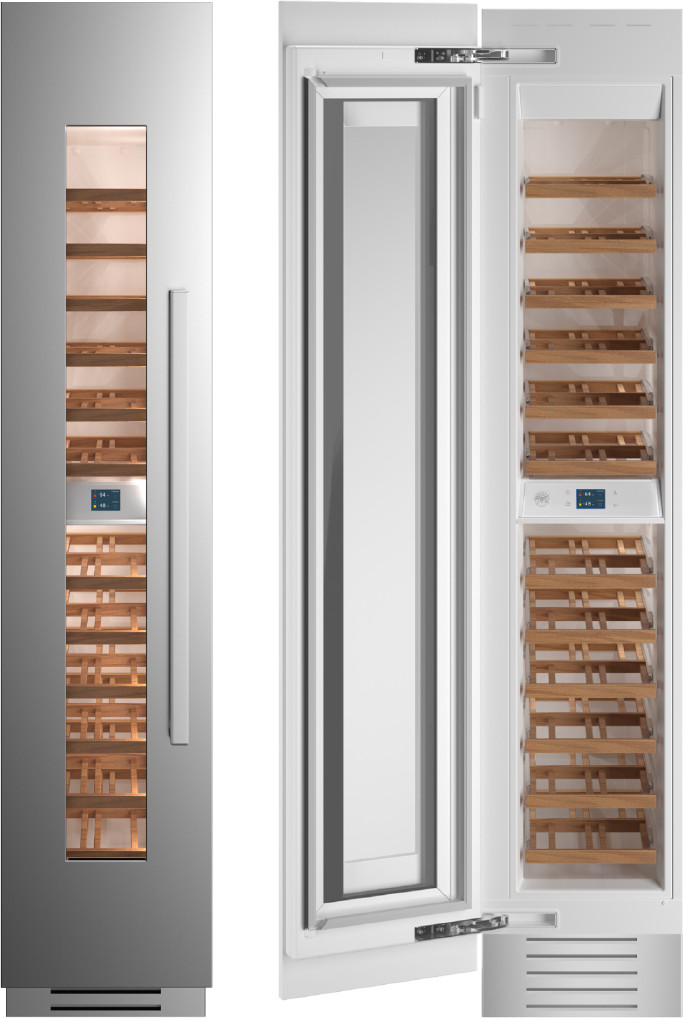
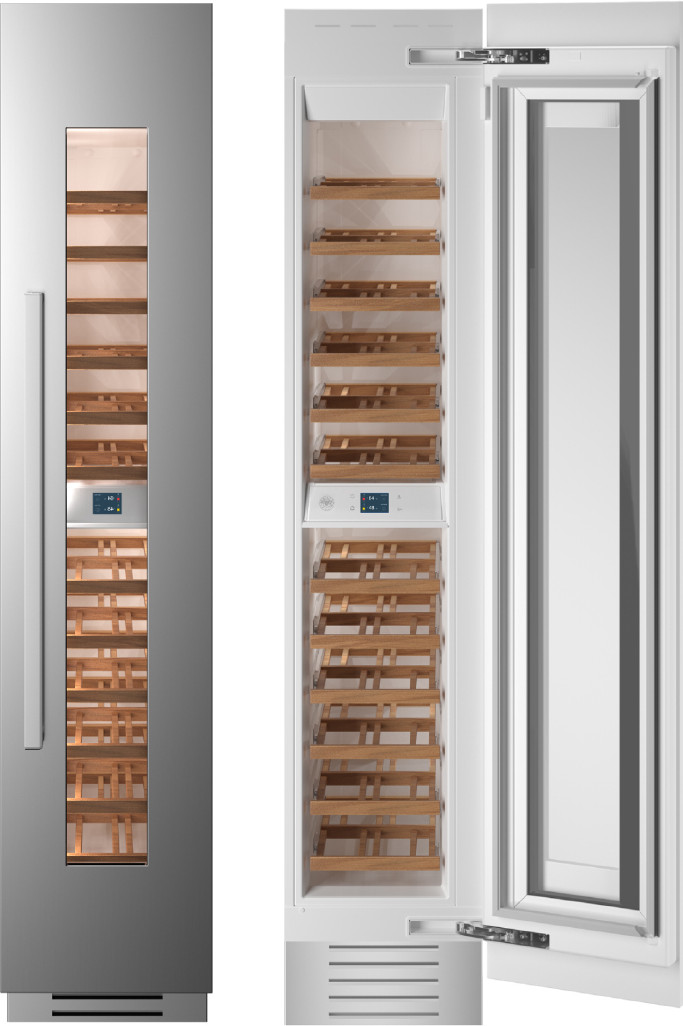
And at 45-65°F, any beer, soda, or water stored in it would taste lukewarm — those drinks are most refreshing at 34-38°F.
A 120-can beverage fridge uses 200-350 kWh per year ($25-$45) versus 100-200 kWh ($12-$25) for a 30-bottle wine cooler, because holding colder temperatures requires more compressor work.
A beverage fridge chills all drinks to 34-45°F serving temperature, while a wine cooler maintains 45-65°F storage conditions with humidity, vibration, and UV control.
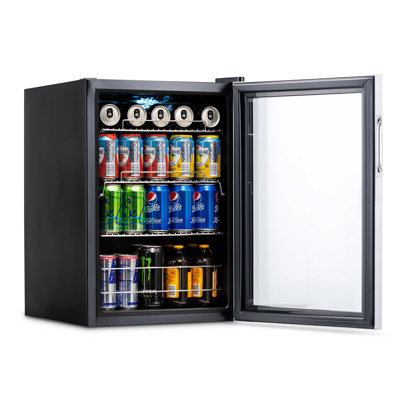
It operates at 34 to 45 degrees, targeting the refreshment range where beer, soda, water, and juice taste best.
A beverage fridge chills all drinks to 34-45°F serving temperature, while a wine cooler maintains 45-65°F storage conditions with humidity, vibration, and UV control. Both feature glass doors, interior lighting, and compact form factors — but the engineering priorities diverge in ways that matter if you care about what happens to your wine over days, weeks, or months.
The Core Distinction
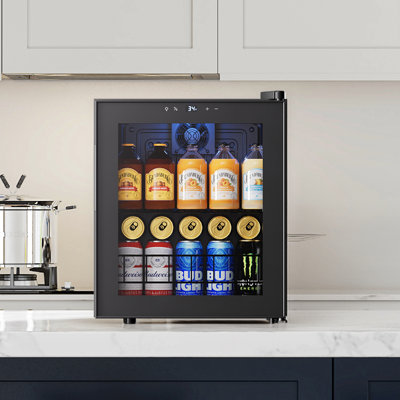
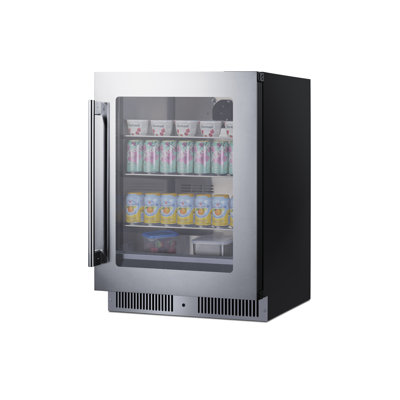
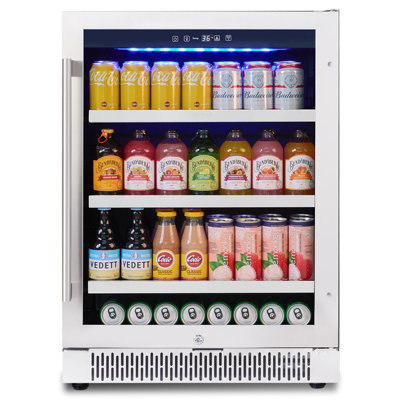
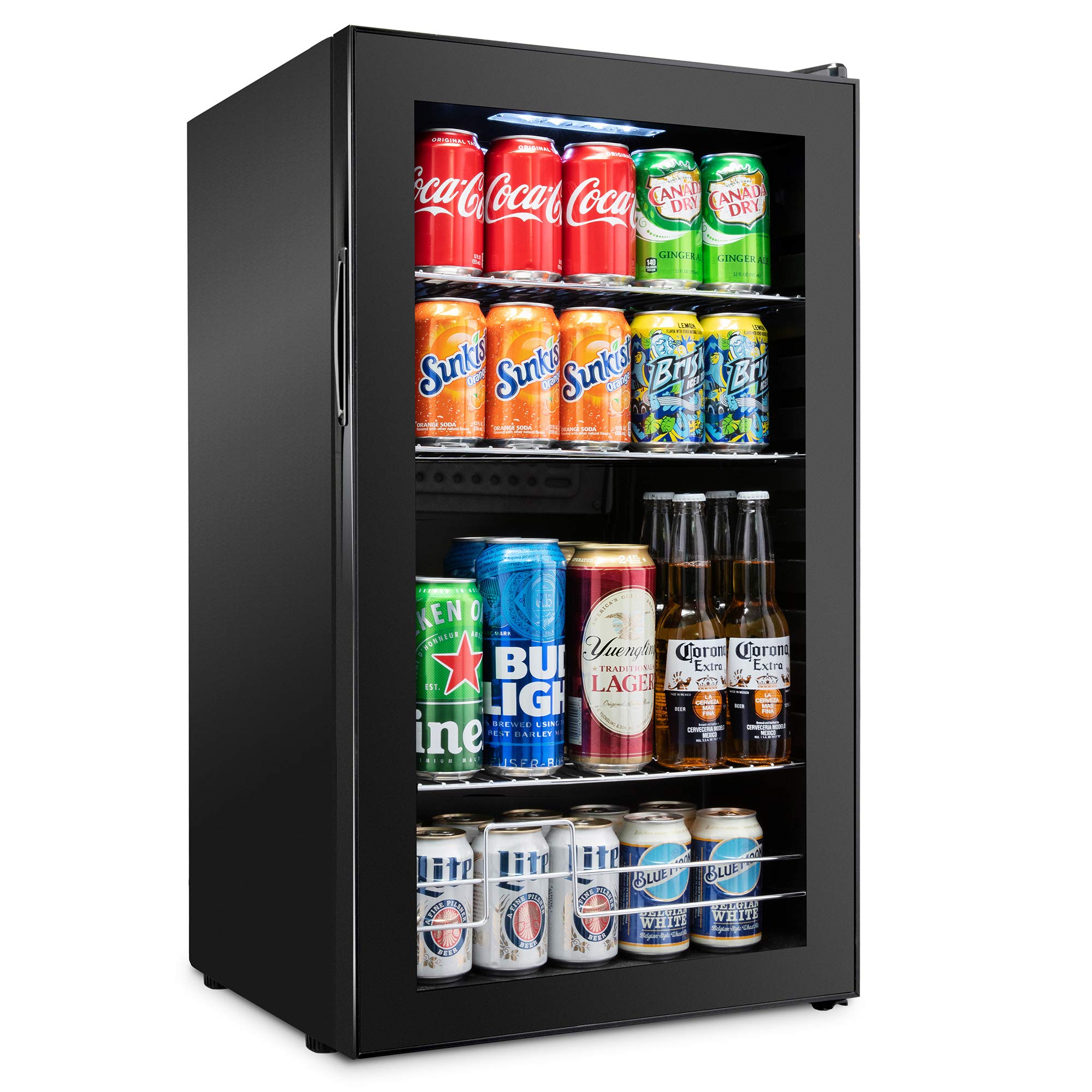
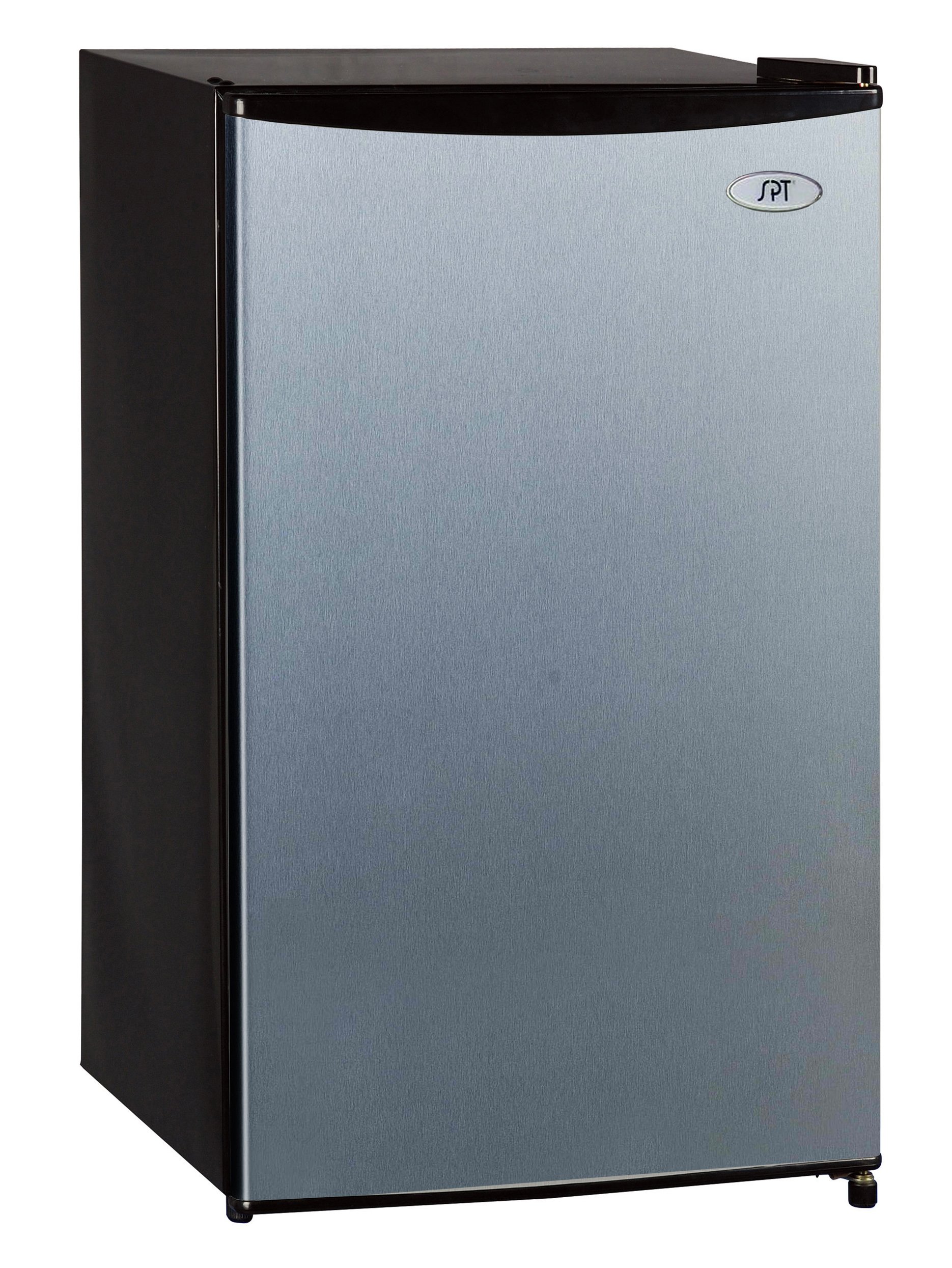
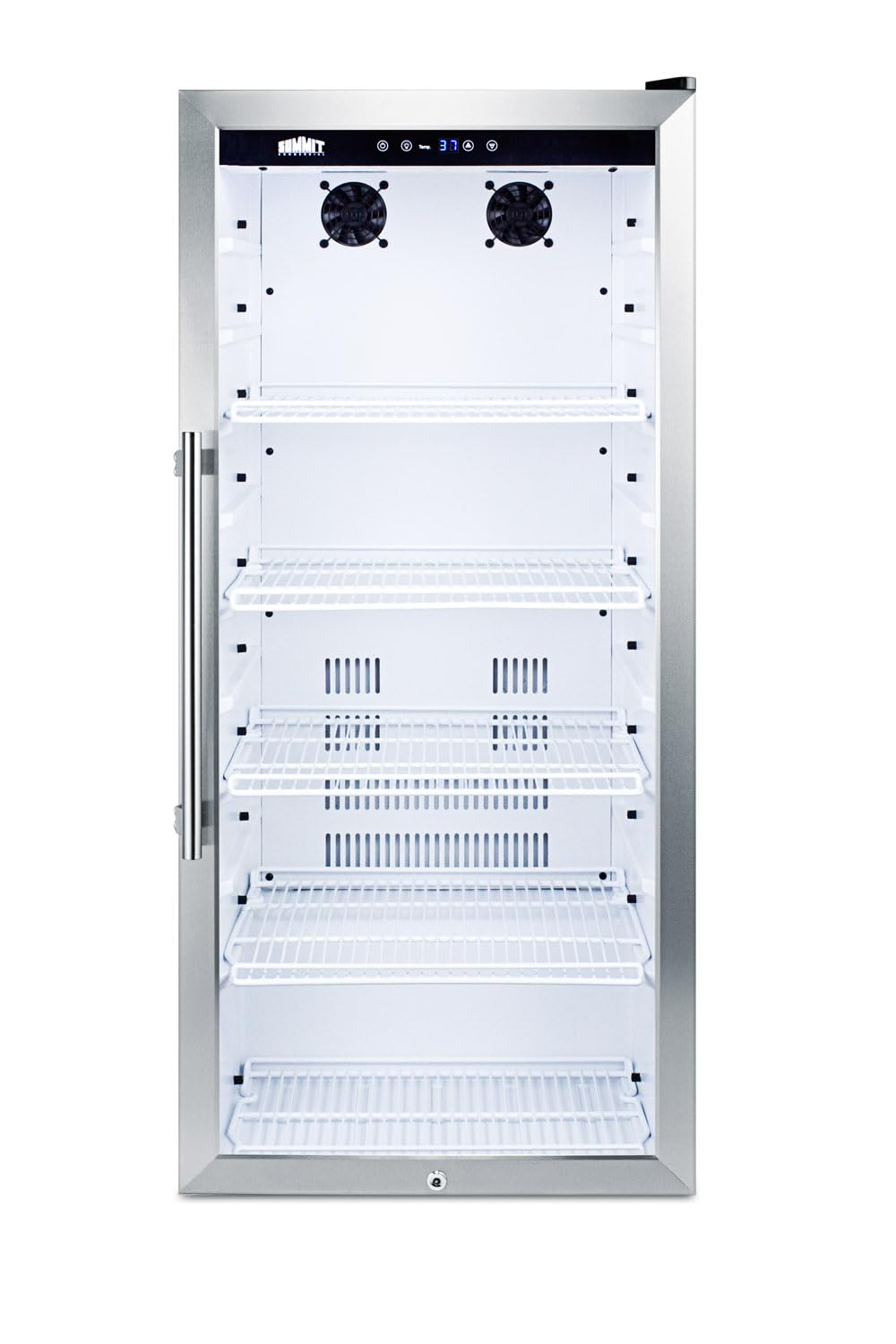
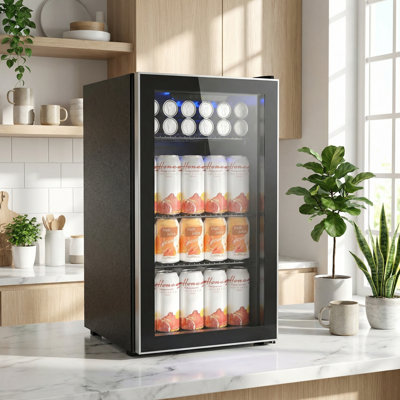
A beverage fridge cools all drinks to serving temperature — fast, cold, and ready. It operates at 34 to 45 degrees, targeting the refreshment range where beer, soda, water, and juice taste best. Shelving maximizes container count. The interior prioritizes accessibility and display over preservation.
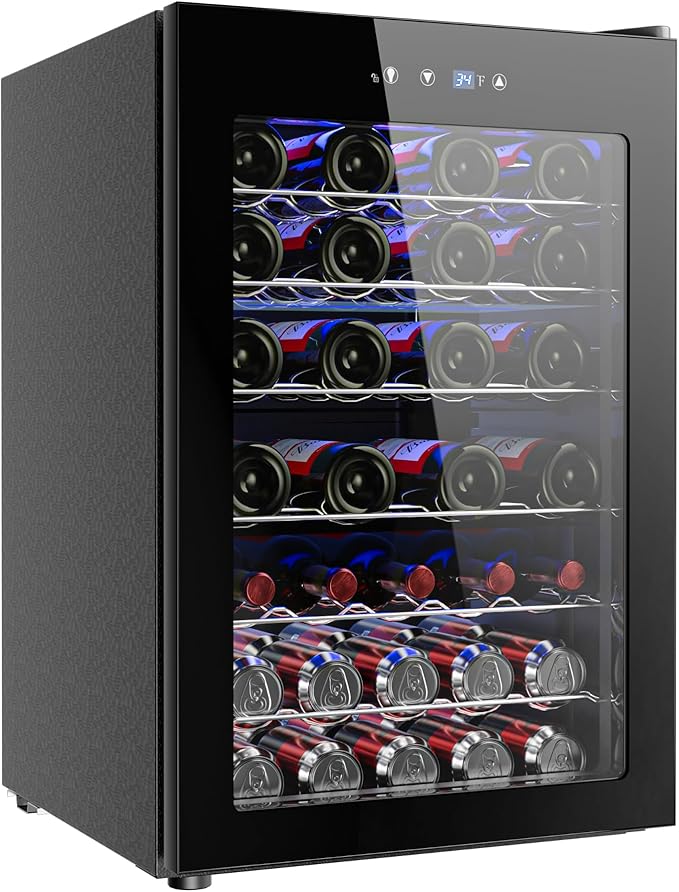
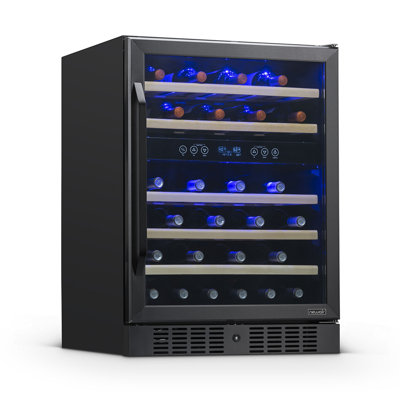
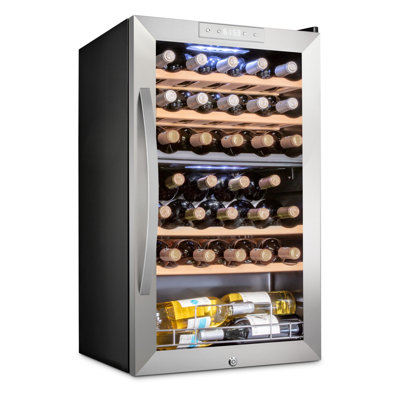
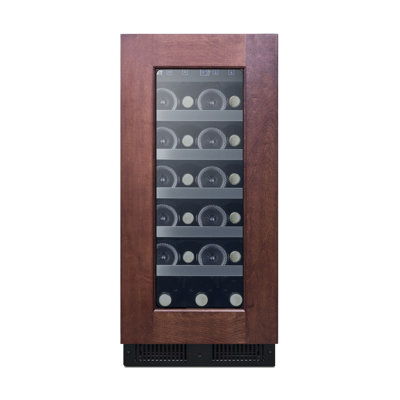
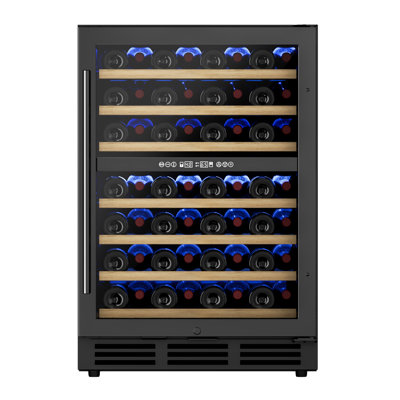
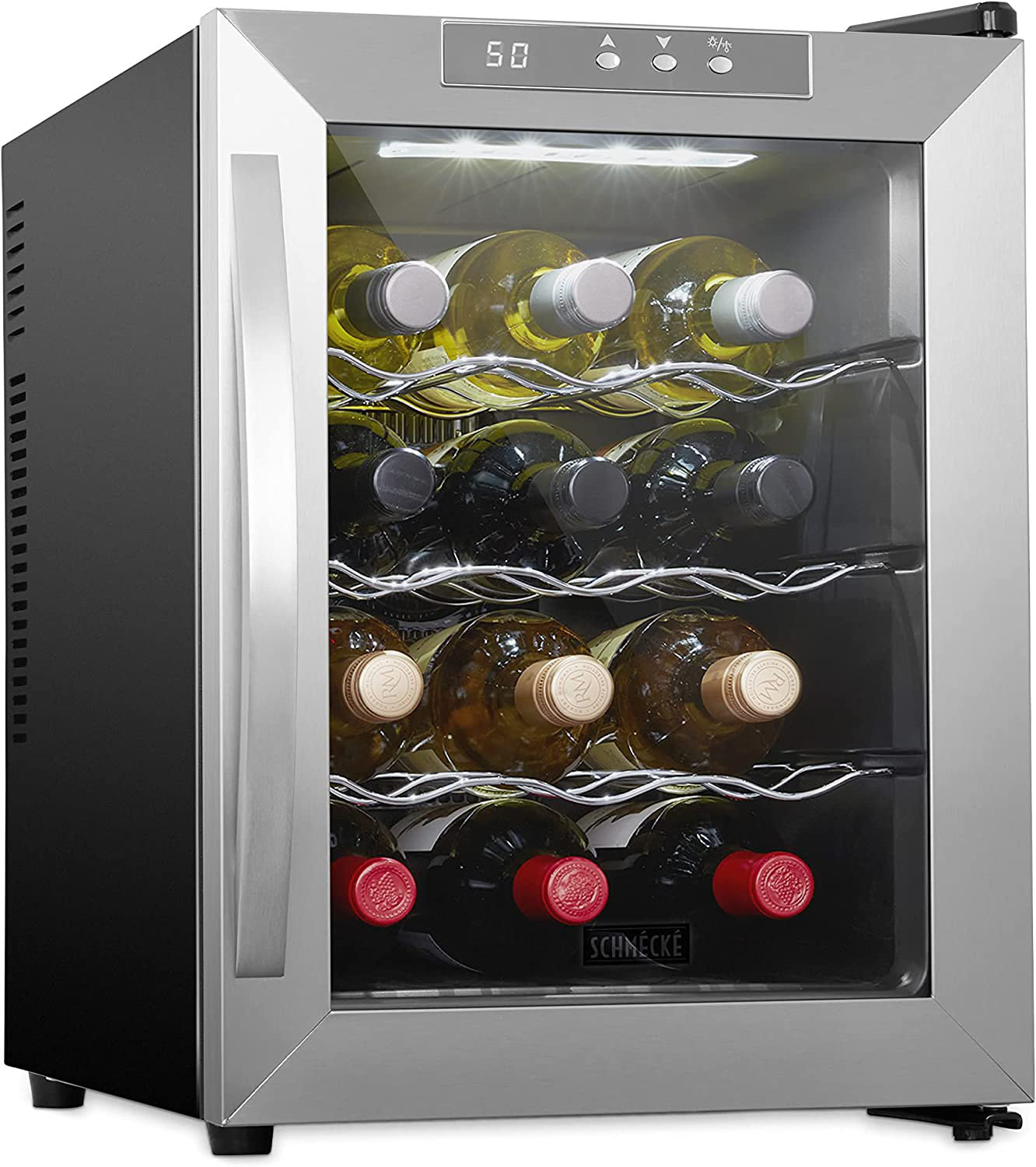
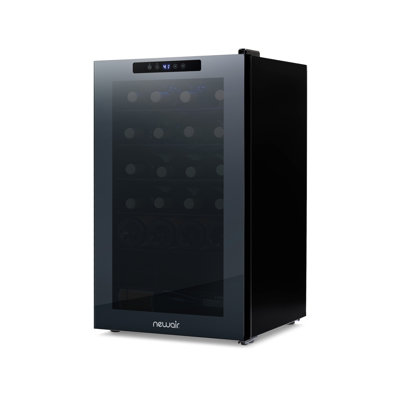
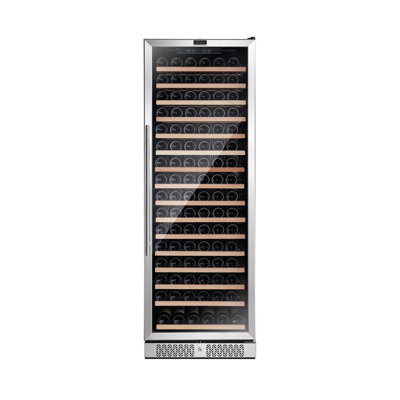
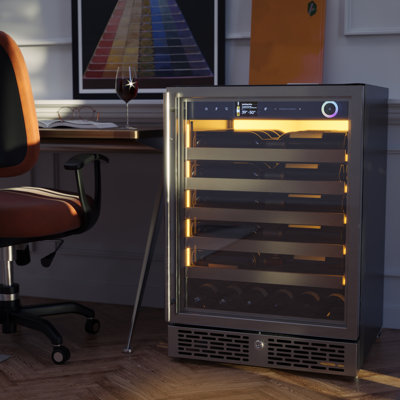
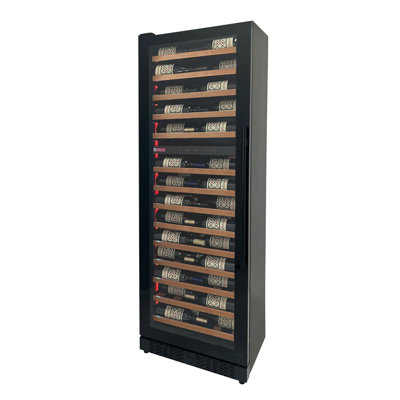
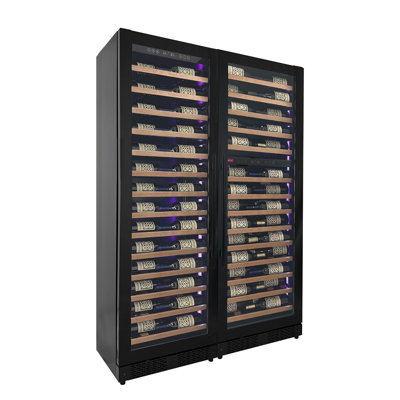
A wine cooler maintains storage conditions — temperature stability, humidity, vibration control, and light protection. Operating at 45 to 65 degrees across single or dual zones, it creates an environment where wine can rest without degradation. Shelving holds bottles horizontally to keep corks moist. The interior prioritizes long-term preservation over quick access.
Temperature
Appliance
Range
Precision
Stability
Beverage Fridge
34 - 45°F
±2-3°F
Moderate (door openings cause swings)
Wine Cooler
45 - 65°F
±1-2°F
High (insulated glass, stable compressor)
Temperature stability matters more than the exact number. A beverage fridge cycling between 34 and 40 degrees during compressor on/off cycles is fine for cans — sealed aluminum does not care about 6-degree swings. Wine cares. Temperature fluctuations accelerate chemical changes in wine that alter flavor, aroma, and color. A quality wine cooler holds temperature within a narrower band through better insulation, more precise thermostats, and slower compressor cycling.
Wine Serving Temperatures by Varietal
The wine cooler's 45-65 degree range covers the full spectrum wine requires: sparkling wine at 45°F, crisp whites at 48-52°F, rich whites and rosés at 52-55°F, light reds at 55-60°F, and full-bodied reds at 58-65°F. Dual-zone models offer two independently controlled compartments for simultaneous white and red storage. A beverage fridge at 37°F overcools wine by 8 to 28 degrees depending on the varietal — red wines taste flat and astringent at refrigerator temperatures, and white wines lose aromatic nuance.
Beverage fridges run at 30 to 40 percent humidity. The refrigeration cycle actively removes moisture. Cans and plastic bottles are unaffected. Natural cork is not — low humidity dries cork in weeks, causing it to shrink, crack, and admit air that oxidizes wine.
Wine coolers maintain 50 to 70 percent humidity through passive trays, charcoal-filtered air systems, or wood shelving that buffers moisture. This range keeps cork supple and sealed for months or years of storage. If you buy corked wine and drink it within 48 hours, humidity does not matter. If you store bottles for any meaningful period, it does.
Standard compressor vibration in a beverage fridge is imperceptible to humans but measurable at the shelf level. It does not affect sealed cans or bottles of beer. It does affect wine by disturbing sediment and accelerating chemical reactions. Compressor-based wine coolers use rubber-isolated mounts and dampened shelving to minimize transfer. Thermoelectric wine coolers eliminate it entirely with solid-state cooling — zero moving parts, zero vibration.
UV Protection
Beverage fridge glass is standard tempered glass — sometimes lightly tinted for aesthetics. UV filtering is minimal because UV does not damage sealed aluminum cans.
Wine cooler glass is UV-filtered, tinted, and often double-paned with argon fill for insulation. UV breaks down tannins and other organic compounds in wine, causing premature aging and off-flavors. The glass treatment is a preservation feature, not a design choice.
Shelving and Interior Flexibility
Beverage fridge shelving is built for upright containers. Can dispensing racks, flat shelves for bottles and cartons, and door bins maximize count and accessibility. The orientation is vertical — cans and bottles stand up. The adjustable wire shelves can be repositioned, removed, or reconfigured: remove a shelf to create tall-bottle space for wine or champagne, lower a shelf to create rows of cans, or space all shelves closely to maximize can count. This versatility means a beverage fridge can store virtually any drinkable container — tall bottles, short cans, wide jugs, and irregularly shaped craft beer containers.
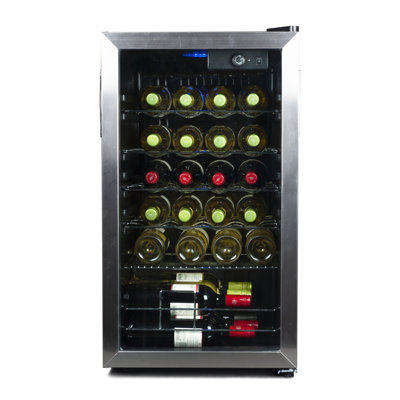
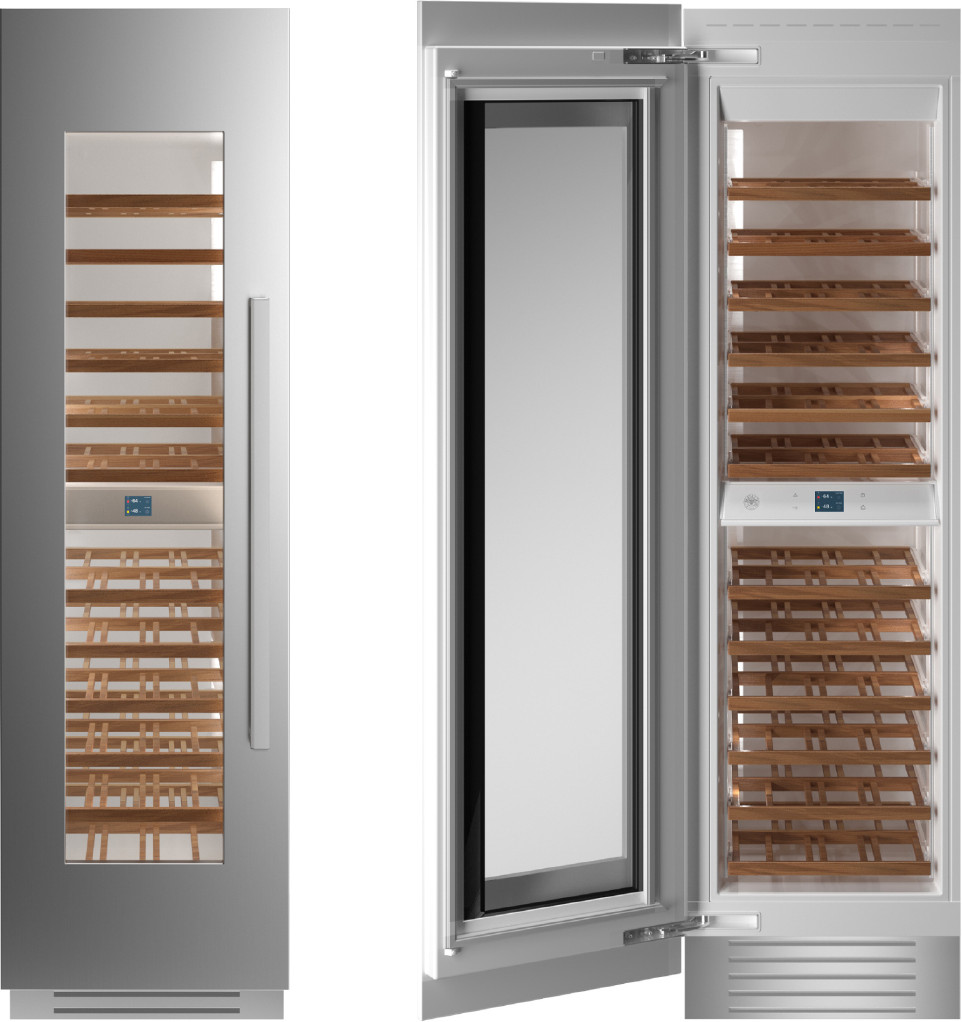
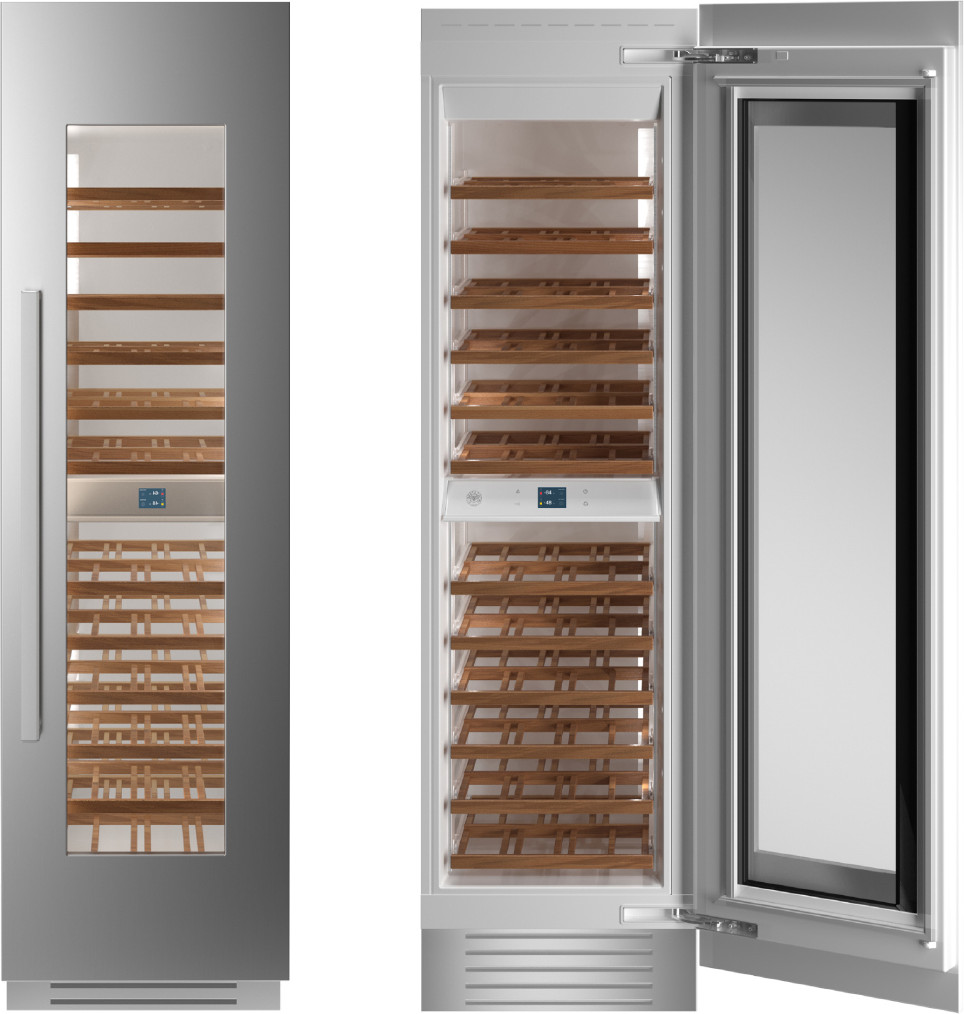
Wine cooler shelving is built for horizontal bottles. Contoured wood or chrome racks cradle each bottle at the correct angle, with scalloped grooves sized for a standard 750ml bottle's 3-inch diameter. Slide-out mechanisms allow label reading without disturbing adjacent bottles. The horizontal orientation keeps wine in contact with the cork — a functional requirement for corked bottles, not just a storage preference. The rigid layout cannot practically accommodate cans, food containers, or other non-bottle items — a 12-ounce can does not fit in a groove designed for a wine bottle.
At the popular 24-inch undercounter size, the capacity trade-off is concrete:
Appliance (24-inch undercounter)
Wine Bottles
Beverage Cans
Wine Cooler
40 - 54 bottles
Not designed for cans
Beverage Fridge
8 - 15 bottles (upright only)
120 - 180 cans
Wine coolers maximize bottle count because every cubic inch of interior space is dedicated to horizontal bottle storage. Wine bottles can be stored in a beverage fridge, but they must stand upright — the wrong orientation for cork health — at too-cold temperatures, without UV protection or vibration control. That is acceptable for short-term chilling before serving but damaging for long-term storage.
Wine coolers use less energy because they cool to warmer temperatures — holding 37°F requires more compressor work than holding 55°F, and the clear glass door on a beverage fridge conducts more heat into the cabinet than UV-tinted or double-pane wine cooler glass. The difference is $10 to $25 per year, which compounds to roughly $100 to $150 over a decade of ownership.
Pricing
Type
Budget
Mid-Range
Premium
Beverage Fridge
$150 - $400
$400 - $800
$800 - $1,800
Wine Cooler
$100 - $350
$350 - $900
$900 - $3,000+
The two categories overlap heavily in the budget and mid-range tiers — a quality undercounter model of either type runs $500 to $1,000. Wine coolers extend higher in the premium tier because large-capacity dual-zone models with advanced preservation features command the top prices, while beverage fridges top out lower thanks to simpler construction. At the same price point, a wine cooler invests the budget in preservation engineering while a beverage fridge invests in cooling power and flexible storage — so choose by contents, not cost.
Beverage fridges: 38 to 45 dB. Wine coolers (compressor): 35 to 42 dB. Wine coolers (thermoelectric): 25 to 35 dB. Thermoelectric models are the quietest consumer cooling appliances available. Both types are quiet enough for kitchens, bars, and entertaining spaces, but the wine cooler holds a consistent edge for noise-sensitive installations in bedrooms, offices, and formal dining rooms.
Installation Options
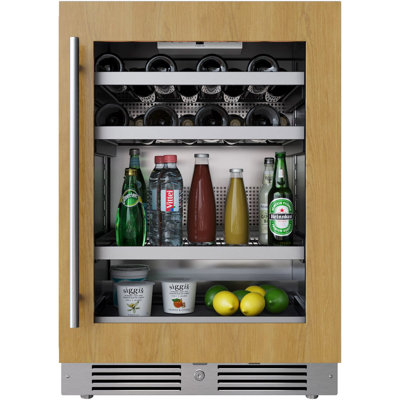
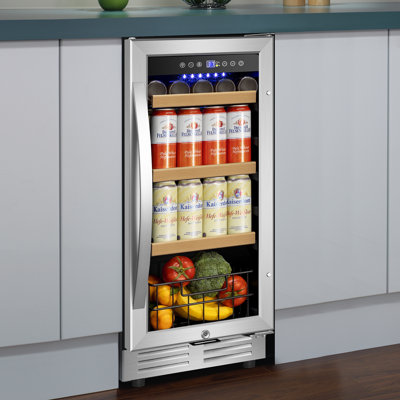
Both wine coolers and beverage fridges come in undercounter, freestanding, and countertop formats. Undercounter models of both types fit standard 24-inch cabinet openings with front-venting exhaust for flush built-in installation, and panel-ready options exist in both categories for custom door panels that match surrounding cabinetry. Electrical requirements and ventilation needs are nearly identical. In many kitchens and home bars, the two install side by side in adjacent 24-inch bays — one holding the wine collection at preservation temperatures, the other keeping cold drinks ready for immediate serving.
Wine coolers require annual condenser coil cleaning, gasket inspection, interior wiping, and periodic rack cleaning to prevent mold on wooden shelves. Compressor models last 10 to 15 years with proper maintenance; thermoelectric models typically last 5 to 8 years before the cooling module degrades.
Beverage fridges need similar basic care — coil cleaning, gasket inspection, and shelf wiping — and the wire shelves are easier to clean than wooden wine racks, though the clear glass door needs frequent cleaning to remove fingerprints. Expected lifespan is 8 to 12 years for quality models. Beverage fridges endure more frequent door openings than wine coolers — drinks are grabbed multiple times daily versus wine accessed a few times per week — which increases compressor cycling and can shorten component life.
Common Mistakes
The most common mistake is storing wine long-term in a beverage fridge. Chilling a bottle for an hour or two before serving is fine, but leaving wine in a beverage fridge for weeks or months at 37°F damages cork integrity, mutes flavors, and accelerates unwanted aging. If you buy wine in advance and hold it for more than a few days before drinking, a wine cooler is the correct appliance.
The second mistake is buying a wine cooler for a household that primarily drinks beer, soda, and other non-wine beverages. The horizontal racks cannot hold cans, the warmer temperature delivers lukewarm drinks, and capacity is measured in wine bottles rather than the mixed containers a beverage-focused household actually needs. If wine represents less than half your drink storage, a beverage fridge serves you better.
Some buyers ask whether a dual-zone beverage center can replace both a beverage fridge and a wine cooler. The answer is partially. A dual-zone unit with a cold zone (34-40°F) and a warm zone (45-50°F) handles beer and white wine reasonably well. But it cannot reach the 55-65 degree range for red wine storage, lacks humidity control, and does not dampen vibration. It is a compromise that works for casual drinkers who consume wine within days of purchase.
For anyone building a wine collection — even a modest one of 20 to 30 bottles — a dedicated wine cooler is the correct investment. The preservation features protect flavor and value over time in ways a beverage fridge fundamentally cannot.
Who Should Buy Which
Buy a beverage fridge if your household primarily drinks beer, soda, water, and seltzers with wine as an occasional same-week purchase. The beverage fridge handles volume cold drink storage at its best.
Buy a wine cooler if you buy wine regularly, store bottles for more than a few days, or value serving wine at correct temperatures. Proper storage conditions are not optional for wine that matters to you.
Many drink enthusiasts own both. The beverage fridge handles daily cold drink service; the wine cooler protects the collection. Installed side by side under a bar or island, the pair creates a complete beverage station that serves every drink at its optimal temperature — wine at proper serving warmth alongside ice-cold beer, soda, and water.
Only short-term. A beverage fridge chills wine to 34-45°F — 8 to 28 degrees below proper serving temperature depending on the varietal — and its 30 to 40 percent humidity dries natural corks within weeks, admitting air that oxidizes the wine. Chilling a bottle for an hour or two before serving is fine; storage beyond a few days belongs in a wine cooler.
Can a wine cooler hold cans or other drinks?
Not practically. Wine cooler racks use fixed grooves sized for a standard 750ml bottle, so a 12-ounce can does not fit. And at 45-65°F, any beer, soda, or water stored in it would taste lukewarm — those drinks are most refreshing at 34-38°F.
What is the temperature difference between a beverage fridge and a wine cooler?
A beverage fridge operates at 34-45°F for ice-cold serving; a wine cooler operates at 45-65°F for wine storage and serving. Wine coolers also hold temperature more tightly (±1-2°F versus ±2-3°F), which matters because fluctuations accelerate chemical changes in wine.
Which uses more energy?
The beverage fridge. A 120-can beverage fridge uses 200-350 kWh per year ($25-$45) versus 100-200 kWh ($12-$25) for a 30-bottle wine cooler, because holding colder temperatures requires more compressor work. The gap adds up to roughly $100-$150 over a decade.
Which is quieter?
The wine cooler. Compressor wine coolers run 35-42 dB versus 38-45 dB for beverage fridges, and thermoelectric wine coolers run 25-35 dB with zero vibration — the quietest option for bedrooms, offices, and formal dining rooms.
Can a wine cooler and a beverage fridge be built in side by side?
Yes. Undercounter models of both types fit standard 24-inch cabinet openings with front-venting exhaust, and panel-ready versions exist in both categories. Adjacent 24-inch bays under a bar or island are a common home-entertaining setup.
How long does each appliance last?
Compressor wine coolers last 10 to 15 years with annual coil cleaning and gasket inspection; thermoelectric wine coolers last 5 to 8 years. Beverage fridges last 8 to 12 years — frequent daily door openings increase compressor cycling relative to a less-accessed wine cooler.
Is a dual-zone beverage center a substitute for both?
Only partially. A cold zone at 34-40°F plus a warm zone at 45-50°F covers beer and white wine, but it cannot reach the 55-65°F range red wine storage requires, lacks humidity control, and does not dampen vibration.
Compare prices on Fridge.com
Compare beverage fridges and wine coolers. Filter by zone count, capacity, cooling type, and price.
Frequently Asked Questions
Too cold for storage, borderline for serving. Beverage fridges run at 34 to 45 degrees — fine for chilling white wine quickly before serving but too cold for red wine and too dry for long-term cork health. A wine cooler at 45 to 65 degrees is the correct tool for wine storage. Fridge.com has both.
Free tool
Beverage Cooler Size Calculator
Free interactive tool from Fridge.com — get a quick answer while you read.