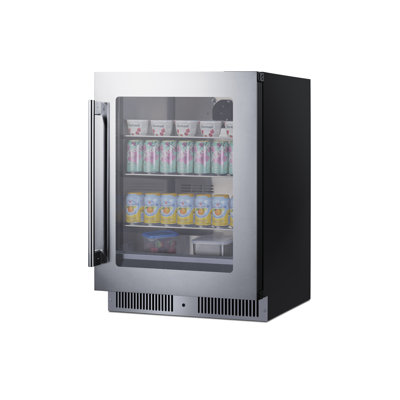
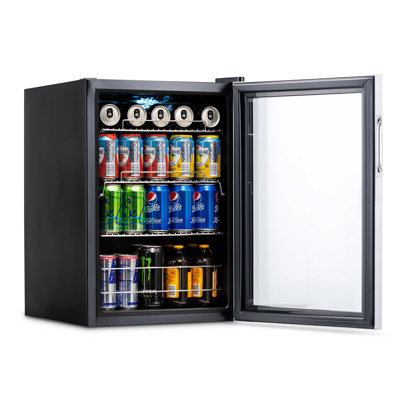
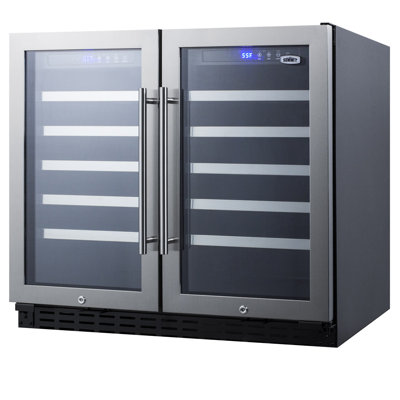
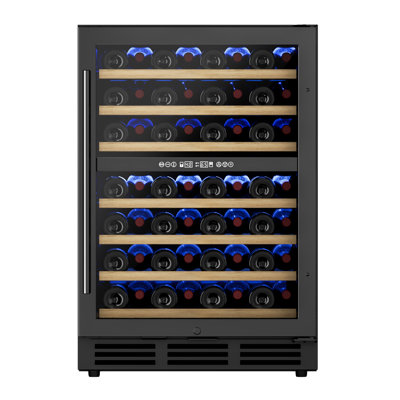
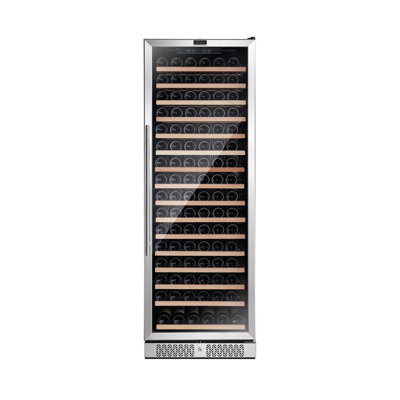
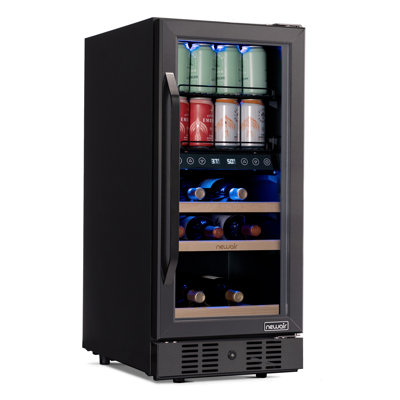
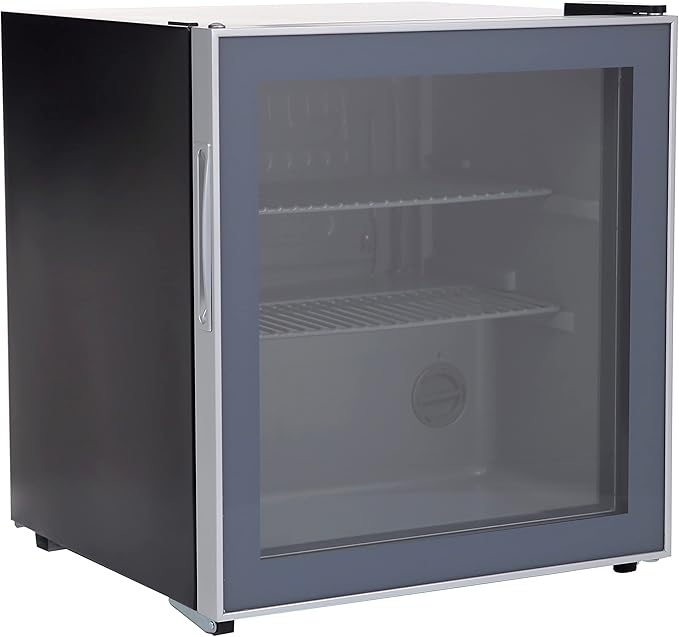
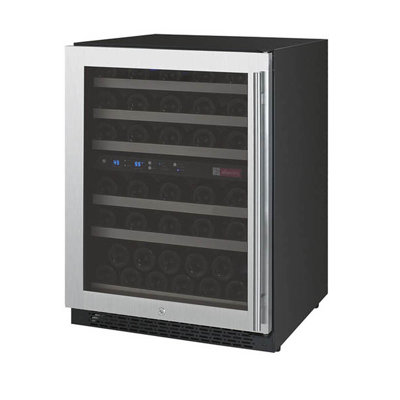
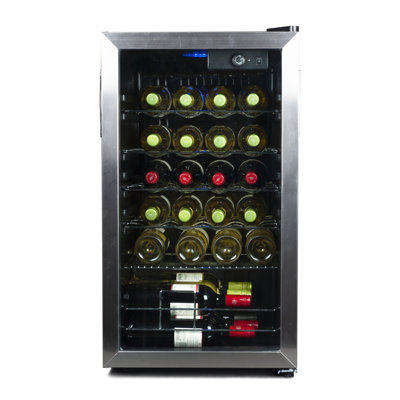
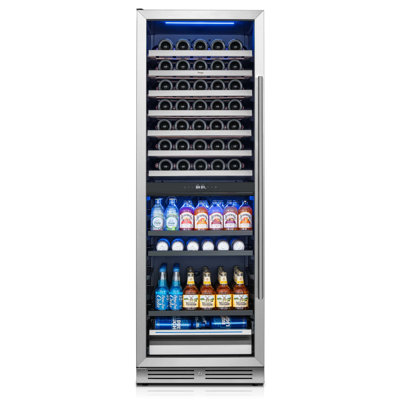
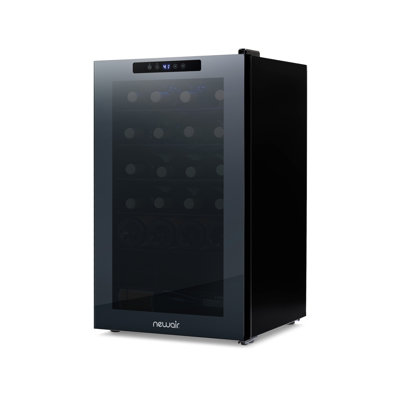
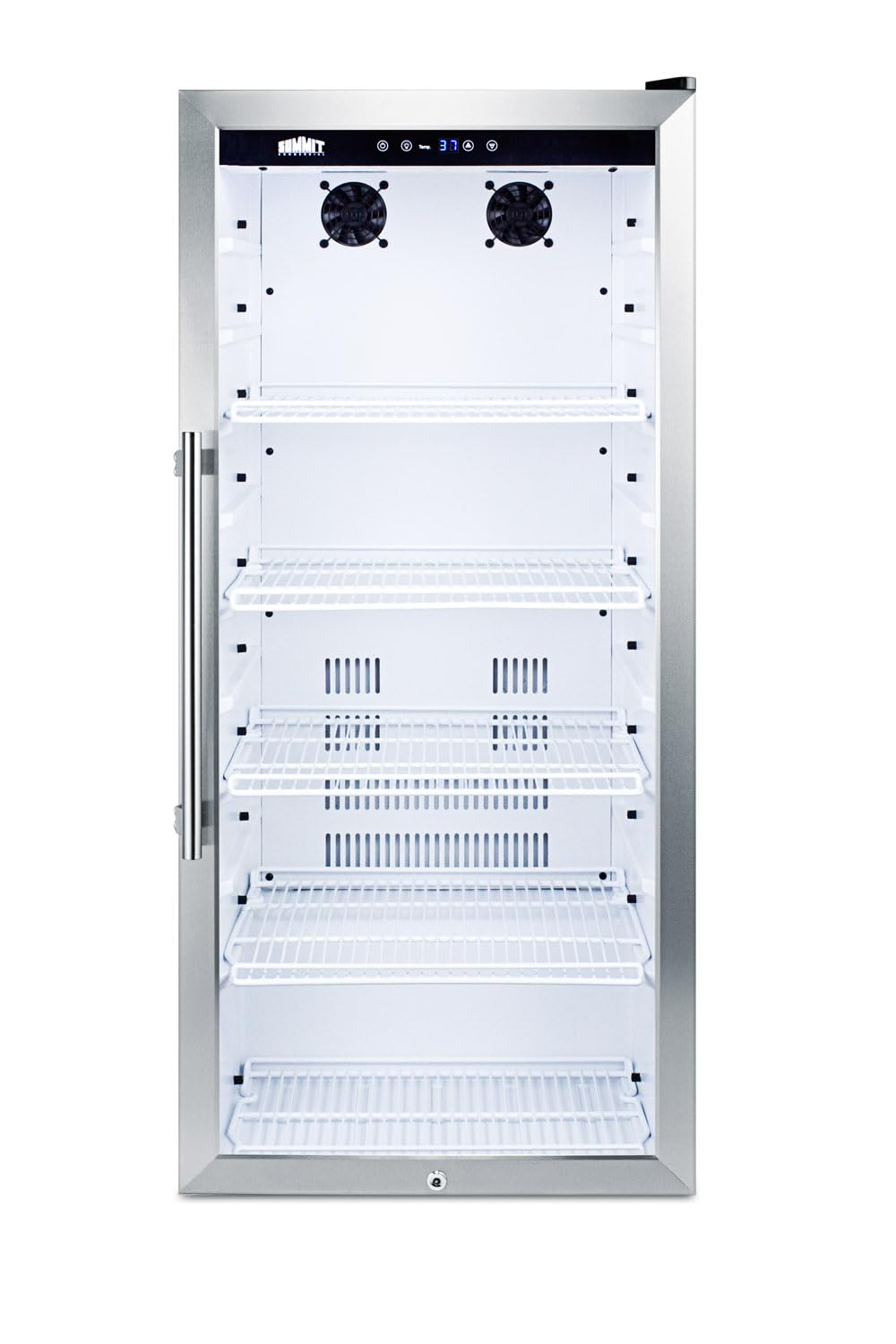
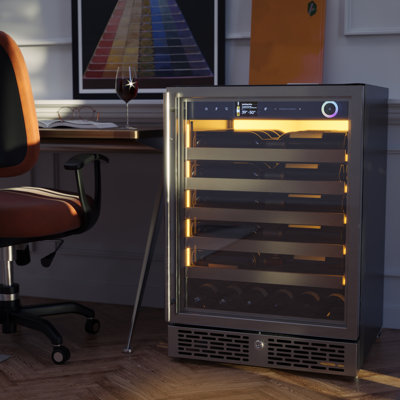
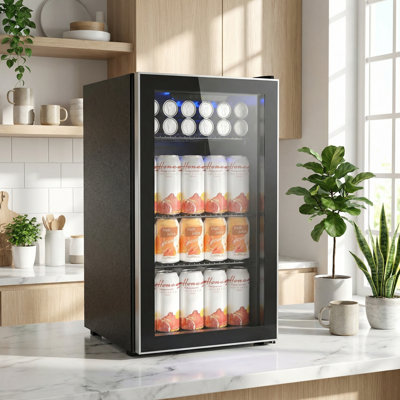
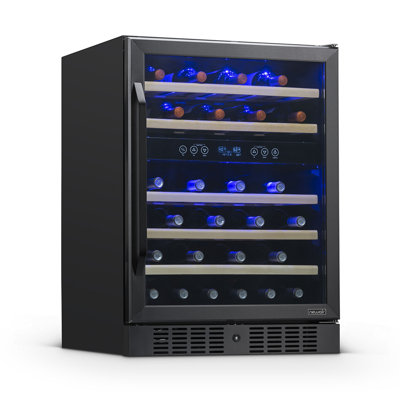
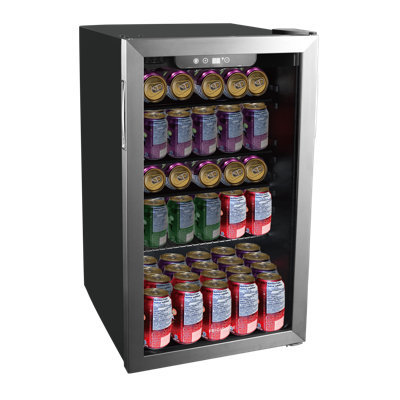
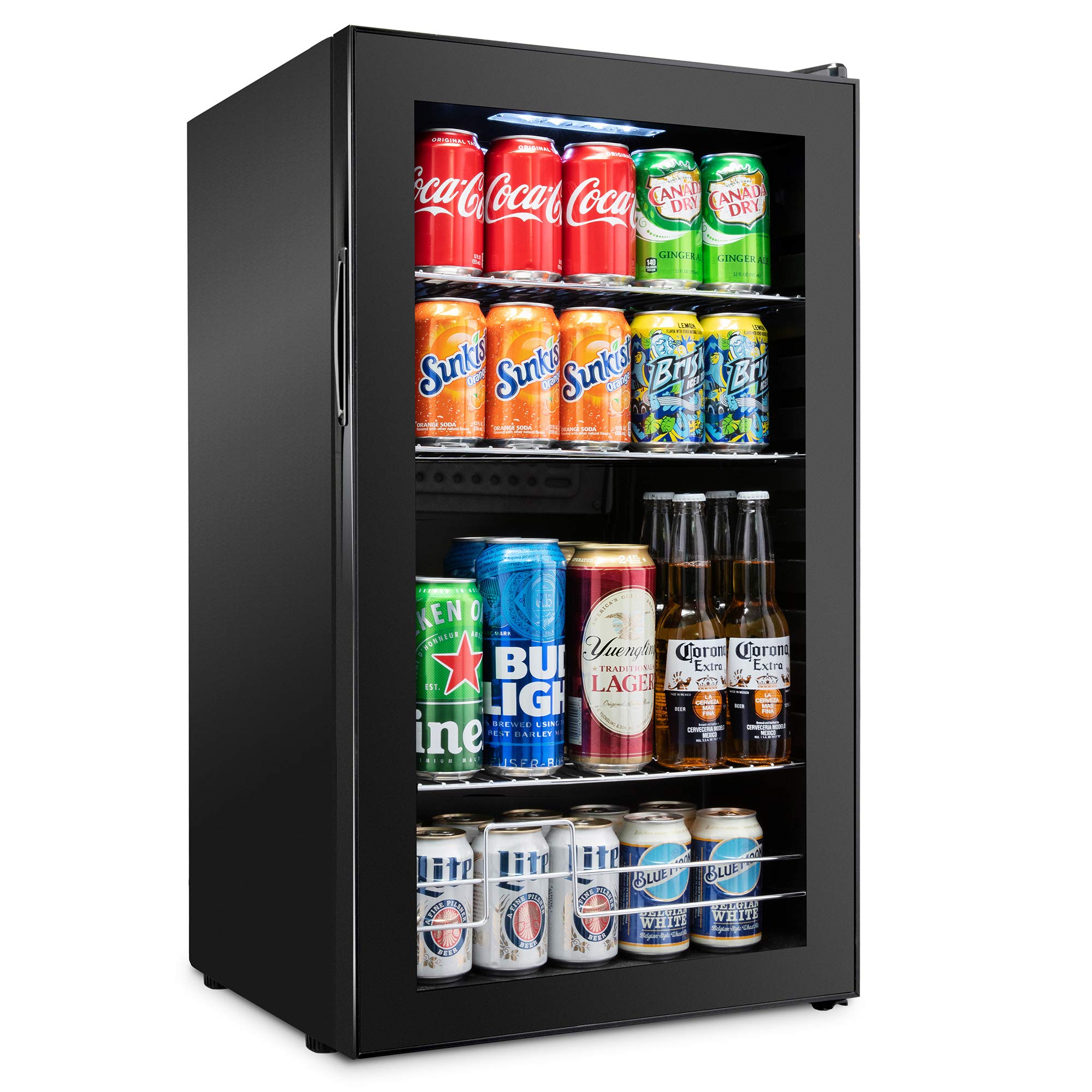
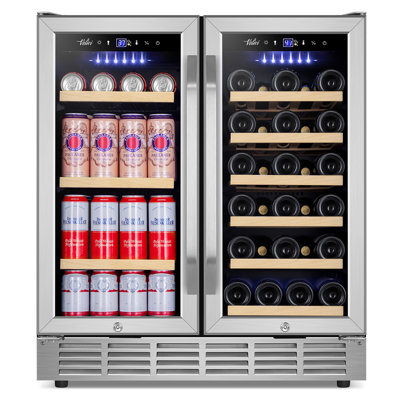
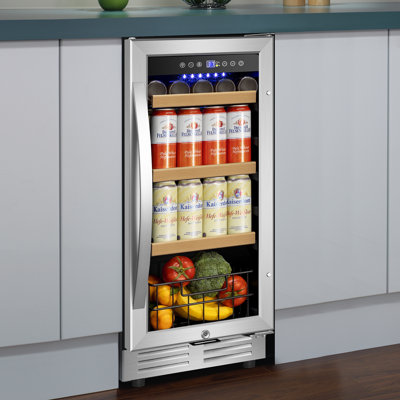
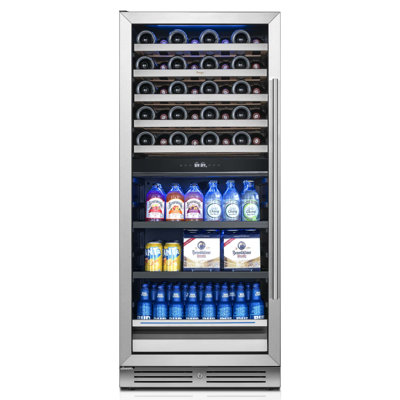
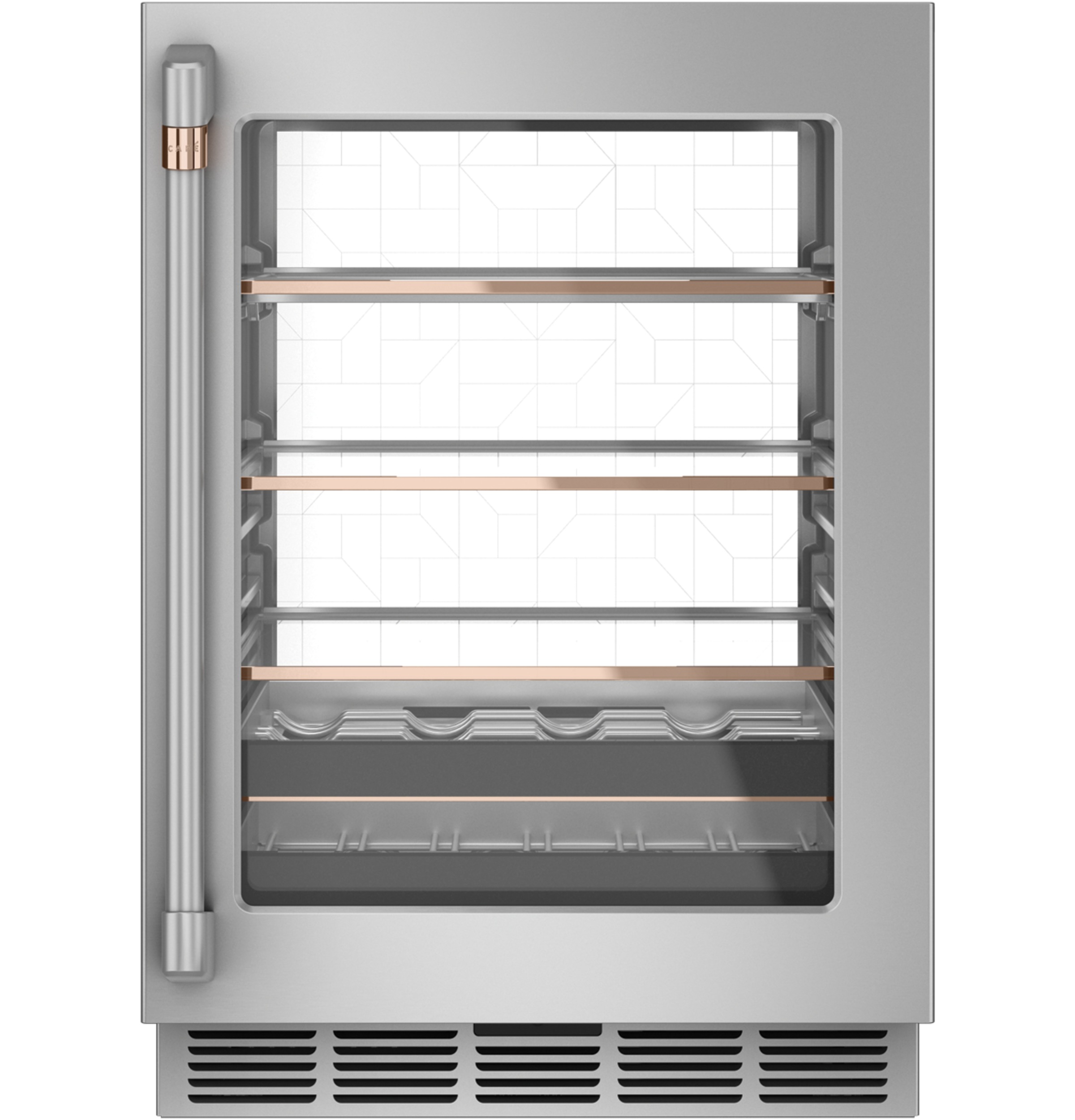
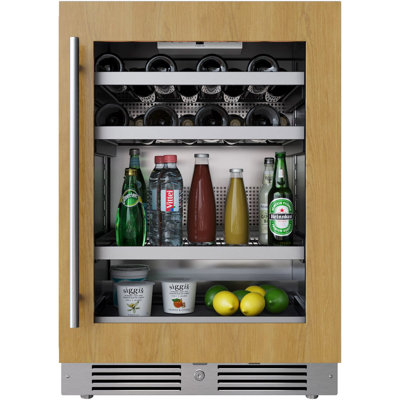
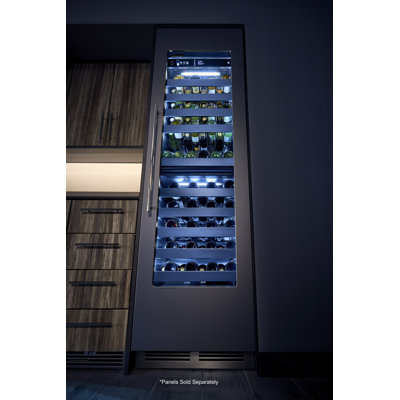
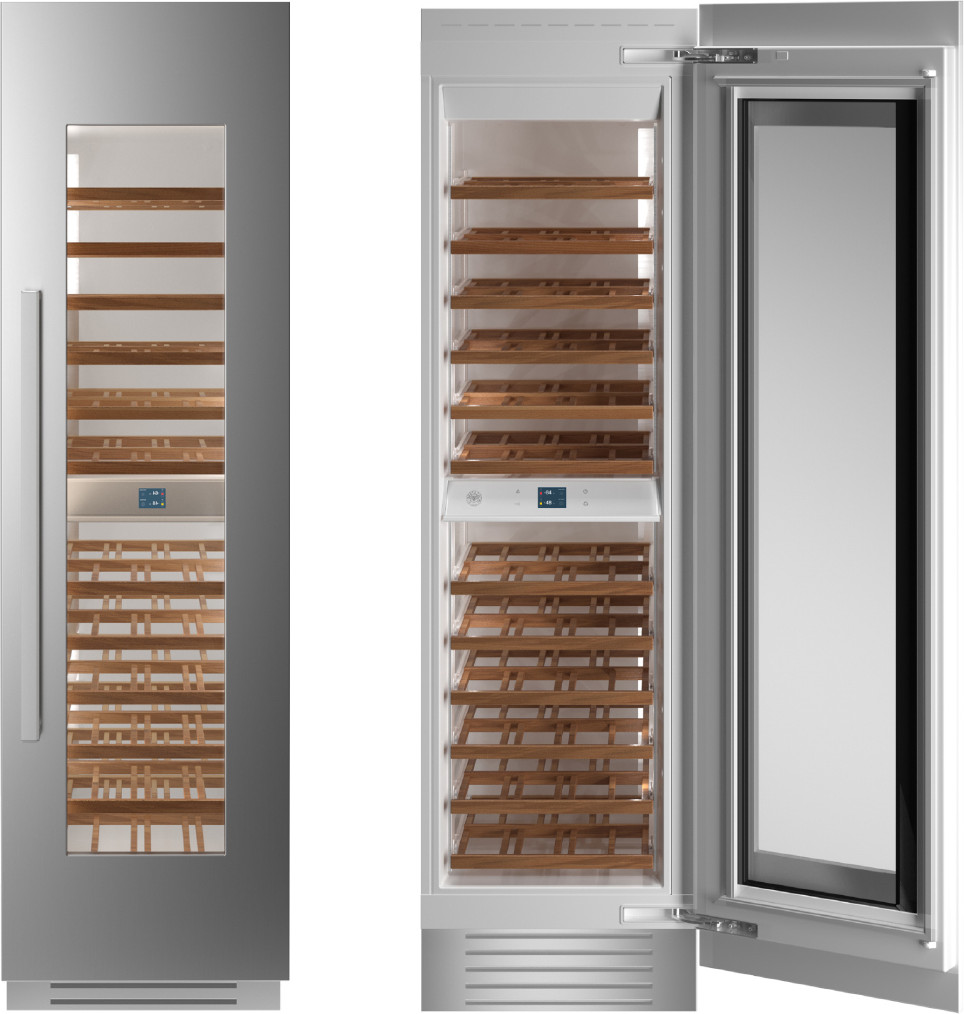
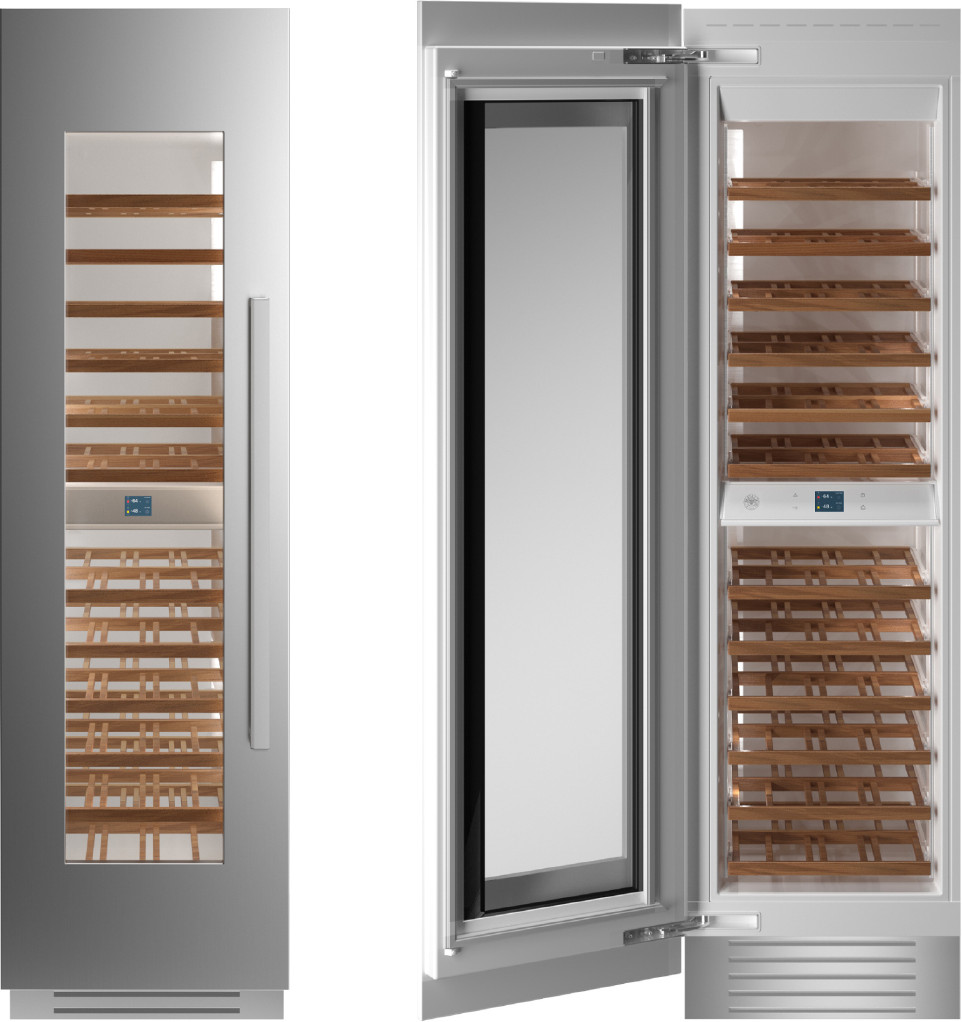
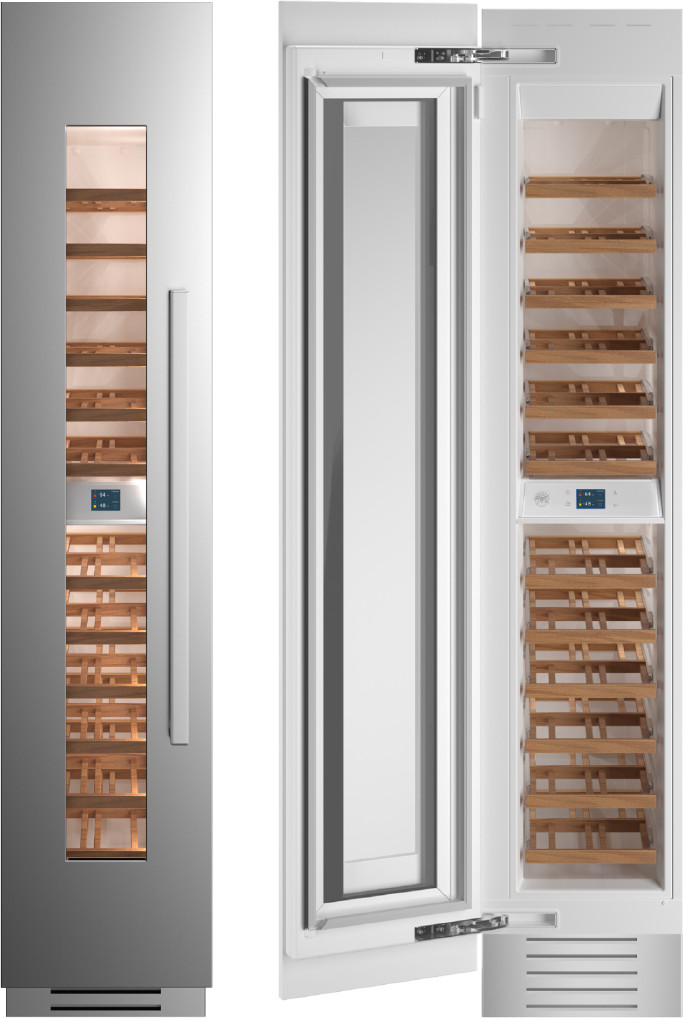
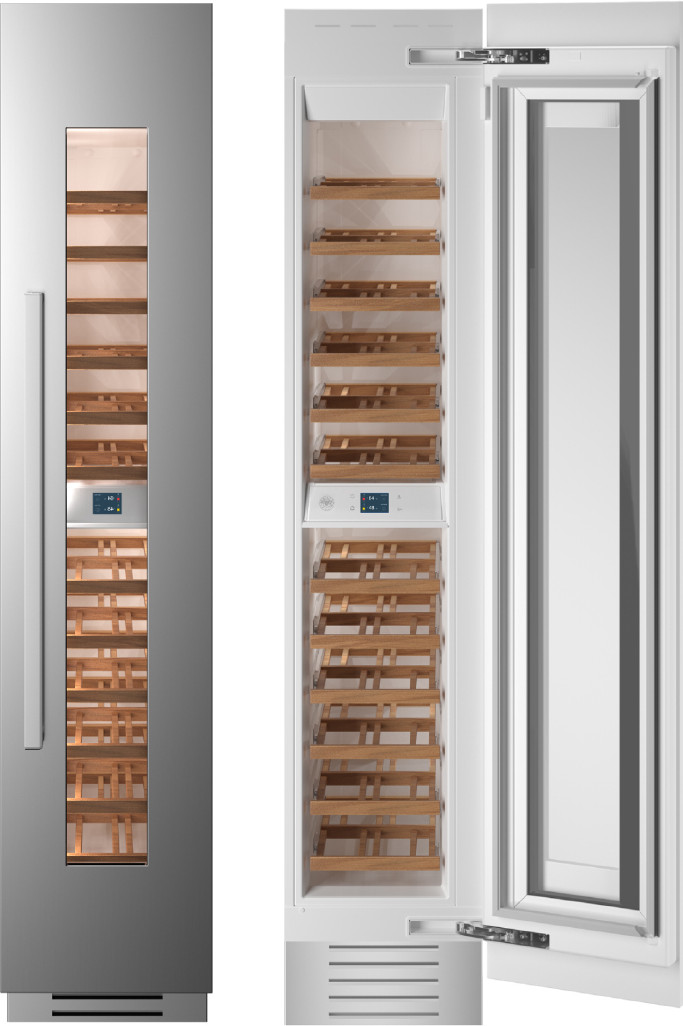
A wine cellar and a wine refrigerator both protect wine through temperature control, but they differ in scale, investment, and long-term preservation capability. A wine cellar is a dedicated room — underground, in a basement, or purpose-built with insulation and climate control — that stores hundreds to thousands of bottles at a stable 55°F with 60-70% humidity for decades of aging. A wine refrigerator is a self-contained electric appliance that stores 6 to 300 bottles at 45-65°F for short to medium-term preservation. This comparison helps you decide between room-scale and appliance-scale wine storage based on your collection size, budget, aging timeline, and available space.
Scale and Capacity
Storage Option
Bottle Capacity
Space Required
Aging Capability
Countertop Wine Refrigerator
6-20 bottles
1-2 sq ft of counter space
Short-term (weeks to months)
Undercounter Wine Refrigerator
20-60 bottles
15-24 inch cabinet opening
Short to medium-term (months to 2 years)
Floor-Standing Wine Refrigerator
40-300 bottles
4-10 sq ft of floor space
Medium-term (months to 5 years)
Small Wine Cellar
200-500 bottles
25-50 sq ft room
Long-term (years to decades)
Medium Wine Cellar
500-2,000 bottles
50-150 sq ft room
Long-term (years to decades)
Large Wine Cellar
2,000-10,000+ bottles
150-500+ sq ft room
Long-term (years to decades)
The wine cellar scales to meet virtually any collection size, from a converted closet holding 200 bottles to a custom underground vault holding 10,000 or more. The wine refrigerator maxes out around 300 bottles in the largest floor-standing models. If your collection currently exceeds 300 bottles or you plan to grow significantly, the cellar is your only option for housing everything in one location. Collections under 200 bottles fit comfortably in one or two wine refrigerators without the construction commitment a cellar requires.
A properly built wine cellar provides the gold standard of wine storage conditions. The cooling system maintains 55°F ± 1°F year-round — the universally recognized ideal temperature for long-term wine aging. Independent humidity control holds 60-70% relative humidity, keeping natural corks moist and airtight for decades. The insulated room (R-19 walls minimum, R-30 ceiling) with vapor barrier prevents condensation and temperature fluctuation. The sealed, insulated door (exterior-grade with magnetic seal) blocks light and air exchange. Inside the cellar, wine rests in complete darkness on solid racking with zero vibration — conditions that allow wine to evolve at the optimal rate over 10 to 30 years or longer.
A wine refrigerator provides good but not ideal conditions. Temperature holds within ±2°F of the set point, slightly less precise than a cellar. Most wine refrigerators do not actively control humidity — interior humidity depends on ambient conditions, the cooling mechanism, and door opening frequency. In dry climates, corks can desiccate over 2 to 5 years without supplemental humidity. Vibration from the compressor (even with dampening) is present at low levels. Light enters through the glass door each time it opens or when interior LED lighting activates. These factors are acceptable for short to medium-term storage but fall short of cellar conditions for serious long-term aging.
Building a wine cellar is a construction project involving multiple trades. The process includes designing the space (architect or cellar design specialist), framing walls and ceiling (general contractor), installing insulation and vapor barrier (insulation contractor), running electrical for the cooling unit and lighting (electrician), installing the through-wall, split, or ducted cooling system (HVAC contractor), finishing walls and floor (typically stone, tile, or stained concrete), installing racking systems (wood, metal, or acrylic), and hanging an insulated exterior-grade door. The project takes 2 to 8 weeks depending on complexity and costs $10,000 to $200,000 depending on size, materials, and customization.
Installing a wine refrigerator takes 15 to 30 minutes. Remove the appliance from its packaging, place it in the desired location (freestanding or built-in cabinet opening), plug it into a standard 120V outlet, set the temperature, and load bottles. No construction, no permits, no contractors, no multi-week timelines. The simplicity and immediacy of a wine refrigerator is its most compelling advantage over a cellar — you go from purchase to storing wine in under an hour.
Cost Comparison
Option
Cost Range
What It Includes
Wine Refrigerator (20-50 bottles)
$250-$800
Appliance — plug and play
Wine Refrigerator (50-150 bottles)
$800-$3,000
Appliance only
Premium Wine Cabinet (100-300 bottles)
$3,000-$15,000
Aging-grade appliance with humidity control
Wine Cellar Conversion (small)
$10,000-$30,000
Construction, insulation, cooling, basic racking
Custom Wine Cellar (medium)
$30,000-$75,000
Full build-out with premium finishes
Luxury Wine Cellar (large)
$75,000-$200,000+
Architect-designed showpiece
The cost differential is dramatic. A 50-bottle wine refrigerator costs $400-$700. Converting a small closet into a 200-bottle wine cellar costs $10,000-$15,000 minimum. For the price of one basic cellar conversion, you could buy 15 to 25 mid-range wine refrigerators. The cellar becomes cost-competitive on a per-bottle basis only at large scale — a 1,000-bottle cellar at $40,000 costs $40 per bottle of storage capacity, while a 50-bottle refrigerator at $500 costs $10 per bottle. But the cellar provides decades of superior storage conditions that a refrigerator cannot match.
Wine aging requires stable temperature, controlled humidity, darkness, and absence of vibration over years or decades. The wine cellar delivers all four consistently. Bordeaux, Burgundy, Barolo, Brunello, vintage Port, and premium Napa Cabernet are examples of wines that benefit from 10 to 30 years of cellar aging — developing complexity, integrating tannins, and reaching peak drinking condition that could not occur without proper storage.
Wine refrigerators are designed for short to medium-term storage — weeks to 3 years for standard models. Premium wine cabinets from EuroCave, Le Cache, and Wine Guardian blur this line with solid doors, active humidity control, and vibration-dampened construction specifically engineered for aging. These premium units cost $3,000 to $15,000 and approach cellar-quality conditions in an appliance format. For collections of 100 to 300 bottles intended for aging up to 10 years, a premium wine cabinet offers a compelling middle ground between a standard wine refrigerator and a full cellar build.
A wine cellar is a significant home improvement that adds real estate value. In luxury markets, a properly built wine cellar adds $20,000 to $100,000 or more to a home's appraised value and serves as a distinctive selling feature that differentiates the property from comparable listings. Wine cellars with tasting areas, stone finishes, and custom lighting also function as impressive entertaining spaces that enhance the homeowner's lifestyle beyond pure storage.
A wine refrigerator adds modest value comparable to any quality kitchen appliance. Built-in wine refrigerators integrated into a kitchen renovation contribute to the overall kitchen's value but do not independently move the needle on home appraisal. A freestanding wine refrigerator is personal property that moves with you rather than adding permanent value to the home. For homeowners who plan to sell within 5 to 10 years, the cellar's contribution to resale value partially offsets its construction cost.
A 50-bottle wine refrigerator consumes 100 to 200 kWh per year — roughly $13 to $26 annually at average electricity rates. A 150-bottle floor-standing model uses 200 to 400 kWh ($26-$52 per year). Wine refrigerators are energy-efficient because they cool a small, well-insulated volume at moderate temperatures.
A wine cellar cooling system consumes 500 to 2,000 kWh per year depending on cellar size, insulation quality, ambient temperature, and cooling unit efficiency. Annual energy cost ranges from $65 to $260. Add annual maintenance for the cooling unit ($150-$300 for professional HVAC servicing) and the cellar's annual operating cost reaches $215 to $560. Per bottle stored, the cellar's operating cost is often lower than a wine refrigerator — a 1,000-bottle cellar at $400/year operating cost is $0.40 per bottle per year, while a 50-bottle refrigerator at $20/year is $0.40 per bottle per year. At scale, the cellar matches or beats refrigerator economics.
Noise and Daily Living Impact
Wine refrigerators produce 35 to 45 decibels with compressor cooling and 25 to 35 decibels with thermoelectric cooling. Because wine refrigerators typically sit in kitchens, dining rooms, and living spaces, their noise is a practical consideration. In a busy kitchen with ambient noise from cooking and conversation, even compressor models are essentially silent. In a quiet bedroom or home office, the periodic compressor cycling may be faintly noticeable. Thermoelectric models are the best choice for noise-sensitive placements.
A wine cellar isolates its cooling system noise completely. The cooling unit mounts on the cellar wall or in an adjacent utility space, and the thick insulated walls and sealed door block operational sound from reaching living areas. Inside the cellar, the cooling unit produces 40 to 50 decibels when running — comparable to a quiet conversation — but since you only enter the cellar briefly to retrieve or add bottles, the noise has zero impact on daily life. For households where appliance noise is a concern, the cellar's sound isolation is a genuine advantage.
Wine refrigerators are portable assets. When you move to a new home, the wine refrigerator goes with you — unplug, load into a moving truck, and plug in at the new address. If your collection outgrows the unit, sell or donate it and buy a larger model. If your tastes change and you stop collecting wine, repurpose the unit for beverage cooling or sell it on the secondary market. The wine refrigerator adapts to changing circumstances with minimal friction.
A wine cellar is a permanent home improvement. It stays with the house when you sell. If you relocate, you leave the cellar behind and must build a new one at your next home (or rely on wine refrigerators in the interim). The cellar's permanence is an advantage for long-term homeowners who plan to stay for decades — the investment pays dividends every year. But for renters, frequent movers, or homeowners considering a sale within 5 years, the cellar's immobility is a significant drawback. The wine refrigerator's portability makes it the practical choice for anyone whose housing situation may change.
For valuable collections ($10,000+), specialized wine insurance through carriers like Chubb or USAA covers spoilage from equipment failure, fire, water damage, and theft. Wine cellars with documented temperature logging, professional cooling systems, and proper construction meet insurer requirements easily and may qualify for lower premiums due to the superior storage conditions. Wine refrigerators can also qualify for insurance coverage, but the smaller capacity and higher vulnerability to power outages may result in higher premiums or lower coverage limits. If your collection represents a significant financial investment, the cellar's robust protection and documented climate control strengthen your insurance position.
Who Should Choose Which
Choose a wine refrigerator if your collection is under 200 bottles, you drink wines within 1 to 3 years of purchase, you rent your home, your budget is under $3,000, or you want immediate plug-and-play convenience. The wine refrigerator provides proper storage without any construction commitment and is the right answer for the vast majority of wine drinkers.
Choose a wine cellar if your collection exceeds 200 bottles, you age wines for 5 to 30 years, you own your home and plan to stay long-term, and you want the ultimate storage environment that no appliance can match. The cellar is a significant investment in both dollars and construction time, but it provides conditions that protect and improve wine quality over decades — the only storage option that truly allows wine to reach its full aging potential.
Compare prices on Fridge.com
Browse wine refrigerators and wine coolers. Compare by capacity, temperature zones, dimensions, installation type, and price. For appliance-scale wine storage that's ready in minutes, Fridge.com has every option from countertop to floor-standing.
Frequently Asked Questions
No — the refrigerator is an appliance (6-200 bottles, $100-$5,000). The cellar is a room (200-5,000+ bottles, $5,000-$200,000+). Both preserve wine. Different scale. Compare at Fridge.com.
Free tool
Wine Refrigerator Calculator
Free interactive tool from Fridge.com — get a quick answer while you read.