Running both appliances together typically costs $40-$80 per year — a modest expense for proper storage of both wine and beverages.
A beverage fridge maintains 34-42°F with adjustable wire shelves, LED display lighting, and flexible layouts designed to chill cans, bottles, and mixed drinks to ice-cold serving temperatures.
The temperature range spans every wine style — sparkling at 45°F, whites at 48-52°F, rosés at 52-55°F, light reds at 55-60°F, and full-bodied reds at 58-65°F.
Beverage fridges maintain 34-42°F — standard refrigeration temperatures that deliver the cold, refreshing experience people expect from chilled drinks.
A wine cellar and a beverage fridge are both dedicated cooling appliances, but they serve completely different contents at completely different temperatures with completely different interior designs. A wine cellar — whether a built-in wine room, a full-height wine column, or a large-capacity wine cooler — maintains 45-65°F with vibration dampening, UV protection, humidity control, and horizontal bottle racks optimized for long-term wine preservation. A beverage fridge maintains 34-42°F with adjustable wire shelves, LED display lighting, and flexible layouts designed to chill cans, bottles, and mixed drinks to ice-cold serving temperatures. This guide compares every aspect of both appliances so you can determine whether dedicated wine storage, cold drink access, or both best fits your entertaining and collection needs.
What Is a Wine Cellar?
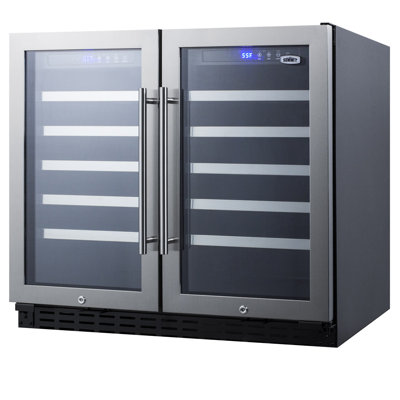
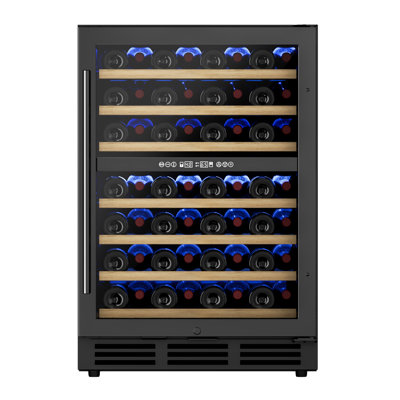
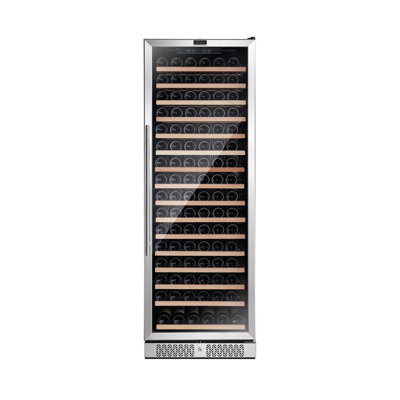
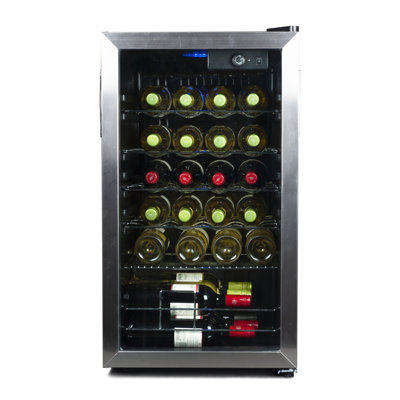
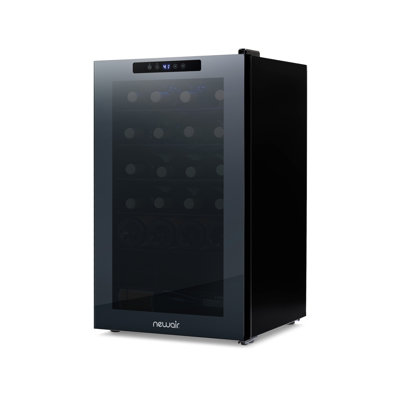
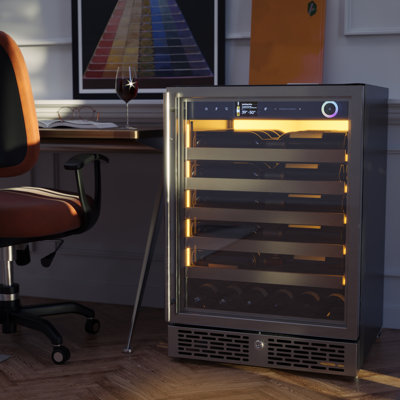
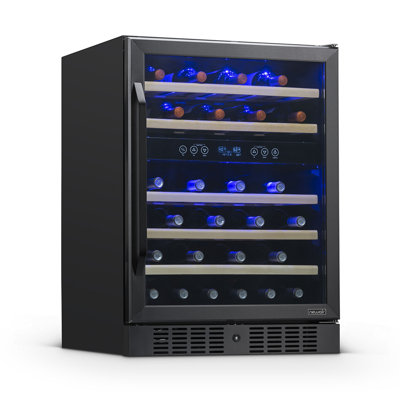
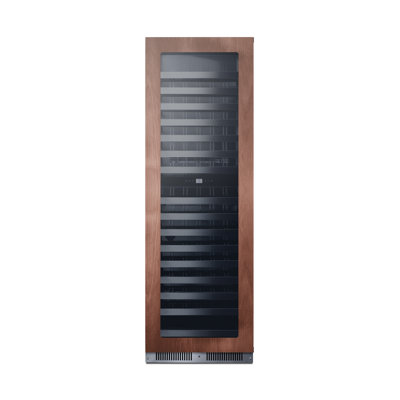
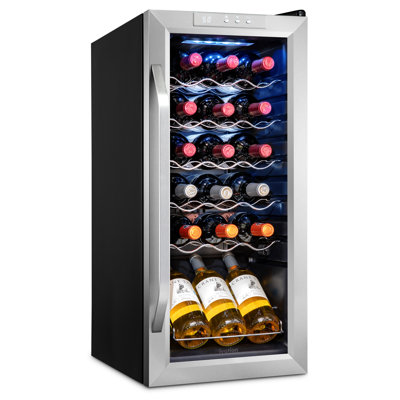
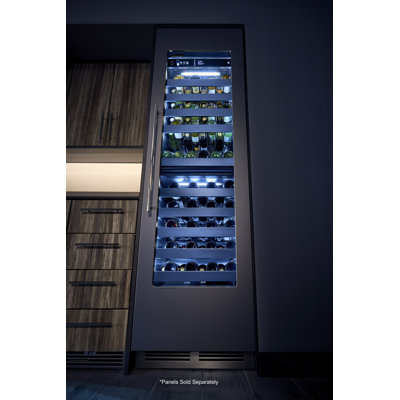
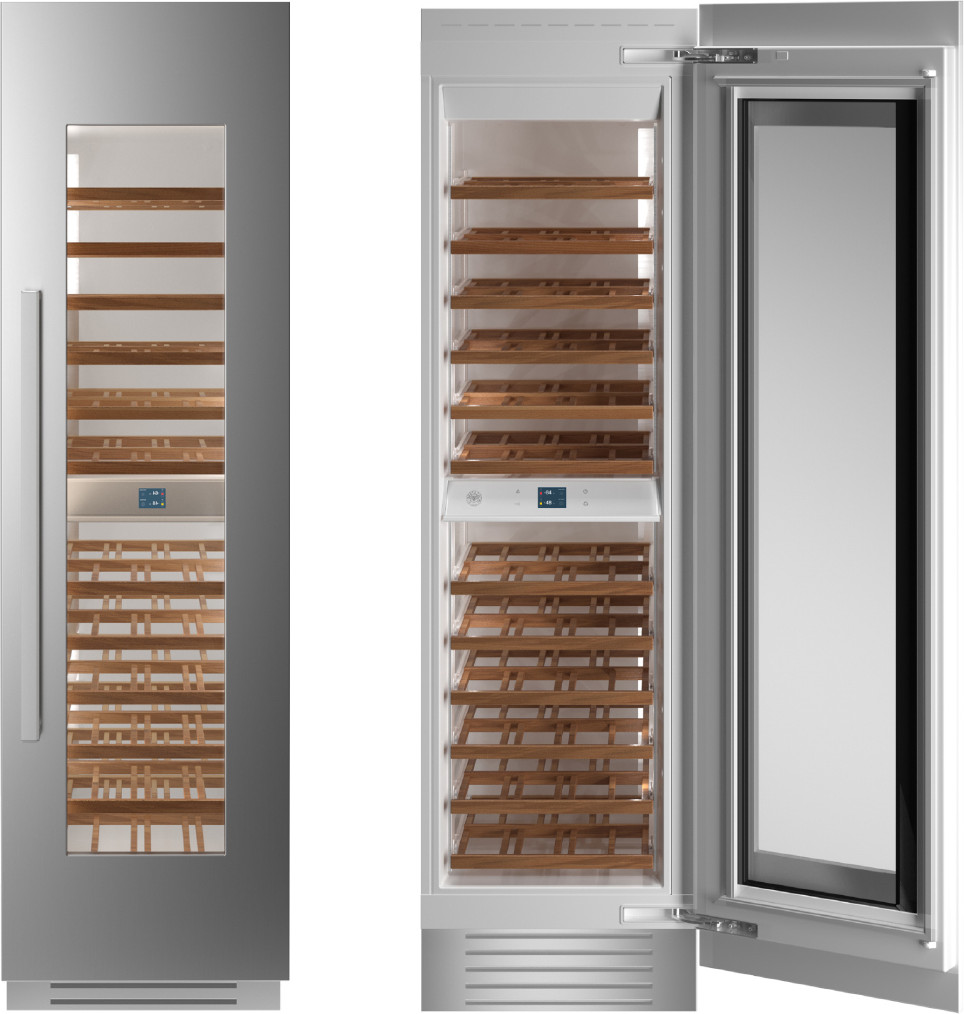
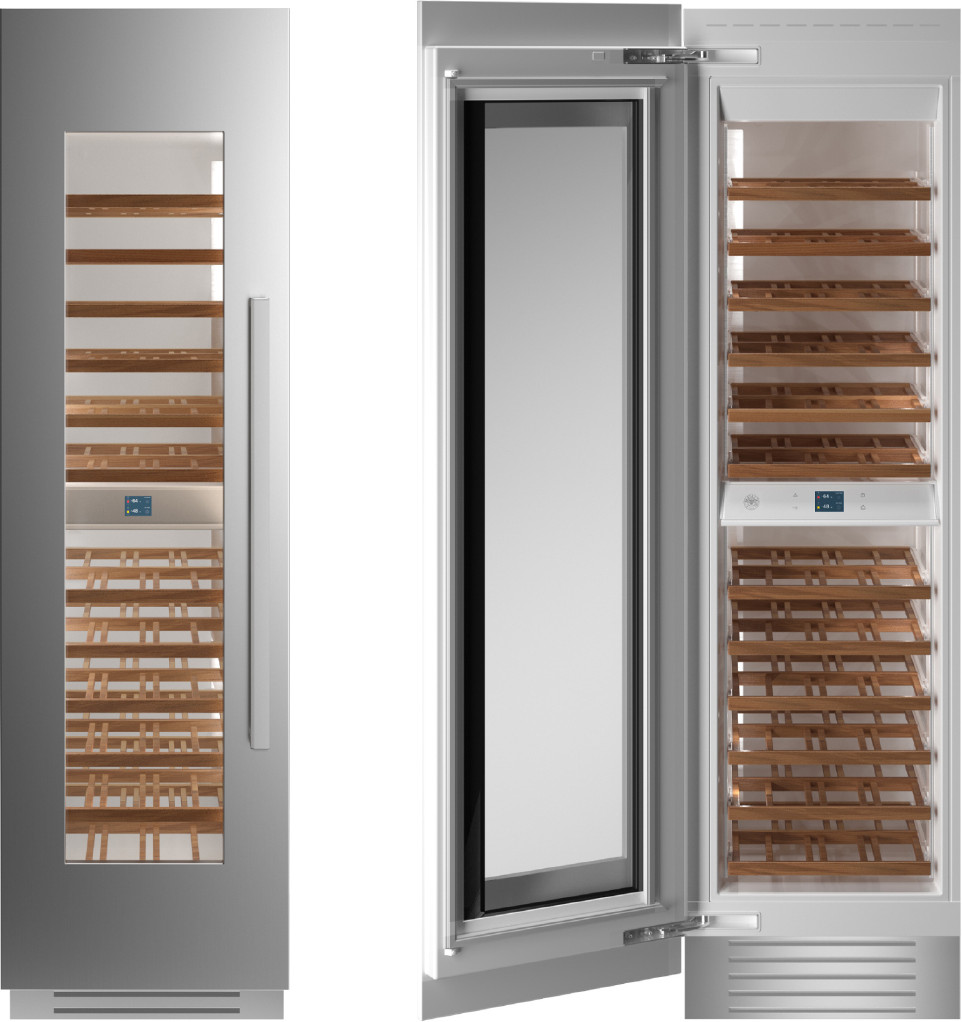
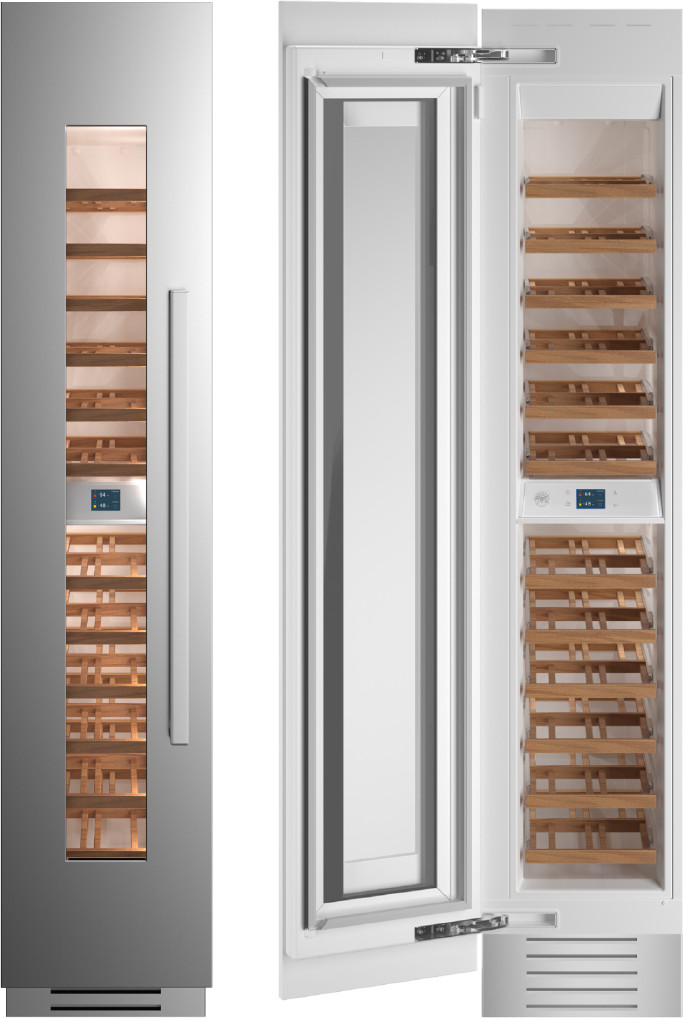
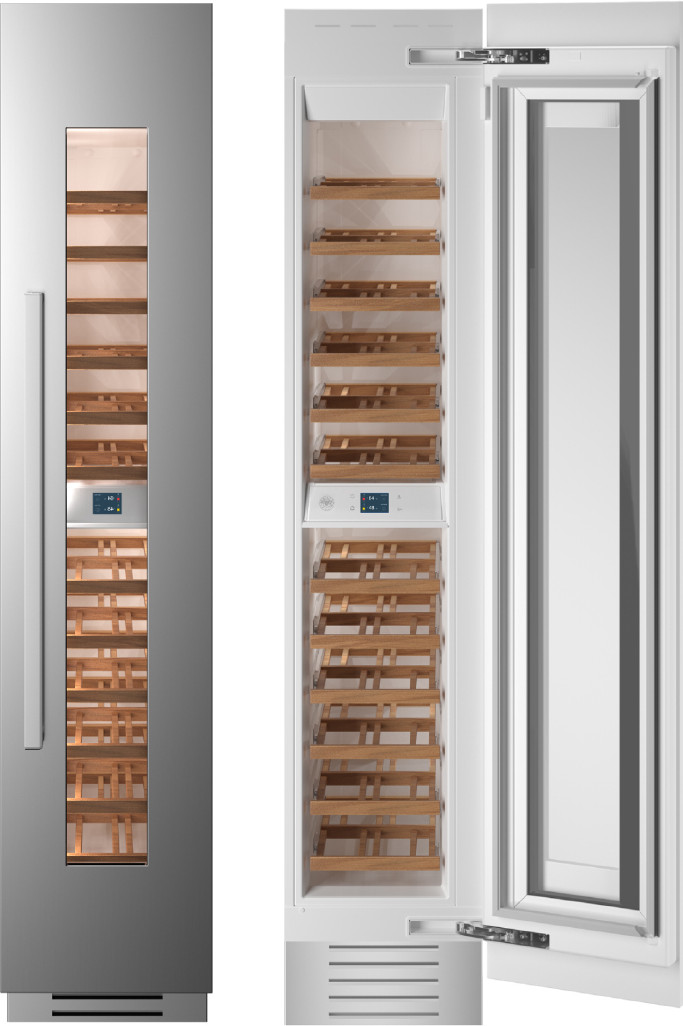
A wine cellar in the appliance context refers to any dedicated wine storage system designed for long-term preservation — from large-capacity freestanding wine coolers holding 100+ bottles to built-in wine columns to climate-controlled wine rooms. The defining features are consistent: temperature control at 45-65°F, relative humidity maintained at 50-80% for cork health, vibration-dampened compressor systems that protect sediment in aging wines, UV-tinted glass that blocks light degradation, and horizontal bottle racks that keep corks in contact with wine to prevent drying and oxidation.
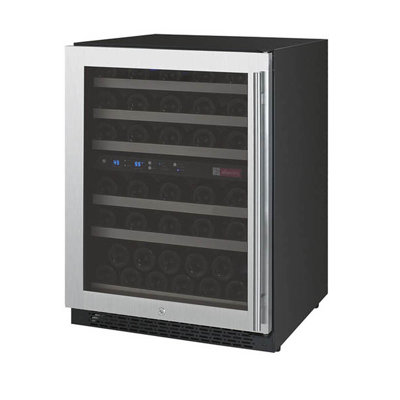
Wine cellars are designed for collectors and enthusiasts who store wine for weeks, months, or years before drinking. The temperature range spans every wine style — sparkling at 45°F, whites at 48-52°F, rosés at 52-55°F, light reds at 55-60°F, and full-bodied reds at 58-65°F. Dual-zone and multi-zone models allow simultaneous storage of different varietals at their optimal temperatures. Capacity ranges from 46-bottle undercounter units to 200+ bottle full-height columns and walk-in cellar systems that can house thousands of bottles. The wine cellar is a preservation appliance — every design decision prioritizes keeping wine in ideal condition over months and years of storage.
What Is a Beverage Fridge?
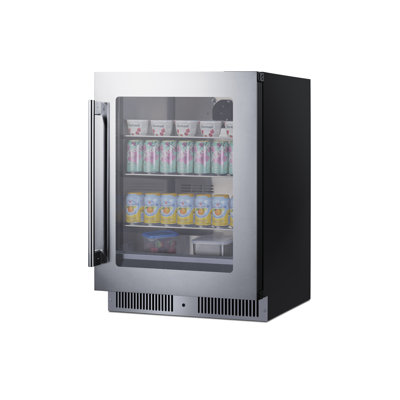
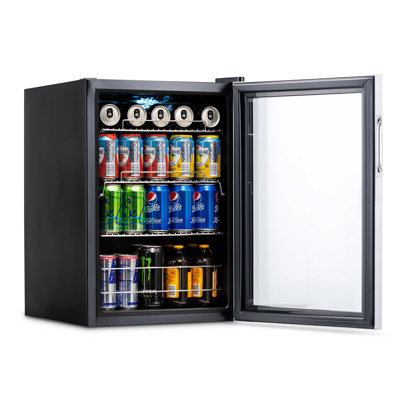
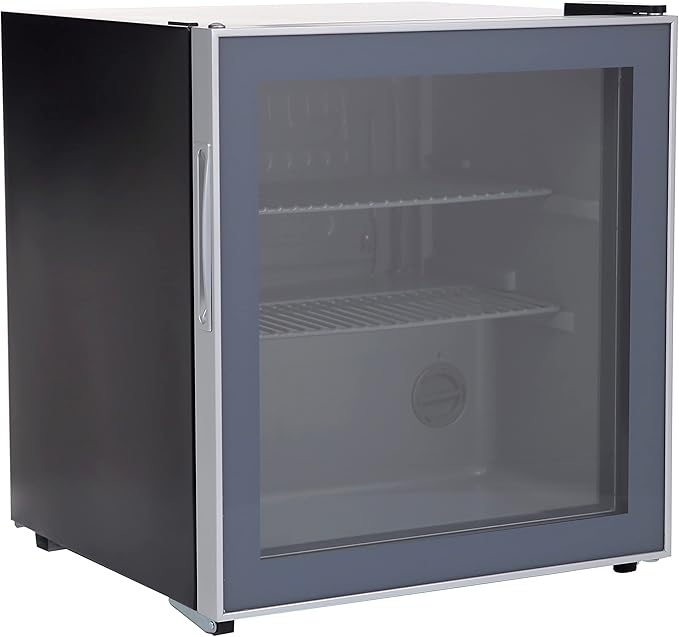
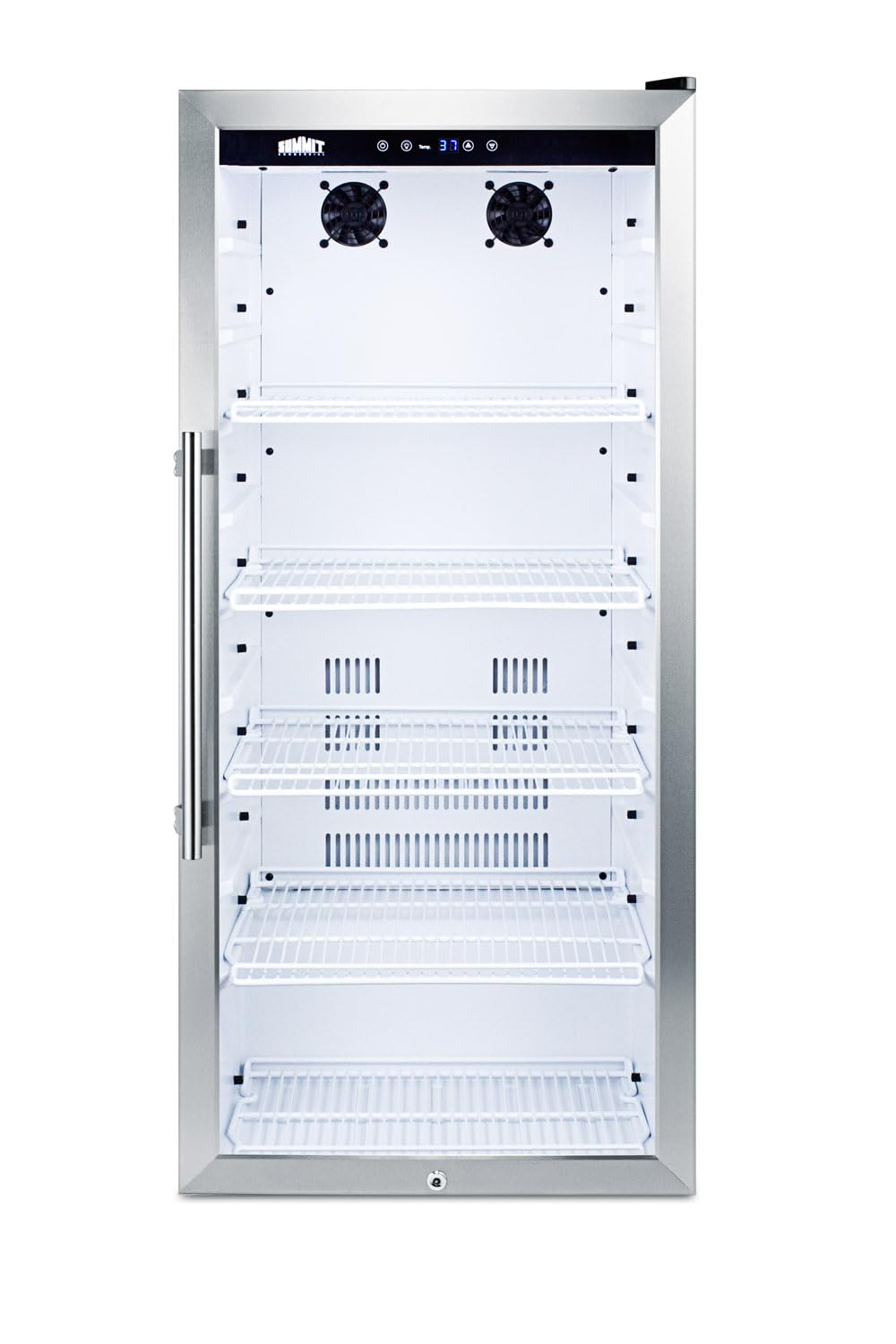
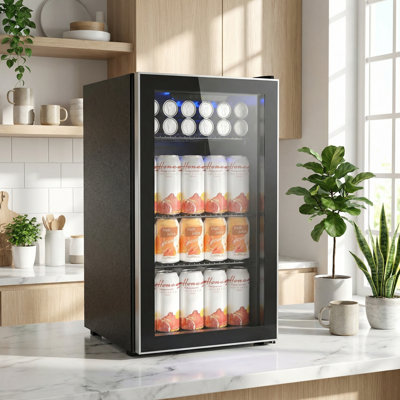
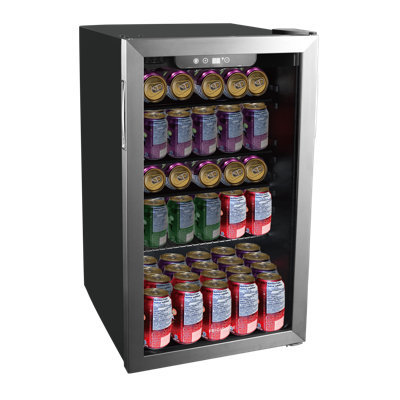
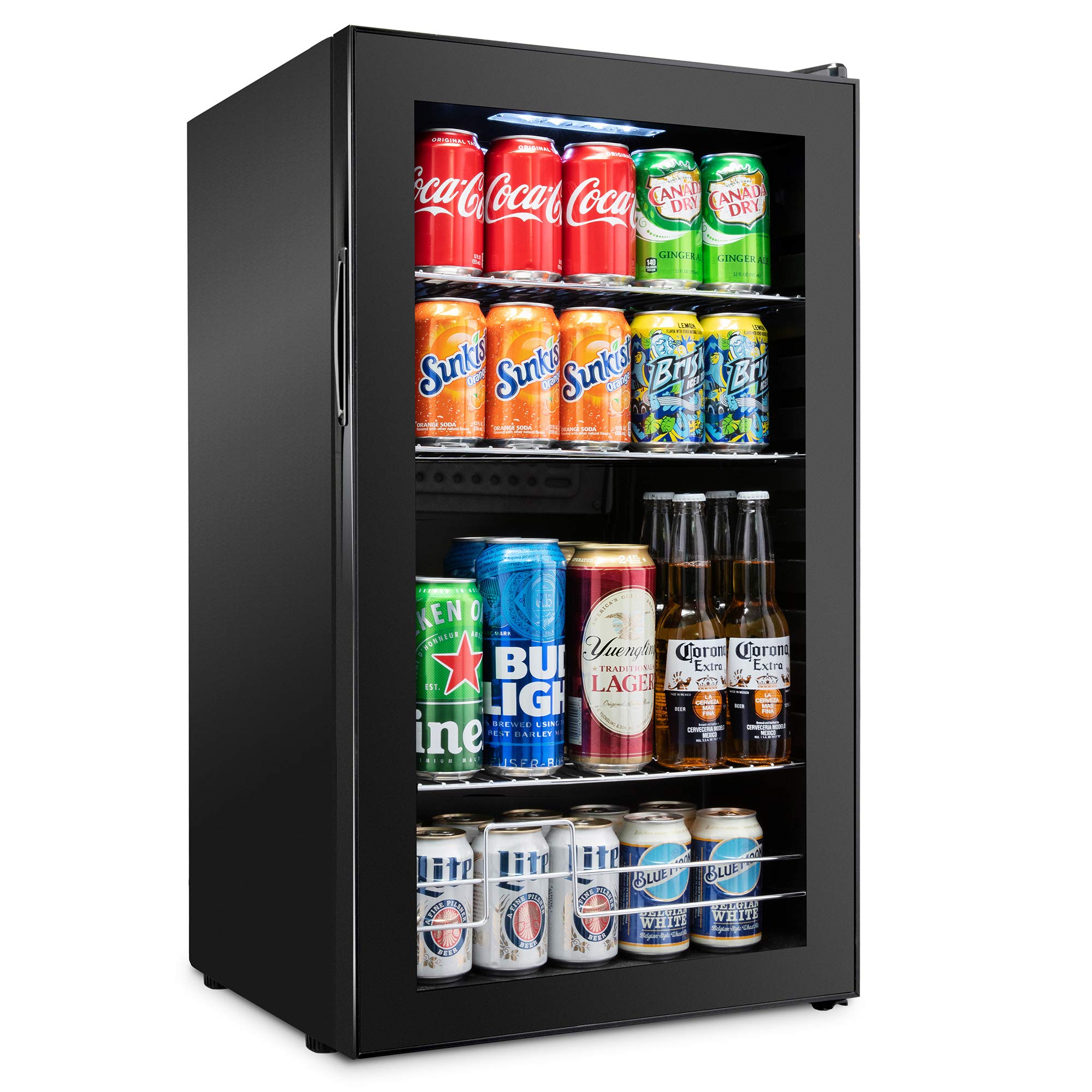
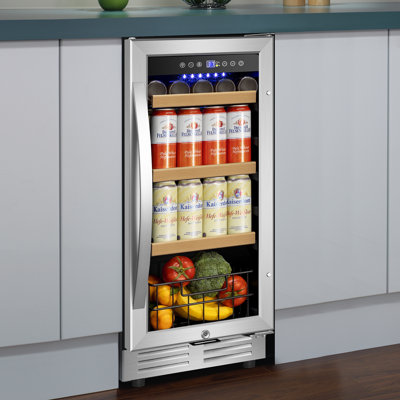
A beverage fridge is a compact refrigerator designed specifically for chilling drinks to ice-cold serving temperatures. The interior uses adjustable wire shelves that reconfigure to hold cans, bottles, water jugs, sports drinks, juice containers, and any other beverage format. A glass door with bright LED interior lighting creates an attractive display that showcases available drinks — making the beverage fridge both a functional appliance and a visual feature in home bars, game rooms, kitchens, and entertainment areas.
Beverage fridges maintain 34-42°F — standard refrigeration temperatures that deliver the cold, refreshing experience people expect from chilled drinks. This temperature range is ideal for beer, soda, water, sparkling water, juice, energy drinks, iced tea, and cocktail mixers. Undercounter models fit standard 24-inch cabinet openings for built-in installation. Freestanding models sit anywhere with ventilation clearance. Capacity ranges from 60 to 180 cans in a single undercounter unit, with larger freestanding models holding even more. The beverage fridge prioritizes cold drink access, flexible storage, and visual display over the specialized preservation conditions wine requires.
The temperature gap makes these appliances incompatible for each other's contents. Wine stored in a beverage fridge at 37°F is overcooled by 8-28 degrees — reds taste thin and harsh, whites lose complexity, and the cold, dry environment destroys natural corks within weeks. Beverages chilled in a wine cellar at 55°F taste lukewarm — beer, soda, and water need 34-38°F to deliver the cold, crisp sensation drinkers expect. The bright LED lighting in beverage fridges can also degrade wine over time, while the wine cellar's dim, UV-filtered lighting protects wine but does not showcase beverages attractively.
Wine cellars use horizontal pull-out racks with individual bottle cradles designed exclusively for standard 750ml wine bottles. The horizontal orientation keeps corks moist, the individual cradles prevent bottle-to-bottle contact, and the pull-out mechanism allows smooth, vibration-free access. This rigid layout is perfect for wine but cannot accommodate cans, food containers, or irregular beverage packages — a 12-ounce can does not fit in a rack groove designed for a wine bottle.
Beverage fridges use adjustable wire shelves that slide out, remove entirely, or reposition at multiple heights. This flexibility handles any container — short cans, tall bottles, wide jugs, slim energy drinks, and odd-shaped craft beer packaging all fit with simple shelf adjustment. Some beverage fridges include dedicated can dispensers — angled shelves that automatically roll the next can forward when you remove one. This versatility makes the beverage fridge adaptable to whatever drinks your household actually consumes, while the wine cellar remains dedicated to its single bottle format.
Capacity Comparison
Appliance (24-inch undercounter)
Wine Bottles
Beverage Cans
Wine Cellar
40-54 bottles
Not designed for cans
Beverage Fridge
8-15 bottles (upright)
120-180 cans
Wine cellars maximize bottle count because every interior dimension serves horizontal wine storage. Beverage fridges maximize can count and container variety. Wine bottles can physically fit in a beverage fridge standing upright, but the wrong temperature, humidity, vibration, and orientation make this acceptable only for short-term chilling of a few hours before serving — never for storage measured in days or weeks. For households that entertain with both wine and cold drinks, dedicating one appliance to each ensures both categories are stored at optimal conditions.
Beverage fridges consume more energy than similarly sized wine cellars because they maintain colder temperatures requiring more compressor work. The clear glass door on beverage fridges also conducts more heat than the UV-tinted, often double-pane glass on wine cellars, increasing cooling demand. The always-on LED display lighting adds further energy draw. Wine cellars' warmer temperature targets and insulated glass make them inherently more efficient per cubic foot. Running both appliances together typically costs $40-$80 per year — a modest expense for proper storage of both wine and beverages.
Wine cellars operate at 35-42 decibels for compressor models, with thermoelectric units achieving 25-35 decibels. Quiet operation is a design priority because vibration and noise can affect wine and because these appliances install in living spaces. Beverage fridges run at 37-45 decibels — slightly louder because the compressor works harder at colder temperatures. Both appliance types are quiet enough for kitchens and entertainment areas, but the wine cellar holds a consistent noise advantage for placement in bedrooms, home offices, and formal dining rooms where silence matters most.
Wine cellars extend to higher price points than beverage fridges because large-capacity models with advanced preservation features, multi-zone temperature control, and premium construction command significant premiums. Beverage fridges top out lower because their simpler construction — adjustable shelves, standard compressor, clear glass — requires less specialized engineering. At comparable sizes and quality levels, the appliances cost similarly in the $400-$1,000 range. The pricing difference becomes dramatic only at the high end, where full-height wine columns and built-in cellar systems represent major kitchen investments.
Installation and Design
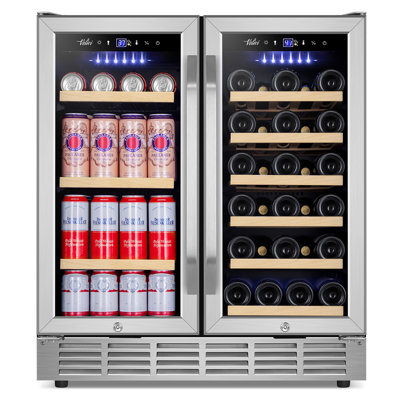
Both wine cellars and beverage fridges are available in undercounter formats that fit standard 24-inch cabinet openings with front-venting exhaust. Both offer panel-ready options for custom cabinetry integration. Both come in freestanding versions for flexible placement. The installation process is nearly identical — slide the unit in, level it, plug it in. Many homeowners install a wine cellar and beverage fridge side by side under a bar or kitchen island, creating a complete drink station that handles wine at preservation temperatures and cold drinks at ice-cold serving temperatures in adjacent bays. This paired installation is the gold standard for home entertaining spaces.
Wine cellars require annual condenser coil cleaning, gasket inspection, interior wiping, and periodic rack maintenance to prevent mold on wooden shelves. The UV glass, humidity controls, and vibration systems need occasional inspection. Compressor wine cellars last 10-15 years. Beverage fridges need similar basic maintenance — coil cleaning, gasket checks, and shelf cleaning. The clear glass door needs frequent fingerprint and smudge removal. Expected lifespan is 8-12 years — slightly shorter than wine cellars because more frequent door openings from daily drink access increase compressor cycling and component wear.
The most frequent mistake is storing wine long-term in a beverage fridge. Short-term chilling of a bottle for an hour before serving is fine, but leaving wine in a 37°F beverage fridge for weeks or months destroys cork integrity in natural-cork bottles, mutes flavors across all varietals, and accelerates aging damage that cannot be reversed. If you buy wine more than a few days before drinking it, the wine cellar is the correct storage appliance regardless of collection size.
The second common mistake is buying a wine cellar for a household that primarily drinks beer, soda, and other non-wine beverages. The wine cellar's horizontal racks cannot hold cans, its warmer temperature delivers lukewarm non-wine drinks, and its capacity is measured in bottles rather than the cans and mixed containers a beverage-focused household actually needs. If wine represents less than a quarter of your drink consumption, a beverage fridge serves your daily needs far better, and you can add a small countertop wine cooler for the occasional bottles you do store.
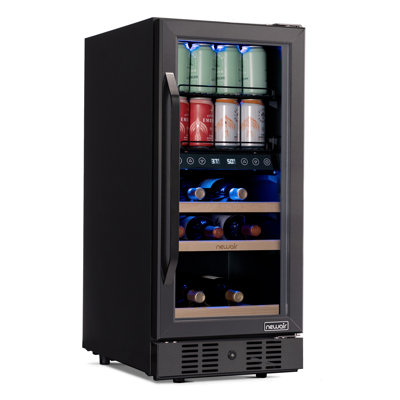
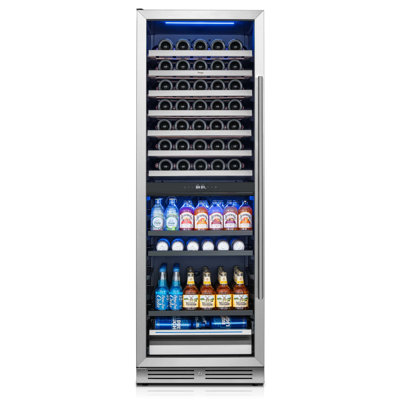
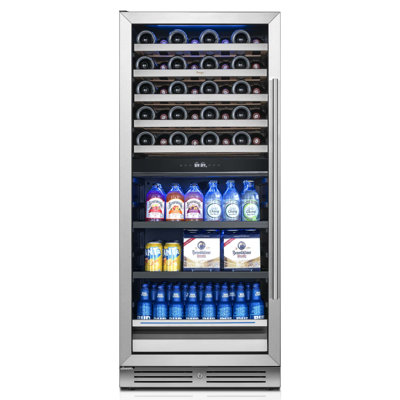
A third mistake is assuming a dual-zone beverage center replaces both appliances. Some models offer an upper zone at 40-45°F and a lower zone at 34-38°F, but neither zone reaches the 55-65°F range that red wines require for proper storage and serving. Dual-zone beverage centers are designed for different beverage temperature preferences — colder for cans, slightly less cold for bottles — not for wine preservation. They lack vibration dampening, humidity control, UV protection, and horizontal storage that wine requires.
Resale Value and Home Investment
Both wine cellars and beverage fridges add value to kitchen and home bar renovations, but they appeal to different buyer demographics. Wine cellars signal sophistication and collection-worthy lifestyle to real estate buyers, carrying particular weight in luxury home markets where built-in wine storage is an expected amenity. Beverage fridges appeal to a broader audience — anyone who entertains, has a home bar, or simply wants convenient cold drink access values the appliance regardless of wine interest. In terms of pure return on investment, the beverage fridge's broader appeal often generates more buyer interest per dollar spent, while the wine cellar's premium positioning commands higher perceived value in upscale listings. For homeowners planning to sell within five years, either appliance enhances a kitchen or bar area, and both together create the most compelling entertaining setup for prospective buyers.
Buy a wine cellar if you collect wine, store bottles for weeks or months before drinking, or want to age wines for years. The wine cellar provides environmental conditions that no other appliance can replicate — proper temperature, humidity, vibration isolation, and UV protection that preserve wine quality and investment value.
Buy a beverage fridge if you want ice-cold drinks available on demand for daily refreshment and entertaining. The beverage fridge's flexible shelving, cold temperatures, and attractive display make it the ideal appliance for households that consume primarily beer, soda, water, and mixed beverages.
For households that enjoy both wine and cold beverages, install both appliances. The wine cellar protects the collection. The beverage fridge serves the daily drinks. Together they cover every beverage need at every optimal temperature.
Compare prices on Fridge.com
Browse wine cellars and beverage fridges. Filter by capacity, temperature zones, installation type, and price to build the perfect beverage storage system for your home.
Frequently Asked Questions
When your collection exceeds 150 bottles and you plan to age wines for years. A wine fridge handles up to 200 bottles. Beyond that, a cellar provides the capacity and conditions for serious collecting. Browse at Fridge.com.
Free tool
Beverage Cooler Size Calculator
Free interactive tool from Fridge.com — get a quick answer while you read.