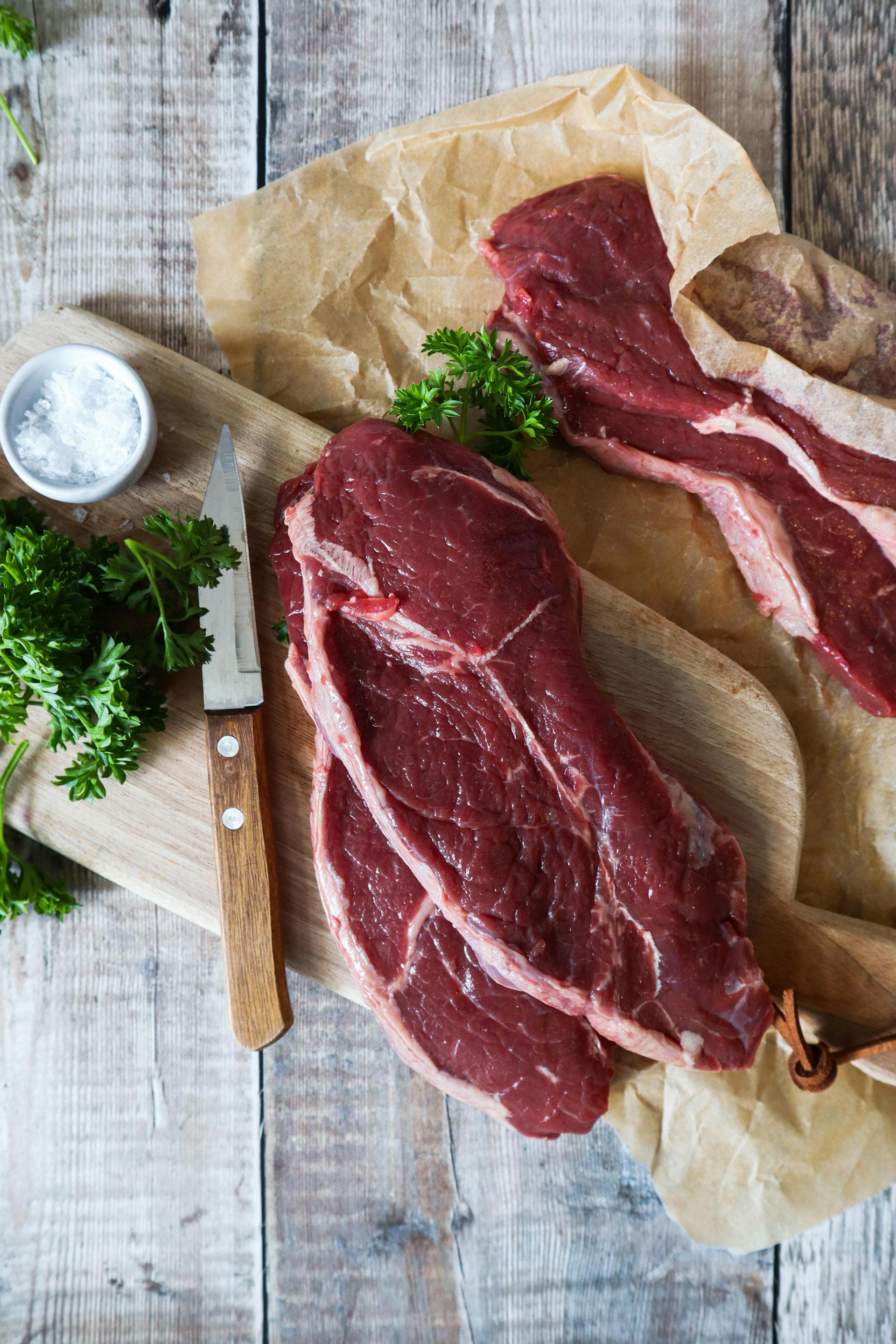
Freezing Meat with Parchment Paper
Why Parchment Paper Rocks for Freezing Meat?
Parchment paper isn't just for baking cookies or lining cake pans. It's a game-changer for freezing meat too. When you freeze meat, you want to keep it fresh, tasty, and tender. Parchment paper helps by stopping the meat from sticking to surfaces or each other, making it a breeze to handle and store in the freezer.
Why Bother with Parchment Paper?
Using parchment paper for freezing meat has some cool perks:
-
No More Sticky Situations: It keeps meat from sticking to other pieces or the freezer surface. Super handy when you’re freezing multiple portions.
-
Keeps Meat Tasty: It acts as a barrier, locking in moisture and keeping freezer burn at bay, so your meat stays top-notch.
-
Easy Handling: When it’s time to thaw and cook, parchment paper makes separating and handling the meat a cinch.
Got other freezer questions? Like, will a soda can explode in the freezer?. Parchment paper can help solve many kitchen puzzles.
Using parchment paper right can make a big difference in how well your meat stays fresh in the freezer. For more tips on storing meat, check out our article on will meat go bad in the freezer.
Why Meat Sticks When Freezing with Parchment Paper?
Freezing meat with parchment paper can be a bit tricky. Whether your meat sticks or not depends on a few things: the type of meat, how much moisture it has, and how long you freeze it.
Type of Meat
Different meats have different textures and fat levels, which can change how they freeze and stick to parchment paper. Lean meats like chicken breasts and pork tenderloin are less likely to stick compared to fattier cuts like bacon or marbled steaks.
| Meat Type | Likelihood of Sticking |
|---|---|
| Chicken Breast | Low |
| Pork Tenderloin | Low |
| Bacon | High |
| Marbled Steak | Medium |
Moisture Content
The amount of water in the meat is a big deal. High moisture can make meat stick to parchment paper because the water freezes and expands. To avoid this, pat the meat dry with paper towels before wrapping it up.
| Moisture Level | Likelihood of Sticking |
|---|---|
| Low | Low |
| Medium | Medium |
| High | High |
Freezing Duration
How long you keep the meat in the freezer also matters. The longer it stays, the more ice crystals form between the meat and the parchment paper, making it more likely to stick. Try to use the frozen meat within a few months to avoid this.
| Freezing Duration | Likelihood of Sticking |
|---|---|
| < 1 Month | Low |
| 1-3 Months | Medium |
| > 3 Months | High |
Knowing these factors can help you prep your meat better for freezing and keep it from sticking to the parchment paper. For more tips on storing and freezing, check out our articles on will meat go bad in the freezer? and will food spoil at 50 degrees in refrigerator?.
Prepping Meat for Freezing
Wrapping Meat Right
Freezing meat the right way keeps it tasty and avoids that nasty freezer burn. Here's how to do it:
- Clean and Cut: Give your meat a good rinse and chop it into the sizes you want. This makes it easier to use later.
- Dry It Off: Pat the meat dry with paper towels. Extra moisture can turn into ice crystals.
- First Wrap: Wrap the meat tightly in plastic wrap or foil. Make sure there are no air pockets.
- Second Wrap: Pop the wrapped meat into a freezer bag or vacuum-seal it. Squeeze out as much air as you can to keep freezer burn at bay.
- Label It: Write down what kind of meat it is and the date you froze it. This helps you keep track of how long it's been in there.
Using Parchment Paper
Parchment paper is a game-changer for freezing meat. It stops pieces from sticking together and makes life easier. Here's how to use it:
- Cut the Paper: Snip a piece of parchment paper a bit bigger than the meat portion.
- Layering: If you're freezing multiple pieces, put a piece of parchment paper between each one. No more stuck-together meat!
- Wrap It Up: Wrap the meat in parchment paper before the plastic wrap or freezer bag. This gives it extra protection.
- Seal It Tight: Make sure the parchment paper is snug around the meat, then put it in a freezer-safe bag or container. Get rid of as much air as you can.
- Label It: Again, write down the type of meat and the date. This helps you know what's what and when to use it.
By wrapping meat properly and using parchment paper, you can keep your meat from sticking and maintain its quality. For more tips on freezing and storing meat, check out our article on will meat go bad in the freezer?.
Keep Meat from Sticking: Easy Tips and Alternatives
Freezing meat without it sticking to parchment paper can be a game-changer. Here’s how to make it happen, plus some handy alternatives.
Tips to Keep Meat from Sticking to Parchment Paper
-
Pre-Freeze the Meat: Lay the meat on a baking sheet lined with parchment paper and pop it in the freezer for an hour. Once the surface is frozen, wrap it up with parchment paper. No more sticky mess!
-
Go Non-Stick: Use non-stick parchment paper. It’s made to keep food from sticking, so it’s a no-brainer.
-
Plastic Wrap Layer: Before wrapping with parchment paper, cover the meat with plastic wrap. This extra layer acts as a barrier, keeping the meat and parchment paper separate.
-
Cornstarch Dusting: Sprinkle a bit of cornstarch on the meat before wrapping. Cornstarch absorbs moisture, reducing the chance of sticking.
-
Dry the Meat: Pat the meat dry with paper towels before wrapping. Less moisture means less sticking.
Alternatives to Parchment Paper
If parchment paper isn’t cutting it, try these options:
-
Plastic Wrap: Plastic wrap works wonders to prevent sticking. Wrap the meat tightly to keep air out and avoid freezer burn.
-
Aluminum Foil: Aluminum foil creates a strong barrier against moisture and air. It’s great for preserving meat quality.
-
Freezer Paper: Freezer paper is made for freezing food. It has a plastic-coated side that prevents sticking and keeps moisture out.
-
Vacuum Sealing: A vacuum sealer is top-notch for preventing sticking. It removes air and seals the meat in plastic, keeping it fresh and freezer burn-free.
| Wrapping Material | Pros | Cons |
|---|---|---|
| Parchment Paper | Non-stick, breathable | Might stick if not used right |
| Plastic Wrap | Prevents sticking, airtight | Can tear easily |
| Aluminum Foil | Strong barrier, prevents freezer burn | Can be tricky to wrap tightly |
| Freezer Paper | Made for freezing, non-stick | Needs a specific purchase |
| Vacuum Sealing | Best preservation, prevents sticking | Needs a vacuum sealer |
For more freezer tips and tricks, check out our articles on will meat go bad in the freezer? and will an empty freezer get cold?.
Thawing Meat Frozen with Parchment Paper
Thawing meat wrapped in parchment paper isn't rocket science, but there are some tricks to get it right and keep your meat tasty and safe.
Thawing Process
Here's the lowdown on thawing meat wrapped in parchment paper:
- Fridge It: Pop the frozen meat, still wrapped in parchment paper, into your fridge. This slow thawing keeps the meat's texture and flavor intact.
- Patience is Key: Depending on the meat's size and type, thawing can take a few hours to a whole day. Ground meat and smaller cuts thaw quicker than big roasts.
- No Room Temp: Never thaw meat at room temperature. It’s a bacteria party waiting to happen.
| Type of Meat | Thawing Time in Fridge |
|---|---|
| Ground Meat | 4-6 hours |
| Chicken Breasts | 8-12 hours |
| Whole Chicken | 24-36 hours |
| Beef Steaks | 12-24 hours |
Best Practices for Thawing Meat
To make sure your meat thaws properly and safely, follow these tips:
- Use a Tray or Plate: Place the wrapped meat on a tray or plate to catch any drips. This keeps your fridge clean and prevents cross-contamination.
- Keep It Wrapped: Leave the parchment paper on while thawing. It helps retain moisture and avoids freezer burn.
- Plan Ahead: Thawing in the fridge takes time, so plan your meals in advance.
- Check for Ice: Before cooking, make sure there are no icy patches left. Partially thawed meat can cook unevenly, leading to raw or overcooked spots.
For more tips on handling frozen meat, check out our article on will meat go bad in the freezer.
By sticking to these guidelines, you’ll ensure your meat thaws safely and is ready for the pan. Proper thawing is crucial to keep your food's quality and safety in check. For more freezer and fridge tips, explore our other articles like will a beer can explode in the freezer? and will a can of soda explode in the freezer?.
Storing Frozen Meat
Keeping your frozen meat in tip-top shape is all about the right storage. Here’s how to keep your meat fresh and avoid that dreaded freezer burn.
How to Store Meat Properly
To keep your meat fresh and safe, follow these simple steps:
- Packaging: Use airtight packaging to keep moisture and air out. Vacuum-sealed bags or heavy-duty freezer bags are your best friends here.
- Labeling: Always slap a label on your packages with the type of meat and the date you froze it. This way, you’ll know exactly how long it’s been chilling in there.
- Temperature: Keep your freezer at or below 0°F (-18°C). This is the sweet spot for maintaining meat quality.
- Positioning: Put the meat in the coldest part of the freezer so it freezes quickly and thoroughly.
Tips to Organize Your Freezer
A well-organized freezer can save you time and hassle. Here’s how to keep things neat and easy to find:
- Categorize: Group similar items together—meats with meats, veggies with veggies, and so on. This makes it a breeze to find what you need.
- Use Bins: Bins or baskets can help keep smaller items from getting lost in the abyss of your freezer.
- First In, First Out: Arrange items so the oldest ones are in the front and the newest ones are in the back. This way, you’ll use up older items first and cut down on waste.
| Item | Recommended Freezing Time |
|---|---|
| Beef | 6-12 months |
| Chicken | 9 months |
| Pork | 6 months |
| Fish | 3-6 months |
For more freezer tips, check out our articles on will meat go bad in the freezer? and will an empty freezer get cold?.
By following these tips, you’ll keep your frozen meat in great shape and make the most of your freezer space.
Safety Tips
Keeping Your Frozen Meat Safe
Alright, let's talk meat safety. First things first, freeze that meat ASAP after you buy it. This keeps it fresh. Slap a date on each package so you know how long it's been chillin' in there.
Set your freezer to 0°F (-18°C) or lower. This stops bacteria from having a party. Don't cram your freezer full; it needs some breathing room for air to circulate.
When you're getting meat ready for the freezer, clean hands, utensils, and surfaces are a must. Wrap the meat in parchment paper, then toss it in a freezer-safe bag or container. Double protection, baby!
Is Your Meat Good to Go?
Before you cook, give your frozen meat a once-over. Here's what to look for:
| What to Check | What to Look For |
|---|---|
| Appearance | Any weird colors or freezer burn? A little freezer burn is okay but might mess with the taste. |
| Smell | Thawed meat should smell like, well, nothing. If it smells funky or sour, toss it. |
| Texture | It should feel firm. If it's slimy or sticky, it's a no-go. |
If anything seems off, better safe than sorry—throw it out.
Stick to these tips, and your frozen meat will stay safe and tasty. Want more info? Check out our articles on will meat go bad in the freezer? and will food go bad if fridge left open?.
Get Your Upgrade or New Addition at Fridge.com
Whether you're searching for your perfect fridge, freezer, wine fridge, beer fridge, ice maker, or kegerator, we have what you need.
Shop the world's best brands at Fridge.com.
We also have tons of awesome articles about kitchen stuff and home news. Enhance your home, garage, backyard, patio, and office with the coolest essentials. With every necessary type of residential refrigerator or freezer in our collection, we've got you covered.
Elevate your game and shop now at Fridge.com!