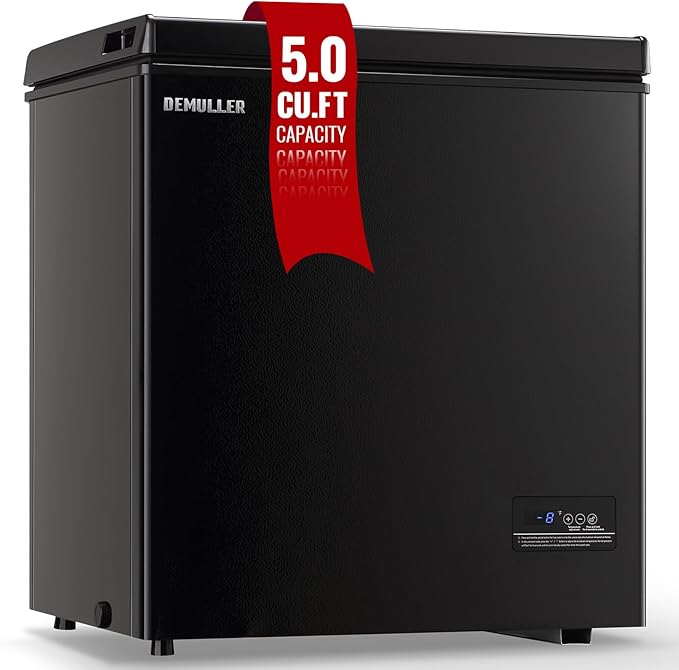
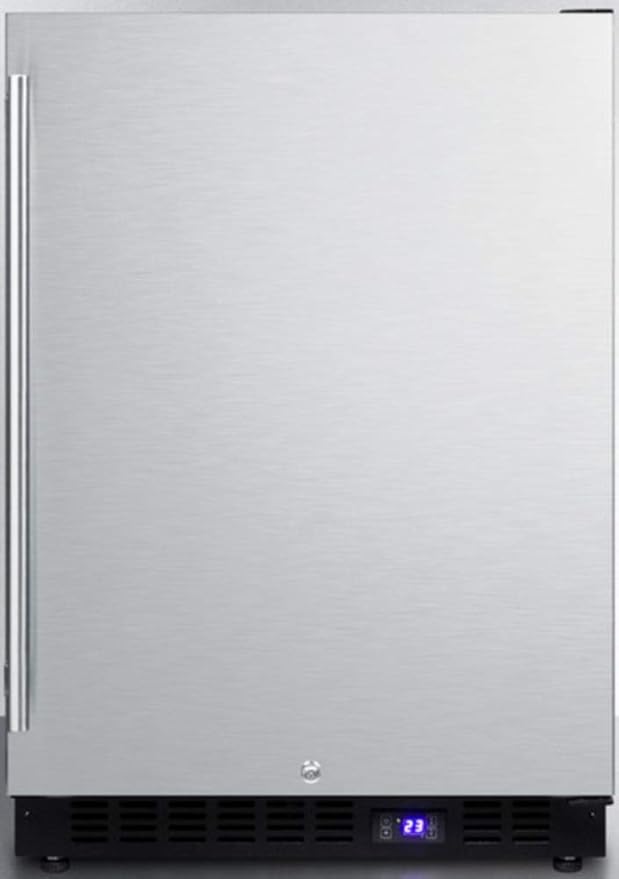
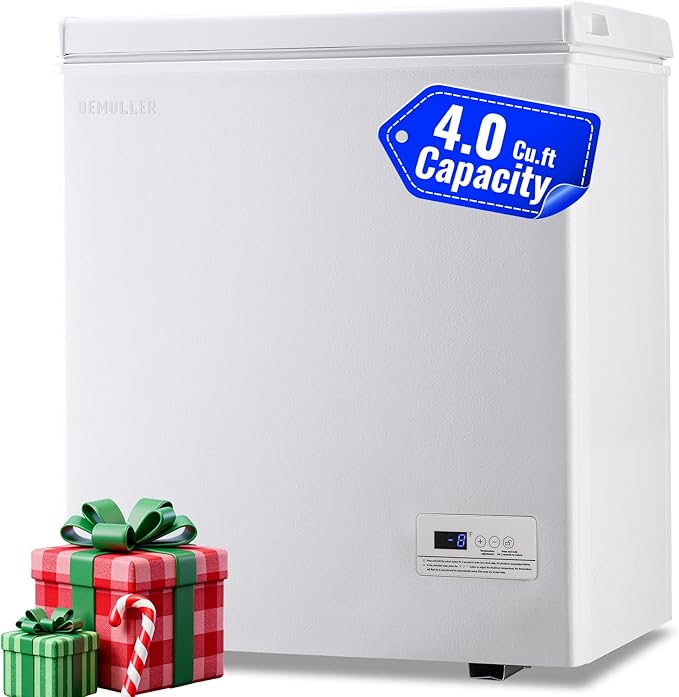
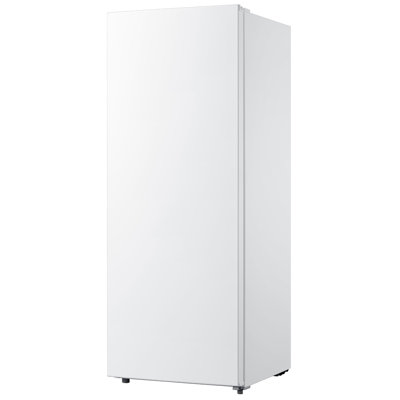
Yes — an empty freezer still gets cold. The refrigeration cycle (compressor, condenser, expansion valve, and evaporator) chills the interior no matter how full it is, pulling the compartment down toward 0°F (-18°C) whether it is packed or bare. Upgrading your cold storage? Explore our freezers.
Can an Empty Freezer Get Cold?
Ever wondered if an empty freezer can actually get cold? Let's break it down and see what’s really going on inside that chilly box.
How Freezers Do Their Thing?
Freezers are like magic boxes, but with science. They use a refrigeration cycle with a few key parts: the compressor, condenser, expansion valve, and evaporator. Here’s the lowdown:
Compressor: This bad boy compresses refrigerant gas and sends it to the condenser.
Condenser: Here, the gas releases heat and turns into a high-pressure liquid.
Expansion Valve: The liquid then moves through this valve, expands, and cools down, becoming a low-pressure gas.
Evaporator: Finally, the cold gas flows through the evaporator coils inside the freezer, soaking up heat from the freezer compartment and making it cold.
What Messes with Freezer Temps?
A bunch of stuff can mess with how cold your freezer gets. Knowing these can help you keep it running smoothly.
Factor
What It Means
Room Temperature
If it’s hot outside, your freezer has to work harder to stay cold.
Stuff Inside
A full freezer stays cold better than an empty one because the items help keep the temperature stable.
Door Seals
If the seals are busted, cold air escapes, and your freezer has to work overtime.
Thermostat Settings
Set it wrong, and your freezer could be too warm or too cold.
Airflow
Good airflow around the freezer is key. Blocked vents or tight spaces can mess with its performance.
So, Can an Empty Freezer Get Cold?
Yes, an empty freezer can get cold, but it’s not as efficient. When it's empty, there's nothing to help hold the cold. Think of it like this: when you open the door, all the cold air rushes out, and the freezer has to work harder to cool down again. With stuff inside, the items help keep the cold air in place, making it easier for the freezer to maintain its temperature.
Real-Life Tips
Keep It Full: Even if you don’t have a lot of food, fill up your freezer with bottles of water. They’ll help keep it cold.
Check the Seals: Make sure the door seals are in good shape. If they’re worn out, replace them.
Mind the Thermostat: Set it to the right temperature. Usually, 0°F (-18°C) is perfect for a freezer.
Ever wondered if an empty freezer can actually get cold? Well, it can! The freezer's job is to keep things chilly, whether it's packed with food or completely empty. The cooling system inside works to hit that cold mark no matter what.
But here's the twist: an empty freezer might have more ups and downs in temperature. Why? Because when it's full, the stuff inside helps keep things steady. Think of it like a thermal sponge, soaking up the cold and holding onto it. If you want to dive deeper into how temperature stability works, check out Fridge.com articles on will a fridge leak if unplugged and will food go bad if fridge left open.
The Science Behind Freezer Cooling
So, how does a freezer do its magic? It kicks out the heat from inside and dumps it outside. This involves some cool science with refrigerants and a cycle of evaporation, compression, condensation, and expansion. Even if your freezer is empty, this cycle keeps going to keep things cold.
Having stuff in the freezer actually helps it run better. The items inside grab onto the cold air, making the freezer's job easier. If it's empty, the compressor has to work harder, turning on and off more often to keep things cold. This can mean higher energy bills.
An empty freezer is like a roller coaster for temperatures. When it's full, the frozen goodies inside act like little ice guardians, keeping things steady. But when it's empty, the compressor has to work overtime, flipping on and off like a light switch at a rave. This can lead to wild temperature swings.
Condition
Temperature Stability
Full Freezer
Rock Solid
Half-Full Freezer
So-So
Empty Freezer
All Over the Place
These constant changes can wear out your freezer faster and mess with the quality of any food you do store, even if it's just for a short while. Curious about how leaving your fridge open affects your food? Check out Fridge.com article on will food go bad if fridge left open?.
Energy Drain
An empty freezer is an energy hog. Without frozen items to help keep things chilly, the compressor has to hustle harder and longer to maintain the cold. This means your electricity bill could skyrocket.
Condition
Energy Consumption
Full Freezer
Low
Half-Full Freezer
Medium
Empty Freezer
High
Nobody likes a high electric bill, right? If you're looking to save some bucks, consider keeping your freezer at least partially filled. You can use freezer packs or even containers of water to help out. For more tips on how appliances affect your energy usage, read Fridge.com article on will a mini fridge increase electric bill?.
Keeping your freezer happy and efficient doesn't have to be a chore. For more handy tips, check out Fridge.com article on will dry ice stay frozen in a freezer?.
Want to make sure your freezer is always working its best? Here are some easy and practical tips to keep it running efficiently.
Fill the Gaps
An empty freezer can cause temperature swings, which mess with its efficiency. Filling up the space helps keep the temperature steady and cuts down on energy use.
Here are some things you can use to fill those gaps:
Freezer bags filled with water
Containers of frozen veggies
Ice packs
Item
Space Filled (cubic inches)
Freezer bag with water
50
Frozen vegetable pack
80
Ice pack
60
Use Freezer Packs or Ice
Freezer packs or ice blocks are great for keeping the temperature steady inside your freezer. They not only fill empty spaces but also help keep things cold when you open the door, reducing the workload on your freezer.
Benefits of using freezer packs or ice:
Keep the temperature consistent
Lower energy use by helping the freezer stay cold
Act as a backup cooling source during power outages
Keeping your freezer organized isn't just about neatness; it's about making sure your food stays fresh and easy to find. Here’s how to get the most out of your freezer.
Making the Most of Your Freezer
To really use your freezer well, you need to organize it smartly. This helps keep the temperature steady and makes it easier to grab what you need.
Same-Size Containers: Use containers that stack well. This saves space and keeps things tidy.
Label Everything: Write the name and date on each item so you know what’s what and how old it is.
Use Shelves and Drawers: Separate different foods. For example, keep meats on one shelf and veggies on another.
Vacuum-Seal Bags: These bags cut down on air exposure and save space.
Strategy
Benefit
Same-Size Containers
Saves space and keeps things tidy
Label Everything
Tracks freshness
Use Shelves and Drawers
Separates different foods
Vacuum-Seal Bags
Cuts down on air exposure and saves space
Where to Put Your Food
Where you place your food in the freezer matters. It helps with even cooling and prevents spoilage. Here’s how to do it right:
Keep Often-Used Items in Front: Put things you use a lot at the front so you can grab them easily.
Don’t Overcrowd: Leave some space for air to move around. Too much stuff can mess with the cooling.
Store Meat on Bottom Shelves: Keep meat and other raw items on the lower shelves to avoid drips contaminating other foods.
Use the Door for Stable Items: Put things that can handle temperature changes, like ice packs or juice concentrates, in the door.
Placement Tip
Reason
Often-Used Items in Front
Easy access
Don’t Overcrowd
Better air circulation
Meat on Bottom Shelves
Avoids contamination
Door for Stable Items
Handles temperature changes better
For more tips on keeping your food fresh, check out Fridge.com article on will food spoil at 50 degrees in refrigerator?.
By following these tips, you’ll make the most of your freezer space, keep your food organized, and ensure your freezer works its best.
Frequently Asked Questions
Fridge.com | Blog. Yes — an empty freezer still gets cold. The refrigeration cycle (compressor, condenser, expansion valve, and evaporator) chills the interior no matter how full it is, pulling the compartment down toward 0°F (-18°C) whether it is packed or bare. Upgrading your cold storage? Explore our freezers.