What Is The Best Undercounter Ice Maker?
Understanding Undercounter Ice Makers
What Are Undercounter Ice Makers?
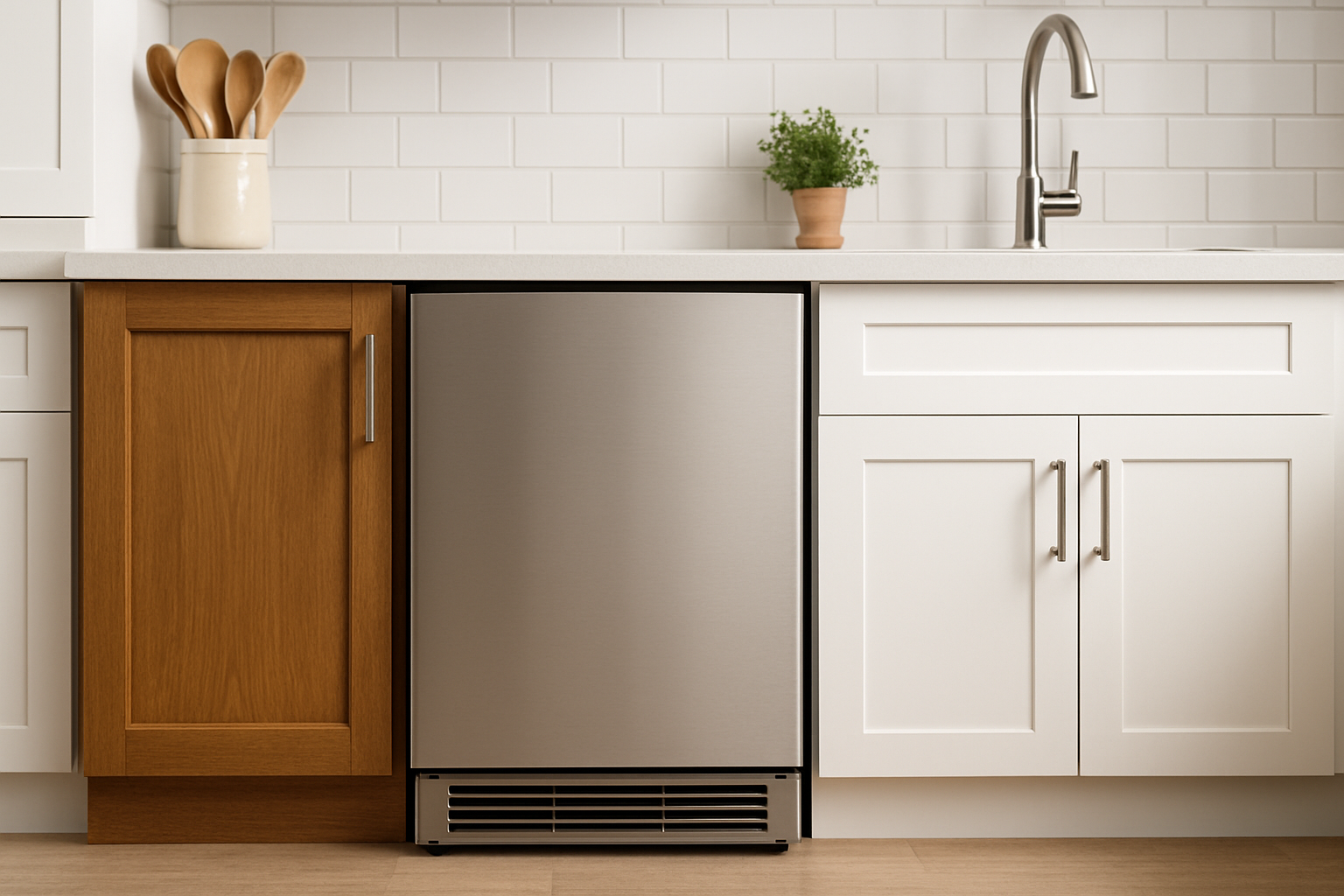
Undercounter ice makers are compact appliances designed to fit seamlessly beneath countertops, providing a steady supply of ice. These units are popular in homes, offices, and commercial settings for their convenience and efficiency. Unlike portable ice makers, undercounter models are permanently installed and connected to a water line, ensuring a continuous production of ice without the need for constant refilling.
Benefits of Undercounter Ice Makers
Undercounter ice makers offer several advantages that make them a preferred choice for many users:
- Space Efficiency: Their compact design allows them to fit neatly under most countertops, saving valuable kitchen or bar space.
- Convenience: With a direct water connection, these ice makers can produce ice continuously, eliminating the need for manual water addition.
- Variety of Ice Types: They can produce different types of ice, including clear ice, nugget ice, and crescent ice, catering to varied preferences.
- High Production Capacity: Undercounter models typically have a higher ice production rate compared to portable ice makers, making them suitable for larger families or frequent entertainers.
- Aesthetic Integration: These units can be seamlessly integrated into the kitchen or bar design, maintaining a clean and uniform appearance.
| Benefit | Description |
|---|---|
| Space Efficiency | Fits neatly under countertops |
| Convenience | Continuous ice production with direct water connection |
| Variety of Ice Types | Produces clear ice, nugget ice, and crescent ice |
| High Production | Suitable for larger families or frequent entertainers |
| Aesthetic Integration | Seamlessly integrates into kitchen or bar design |
For more insights on how these appliances can fit into various home environments, check out our articles on can you put a freezer in the garage and what is pigeon pair fridge?.
Factors to Consider
When selecting an undercounter ice maker, several key factors should influence the decision. These include capacity and production rate, ice type and shape options, and installation requirements.
Capacity and Production Rate
The capacity and production rate of an ice maker are crucial considerations. Capacity refers to the amount of ice the machine can store, while the production rate indicates how much ice it can produce within a 24-hour period. It's important to choose a machine that meets your daily ice needs.
| Ice Maker Type | Storage Capacity (lbs) | Production Rate (lbs/day) |
|---|---|---|
| Small Undercounter | 15-20 | 30-50 |
| Medium Undercounter | 25-35 | 50-80 |
| Large Undercounter | 40-50 | 80-100 |
Ice Type and Shape Options
Different ice makers produce various types and shapes of ice, each suitable for specific uses. Common types include cube, nugget, and flake ice. The choice of ice type can affect the texture and cooling efficiency of beverages.
| Ice Type | Description | Best For |
|---|---|---|
| Cube Ice | Dense, slow-melting | Cocktails, general use |
| Nugget Ice | Chewy, absorbs flavors | Soft drinks, healthcare |
| Flake Ice | Soft, moldable | Seafood displays, blended drinks |
Installation Requirements
Installation requirements are another critical factor. Undercounter ice makers can be built-in, freestanding, or modular, each with specific installation needs. Ensure the space where the ice maker will be installed can accommodate the unit's dimensions and ventilation requirements.
| Ice Maker Type | Installation Requirement | Ventilation Needed |
|---|---|---|
| Built-in Undercounter | Fixed under counter | Front ventilation |
| Freestanding Undercounter | Stand-alone unit | Side and rear ventilation |
| Modular Undercounter | Customizable setup | Varies, check specifications |
Understanding these factors will help in making an informed decision when selecting the best undercounter ice maker for your needs. For more insights, you might find our articles on who makes the best ice makers and how long do ice makers last useful.
Types of Undercounter Ice Makers
Selecting the right undercounter ice maker can greatly enhance your kitchen, bar, or office setup. There are three main types of undercounter ice makers: built-in, freestanding, and modular. Each type has its own unique features and benefits.
Built-in Undercounter Ice Makers
Built-in undercounter ice makers are designed to be installed seamlessly into your cabinetry. These models are perfect for those who want a sleek, integrated look in their kitchen or bar area. Built-in units often come with front-venting systems, which allow for proper ventilation without the need for additional space on the sides or back.
Key Features:
- Designed to fit flush with cabinetry
- Front-venting for easy installation
- Typically includes a drain pump
Considerations:
- Requires professional installation
- May need specific plumbing requirements
Freestanding Undercounter Ice Makers
Freestanding undercounter ice makers offer more flexibility in placement compared to built-in models. These units can be placed anywhere there is access to a water source and proper drainage. Freestanding models are ideal for those who may want to move their ice maker to different locations or for use in areas like garages, basements, or outdoor kitchens.
Key Features:
- Versatile placement options
- Easy to relocate
- Often includes a built-in storage bin
Considerations:
- May require additional clearance for ventilation
- Typically larger footprint
Modular Undercounter Ice Makers
Modular undercounter ice makers are designed to produce a high volume of ice and are often used in commercial settings or large households. These units consist of two main components: the ice-making head and a separate storage bin. Modular ice makers offer the flexibility to choose different storage bin sizes based on your ice needs.
Key Features:
- High ice production capacity
- Customizable storage bin sizes
- Suitable for commercial use
Considerations:
- Requires more space for installation
- Separate components can be more complex to set up
| Type | Installation | Venting | Flexibility | Ideal For |
|---|---|---|---|---|
| Built-in | Integrated into cabinetry | Front-venting | Low | Kitchens, Bars |
| Freestanding | Standalone placement | Requires clearance | High | Garages, Outdoor Kitchens |
| Modular | Separate head and bin | Varies | Medium | Commercial, Large Households |
Understanding these types of undercounter ice makers can help you choose the best option for your specific needs. For more insights on refrigeration and freezer options, you can explore related topics such as what is pigeon pair fridge? and is it ok to put a deep freezer outside?.
Maintenance and Cleaning
Proper maintenance and cleaning are essential to keep your undercounter ice maker functioning efficiently. Regular care can extend the lifespan of the appliance and ensure the quality of the ice produced.
Regular Maintenance Tips
Maintaining an undercounter ice maker requires attention to several key aspects. Here are some regular maintenance tips:
- Inspect Water Supply: Check the water line for any leaks or blockages to ensure a steady water supply.
- Clean the Filters: Replace or clean water filters to prevent impurities from affecting ice quality.
- Check the Ice Bin: Empty the ice bin periodically to avoid overfilling and to ensure proper ice production.
- Monitor Temperature Settings: Ensure the ice maker is set to the correct temperature for optimal ice production.
- Inspect for Wear and Tear: Regularly check for any signs of wear and tear on the components to address issues promptly.
| Maintenance Task | Frequency |
|---|---|
| Inspect Water Supply | Monthly |
| Clean Filters | Every 3 Months |
| Empty Ice Bin | Weekly |
| Monitor Temperature | Monthly |
| Inspect Components | Quarterly |
Cleaning Procedures
Cleaning your undercounter ice maker is crucial for hygiene and efficiency. Follow these steps to ensure a thorough cleaning:
- Turn Off the Ice Maker: Always unplug the appliance before cleaning to ensure safety.
- Remove Ice and Water: Empty the ice bin and drain any remaining water from the reservoir.
- Clean the Interior: Use a mixture of warm water and mild detergent to clean the interior surfaces. Avoid abrasive cleaners that can damage the appliance.
- Sanitize the Components: Use a food-safe sanitizer to disinfect the ice bin and water reservoir. Rinse thoroughly with clean water.
- Clean the Exterior: Wipe down the exterior surfaces with a damp cloth to remove any dirt or grime.
- Flush the System: Run a cleaning solution through the machine as per the manufacturer's instructions, then flush with clean water.
- Reassemble and Restart: Once all components are dry, reassemble the ice maker and plug it back in.
For more detailed information on maintaining and cleaning your appliance, you can explore our related articles on how long do ice makers last? and do i need a drain pump for my ice maker?.
Regular maintenance and proper cleaning are vital for the optimal performance of your undercounter ice maker. By following these tips and procedures, you can ensure your appliance remains in top condition, providing you with high-quality ice for all your needs.
Energy Efficiency and Noise Level
When selecting the best undercounter ice maker, energy efficiency and noise levels are critical factors to consider. These elements can impact both your utility bills and the comfort of your living space.
Energy Efficiency Ratings
Energy efficiency is a crucial aspect of undercounter ice makers. An energy-efficient model not only reduces electricity consumption but also minimizes environmental impact. Energy efficiency ratings, such as those provided by the Energy Star program, can help you identify appliances that meet strict energy performance standards.
| Ice Maker Type | Average Energy Consumption (kWh/Year) | Energy Star Rating |
|---|---|---|
| Built-in | 350 | Yes |
| Freestanding | 400 | Yes |
| Modular | 450 | Yes |
Energy-efficient models typically have better insulation, advanced compressors, and optimized cooling systems. This results in lower energy use without compromising ice production capacity. For more information on energy-efficient appliances, refer to our article on how can i make my freezer more efficient.
Noise Levels and Considerations
Noise levels are another important consideration when choosing an undercounter ice maker, especially for homes with open floor plans or for use in offices and other quiet environments. Noise is measured in decibels (dB), and a lower dB rating indicates a quieter appliance.
| Ice Maker Type | Average Noise Level (dB) |
|---|---|
| Built-in | 40 - 45 |
| Freestanding | 45 - 50 |
| Modular | 50 - 55 |
Undercounter ice makers with advanced noise-reduction technology can operate more quietly, making them suitable for settings where noise might be a concern. Models with soundproofing features and vibration-reducing designs tend to produce less noise.
When installing an ice maker, consider its placement to minimize noise disruption. For example, placing the unit away from bedrooms or workspaces can help maintain a quieter environment. To explore more about appliance placements and noise considerations, see our article on can freezers be kept in a garage.
By understanding energy efficiency ratings and noise levels, you can make a more informed decision when selecting the best undercounter ice maker for your needs. This ensures not only optimal performance but also a comfortable and cost-effective addition to your home.
Making the Right Choice
Choosing the best undercounter ice maker involves considering various factors to ensure it suits your needs and lifestyle.
Matching Your Needs
When selecting an undercounter ice maker, it's important to align the features of the appliance with your specific requirements. Factors to consider include:
- Capacity and Production Rate: How much ice do you need on a daily basis? Matching the ice maker's production rate with your usage can prevent shortages or excess.
- Ice Type and Shape Options: Different ice makers produce various types of ice, such as cubed, nugget, or flake. Consider your preference based on usage, whether for beverages, food service, or medical purposes.
- Installation Requirements: Assess the available space and ensure the ice maker fits seamlessly into your designated area. Some models may have specific installation needs, such as water drainage and power supply.
| Feature | Key Considerations |
|---|---|
| Capacity | Daily ice production and storage capacity |
| Ice Types | Cubed, nugget, flake |
| Installation | Space, water drainage, power supply |
For more detailed information on installation requirements, visit our article on can you put a freezer in the garage?.
Budget Considerations
Budget plays a crucial role in selecting an undercounter ice maker. Prices can vary significantly based on features, capacity, and brand. Here are some key points to consider:
- Initial Cost: Determine your budget range and explore models within that range. Higher-end models may offer advanced features but come at a steeper price.
- Operating Costs: Consider the energy efficiency of the ice maker. An energy-efficient model can save on electricity bills in the long run. For more on energy efficiency, see our article on is a full freezer more efficient?.
- Maintenance Costs: Factor in the cost of regular maintenance and potential repairs. Some models may require more frequent servicing, impacting overall expenses.
| Cost Type | Considerations |
|---|---|
| Initial Cost | Budget range, feature set, brand |
| Operating Costs | Energy efficiency, electricity consumption |
| Maintenance Costs | Frequency of maintenance, potential repair costs |
Final Thoughts
Selecting the best undercounter ice maker requires thorough consideration of your specific needs and budget. By evaluating factors such as capacity, ice type, installation requirements, and costs, you can make an informed decision that enhances your kitchen or entertainment space. For additional tips on making the right choice, explore our detailed guides on what is the difference between freezer and deep freezer? and how much does it cost to run an extra freezer?.
Get Your Upgrade or New Addition at Fridge.com
Whether you're searching for your perfect fridge, freezer, wine fridge, beer fridge, ice maker, or kegerator, we have what you need.
Shop the world's best brands at Fridge.com.
We also have tons of awesome articles about kitchen stuff and home news. Enhance your home, garage, backyard, patio, and office with the coolest essentials. With every necessary type of residential refrigerator or freezer in our collection, we've got you covered.
Elevate your game and shop now at Fridge.com!