Extended Food Preservation: Deep freezers can maintain temperatures as low as -20°F (-29°C), which helps to prevent the growth of bacteria and keeps food fresh for months.
Temperature Range
Impact on Freezer
Below -10°F
Risk of compressor oil thickening
Above 110°F
Risk of overheating and increased energy consumption.
Deep freezers are known for their ability to maintain consistent, low temperatures, making them ideal for preserving food for extended periods.
When deciding whether it's ok to put a deep freezer outside, there are several important factors to think about.
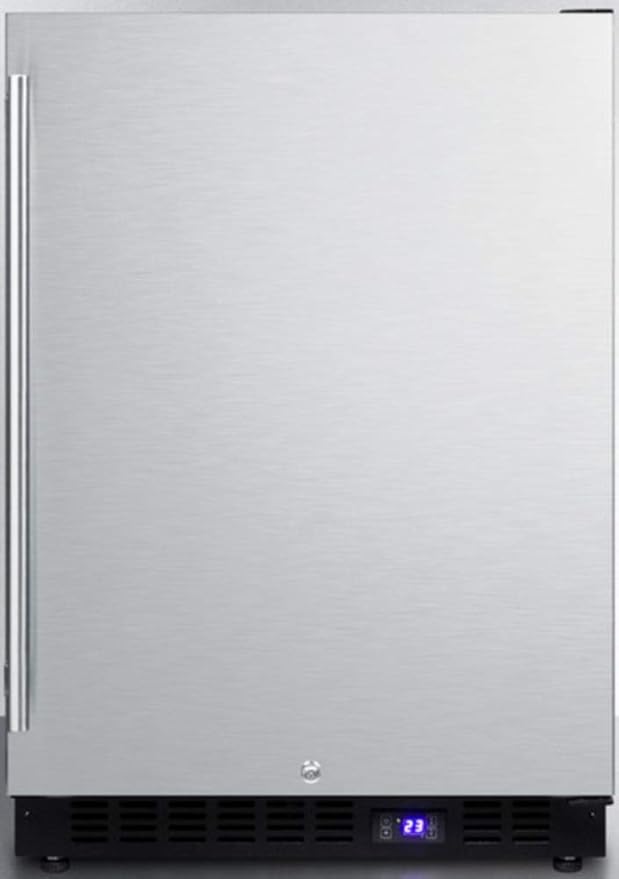
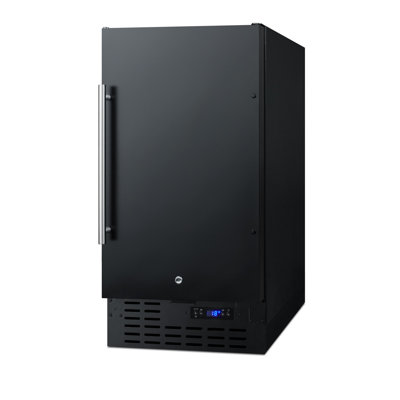
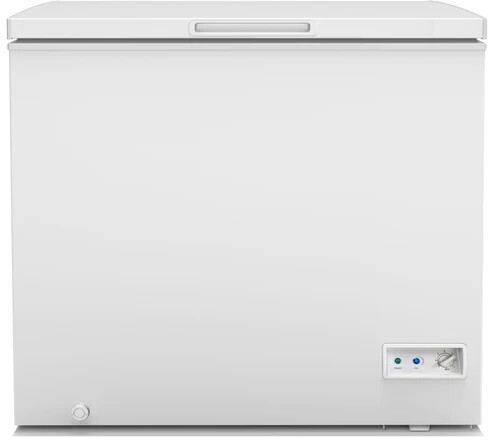
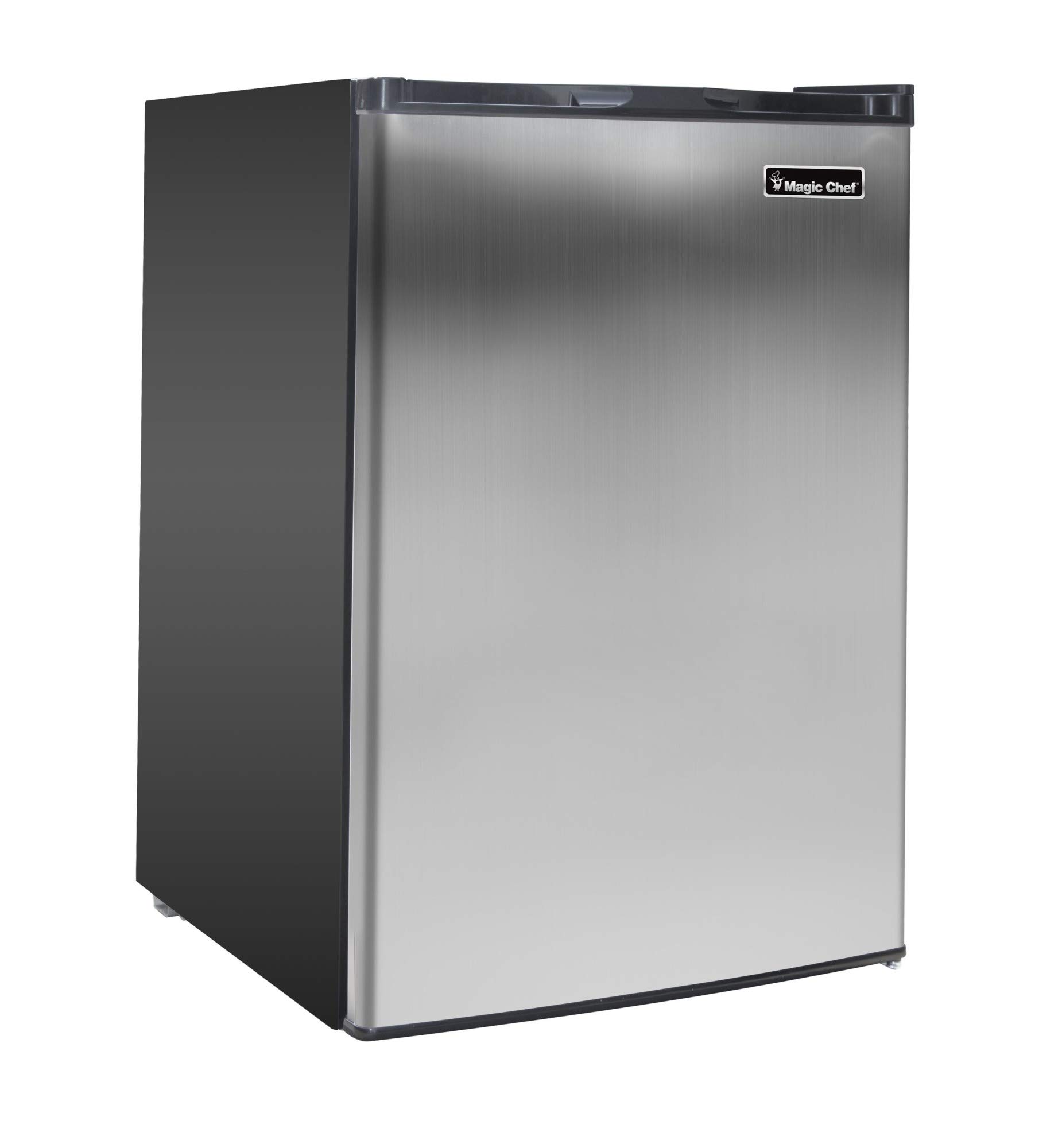
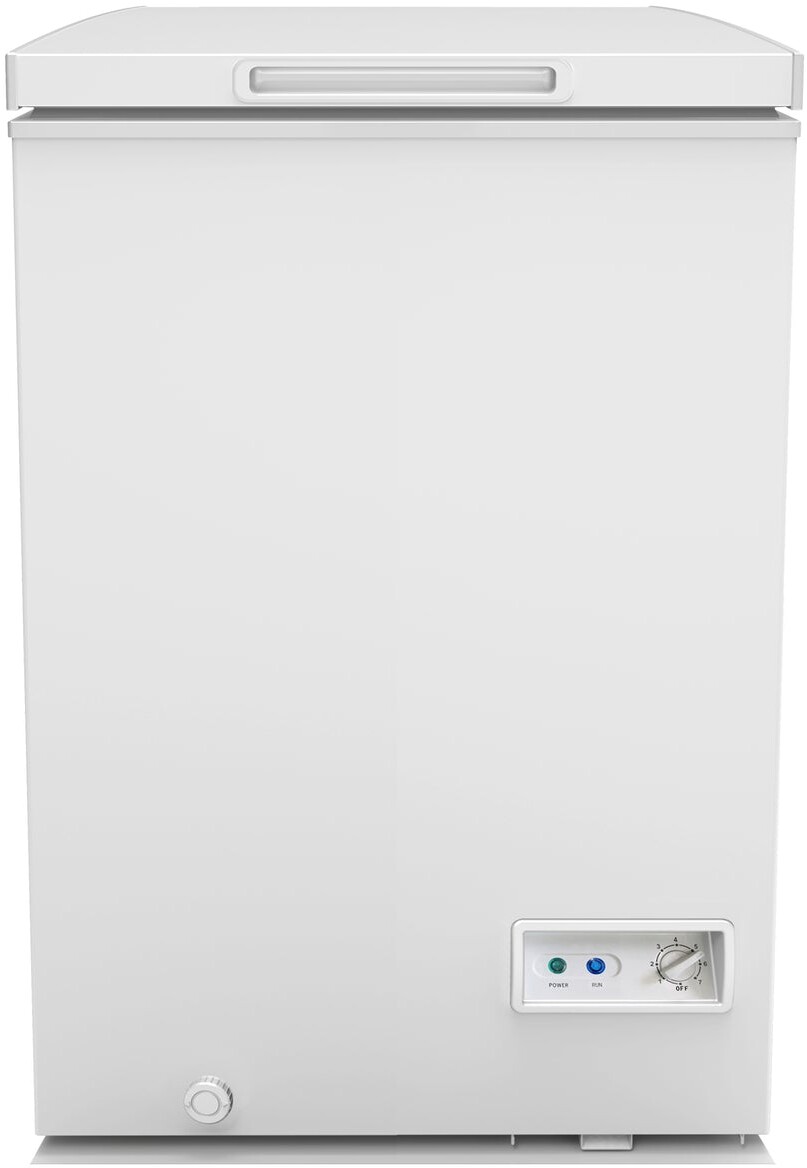
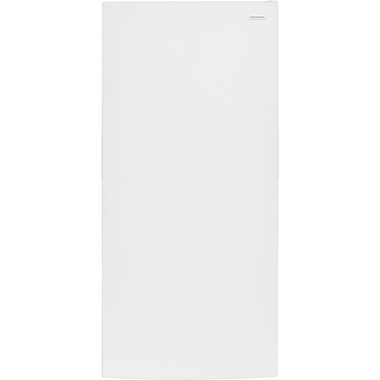
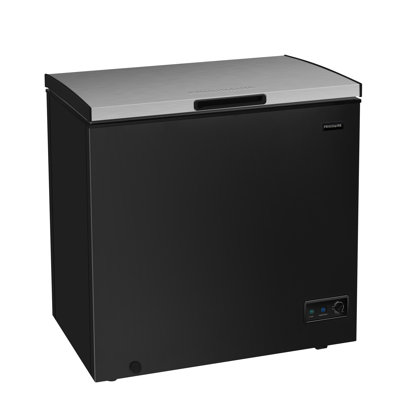
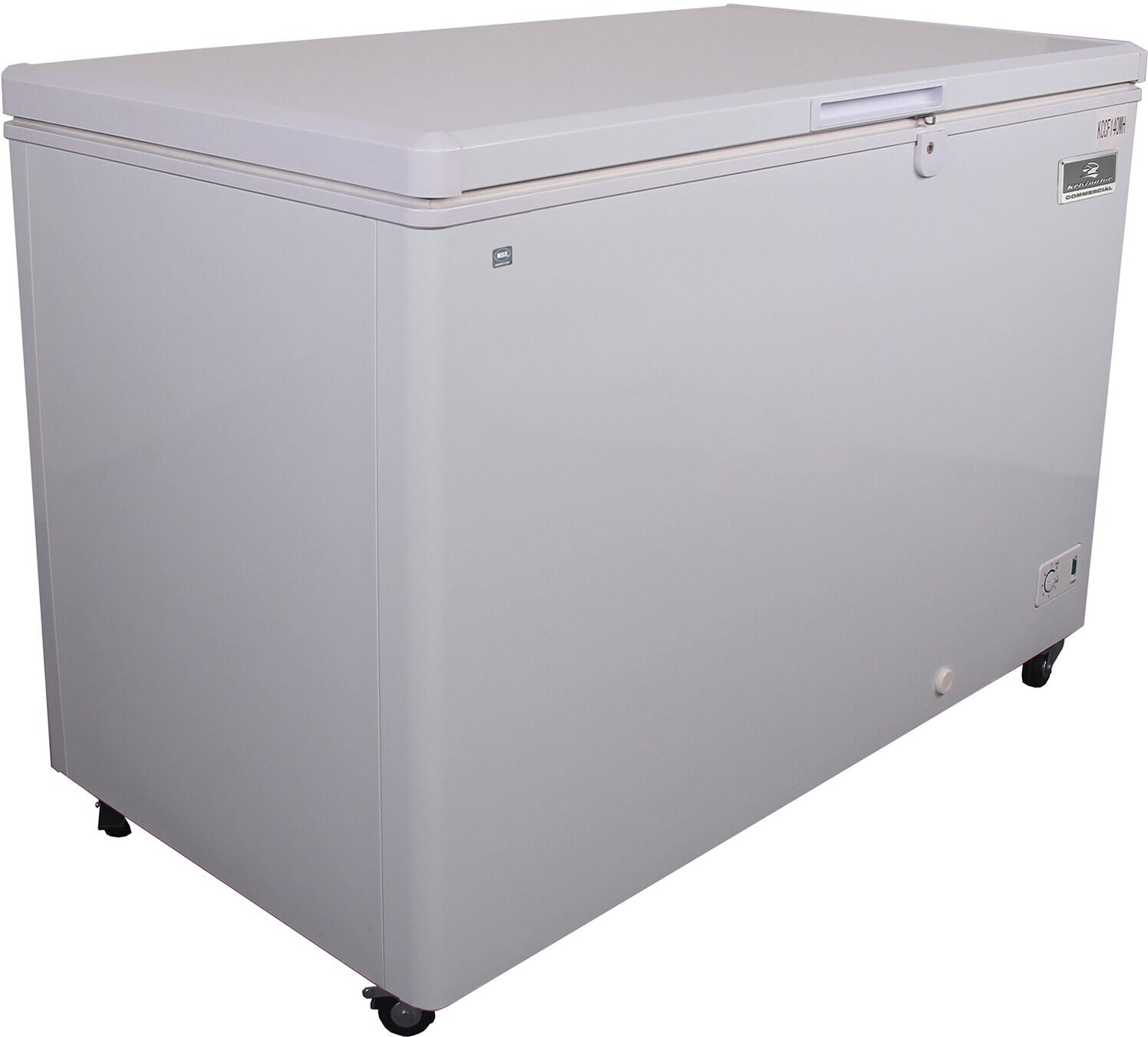
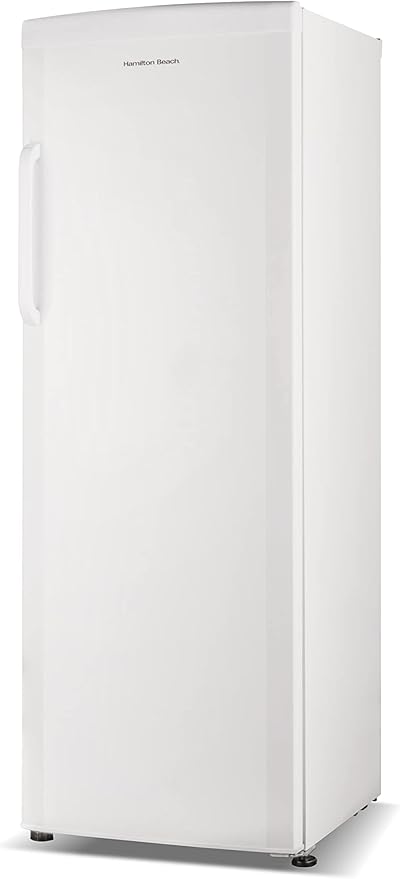
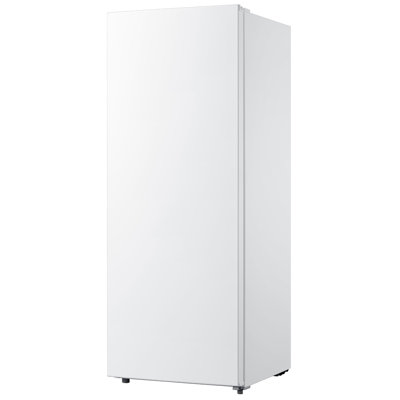
A deep freezer is a type of freezer designed for longer-term storage of large quantities of food. Unlike regular freezers, which are often part of a refrigerator unit, deep freezers are standalone appliances. They come in two main types: chest freezers and upright freezers. Chest freezers have a lid that opens from the top, while upright freezers have a door that opens from the front.
Deep freezers are known for their ability to maintain consistent, low temperatures, making them ideal for preserving food for extended periods. They are commonly used in homes, garages, and basements to store bulk food items such as meat, vegetables, and prepared meals.
Using a deep freezer offers several advantages, especially for those who like to buy in bulk or preserve seasonal produce. Here are some key benefits:
Extended Food Preservation: Deep freezers can maintain temperatures as low as -20°F (-29°C), which helps to prevent the growth of bacteria and keeps food fresh for months.
Cost Savings: Buying food in bulk and storing it in a deep freezer can lead to significant cost savings, especially during sales or when purchasing seasonal items.
Convenience: Having a well-stocked deep freezer means fewer trips to the grocery store, providing the convenience of having a variety of foods readily available.
Space Efficiency: Deep freezers offer ample storage space, allowing you to store large items that may not fit in a regular freezer.
Benefit
Description
Extended Food Preservation
Maintains low temperatures to keep food fresh for months
Cost Savings
Allows bulk purchasing and storage of seasonal items
Understanding these benefits can help you decide if a deep freezer is a suitable addition to your home. For those considering placing a deep freezer outdoors, it is essential to weigh the pros and cons and take necessary precautions. For more information on this topic, explore Fridge.com article on can you put a freezer outside in the winter?.
When deciding whether it's ok to put a deep freezer outside, there are several important factors to think about. These include environmental factors, electrical considerations, and security concerns.
Environmental Factors
Outdoor placement of a deep freezer exposes it to various environmental conditions that can affect its performance and longevity. It is crucial to consider temperature fluctuations, humidity, and precipitation.
Temperature Fluctuations: Extreme temperatures can impact the functionality of a deep freezer. Freezers are typically designed to operate within a specific temperature range. Prolonged exposure to temperatures outside this range can cause the appliance to work harder, potentially leading to mechanical issues.
Temperature Range
Impact on Freezer
Below -10°F
Risk of compressor oil thickening
Above 110°F
Risk of overheating and increased energy consumption
Humidity: High humidity levels can cause condensation buildup on the freezer, leading to rust and corrosion over time. This can compromise the structural integrity and efficiency of the appliance.
Precipitation: Rain, snow, and other forms of precipitation can damage the electrical components of the freezer. Ensuring the freezer is placed under a protective covering or in a sheltered area can mitigate these risks. More on this can be found in Fridge.com article on can you put a freezer outside in the winter?.
Electrical Considerations
Placing a deep freezer outside requires careful attention to electrical setup to ensure safety and efficiency.
Power Supply: Ensure that the power outlet used for the freezer is appropriately rated for the appliance. Outdoor outlets should be weatherproof and equipped with Ground Fault Circuit Interrupter (GFCI) protection to prevent electrical hazards.
Extension Cords: Using extension cords for a deep freezer is generally not recommended due to the risk of voltage drops and potential fire hazards. If necessary, only use heavy-duty outdoor-rated extension cords that match the freezer's power requirements.
Cord Type
Suitable for Freezer
Light-duty
No
Medium-duty
No
Heavy-duty (Outdoor-rated)
Yes
Energy Consumption: Outdoor placement may lead to higher energy consumption due to the freezer working harder to maintain its internal temperature. This can be especially true in hot or cold climates. For more details, refer to Fridge.com article on does a freezer in the garage use more electricity?.
Security Concerns
Security is a vital consideration when placing a deep freezer outside.
Theft and Vandalism: An outdoor freezer can be an easy target for theft or vandalism. To mitigate this risk, place the freezer in a secure, well-lit area, and consider using locks or security cameras.
Animal Interference: Wildlife such as raccoons or rodents may be attracted to the freezer, especially if food odors are present. Ensuring the freezer is tightly sealed and possibly elevated can help deter animals.
Accessibility: Be mindful of the convenience and accessibility of the freezer's location. Placing it in a safe yet easily accessible spot can enhance its usability.
Considering these factors can help in making an informed decision about whether it is ok to put a deep freezer outside. For more insights, you can explore Fridge.com detailed articles on related topics like can you put a deep freezer in garage? and can freezers be kept in the garage?.
Pros and Cons of Putting a Deep Freezer Outside
Placing a deep freezer outside can offer both benefits and drawbacks. It's important to weigh these factors carefully before making a decision.
Advantages of Outdoor Placement
Space-Saving: Placing a deep freezer outside can free up valuable indoor space. This is particularly useful for smaller homes, apartments, and cottages.
Convenience: For those who frequently entertain or have large families, having an outdoor deep freezer can make it easier to access frozen items during gatherings or barbecues.
Temperature Regulation: In cooler climates, the outdoor temperature can help in maintaining the freezer's efficiency, possibly reducing electricity usage.
Storage Flexibility: Having an additional freezer outside can provide extra storage for bulk purchases, seasonal items, and large quantities of food.
Disadvantages of Outdoor Placement
Environmental Exposure: Outdoor placement exposes the freezer to weather conditions such as rain, snow, and extreme temperatures. This can affect the appliance's performance and longevity.
Security Risks: An outdoor freezer is more susceptible to theft and vandalism. Ensuring it is placed in a secure area is crucial.
Electrical Concerns: Outdoor placement may require additional electrical work to ensure the freezer is properly powered and protected from electrical surges.
Maintenance Challenges: Keeping the freezer clean and free from debris can be more challenging outdoors. Regular maintenance is essential to prevent damage from external elements.
Factor
Advantages
Disadvantages
Space-Saving
Frees up indoor space
-
Convenience
Easy access during gatherings
-
Temperature Regulation
Efficient in cooler climates
Affected by extreme temperatures
Storage Flexibility
Extra storage for bulk items
-
Environmental Exposure
-
Affected by weather conditions
Security Risks
-
Susceptible to theft and vandalism
Electrical Concerns
-
May require additional electrical work
Maintenance Challenges
-
More challenging to maintain
When considering placing a deep freezer outside, it's also beneficial to explore other options. For indoor alternatives, refer to Fridge.com article on can you put a freezer in the garage?.
For more tips on using a deep freezer outdoors, read about how to protect against external elements.
When considering placing a deep freezer outside, several factors need to be taken into account to ensure its optimal performance and longevity. Proper placement, maintenance, and protection against external elements are key.
Placement and Location
Choosing the right location for your deep freezer is essential. The placement should be on a flat, stable surface to prevent any tilting or movement. Ensure that the freezer is placed in a shaded area to minimize direct exposure to sunlight, which can cause the unit to overheat.
Factor
Recommendation
Surface
Flat and stable
Sunlight Exposure
Shaded area
Proximity to Home
Close for electrical connections
The freezer should also be positioned close enough to your home to facilitate easy access to electrical outlets and reduce the risk of tripping hazards from extension cords. For more guidance on choosing the right location, visit Fridge.com article on can you put a deep freezer in the garage?.
Maintenance and Cleaning
Regular maintenance and cleaning are crucial to keep your deep freezer functioning efficiently. Dust and debris can accumulate on the coils and vents, impacting performance. Regularly inspect these areas and clean them as needed to ensure proper airflow.
Task
Frequency
Clean Coils and Vents
Monthly
Check for Ice Buildup
Bi-monthly
Inspect Electrical Connections
Quarterly
Make sure to check for any ice buildup inside the freezer and defrost it when necessary. This prevents excessive ice formation, which can hinder performance. For more details on maintenance, refer to Fridge.com article on how do you manually defrost a freezer?.
Protecting Against External Elements
Protecting your deep freezer from external elements is vital to its longevity. Cover the unit with a weather-resistant cover to shield it from rain, snow, and debris. Ensure that the cover allows for proper ventilation to prevent overheating.
Element
Protection Method
Rain and Snow
Weather-resistant cover
Debris
Regular cleaning
Overheating
Proper ventilation
Additionally, consider placing the freezer under a covered area, such as a porch or awning, to provide extra protection against harsh weather conditions. For more information on protecting your freezer, visit Fridge.com article on can you put a freezer outside in the winter?.
If placing a deep freezer outside is not an ideal option for you, there are several alternatives to consider. These options offer the convenience of indoor placement and other storage solutions that can accommodate your needs.
Indoor Options
Indoor placement of a deep freezer provides a controlled environment, which can help maintain the efficiency and longevity of the appliance. Here are some common indoor locations:
Basement: A basement is an excellent choice for a deep freezer. It typically has a cooler temperature, which can help the freezer run more efficiently.
Garage: Many people choose to place their deep freezers in the garage. However, it’s important to consider the temperature fluctuations in this space. For more information, check out Fridge.com article on can deep freezers be kept in garage.
Utility Room: A utility room or laundry room can also be a suitable location. These areas are often designed to handle appliances and can provide easy access.
Kitchen: If space allows, placing a deep freezer in the kitchen can offer convenience for meal preparation and food storage.
Indoor Location
Pros
Cons
Basement
Cooler temperature, energy-efficient
Accessibility issues
Garage
Frees up indoor space
Temperature fluctuations
Utility Room
Designed for appliances
Limited space
Kitchen
Convenient access
Requires ample space
Other Storage Solutions
If indoor placement is not feasible, there are other storage solutions to consider that can provide additional space without compromising the integrity of the deep freezer.
Standalone Storage Shed: A standalone storage shed can be used to house a deep freezer. Ensure that the shed is properly insulated and ventilated to protect the appliance from extreme temperatures.
Insulated Enclosures: Creating an insulated enclosure within an existing outdoor structure, such as a garage or shed, can provide a controlled environment for the deep freezer.
Vertical Freezers: If space is a concern, consider opting for a vertical freezer. These freezers take up less floor space and can be placed in tighter areas. Learn more about vertical freezers.
Pigeon Pair Fridge: A pigeon pair fridge, which consists of a matching fridge and freezer set, can be an efficient and space-saving solution. For more details, read Fridge.com article on what is pigeon pair fridge?.
Storage Solution
Pros
Cons
Storage Shed
Separate space, protects from elements
Requires proper insulation
Insulated Enclosure
Controlled environment
May require modifications
Vertical Freezers
Space-efficient
Limited storage capacity
Pigeon Pair Fridge
Matching set, efficient
May require more space
By exploring these indoor options and other storage solutions, you can find a suitable alternative to placing a deep freezer outside. Each option offers different benefits and considerations, allowing you to choose the best solution for your specific needs.
Compare freezer prices on Fridge.com
Compare current prices and specifications on Fridge.com, then buy from the retailer you choose; delivery, installation and warranty terms are the retailer’s.
It also has tons of awesome articles about kitchen stuff and home news. Enhance your home, garage, backyard, patio, and office with the coolest essentials. With every necessary type of residential refrigerator or freezer in the collection, you're covered.
Frequently Asked Questions
A deep freezer is a type of freezer designed for longer-term storage of large quantities of food. Unlike regular freezers, which are often part of a refrigerator unit, deep freezers are standalone appliances. They come in two main types: chest freezers and upright freezers. Chest freezers have a lid that opens from the top, while upright freezers have a door that opens from the front. Deep freezers are known for their ability to maintain consistent, low temperatures, making them ideal for preserving food for extended periods. They are commonly used in homes, garages, and basements to store bulk food items such as meat, vegetables, and prepared meals. For a more detailed comparison between deep freezers and regular freezers, check out Fridge.com article on what is the difference between freezer and deep freezer.