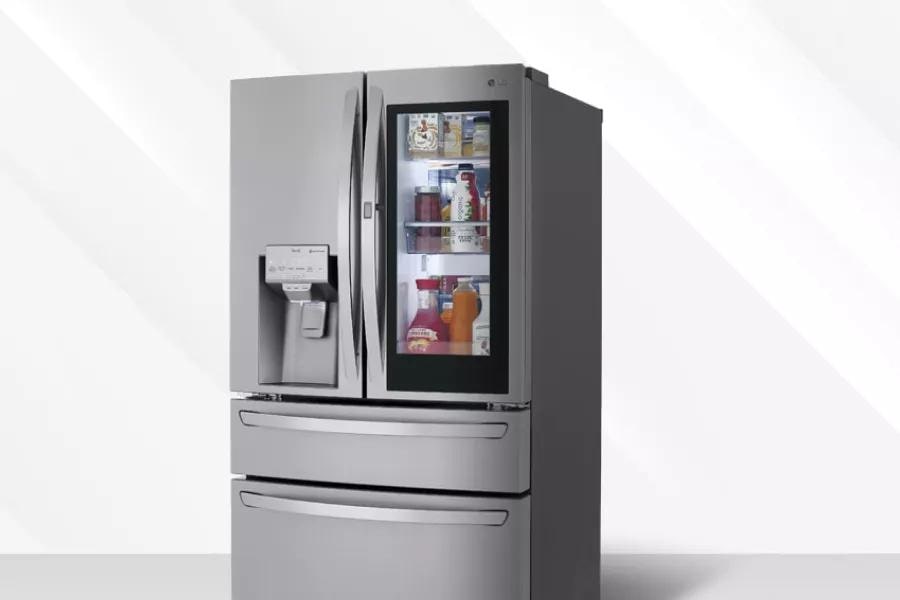
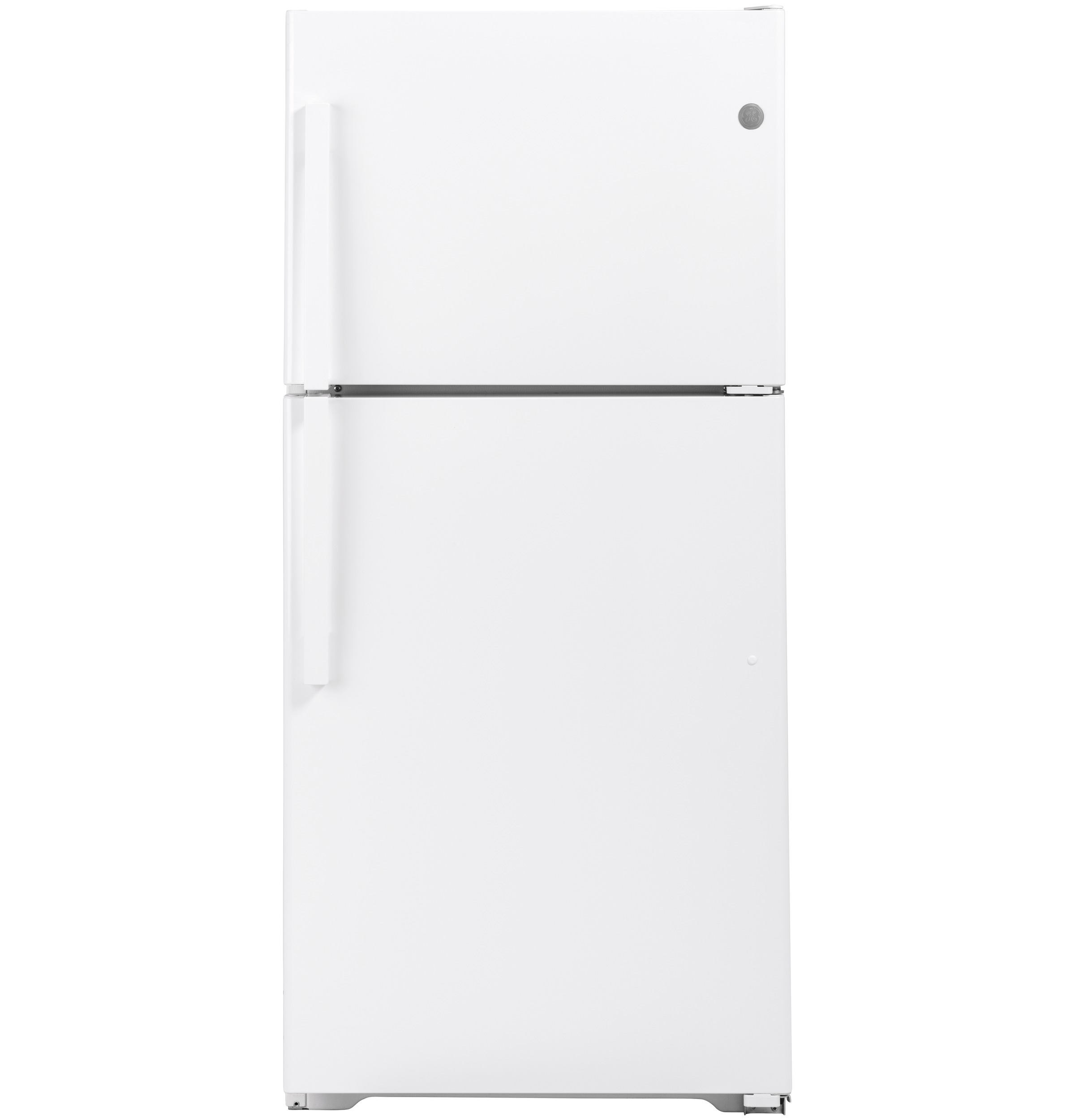
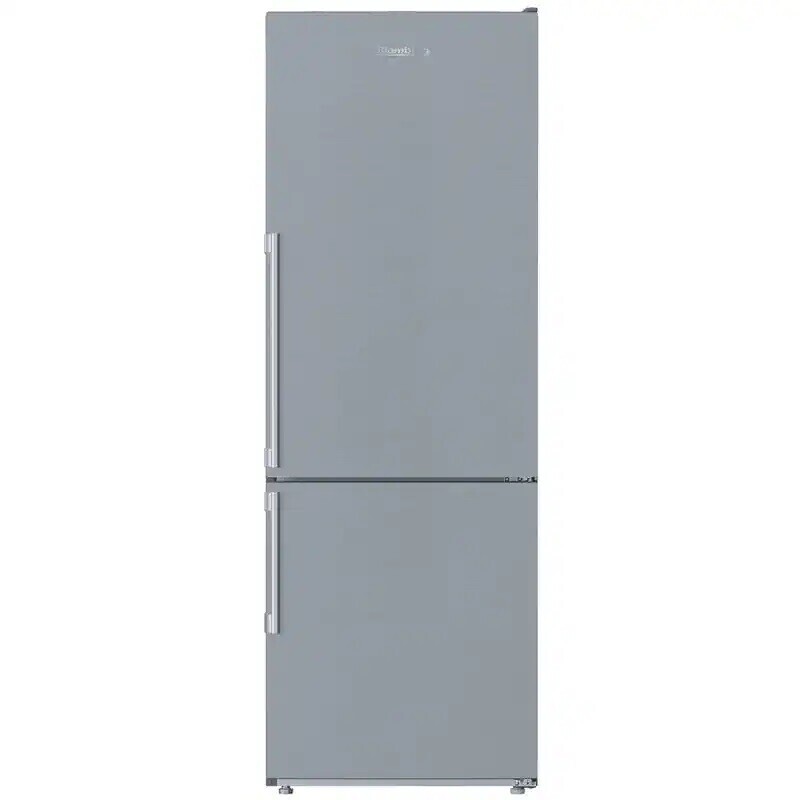
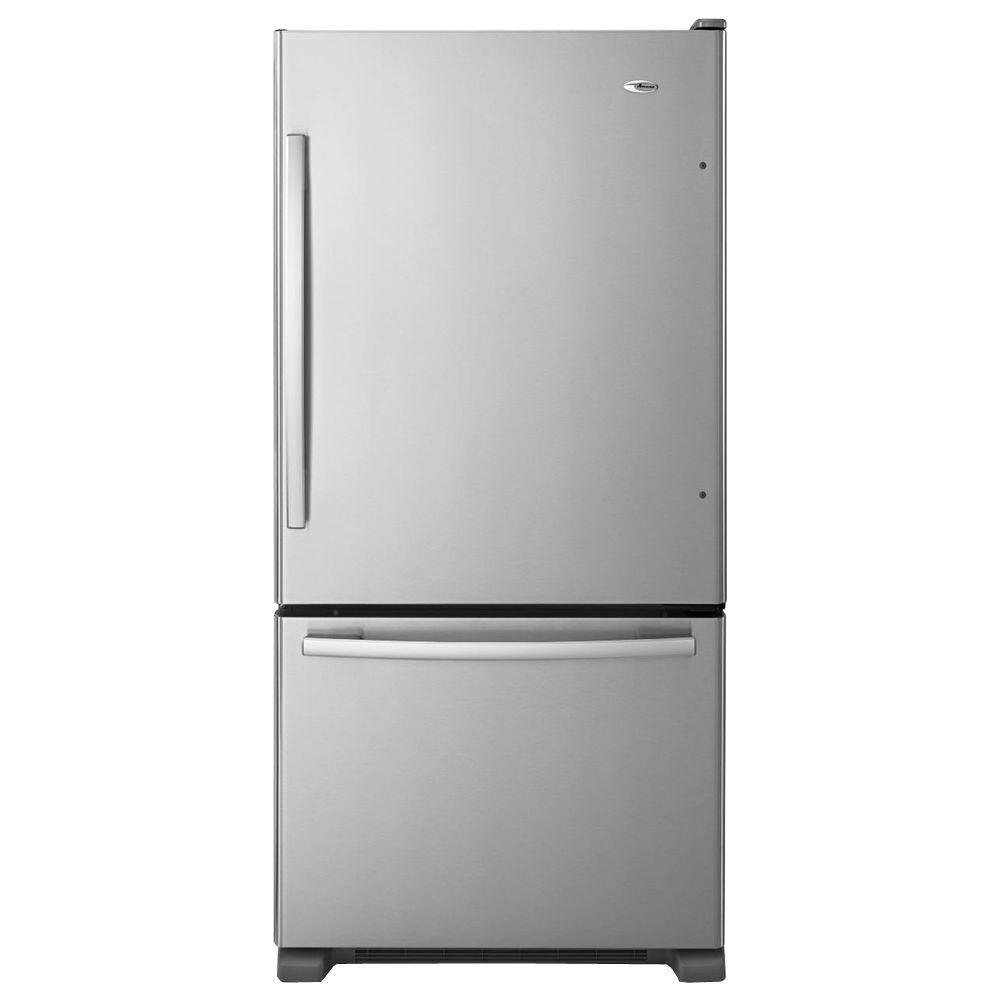
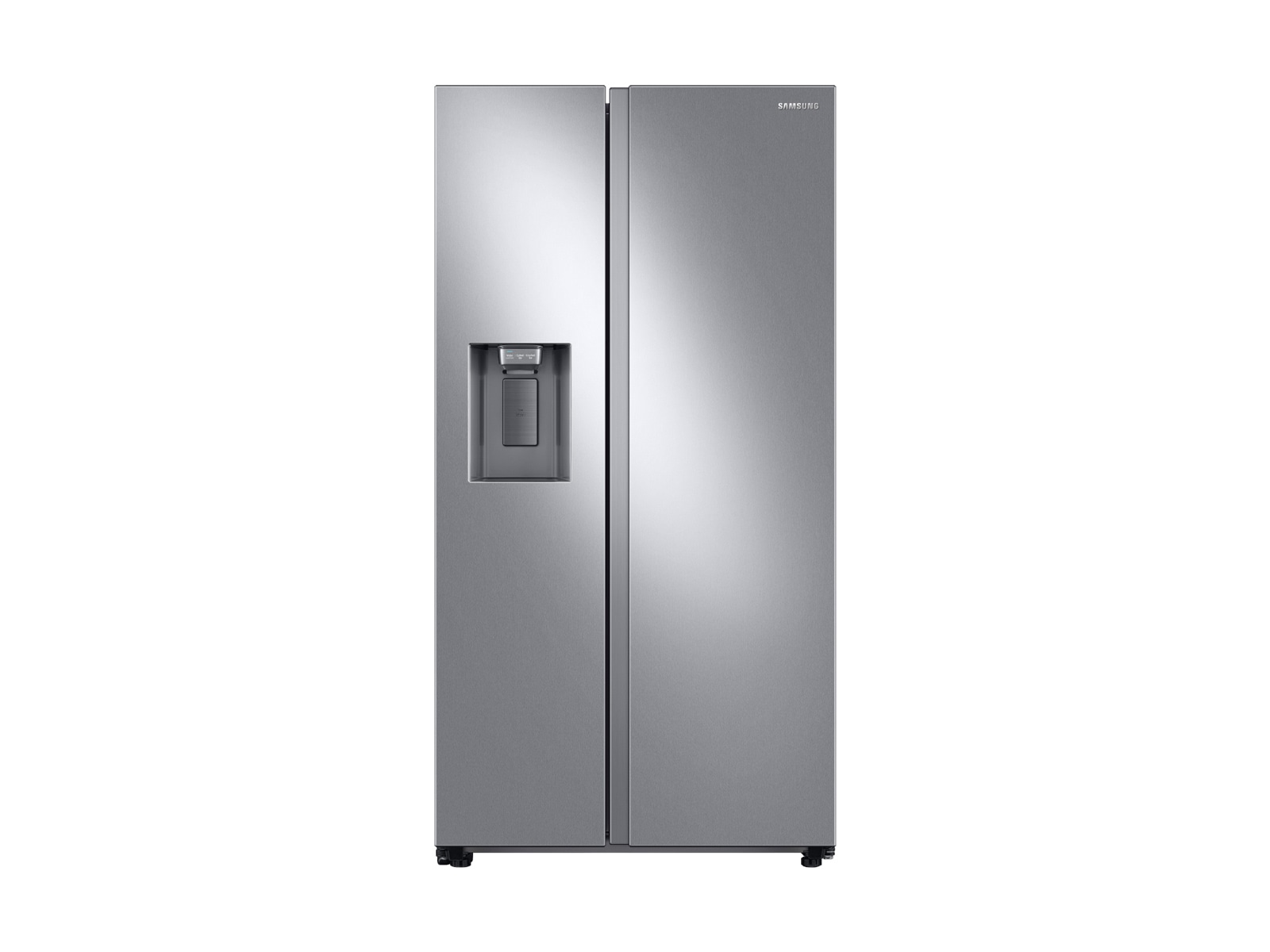
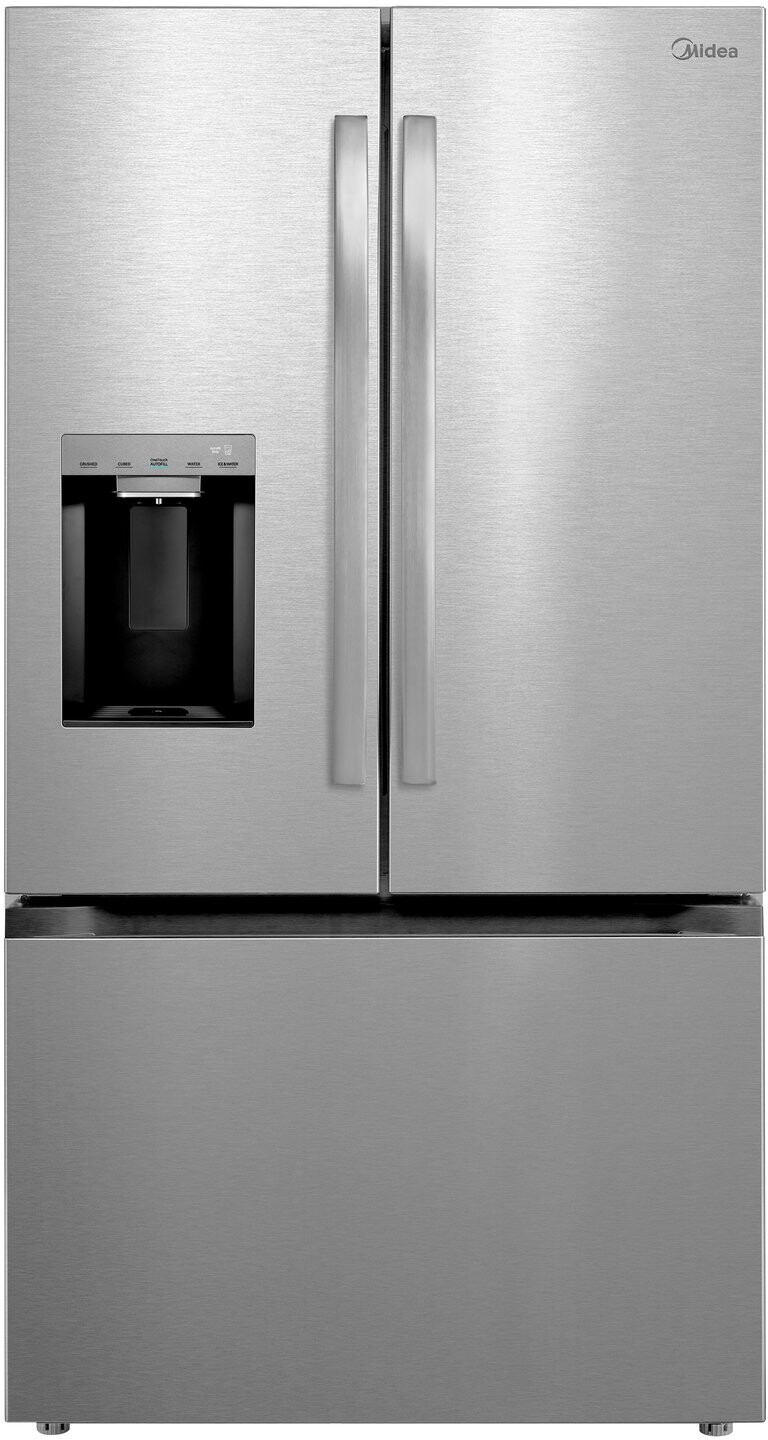
Compact pairs start around 10–15 cu ft per unit and large pairs reach 25–30 cu ft.
The trade-off is width — a side-by-side pigeon pair occupies a wider run of wall than a stacked unit.
Ice makers and water dispensers: Ice cubes and cold drinking water on demand — available on many pigeon pair fridge freezer models.
Because the refrigerator and freezer are separate appliances, they can be placed side by side or in different locations entirely — kitchen fridge, garage or utility-room freezer.
A pigeon pair fridge is a separate full-size refrigerator and a matching standalone freezer designed as a coordinated set, installed side by side for a seamless look. A typical pigeon pair delivers 24–28 cubic feet of combined storage (18–20 cu ft refrigerator plus 6–8 cu ft freezer), and because each unit runs its own compressor and thermostat, you can hold the refrigerator at 32°F–40°F and the freezer at 0°F or below independently.
Understanding Pigeon Pair Fridges
What Is a Pigeon Pair Fridge?
A pigeon pair fridge refers to a combination of a separate refrigerator and freezer unit designed to match each other in style and size. Unlike traditional side-by-side or top-and-bottom configurations built into a single cabinet, a pigeon pair consists of two distinct units placed side by side, offering a coordinated look while letting you choose the size and capacity of each unit independently — a larger refrigerator if you store more fresh produce, or a bigger freezer if you buy frozen goods in bulk.
Refrigerator: Fresh produce, dairy products, beverages, and leftovers.
A pigeon pair fridge freezer consists of a separate refrigerator and freezer unit designed to work together. Each unit operates independently, providing precise temperature control for both fresh and frozen items, and the split layout means you can organize fresh food and frozen food in dedicated cabinets instead of sharing shelf space in one appliance.
Side-by-Side and Top-and-Bottom Placement
Most pigeon pairs stand side by side: the refrigerator and freezer sit next to each other at full height, both sections are easy to reach without bending, and tall bottles or large containers fit without rearranging. The trade-off is width — a side-by-side pigeon pair occupies a wider run of wall than a stacked unit.
The alternative is a top-and-bottom arrangement, with refrigerated storage at eye level and freezer storage below in slide-out drawers. This layout typically uses less energy than a side-by-side arrangement and suits smaller kitchens trying to save floor width.
Size and Capacity Options
Pigeon pair fridges come in various sizes and capacities to accommodate different spaces and storage needs, from compact apartments to large family kitchens.
Unit Type
Dimensions (inches)
Capacity (cubic feet)
Compact
24 x 28 x 67
10 - 15
Standard
30 x 34 x 70
18 - 25
Large
36 x 36 x 72
25 - 30
As a pair, expect roughly this combined storage:
Component
Average Capacity
Fridge
18 – 20 cu ft
Freezer
6 – 8 cu ft
Total
24 – 28 cu ft
Choosing the right size ensures your pigeon pair fridge fits seamlessly into your kitchen or designated area. For help sizing the freezer half, see how do i know what size freezer to get.
Design and Aesthetics
Pigeon pair units are sold in matching finishes and hardware so the two cabinets read as one set:
Finish: Stainless steel, matte black, white, or custom panel-ready options.
Handles: Integrated or bar handles for a streamlined appearance.
Lighting: LED lighting for better visibility inside the units.
An integrated pigeon pair fridge freezer uses panel-ready fronts and integrated handles so both units accept custom cabinet panels and disappear into your kitchen cabinetry. Because the pair is two separate cabinets, each column is paneled to match, keeping the finish consistent across the set.
Ice Makers, Water Dispensers, and Smart Features
Many pigeon pair fridge freezers are available with the same extras as combined units:
Ice makers and water dispensers: Ice cubes and cold drinking water on demand — available on many pigeon pair fridge freezer models.
Dual temperature control: Separate settings for the fridge and freezer, with digital thermostats for easy readouts and adjustments.
Temperature alerts: A notification when either compartment drifts too warm or too cold.
Smart technology: Connect the units to your phone to adjust settings remotely.
Adjustable shelves: Reconfigure to fit tall pots or odd-shaped items.
Humidity control: Dials in the right moisture level to keep produce crisp.
Because the refrigerator and freezer are separate appliances, they can be placed side by side or in different locations entirely — kitchen fridge, garage or utility-room freezer. You can also pair different sizes, which suits large families and frequent entertainers who need ample storage for both fresh and frozen foods.
Temperature Control and Preservation
Since the refrigerator and freezer are separate units, each maintains its optimal temperature without affecting the other. That separation prevents the temperature fluctuations that compromise freshness in single-cabinet units: the freezer holds a colder setting for long-term storage while the refrigerator keeps fresh produce at its own setting.
Zone
Ideal Temperature
Fridge
32°F – 40°F
Freezer
0°F or below
Feature
Benefit
Independent Temperature Control
Better preservation of food
Separate Units
Prevents temperature fluctuations
Optimal Settings
Maintains food quality
Energy Efficiency
Separate units often consume less energy than traditional fridge-freezer combinations because neither cabinet has to maintain two temperature zones inside a single box. Modern pigeon pair fridges add energy-saving features — advanced insulation, efficient compressors that draw only the power needed, and eco-friendly refrigerants — that reduce consumption further. Check the energy rating when comparing models:
Seals and Gaskets: Inspect the door seals on both units for wear and tear; clean them with water and a soft detergent to maintain an airtight seal and prevent cold air from escaping.
Condenser Coils: Vacuum the condenser coils to remove dust and debris, ensuring efficient operation.
Fridge Not Cooling: Check that the thermostat is set correctly, the unit is plugged in, and the outlet works. Clear any blocked vents and clean the condenser coils.
Excessive Frost Buildup: Ensure the door closes properly and the seals are intact; high humidity or a bad seal is the usual cause. Defrost the freezer if necessary.
Strange Noises: Check for loose components or debris around the condenser fan, adjust the leveling feet, and ensure the unit is level.
Water Leaks or Pooling Inside: Inspect the drain pan for cracks and clear a clogged defrost drain by rinsing it with warm water.
Pigeon pair fridges are designed to be installed side by side, so they suit larger kitchens with a wide enough run of wall for two full cabinets. Measure before you buy:
Measurement Type
Needed Size (inches)
Pro Tips
Height
66-72
Enough headroom for the doors to swing open
Width
30-36
Per unit — go wide if you want a spacious fridge
Depth
28-34
Don’t let it stick out past the counters
Then match capacity to what you actually store: households that buy fresh produce weekly and stock the freezer with bulk purchases get the most from the pair's independent sizing.
Budget and Cost Considerations
Pigeon pairs can cost more than traditional single-unit fridges because you are buying two separate appliances.
Cost Aspect
Consideration
Initial Purchase
Higher due to two separate units
Installation
May require professional installation for optimal performance
Maintenance
Potentially higher, as there are two units to maintain
Comparing Pigeon Pair Fridges to Other Options
Feature
Pigeon Pair Fridge
Traditional Fridge
Side-by-Side Fridge
Customization
High
Low
Medium
Storage Capacity
High
Medium
Medium
Space Requirement
Large
Medium
Medium
Aesthetic Appeal
High
Low
Medium
A pigeon pair offers greater customization and storage capacity, making it the pick for households with specific storage needs and ample kitchen space; a traditional or side-by-side fridge suits smaller spaces or anyone who wants a single compact appliance.
What does "pigeon pair" mean for a fridge and freezer?
A pigeon pair is a standalone refrigerator and a standalone freezer sold as a matched set — same height, same finish, same handle style — so the two units installed side by side look like one coordinated appliance while operating independently.
Can you get a pigeon pair fridge freezer with an ice maker or water dispenser?
Yes. Many pigeon pair models offer an ice maker in the freezer unit and a water dispenser in the refrigerator unit, alongside extras such as smart controls, adjustable shelves, and humidity control.
What is an integrated pigeon pair fridge freezer?
An integrated pigeon pair uses panel-ready fronts and integrated handles so both columns accept custom cabinet panels and blend into your kitchen cabinetry for a built-in look.
What size is a pigeon pair fridge freezer?
Each unit typically runs 24–36 inches wide, 28–36 inches deep, and 67–72 inches tall, with a combined capacity of roughly 24–28 cubic feet (18–20 cu ft refrigerator, 6–8 cu ft freezer). Compact pairs start around 10–15 cu ft per unit and large pairs reach 25–30 cu ft.
How do I choose the best pigeon pair fridge freezer?
Measure your wall run first (each unit needs roughly 30–36 inches of width), then size the refrigerator to your fresh-food volume and the freezer to your frozen and bulk buying. Compare energy ratings — a higher-rated pair costs $30–$50 per year to run versus $50–$70 for a lower rating — and pick the finish and features (ice maker, water dispenser, humidity control, smart controls) that match how you use your kitchen.
Do the fridge and freezer in a pigeon pair have to match?
They are designed to match in style and size — that matching is what makes them a "pair." You can run any two standalone units side by side, but buying the matched set ensures the heights, finishes, and handles line up.
Is a pigeon pair more energy efficient than a combined fridge freezer?
Often, yes: because each cabinet maintains only one temperature zone, separate units frequently consume less energy than a single fridge-freezer working to hold two zones. Efficiency varies by model, so compare energy ratings, and keep both units away from heat sources and direct sunlight.
What temperature should each unit run at?
Keep the refrigerator between 32°F and 40°F and the freezer at 0°F or below. Independent controls on each unit let you hold both targets without one compartment affecting the other.
Compare prices on Fridge.com
Compare current prices and specifications on Fridge.com, then buy from the retailer you choose; delivery, installation and warranty terms are the retailer’s.
It also has tons of awesome articles about kitchen stuff and home news. Enhance your home, garage, backyard, patio, and office with the coolest essentials. With every necessary type of residential refrigerator or freezer in the collection, you're covered.
Frequently Asked Questions
A pigeon pair fridge refers to a combination of a separate refrigerator and freezer unit designed to match each other in style and size. Unlike traditional side-by-side or top-and-bottom configurations built into a single cabinet, a pigeon pair consists of two distinct units placed side by side, offering a coordinated look while letting you choose the size and capacity of each unit independently — a larger refrigerator if you store more fresh produce, or a bigger freezer if you buy frozen goods in bulk. Refrigerator: Fresh produce, dairy products, beverages, and leftovers. Freezer: Frozen foods, ice, and bulk purchases. Feature.
Benefit.
.
Customization.
Choose sizes independently.
.
Temperature Control.
Maintain optimal conditions.
.
Energy Efficiency.
Lower energy consumption.
.
Design.
Sleek and coordinated look.
. For those considering installing the freezer half of the pair in a garage or other unconventional space, see can you put a freezer outside in the winter? and can you put a deep freezer in garage?.