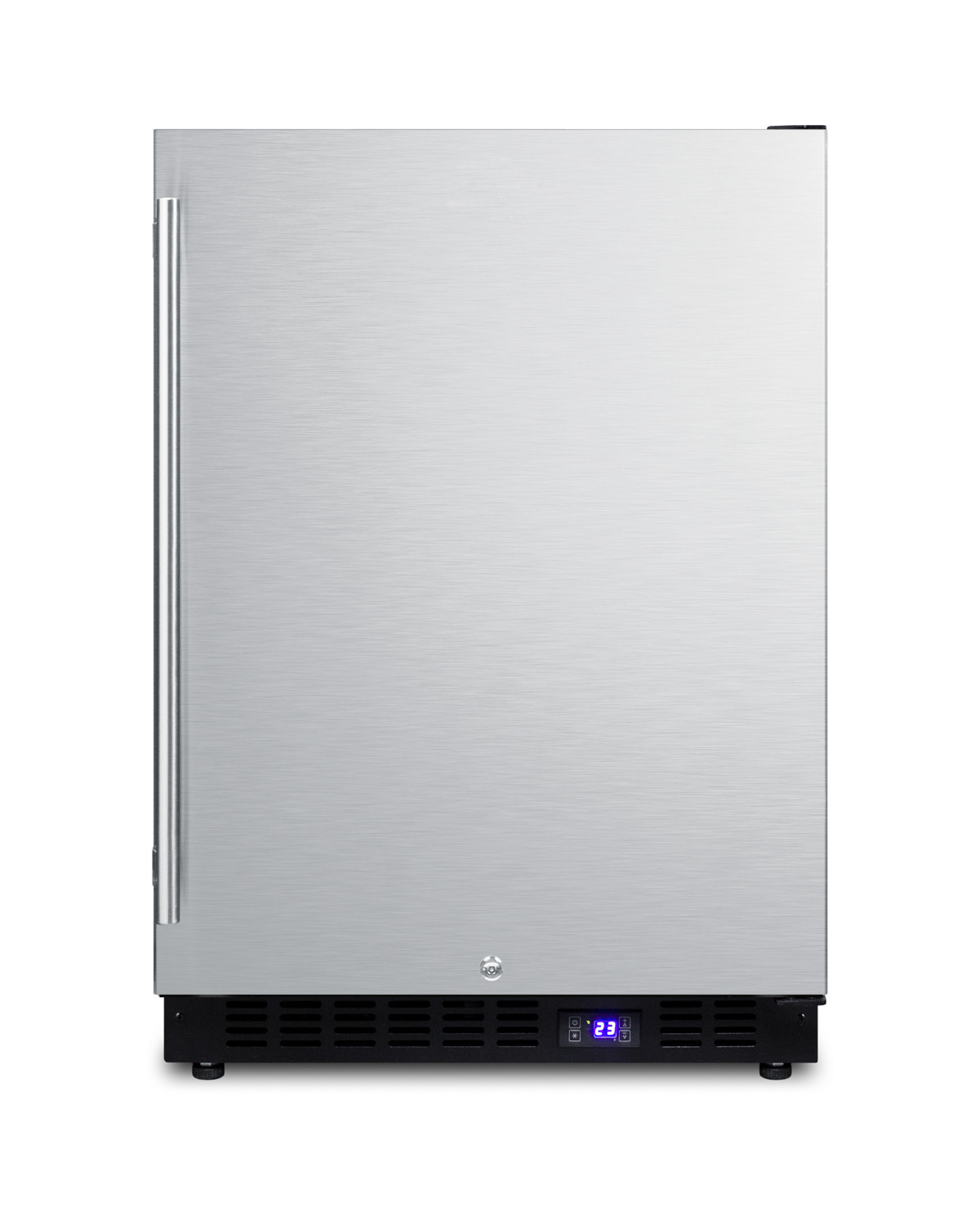
Here are some key things to keep in mind to make sure you get the best freezer for your needs, whether you're eyeing a big freestanding freezer or a small one.
Freezer Not Cooling: Check the thermostat, make sure the door seals are tight, and confirm it's plugged in.
Dive into Fridge.com sections on key features and choosing the right freezer for more tips and tricks.
Cabin or Cottage: Ideal for seasonal homes, giving you extra storage during longer stays.
Freestanding Freezers: Your Ultimate Cold Storage Buddy
What’s the Deal with Freestanding Freezers?
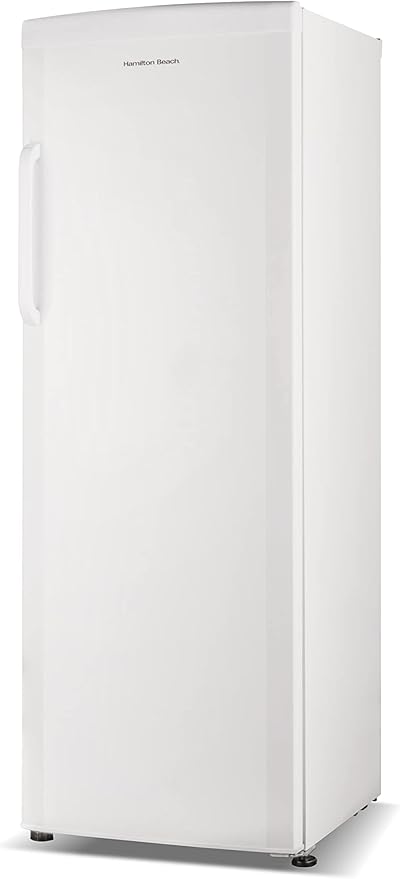
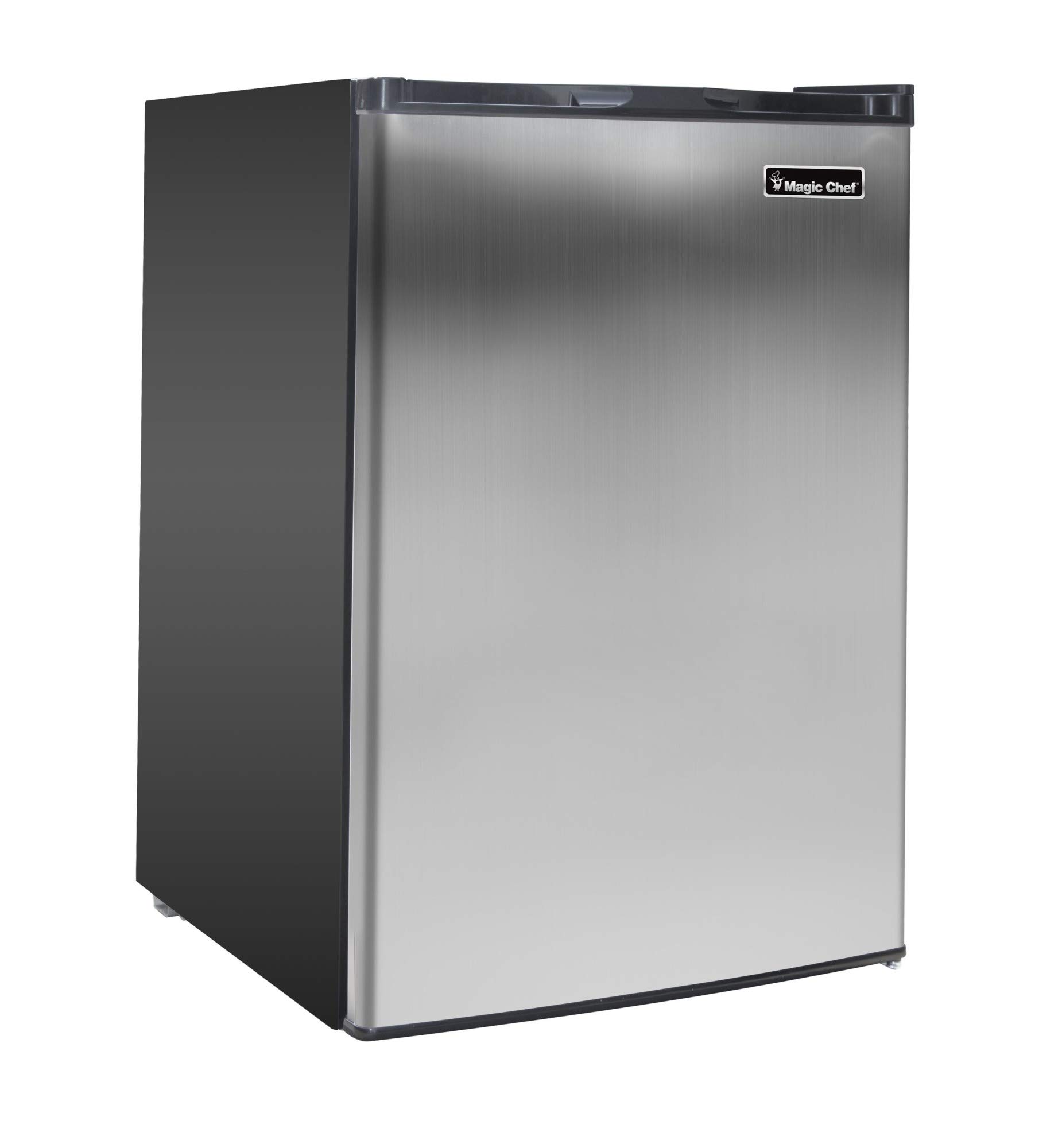
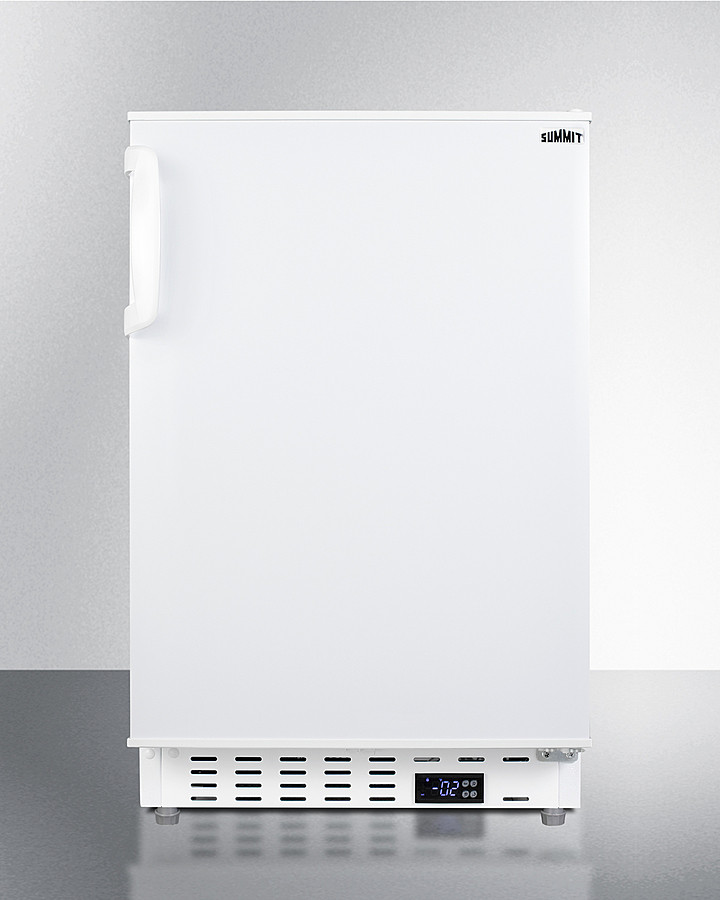
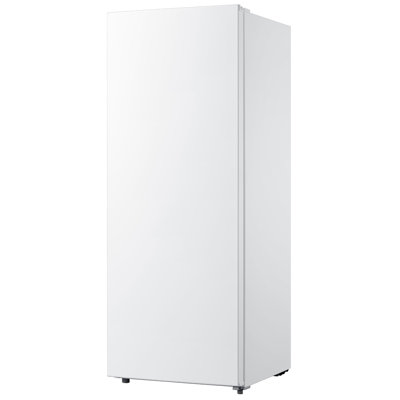
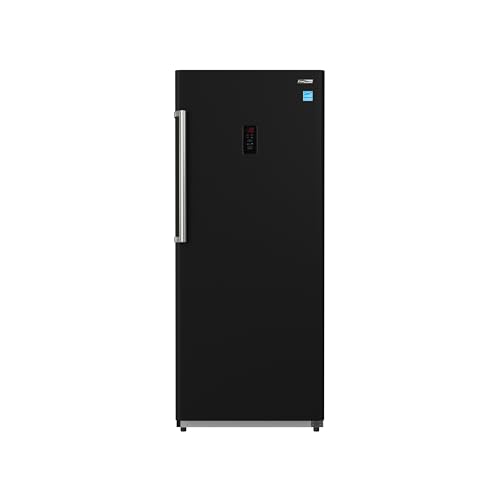
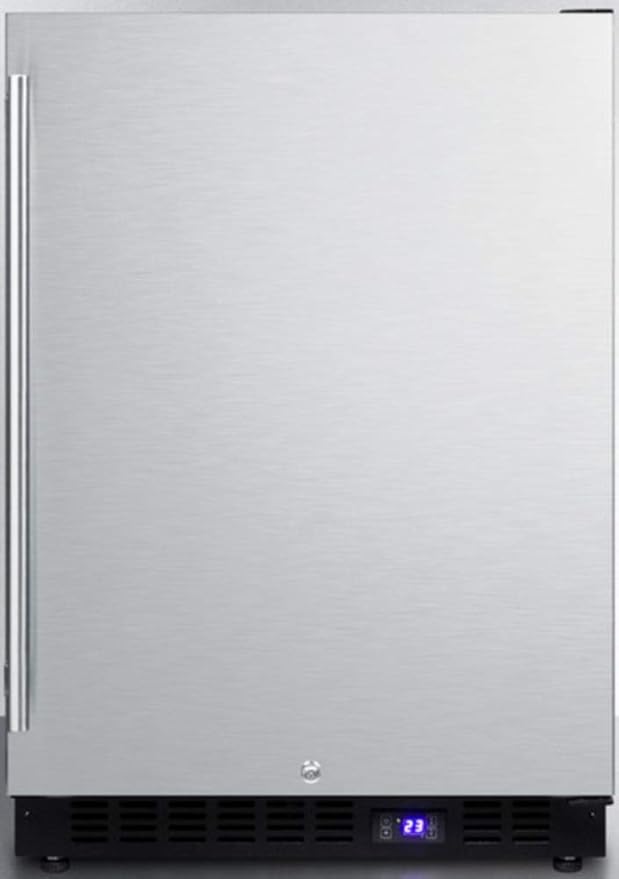
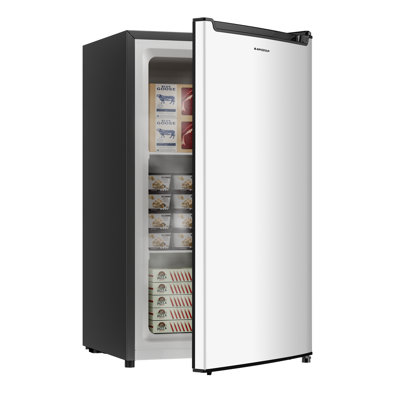
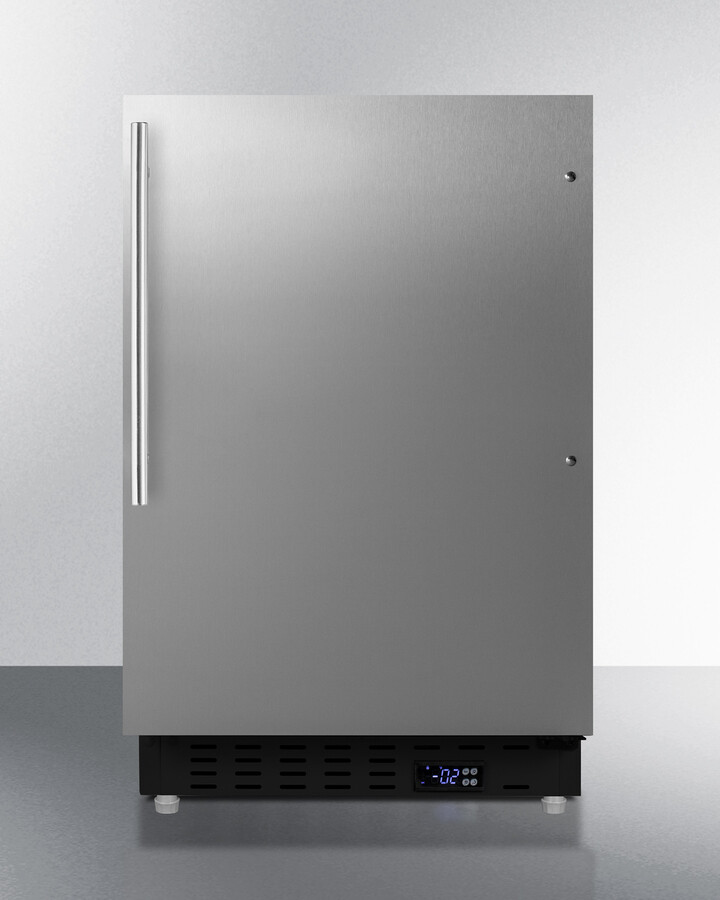
Freestanding freezers are like the Swiss Army knives of the appliance world. You can plop them down anywhere—your kitchen, garage, basement, or even your office break room. Unlike built-in freezers that need to be part of your cabinetry, these bad boys stand alone and can be moved around as you see fit. This makes them super handy for all sorts of spaces.
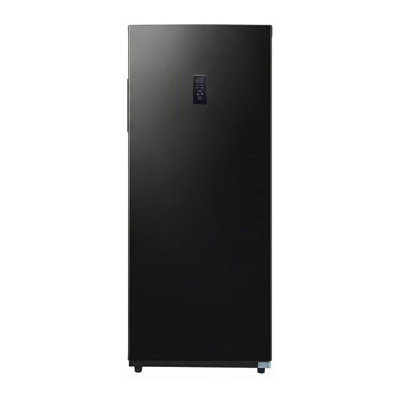
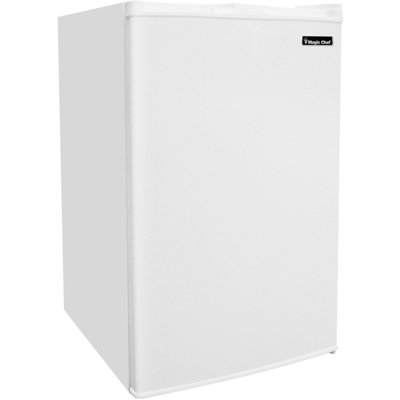
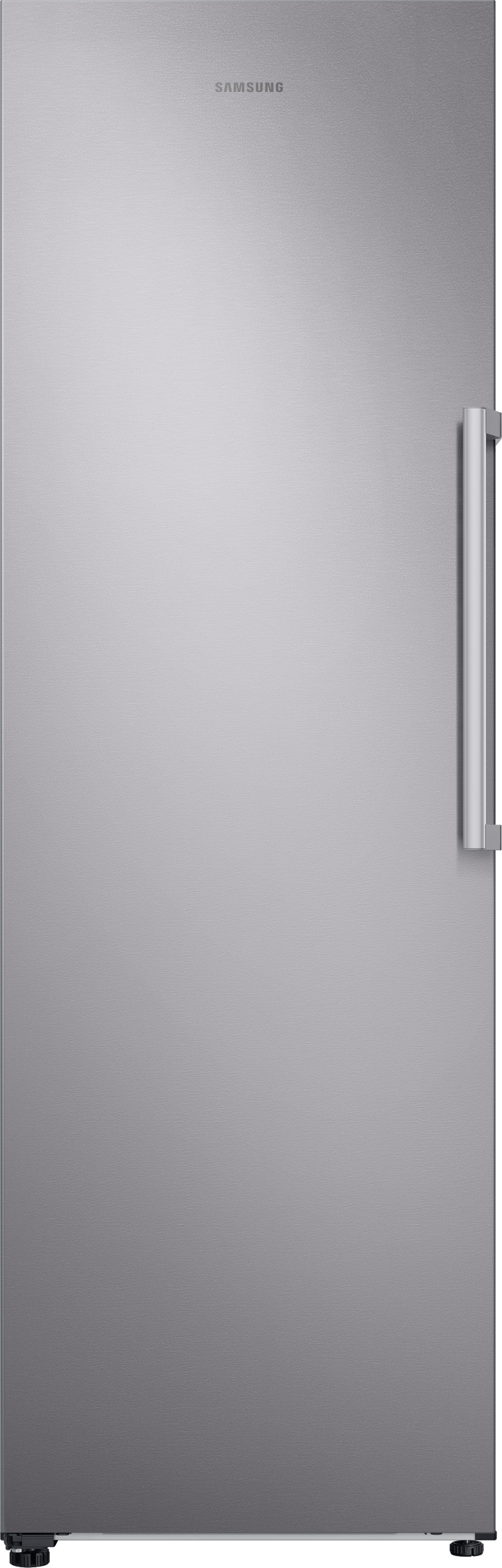
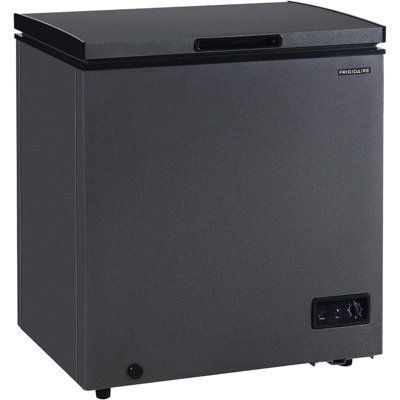
They come in two main styles: upright and chest. Upright freezers look like regular fridges with doors that open outwards, while chest freezers are more like treasure chests, opening from the top.
Why You’ll Love Having a Freestanding Freezer
Freestanding freezers bring a lot to the table, making them a go-to for homes and businesses alike.
1. Flexibility Galore:
You can stick a freestanding freezer just about anywhere. Need more room in your kitchen? Got a basement that’s begging for extra storage? These freezers have got you covered. Check out our placement tips for more ideas.
2. Size Matters:
Whether you need a tiny freezer for a few items or a massive one for bulk storage, there’s a freestanding freezer for you. Here’s a quick look at the options:
Type
Capacity (Cu. Ft.)
Compact Freezer
3 - 6
Small Freezer
6 - 12
Large Freezer
12 - 25+
3. Easy-Peasy Setup:
Setting up a freestanding freezer is a breeze. No need for custom cabinets or a professional installer. Just plug it in and you’re good to go. For more on this, see Fridge.com installation guide.
4. Save on Bills:
Modern freestanding freezers are built to be energy-efficient. Look for models with the ENERGY STAR rating to keep your electricity costs down.
5. Bells and Whistles:
These freezers often come with cool features like adjustable shelves, temperature controls, and alarms. These extras make it easier to organize and manage your frozen goodies.
Knowing the ins and outs of freestanding freezers can help you pick the perfect one for your needs. Dive into Fridge.com sections on key features and choosing the right freezer for more tips and tricks.
Picking the right size means you won't be playing freezer Tetris with your groceries.
Temperature Control and Settings
Temperature control is a big deal. It keeps your food fresh and safe. Some freezers have basic dials, while others have fancy digital displays or even smart controls you can tweak from your phone.
Nobody likes high electric bills. An energy-efficient freezer can save you money and help the planet. Look for the Energy Star label to find models that use less power but still get the job done.
Energy Rating
Annual Energy Usage (kWh)
Savings
High (Energy Star)
300 - 400
Big savings over time
Medium
400 - 500
Decent savings
Low
500+
Higher energy costs
Choosing an energy-efficient freezer means you're being kind to your wallet and the environment. For more advice, see Fridge.com article on what does freestanding refrigerator mean?.
Knowing these key features will help you pick the perfect freestanding freezer that fits your needs and lifestyle.
Installation and Placement
Getting your freestanding freezer set up right is key to making sure it runs smoothly and lasts a long time. Here’s the lowdown on where to put it and how to set it up.
Best Spots for Freestanding Freezers
Freestanding freezers are pretty flexible about where they can go. Here are some popular spots:
Kitchen: Super convenient if you have the room for a large freestanding freezer or large freestanding fridge.
Garage: Great for extra storage, especially if you need a compact freestanding freezer or small freestanding freezer.
Basement: Perfect for long-term storage, keeping your kitchen clutter-free.
Laundry Room: Handy spot with electrical outlets already there.
Cabin or Cottage: Ideal for seasonal homes, giving you extra storage during longer stays.
Keep It Cool: Avoid placing the freezer in direct sunlight or near heat sources to prevent it from overworking.
Close to Outlets: Place the freezer near an electrical outlet to avoid using extension cords, which can be a fire hazard.
Consistent Temperature: Put the freezer in a spot with a stable temperature, avoiding very hot or cold areas. This is crucial for units like the freestanding bottom freezer.
Location
Pros
Cons
Kitchen
Easy access, part of daily routine
Needs enough space
Garage
Great for extra storage
Temperature can vary
Basement
Awesome for long-term storage
Not as convenient to access
Laundry Room
Convenient, has electrical outlets
Space might be tight
Cabin/Cottage
Perfect for seasonal use
Might need extra setup
Office
Handy for snacks and quick meals
Limited storage space
For more tips on organizing and making the most of your freezer space, check out Fridge.com articles on maximizing storage space and proper food placement.
Taking care of your freestanding freezer isn't just about keeping it clean; it's about making sure it runs smoothly for years to come. With a bit of regular TLC, you can keep your freezer in tip-top shape.
Your Cleaning Game Plan
A little elbow grease goes a long way in keeping your freezer spotless. Here's how to do it right:
Pull the Plug: Safety first—unplug that freezer.
Clear It Out: Move all your food to a cooler or another freezer.
Disassemble: Take out shelves and drawers for separate cleaning.
Scrub-a-Dub-Dub: Use mild soap and warm water to wipe down the inside. Skip the harsh stuff.
Wash Shelves and Drawers: Clean these separately with soapy water, rinse, and dry.
Dry It Out: Use a clean cloth to make sure everything's dry inside.
Reassemble: Put the shelves and drawers back in place.
Plug It Back In: Restore power and let it cool before putting the food back.
How Often to Clean:
Task
How Often
Wipe down inside
Monthly
Clean shelves and drawers
Monthly
Deep clean
Every 3-6 months
Defrosting: The Icebreaker
Ice buildup can mess with your freezer's mojo. Here's how to keep it ice-free:
Unplug It: Always start by disconnecting the power.
Empty It Out: Move your food to a cooler or another freezer.
Open Sesame: Leave the door open to let the ice melt. Towels around the base help soak up water.
Speed It Up: A bowl of hot water inside can make the ice melt faster.
Scrape Gently: Use a plastic scraper to remove loose ice. No sharp objects, please.
Wipe Down: Once the ice is gone, clean the inside with mild soap and warm water.
Dry It Well: Make sure it's completely dry before plugging it back in.
Power Up: Plug it back in and let it cool before restocking your food.
How Often to Defrost:
Task
How Often
Manual defrosting
Every 6-12 months
Check for ice buildup
Monthly
Keeping your freezer clean and defrosted not only makes it last longer but also keeps it running efficiently. For more tips on organizing and making the most of your freezer space, check out Fridge.com article on maximizing storage space in a freestanding freezer. Thinking about a new freezer? Fridge.com has guides on large freestanding freezers and small freestanding freezers to help you choose.
Getting your freestanding freezer in order can save you space, time, and a whole lot of frustration. Let's make it happen!
Squeezing Out Every Inch
Here’s how to get the most out of your freezer:
Bins and Baskets: Toss your food into bins and baskets to keep similar items together. This not only saves space but also makes it easier to find what you need.
Label Everything: Slap labels on bins, baskets, and individual food items. This way, nothing gets lost in the abyss, and you spend less time hunting.
Play with Shelves: If your freezer has adjustable shelves, move them around to fit your stuff better. Taller items go on the bottom, shorter ones on top.
Vacuum-Seal Foods: Suck the air out of your food with a vacuum sealer. It saves space and keeps food fresher longer.
Flat Stack: Freeze things like meats and veggies flat in bags. Once frozen, stack them vertically to save space.
Strategy
Benefit
Bins and Baskets
Keeps similar items together
Label Everything
Easy identification
Play with Shelves
Customizable storage
Vacuum-Seal Foods
Space-saving, longer freshness
Flat Stack
Efficient vertical storage
Smart Food Placement
Putting food in the right spots keeps it fresh and easy to grab. Here’s how:
Group Similar Items: Keep meats, veggies, fruits, and meals together. It makes finding stuff a breeze.
First In, First Out (FIFO): Put newer items behind older ones so you use the old stuff first. This cuts down on waste.
Separate Raw and Cooked Foods: Keep raw meats and seafood away from cooked foods to avoid cross-contamination.
Use the Door Wisely: Store less sensitive items like ice packs and bread in the door, where temps fluctuate the most.
Front and Center: Put frequently used items at the front for easy access.
For more storage hacks, check out Fridge.com articles on small freestanding freezer and compact freestanding freezer.
Placement Tip
Purpose
Group Similar Items
Easier location of items
FIFO Method
Reduces food waste
Separate Raw and Cooked Foods
Prevents cross-contamination
Use the Door Wisely
Stores less temperature-sensitive items
Front and Center
Easy access
Follow these tips, and your freestanding freezer will be a well-oiled machine, making your life a little easier. For more info on freestanding freezers, visit Fridge.com page on what is a freestanding freezer?.
Picking the Perfect Freestanding Freezer
What to Think About Before You Buy
Choosing the right freestanding freezer can feel like a big decision, but it doesn't have to be a headache. Here are some key things to keep in mind to make sure you get the best freezer for your needs, whether you're eyeing a big freestanding freezer or a small one.
Size and Capacity: How much food do you need to store? If you've got a big family or love buying in bulk, go for a larger freezer.
Temperature Control: Make sure the freezer has adjustable settings so you can keep your food just right.
Energy Efficiency: Check the energy rating. A more efficient freezer might cost a bit more upfront but will save you money on your power bill.
Placement: Measure your space before you buy. You don't want to end up with a freezer that doesn't fit.
Defrosting Mechanism: Decide if you want to deal with manual defrosting or if you'd rather have an auto-defrost model that takes care of itself.
Extra Features: Some freezers come with handy extras like quick-freeze functions, alarms, and built-in lights.
Freestanding Vs. Built-in Freezers
Freestanding and built-in freezers each have their perks and drawbacks. Knowing these can help you figure out which one suits your space and lifestyle better.
Feature
Freestanding Freezer
Built-in Freezer
Installation
Easy, just plug it in
Needs professional installation
Mobility
Can be moved around
Stays put
Cost
Usually cheaper
Can be pricier due to installation
Ventilation
Vents from the back or sides
Needs specific cabinetry for ventilation
Space
Can go anywhere with an outlet
Built into your cabinets, saving floor space
Design
Lots of styles and finishes
Blends seamlessly with your kitchen decor
If you need something flexible and easy to set up, a freestanding freezer is probably your best bet. But if you want a sleek, integrated look and don't mind spending a bit more, a built-in freezer could be the way to go. For more details, check out Fridge.com article on the difference between built-in and freestanding refrigerators.
Taking these factors into account and comparing the features of freestanding and built-in freezers will help you pick the right one for your home. Whether you're after a compact freestanding freezer or wondering how to convert an integrated fridge to freestanding, make sure to weigh all your options.
What's the Deal with Freestanding Vs. Built-in Freezers?
Freestanding and built-in freezers both keep your food cold, but they have some key differences that might sway your decision. Freestanding freezers are like the nomads of the kitchen—they can go anywhere there's an outlet. Built-in freezers, on the other hand, are the homebodies, blending seamlessly into your kitchen cabinets but usually needing a pro to install them.
Feature
Freestanding Freezer
Built-in Freezer
Placement
Move it wherever you want
Stays put, part of the cabinetry
Installation
Easy, just plug it in
Needs professional installation
Design
Visible from all sides
Disappears into your cabinets
Cost
Generally cheaper
Usually pricier
Ventilation
Vents from the back or sides
Vents from the front
Want more info on freestanding freezers? Check out what is a freestanding freezer?.
Can You Turn a Freestanding Freezer into a Built-in One?
Short answer: Not really. Freestanding freezers and built-in freezers are designed differently, especially when it comes to ventilation. Freestanding models vent from the back or sides, which can lead to overheating if you try to enclose them. Built-in models vent from the front, making them safe to tuck into cabinetry.
But if you're dead set on that built-in look, here are some tips:
Leave enough space around the freezer for air to circulate.
Use custom cabinetry to mimic a built-in style.
Consult a pro to see if any modifications are possible.
For more tips on faking a built-in look, check out how to make freestanding fridge look built in?.
How to Fix Common Freestanding Freezer Problems
Freestanding freezers can sometimes act up. Here are some common issues and how to fix them:
Freezer Not Cooling: Check the thermostat, make sure the door seals are tight, and confirm it's plugged in. Clean the condenser coils if they're dirty.
Too Much Frost: Ensure the door is closing properly and the gasket isn't damaged. If it's not a frost-free model, you might need to defrost it manually.
Weird Noises: Look for loose parts or items blocking the fan. Make sure the freezer is level to avoid vibrations.
Water Leaks: Check the drain pan and defrost drain for clogs. Ensure the freezer is level to prevent water from pooling.
By knowing the differences between freestanding and built-in freezers, understanding the challenges of converting one, and learning how to troubleshoot common problems, you can make smart choices and keep your freezer running smoothly.
Compare freezer prices on Fridge.com
Compare current prices and specifications on Fridge.com, then buy from the retailer you choose; delivery, installation and warranty terms are the retailer’s.
It also has tons of awesome articles about kitchen stuff and home news. Enhance your home, garage, backyard, patio, and office with the coolest essentials. With every necessary type of residential refrigerator or freezer in the collection, you're covered.
Frequently Asked Questions
Freestanding freezers are like the Swiss Army knives of the appliance world. You can plop them down anywhere—your kitchen, garage, basement, or even your office break room. Unlike built-in freezers that need to be part of your cabinetry, these bad boys stand alone and can be moved around as you see fit. This makes them super handy for all sorts of spaces. They come in two main styles: upright and chest. Upright freezers look like regular fridges with doors that open outwards, while chest freezers are more like treasure chests, opening from the top.