Freestanding Bottom Freezers: What You Need to Know
What's a Freestanding Bottom Freezer?
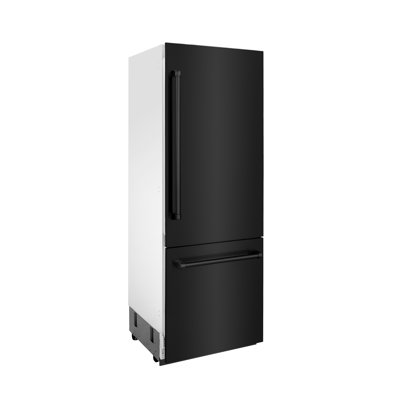
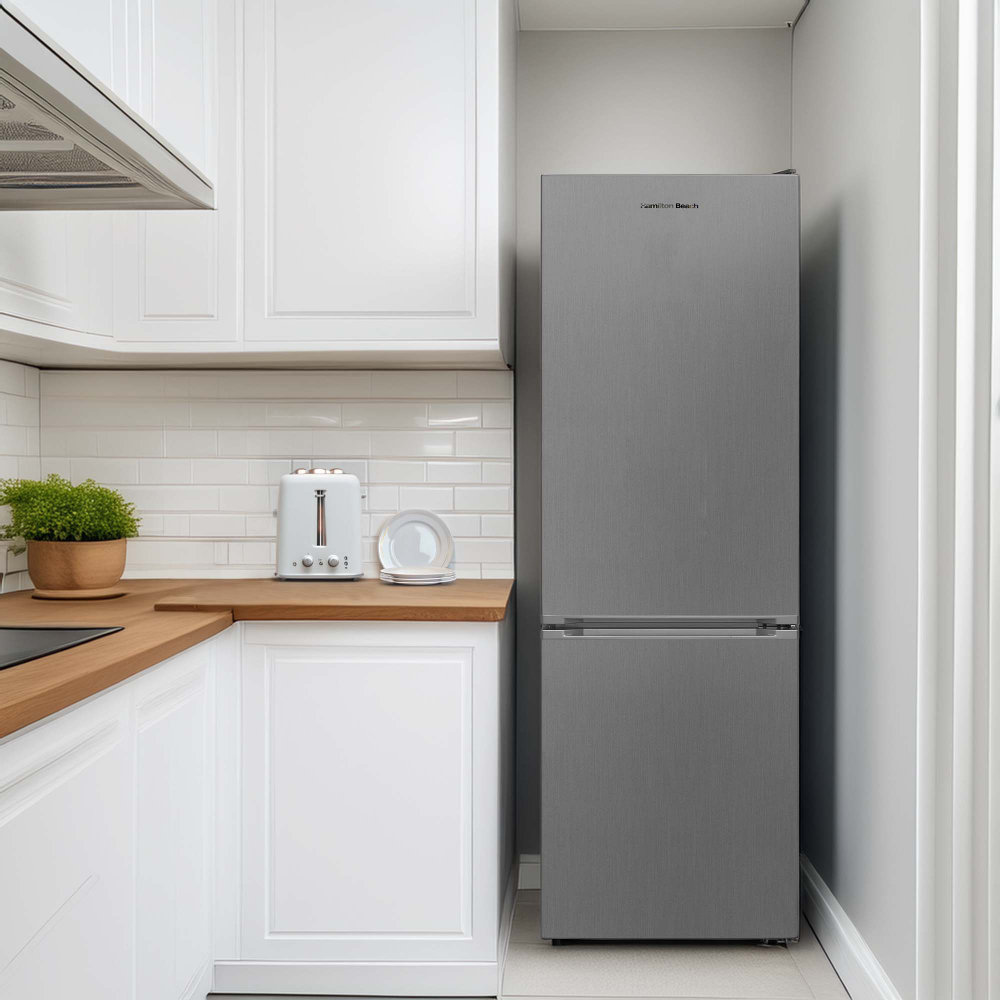
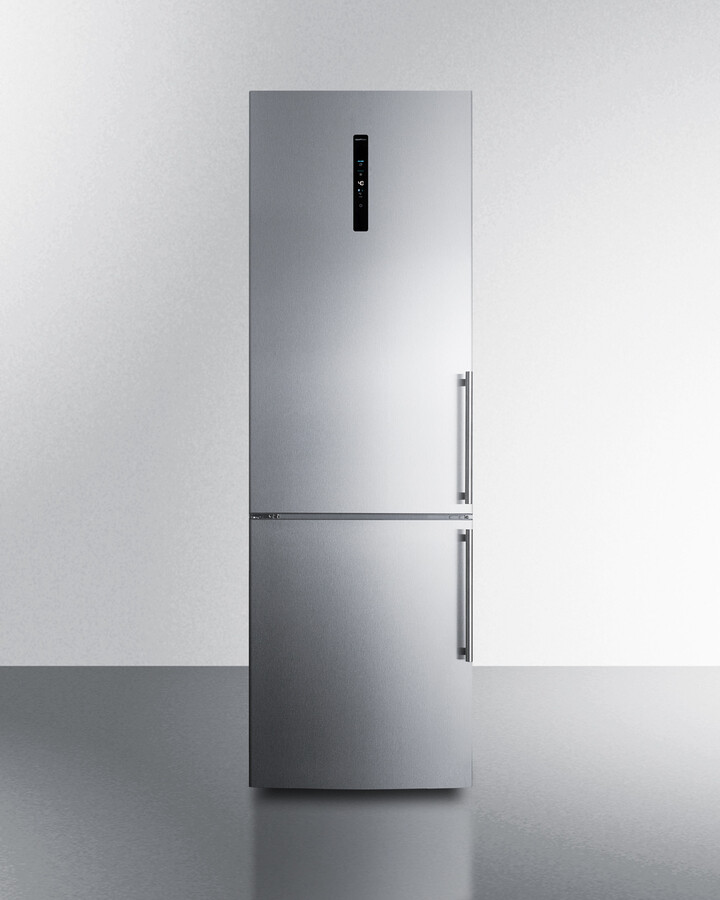
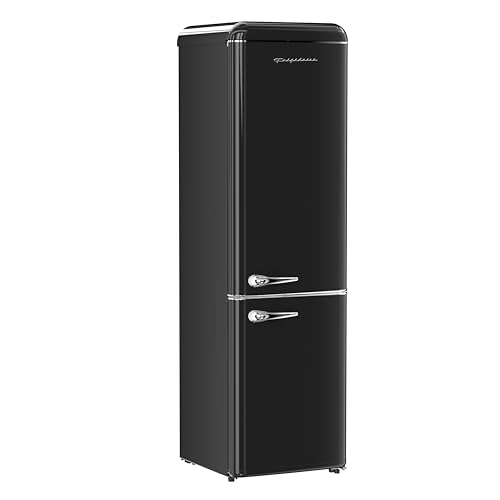
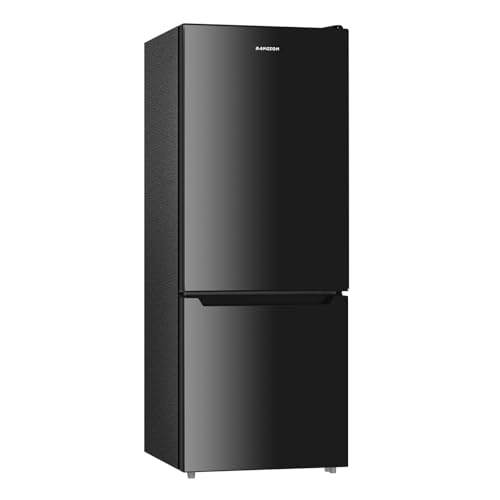
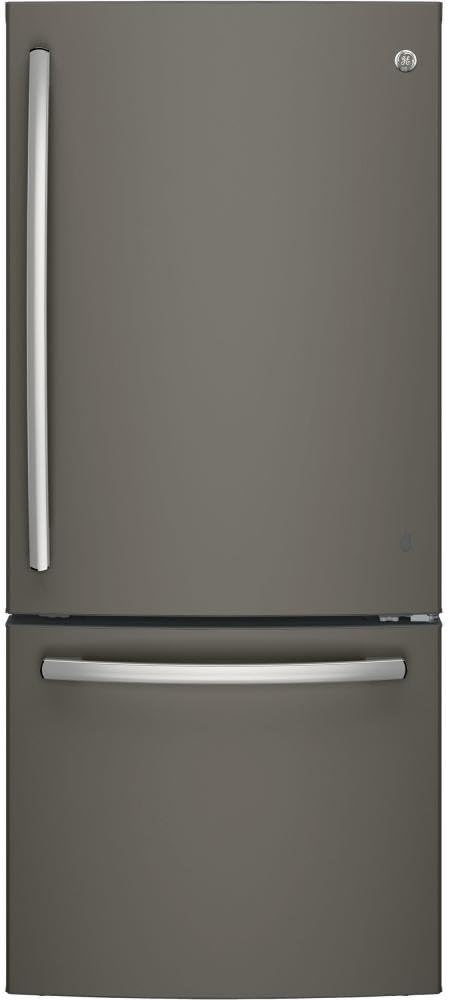
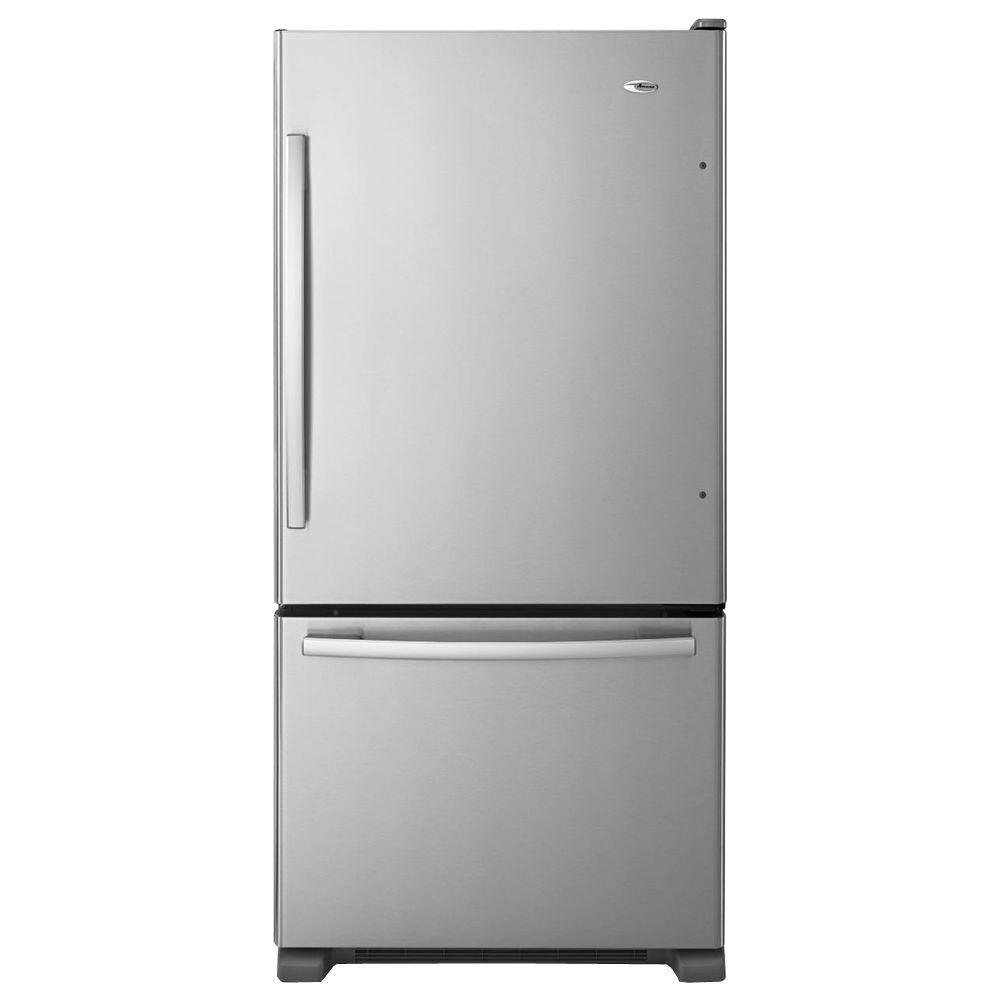
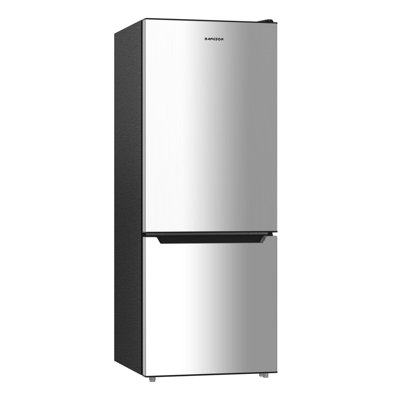
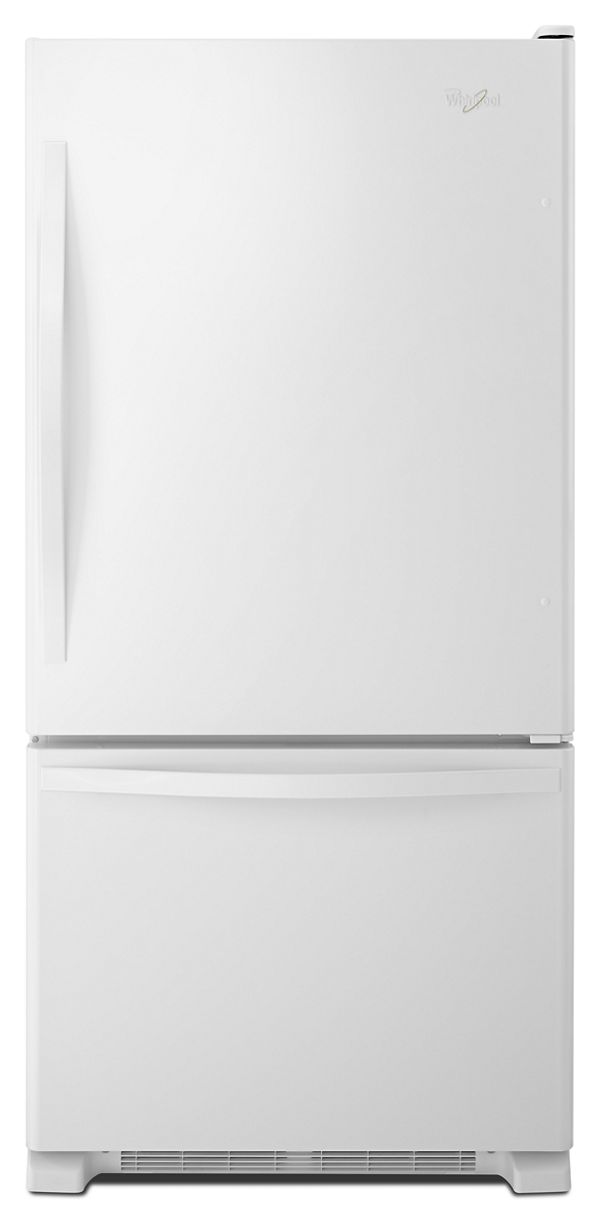
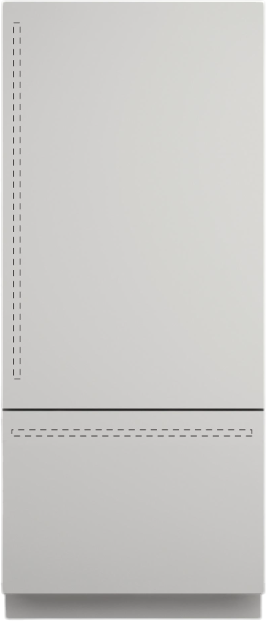
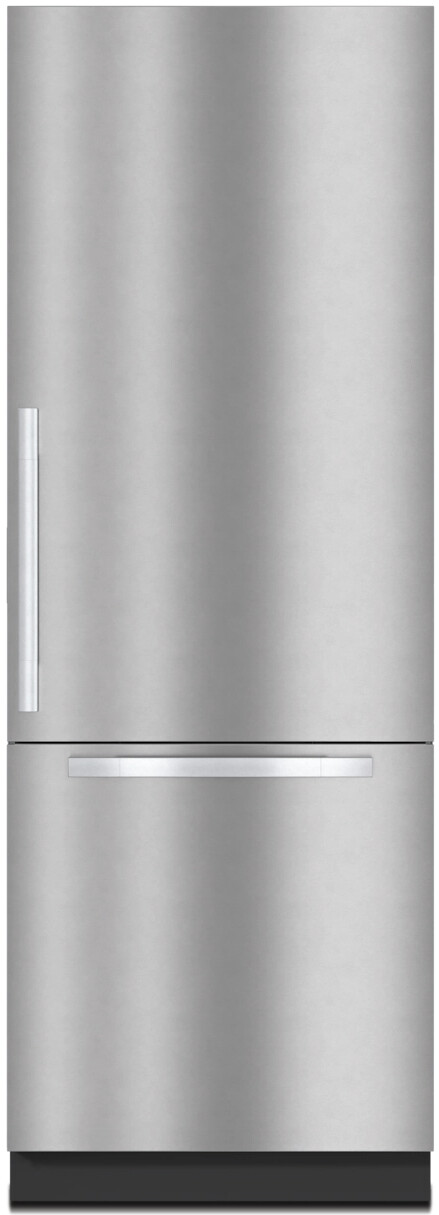
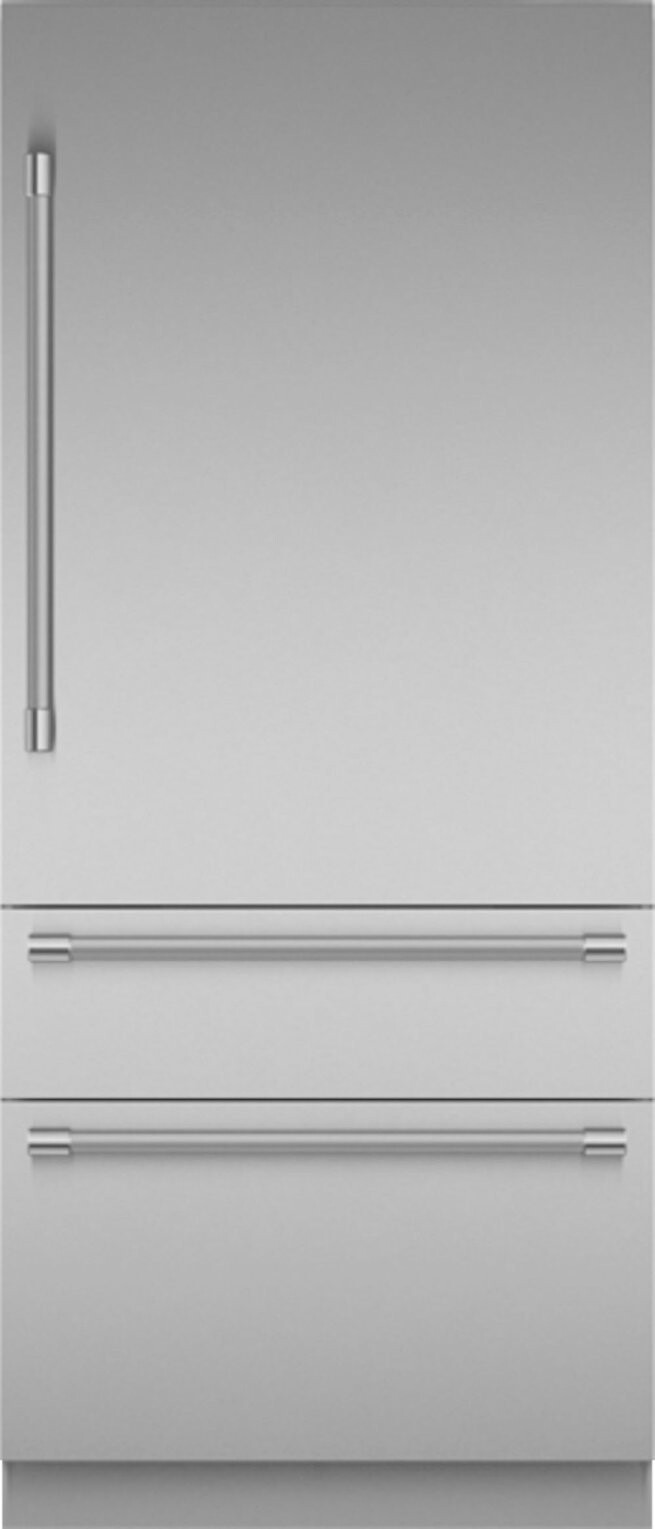
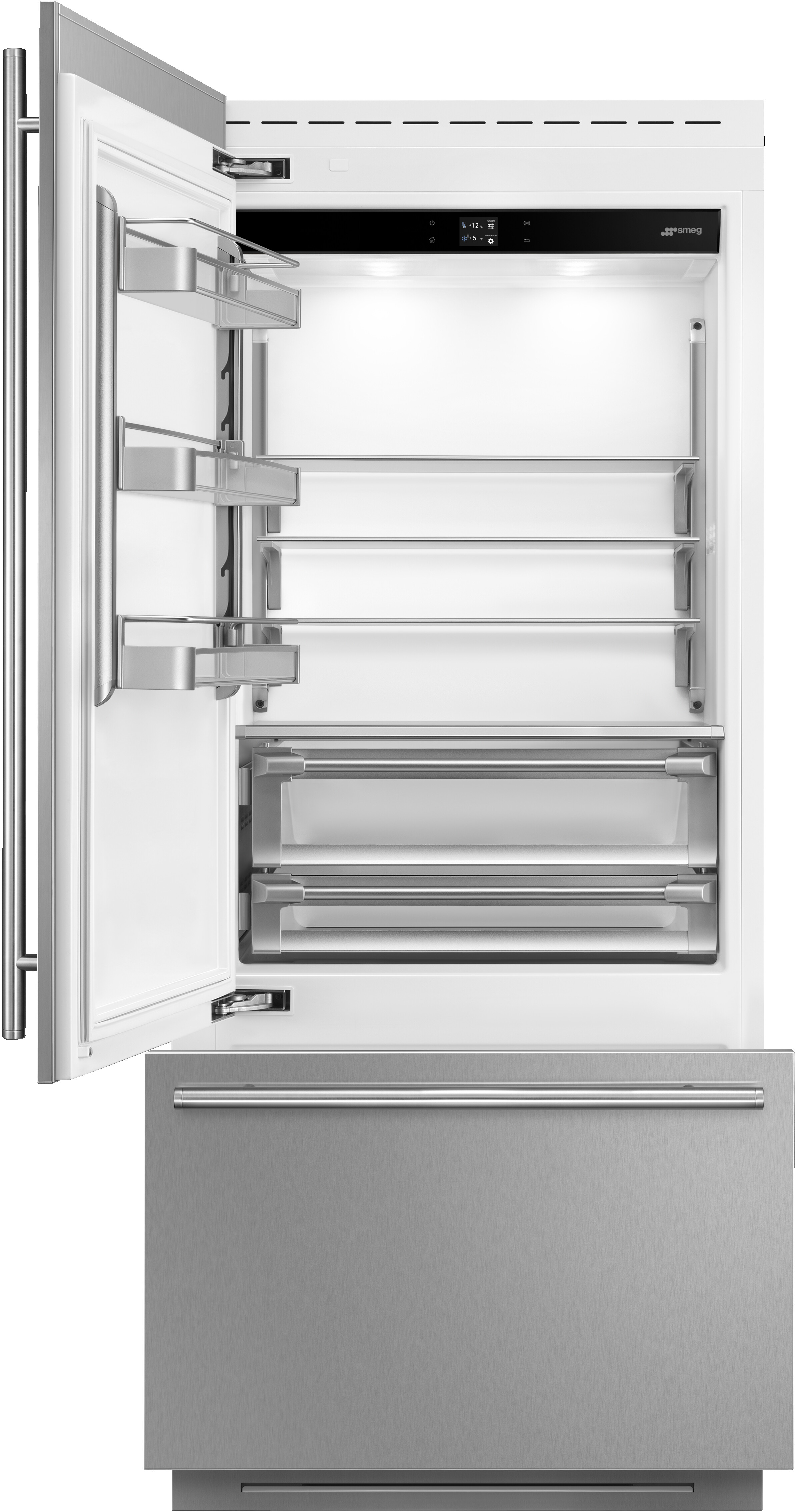
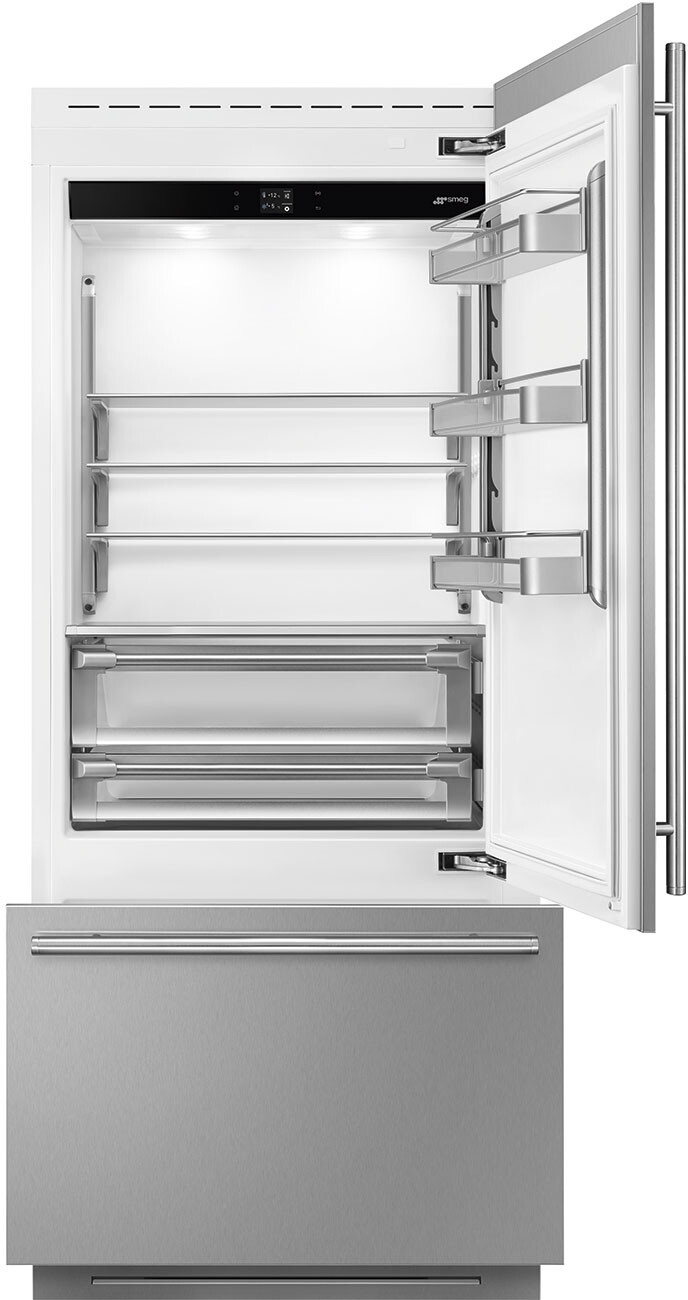
A freestanding bottom freezer is a fridge with the freezer at the bottom and the fridge section on top. This setup makes grabbing fresh food a breeze since it's right at eye level. Unlike built-in models, you can plop these anywhere in your kitchen or even your garage without needing fancy cabinets or special installation.
Why Go for a Freestanding Bottom Freezer?
These fridges come with some pretty sweet perks:
Easy Access: No more bending over to reach your milk or leftovers. The fridge part is right where you need it.
Organized Freezer: Drawers in the freezer keep everything neat and easy to find.
Versatility: Stick it in the kitchen, basement, or garage—wherever you need it.
Energy Savers: Modern models are designed to use less electricity, which is good for your wallet and the planet.
Feature
Benefit
Eye-level fridge
Easy access to fresh foods
Organized freezer
Efficient storage with drawers
Versatile placement
Can be placed in different locations
What to Think About Before Buying
Before you hit the "buy" button, keep these things in mind:
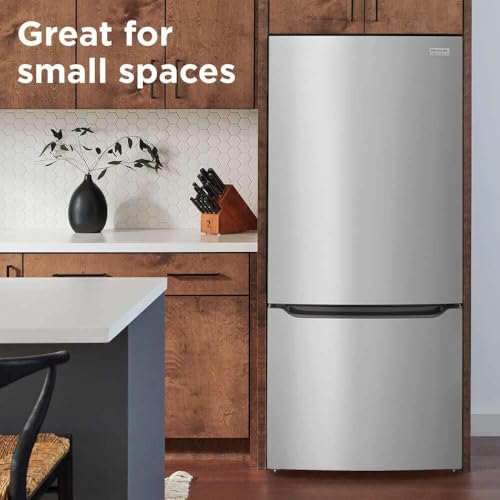
Size and Capacity: Measure your space to make sure the fridge fits. Think about how much storage you need based on your family size and eating habits. For tight spaces, check out a small freestanding refrigerator.
Energy Efficiency: Look for models with good energy ratings to save on your electric bill and be kinder to the environment.
Budget: Know what you’re willing to spend and compare models in that range. Remember, a pricier, energy-efficient model might save you money over time.
Consideration
Importance
Size and capacity
Ensures the unit fits and meets storage needs
Design and aesthetics
Complements kitchen decor
Budget
Helps in selecting the best model within price range
Picking a freestanding bottom freezer isn't just about looks; it's about how well it works for you. Let's break down the layout, storage, energy use, and eco-friendliness of these cool appliances.
Layout and Storage Capacity
Freestanding bottom freezers are all about making your life easier. With the freezer at the bottom, you can stash away your frozen goodies without bending over too much. The fridge part is right at eye level, so grabbing fresh food is a breeze.
Feature
Description
Freezer Location
Bottom
Refrigerator Location
Top
Storage Capacity
Varies (10-25 cu. ft.)
Shelving
Adjustable, spill-proof glass shelves
Drawers
Crisper drawers, deli drawers
These freezers usually come with adjustable shelves, crisper drawers, and door bins. You can move the shelves around to fit bigger items, and the crisper drawers keep your fruits and veggies fresh longer.
Nobody likes a high electric bill, right? Modern freestanding bottom freezers are built to use less energy, saving you money and helping the planet.
Feature
Description
Annual Energy Consumption
Varies (300-600 kWh)
Eco-friendly Refrigerants
Yes
LED Lighting
Yes (energy-efficient)
Look for the Energy Star label to know you're getting an efficient model. These freezers often use eco-friendly refrigerants and have LED lights that use less power.
If you're all about going green, consider models that work well with your existing appliances and come with extra eco-friendly features.
Knowing the layout, storage options, and energy efficiency of freestanding bottom freezers helps you pick the right one for your needs. Want more details? Check out Fridge.com guides on large freestanding fridge and small freestanding refrigerator.
Installation and Placement
Getting your freestanding bottom freezer set up right is key to keeping it running smoothly and lasting longer. Here's how to pick the best spot and get it installed properly.
Best Spots for Your Freestanding Bottom Freezer
Picking the right place for your freezer can make a big difference. Here are some good options:
Kitchen: This is a no-brainer for most folks. It's handy for grabbing ingredients while cooking. Check out some ideas on fitting your freezer into your kitchen kitchen with freestanding fridge freezer.
Garage: Perfect if you buy in bulk or need space for seasonal goodies.
Basement: Keeps your kitchen clutter-free while giving you extra storage.
Pantry or Utility Room: Great for overflow from your main fridge.
Make sure wherever you put it, there's good airflow, and it's not in direct sunlight or super hot or cold spots.
How to Install It Right
Setting up your freezer correctly is crucial. Here's what you need to do:
Flat Surface: Put the freezer on a level surface to avoid wobbles and ensure the door seals tight.
Space Around It: Leave enough room around the freezer for air to move. Check the manufacturer's guide for exact measurements.
Nearby Outlet: Make sure there's a dedicated electrical outlet close by. Skip the extension cords to avoid any fire risks.
Good Ventilation: Don't shove it against a wall or in a tight spot. It needs to breathe.
Keeping your freestanding bottom freezer in tip-top shape isn't rocket science. With a bit of regular TLC, you can keep it running smoothly and extend its life. Here’s how to do it without breaking a sweat.
Cleaning Tips for Freestanding Bottom Freezers
A clean freezer is a happy freezer. Here’s your step-by-step guide to making it sparkle:
Unplug the Freezer: Safety first! Always pull the plug before you start cleaning.
Empty the Contents: Take out all the food. Pop it in a cooler to keep it chilled while you clean.
Remove Shelves and Drawers: Take out all the removable parts. They need some love too.
Clean the Interior: Mix warm water with a bit of mild detergent. Wipe down the inside surfaces. Skip the harsh cleaners—they can mess things up.
Rinse and Dry: Use a damp cloth to wipe away any soap, then dry everything with a clean towel.
Clean Shelves and Drawers: Wash these parts with warm, soapy water. Rinse and dry them well before putting them back.
Defrost if Necessary: If your freezer doesn’t defrost itself, let the ice melt. Use a towel to soak up the water.
Clean the Exterior: Wipe down the outside with a damp cloth. Pay extra attention to the door seals—dirt here can make your freezer work harder.
Maintenance Guidelines for Optimal Performance
Regular check-ups keep your freezer running like a champ. Here’s what to do:
Check the Temperature Settings: Make sure your freezer is set to 0°F (-18°C). That’s the sweet spot.
Inspect the Door Seals: Look at the door seals often. If they’re worn out, replace them to keep things energy-efficient.
Clean the Condenser Coils: Dust and gunk can build up on the coils, making your freezer work harder. Clean them twice a year with a vacuum or a soft brush.
Monitor for Frost Build-Up: Too much frost can mess with your freezer’s mojo. If you see a lot, it’s time to defrost.
Check the Drain Pan: Some models have a drain pan for condensation. Empty and clean it regularly to avoid funky smells and mold.
Test the Door Alignment: Make sure the door closes right and is lined up. A misaligned door can waste energy and mess with cooling.
Monitor for Unusual Noises: Weird sounds can mean trouble with the compressor or other parts. If you hear anything odd, check the manual or call a pro.
For more tips on different types of freezers, check out Fridge.com articles on large freestanding freezers and compact freestanding freezers.
By sticking to these cleaning and maintenance tips, your freestanding bottom freezer will stay in great shape, giving you reliable performance for years.
Got a freestanding bottom freezer? Let's make sure it's working for you, not against you. Here’s how to keep it tidy and your food easy to find:
Baskets and Containers: Group similar items together using baskets or containers. This way, you can grab what you need without digging through a frozen jungle.
Label Everything: Slap a label on those containers and shelves. It’s a lifesaver when you’re hunting for that last frozen pizza or trying to remember when you bought those peas.
Use All the Shelves and Drawers: Don’t let any space go to waste. Keep the stuff you use most often within arm’s reach.
Rotate Your Stock: Follow the "first in, first out" rule. Move older items to the front and newer ones to the back. This helps you avoid the dreaded freezer-burned mystery meat.
Where to Put What in Your Bottom Freezer
Putting things in the right spot in your bottom freezer isn’t just about neatness—it helps your freezer run better, too. Here’s the lowdown:
Top Shelves: Keep ready-to-eat and often-used items like ice cream and frozen fruits here. Easy access for those midnight snack attacks.
Middle Shelves: This is the spot for frozen meals, veggies, and leftovers. You know, the stuff you grab for quick dinners.
Bottom Shelves: Raw meats and fish go here. Use a tray or container to catch any drips and avoid cross-contamination.
Door Shelves: Perfect for smaller items like ice packs, butter, and frozen herbs. Just don’t put anything here that needs to stay super cold.
By following these tips, you’ll keep your freestanding bottom freezer in tip-top shape and your food fresh and easy to find. Want more advice? Dive into other Fridge.com articles on freestanding refrigerators and freezers.
Troubleshooting Common Issues
Freestanding bottom freezers are usually dependable, but they can sometimes act up. Here’s how to tackle two common headaches: temperature swings and frost build-up.
Fixing Temperature Swings
Temperature swings in your freezer can mess with food storage. Here’s how to keep things steady:
Check the Thermostat: Make sure it’s set to the right temp, usually 0°F (-18°C).
Inspect Door Seals: If the seals are dirty or damaged, they can let warm air in. Clean or replace them.
Avoid Overloading: Cramming too much in can block airflow. Leave some space for air to move around.
Regular Maintenance: Clean those condenser coils regularly to keep things running smoothly.
Frost can hog space and make your freezer work harder. Here’s how to keep it in check:
Check the Door Seal: Make sure it’s tight to keep warm air out.
Defrost the Freezer: If there’s too much frost, turn off the freezer, take everything out, and let the ice melt. Clean and dry before turning it back on.
Temperature Setting: Don’t set it too low; that can make frost worse.
Proper Storage: Don’t block the vents with food. Let the air flow.
Problem
Fix
Bad door seal
Check and replace it
Too much frost
Manually defrost it
Temp set too low
Adjust it
Blocked vents
Clear them out
For more cleaning and maintenance tips, read Fridge.com cleaning tips for freestanding bottom freezers.
By sorting out these common issues, your freestanding bottom freezer will keep running like a champ. For more tips and tricks, explore Fridge.com resources on freestanding refrigerators and freezers.
Sprucing Up Your Kitchen with a Freestanding Bottom Freezer
Boosting Your Kitchen's Look
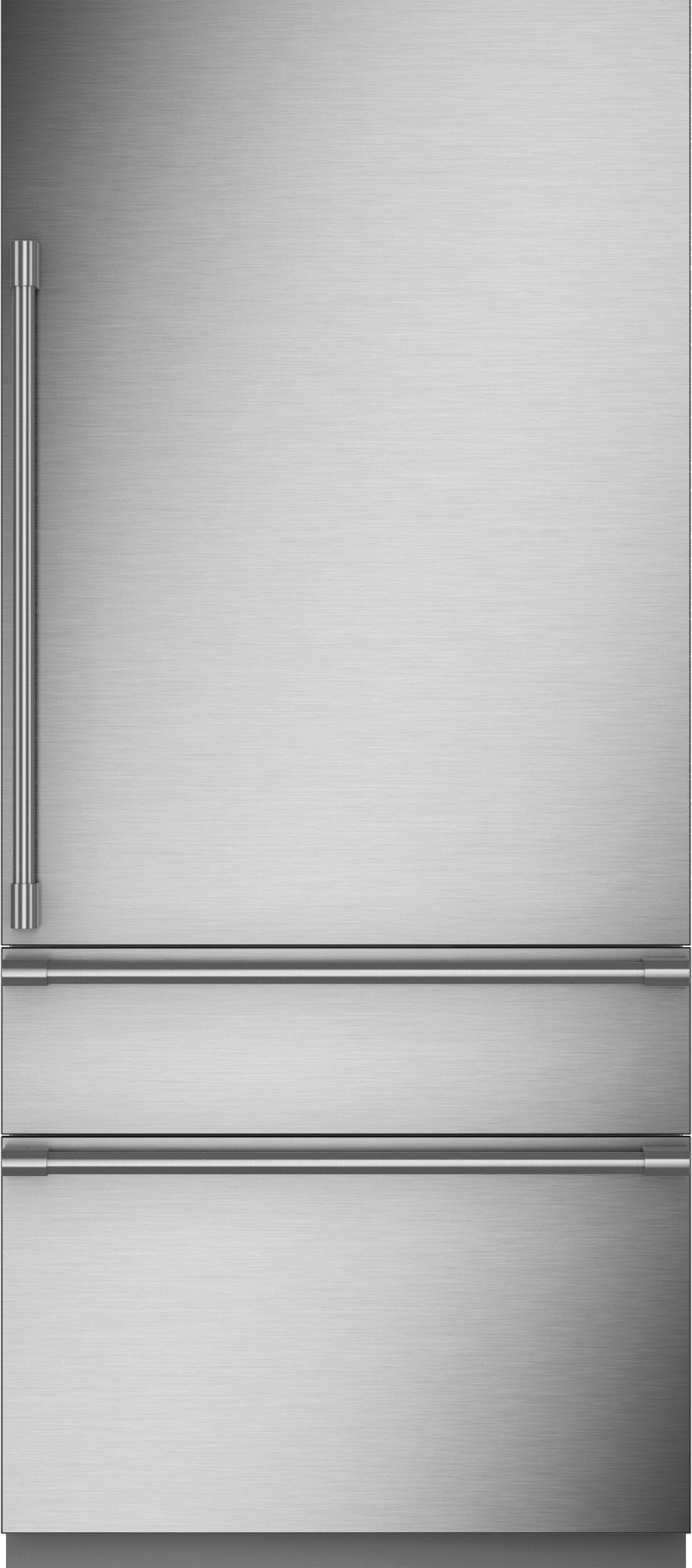
A freestanding bottom freezer can really jazz up your kitchen. These appliances come in all sorts of finishes and styles, so you can pick one that matches your kitchen vibe. Whether you're into the sleek look of stainless steel or the timeless charm of a white finish, there's a bottom freezer out there for you.
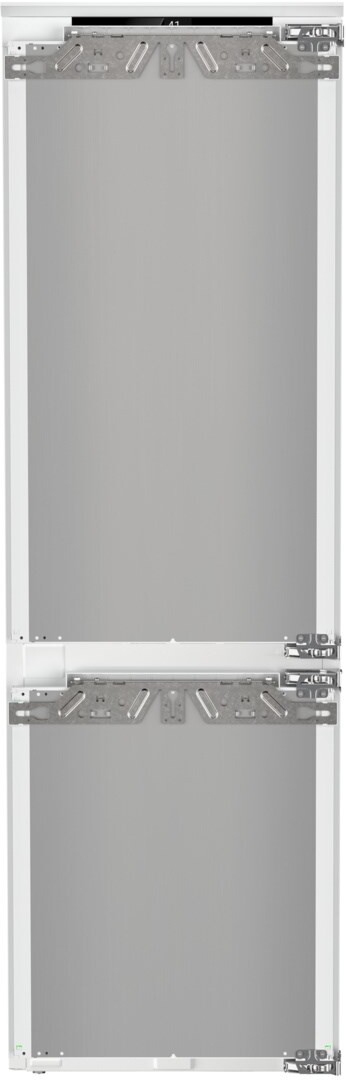
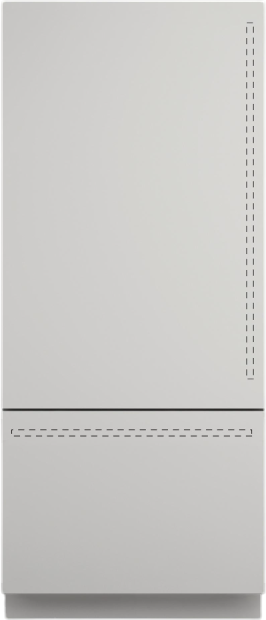
These freezers also come in different sizes, making it a breeze to find one that fits your kitchen layout. They can be the star of your kitchen, adding both style and practicality. If you want your appliance to blend in with your cabinets, check out a panel ready freestanding refrigerator.
Working with Your Current Appliances
Pairing a freestanding bottom freezer with your existing kitchen gadgets can make your space more cohesive and functional. These freezers are designed to play nice with other appliances, keeping your kitchen efficient and tidy.
For instance, if you already have a large freestanding fridge, adding a freestanding bottom freezer can give you loads of storage for both fresh and frozen foods. This combo lets you keep your kitchen well-stocked without cramping your style.
Plus, freestanding bottom freezers can go just about anywhere in your kitchen, giving you lots of design and layout options. Whether you put it next to your oven, under a counter, or in a pantry, these freezers can fit your needs. For more placement ideas, check out Fridge.com article on suitable locations for freestanding bottom freezers.
Feature
Freestanding Bottom Freezer
Finish Options
Stainless steel, white, black, custom panel ready
Size Options
Compact, medium, large
Flexibility
Can be placed in various locations
Integration
Pairs well with other freestanding appliances
By picking a freestanding bottom freezer that matches your kitchen's look and layout, you can make your space both prettier and more practical. For more tips on choosing the right appliance, visit Fridge.com guide on what is a freestanding fridge?.
Compare freezer prices on Fridge.com
Compare current prices and specifications on Fridge.com, then buy from the retailer you choose; delivery, installation and warranty terms are the retailer’s.
It also has tons of awesome articles about kitchen stuff and home news. Enhance your home, garage, backyard, patio, and office with the coolest essentials. With every necessary type of residential refrigerator or freezer in the collection, you're covered.
Frequently Asked Questions
A freestanding bottom freezer is a fridge with the freezer at the bottom and the fridge section on top. This setup makes grabbing fresh food a breeze since it's right at eye level. Unlike built-in models, you can plop these anywhere in your kitchen or even your garage without needing fancy cabinets or special installation.