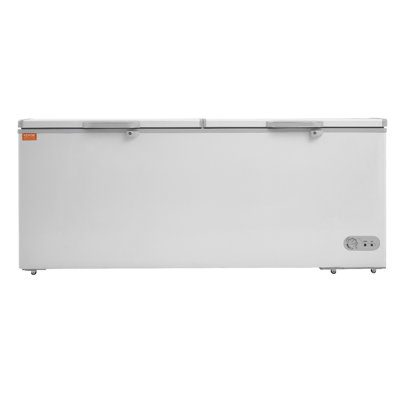
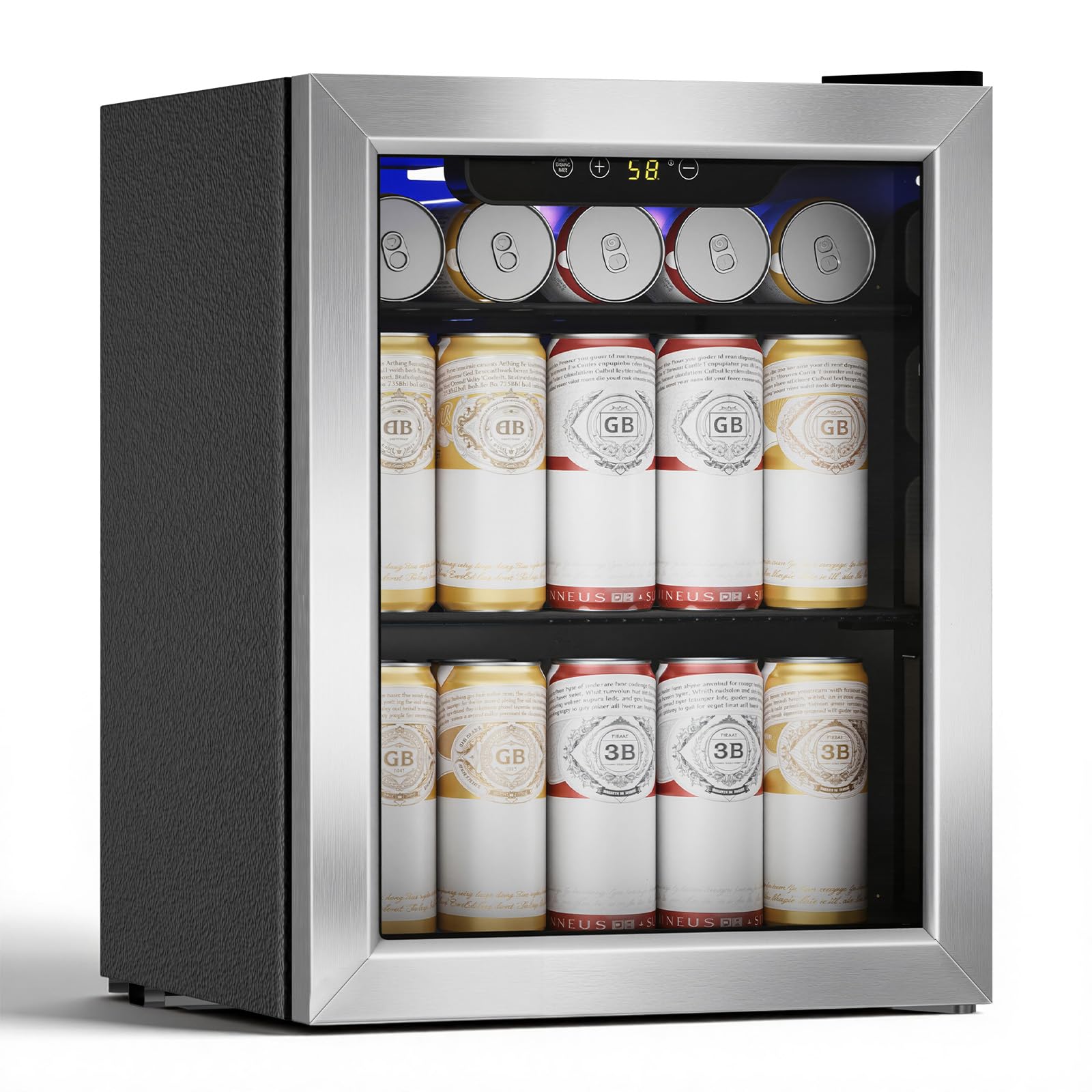
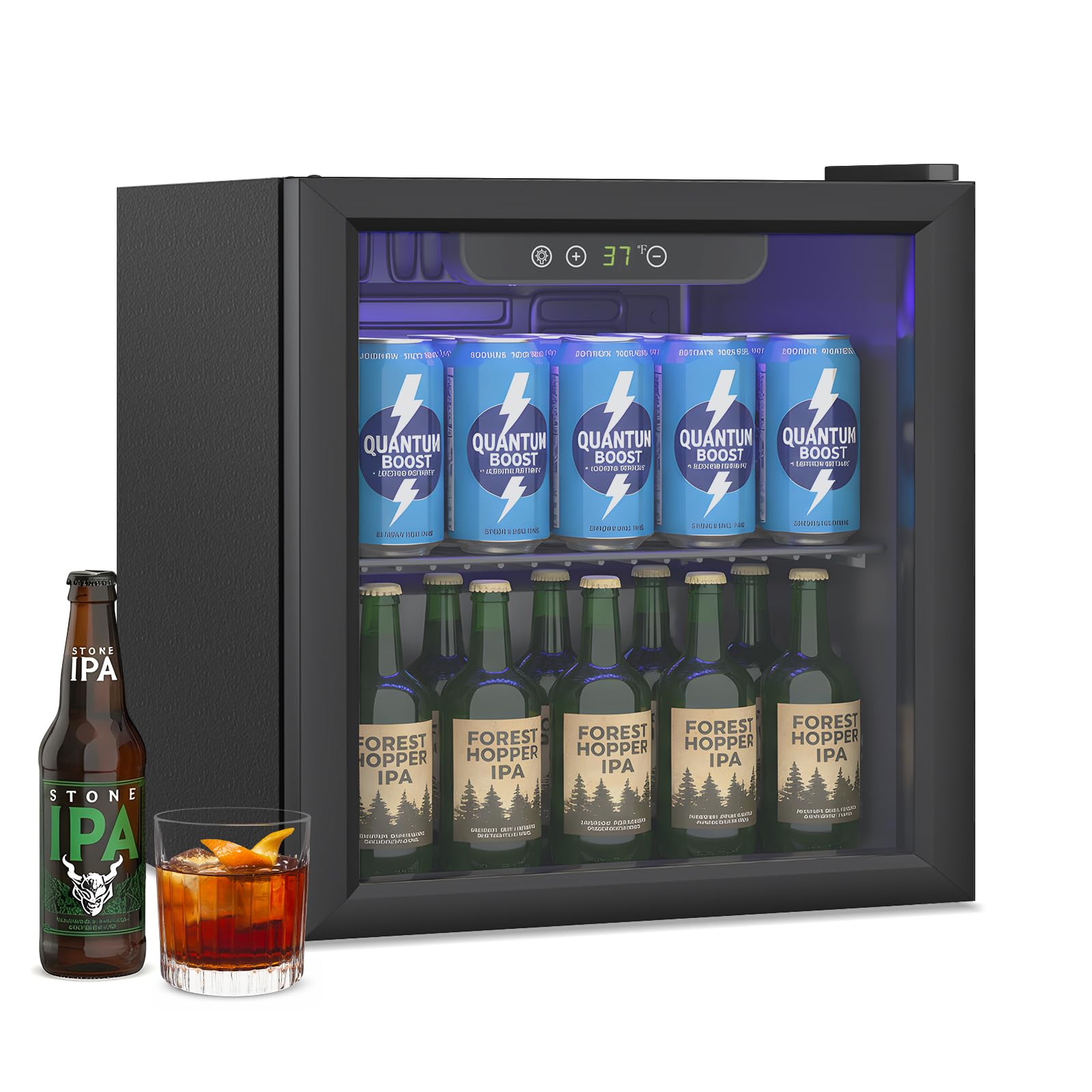
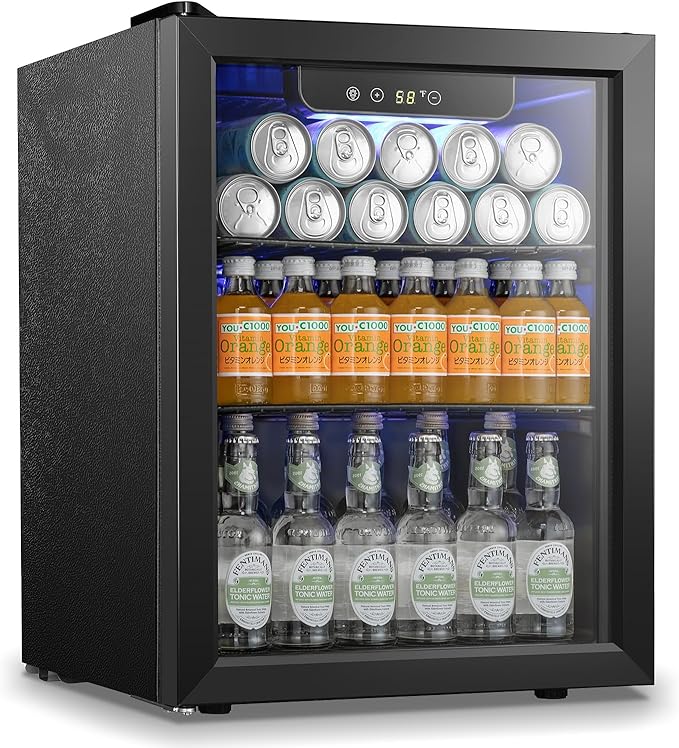
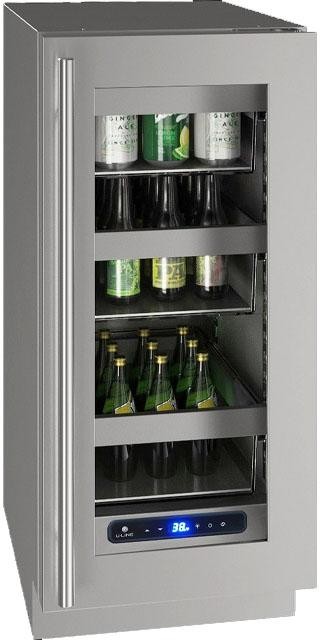
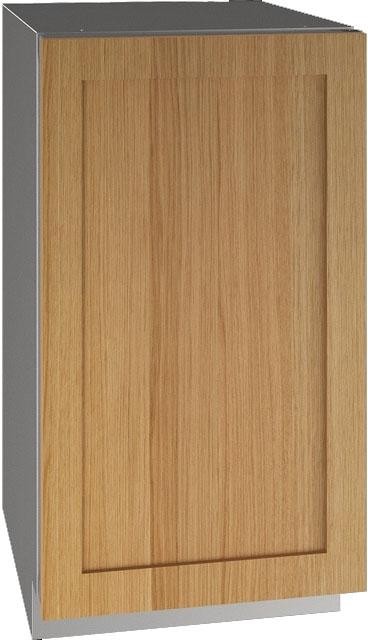
Both appliances enhance outdoor and entertainment spaces, but their designs, capabilities, and ideal placements differ significantly.
These coolers excel at keeping a variety of drink types at their ideal temperatures and presenting them attractively for guests.
However, this range is too cold for proper wine service and lacks the flexibility to accommodate different beverage types at their ideal temperatures simultaneously.
For outdoor kitchens where you need both food and drink storage near the grill, this versatility eliminates the need for multiple appliances.
Choosing between an undercounter beverage cooler and an outdoor fridge depends on where you plan to install the appliance, what you intend to store, and how your entertaining style works. An undercounter beverage cooler is a compact built-in unit designed to chill drinks at precise serving temperatures, while an outdoor fridge is a full-compartment refrigerator engineered to withstand exterior conditions including heat, humidity, rain, and temperature extremes. Both appliances enhance outdoor and entertainment spaces, but their designs, capabilities, and ideal placements differ significantly.
What Is an Undercounter Beverage Cooler
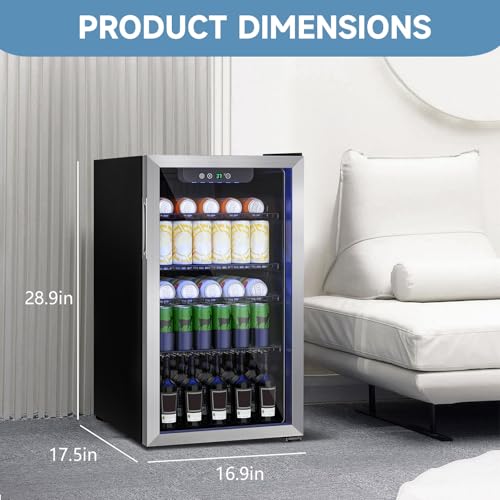
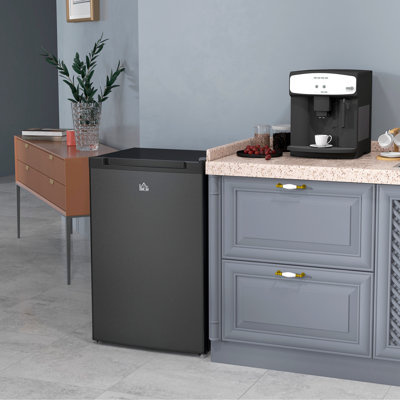
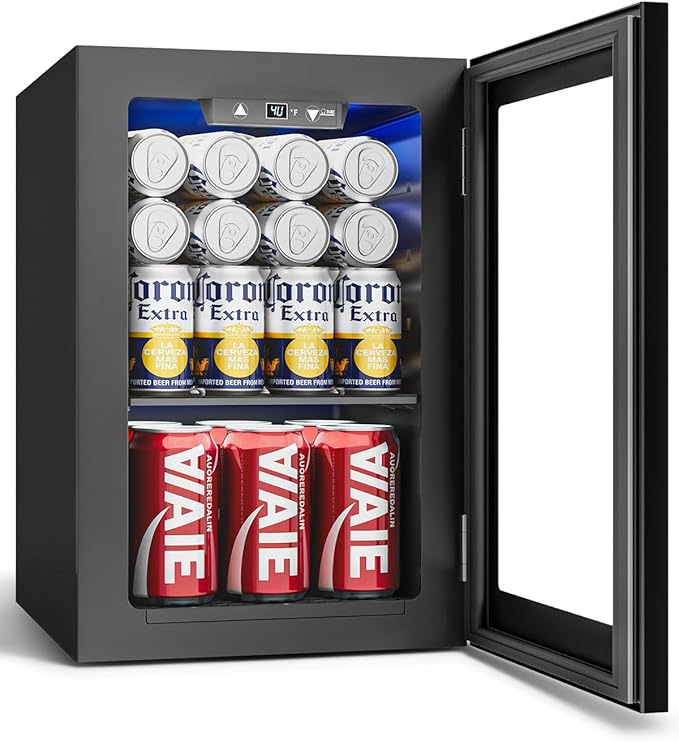
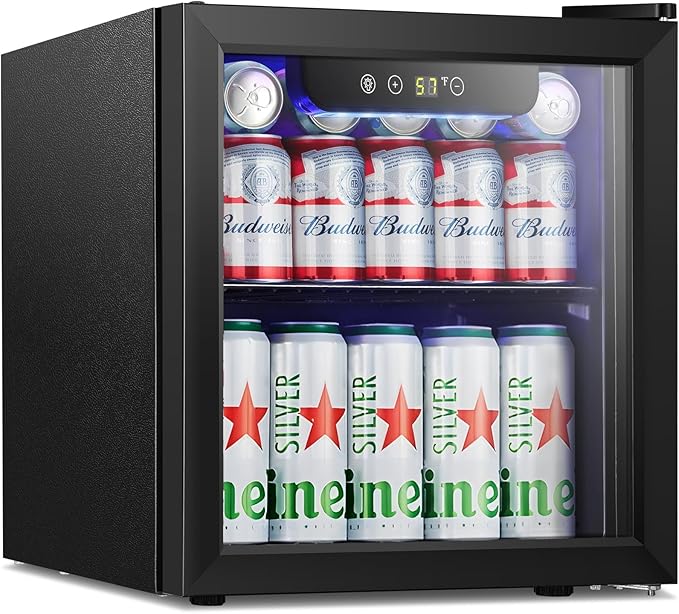
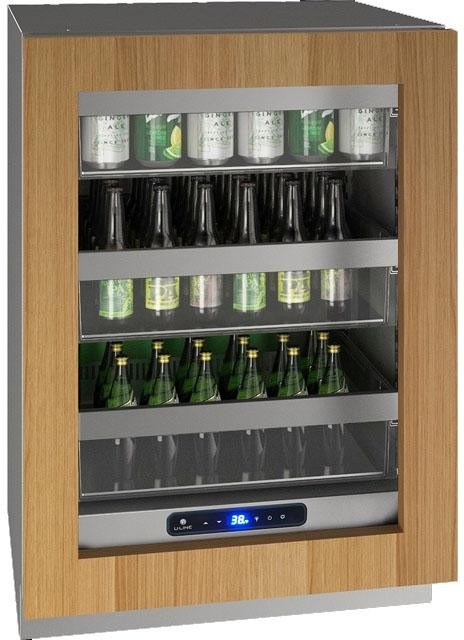
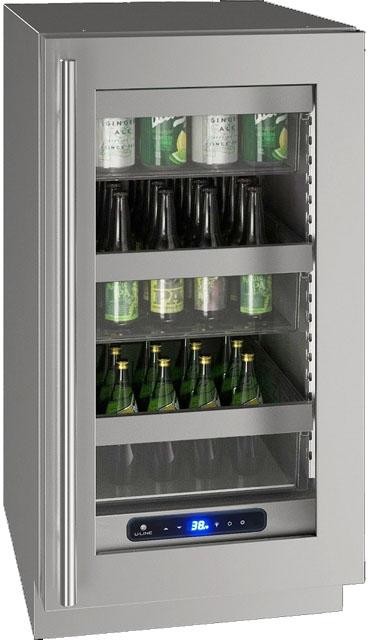
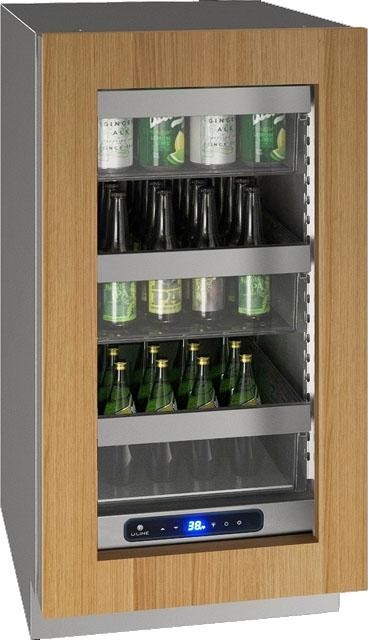
An undercounter beverage cooler is a specialized refrigeration unit built to slide beneath a standard thirty-six-inch countertop, measuring between fifteen and twenty-four inches wide, twenty-two to twenty-five inches deep, and thirty-two to thirty-four inches tall. These units are purpose-designed for storing cans, bottles, and other drinks at optimal serving temperatures, with most models offering temperature ranges between thirty-four and sixty-five degrees Fahrenheit. The front-venting compressor system allows flush installation against walls and within cabinetry without requiring rear clearance for heat dissipation.
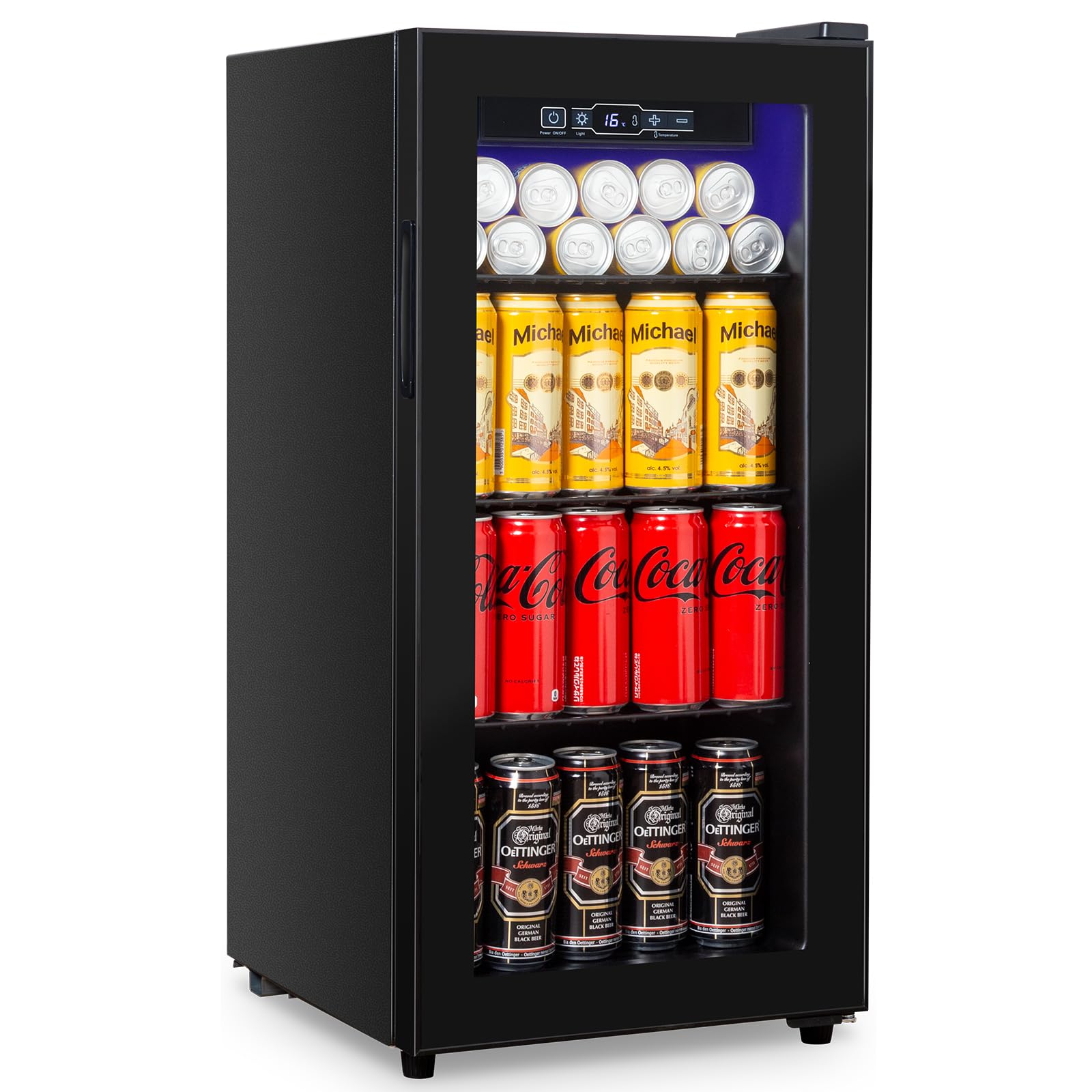
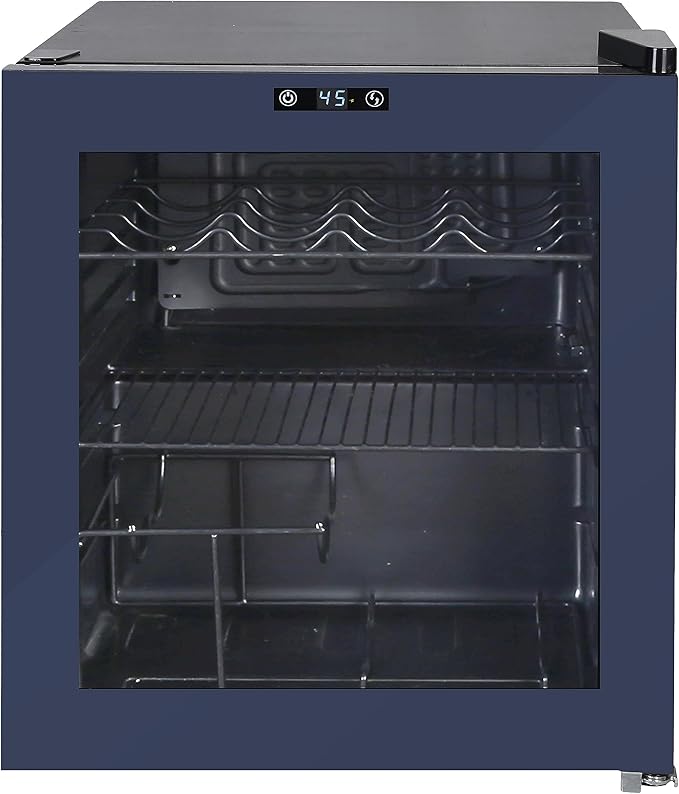
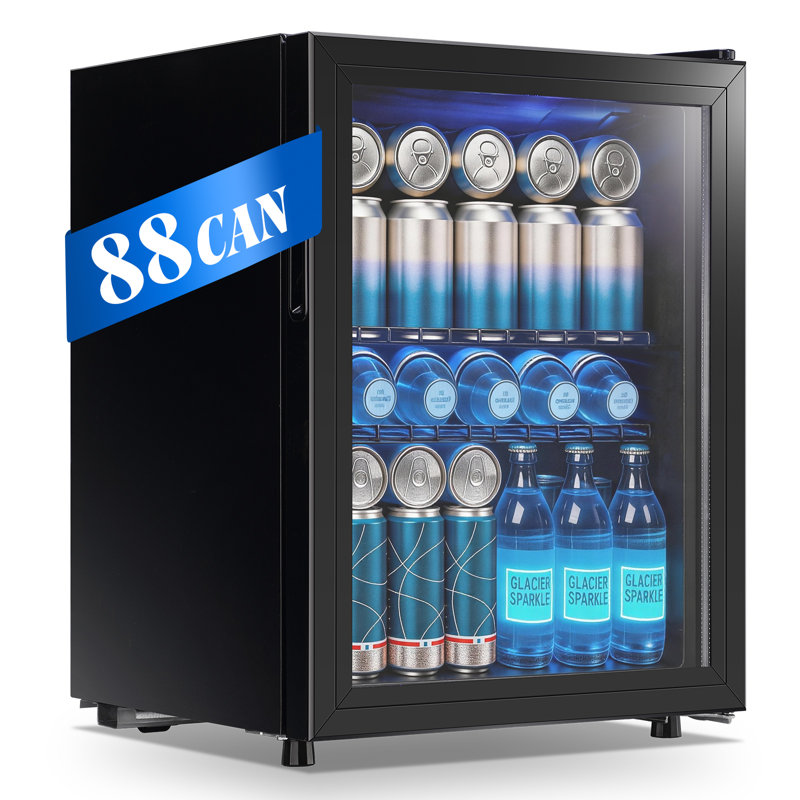
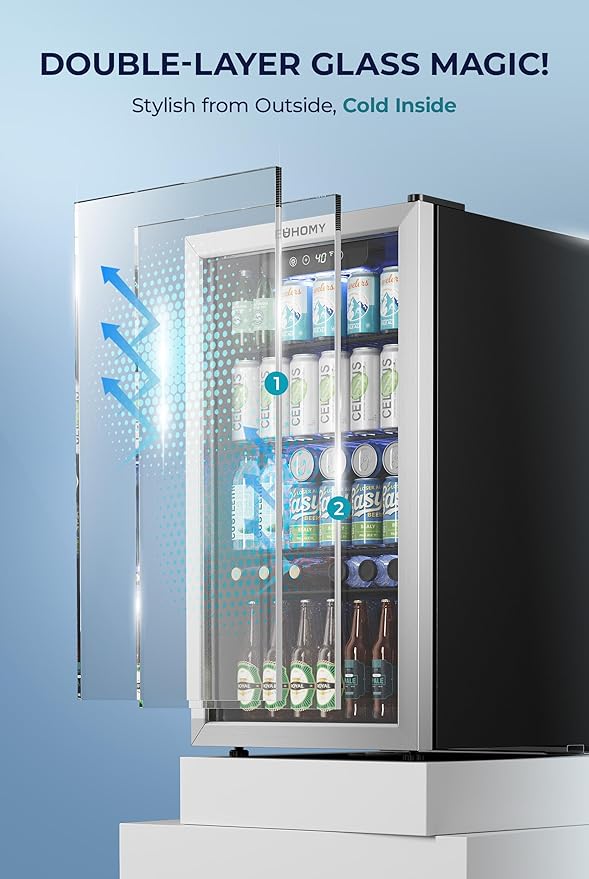
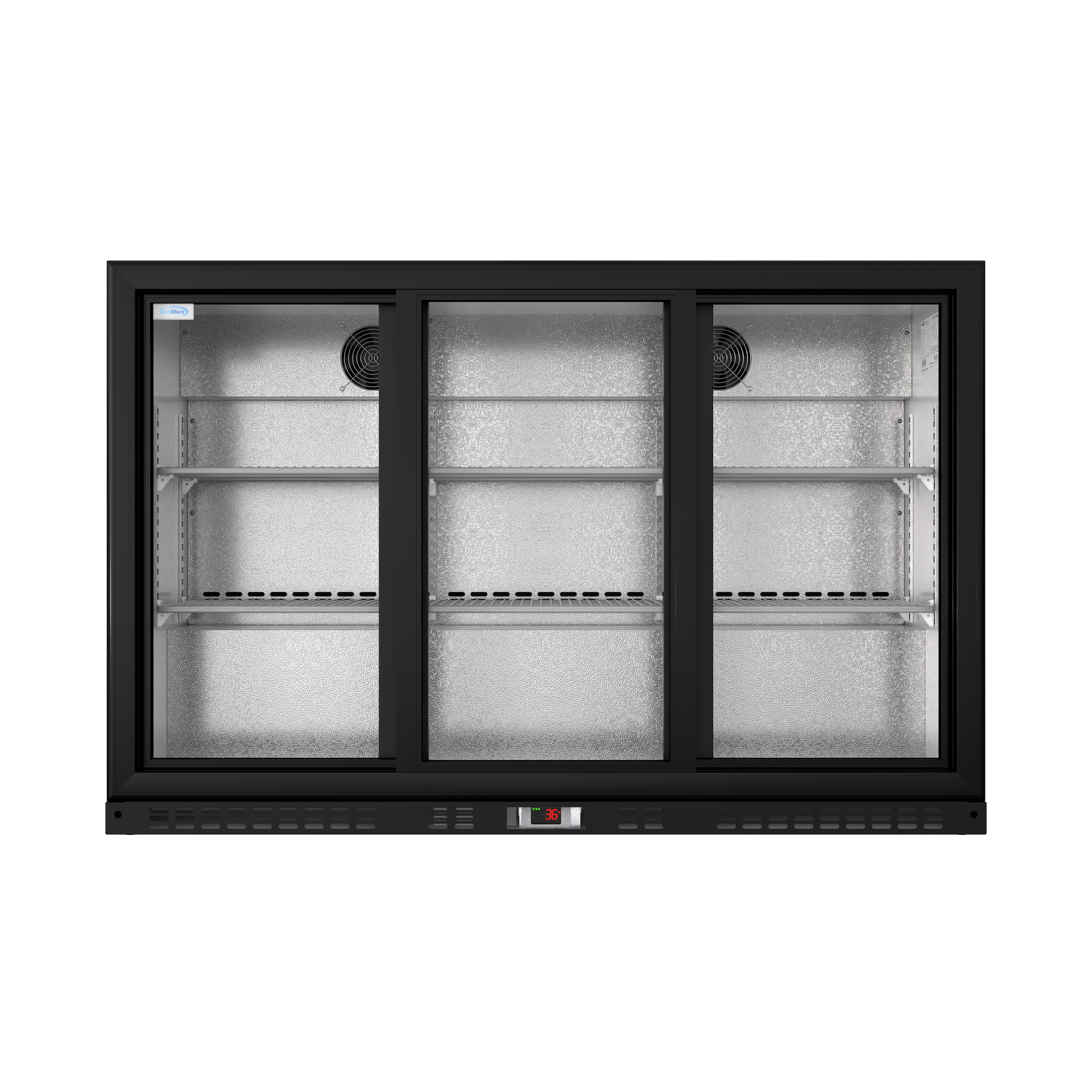
Interior layouts feature three to five adjustable shelves sized to accommodate twelve-ounce cans, standard wine bottles, tall water bottles, and various other beverage containers. Premium models include dual-zone cooling that maintains two separate temperature environments within a single unit, glass doors with UV protection to display bottles while blocking light damage, LED interior lighting, digital temperature controls, and security locks. Capacity ranges from sixty to one hundred fifty standard cans depending on the unit width and shelf configuration. These coolers excel at keeping a variety of drink types at their ideal temperatures and presenting them attractively for guests.
What Is an Outdoor Fridge
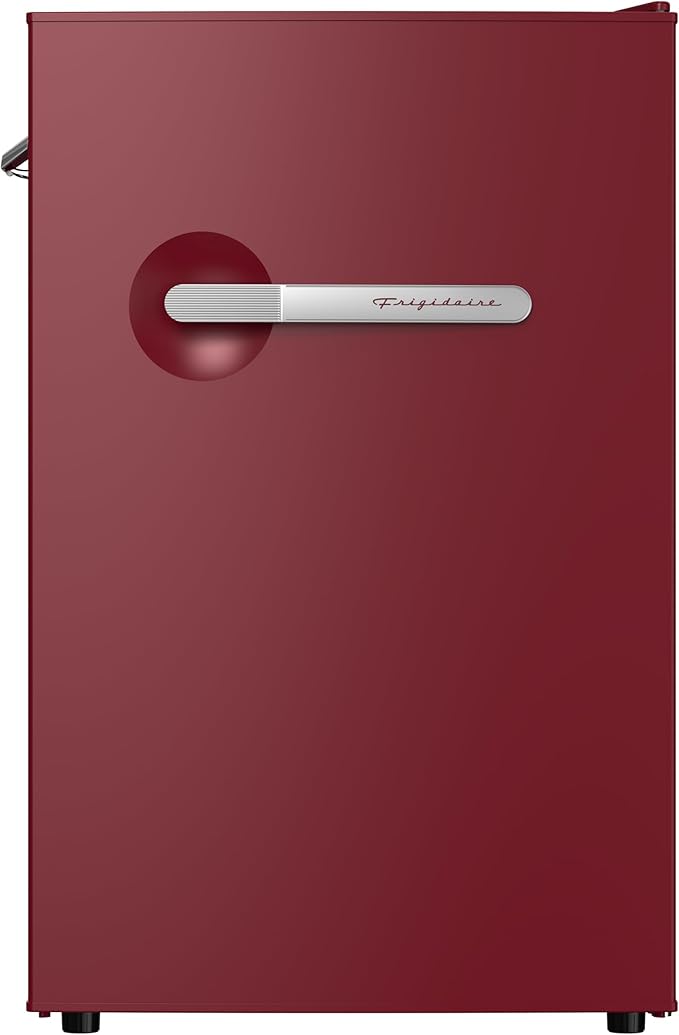
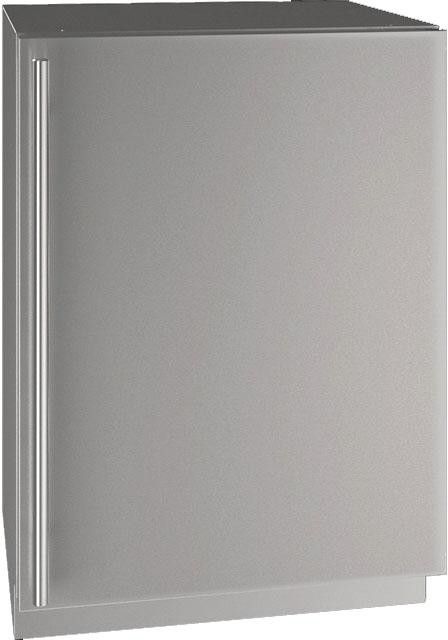
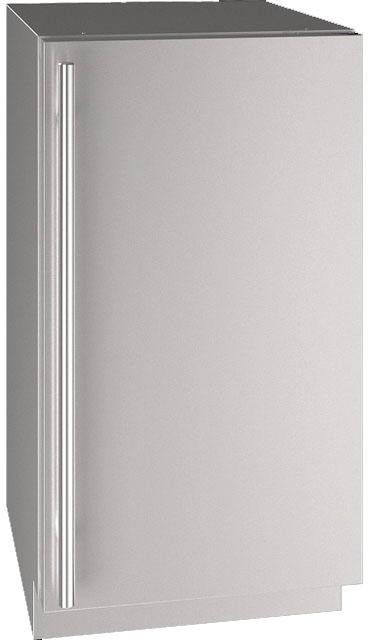
An outdoor fridge is a refrigerator specifically engineered for installation in exterior environments where it will be exposed to ambient temperature fluctuations, direct sunlight, humidity, rain spray, and other weather conditions that would damage a standard indoor refrigerator. These units feature weatherproof construction including marine-grade stainless steel exteriors, reinforced door hinges and gaskets rated for outdoor use, UV-resistant finishes, and compressors designed to operate efficiently across a wider ambient temperature range than indoor models, typically from thirty-eight to one hundred ten degrees Fahrenheit.
Outdoor fridges come in various sizes from compact undercounter models to full-height units, but the most common configurations for outdoor kitchens and entertainment areas measure twenty to twenty-four inches wide and fit beneath built-in grilling stations or outdoor bar countertops. Unlike beverage-specific coolers, outdoor fridges provide general-purpose cold storage with standard refrigerator temperatures between thirty-five and forty degrees Fahrenheit, making them suitable for storing not just beverages but also fresh foods, condiments, marinades, and grilling supplies. Interior layouts typically include two to four adjustable shelves, a crisper-style drawer, and full-depth door bins designed to hold gallon-sized containers.
Undercounter beverage coolers offer broader and more precise temperature control within the range that matters for drink service. Single-zone models typically allow adjustments between thirty-four and sixty-five degrees Fahrenheit, while dual-zone models can maintain two entirely different temperatures simultaneously. This precision matters because different beverages taste best at specific temperatures. Sparkling water and light lagers taste best between thirty-three and thirty-eight degrees, craft ales between forty-five and fifty-five degrees, white wines between forty-five and fifty-two degrees, and red wines between fifty-five and sixty-five degrees. A dual-zone cooler lets you serve each type at its optimal temperature without compromise.
Outdoor fridges operate within the standard refrigerator temperature range of thirty-five to forty-two degrees Fahrenheit, which is excellent for general food safety and works well for sodas, water, and beers that taste best very cold. However, this range is too cold for proper wine service and lacks the flexibility to accommodate different beverage types at their ideal temperatures simultaneously. The key advantage of outdoor fridge temperature control is its ability to maintain these temperatures reliably despite extreme ambient conditions. A quality outdoor fridge holds steady at thirty-eight degrees whether the surrounding air is forty degrees in winter or one hundred five degrees during a summer cookout, which is something indoor-rated beverage coolers cannot guarantee.
This category represents the most significant difference between these two appliance types. Undercounter beverage coolers are designed for indoor or fully sheltered installation. Their cabinets use standard steel or aluminum construction with decorative finishes that can corrode, stain, or degrade when exposed to rain, humidity, salt air, or direct sunlight. The compressor and electronic controls are rated for indoor ambient temperatures, typically between fifty and ninety-five degrees Fahrenheit. Installing a standard beverage cooler in an unprotected outdoor location voids the warranty and risks premature failure of the compressor, corrosion of the cabinet, degradation of door gaskets, and malfunction of electronic controls.
Outdoor fridges are built from the ground up for weather exposure. The exterior uses three-oh-four or three-sixteen grade stainless steel that resists corrosion even in coastal environments with salt air. Door gaskets are made from weather-resistant materials that maintain their seal through temperature extremes and UV exposure. The compressor is rated for a wider ambient temperature range, and the condenser and evaporator components are protected against moisture intrusion. Electrical connections use weatherproof ratings, and drain systems are designed to handle condensation from humidity without pooling or leaking into internal components. This durability comes at a higher price point but is essential for any installation where the appliance faces direct weather exposure.
Undercounter beverage coolers maximize drink storage within their compact footprint. A twenty-four-inch-wide unit typically holds between one hundred and one hundred fifty standard twelve-ounce cans or a combination of cans and wine bottles across its adjustable shelves. Every shelf position and dimension is optimized for beverage containers, meaning you get exceptional drink density per square inch. However, these coolers are not designed for food storage. The shelving dimensions, temperature ranges, and lack of crisper drawers or meat keeper compartments make them impractical for anything beyond drinks and perhaps a few small snack items.
Outdoor fridges sacrifice some beverage density for storage versatility. A comparably sized twenty-four-inch outdoor fridge typically holds fewer cans than a same-width beverage cooler because the interior includes food-focused features like deeper shelves, crisper drawers, and wider door bins designed for sauce bottles and food containers. However, this versatility means you can stock the outdoor fridge with everything needed for a cookout in one appliance: beverages, marinating meats, fresh salad ingredients, condiments, desserts, and side dishes. For outdoor kitchens where you need both food and drink storage near the grill, this versatility eliminates the need for multiple appliances.
Energy Efficiency and Operating Costs
Undercounter beverage coolers consume between one hundred eighty and three hundred fifty kilowatt-hours annually, costing roughly twenty-two to forty-five dollars per year depending on the model, temperature settings, and how frequently the door is opened. Dual-zone models with two separate cooling systems consume more than single-zone units. The glass doors found on most beverage coolers allow more thermal transfer than solid doors, which increases energy consumption slightly. However, the small compressor and limited interior volume keep total energy use modest despite this design trade-off.
Outdoor fridges typically consume between two hundred fifty and four hundred fifty kilowatt-hours annually, costing thirty to fifty-five dollars per year. The higher consumption reflects the unit's need to work harder against ambient temperature extremes, particularly during hot summer months when the compressor runs more frequently to maintain cold temperatures despite one-hundred-degree-plus exterior air. Outdoor fridges installed in shaded locations or under covered pavilions consume less energy than those in direct sunlight. The solid doors found on most outdoor fridge models provide better insulation than glass doors, partially offsetting the increased workload from outdoor ambient temperatures.
Undercounter beverage coolers operate between thirty and forty decibels in most conditions, producing a quiet hum that blends easily into indoor ambient noise. The small compressor cycles on and off to maintain temperature, and premium models include vibration dampening to prevent buzzing that could disturb wine sediment or create annoying resonance with surrounding cabinetry. Thermoelectric beverage coolers, which use a solid-state cooling element instead of a compressor, run even quieter at below thirty decibels but are less effective at reaching very cold temperatures and struggle in warm ambient environments.
Outdoor fridges produce similar decibel levels, typically between thirty-two and forty-four decibels, but the outdoor installation environment means the noise is far less noticeable. Outdoor ambient sounds from wind, traffic, birds, and conversation easily mask compressor noise that might be noticeable in a quiet indoor setting. During hot weather, outdoor fridge compressors run more frequently and for longer periods, which increases the overall noise exposure but still remains well below levels that would interfere with outdoor conversation or entertainment. Noise is rarely a deciding factor between these two appliance types given their different installation environments.
Undercounter beverage coolers range widely in price depending on size, features, and brand reputation. Basic fifteen-inch single-zone models with solid doors start around two hundred to three hundred fifty dollars. Mid-range twenty-four-inch models with glass doors, digital controls, and LED lighting cost between five hundred and one thousand two hundred dollars. Premium dual-zone built-in beverage coolers from luxury brands with stainless steel frames, UV glass, and locking mechanisms range from one thousand two hundred to three thousand dollars.
Outdoor fridges command a significant price premium over indoor-rated equivalents due to their weatherproof construction materials and specialized engineering. Basic outdoor-rated compact fridges start around six hundred to nine hundred dollars. Mid-range models with stainless steel construction and reliable outdoor compressors fall between one thousand and two thousand dollars. Premium outdoor refrigerators from brands that specialize in outdoor kitchen appliances range from two thousand to four thousand dollars or more. The price premium of fifty to one hundred percent over comparable indoor-rated appliances reflects the genuine engineering differences required for reliable outdoor operation.
Price Range
Undercounter Beverage Cooler
Outdoor Fridge
Budget
$200–$500
$600–$900
Mid-Range
$500–$1,200
$1,000–$2,000
Premium
$1,200–$3,000
$2,000–$4,000+
Annual Energy Cost
$22–$45
$30–$55
Installation and Placement
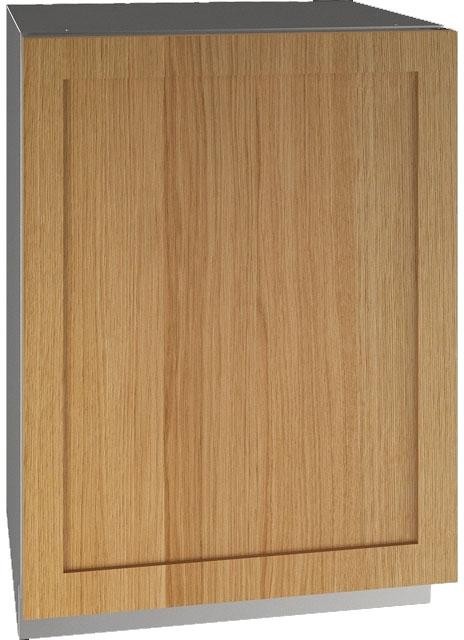
Undercounter beverage coolers install flush beneath standard countertops thanks to their front-venting compressor design. They require only a standard electrical outlet, no water line, and no rear ventilation clearance. The installation process is straightforward and typically takes less than thirty minutes for freestanding models or about an hour for fully integrated panel-ready units that require custom cabinet panels. These coolers work perfectly in indoor kitchens, home bars, basement entertainment areas, and covered outdoor kitchens where they are fully protected from weather exposure.
Outdoor fridges require the same basic electrical connection but must be installed with attention to drainage, weather exposure, and ambient heat management. Ideally, position an outdoor fridge in a shaded location under a countertop or pergola to reduce direct sun exposure and help the compressor operate more efficiently. Ensure the installation area has adequate drainage so that condensation and rainwater do not pool around the unit. Electrical connections should use outdoor-rated outlets with ground fault circuit interrupter protection. If your outdoor kitchen is fully covered and protected from rain and direct sun, an indoor-rated beverage cooler may work, but any exposure to weather requires an outdoor-rated unit.
Undercounter beverage coolers require minimal maintenance in their intended indoor environment. Clean the condenser coils every six to twelve months, wipe interior shelves monthly, inspect door gaskets annually, and replace the carbon air filter if your model includes one. These units typically last ten to fifteen years in indoor installations with consistent climate conditions. The primary failure points are the compressor, thermostat, and fan motor, all of which are replaceable at reasonable cost.
Outdoor fridges require more frequent and diligent maintenance due to weather exposure. Clean condenser coils quarterly rather than annually since outdoor dust, pollen, and debris accumulate faster. Inspect and clean door gaskets monthly to remove grit that can prevent proper sealing. Check drain lines for clogs caused by leaves or insects. Wipe the exterior stainless steel with appropriate cleaners to maintain the protective finish and prevent discoloration. Apply stainless steel protectant before winter in cold climates. Despite the additional maintenance, quality outdoor fridges last eight to twelve years when properly maintained, somewhat shorter than indoor equivalents due to the harsher operating environment.
The most dangerous mistake is installing an indoor-rated beverage cooler in an unprotected outdoor location. This leads to compressor failure in extreme heat, corrosion of non-weatherproof materials, electrical hazards from moisture intrusion, and voided warranties. If your installation site has any exposure to rain, direct sun, or temperatures above ninety-five degrees, you need an outdoor-rated unit regardless of the higher cost.
Another frequent error is buying an outdoor fridge when you only need beverage storage in a covered, climate-controlled space. If your home bar, finished basement, or enclosed patio maintains indoor temperatures year-round, an undercounter beverage cooler provides better drink organization, superior temperature precision, and lower cost than an outdoor-rated refrigerator. Save the outdoor premium for situations that genuinely require weather resistance.
Buyers also commonly underestimate the importance of shading for outdoor fridge performance and lifespan. An outdoor fridge in direct afternoon sun works dramatically harder than one under a shade structure, consuming significantly more energy and wearing out its compressor faster. Plan your outdoor kitchen layout to position the refrigerator in the most shaded available spot, even if it means the fridge does not end up directly adjacent to the grill.
Who Should Buy Which
An undercounter beverage cooler is the right choice for indoor installations, covered outdoor bars, and any location that stays within normal indoor temperature ranges. It suits wine enthusiasts who want precise temperature control, entertainers who want a dedicated drink station, and homeowners building indoor bars or basement entertainment spaces. The beverage-specific design provides superior drink storage and presentation compared to any general-purpose refrigerator. Browse beverage coolers at Fridge.com for a wide selection of sizes and features.
An outdoor fridge is the right choice for exposed or semi-exposed installations where weather, heat, and humidity are unavoidable factors. It suits outdoor kitchen builds, poolside bars, patio entertaining areas, and any location where the appliance will face temperatures above ninety-five degrees or any direct weather exposure. The weatherproof construction ensures reliable operation and longevity in conditions that would destroy an indoor-rated appliance. Explore outdoor refrigerators at Fridge.com to find the right unit for your outdoor entertaining space.
Compare prices on Fridge.com
Compare current prices and specifications on Fridge.com, then buy from the retailer you choose; delivery, installation and warranty terms are the retailer’s.
Frequently Asked Questions
No — indoor coolers are not weather-rated. Rain, UV, and temperature extremes cause rust, electrical failure, and premature compressor death. Use an outdoor-rated fridge for patio placement. Browse at Fridge.com.
Free tool
Beverage Cooler Size Calculator
Free interactive tool from Fridge.com — get a quick answer while you read.