A dual-zone beverage cooler lets you maintain two of these ranges simultaneously, serving each drink at its ideal temperature without any adjustment or waiting period when guests arrive.
However, it is far too cold for most wines, craft beers, and other beverages that reveal their best flavors at warmer temperatures.
This built-in capability makes them ideal for custom home bars, kitchen islands, and entertainment centers where a seamless look is desired.
An undercounter beverage cooler and a bar fridge look similar at first glance since both are compact refrigeration units designed to fit beneath countertops, but they serve different purposes and offer distinct advantages. An undercounter beverage cooler is engineered specifically for storing and displaying drinks at precise serving temperatures, while a bar fridge is a general-purpose compact refrigerator that stores a mix of beverages, snacks, condiments, and small food items at standard refrigerator temperatures. Understanding how these two appliances differ in temperature control, storage design, features, and pricing helps you choose the right one for your home bar, entertainment area, or kitchen addition.
What Is an Undercounter Beverage Cooler
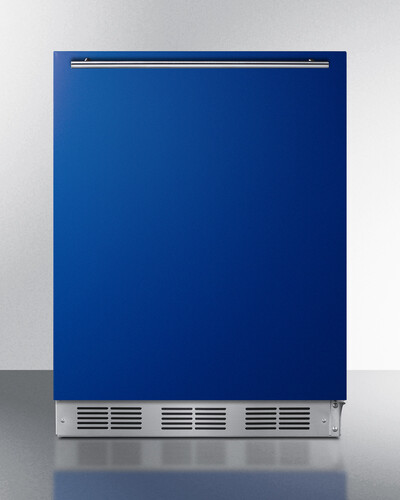
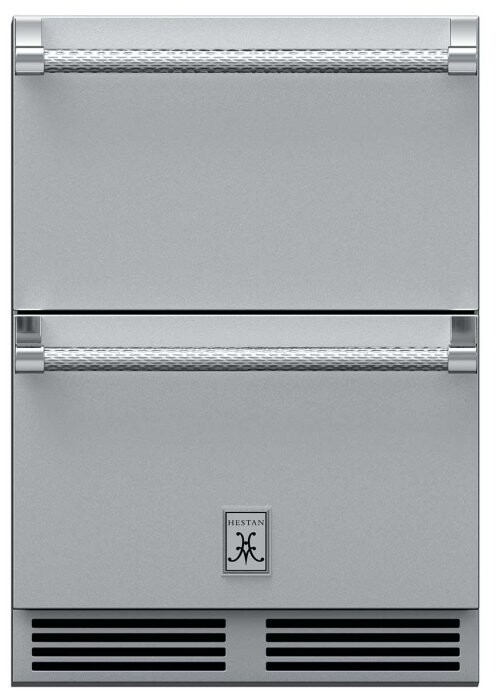
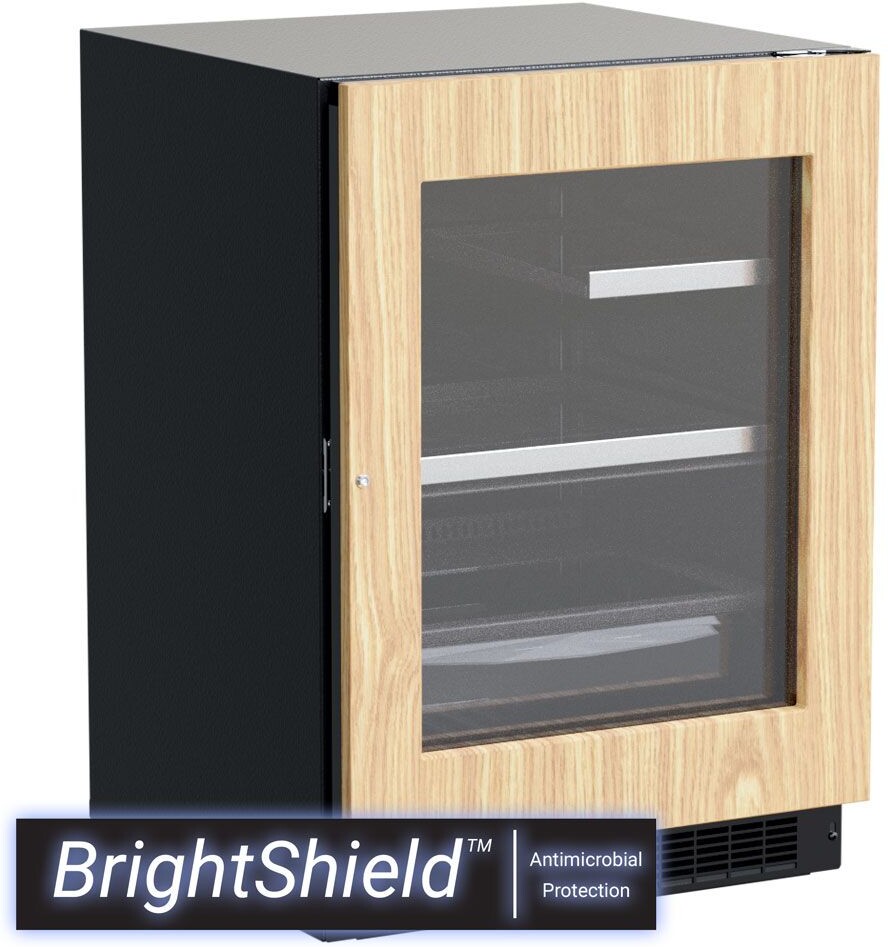
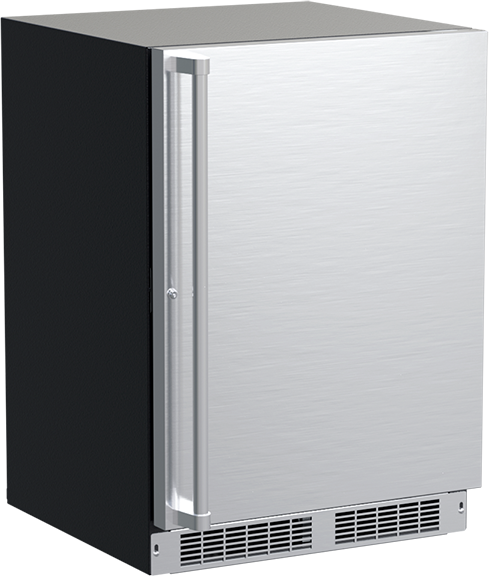
An undercounter beverage cooler is a specialized compact refrigeration unit designed to slide beneath a standard thirty-six-inch countertop. These units typically measure between fifteen and twenty-four inches wide, twenty-two to twenty-five inches deep, and thirty-two to thirty-four inches tall. The defining characteristic of a beverage cooler is its temperature range and precision, offering adjustable settings between thirty-four and sixty-five degrees Fahrenheit to accommodate different drink types at their ideal serving temperatures. Front-venting compressor systems allow flush installation within cabinetry without requiring rear clearance for heat dissipation.
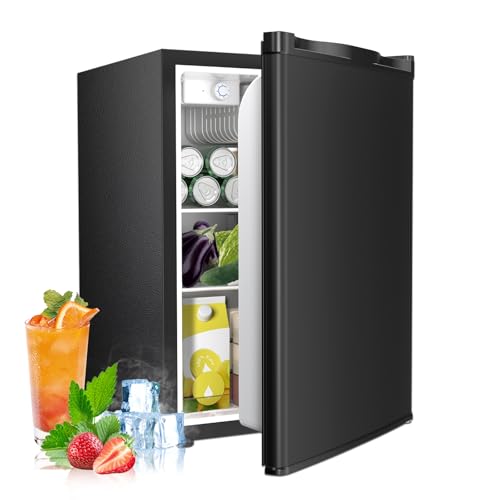
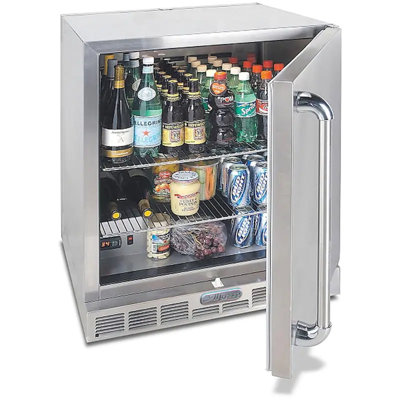
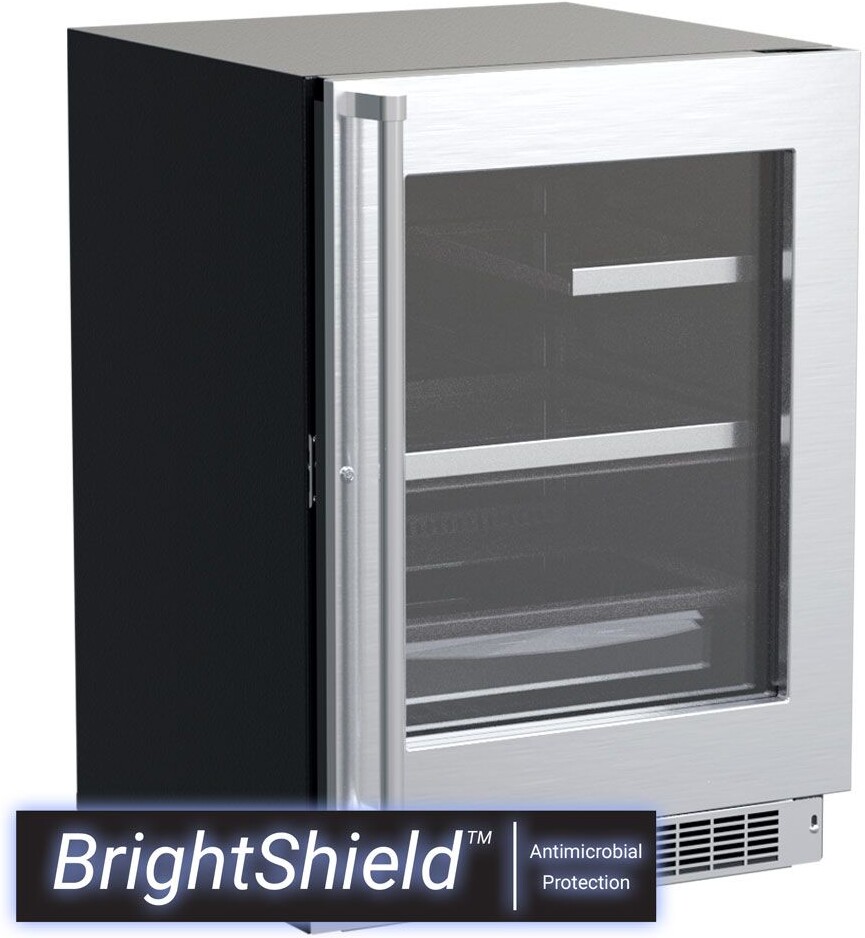
The interior design of a beverage cooler is optimized exclusively for drink containers. Shelves are spaced and shaped to hold twelve-ounce cans, standard wine bottles, tall water bottles, and craft beer cans of various sizes. Most models feature three to five adjustable chrome wire or tempered glass shelves, with capacity ranging from sixty to one hundred fifty standard cans depending on the unit width. Glass doors with UV protection are standard on most models, allowing you to display your beverage collection while protecting contents from light degradation. Premium models include dual-zone temperature control that maintains two separate temperature environments within a single unit, LED interior lighting with adjustable brightness, digital temperature displays, child safety locks, and vibration dampening systems that protect wine from sediment disturbance.
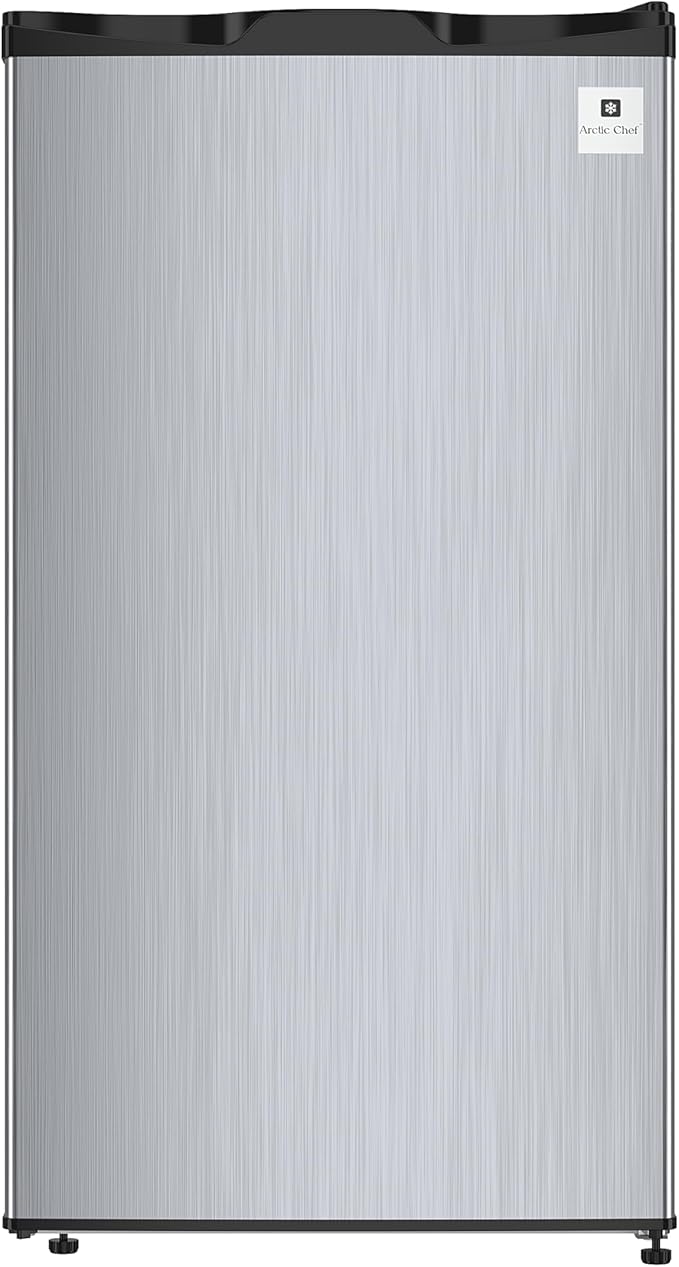
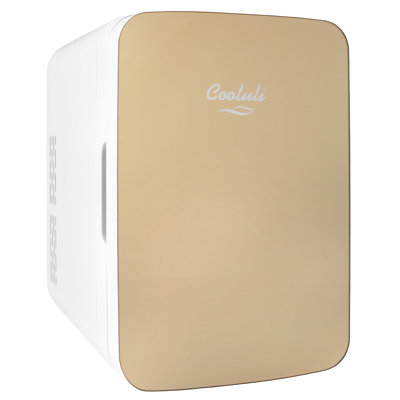
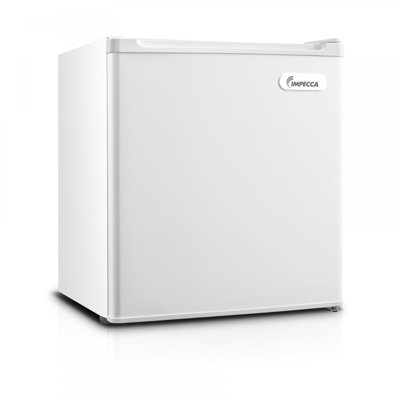
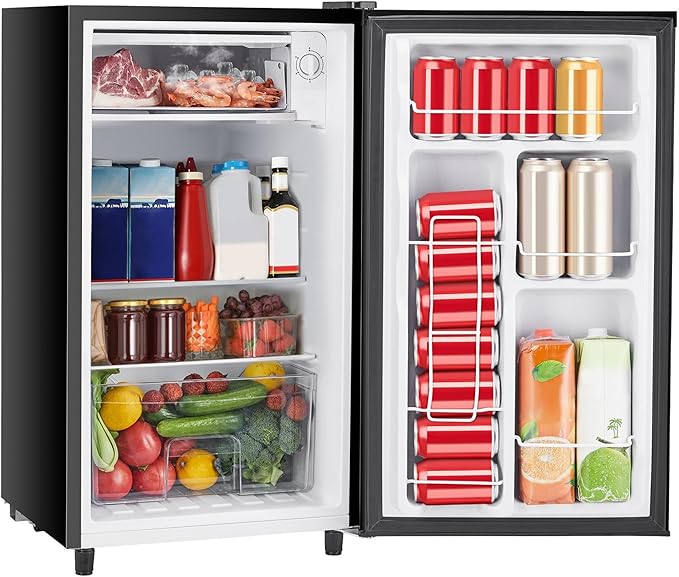
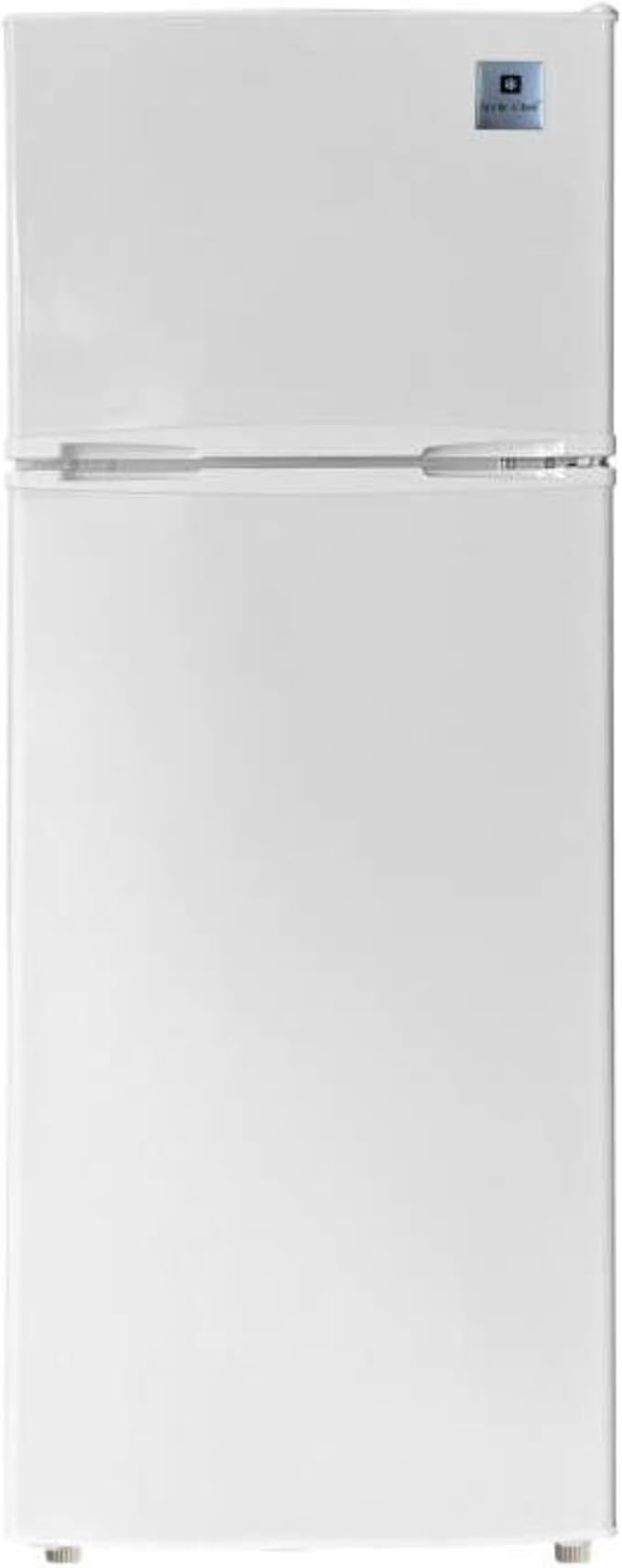
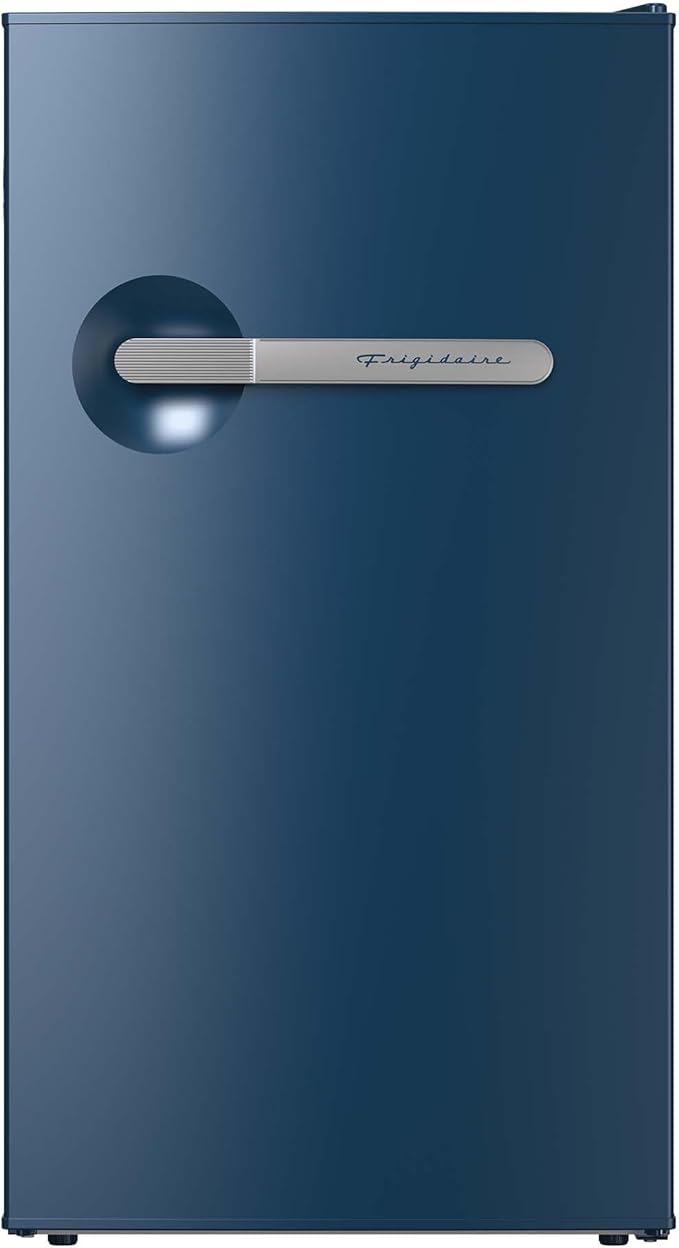
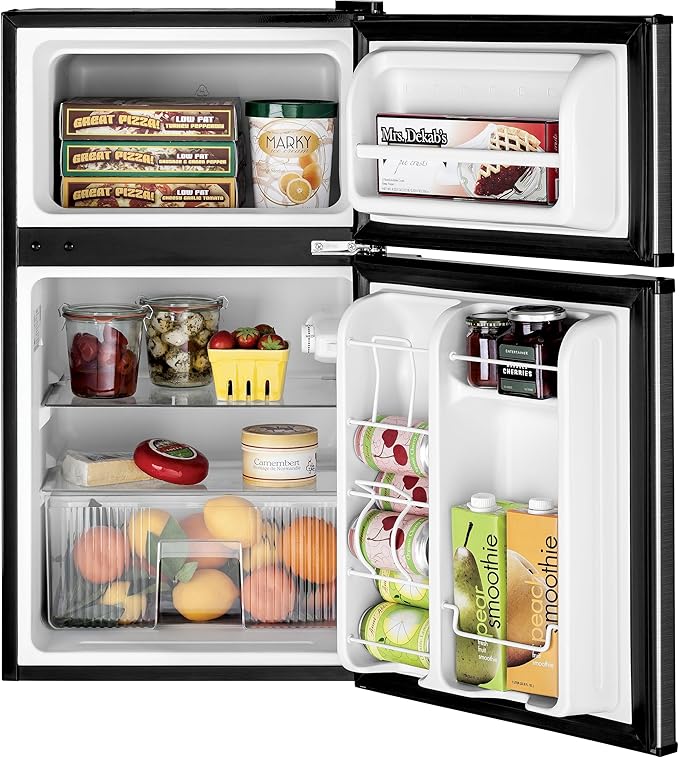
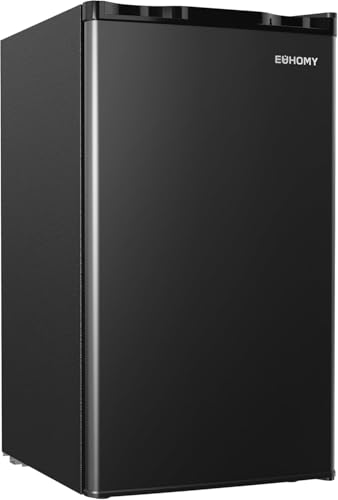
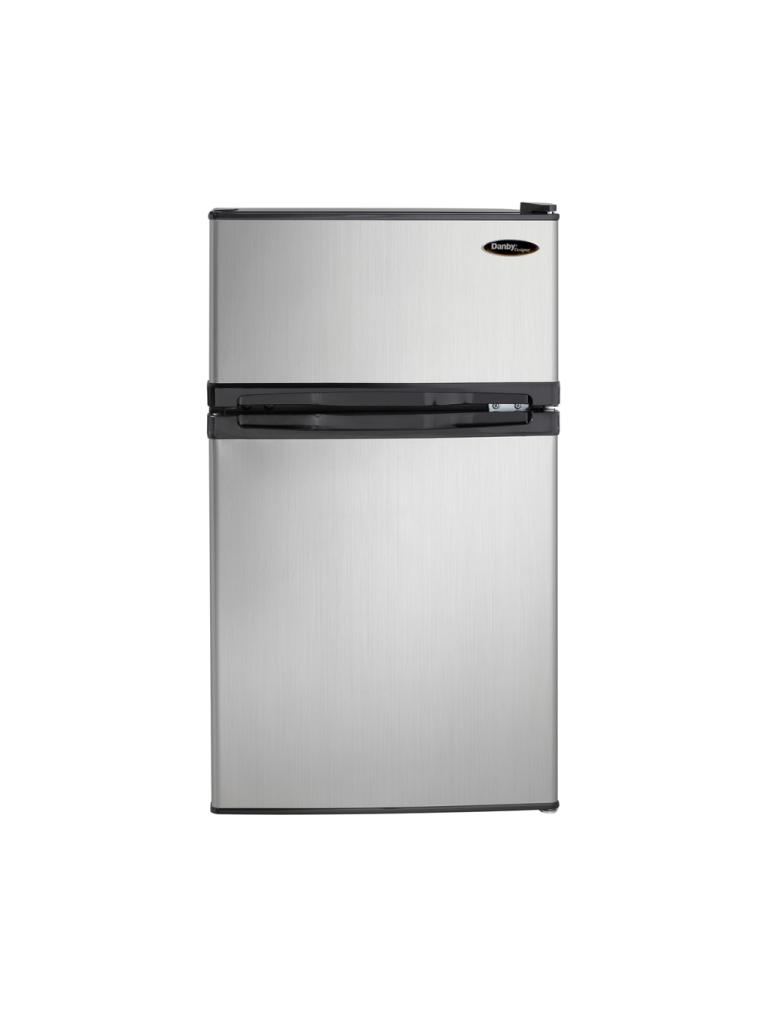
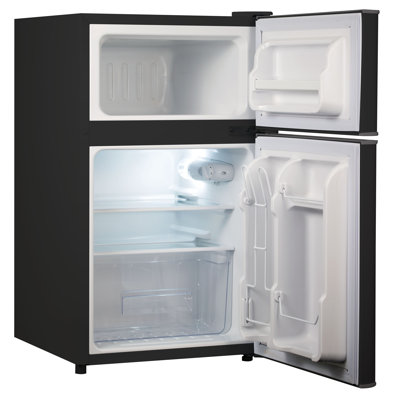
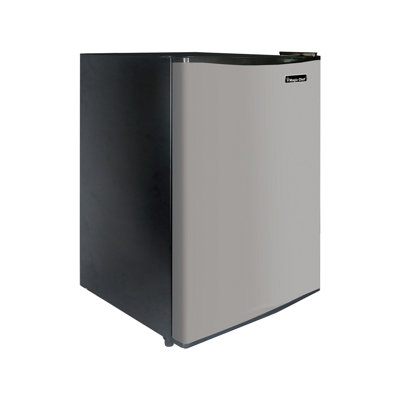
A bar fridge is a compact general-purpose refrigerator designed for convenient placement in entertainment areas, home offices, bedrooms, dorm rooms, and anywhere that a full-size refrigerator would be impractical but cold storage is desired. Bar fridges come in a wide range of sizes from tiny one-and-a-half-cubic-foot tabletop units to larger four-and-a-half-cubic-foot undercounter models. Most bar fridges measure between seventeen and twenty-four inches wide, eighteen to twenty-four inches deep, and twenty to thirty-four inches tall, making them versatile enough to fit on countertops, under desks, or beneath bar counters.
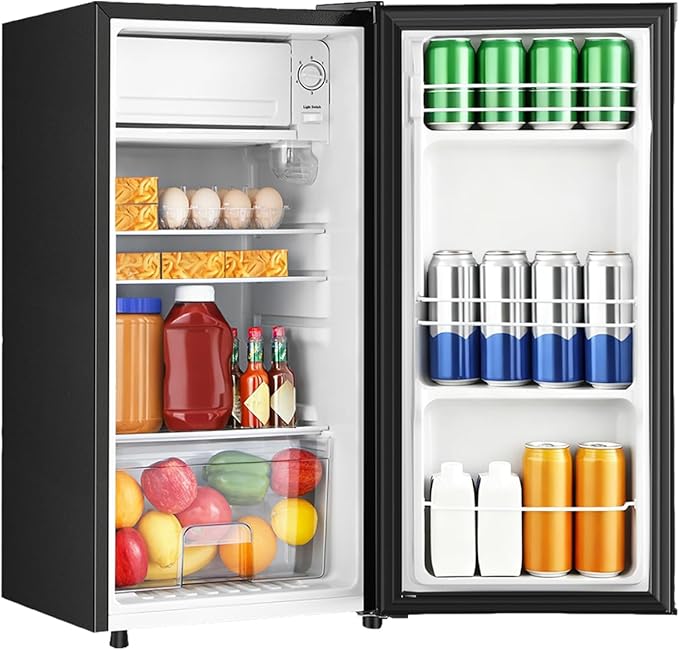
Bar fridges maintain standard refrigerator temperatures between thirty-three and forty degrees Fahrenheit, which is the safe range for preserving perishable foods. Many models include a small internal freezer compartment capable of holding a few ice trays and a package or two of frozen items, though this freezer section is minimal and does not maintain the same consistent temperatures as a dedicated freezer. Interior layouts typically include one to three adjustable shelves, a small crisper drawer in larger models, and door bins sized for cans and small bottles. Solid doors are more common than glass doors on bar fridges, though some models offer glass door options. The design philosophy prioritizes versatility over beverage-specific optimization.
Temperature precision is where undercounter beverage coolers demonstrate their clearest advantage over bar fridges. Different beverages reach peak flavor at specific temperatures that vary significantly across categories. Sparkling water and mass-market lagers taste best at thirty-three to thirty-eight degrees, IPAs and pale ales at forty-five to fifty degrees, white wines and rosés at forty-five to fifty-two degrees, and full-bodied red wines at fifty-five to sixty-five degrees. A dual-zone beverage cooler lets you maintain two of these ranges simultaneously, serving each drink at its ideal temperature without any adjustment or waiting period when guests arrive.
Bar fridges operate at a fixed temperature range between thirty-three and forty degrees, optimized for food safety rather than beverage service. This range works perfectly for sodas, water, light beers, and any drink that tastes best ice cold. However, it is far too cold for most wines, craft beers, and other beverages that reveal their best flavors at warmer temperatures. You could raise the bar fridge temperature to accommodate wine, but doing so pushes the interior above the safe threshold for any perishable food also stored inside. If you primarily drink sodas and domestic beers, a bar fridge's temperature range is perfectly adequate. If your tastes run toward wine, craft beer, or varied beverage types, the cooler's precision becomes essential.
Storage Design and Organization
Undercounter beverage coolers dedicate every cubic inch of interior space to beverage container storage. Shelves are contoured or slotted to cradle wine bottles securely, prevent cans from rolling, and maximize the number of containers that fit within the available space. A twenty-four-inch-wide beverage cooler typically holds between one hundred and one hundred fifty standard cans, or a mix of approximately twenty wine bottles and fifty cans across its five adjustable shelves. The glass door allows you to see your entire inventory without opening the unit, which reduces cold air loss and makes entertaining more convenient when guests can browse available options visually.
Bar fridges offer more versatile but less beverage-optimized storage. The adjustable shelves accommodate not just drinks but also food containers, snack packages, condiment jars, and other items of varying shapes and sizes. Door bins tend to be deeper and wider to hold a range of container types rather than being optimized for standard can dimensions. A four-cubic-foot bar fridge provides roughly the same total interior volume as a twenty-four-inch beverage cooler but holds fewer total beverages because shelf spacing, door bin design, and the potential small freezer compartment are not maximized for drink containers. However, the ability to store cheese plates, appetizer trays, garnishes, and mixers alongside drinks makes bar fridges more practical for serving complete refreshments rather than drinks alone.
Undercounter beverage coolers consume between one hundred eighty and three hundred fifty kilowatt-hours annually, translating to approximately twenty-two to forty-five dollars per year in electricity costs. Dual-zone models with two separate cooling circuits consume more than single-zone units. Glass doors contribute to slightly higher energy use per cubic foot compared to solid-door units because glass allows more thermal transfer, requiring the compressor to cycle more frequently to maintain target temperatures. Models with low-emissivity coated double-pane glass reduce this effect but add to the purchase price.
Bar fridges consume between one hundred and two hundred fifty kilowatt-hours annually for most common sizes, costing roughly twelve to thirty dollars per year. The lower consumption reflects their simpler single-zone design, solid doors on most models that provide better insulation, and smaller average size compared to built-in beverage coolers. Models with a freezer compartment consume slightly more than all-refrigerator bar fridges because the compressor must maintain two temperature zones. Energy Star rated models in both categories offer the best efficiency, and the annual cost difference between a beverage cooler and bar fridge of similar size typically amounts to ten to twenty dollars.
Undercounter beverage coolers typically produce between thirty and forty decibels during compressor operation. Premium models designed for home bar installation include vibration dampening systems and insulated compressor compartments that minimize noise, which is particularly important for wine storage where vibration can disturb bottle sediment and affect aging. Thermoelectric beverage coolers eliminate compressor noise entirely by using solid-state cooling technology, operating below thirty decibels, though these models sacrifice cooling power and struggle to reach temperatures below forty-five degrees in warm rooms.
Bar fridges generate between thirty and forty-two decibels depending on size, compressor quality, and whether the unit includes automatic defrost. Smaller tabletop bar fridges tend to produce less noise than larger undercounter models simply because their compressors are smaller. However, the build quality of bar fridges varies more widely than beverage coolers, and budget models may produce noticeable vibration or rattling sounds, especially on hard surfaces. Placing a bar fridge on a rubber mat or anti-vibration pad can significantly reduce transmitted noise in noise-sensitive locations like bedrooms or home offices.
Undercounter beverage coolers span a wide price range. Basic fifteen-inch single-zone models start around two hundred to three hundred fifty dollars. Mid-range twenty-four-inch models with glass doors, LED lighting, and digital temperature controls cost between five hundred and one thousand two hundred dollars. Premium dual-zone built-in models with stainless steel trim, UV-protected double-pane glass, vibration dampening, and security locks range from one thousand two hundred to three thousand dollars. The higher prices reflect the specialized engineering, precise temperature control systems, and premium materials these units require.
Bar fridges are among the most affordable refrigeration appliances available. Basic one-and-a-half to two-cubic-foot models start as low as eighty to one hundred fifty dollars. Mid-range three to four-cubic-foot models with better shelving, quieter compressors, and glass door options cost between one hundred fifty and four hundred dollars. Premium bar fridges with stainless steel construction, built-in compatible designs, and enhanced features reach four hundred to seven hundred dollars. The price advantage of bar fridges is significant, often costing half to one-third the price of a comparably sized beverage cooler, making them the budget-friendly choice for basic cold beverage and snack storage.
Price Range
Undercounter Beverage Cooler
Bar Fridge
Budget
$200–$500
$80–$200
Mid-Range
$500–$1,200
$200–$400
Premium
$1,200–$3,000
$400–$700
Annual Energy Cost
$22–$45
$12–$30
Installation Considerations
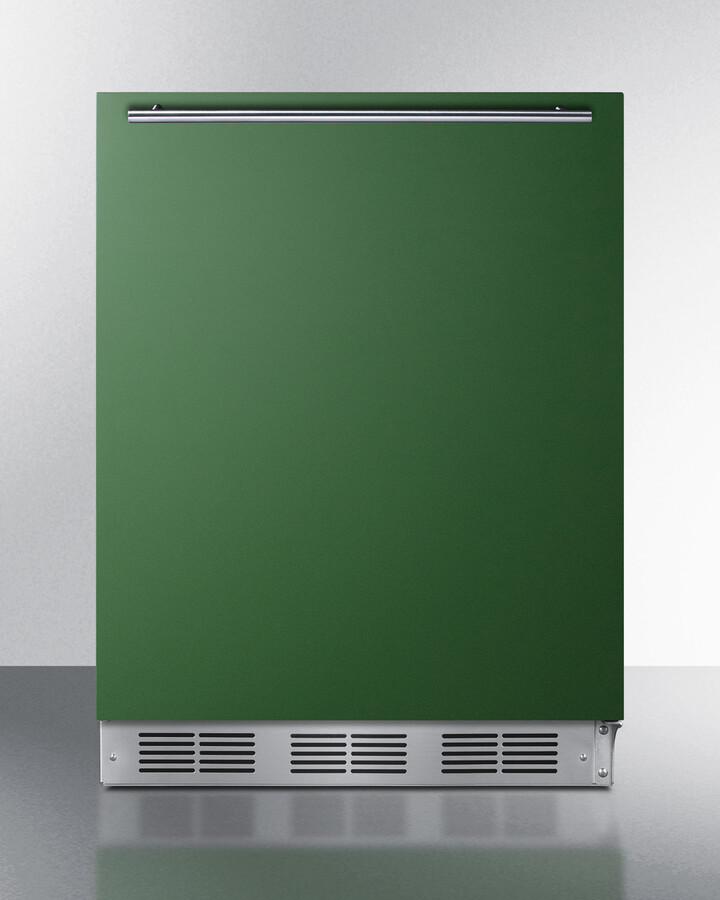
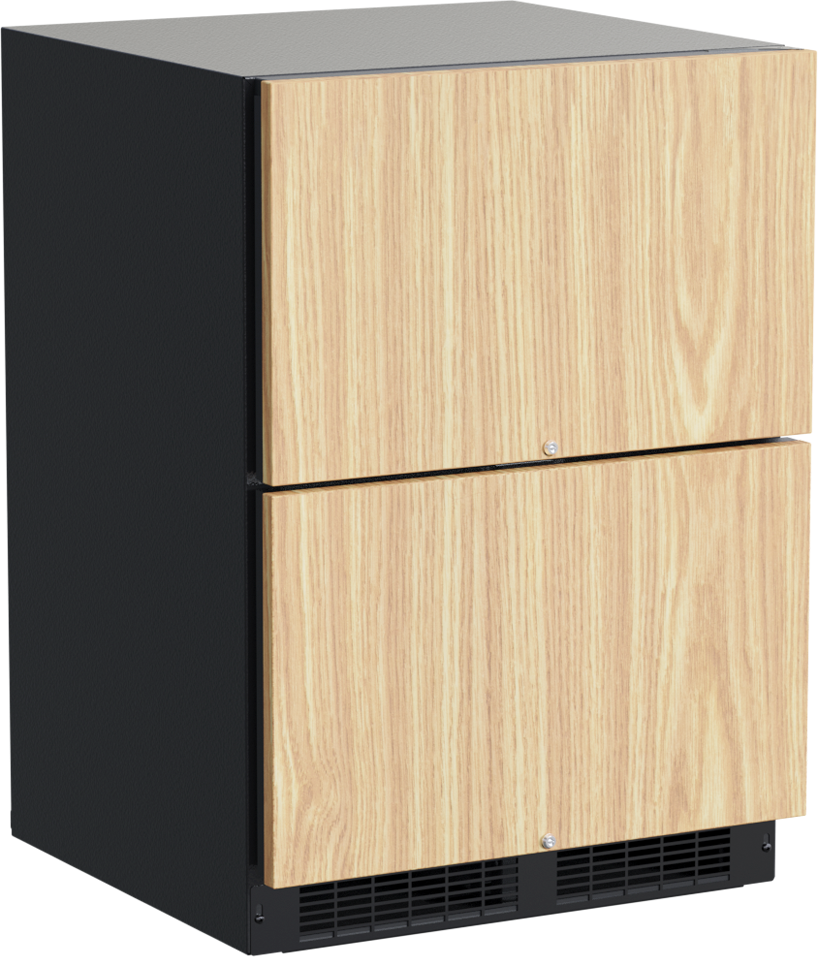
Undercounter beverage coolers with front-venting compressors install flush within cabinetry, requiring only a standard electrical outlet and no rear or side ventilation clearance. This built-in capability makes them ideal for custom home bars, kitchen islands, and entertainment centers where a seamless look is desired. Panel-ready models accept custom cabinet panels that match surrounding woodwork for a fully integrated appearance. Installation takes under an hour for standard models, though panel-ready units require additional carpentry for the custom overlay.
Bar fridges are primarily freestanding units designed to sit on floors, countertops, or in open cabinet spaces. Most models require several inches of clearance on the back and sides for the rear-venting compressor to dissipate heat properly. This ventilation requirement means bar fridges cannot be built into tight cabinetry enclosures without risking overheating and premature compressor failure. Some premium bar fridges offer front-venting designs that allow built-in installation, but these are less common and more expensive than standard freestanding models. If built-in installation is important to your design plans, verify the ventilation type before purchasing a bar fridge.
Undercounter beverage coolers require straightforward maintenance including condenser coil cleaning every six to twelve months, interior shelf wiping, door gasket inspection, and carbon filter replacement if equipped. The consistent indoor environment and purpose-built components contribute to a typical lifespan of ten to fifteen years. Because these units maintain moderate temperatures rather than the near-freezing temperatures of standard refrigerators, the compressor operates under less stress, which can extend longevity. Repair parts for established brands remain widely available throughout the appliance's useful life.
Bar fridges require similar basic maintenance but may need slightly more attention depending on the model. Units with small freezer compartments require periodic manual defrost to prevent ice buildup that reduces efficiency and storage space. Condenser coil cleaning is especially important for bar fridges placed on carpeted floors or in dusty environments where airflow restriction is more likely. The average lifespan of a bar fridge ranges from eight to twelve years, somewhat shorter than beverage coolers due to the wider range of operating conditions, more frequent door openings in high-traffic placements, and the generally lower build quality at budget price points.
The most frequent mistake is buying a bar fridge for wine storage. Standard bar fridge temperatures are far too cold for serving most wines, and the lack of vibration dampening and UV protection can degrade wine quality over time. If wine is a significant part of your beverage collection, a beverage cooler with appropriate temperature zones and bottle-friendly shelving is the only sensible choice. Even inexpensive single-zone beverage coolers maintain wine temperatures better than any bar fridge.
Another common error is choosing a beverage cooler when you actually need mixed storage for both drinks and food. A beverage cooler's shelving is designed for cans and bottles, making it impractical for storing appetizer plates, deli trays, fruit bowls, or other food items you might want at your bar or entertainment area. If you regularly serve food alongside drinks, a bar fridge's versatile layout serves you better despite its less specialized beverage storage.
Buyers also frequently overlook the ventilation difference between front-venting beverage coolers and rear-venting bar fridges. Attempting to build a rear-venting bar fridge into a tight cabinet enclosure restricts airflow, causes the compressor to overheat, increases energy consumption, and dramatically shortens the unit's lifespan. Always check the ventilation type and follow manufacturer clearance requirements for any compact refrigeration unit.
Who Should Buy Which
An undercounter beverage cooler is the right choice for dedicated drink enthusiasts, wine collectors, home bar builders, and anyone who values precise temperature control and attractive beverage display. It excels in built-in installations where a polished, integrated look matters and where the primary function is serving drinks at optimal temperatures. If your bar area focuses on beverages and you have separate food storage nearby, the cooler provides the best possible drink experience. Browse beverage coolers at Fridge.com for models in every size and price range.
A bar fridge is the right choice for budget-conscious buyers who need versatile compact cold storage for a mix of drinks, snacks, and small food items. It suits dorm rooms, home offices, bedrooms, workshops, and any location where a small general-purpose refrigerator adds convenience without the cost of a specialized appliance. If your needs are simple and your beverage preferences lean toward drinks that taste best ice cold, a bar fridge delivers solid value at a fraction of the beverage cooler's price. Explore bar fridges at Fridge.com to find the right compact fridge for your space.
Whether you want a precision-engineered undercounter beverage cooler for your home bar or a versatile bar fridge for your entertainment space, Fridge.com has you covered with a wide selection from trusted brands. Compare features, capacities, and prices side by side to find the perfect compact refrigeration solution. Every purchase ships free with knowledgeable customer support ready to help you make the best choice for your needs.
Frequently Asked Questions
Only if it has front ventilation. Most bar fridges use rear ventilation and need clearance behind — blocking rear vents in a cabinet causes overheating. For cabinet installation, use a proper built-in undercounter cooler with front venting. Compare at Fridge.com.
From Fridge.com research
Figures below come from data Fridge.com builds and maintains. Each links to the record behind it.
Fridge.com Energy Index, built on U.S. EPA and DOE ENERGY STAR records
Across 122 ENERGY STAR certified compact cooler models, median use is 134 kWh per year — 32% better than the federal standard.