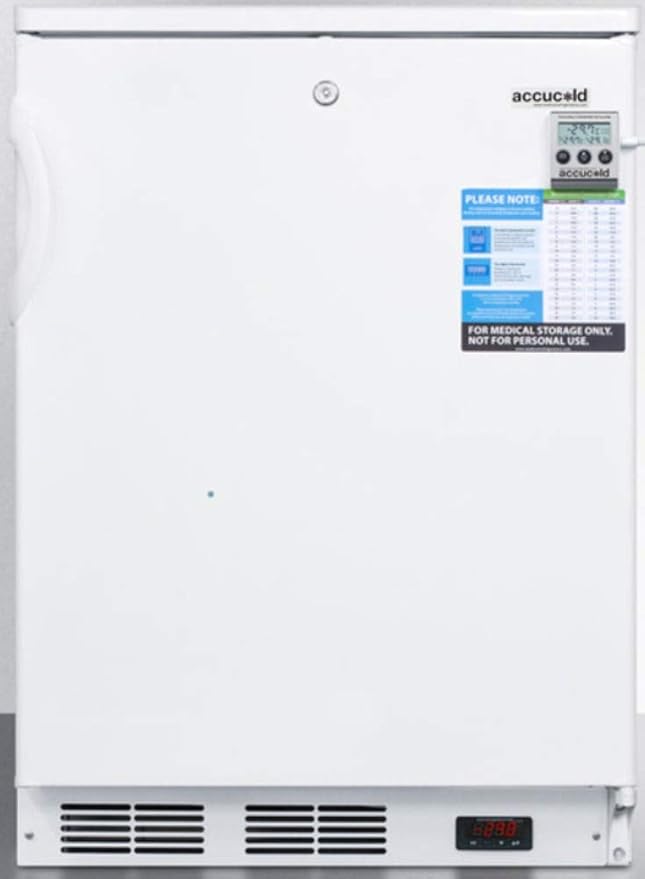
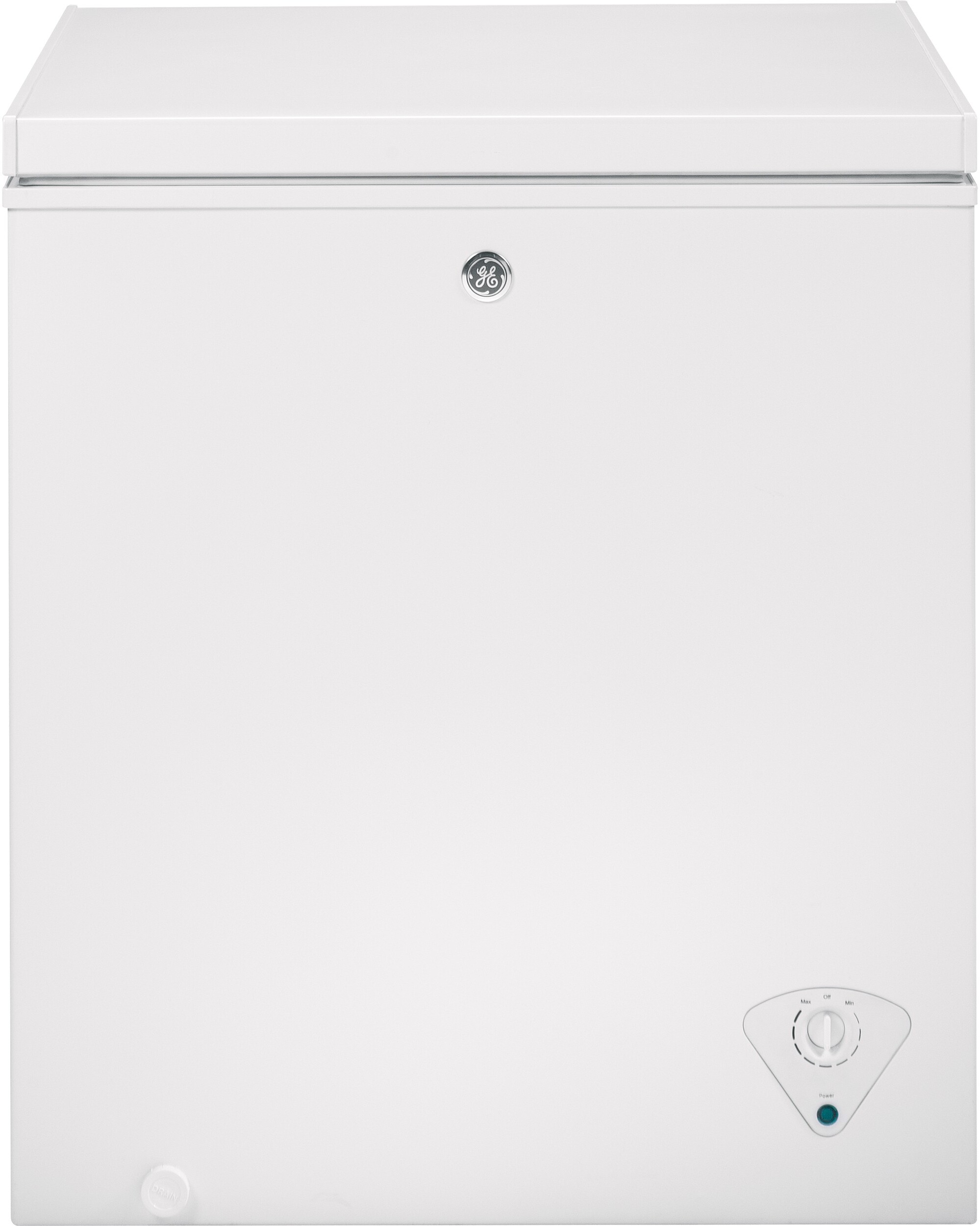
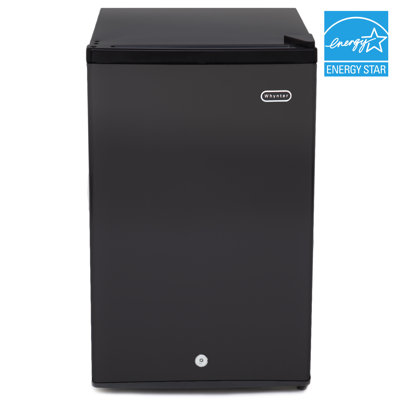
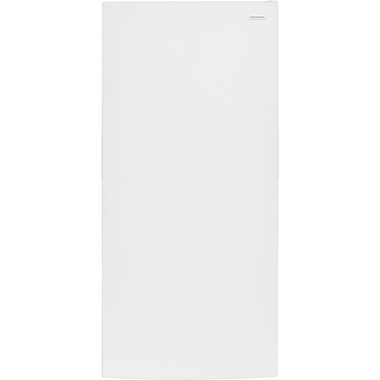
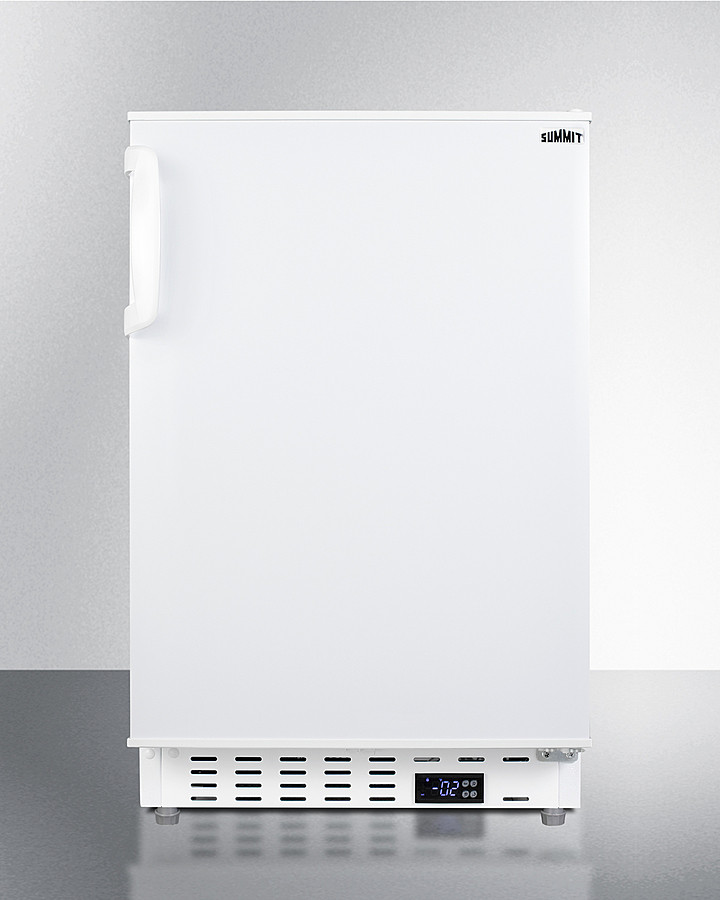
A mini freezer is a compact standalone freezer — typically 1.5 to 5 cubic feet — that maintains 0°F for frozen food storage.
A tiny home refrigerator maintains 34-42°F for fresh food — produce, dairy, beverages, meats, and leftovers that need cold but not frozen temperatures.
A mini freezer maintains 0°F for frozen food — meats, vegetables, prepared meals, ice cream, and ice that need solid-frozen preservation.
The interior maintains 34-42°F with adjustable shelves, door bins, and sometimes a small crisper for produce.
A tiny home refrigerator and a mini freezer are both compact cooling appliances, but they operate at completely different temperatures for completely different food storage purposes. A tiny home refrigerator maintains 34-42°F for fresh food — produce, dairy, beverages, meats, and leftovers that need cold but not frozen temperatures. A mini freezer maintains 0°F for frozen food — meats, vegetables, prepared meals, ice cream, and ice that need solid-frozen preservation. In small-space living where full-size appliances are impractical, choosing between these compact formats — or pairing them — depends on your cooking habits, food shopping frequency, and which temperature zone matters most to your daily routine.
What Is a Tiny Home Refrigerator?
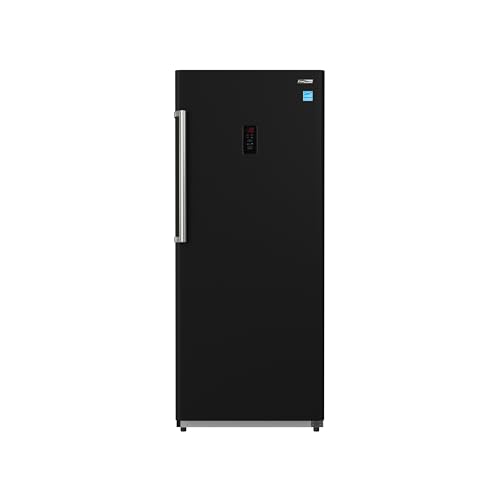
A tiny home refrigerator is a compact cooling appliance — typically 3 to 10 cubic feet — designed for the space, power, and lifestyle constraints of tiny houses, RVs, studio apartments, and other small-footprint dwellings. The interior maintains 34-42°F with adjustable shelves, door bins, and sometimes a small crisper for produce. Some models include a small freezer compartment — usually 0.5-1.5 cubic feet — behind a separate door or flap, though these mini freezer sections often achieve only 10-15°F rather than the true 0°F needed for safe long-term frozen storage.
Tiny home refrigerators come in standard 120-volt AC models for grid-connected homes and specialized 12-volt DC models for off-grid installations powered by solar panels and batteries. The 12-volt models avoid inverter conversion losses and integrate directly with the DC power systems common in mobile tiny homes and RVs. Widths range from 18 to 24 inches — compact enough to fit kitchenettes where a standard 36-inch refrigerator would consume the entire cooking area. The tiny home refrigerator serves as the primary fresh food appliance in any small-space kitchen.
What Is a Mini Freezer?
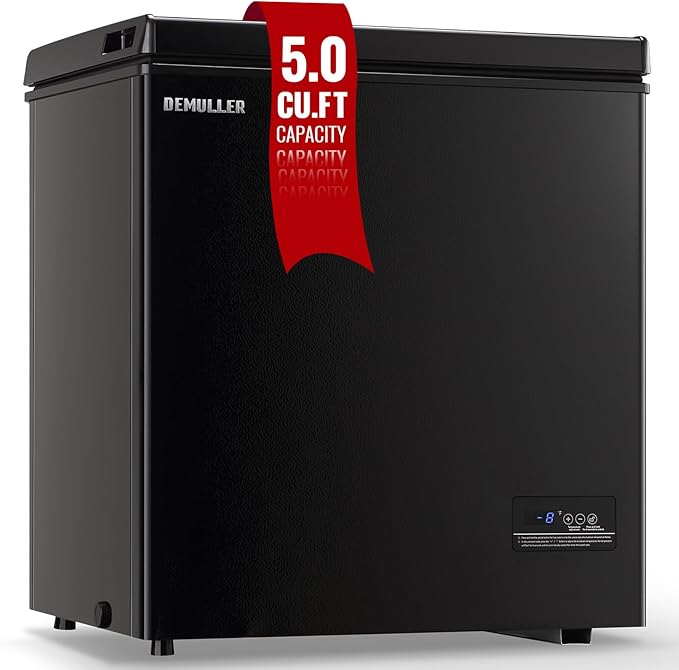
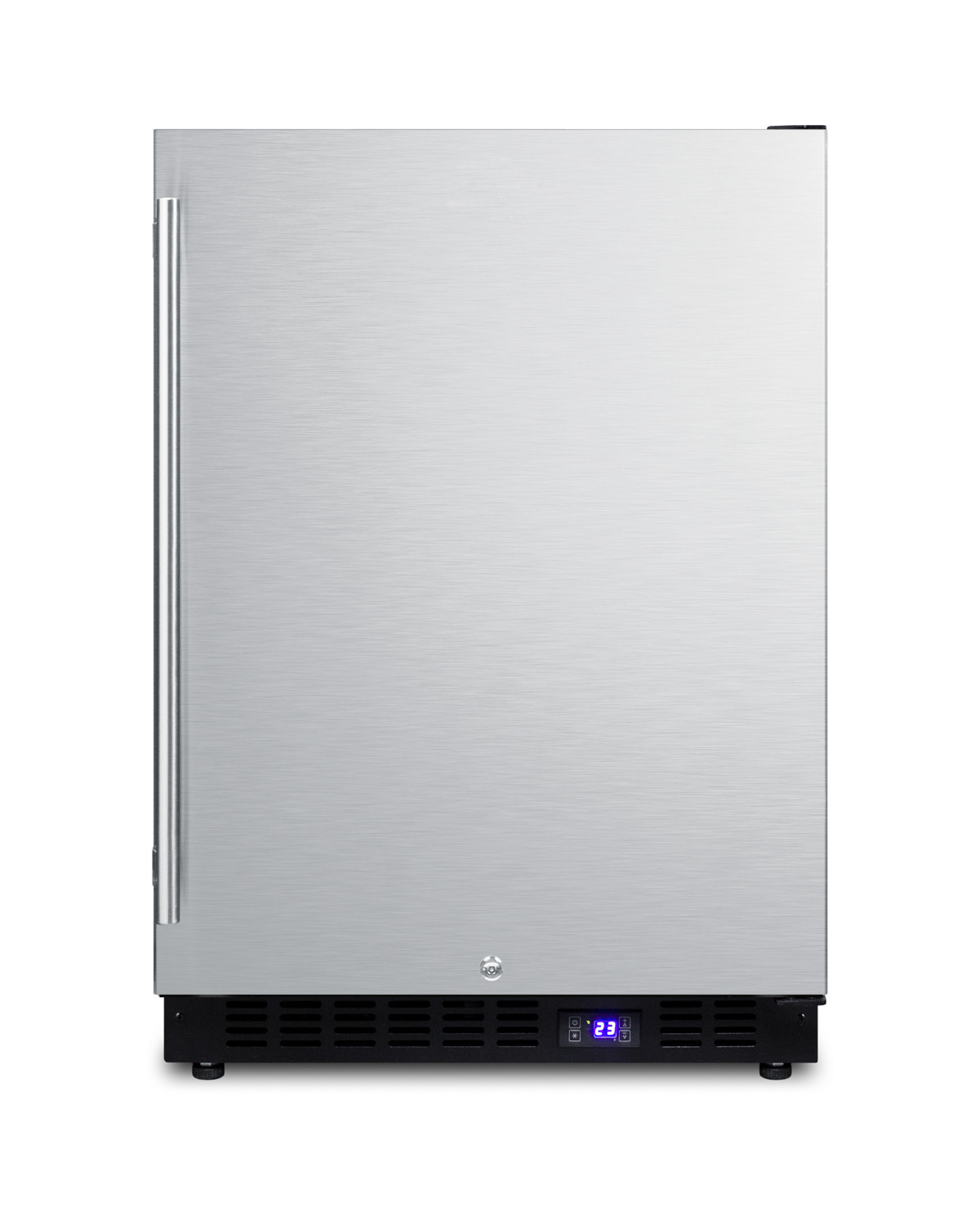
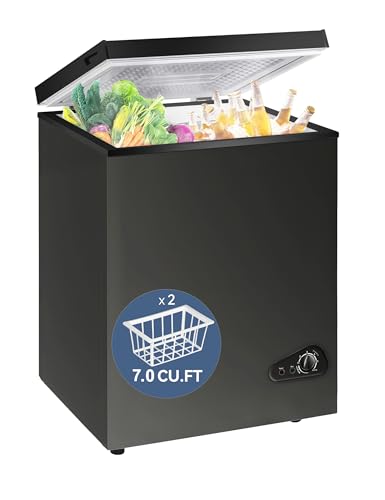
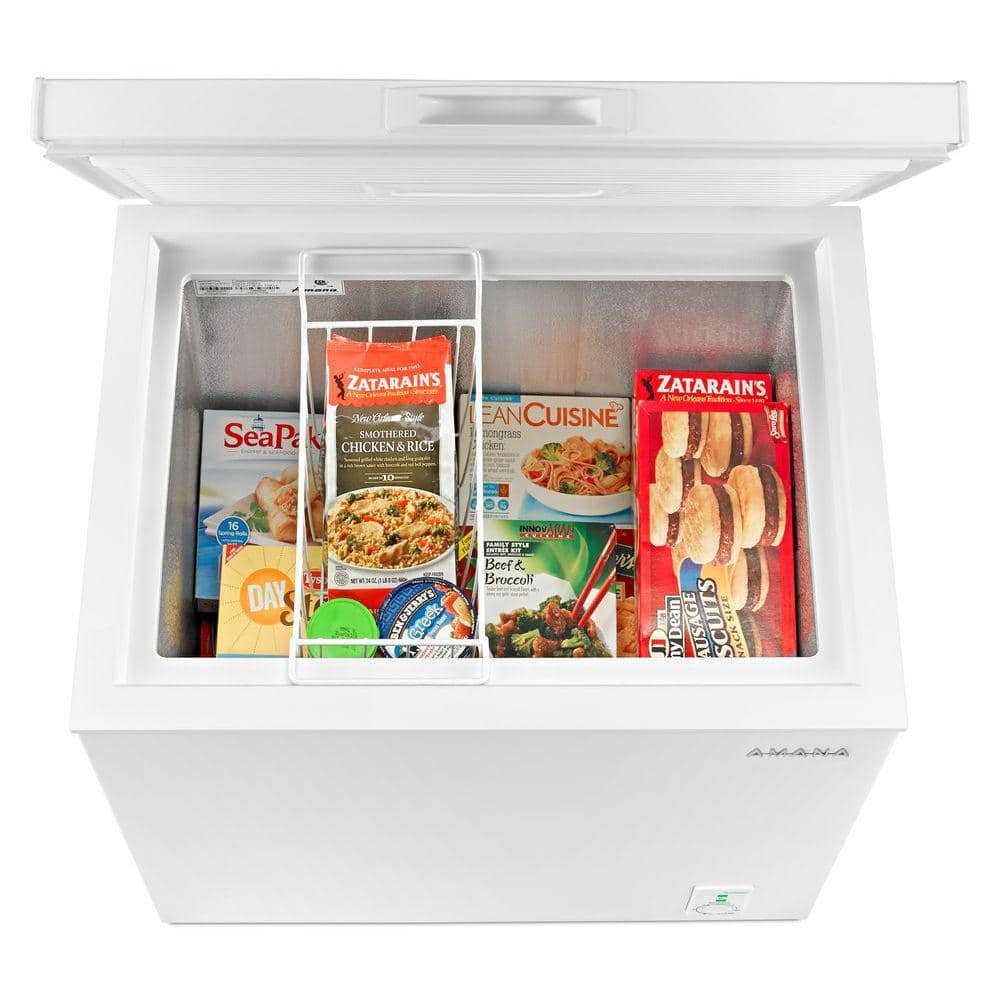
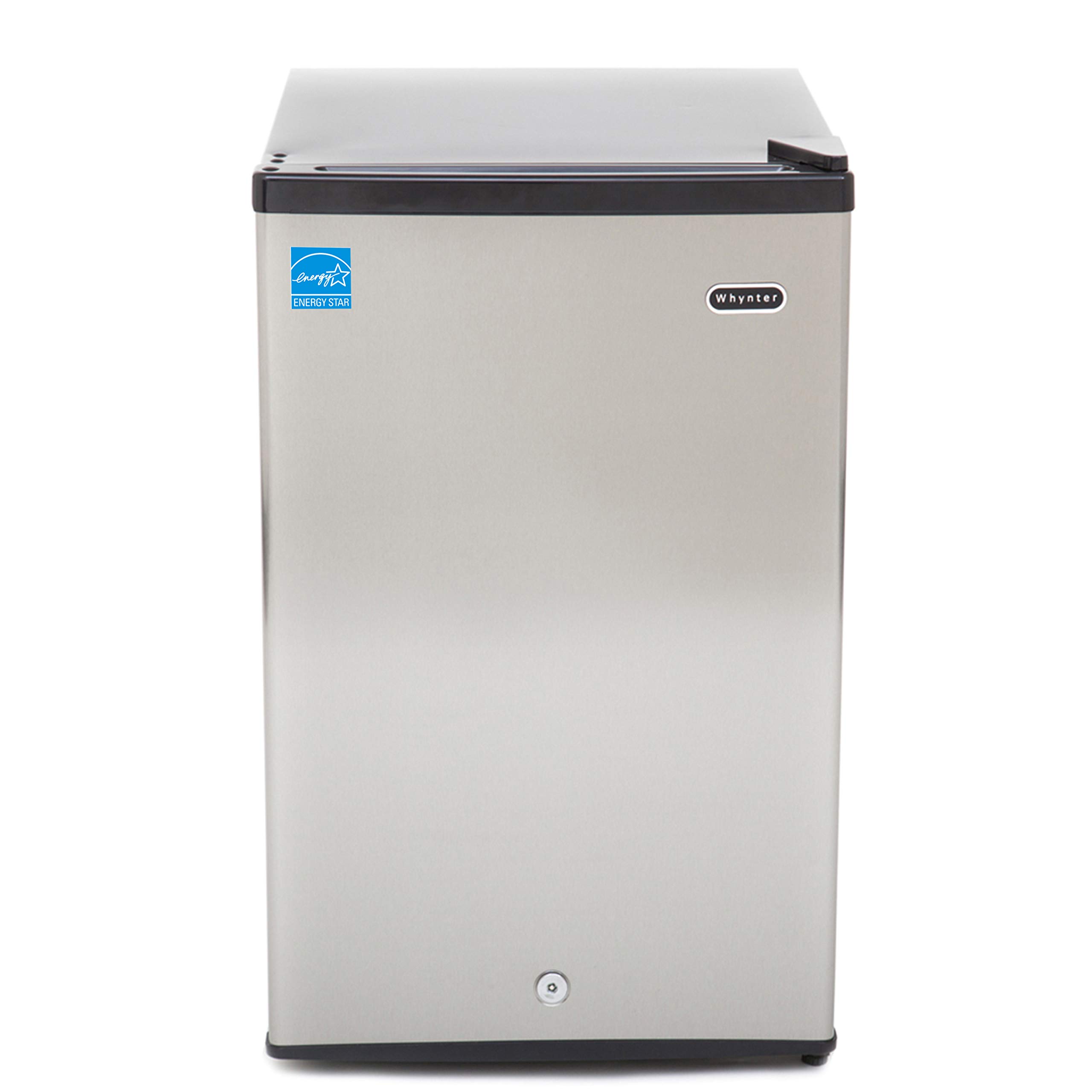
A mini freezer is a compact standalone freezer — typically 1.5 to 5 cubic feet — that maintains 0°F for frozen food storage. Unlike the tiny freezer compartment inside a compact refrigerator, a dedicated mini freezer uses its entire interior volume for frozen storage with a properly sized compressor that reliably maintains 0°F or below. Mini freezers come in two formats: upright models with front-opening doors and small interior shelves, and chest-style models with top-opening lids and open-well storage.
Mini freezers serve as supplemental frozen storage in any living situation where the primary refrigerator's freezer compartment is absent or inadequate. In tiny homes, they pair with a refrigerator-only unit to create a complete two-appliance cold storage system. In standard homes, they provide overflow frozen storage when the main freezer fills up. Capacity ranges from 1.1 cubic feet (barely larger than a breadbox) to 5 cubic feet (enough for a month's frozen meals for one person). The mini freezer does one thing — freeze food at safe temperatures — and does it in the smallest possible footprint.
These appliances serve entirely non-overlapping food safety zones. Fresh food stored in a mini freezer at 0°F becomes frozen — dairy textures change, produce cell walls rupture, beverages expand and burst containers. Frozen food stored in a tiny home refrigerator at 37°F thaws and begins the bacterial growth process that leads to spoilage within hours to days depending on the food type. Neither appliance can substitute for the other's function. The question is not which one to buy instead of the other — it is which one (or both) your daily eating habits require.
A tiny home refrigerator with a built-in freezer compartment provides modest amounts of both fresh and frozen storage in a single unit — convenient but limited in both categories. A dedicated mini freezer provides substantially more frozen capacity than any compact refrigerator's built-in freezer section, but it provides zero fresh food storage. For tiny home dwellers who need both temperature zones, the ideal approach depends on which zone matters more to daily cooking and whether space and power budgets allow two separate appliances.
Mini freezers consume comparable or slightly less energy than similarly sized compact refrigerators because, despite maintaining colder temperatures, their simpler single-zone operation and less frequent door openings offset the additional cooling demand. In off-grid tiny homes with limited solar power budgets, running both a compact refrigerator and a mini freezer simultaneously requires 350-550 kWh annually — achievable with a properly sized solar and battery system but requiring careful power budgeting. Households with tight energy constraints may need to choose one appliance and adjust their food strategy accordingly — prioritizing fresh food with more frequent shopping or prioritizing frozen food with batch cooking and less fresh produce.
Space Requirements
In tiny homes where every square inch matters, adding a second appliance is a significant decision. A 3-cubic-foot mini freezer occupies roughly 20 inches wide by 22 inches deep of floor space — approximately 3 square feet. In a 200-square-foot tiny home, that is 1.5% of total living area dedicated to a second cooling appliance. The trade-off is whether that space delivers more value as frozen food storage or as living area, counter space, or storage for other purposes.
Many tiny home dwellers solve this dilemma by placing the mini freezer in creative locations — under a built-in bench seat, in a closet with ventilation, or on an outdoor covered porch in temperate climates. Chest-style mini freezers can double as flat surfaces with a cutting board on top, reclaiming the footprint as counter space. Upright mini freezers slide into narrow gaps between cabinetry. The key is treating the freezer as a design element that integrates into the tiny home layout rather than a standalone appliance that claims its own territory.
In tiny homes where the bedroom, kitchen, and living area share a single open space, appliance noise directly affects sleep quality and daily comfort. Compact refrigerators run at 35-42 decibels. Mini freezers run at 36-44 decibels. Running both simultaneously creates a combined noise floor that cycles between quiet periods (both compressors off) and louder periods (one or both compressors running). Quality units with quiet compressor ratings minimize sleep disruption, but the reality of two small compressors in a 200-square-foot space means some audible cycling noise is unavoidable. Prioritize models rated below 38 decibels for the most livable tiny home sound environment.
A paired tiny home refrigerator and mini freezer costs $200-$850 at budget to mid-range quality — comparable to or less than a single standard-size household refrigerator. The two-appliance approach provides more total capacity and better temperature performance across both fresh and frozen zones than a single compact refrigerator with a tiny built-in freezer compartment. For tiny home dwellers who cook regularly and need reliable frozen storage, the paired approach delivers the best food management capability within the compact-appliance category.
Maintenance and Lifespan
Tiny home refrigerators require basic maintenance — coil cleaning, gasket inspection, and manual defrosting of the small freezer compartment. Budget models last 4-8 years; quality models last 8-12 years. Mini freezers require similar maintenance with periodic manual defrosting for manual defrost models. The simpler construction of chest-style mini freezers contributes to longer lifespans of 10-15 years. Upright mini freezers last 8-12 years. Both appliance types benefit from stable power supply — voltage fluctuations common in off-grid systems can stress compressor components, so clean power from quality inverters or direct DC connections extends appliance longevity.
Buy a tiny home refrigerator if fresh food storage is your primary daily need — you cook with fresh produce, dairy, and meats regularly, shop frequently, and consume most food within days of purchase. The compact fridge keeps daily ingredients fresh and accessible. Its small built-in freezer section handles ice cubes and a few frozen items for immediate use.
Buy a mini freezer if frozen food storage is your primary need — you batch cook, buy meat in bulk, freeze garden harvests, or rely heavily on frozen meals. The dedicated freezer maintains safe 0°F temperatures that a compact fridge's freezer compartment cannot reliably achieve.
For tiny home dwellers who cook seriously and want both fresh and frozen capability, pair both appliances. A 5-cubic-foot compact fridge alongside a 2-cubic-foot mini freezer provides complete cold storage in roughly 40 inches of combined width — less than the footprint of a single standard household refrigerator.
Common Mistakes When Choosing Between These Appliances
One of the biggest mistakes tiny home owners make is assuming a mini freezer can double as general cold storage. Mini freezers maintain temperatures well below what fresh produce, dairy, and beverages need. Storing these items in a freezer damages texture and flavor while wasting energy on unnecessarily low temperatures. Always pair a mini freezer with at least a small refrigerated compartment for daily essentials.
Another common error is ignoring ventilation clearances. Tiny home refrigerators and mini freezers both generate heat through their compressor coils, and cramming them into tight cabinets without adequate airflow leads to overheating, increased energy consumption, and premature compressor failure. Leave at least two inches of clearance on all sides and ensure rear ventilation has a clear path to open air.
Buyers also frequently overlook defrost requirements. Many affordable mini freezers use manual defrost systems that demand periodic attention. Neglecting this chore allows ice buildup that reduces usable storage space and forces the compressor to work harder, driving up electricity costs and shortening the unit's lifespan. If you dislike manual maintenance, invest in a frost-free model even if it costs slightly more upfront.
Pairing Both Appliances in a Tiny Home
For tiny home dwellers who need both fresh and frozen storage, pairing a compact refrigerator with a separate mini freezer often provides more total capacity and better temperature control than a single combination unit. Position the refrigerator in your kitchen area where you access fresh ingredients daily, and place the mini freezer in a secondary location such as a storage loft, mudroom, or exterior compartment where less frequent access is acceptable.
When pairing both appliances, consider staggering their compressor cycles by plugging them into separate circuits if your tiny home electrical system allows it. This prevents simultaneous power draws that can trip breakers or strain solar inverter systems. Many tiny home builders wire dedicated fifteen-amp circuits specifically for refrigeration appliances to avoid these electrical conflicts.
A combined setup of a thirty-two-inch-tall refrigerator and a twenty-inch-wide chest freezer typically consumes between one hundred fifty and two hundred twenty watts combined, which remains manageable for most tiny home power systems including modest solar arrays with battery backup. This dual-appliance approach gives you roughly four to six cubic feet of refrigerated space plus two to three cubic feet of frozen storage, covering the needs of one to two occupants comfortably.
Compare prices on Fridge.com
Browse tiny home refrigerators and mini freezers. Filter by capacity, power type, dimensions, and price to build the perfect compact cold storage system for your small-space kitchen.
Frequently Asked Questions
22-28 inches wide, 7-14 cu ft. Measure your kitchen opening precisely — even 1 inch matters in tiny homes. Most tiny home builders specify a 24-inch opening. Check dimensions at Fridge.com.
Free tool
Food Storage Calculator
Free interactive tool from Fridge.com — get a quick answer while you read.