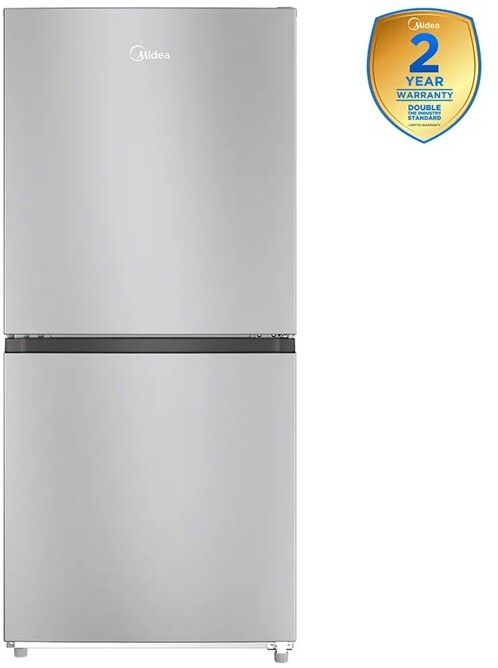
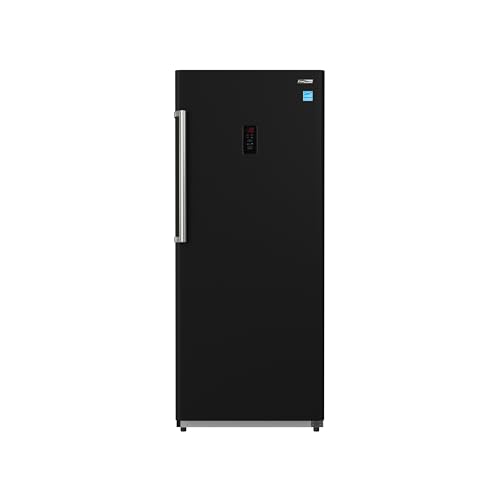
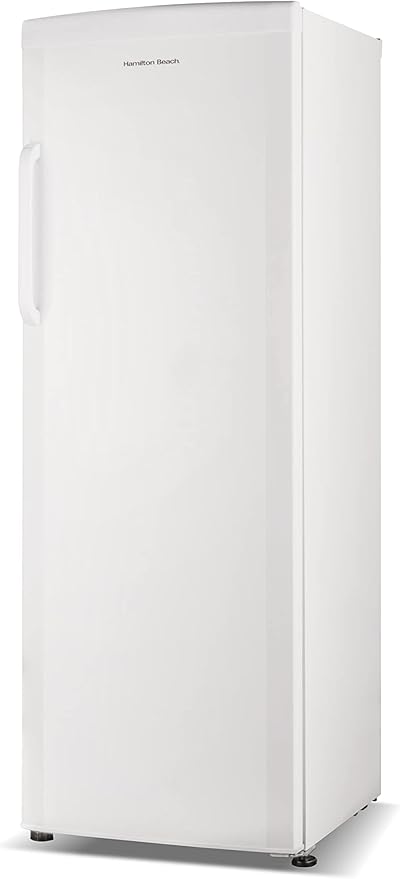
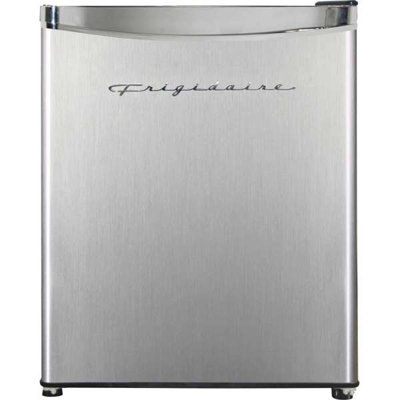
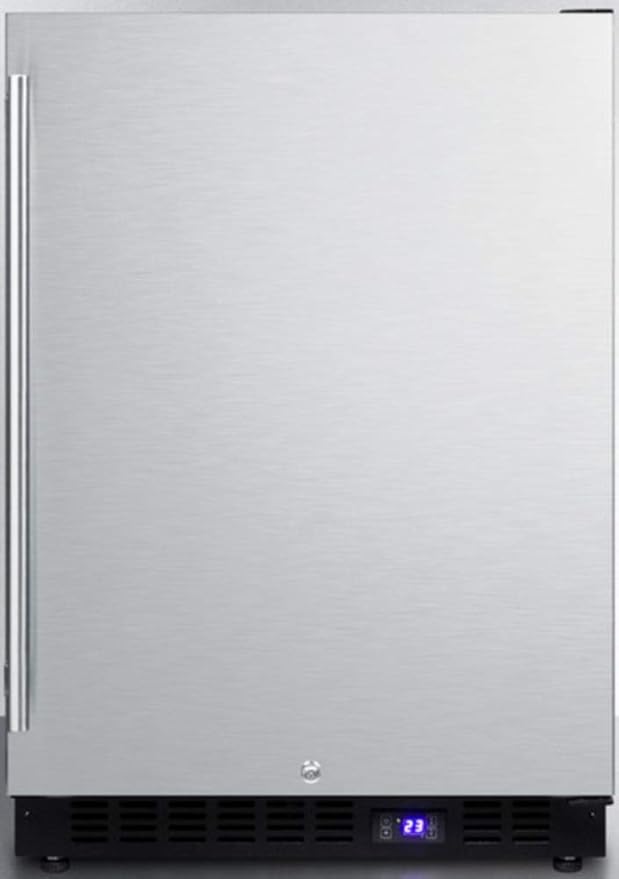
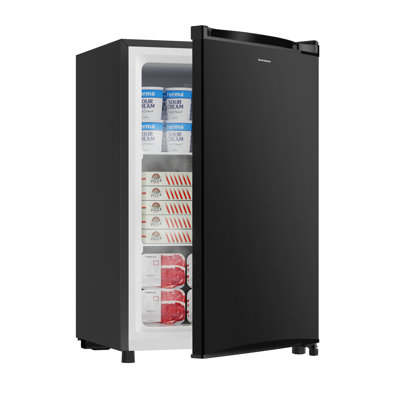
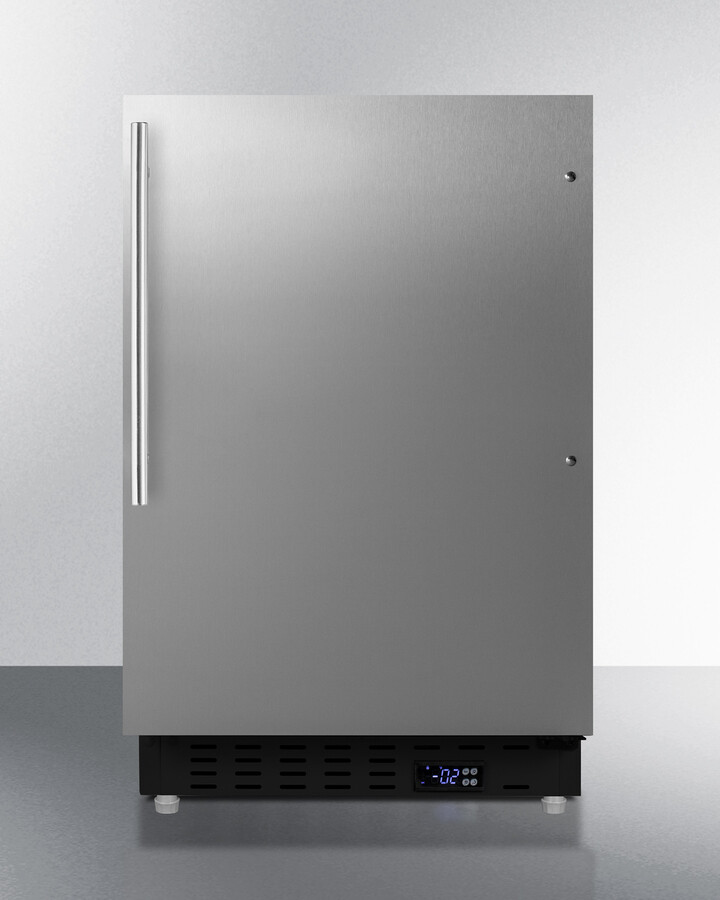
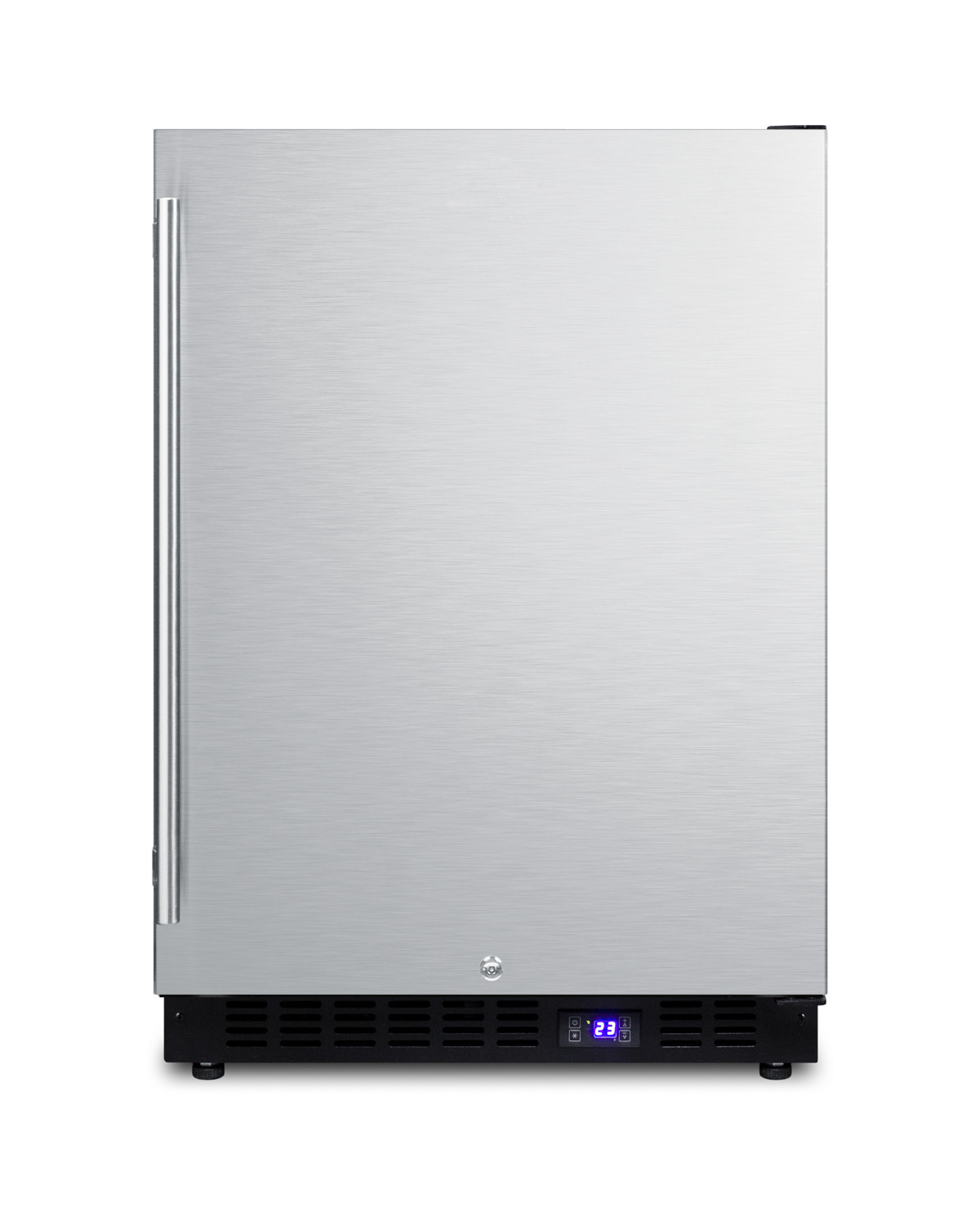
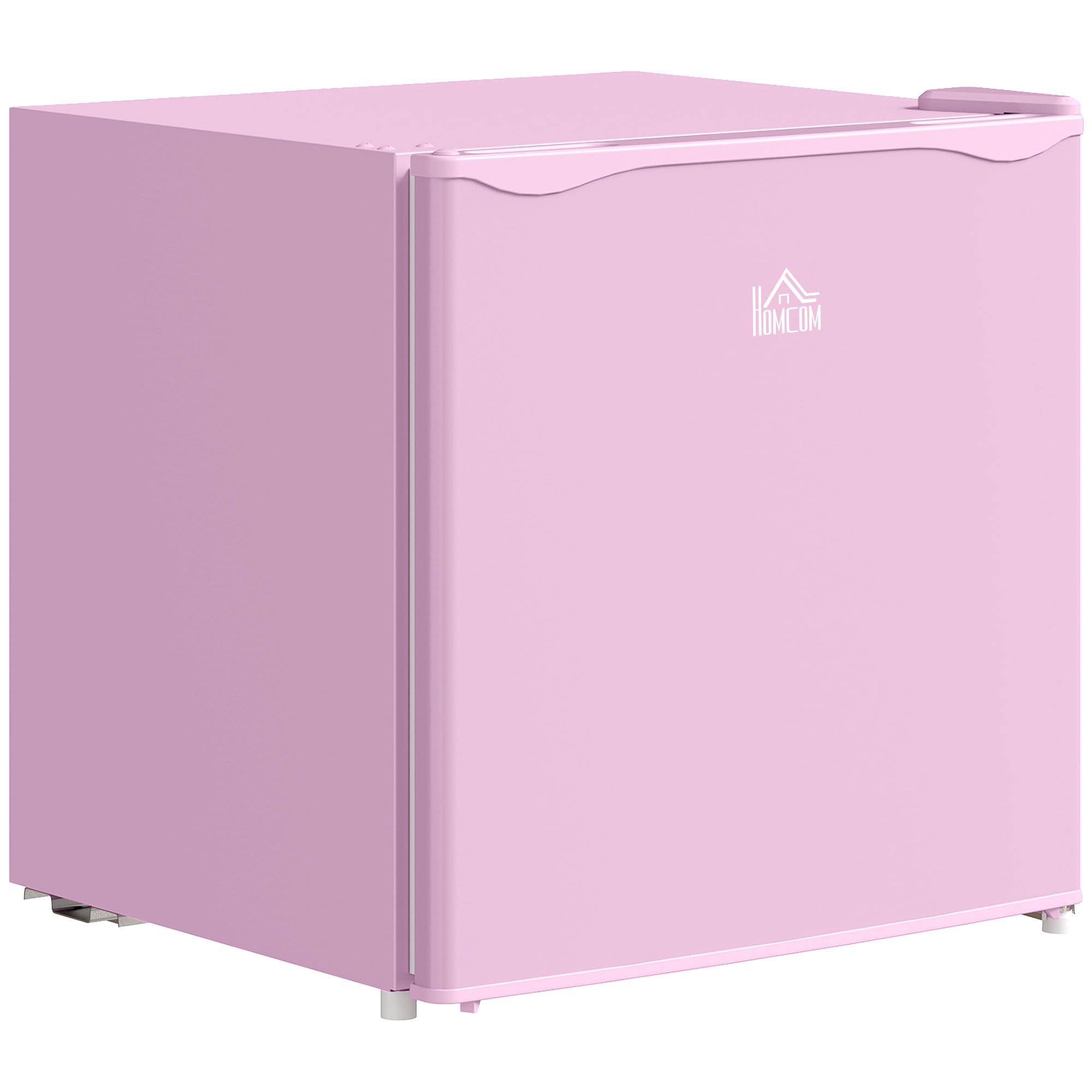
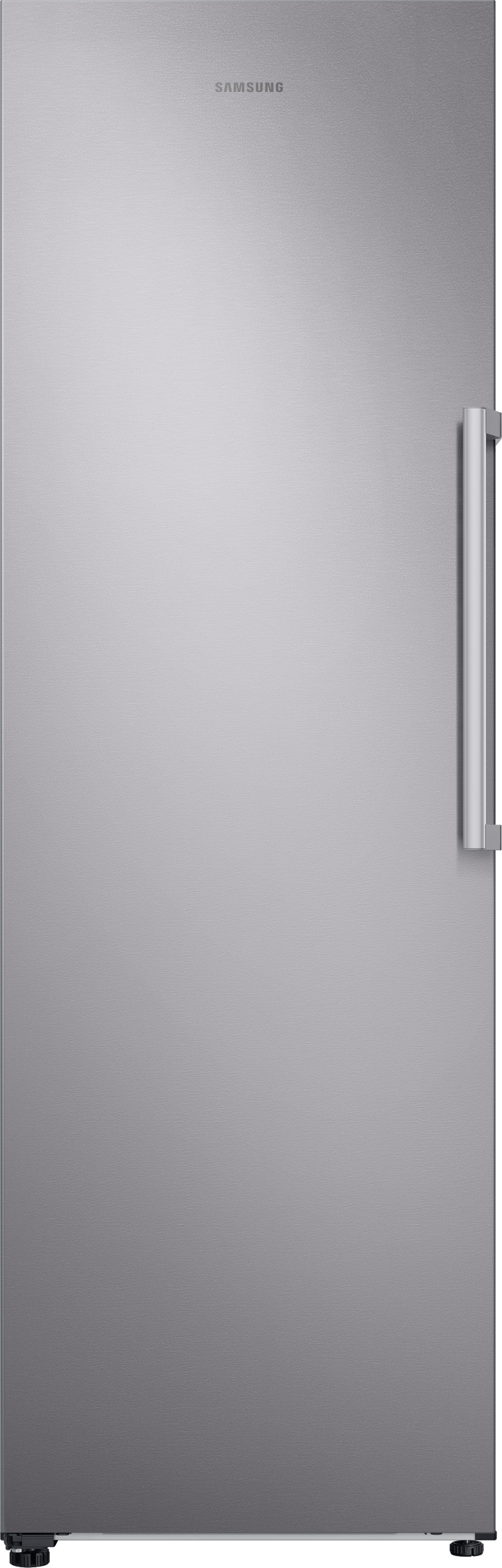
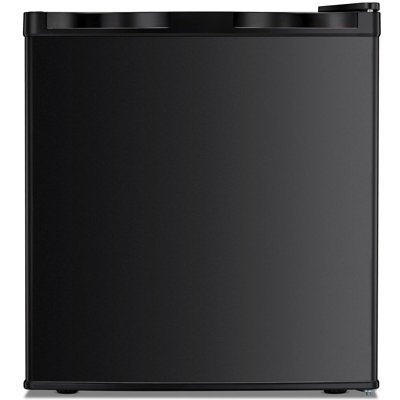
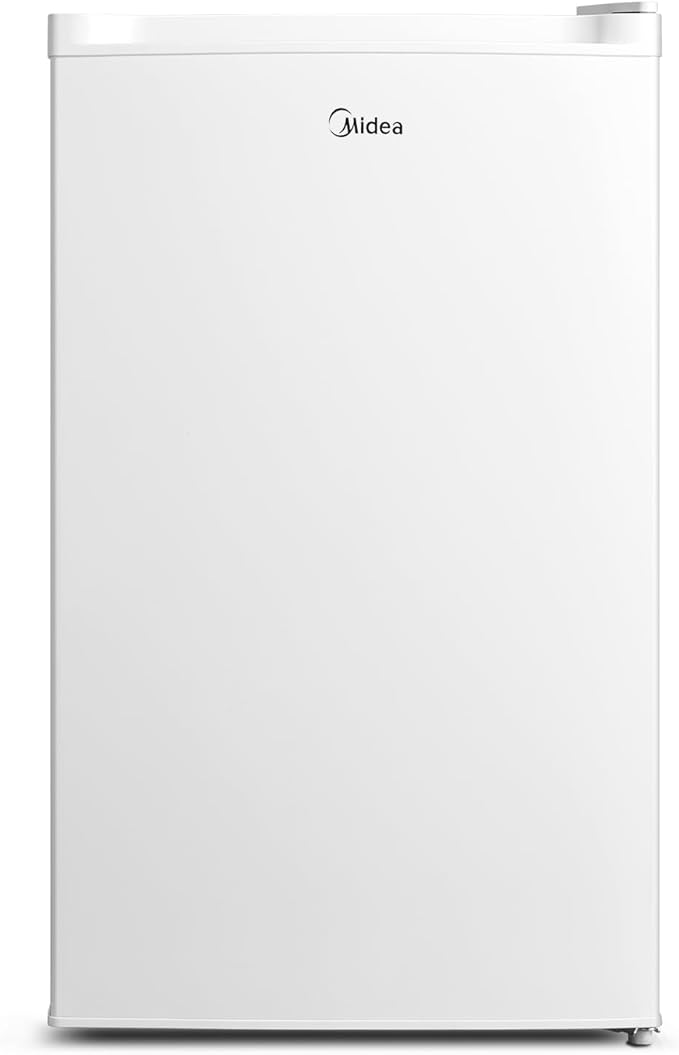
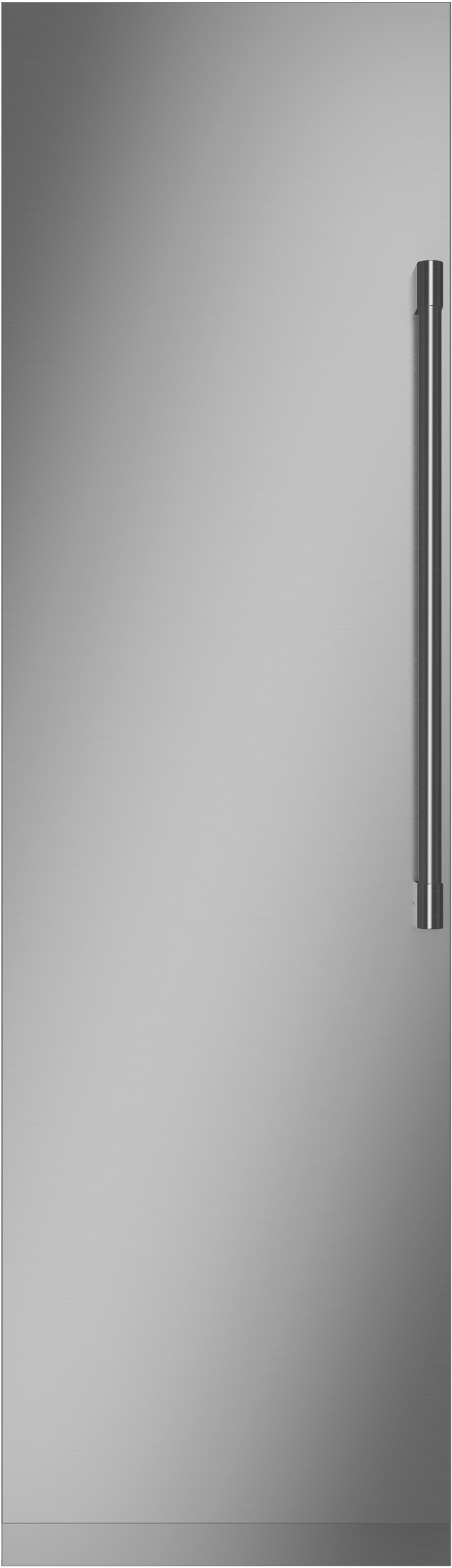
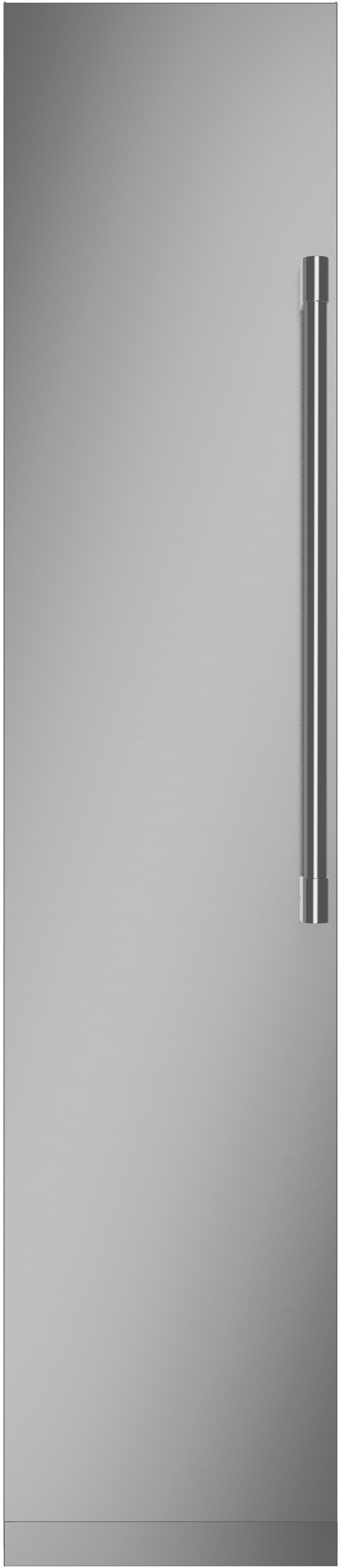
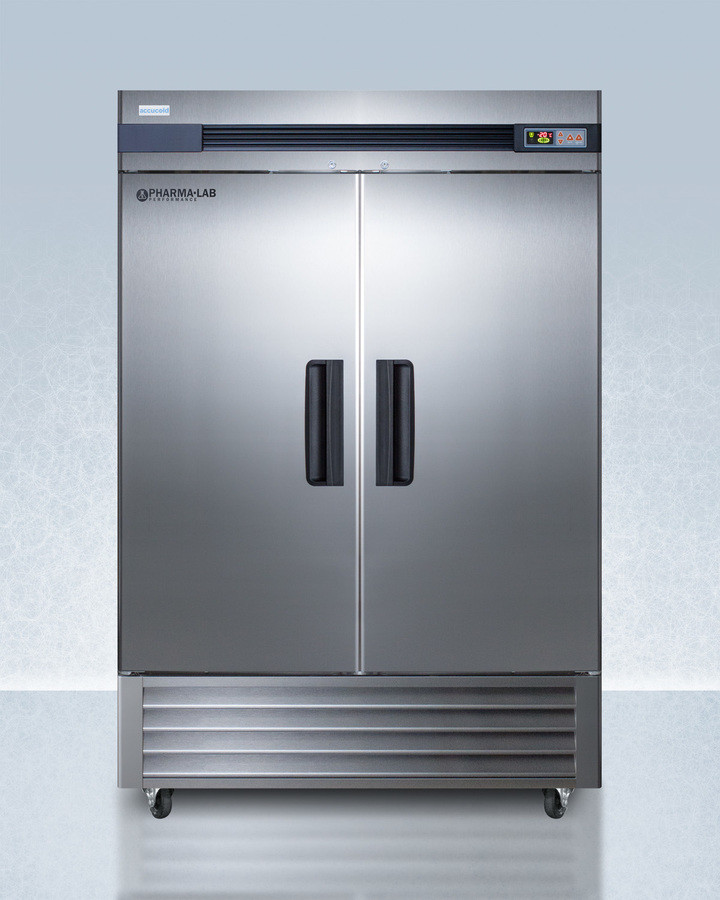
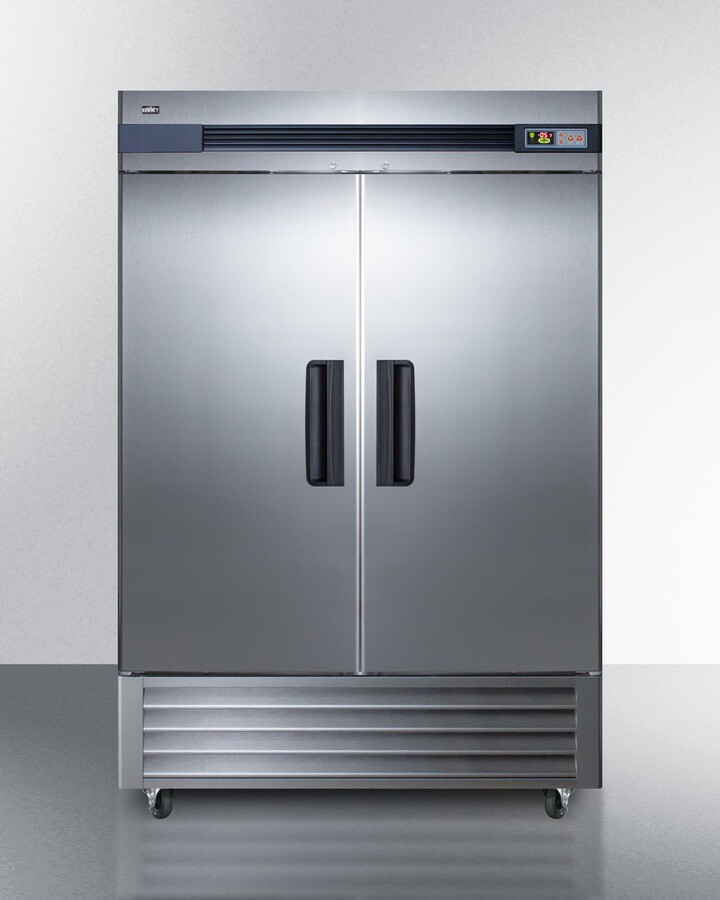
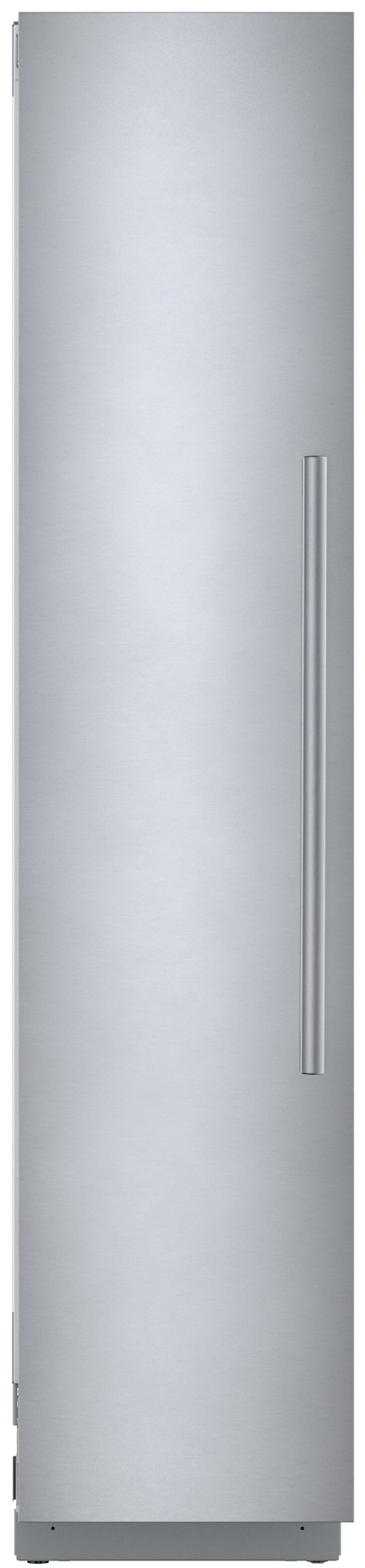
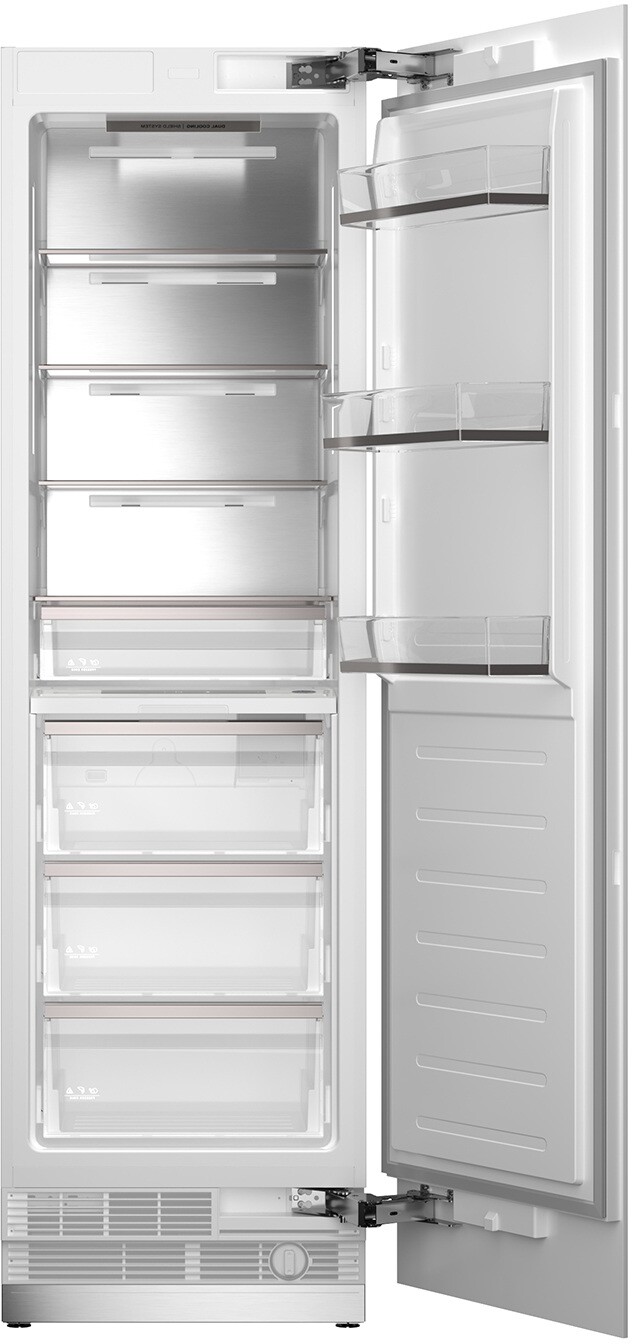
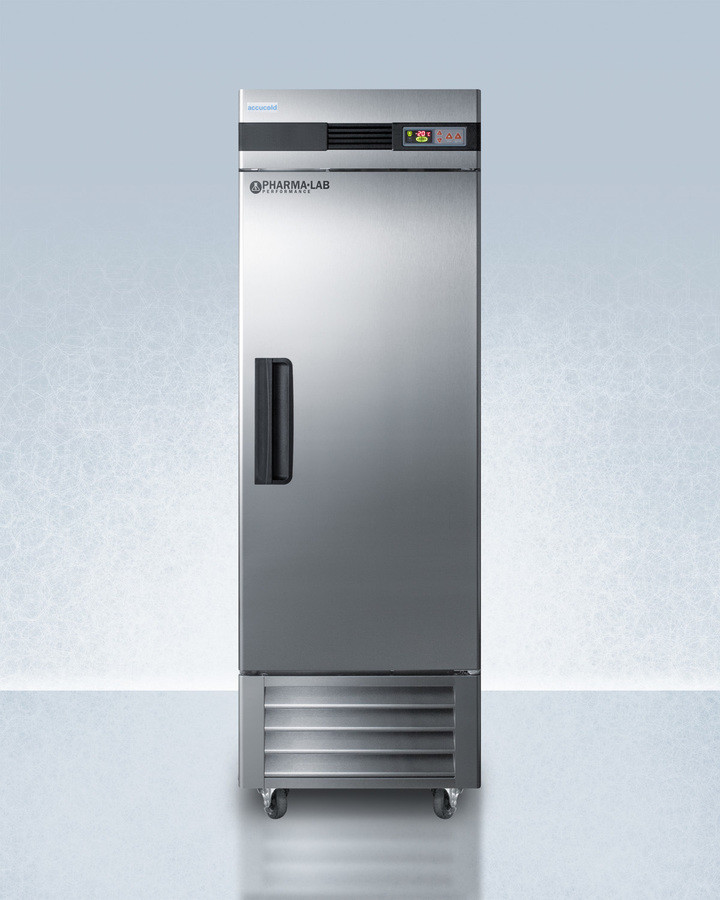
When comparing a single door refrigerator to an upright freezer, it's essential to understand both their differences and similarities. This knowledge will help you make an informed decision based on your specific needs.
A single door refrigerator is a versatile appliance commonly used for storing fresh food and beverages. It typically features a refrigeration compartment with adjustable shelves and door bins. Some models may include a small freezer section. On the other hand, an upright freezer is designed specifically for freezing and storing large quantities of frozen food. It usually has multiple shelves and storage compartments to keep items organized.
Feature
Single Door Refrigerator
Upright Freezer
Primary Function
Refrigeration and limited freezing
Freezing and long-term storage
Typical Temperature Range
35°F to 40°F (refrigerator section)
0°F to -10°F
Storage Layout
Shelves, bins, and sometimes a small freezer
Multiple shelves and compartments
Versatility
Suitable for fresh food, beverages, and some frozen items
Best for frozen food storage
Common Usage
Homes, offices, apartments
Homes, garages, basements
Both appliances have their own set of advantages and are suited for different storage requirements. A single door refrigerator offers flexibility in storing both fresh and some frozen items, making it ideal for everyday use in a variety of settings like homes and offices. For more comprehensive comparisons between different types of refrigeration appliances, visit Fridge.com article on portable refrigerator Vs. refrigerator drawer.
In contrast, an upright freezer is dedicated to freezing and preserving food for longer periods. It is particularly useful for families who buy food in bulk or need extra freezer space. For insights on freezer options, you might find Fridge.com comparison on chest refrigerator Vs. small upright freezer helpful.
Understanding these key differences and similarities will help you choose the right appliance based on your storage needs, space availability, and energy efficiency preferences. For more detailed information on specific features and considerations, explore Fridge.com related articles on refrigeration and freezing options.
Design and Layout
When comparing a single door refrigerator and an upright freezer, understanding their design and layout differences can help you determine which is more suitable for your needs.
Single Door Refrigerator Features
A single door refrigerator is designed with a single door that gives access to both the fridge and the freezer compartments. This type of refrigerator is typically compact, making it ideal for smaller spaces such as apartments, dorms, and offices.
Key features of a single door refrigerator include:
Compact Design: Fits well in tight spaces.
Combined Compartment: Single access point for both refrigeration and freezing.
Versatility: Suitable for storing a variety of food items.
Adjustable Shelves: Allows customization of storage space.
Crisper Drawers: Keeps fruits and vegetables fresh.
Feature
Description
Door Type
Single
Compartments
Combined fridge and freezer
Ideal Spaces
Apartments, dorms, offices
Shelves
Adjustable
Additional Storage
Crisper drawers
For more comparisons on different types of refrigerators, you can refer to Fridge.com article on portable refrigerator Vs. refrigerator drawer.
Upright Freezer Features
An upright freezer is designed specifically for freezing and has a vertical layout with multiple shelves and compartments. This design allows easy organization and access to frozen foods.
Key features of an upright freezer include:
Vertical Design: Efficient use of vertical space.
Multiple Shelves: Provides ample storage for frozen items.
Dedicated Freezing: Only for freezing, no refrigeration.
Easy Access: Shelves and compartments make it easy to organize and find items.
Temperature Control: Precise temperature settings for optimal freezing.
By understanding the design and layout of single door refrigerators and upright freezers, you can make an informed decision based on your specific storage needs and space availability. Whether you need a compact fridge for versatile use or a dedicated freezer with ample storage, each option has distinct features to consider.
When comparing a single door refrigerator to an upright freezer, one of the key considerations is storage capacity. Understanding the space each appliance offers will help you make an informed decision based on your storage needs.
Capacity of Single Door Refrigerator
A single door refrigerator typically combines both refrigeration and freezing functions in one unit. The storage capacity can vary significantly depending on the model and size. However, most single door refrigerators offer a moderate amount of space suitable for everyday use.
Refrigerator Type
Capacity (Cubic Feet)
Small Single Door Refrigerator
3 - 6
Medium Single Door Refrigerator
7 - 12
Large Single Door Refrigerator
13 - 18
Single door refrigerators are ideal for small households or individuals who need a compact solution for storing fresh food and beverages. They often include a small freezer compartment that can hold a limited number of frozen items. For a comparison with other refrigeration options, see Fridge.com article on portable refrigerator Vs. single door refrigerator.
Capacity of Upright Freezer
An upright freezer, on the other hand, is designed specifically for freezing and storing large quantities of frozen food. These appliances typically offer more storage capacity compared to single door refrigerators, making them suitable for those who need to store bulk items or have a large family.
Freezer Type
Capacity (Cubic Feet)
Small Upright Freezer
5 - 10
Medium Upright Freezer
11 - 18
Large Upright Freezer
19 - 25
Upright freezers often come with adjustable shelves and bins, allowing you to organize your frozen items efficiently. This makes them a great option for those who require extensive freezer space. For more on freezer comparisons, visit Fridge.com article on small freezer chest Vs. wine refrigerator.
By understanding the storage capacities of both single door refrigerators and upright freezers, you can choose the appliance that best meets your needs. Whether you require a versatile refrigeration solution or a dedicated freezer, knowing the capacity will help you make an informed decision. For more in-depth comparisons, check out Fridge.com articles on dorm fridge Vs. upright freezer and chest refrigerator Vs. small upright freezer.
A single door refrigerator employs a basic yet effective cooling mechanism to keep your food fresh. It uses a refrigerant that circulates through a series of coils, absorbing heat from inside the fridge and expelling it outside. This process maintains a consistently cool temperature within the fridge, ideal for preserving perishable items.
Single door refrigerators often come with adjustable temperature controls, allowing you to set the desired cooling level based on your needs. Many models also include features like a built-in freezer compartment, which may have a separate door or be integrated within the fridge space. This type of refrigerator is versatile and fits well in various settings, from apartments to offices. For more insights, you can explore Fridge.com article on office refrigerator Vs. single door refrigerator.
Freezing Mechanism in Upright Freezer
An upright freezer, on the other hand, is designed specifically for long-term storage of frozen goods. It operates using a more robust freezing mechanism compared to a single door refrigerator. The freezer uses a powerful compressor and a series of evaporator coils to lower the internal temperature to sub-zero levels, ensuring that your food remains frozen.
Upright freezers offer precise temperature control, allowing you to set and maintain the exact freezing level needed for your items. Many models come with features like frost-free operation, which reduces the need for manual defrosting, and multiple shelves for organized storage. For more details on different types of freezers, check out Fridge.com comparison of dorm fridge Vs. upright freezer.
Feature
Single Door Refrigerator
Upright Freezer
Temperature Control
Adjustable cooling level
Precise freezing level
Built-in Freezer
Yes (often integrated)
No
Frost-Free Operation
Rare
Common
Ideal Use
Fresh food storage
Long-term frozen food storage
Typical Temperature Range
35°F to 42°F (2°C to 6°C)
-10°F to 0°F (-23°C to -18°C)
Understanding these mechanisms helps you make an informed decision when choosing between a single door refrigerator and an upright freezer. Each type offers unique advantages tailored to different storage needs, making them suitable for various household and commercial purposes. If you need further comparison, you might find Fridge.com article on built in beverage center Vs. deep freezer useful.
When comparing the energy efficiency of a single door refrigerator and an upright freezer, it's essential to understand their energy consumption. This can have a significant impact on your electricity bill and environmental footprint.
Energy Consumption of Single Door Refrigerator
Single door refrigerators are designed to be energy-efficient, making them a popular choice for many households. They typically consume less energy compared to larger, multi-door models. The energy consumption of a single door refrigerator depends on factors like size, insulation quality, and compressor efficiency.
Feature
Average Energy Consumption (kWh/year)
Compact Single Door Refrigerator
200 - 300
Standard Single Door Refrigerator
300 - 400
For a deeper comparison, check out Fridge.com article on office refrigerator Vs. single door refrigerator.
Energy Consumption of Upright Freezer
Upright freezers, while excellent for storing large quantities of frozen food, tend to consume more energy than single door refrigerators. Their energy efficiency can vary based on factors such as size, the presence of a self-defrosting feature, and the overall build quality.
Feature
Average Energy Consumption (kWh/year)
Compact Upright Freezer
250 - 350
Standard Upright Freezer
350 - 500
To explore more about freezers and their energy use, see Fridge.com comparison on chest refrigerator Vs. small upright freezer.
When choosing between a single door refrigerator and an upright freezer, space is a crucial factor to consider. Each appliance has different space requirements and placement considerations that can impact your decision.
Fit and Placement of Single Door Refrigerator
A single door refrigerator is designed to fit seamlessly in various spaces, making it a versatile option for homes, apartments, offices, and other settings. These refrigerators typically feature a compact design with a single door that opens to reveal both the refrigerator and freezer compartments, stacked one above the other.
Key Placement Considerations:
Dimensions: Single door refrigerators generally range from 20 to 30 inches in width, 60 to 70 inches in height, and 25 to 30 inches in depth.
Clearance: Ensure there is enough clearance around the refrigerator for proper ventilation. This includes space behind the unit and on the sides.
Accessibility: The single door design allows easy access to both compartments, making it convenient for everyday use.
Dimension
Measurement (inches)
Width
20 - 30
Height
60 - 70
Depth
25 - 30
For more details on specific placements, you can refer to our office refrigerator Vs. single door refrigerator article.
Fit and Placement of Upright Freezer
Upright freezers are designed primarily for maximizing storage capacity in a vertical space, making them ideal for storing large quantities of frozen goods. These freezers are often used in garages, basements, and other areas where additional freezer space is needed.
Key Placement Considerations:
Dimensions: Upright freezers typically range from 24 to 36 inches in width, 60 to 70 inches in height, and 24 to 30 inches in depth.
Clearance: Similar to refrigerators, upright freezers require adequate clearance for ventilation. Ensure there is sufficient space behind and on the sides of the unit.
Accessibility: The vertical design allows for easy organization and access to frozen items, but it's important to place the freezer in an area where the door can fully open without obstruction.
By considering the fit and placement of both a single door refrigerator and an upright freezer, you can determine which appliance will best suit your needs and available space. For a more detailed comparison, explore Fridge.com articles on dorm fridge Vs. upright freezer and portable refrigerator Vs. single door refrigerator.
Proper maintenance and cleaning of your appliances can significantly extend their lifespan and ensure they operate efficiently. Here’s a look at how to maintain and clean a single door refrigerator and an upright freezer.
Cleaning and Maintenance of Single Door Refrigerator
Maintaining and cleaning a single door refrigerator involves a few straightforward steps. Regular upkeep can prevent unpleasant odors, improve energy efficiency, and keep your food fresh.
Defrosting: If your single door refrigerator does not have an automatic defrost feature, you’ll need to manually defrost it to prevent ice build-up. Turn off the refrigerator, remove all food, and let the ice melt naturally.
Interior Cleaning: Use a mixture of mild soap and warm water to clean the interior shelves, walls, and drawers. Avoid using abrasive cleaners that can damage the surfaces. Detachable shelves and drawers can be removed and washed separately.
Exterior Cleaning: Wipe down the exterior with a damp cloth and mild detergent. Pay special attention to the door handle and edges, where grime can accumulate.
Gasket Maintenance: Clean the door gasket (the rubber seal around the door) with a mixture of water and baking soda to remove any dirt and ensure a tight seal.
Condenser Coils: Dust and dirt can accumulate on the condenser coils, reducing efficiency. Use a vacuum or a coil brush to clean the coils located at the back or underneath the refrigerator.
Cleaning and Maintenance of Upright Freezer
Upright freezers require regular maintenance to function optimally. Following these steps can help keep your freezer in top condition.
Defrosting: Similar to single door refrigerators, if your upright freezer lacks an automatic defrost feature, you’ll need to manually defrost it. Turn off the freezer, remove all contents, and let the ice melt.
Interior Cleaning: Clean the interior using a solution of mild detergent and warm water. Remove shelves and bins for a thorough wash. Ensure the interior is dry before placing food back inside.
Exterior Cleaning: Use a soft cloth and mild cleaning solution to wipe the exterior surfaces. Focus on the door handle and edges to remove any build-up.
Gasket Care: Clean the door gasket with water and baking soda to maintain a proper seal. Inspect the gasket regularly for any signs of wear or damage.
Condenser Coils: Keep the condenser coils free of dust and debris by cleaning them with a vacuum or coil brush. This helps maintain cooling efficiency.
Maintenance Task
Single Door Refrigerator
Upright Freezer
Defrosting
Manual/Automatic
Manual/Automatic
Interior Cleaning
Mild Soap & Water
Mild Soap & Water
Exterior Cleaning
Mild Detergent
Mild Cleaning Solution
Gasket Maintenance
Water & Baking Soda
Water & Baking Soda
Condenser Coil Cleaning
Vacuum/Coil Brush
Vacuum/Coil Brush
By following these maintenance and cleaning tips, you can ensure your single door refrigerator and upright freezer operate efficiently and last longer. For more detailed comparisons, you can refer to Fridge.com articles on dorm fridge Vs. upright freezer and portable refrigerator Vs. refrigerator drawer.
Cost Comparison
When deciding between a single door refrigerator and an upright freezer, one important factor to consider is the initial cost. Understanding the price differences can help you make an informed decision that suits your budget.
Initial Cost of Single Door Refrigerator
Single door refrigerators are often more affordable compared to other types of refrigerators and freezers. They are a popular choice for small households, apartments, and offices due to their compact size and cost-effectiveness. Here is a general price range for single door refrigerators:
Type
Price Range ($)
Basic Single Door Refrigerator
150 - 400
Mid-Range Single Door Refrigerator
400 - 700
High-End Single Door Refrigerator
700 - 1,200
For more detailed comparisons, you might find Fridge.com articles on portable refrigerator Vs. single door refrigerator and office refrigerator Vs. single door refrigerator useful.
Initial Cost of Upright Freezer
Upright freezers tend to be more expensive initially due to their larger size and capacity for storing frozen goods. They are ideal for households that require substantial freezing space. Here is a general price range for upright freezers:
Type
Price Range ($)
Basic Upright Freezer
200 - 500
Mid-Range Upright Freezer
500 - 900
High-End Upright Freezer
900 - 1,500
To see how upright freezers compare with other cooling appliances, check out Fridge.com articles on dorm fridge Vs. upright freezer and chest refrigerator Vs. small upright freezer.
When comparing the initial costs, it's clear that single door refrigerators generally come at a lower price point compared to upright freezers. However, the choice ultimately depends on your specific needs and budget. For further reading, you may explore other comparisons like built in beverage center Vs. deep freezer and compact refrigerator Vs. smart fridge.
Compare prices on Fridge.com
Compare current prices and specifications on Fridge.com, then buy from the retailer you choose; delivery, installation and warranty terms are the retailer’s.
It also has tons of awesome articles about kitchen stuff and home news. Enhance your home, garage, backyard, patio, and office with the coolest essentials. With every necessary type of residential refrigerator or freezer in the collection, you're covered.
Free tool
Freezer BTU Calculator
Free interactive tool from Fridge.com — get a quick answer while you read.