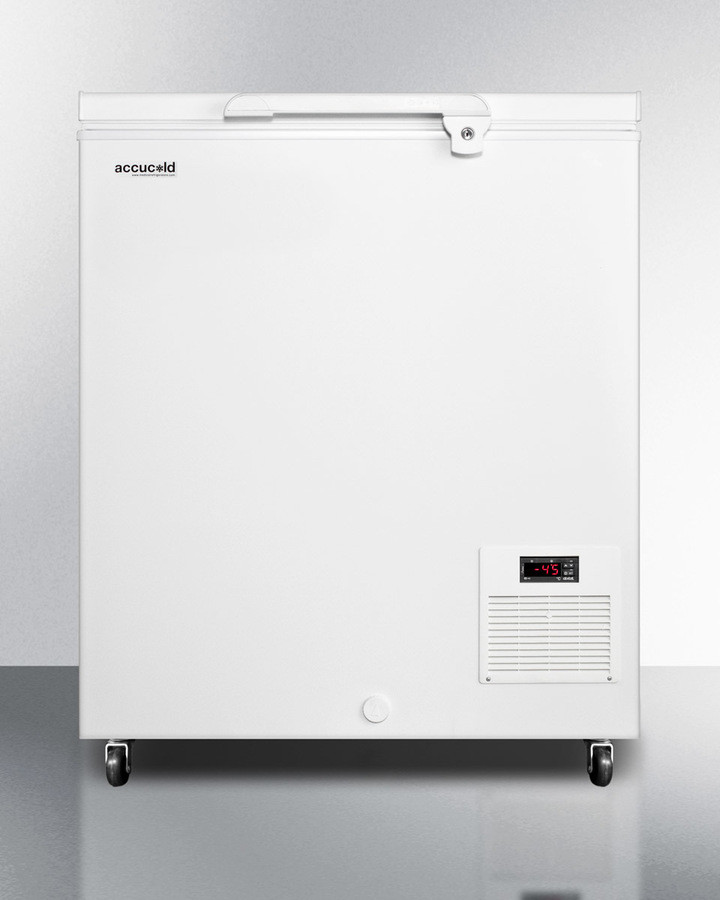
When deciding between a single door refrigerator and a small chest freezer, it's essential to understand the basics of each appliance. Each has its own advantages and is suited for different needs and spaces.
Understanding the Basics
A single door refrigerator is a versatile appliance that typically combines both a refrigerator and a freezer compartment within a single door unit. This type of refrigerator is ideal for individuals seeking a compact and efficient solution for both cooling and freezing needs. It's commonly used in smaller kitchens, apartments, and offices due to its space-saving design.
Feature
Single Door Refrigerator
Compartments
Combined fridge and freezer
Usage
General food storage, beverages
Common Areas
Kitchen, apartment, office
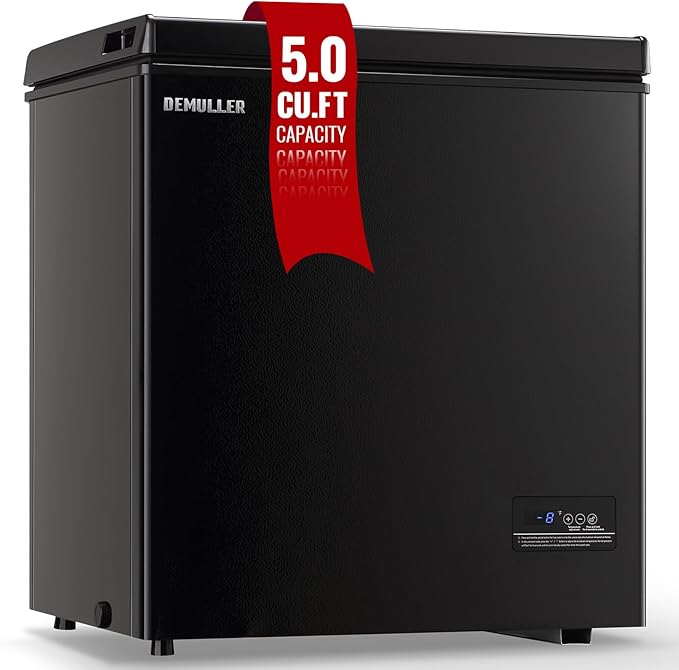
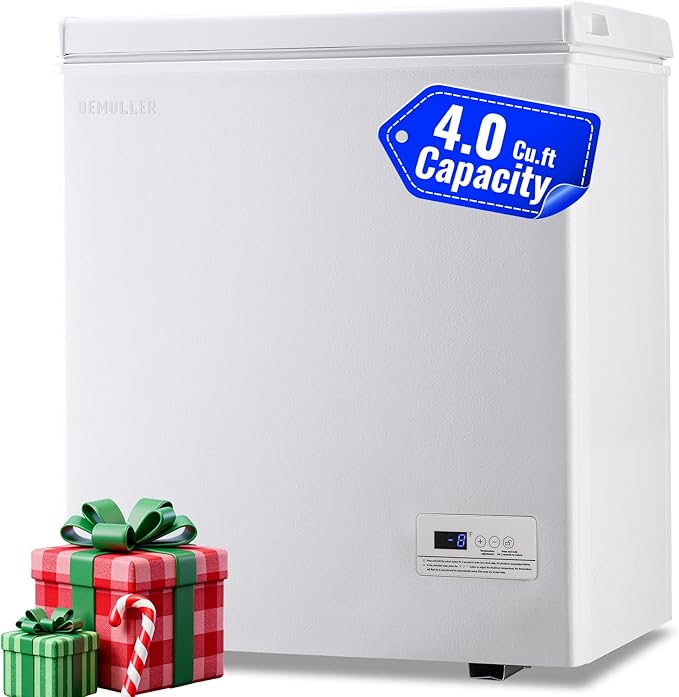
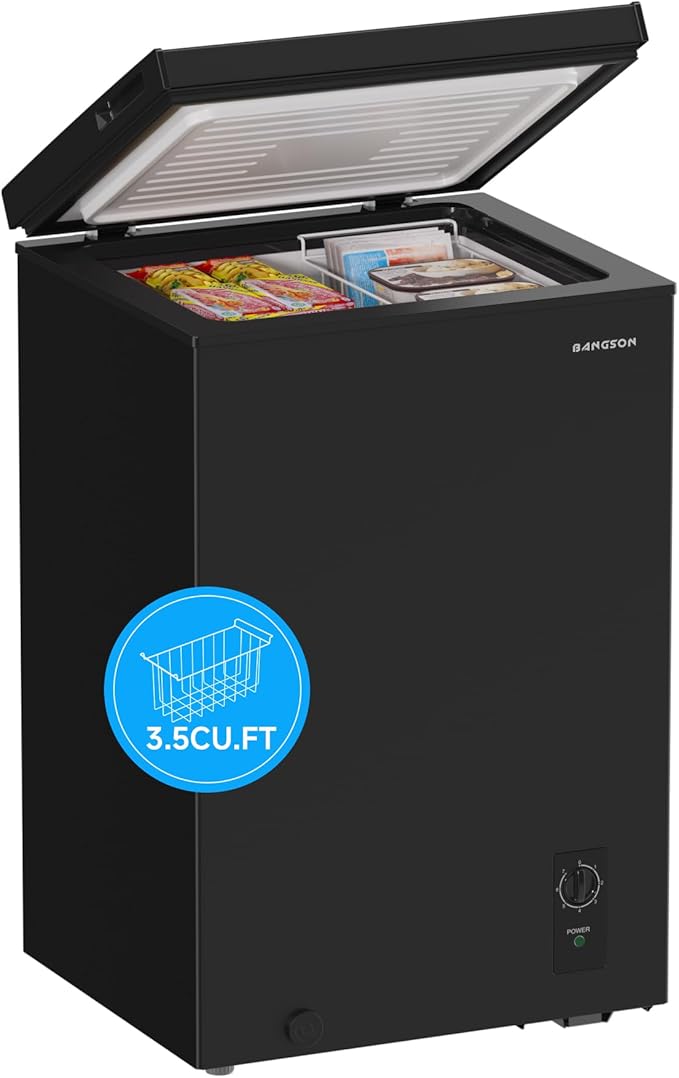
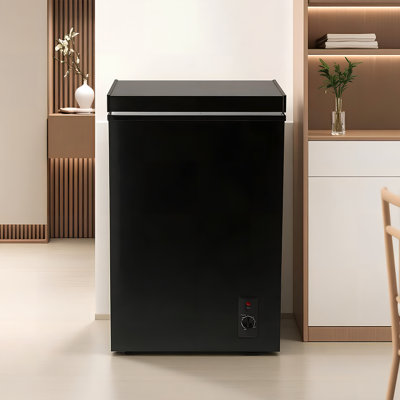
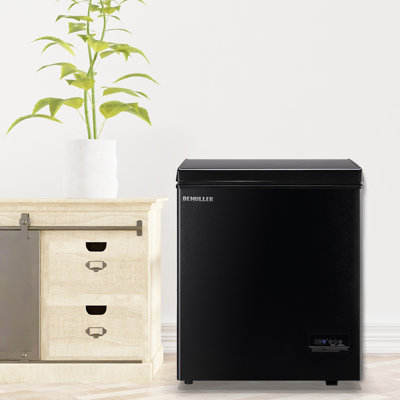
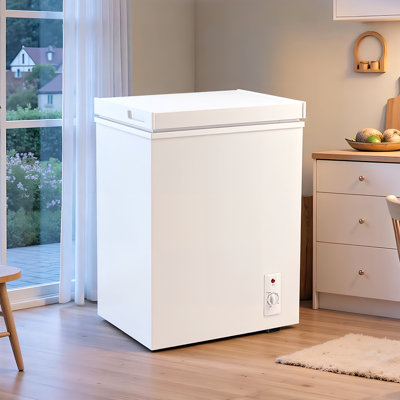
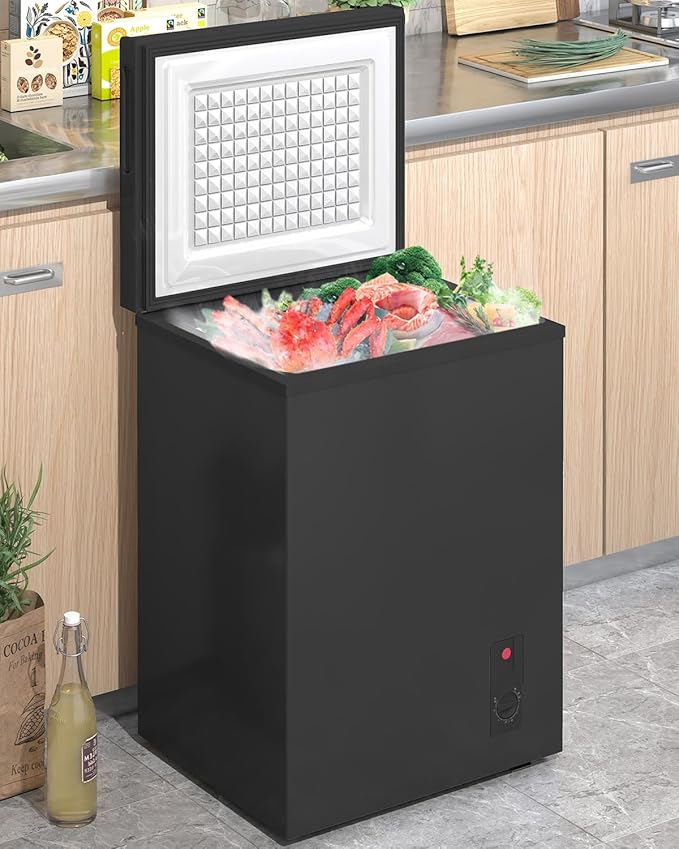
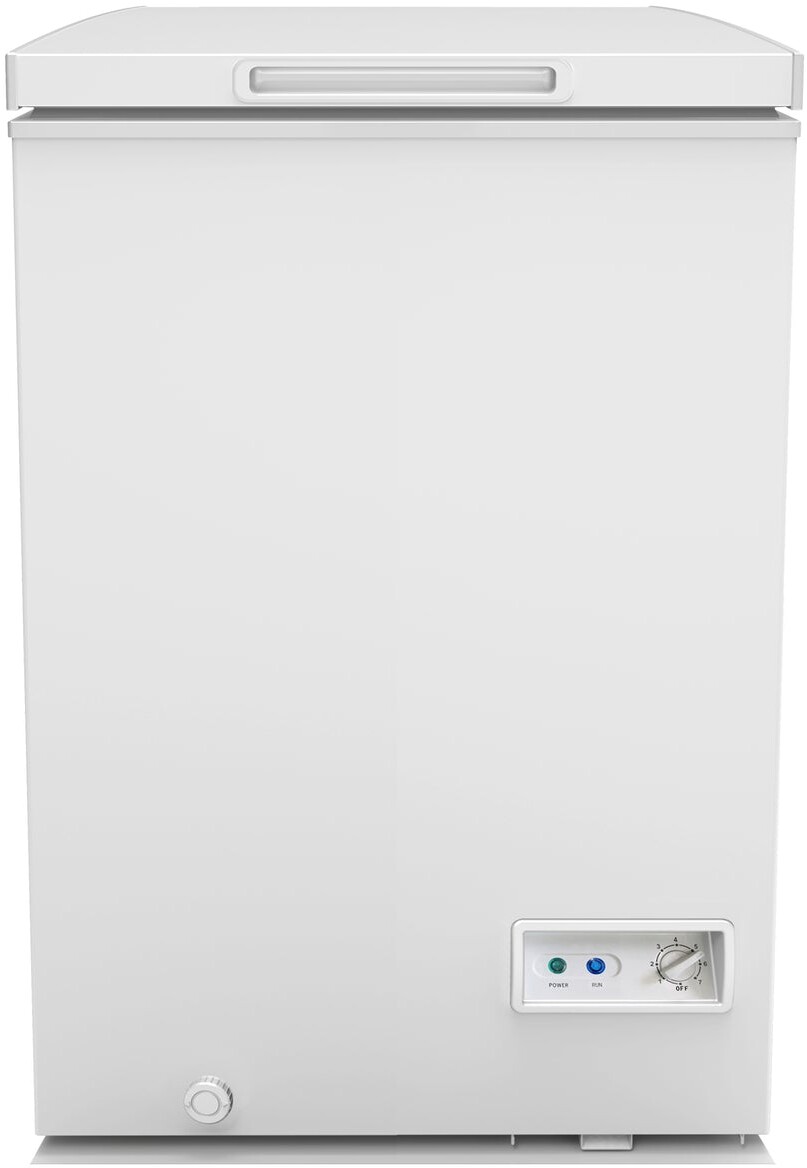
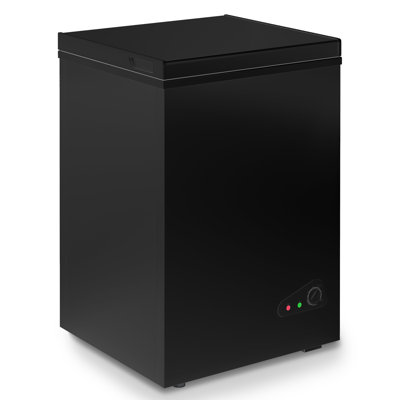
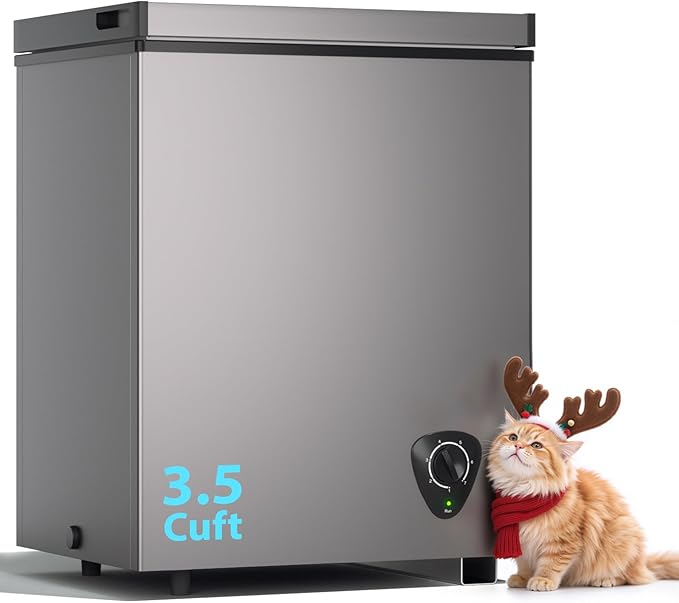
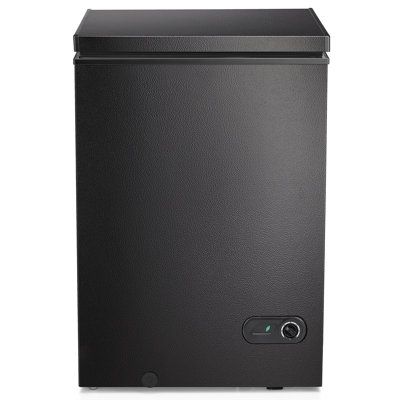
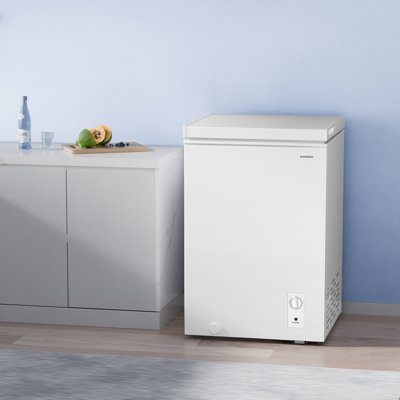
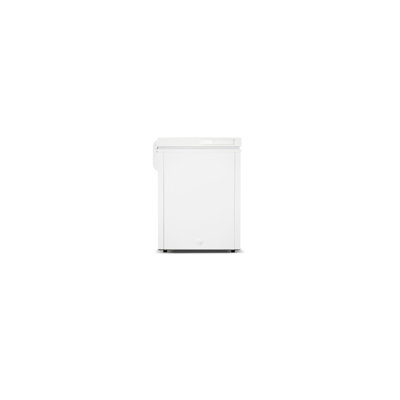
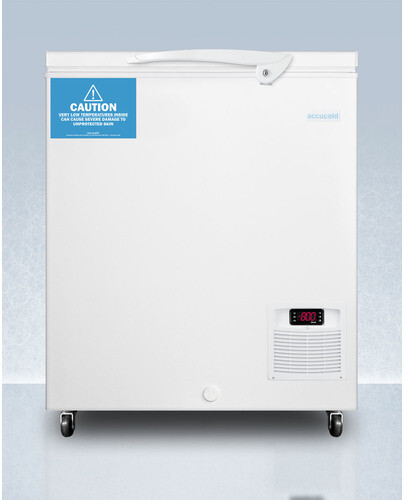
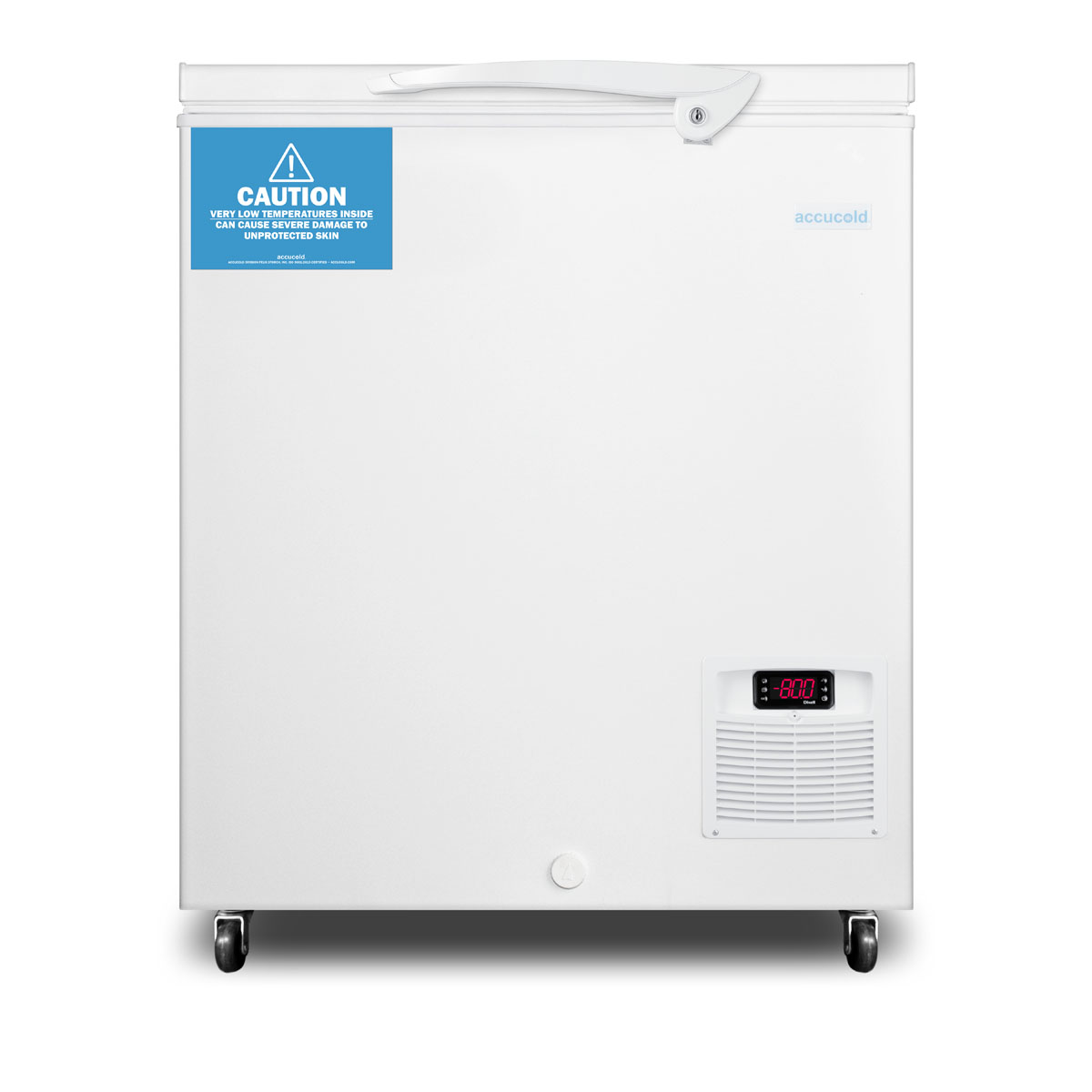
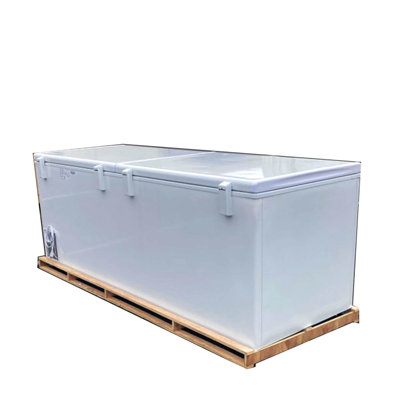
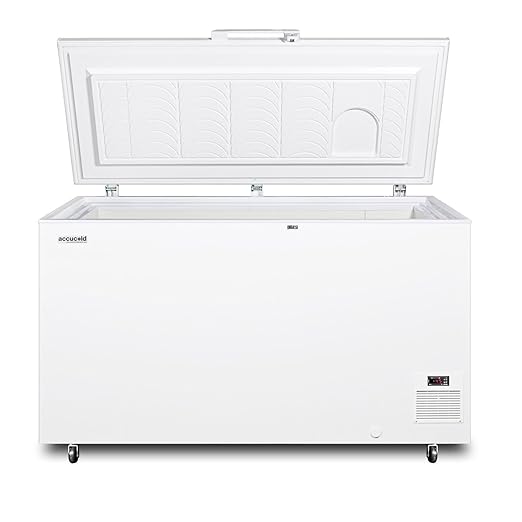
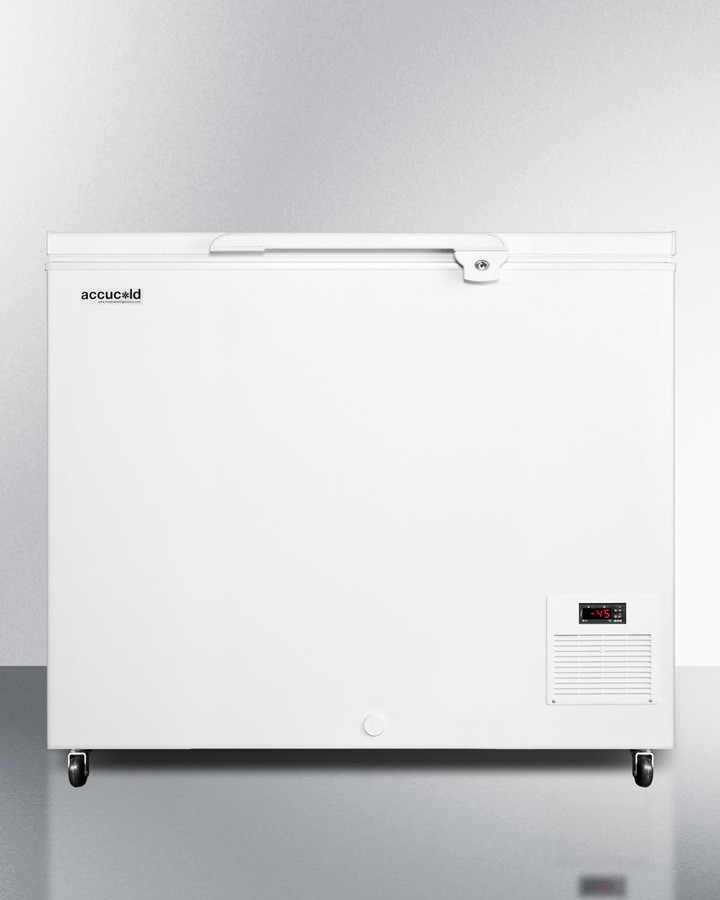
A small chest freezer, on the other hand, is designed specifically for freezing large quantities of food. This type of freezer provides ample storage space for bulk items, making it a popular choice for larger families, those who buy in bulk, or individuals who require additional freezing capacity beyond their primary refrigerator. Small chest freezers are often used in basements, garages, and utility rooms.
Understanding the strengths and limitations of each appliance will help you make an informed decision that best suits your lifestyle and storage needs. For more options, you can explore Fridge.com comparison of a mini fridge with freezer Vs. small chest freezer.
When comparing the capacity and storage options of a single door refrigerator versus a small chest freezer, it's important to understand their differences. Each appliance serves unique purposes and caters to different storage needs.
Single Door Refrigerator Capacity
A single door refrigerator offers a balanced combination of refrigeration and freezer space, making it suitable for everyday use. It typically includes shelves, door bins, and a crisper drawer for organizing various food items.
Feature
Single Door Refrigerator
Total Capacity
9 - 18 cubic feet
Refrigerator Compartment
6 - 12 cubic feet
Freezer Compartment
3 - 6 cubic feet
Single door refrigerators are ideal for storing fresh produce, dairy, beverages, and a limited amount of frozen items. Their compact size makes them perfect for smaller living spaces such as apartments, condos, and offices. For more comparisons, check out Fridge.com article on humidor refrigerator Vs. single door refrigerator.
Small Chest Freezer Capacity
Small chest freezers are designed for maximizing freezer space and are excellent for bulk storage of frozen goods. These freezers have a larger capacity dedicated solely to freezing, providing ample room for meats, vegetables, and other frozen items.
Feature
Small Chest Freezer
Total Capacity
5 - 15 cubic feet
Usable Freezer Space
5 - 15 cubic feet
Small chest freezers are particularly useful for those who need additional freezer space beyond what a standard refrigerator offers. They are ideal for families, hunters, or anyone who buys food in bulk. For more insights, read Fridge.com article on mini fridge with freezer Vs. small chest freezer.
Understanding the capacity and storage capabilities of both appliances helps you make an informed decision based on your specific needs. Whether you require a balanced refrigeration and freezing option or a dedicated freezer for bulk storage, assessing your storage requirements will guide you towards the right choice. For further comparisons, explore Fridge.com articles on convertible refrigerator Vs. top freezer refrigerator and medium size refrigerator Vs. standard refrigerator size.
Organization and Accessibility
When comparing a single door refrigerator and a small chest freezer, it's important to consider their interior layout and how it affects organization and accessibility.
Interior Layout of Single Door Refrigerator
Single door refrigerators typically feature a vertical layout with multiple shelves and compartments. This design allows for easy organization and access to different types of food and beverages. The shelves are usually adjustable, enabling you to customize the space according to your storage needs.
Feature
Description
Shelves
Adjustable, usually made of glass or plastic
Drawers
Crisper drawers for fruits and vegetables
Door Bins
Multiple bins for bottles, jars, and smaller items
Freezer Compartment
Often located at the top or within the main compartment
The vertical design makes it easy to see and reach items without much effort. This layout is particularly beneficial for households that require frequent access to a variety of perishable and non-perishable items. For more information on different refrigerator designs, check out Fridge.com article on medium size refrigerator Vs. standard refrigerator size.
Interior Layout of Small Chest Freezer
Small chest freezers, on the other hand, have a horizontal layout that can present unique organizational challenges. Unlike the vertical orientation of single door refrigerators, chest freezers require more strategic planning to keep items accessible.
Feature
Description
Baskets
Removable baskets for organizing smaller items
Dividers
Often included to create separate zones within the freezer
Depth
Deep storage space, which can make it difficult to reach items at the bottom
Lid
Opens from the top, requiring overhead clearance
The horizontal design of a chest freezer can make it harder to access items at the bottom without removing those on top. However, the use of baskets and dividers can help mitigate this issue, allowing for better organization. For more tips on utilizing small freezers, visit Fridge.com article on mini fridge with freezer Vs. small chest freezer.
When deciding between a single door refrigerator and a small chest freezer, consider how you plan to organize and access your stored items. Each option has its own set of advantages and challenges, making it important to choose the one that best fits your lifestyle and needs. For further comparisons, explore Fridge.com article on convertible refrigerator Vs. top freezer refrigerator.
When comparing a single door refrigerator and a small chest freezer, energy efficiency is a crucial factor to consider. Each appliance has its own energy consumption patterns, which can impact your electricity bill and environmental footprint.
Energy Consumption of Single Door Refrigerator
A single door refrigerator is designed to maintain a consistent temperature, ensuring that your food stays fresh and safe. However, it consumes a certain amount of electricity to achieve this.
Appliance
Average Annual Energy Consumption (kWh)
Single Door Refrigerator
300 - 500
The energy consumption of a single door refrigerator can vary based on several factors, including its size, age, and features. Modern refrigerators tend to be more energy-efficient due to advancements in technology. For more on energy-efficient options, you may find Fridge.com article on energy efficient refrigerator Vs. freestanding beverage center useful.
Energy Consumption of Small Chest Freezer
A small chest freezer, on the other hand, is specifically designed for freezing and storing food items for an extended period. It operates differently from a refrigerator and has distinct energy usage characteristics.
Appliance
Average Annual Energy Consumption (kWh)
Small Chest Freezer
200 - 400
Small chest freezers generally consume less electricity compared to single door refrigerators. This is primarily because freezers maintain a lower temperature and do not need to cycle on and off as frequently. If you are looking into other freezer options, Fridge.com comparison of mini fridge with freezer Vs. small chest freezer might be helpful.
Understanding the energy consumption of each appliance can help you make an informed decision based on your specific needs and preferences. For additional comparisons, check out Fridge.com article on compact freezer Vs. medium size refrigerator.
When comparing a single door refrigerator and a small chest freezer, understanding their temperature control and features is essential. This section will help you determine which appliance better suits your needs.
Temperature Control in Single Door Refrigerator
Single door refrigerators offer a range of temperature control features to keep your food fresh. These appliances typically come with adjustable thermostats, allowing you to set the temperature according to your preferences. Commonly, refrigerators have separate temperature settings for the fridge and freezer compartments, ensuring optimal storage conditions for different types of food.
Feature
Description
Adjustable Thermostat
Allows precise temperature control
Separate Temperature Settings
Different settings for fridge and freezer compartments
Auto Defrost
Prevents ice buildup in the freezer section
For more details on various refrigerator types, explore Fridge.com article on humidor refrigerator Vs. single door refrigerator.
Temperature Control in Small Chest Freezer
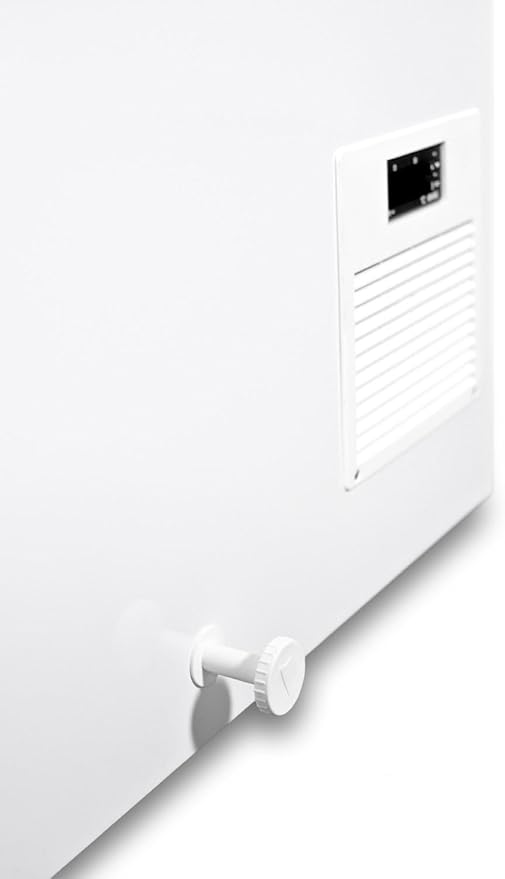
Small chest freezers are designed to maintain consistent low temperatures, ideal for long-term storage of frozen goods. They usually feature a manual thermostat, which lets you adjust the temperature to meet your freezing needs. Unlike refrigerators, chest freezers often have a single temperature zone, making them straightforward to use.
Feature
Description
Manual Thermostat
Simple temperature adjustment
Consistent Low Temperatures
Maintains a stable freezing environment
Manual Defrost
Requires periodic defrosting to maintain efficiency
If you're considering other compact freezer options, check out Fridge.com comparison on compact freezer Vs. medium size refrigerator.
By understanding the temperature control and features of single door refrigerators and small chest freezers, you can make an informed decision based on your storage needs and preferences. For further insights into appliance comparisons, read more about mini fridge with freezer Vs. small chest freezer.
Installation and Space Requirements
When deciding between a single door refrigerator and a small chest freezer, it's crucial to consider the space requirements and installation needs for each appliance.
Space Considerations for Single Door Refrigerator
A single door refrigerator is a versatile choice that can fit into various living spaces, including apartments, homes, and offices. These refrigerators are designed to be compact yet spacious enough to store essential food items. Here are some key points to consider:
Dimensions: Single door refrigerators typically range from 24 to 30 inches in width, 60 to 70 inches in height, and 28 to 34 inches in depth.
Placement: They require a dedicated space with adequate ventilation around the unit. Ensure there is at least 1 to 2 inches of clearance on the sides and back for proper airflow.
Accessibility: Ideal for placing in kitchens, pantry areas, or even garages. The upright design allows for easy access to stored items without much bending or reaching.
Feature
Measurement
Width
24 - 30 inches
Height
60 - 70 inches
Depth
28 - 34 inches
Clearance (Sides/Back)
1 - 2 inches
For more on different refrigerator sizes, visit Fridge.com comparison of medium size refrigerator Vs. standard refrigerator size.
Space Considerations for Small Chest Freezer
A small chest freezer is an excellent option for those needing additional freezer space without taking up too much room. These freezers are particularly useful for storing bulk items and can be placed in various locations, including basements, garages, and utility rooms. Here are some considerations:
Dimensions: Small chest freezers typically measure between 25 to 40 inches in width, 30 to 35 inches in height, and 20 to 25 inches in depth.
Placement: They require a horizontal space, with enough room to open the lid fully. Ensure there is at least 3 to 4 inches of clearance around the unit for proper ventilation.
Accessibility: Suitable for basements, garages, or utility rooms. The top-opening design means items at the bottom may be harder to reach, so consider how often you need to access stored goods.
Feature
Measurement
Width
25 - 40 inches
Height
30 - 35 inches
Depth
20 - 25 inches
Clearance (Sides/Back)
3 - 4 inches
For more information on small freezers, check out Fridge.com article on mini fridge with freezer Vs. small chest freezer.
Considering these space requirements will help you determine which appliance suits your needs best. Whether you're leaning towards a single door refrigerator or a small chest freezer, ensure you measure your available space carefully and account for the necessary clearance to maintain efficiency and functionality.
Proper maintenance and cleaning of your appliances are essential to ensure their longevity and optimal performance. Let's explore the cleaning and maintenance requirements for both single door refrigerators and small chest freezers.
Cleaning and Maintenance of Single Door Refrigerator
Keeping your single door refrigerator clean and well-maintained is crucial for its efficiency and hygiene. Here's a step-by-step guide to help you:
Unplug the Refrigerator: Always unplug the appliance before cleaning to ensure safety.
Remove Contents: Take out all the food items and store them in a cooler or another refrigerator if necessary.
Remove Shelves and Drawers: Take out removable shelves and drawers for thorough cleaning.
Clean the Interior: Use a mixture of mild detergent and warm water to clean the inside surfaces. Avoid using harsh chemicals.
Clean Shelves and Drawers: Wash the shelves and drawers with the same mild detergent solution.
Wipe Down the Exterior: Clean the exterior with a damp cloth and mild detergent.
Vacuum the Coils: Dust and debris can accumulate on the coils, making the refrigerator work harder. Vacuum the coils at least twice a year.
Check Door Seals: Ensure the door seals are clean and not damaged. Replace if necessary to maintain efficiency.
Task
Frequency
Interior Cleaning
Monthly
Shelves and Drawers Cleaning
Monthly
Coil Vacuuming
Bi-annually
Door Seal Inspection
Annually
For more information on maintaining refrigerators, you can visit Fridge.com comparison articles such as humidor refrigerator Vs. single door refrigerator and medium size refrigerator Vs. standard refrigerator size.
Cleaning and Maintenance of Small Chest Freezer
Maintaining a small chest freezer involves a few different steps compared to a refrigerator. Here's how you can keep your chest freezer in top condition:
Unplug the Freezer: Always unplug before cleaning to ensure safety.
Remove Contents: Transfer the frozen items to another freezer or use coolers to keep them frozen.
Defrost the Freezer: If your freezer has a manual defrost, allow the ice to melt. You can place towels around the base to soak up water.
Clean the Interior: Use a solution of mild detergent and warm water to clean the inside. Avoid harsh chemicals.
Clean the Exterior: Wipe down the exterior with a damp cloth and mild detergent.
Inspect the Seal: Check the door seal for cleanliness and integrity. Replace if damaged.
Check the Drain: Ensure the drain (if present) is clear and functioning properly.
Task
Frequency
Interior Cleaning
Quarterly
Defrosting
Bi-annually
Exterior Cleaning
Quarterly
Seal Inspection
Annually
For more tips on maintaining freezers, you can refer to Fridge.com articles such as mini fridge with freezer Vs. small chest freezer and compact freezer Vs. medium size refrigerator.
Understanding the maintenance and cleaning requirements of both appliances helps you make an informed decision in the single door refrigerator Vs. small chest freezer debate. Proper care ensures that your appliance runs efficiently and lasts longer.
Compare prices on Fridge.com
Compare current prices and specifications on Fridge.com, then buy from the retailer you choose; delivery, installation and warranty terms are the retailer’s.
It also has tons of awesome articles about kitchen stuff and home news. Enhance your home, garage, backyard, patio, and office with the coolest essentials. With every necessary type of residential refrigerator or freezer in the collection, you're covered.
Free tool
Freezer BTU Calculator
Free interactive tool from Fridge.com — get a quick answer while you read.