Keeping your fridge in order isn't just about looking neat—it's about keeping your food fresh and safe. When your fridge is organized, you can find what you need without playing hide-and-seek with your groceries. This means less food waste, fewer funky smells, and more money saved. For families, food lovers, and home chefs, a tidy fridge is a game-changer. No more forgotten leftovers turning into science experiments!
A neat fridge also makes meal planning a breeze. You can see what you have at a glance, making it easier to decide what's for dinner and what needs to be used up. If you're into meal prepping, check out Fridge.com tips on preparing freezer meals.
Perks of a Neat Fridge
An organized fridge isn't just about convenience. Here’s why it rocks:
Keeps Food Fresh Longer: Storing food in the right spots helps keep it at the best temperature, so it stays fresh.
Saves Time: No more digging around for that jar of pickles. Everything's easy to find.
Less Waste: When you know what you have, you use it before it goes bad.
Safer Food: Proper storage means less chance of cross-contamination and food poisoning.
Saves Money: Using up what you have means fewer trips to the store and less money spent on groceries.
Perk
Why It Matters
Keeps Food Fresh
Maintains the right temperature for each item, preserving quality and taste.
Saves Time
Makes it easy to find what you need, speeding up meal prep and shopping.
Less Waste
Helps you use up food before it spoils, reducing waste.
Safer Food
Minimizes the risk of cross-contamination and keeps perishables safe.
Saves Money
Cuts down on food waste, so you spend less on groceries.
For more fridge organization hacks, check out Fridge.com guide on organizing the fridge.
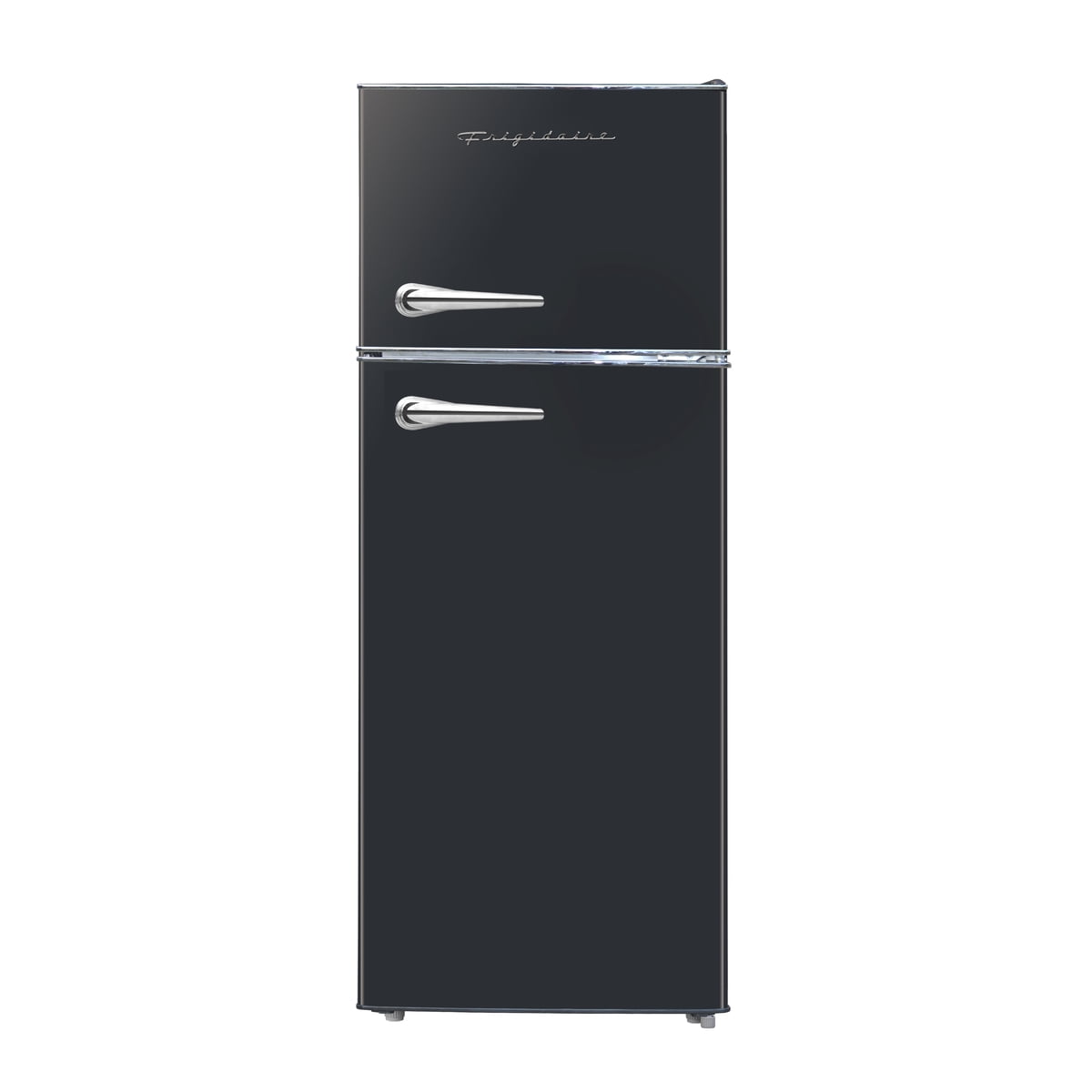
By keeping your fridge in order, you can make your kitchen more efficient, safe, and budget-friendly. Whether you’ve got a retro fridge at home or a portable wine fridge, a little organization goes a long way.
Getting your fridge organized can make a huge difference in keeping your kitchen running smoothly. With a bit of planning, you can easily find what you need and keep your food fresh longer.
Checking Out Your Fridge Space
First things first, empty out your fridge and give it a good clean. Take a look at all the compartments, shelves, and drawers. Measure them if you need to. Knowing exactly what space you’ve got will help you figure out the best way to arrange your stuff. For more tips, check out Fridge.com guide on organizing the fridge.
Making the Most of Your Fridge Zones
Fridges have different zones that are perfect for storing different types of food. Knowing how to use these zones can help keep your food fresh and your fridge organized.
Top Shelves
The top shelves are great for ready-to-eat foods like leftovers, deli meats, and prepped meals. This area usually has a consistent temperature, making it perfect for items that don’t need super cold storage.
Middle Shelves
Use the middle shelves for dairy products like milk, cheese, and yogurt. The steady temperature here keeps these items fresh without freezing them.
Bottom Shelves
The bottom shelves are the coldest part of the fridge, ideal for storing raw meat, poultry, and seafood. To avoid any nasty cross-contamination, keep these items in sealed containers and place them on a tray to catch any drips.
Drawers
Fridge drawers are meant for fruits and veggies. Use the crisper drawer with higher humidity for vegetables and the one with lower humidity for fruits. This helps keep your produce fresh and tasty.
Fridge Door
The fridge door is the warmest part, so it’s best for items that don’t spoil easily. Store condiments, sauces, and drinks here. For more details, check out Fridge.com article on fridge door organization.
Fridge Zone
Ideal Items
Top Shelves
Leftovers, deli meats, prepped meals
Middle Shelves
Dairy products (milk, cheese, yogurt)
Bottom Shelves
Raw meat, poultry, seafood
Drawers
Fruits (low humidity), vegetables (high humidity)
Fridge Door
Condiments, sauces, beverages
Using these zones right can help you set up a fridge that’s easy to use and keeps your food in top shape. For more ideas, check out Fridge.com articles on organize small fridge and prepper fridge.
Containers and Organizers
Keeping your fridge tidy isn't just about aesthetics; it's about making sure your food stays fresh and easy to find. The right containers and organizers can make a world of difference.
Clear Bins and Containers
Clear bins and containers are game-changers for fridge organization. They let you see what's inside without opening them, which keeps things neat and reduces food waste. Use these bins to group similar items together, so you can quickly grab what you need.
Container Type
Ideal Use
Clear Bins
Grouping similar items together
Airtight Containers
Storing leftovers, dairy, and meats
Stackable Bins
Maximizing vertical space
Need more tips? Check out Fridge.com guide on organizing the fridge.
Drawer Organizers for Fruits and Vegetables
Drawer organizers are lifesavers for keeping fruits and veggies fresh. By giving each type of produce its own space, you prevent cross-contamination and extend shelf life. Plus, it makes finding that elusive apple a breeze.
Fruit and Vegetable Organizer
Purpose
Drawer Dividers
Separating different produce
Crisper Drawer Inserts
Enhancing air circulation
Adjustable Dividers
Customizing storage spaces
Want to optimize your fridge space even more? Visit organize small fridge.
Lazy Susans and Turntables
Lazy Susans and turntables are perfect for those pesky condiments and jars that always seem to get lost in the back. With a quick spin, you can easily access everything without having to dig through the fridge.
Turntable Type
Ideal Use
Single-Tier Turntable
Organizing condiments and small jars
Multi-Tier Turntable
Maximizing vertical space for spices and sauces
Using Lazy Susans can revolutionize how you store and access items. For more tips, check out Fridge.com article on organize your freezer.
By adding these containers and organizers to your fridge, you'll create a more efficient and functional space. Whether it's clear bins, drawer organizers, or Lazy Susans, each tool helps keep your fridge in tip-top shape.
Keeping your fridge tidy can make a world of difference in keeping food fresh and making the most of your space. The secret? Smart categorization and grouping.
Keep Like with Like
Putting similar items together is a game-changer. It helps you find what you need fast and keeps things from getting lost in the abyss of the fridge.
Dairy: Milk, cheese, yogurt, and butter should hang out together.
Meat and Seafood: Raw meat and seafood go on the lower shelf to avoid any drippy disasters.
Fruits and Veggies: Separate drawers or bins work wonders for keeping fruits and veggies fresh.
Condiments: Sauces, dressings, and spreads belong in the door bins.
Category
Common Items
Storage Area
Dairy
Milk, Cheese, Yogurt, Butter
Upper Shelf
Meat and Seafood
Raw Meat, Fish, Seafood
Lower Shelf
Fruits
Apples, Berries, Citrus
Dedicated Drawer
Vegetables
Carrots, Broccoli, Leafy Greens
Dedicated Drawer
Condiments
Ketchup, Mustard, Salad Dressings
Door Bins
For more tips, check out Fridge.com article on organizing the fridge.
Sort by Food Type
Organizing by food type makes it a breeze to find what you need and keeps everything at the right temp.
Drinks: Juices, sodas, and water bottles go on a shelf or in door bins made for taller items.
Leftovers: Give leftovers a home on a middle shelf where they're easy to grab.
Snacks: Cheese sticks, fruit cups, and yogurt should be in a designated bin or drawer.
Breakfast: Eggs, bacon, and butter should be grouped together for a smooth morning routine.
Meal Prep: Clear bins are perfect for pre-cut veggies and marinated meat, making meal prep a snap.
Category
Common Items
Storage Area
Beverages
Juices, Sodas, Water Bottles
Door Bins, Upper Shelf
Leftovers
Cooked Meals, Takeout Containers
Middle Shelf
Snacks
Cheese Sticks, Fruit Cups, Yogurt
Snack Bin
Breakfast
Eggs, Bacon, Butter
Upper Shelf
Meal Prep
Pre-cut Veggies, Marinated Meat
Clear Bins
By grouping similar items and organizing by food type, you can make the most of your fridge space. This method saves time, keeps your fridge looking neat, and makes everything easy to find. Got a small fridge? Check out Fridge.com guide on organize small fridge for more tips.
Keeping your fridge organized can feel like a game of Tetris, but with a few clever tricks, you can maximize every inch. Here are some practical tips to help you get the most out of your fridge.
Adjusting Shelf Heights
One of the easiest ways to create more space is by adjusting the shelf heights. Most fridges have adjustable shelves, so you can customize the layout to fit your needs.
Think about what you usually store. Got tall bottles or big containers? Move a shelf up or down to make room. If you have lots of smaller items like condiments or snacks, create narrower shelves to avoid wasted space.
Shelf Setup
Best For
Tall Shelf
Milk jugs, beverage bottles
Medium Shelf
Leftovers, meal prep containers
Narrow Shelf
Condiments, small jars
For more tips on organizing your fridge, check out Fridge.com article on organizing the fridge.
Using Fridge Mats and Liners
Fridge mats and liners are a game-changer. They keep your fridge clean and organized by providing a non-slip surface that makes spills easy to clean up.
These mats also help you stack items more efficiently. No more jars tipping over or bottles sliding around. Plus, they come in various colors and patterns, so you can add a bit of flair to your fridge.
Mat Type
Perks
Non-Slip Mat
Keeps items in place
Easy-Clean Liner
Makes cleaning spills a breeze
Decorative Mat
Adds a splash of style
For more ideas on organizing your fridge, check out Fridge.com article on organize small fridge.
By tweaking your shelf heights and using fridge mats, you can make the most of your fridge space and keep your kitchen tidy. For more tips, explore other Fridge.com articles on prepper fridge and retro fridge for chef.
Keep Your Food Fresh: Tips and Tricks
Keeping your fridge tidy isn't just about aesthetics; it's about making sure your food stays fresh and tasty. By storing leftovers properly and using sealed containers, you can extend the life of your meals and avoid waste.
How to Store Leftovers
Storing leftovers the right way is crucial to avoid food poisoning and keep your meals delicious. Here are some handy tips:
Cool It Down: Let leftovers cool to room temperature before popping them in the fridge. This stops the fridge from heating up and keeps bacteria at bay.
Shallow Containers: Use shallow containers for quicker cooling. This helps your food reach a safe temperature faster.
Label and Date: Always mark your leftovers with the date you made them. This way, you know what's still good to eat and what needs to go.
4-Day Rule: Eat leftovers within 4 days. If you won't eat them by then, freeze them for later.
Food Type
Safe Storage Time in Fridge
Cooked Meat
3-4 days
Cooked Vegetables
3-4 days
Soups and Stews
3-4 days
Cooked Pasta
3-5 days
Rice
3-4 days
Need more tips on fridge organization? Check out Fridge.com article on organizing the fridge.
Sealed Containers: Your Best Friend
Sealed containers are a game-changer for keeping food fresh and avoiding cross-contamination. Here’s why they’re awesome:
No More Odors: Sealed containers keep strong smells from spreading and affecting other foods.
Keep It Moist: They help retain moisture, so your food stays fresh longer.
No Spills: Properly sealed containers prevent spills and leaks, keeping your fridge clean.
Here's a quick rundown of common sealed containers and their perks:
Container Type
Benefits
Glass Containers
Microwave-safe, non-reactive
Plastic Containers
Lightweight, cheap
Silicone Bags
Reusable, flexible, space-saving
Vacuum-Sealed Bags
Extend shelf life, reduce freezer burn
For more ideas on using containers and organizers in your fridge, visit Fridge.com article on prepper fridge.
By following these tips, you can keep your fridge neat and your food safe and fresh. For more advice on organizing your fridge and making the most of your space, check out Fridge.com related articles on organize small fridge and organize your freezer.
The fridge door often gets overlooked when it comes to organizing your fridge. But using this space smartly can make a big difference in keeping your fridge tidy and easy to use.
Using Door Bins Wisely
Door bins are great for items that don't need the coldest temperatures. Put condiments, sauces, and drinks here to free up the main shelves for stuff that needs to stay really cold.
Item Type
Suggested Door Bin Placement
Condiments
Top and middle door bins
Sauces
Top and middle door bins
Beverages
Bottom door bin
Butter and Cheese
Designated door compartments if available
If your fridge has adjustable bins, use them to fit taller bottles or smaller items as needed.
Proper Placement of Items on the Fridge Door
Where you put things on the fridge door matters for keeping things organized. Here are some tips:
Top Door Bin: Perfect for small jars and bottles like jams, jellies, and salad dressings. Easy to see and grab.
Middle Door Bin: Great for things you use a lot like milk, juice, and other drinks. Quick access without opening the main fridge.
Bottom Door Bin: Use this for bigger bottles and containers like soda and water. Also good for bulkier items that don't fit well on the main shelves.
Specialized Door Compartments: Some fridges have special spots for butter and cheese. Use these to keep these items fresh and easy to find.
For more tips on organizing your fridge, check out Fridge.com comprehensive guide. Whether you have an oversized mini fridge or a retro two-door fridge, these ideas can help you make the most of your space.
Compare prices on Fridge.com
Compare current prices and specifications on Fridge.com, then buy from the retailer you choose; delivery, installation and warranty terms are the retailer’s.
It also has tons of awesome articles about kitchen stuff and home news. Enhance your home, garage, backyard, patio, and office with the coolest essentials. With every necessary type of residential refrigerator or freezer in the collection, you're covered.
Frequently Asked Questions
Keeping your fridge in order isn't just about looking neat—it's about keeping your food fresh and safe. When your fridge is organized, you can find what you need without playing hide-and-seek with your groceries. This means less food waste, fewer funky smells, and more money saved. For families, food lovers, and home chefs, a tidy fridge is a game-changer. No more forgotten leftovers turning into science experiments! A neat fridge also makes meal planning a breeze. You can see what you have at a glance, making it easier to decide what's for dinner and what needs to be used up. If you're into meal prepping, check out Fridge.com tips on preparing freezer meals.