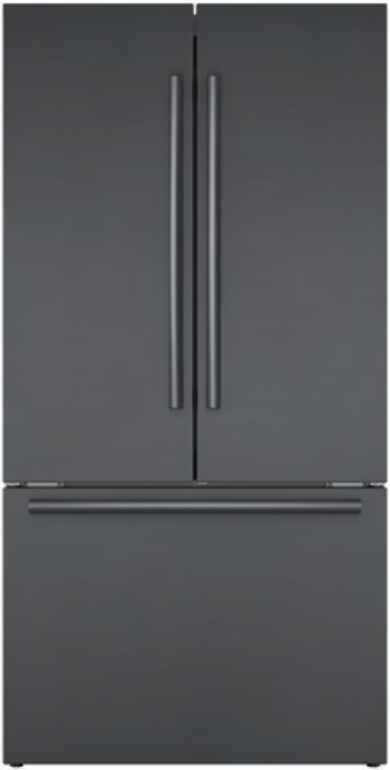
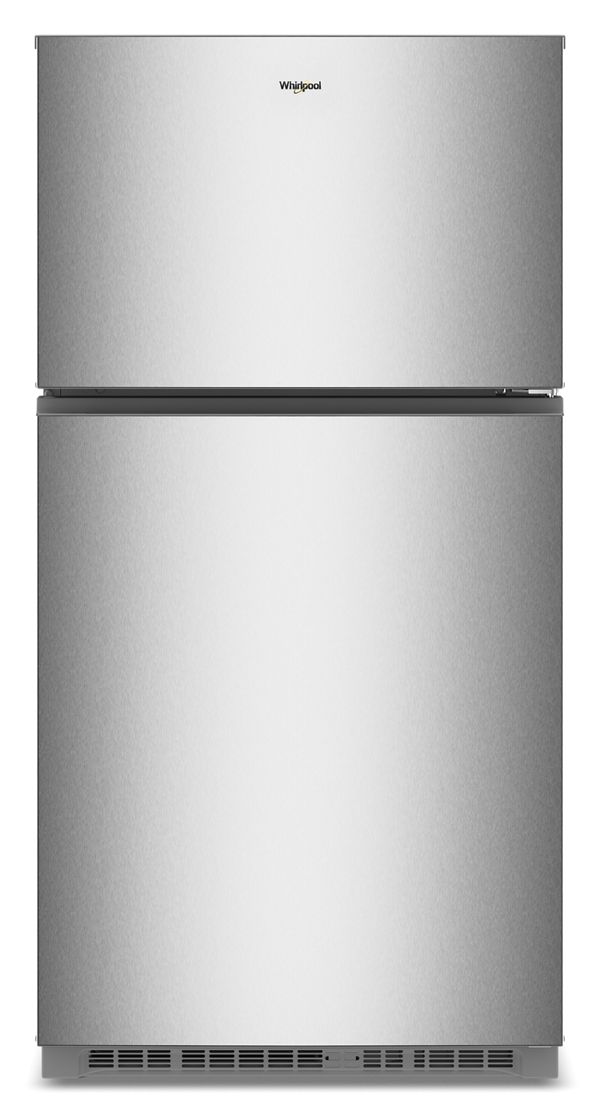
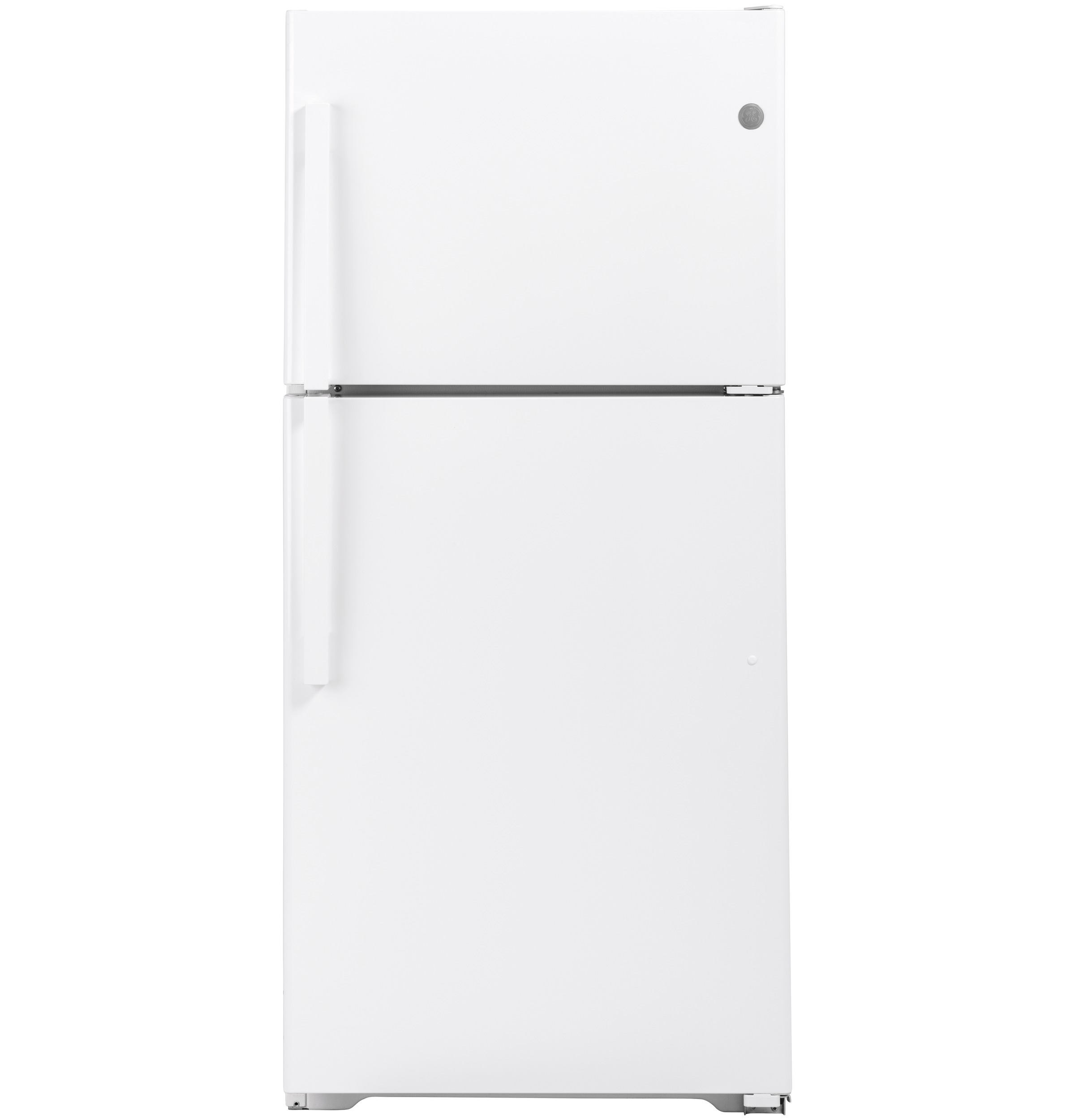
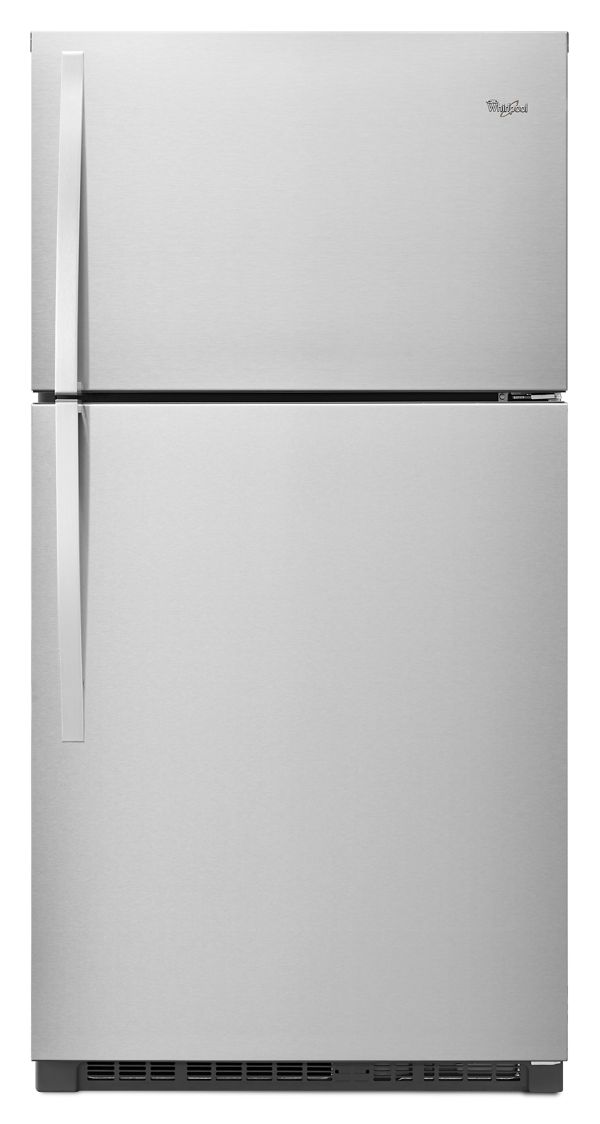
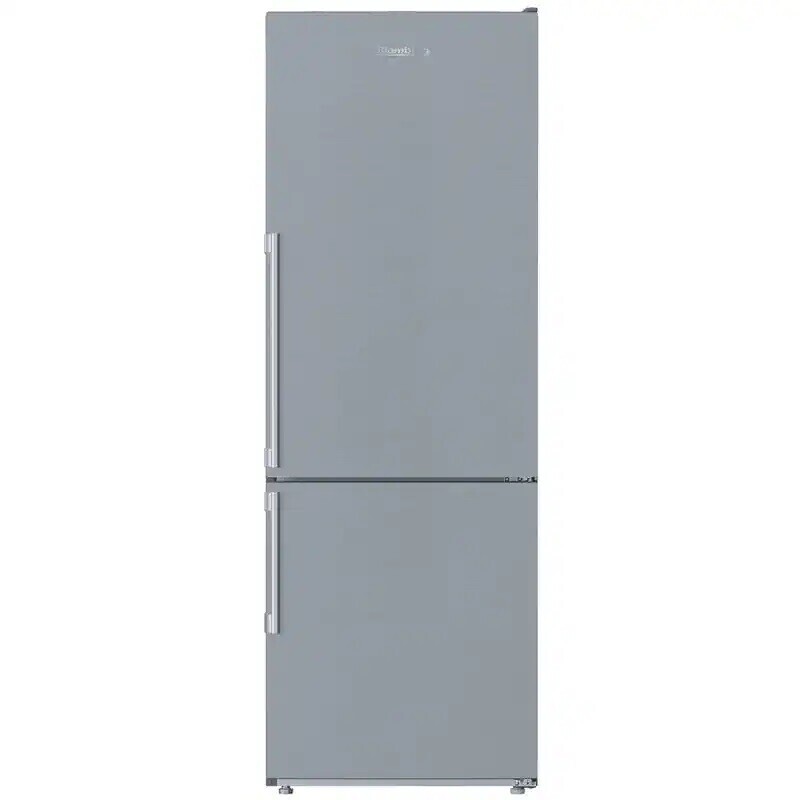
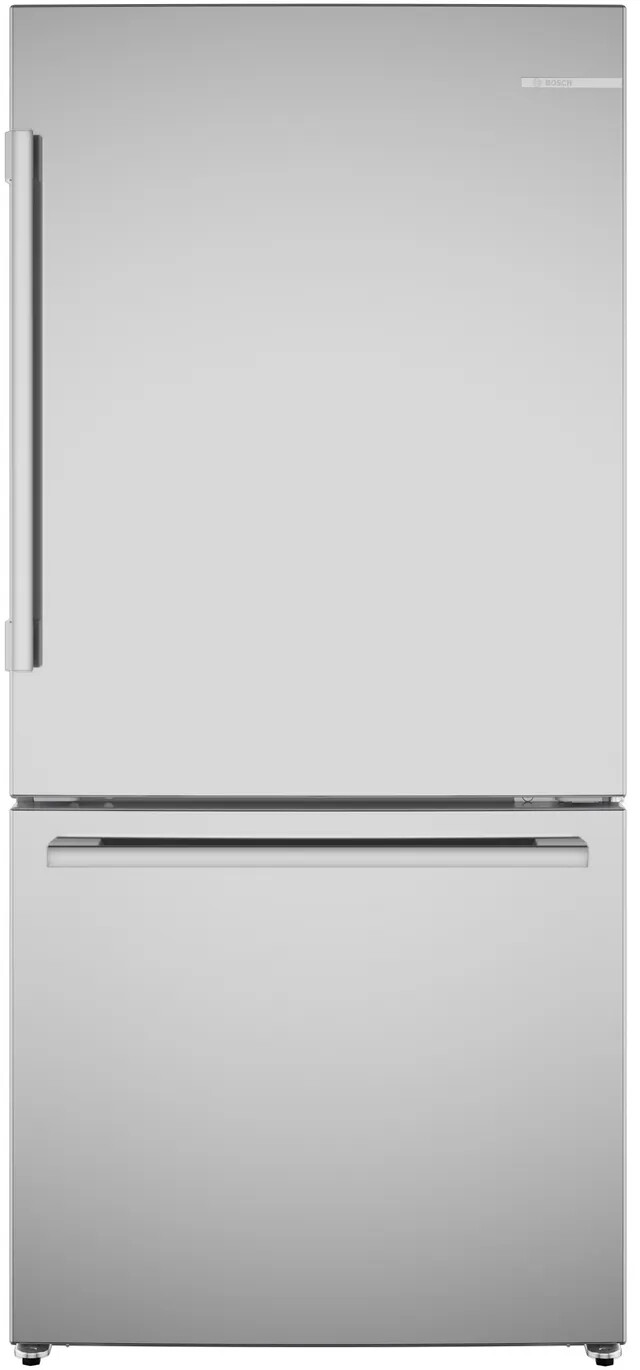
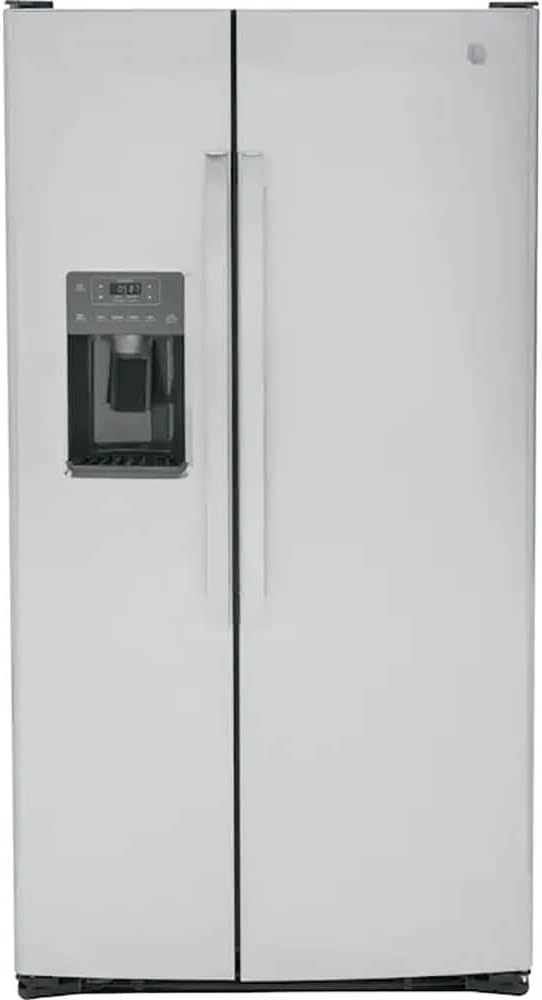
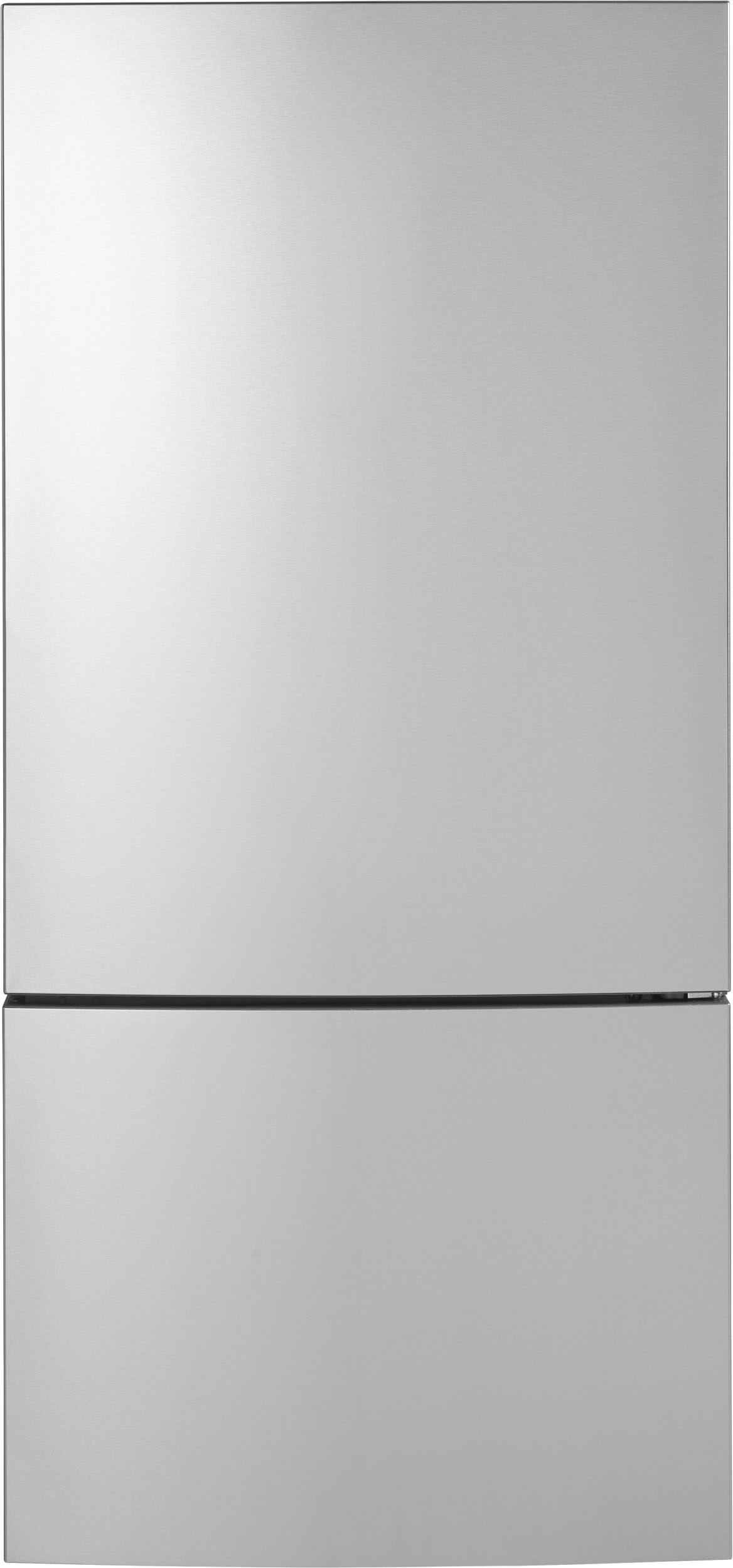
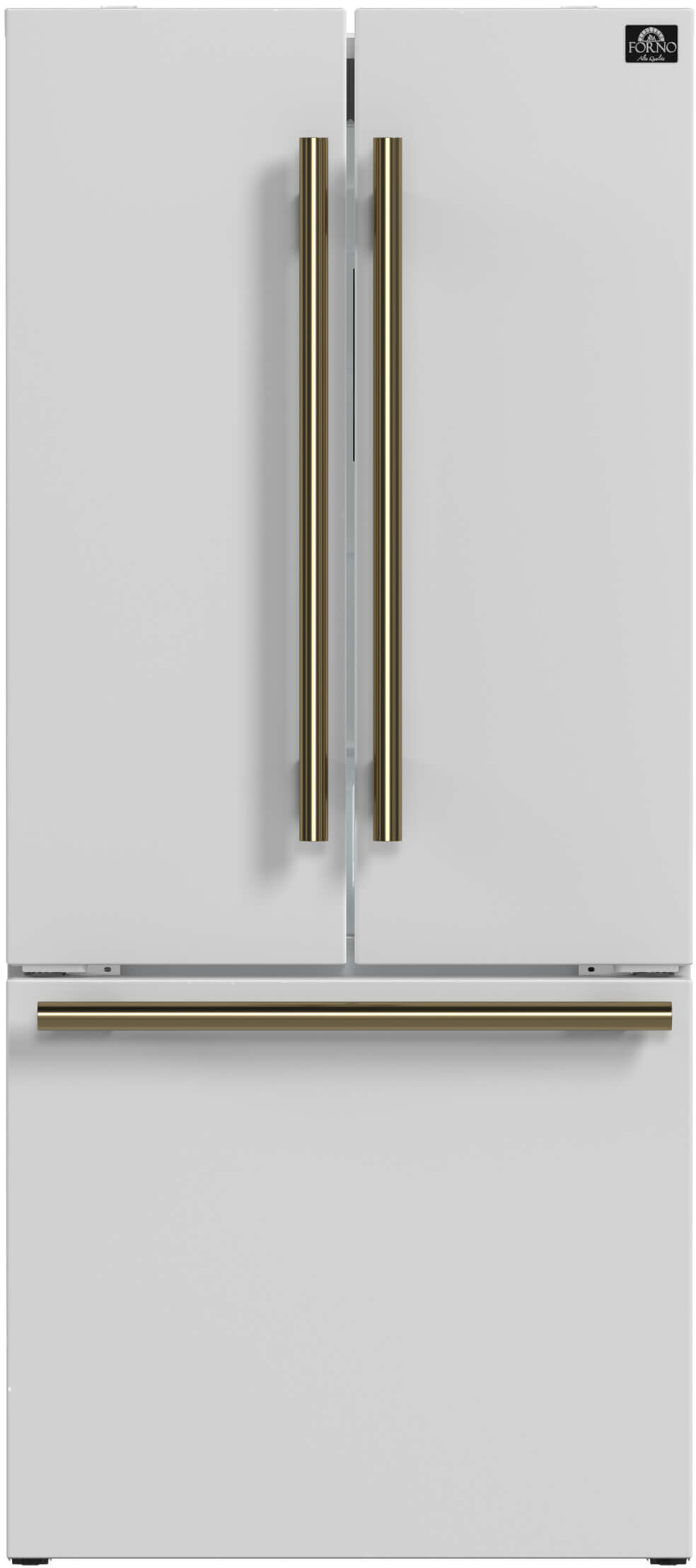
Narrow refrigerators are designed to maximize storage in limited spaces, making them ideal for apartments, condos, and compact kitchens.
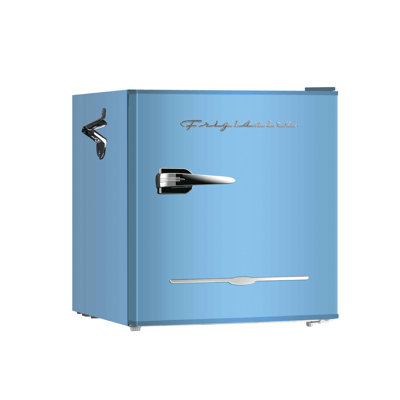
While they may not always be as space-efficient as narrow refrigerators, their unique design makes them a popular choice for those looking to make a style statement.
Narrow refrigerators are designed to fit into tight spaces, making them ideal for apartments, condos, and other small living areas.
They are equipped with multiple shelves, drawers, and compartments to help you organize your food and beverages efficiently.
Choosing between a narrow refrigerator and a retro fridge requires understanding their unique characteristics and how they fit into your lifestyle. This comparison aims to highlight the key differences to help you make an informed decision.
Feature
Narrow Refrigerator
Retro Fridge
Design
Modern, sleek, space-saving
Vintage, nostalgic, stylish
Dimensions
Typically slim, fits in tight spaces
Varied, often bulkier
Storage Capacity
Efficient use of space, adjustable shelves
Often smaller, but stylish
Technology
Advanced cooling, digital controls
Combines vintage look with modern features
Cost
Range from affordable to premium
Range from affordable to premium
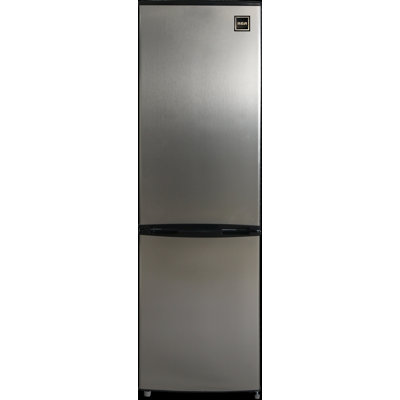
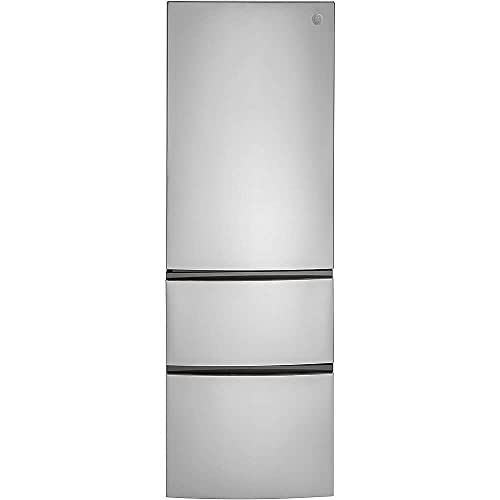
Narrow refrigerators are designed to maximize storage in limited spaces, making them ideal for apartments, condos, and compact kitchens. They often feature a modern aesthetic with advanced cooling technology and energy-efficient mechanisms. The slim profile allows them to fit seamlessly into tight spaces without compromising storage capacity.
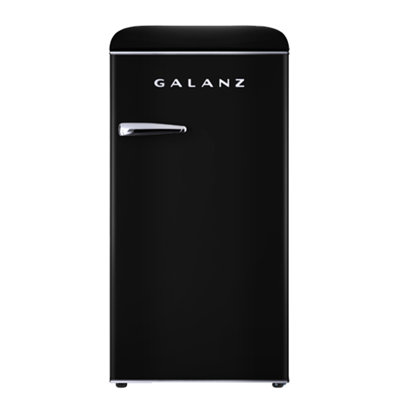
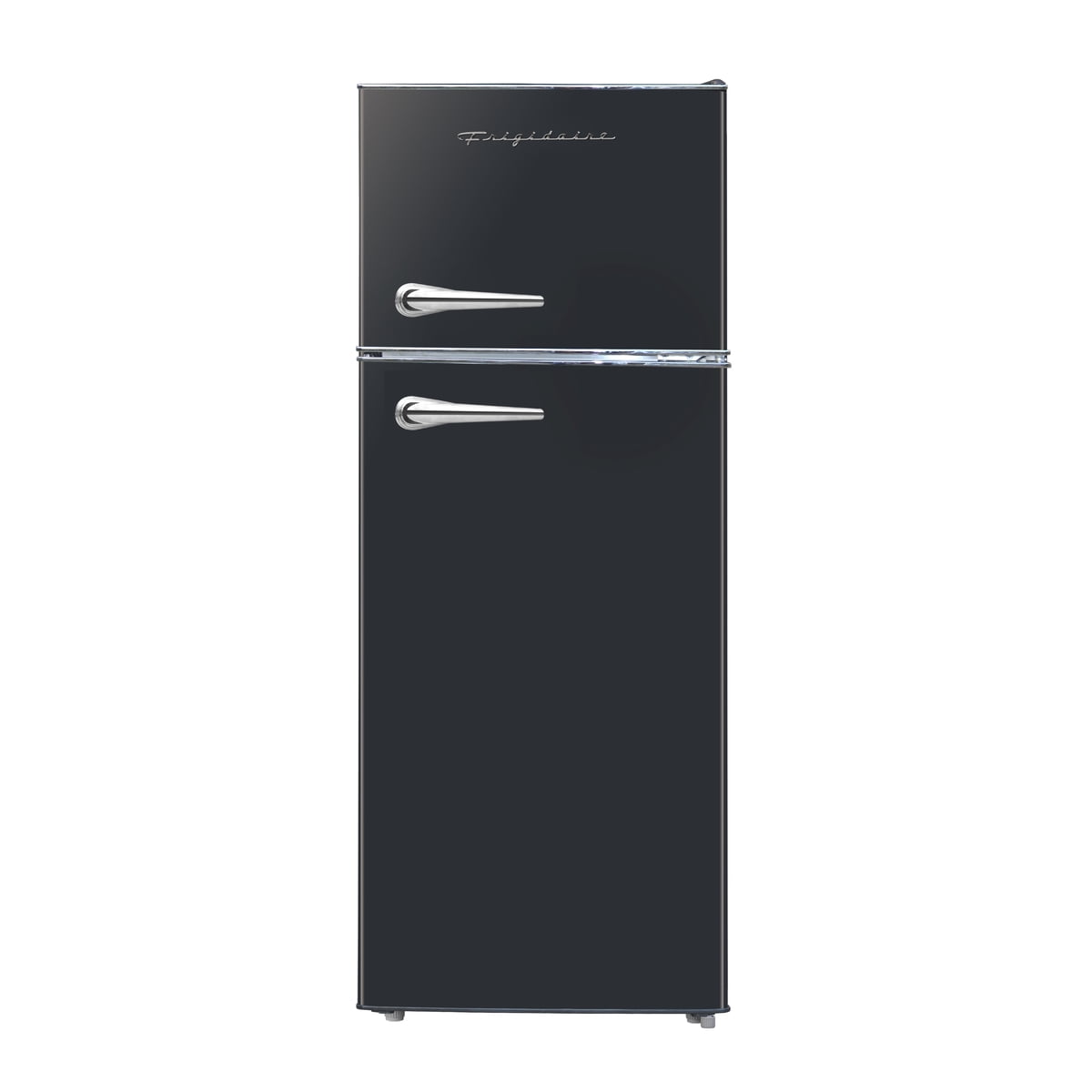
Retro fridges, on the other hand, offer a blend of vintage charm and modern functionality. These fridges are perfect for adding a touch of nostalgia to your kitchen. While they may not always be as space-efficient as narrow refrigerators, their unique design makes them a popular choice for those looking to make a style statement. Despite their vintage appearance, retro fridges often come equipped with contemporary features like adjustable shelves and temperature control.
Narrow refrigerators are designed to fit into tight spaces, making them ideal for apartments, condos, and other small living areas. These refrigerators are typically slimmer than standard models, allowing you to maximize your kitchen or living area without sacrificing functionality.
Dimension
Measurement
Width
18-24 inches
Height
60-75 inches
Depth
24-30 inches
The compact design of narrow refrigerators ensures they can be seamlessly integrated into various spaces, whether it's a tiny home, cabin, or office. Their sleek and modern appearance complements any decor, making them a versatile choice for homeowners and renters alike. If you are looking for a comparison between narrow and other types of refrigerators, check out Fridge.com article on counter depth refrigerator Vs. reach in refrigerator.
Storage Capacity
Despite their slim profile, narrow refrigerators are designed to offer ample storage capacity. They are equipped with multiple shelves, drawers, and compartments to help you organize your food and beverages efficiently. The storage options are thoughtfully designed to make the most of the available space.
Storage Feature
Capacity
Total Capacity
10-15 cubic feet
Shelves
3-4 adjustable shelves
Drawers
2-3 (including crisper drawers)
Door Compartments
Multiple for bottles and condiments
Narrow refrigerators often come with features such as adjustable shelves and door bins, allowing you to customize the interior layout to suit your needs. Some models also include a freezer compartment, providing additional storage options for frozen foods. For more information on different refrigerator types, visit Fridge.com article on mini fridge Vs. small upright freezer.
By understanding the design and dimensions as well as the storage capacity of narrow refrigerators, you can make an informed decision on whether this type of refrigerator suits your needs. For further exploration of refrigerator options, check out Fridge.com articles on tall refrigerator Vs. wine chiller and garage refrigerator Vs. glass door mini fridge.
Retro fridges offer a unique blend of vintage charm and contemporary functionality. These appliances are not only stylish but also efficient, making them a popular choice for those looking to add a touch of nostalgia to their kitchen.
Vintage Design
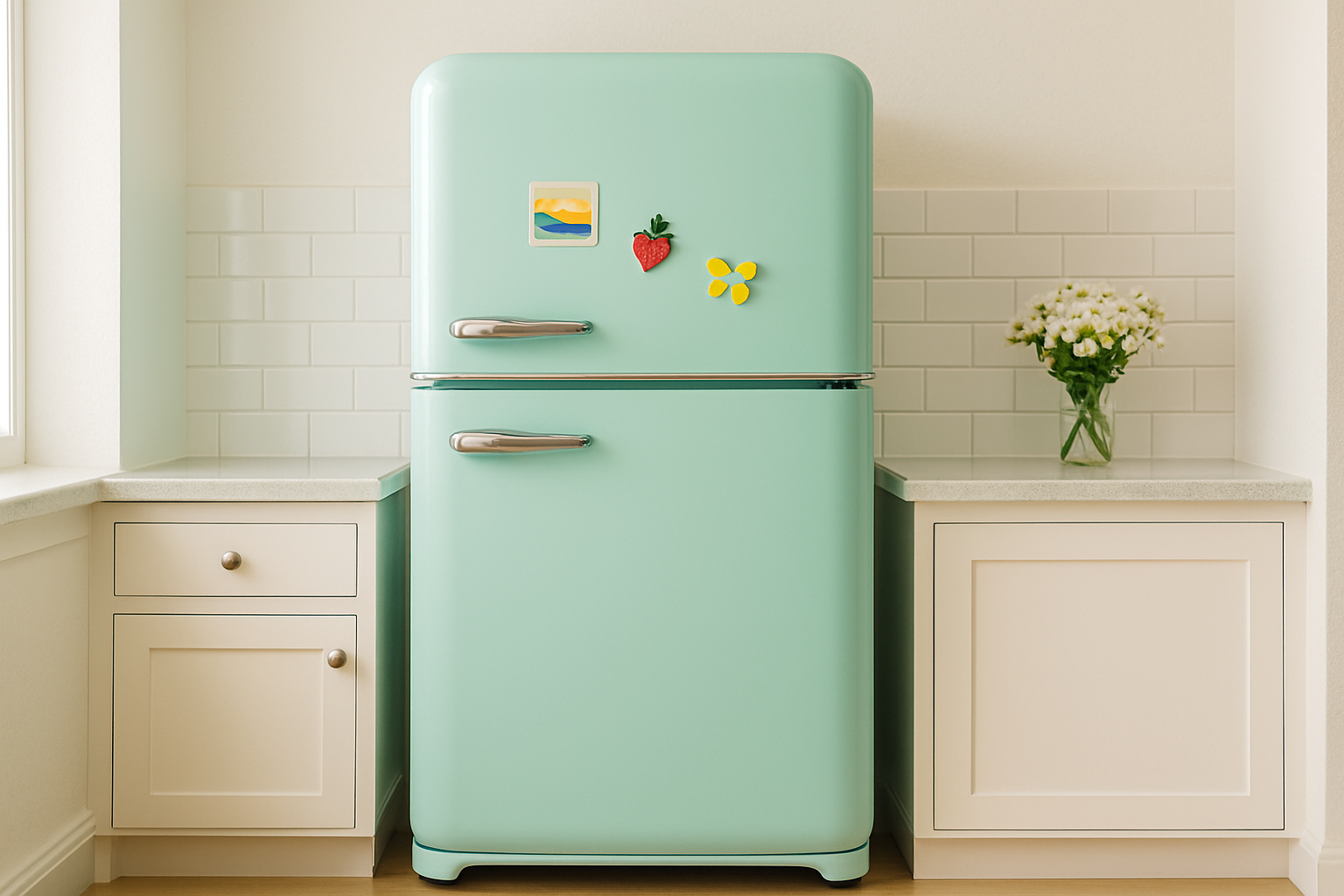
Retro fridges are known for their distinct, nostalgic aesthetics. They often feature rounded edges, bold colors, and chrome accents, reminiscent of the 1950s and 1960s. This vintage design can add a unique flair to your kitchen, setting it apart from more conventional, modern appliances.
Design Feature
Description
Shape
Rounded edges and corners
Colors
Bold, vibrant options like red, blue, and mint green
Accents
Chrome handles and trims
The vintage design of these fridges makes them a focal point in any space, whether it's a modern kitchen, a cozy cottage, or even a trendy office. If you're interested in exploring more stylish fridge options, check out Fridge.com comparison of stainless look refrigerator Vs. undercounter refrigerator.
Modern Features
Despite their retro appearance, these fridges are equipped with modern technology to ensure optimal performance. They are designed to meet today's energy efficiency standards and often come with features that enhance functionality and convenience.
Key Modern Features:
Energy Efficiency: Many retro fridges are built to be energy-efficient, helping you save on electricity bills while reducing environmental impact. For more on energy-efficient appliances, visit Fridge.com article on energy consumption and environmental impact.
Temperature Control: Advanced temperature control settings ensure your food stays fresh for longer periods. This is particularly useful for those who store a variety of perishable items.
Storage Solutions: Modern retro fridges often include adjustable shelves, door bins, and crisper drawers, making it easier to organize your groceries. If you need more space, consider reading about mini fridge Vs. small upright freezer.
Frost-Free Technology: Many models feature frost-free technology, eliminating the need for manual defrosting and making maintenance easier.
Feature
Benefit
Temperature Control
Keeps food fresh
Storage Solutions
Better organization
Frost-Free Technology
Easier maintenance
Retro fridges combine the best of both worlds: the charm of a bygone era and the efficiency of modern technology. Whether you're looking to make a style statement or simply want a reliable appliance, these fridges offer a compelling option. For more comparisons of unique fridge types, check out Fridge.com article on garage refrigerator Vs. glass door mini fridge.
When choosing between a narrow refrigerator and a retro fridge, several factors related to your space should be considered. This section will cover size and layout, as well as aesthetic appeal.
Size and Layout
The dimensions and layout of your space play a crucial role in determining the suitability of either a narrow refrigerator or a retro fridge. Narrow refrigerators are designed to fit into tight spaces, making them ideal for apartments, condos, and smaller kitchens. Their slim profile allows for efficient use of space without sacrificing storage capacity.
Retro fridges, on the other hand, often come in a variety of sizes, from compact versions suitable for smaller spaces to larger models that can serve as a focal point in a kitchen. It's essential to measure your available space to ensure the fridge will fit comfortably without obstructing pathways or other appliances.
Feature
Narrow Refrigerator
Retro Fridge
Width Range
18-24 inches
20-30 inches
Height Range
60-75 inches
50-70 inches
Depth Range
24-30 inches
25-30 inches
Consider how the fridge will fit into your kitchen's layout. A narrow refrigerator may be more suitable for a galley kitchen or a kitchen with limited floor space. In contrast, a retro fridge might be a better fit for an open-concept kitchen where it can stand out as a design element.
For more on how to fit different types of fridges into various layouts, check Fridge.com guides on apartment size refrigerator Vs. ice machine and counter depth refrigerator Vs. reach in refrigerator.
Aesthetic Appeal
Your personal style and the overall aesthetic of your home are important considerations when selecting between a narrow refrigerator and a retro fridge. Narrow refrigerators often have a sleek, modern appearance that can complement contemporary kitchen designs. They typically come in neutral colors like stainless steel, black, or white, making them versatile for various decor styles.
Retro fridges, however, are known for their vintage charm and vibrant colors. They can add a nostalgic touch to your kitchen and serve as a statement piece. If you prefer a bold, unique look, a retro fridge might be the perfect choice for you.
Feature
Narrow Refrigerator
Retro Fridge
Style
Modern, Sleek
Vintage, Nostalgic
Color Options
Neutral (Stainless Steel, Black, White)
Bold (Red, Blue, Green)
Design Element
Minimalist
Statement Piece
Choosing between these options largely depends on your design preferences and how you want your fridge to complement or contrast with the rest of your kitchen. For more aesthetic comparisons, explore stainless look refrigerator Vs. undercounter refrigerator and beverage center Vs. slate refrigerator.
By considering the size, layout, and aesthetic appeal, you can make an informed decision on whether a narrow refrigerator or a retro fridge better suits your space.
Energy Efficiency
Energy Consumption
When selecting between a narrow refrigerator and a retro fridge, energy consumption is an important factor. Energy-efficient appliances can significantly reduce your electricity bills and contribute to a more sustainable lifestyle.
Refrigerator Type
Average Annual Energy Consumption (kWh)
Narrow Refrigerator
300 - 500
Retro Fridge
200 - 400
Narrow refrigerators typically have a higher energy consumption compared to retro fridges due to their larger size and advanced features. However, many modern narrow refrigerators come with energy-saving modes and smart sensors that help optimize power usage.
Environmental Impact
The environmental impact of a refrigerator extends beyond its energy consumption. Factors such as the materials used in manufacturing, the refrigerants employed, and the appliance's lifespan all play a role in its overall environmental footprint.
Narrow refrigerators often use more advanced cooling technologies and eco-friendly refrigerants, which can reduce their environmental impact. However, the production and disposal of these larger appliances can still contribute to environmental degradation.
Retro fridges, with their smaller size and simpler technology, typically have a lower environmental impact during production. Additionally, their vintage design often means they are built to last, reducing the need for frequent replacements and thus, minimizing waste.
For a comprehensive comparison of different types of refrigerators and freezers, check out Fridge.com article on mini fridge Vs. small upright freezer. Understanding these factors can help you make an informed decision, ensuring you choose an appliance that aligns with your energy efficiency goals and environmental values.
When comparing a narrow refrigerator and a retro fridge, maintenance and durability are key factors to consider. Understanding how to properly care for each type of fridge can extend its lifespan and ensure optimal performance.
Cleaning and Care
Proper cleaning and care are essential for maintaining the functionality and appearance of your refrigerator. Both narrow refrigerators and retro fridges require regular cleaning to prevent odors and bacteria growth.
Defrosting: Most modern narrow refrigerators come with auto-defrost features, reducing the need for manual defrosting. Retro fridges may require periodic manual defrosting, depending on the model.
Interior Cleaning: Use mild soap and water to clean the interior shelves and compartments of both types. Avoid using harsh chemicals that can damage the surfaces.
Exterior Cleaning: For narrow refrigerators, wipe the exterior with a damp cloth. Retro fridges, with their glossy finishes, might require special cleaners to maintain their vintage look.
Coil Cleaning: Clean the condenser coils at least twice a year for both types to ensure efficient operation. This can be done using a vacuum or a coil brush.
Cleaning Task
Narrow Refrigerator
Retro Fridge
Defrosting
Auto-defrost
Manual (varies by model)
Interior Cleaning
Mild Soap & Water
Mild Soap & Water
Exterior Cleaning
Damp Cloth
Special Cleaners
Coil Cleaning
Twice a Year
Twice a Year
For more cleaning tips, you might find Fridge.com article on mini fridge Vs. small upright freezer helpful.
Longevity and Reliability
The longevity and reliability of your refrigerator depend on factors such as build quality, usage, and maintenance. Both narrow refrigerators and retro fridges are designed to be durable, but there are some differences to consider.
Build Quality: Narrow refrigerators often use modern materials and technology, making them sturdy and less prone to wear and tear. Retro fridges, while stylish, may use older materials that require more careful handling.
Usage: How often and how intensively you use your refrigerator plays a significant role in its longevity. Both types are reliable, but retro fridges may be more susceptible to damage from frequent use due to vintage components.
Maintenance: Regular maintenance, as discussed in the cleaning section, can significantly extend the life of both types. Keeping up with routine tasks ensures that your refrigerator runs smoothly and efficiently.
Factor
Narrow Refrigerator
Retro Fridge
Build Quality
Modern Materials
Vintage Materials
Usage
High Usage Tolerance
Moderate Usage Tolerance
Maintenance
Regular Tasks
Regular Tasks
To explore more about refrigerator options, check Fridge.com article on built in freezer Vs. portable refrigerator.
By understanding the maintenance and durability aspects of both narrow refrigerators and retro fridges, you can make an informed decision that best suits your needs. Remember, regular care and mindful usage can keep your refrigerator running efficiently for years to come.
Compare prices on Fridge.com
Compare current prices and specifications on Fridge.com, then buy from the retailer you choose; delivery, installation and warranty terms are the retailer’s.
It also has tons of awesome articles about kitchen stuff and home news. Enhance your home, garage, backyard, patio, and office with the coolest essentials. With every necessary type of residential refrigerator or freezer in the collection, you're covered.