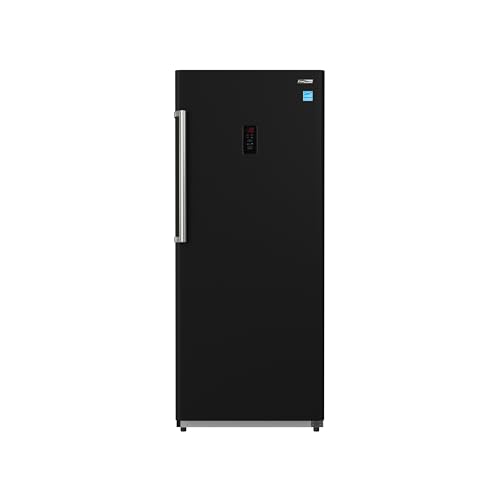
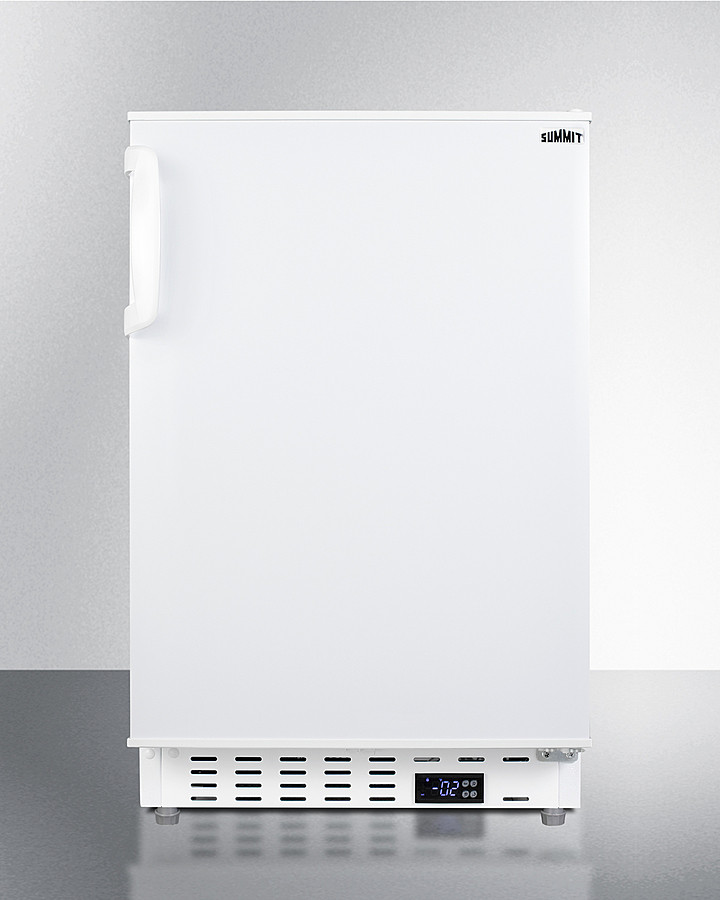
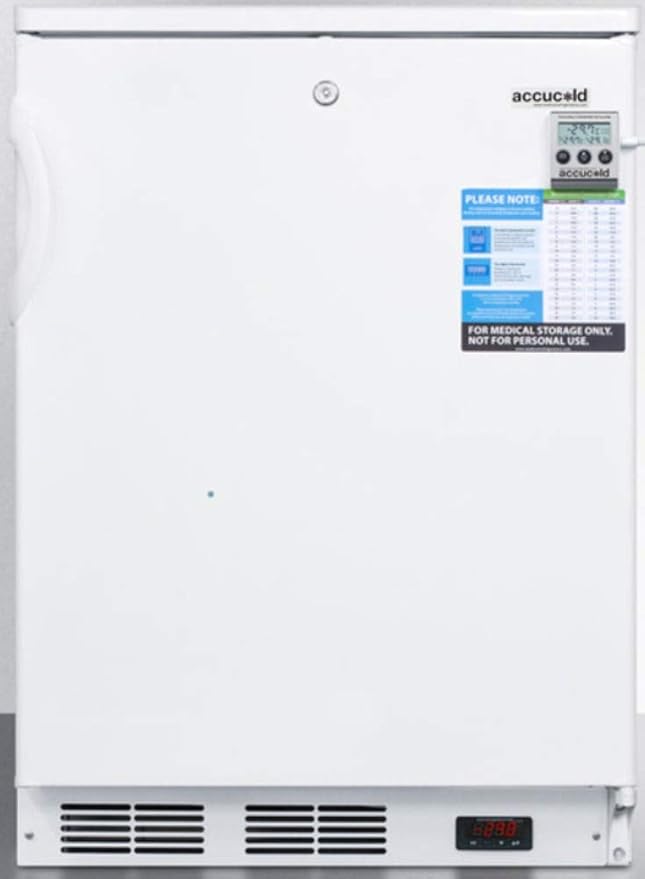
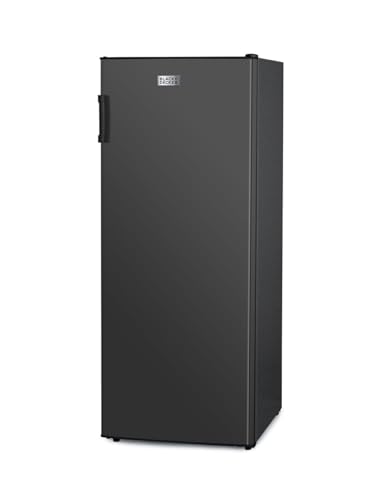
Manual defrost and auto defrost (frost-free) are the two methods freezers use to manage ice buildup — and the choice between them affects energy consumption, food quality, maintenance effort, purchase price, and appliance lifespan. Manual defrost leaves ice management to you. Auto defrost handles it automatically. This guide covers how each method works, the real-world trade-offs, and which is best for different freezer types and usage patterns.
How Each Method Works
Manual defrost freezers have no built-in ice removal system. Moisture from the air inside the freezer gradually freezes onto the evaporator coils and interior walls, forming a layer of frost and ice that thickens over weeks and months. When this layer reaches approximately 1/4 inch thick, you need to unplug the freezer, remove all food, let the ice melt naturally (4 to 8 hours), wipe down the interior, and restart. This process happens 1 to 2 times per year for most household freezers.
Auto defrost (frost-free) freezers include a timer-activated or sensor-activated electric heater attached to the evaporator coils. Every 6 to 12 hours, this heater turns on for 15 to 30 minutes, melting any accumulated frost. The melt water drains through a tube into an evaporation pan beneath the unit, where compressor heat evaporates it. The process is fully automatic — no user intervention, no ice buildup, no scheduled defrost sessions.
Energy Efficiency
Method
Energy Impact
Annual Savings/Cost
Manual Defrost
15 - 25% less energy than auto
Saves $5 - $15/year
Auto Defrost
15 - 25% more energy than manual
Costs $5 - $15/year more
The auto defrost heater draws 300 to 500 watts for 15 to 30 minutes multiple times per day. This periodic heating cycle accounts for the 15 to 25 percent energy premium. Over a 15-year freezer lifespan, the cumulative difference is $75 to $225 — meaningful for energy-conscious buyers, modest in the context of total appliance cost.
Auto defrost creates repeated micro-thaw cycles. Each time the heater activates, the freezer interior warms 1 to 3 degrees before the compressor returns it to 0°F. These small temperature fluctuations accelerate freezer burn — the dehydration and oxidation of food surfaces that creates dry, discolored patches. Food stored for weeks or months in an auto defrost freezer is more susceptible to freezer burn than the same food in a manual defrost unit.
Manual defrost maintains steadier temperatures between defrost sessions. Without periodic heating cycles, the interior stays at a consistent 0°F with only compressor-cycle variations of 1 to 2 degrees. Food stored long-term in a manual defrost freezer retains better texture, color, and flavor. For households that age meat, store seasonal produce for months, or meal prep in large batches, manual defrost preserves food quality better.
Convenience
Auto defrost wins on convenience — zero effort, zero planning, zero involvement. The system runs invisibly in the background. This matters for kitchen freezers accessed daily, for households where nobody wants to schedule a defrost session, and for any shared-use environment (offices, rental properties) where maintenance responsibility is unclear.
Manual defrost requires active user participation 1 to 2 times per year. Each session takes 4 to 8 hours of elapsed time (most of which is passive waiting for ice to melt) plus 30 to 60 minutes of active work (removing food, scraping stubborn ice, wiping down, reloading). You must plan around the defrost — remove food to coolers, schedule the session when the freezer inventory is low, and be available to manage the process.
Where Each Method Is Standard
Appliance Type
Auto Defrost
Manual Defrost
Full-size kitchen refrigerators
Universal
Not available
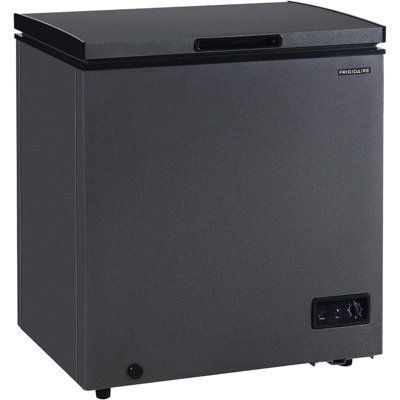
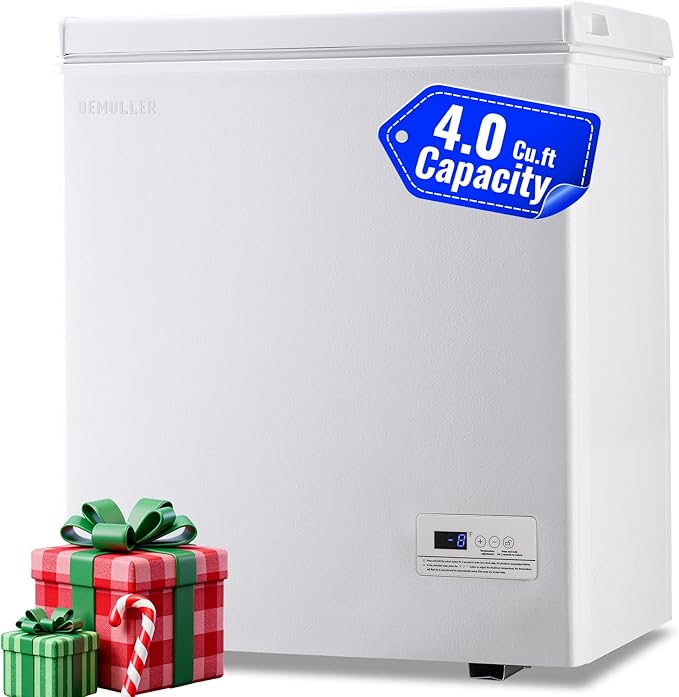
Chest freezers
Rare (premium only)
Standard (nearly all models)
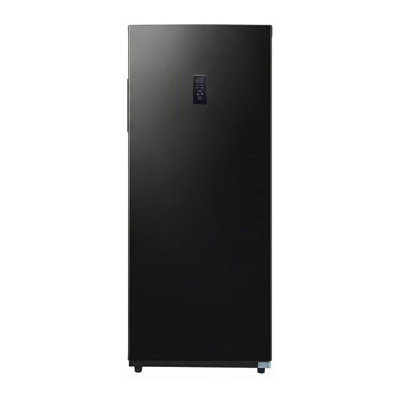
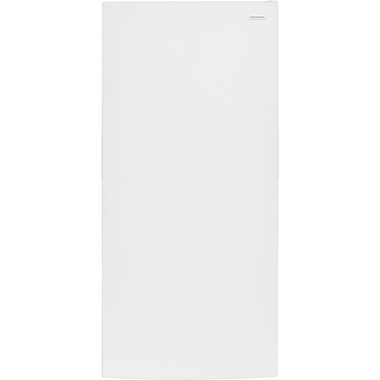
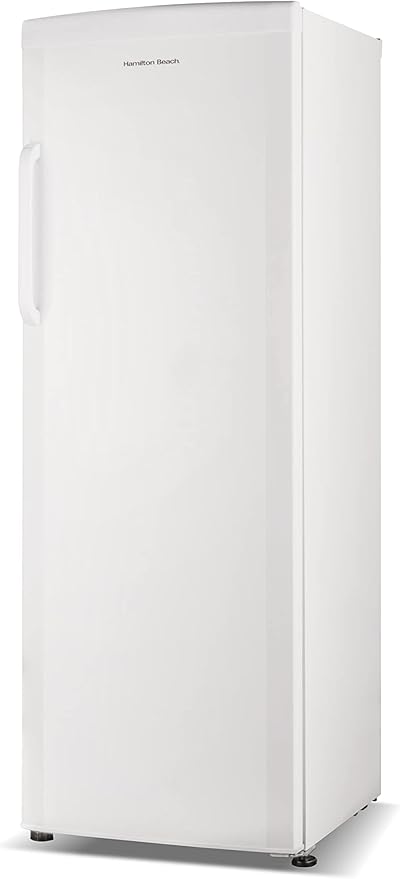
Upright freezers
Common (mid/premium)
Common (budget/mid)
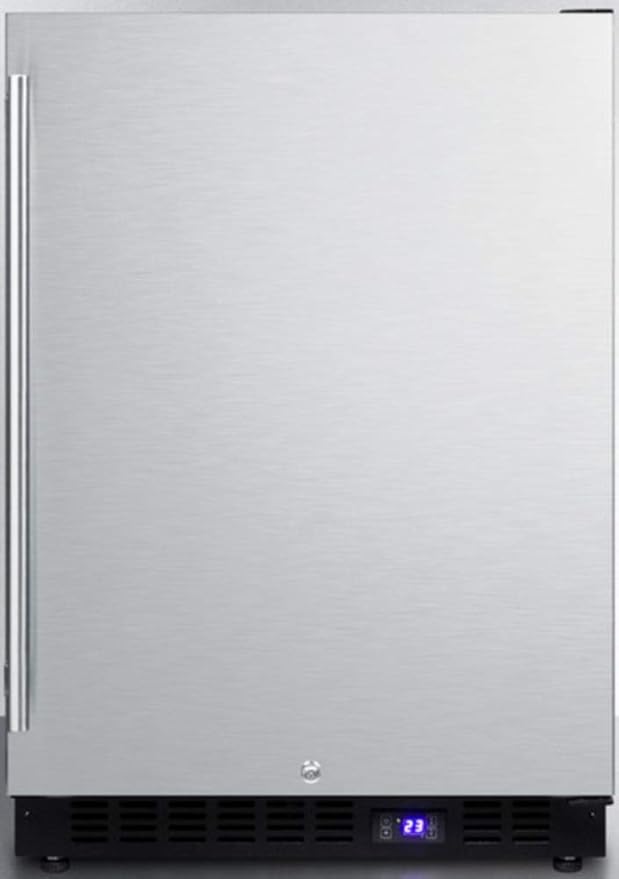
Built-in freezer columns
Universal
Not available
Mini fridges
Common
Some budget models
The choice between defrost methods is most relevant for standalone freezers — specifically upright models where both options exist. For chest freezers, manual defrost is nearly universal because the format's inherent efficiency makes the auto defrost heater an unnecessary energy penalty. For kitchen refrigerators and built-in columns, auto defrost is standard because daily-use convenience takes priority.
Manual defrost freezers have fewer components — no defrost timer, no heater element, no thermal fuse, no drain tube, no evaporation pan. This simplicity means fewer failure points. Manual defrost chest freezers routinely last 15 to 20 years with minimal repair needs. The most durable home appliances in the manual defrost category.
Auto defrost systems add 4 to 6 components that can fail. The defrost timer can stick (failing to activate the heater, causing ice buildup). The heater can burn out (same result). The thermal fuse can blow (same result). The drain tube can clog (causing water to freeze in the bottom of the freezer). Each failure typically costs $100 to $300 to repair. These are the most common freezer repairs reported by appliance technicians.
Noise
Auto defrost systems produce brief additional sounds during defrost cycles — a quiet hissing or clicking as the heater activates, and occasional dripping as water flows to the drain pan. Between defrost cycles, noise is identical to manual defrost. The difference is minor and rarely noticed in typical placement locations.
Ice Buildup Management
In a manual defrost freezer, ice buildup reduces cooling efficiency progressively. At 1/4 inch, efficiency drops about 10 percent. At 1/2 inch, 20 to 25 percent. Beyond 1/2 inch, the compressor runs continuously without maintaining target temperature. Prompt defrosting at 1/4 inch maintains peak efficiency. Procrastinating negates the manual defrost energy advantage.
In an auto defrost freezer, ice never builds up. The system handles frost removal before it accumulates to any meaningful thickness. Cooling efficiency remains constant — no degradation over time.
Auto defrost systems actively remove humidity from the freezer interior during each defrost cycle. This creates a drier environment that contributes to faster freezer burn. Wrapping food tightly in freezer-grade packaging mitigates this effect.
Manual defrost systems do not actively dehumidify. The interior humidity is slightly higher (still very low in absolute terms), which marginally reduces the dehydration rate of stored food. This is another factor in the better long-term food quality preservation of manual defrost units.
Pricing
Manual defrost models cost $30 to $100 less than equivalent auto defrost models. The savings come from eliminating the heater, timer, thermal fuse, and drain components. For chest freezers, manual defrost is the default at every price point — no premium required. For upright freezers, auto defrost models carry a modest but consistent price premium.
Best Choice by Situation
Choose auto defrost for daily-use kitchen freezers (it is standard and the only practical option), for upright freezers in living spaces where convenience matters, for shared or rental environments where nobody manages maintenance, and for any freezer where you prioritize set-and-forget operation.
Choose manual defrost for chest freezers (it is standard and matches the format's efficiency strengths), for any freezer storing food for months (better preservation, less freezer burn), for maximum energy efficiency and lowest operating cost, and for maximum appliance durability with fewest repair points.
Compare prices on Fridge.com
Compare auto defrost (frost-free) freezers and manual defrost freezers. Filter by defrost type, capacity, format, and price to choose the right balance of convenience and efficiency.
Frequently Asked Questions
Yes — 15 to 25 percent less energy than auto defrost. The periodic defrost heater in auto systems adds measurable consumption. Over 15 years, manual saves $75-$225. But you must defrost promptly when ice reaches 1/4 inch or the advantage disappears. Compare at Fridge.com.
Free tool
Auto Vs. Manual Defrost Cost Calculator
Free interactive tool from Fridge.com — get a quick answer while you read.