Freezing Spinach: A Step-by-Step Guide
Benefits of Freezing Spinach
Freezing spinach is a fantastic way to preserve its nutrients and flavor for use throughout the year, especially when it's not in season. When you freeze spinach, you retain its high levels of vitamins and minerals, making it a healthy addition to any meal. You also reduce food waste and save money by storing excess spinach before it spoils. Freezing spinach is simple and can be done quickly, providing you with a convenient and nutritious ingredient for smoothies, soups, and other dishes.
Tools You'll Need
Before you begin the freezing process, it's important to gather the necessary tools to ensure that your spinach is properly preserved. Here's what you'll need:
- Kitchen colander or salad spinner for washing the spinach.
- Large pot for blanching the spinach.
- Slotted spoon or tongs to transfer spinach during blanching.
- Ice and a large bowl for an ice water bath post-blanching.
- Clean kitchen towels or paper towels for drying the spinach.
- Baking sheets for pre-freezing the spinach (optional).
- Freezer bags or airtight containers for storage.
- Permanent marker for labeling the bags or containers.
- Straw for removing excess air from freezer bags (optional).
Having these tools at your disposal will streamline the process and help ensure that your spinach is frozen at the peak of freshness. For more information on freezing other vegetables, check out our guides on how to freeze zucchini, how to freeze green peppers, and how to freeze broccoli.
Preparing Spinach for Freezing
Proper preparation is key when you're planning to freeze spinach. This will help maintain its color, flavor, and nutritional value. Follow these steps to ensure your spinach freezes well and is ready for future use.
Washing and Drying Spinach
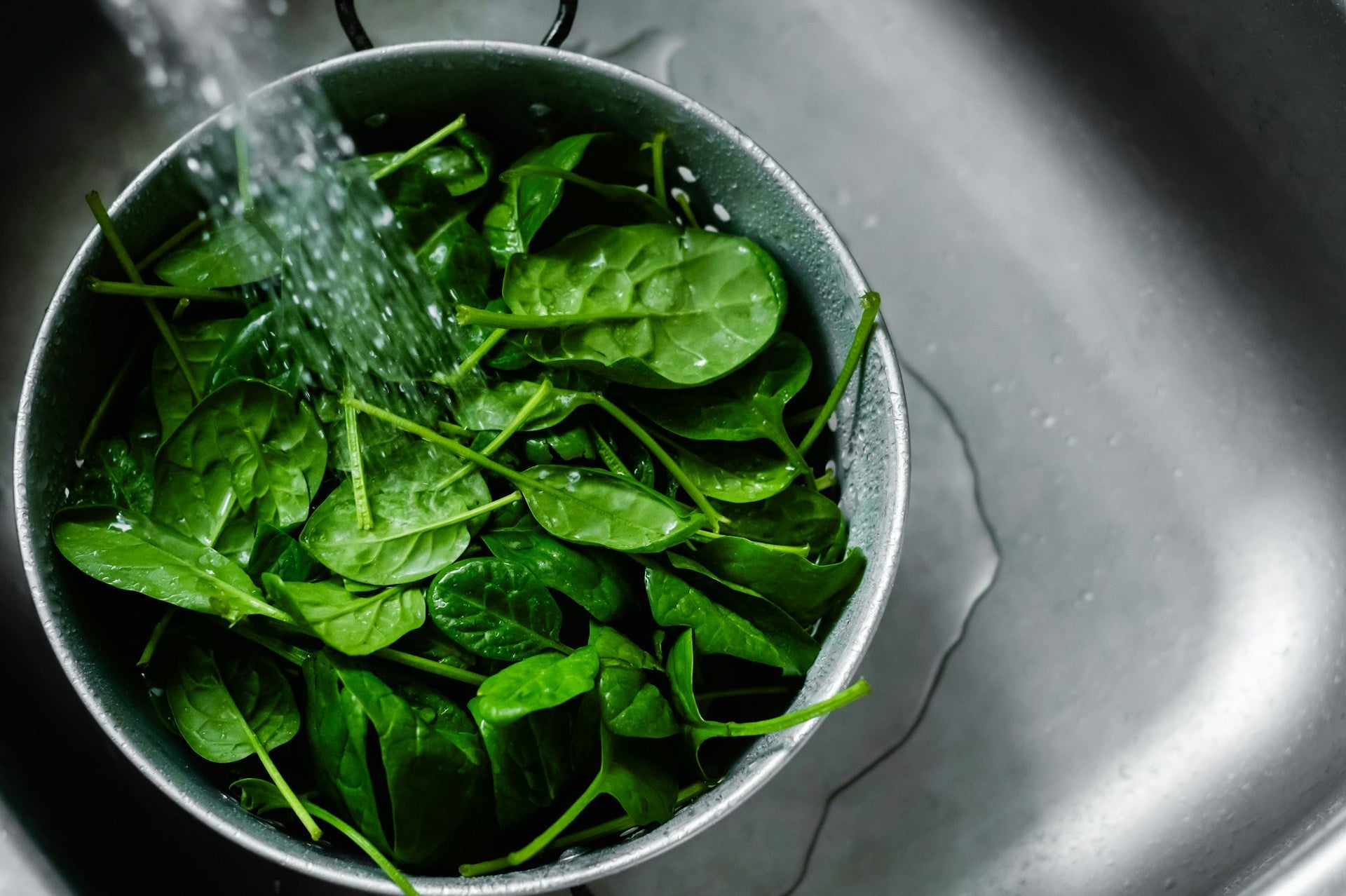
Before freezing, it's crucial to clean the spinach thoroughly to remove any dirt or bacteria. Follow these simple steps:
- Fill a large bowl with cold water and submerge the spinach leaves.
- Gently swish the leaves around to loosen and wash away any dirt.
- Drain the water and repeat the process until the water runs clear.
- Once cleaned, it's important to dry the spinach completely to prevent ice crystals from forming during freezing. You can use a salad spinner or pat the leaves dry with a clean kitchen towel.
Ensure that the spinach is completely dry, as excess moisture can degrade its quality when frozen.
Blanching Spinach
Blanching spinach is a critical step before freezing. It stops enzyme actions which can cause loss of flavor, color, and texture. Here's how to blanch your spinach:
- Boil a pot of water and prepare a bowl of ice water on the side.
- Place the spinach in the boiling water for just 2 minutes — this is enough to blanch it.
- Quickly move the spinach from the boiling water to the ice water to halt the cooking process.
- Keep the spinach in the ice water for the same amount of time it was in the boiling water.
- Drain the spinach once more, and remove as much excess water as possible.
| Step | Time |
|---|---|
| Boiling | 2 minutes |
| Cooling in Ice Water | 2 minutes |
| Draining | Until fully drained |
Blanched spinach can be packed into freezer-safe containers or bags, removing as much air as possible to prevent freezer burn. For more information on avoiding freezer burn, take a look at our article on how to freeze zucchini, which includes useful tips that also apply to freezing spinach.
Remember, blanching is a crucial step not to be skipped, as it preserves the spinach's nutritional value and texture, making it a versatile ingredient when you choose to use it later.
Packaging Spinach for Freezing
After preparing your spinach for freezing, the next step is to package it properly. This will ensure that your spinach retains its quality and nutritional value until you're ready to use it.
Choosing the Right Containers
When freezing spinach, it's crucial to select the right type of container. You have a few options:
- Freezer bags: These are a popular choice because they are easy to label, stack, and store. Opt for heavy-duty, sealable freezer bags that can be pressed flat, removing as much air as possible to prevent freezer burn.
- Airtight containers: These can be plastic or glass and should be freezer-safe. Ensure the containers are dry before packing to avoid ice crystal formation.
- Vacuum-sealed bags: If you have a vacuum sealer, you can use it to package your spinach. This method removes all the air from the bag, prolonging the freshness and color of your spinach.
| Container Type | Pros | Cons |
|---|---|---|
| Freezer Bags | Space-saving, easy to label | Single-use, can tear |
| Airtight Containers | Reusable, sturdy | Takes up more space |
| Vacuum-Sealed Bags | Best for long-term, prevents freezer burn | Requires special equipment |
Properly Storing Spinach in the Freezer
To maximize the shelf life and quality of your frozen spinach, follow these storage tips:
- Flatten bags: If using freezer bags, flatten them as much as possible to stack them neatly and save space.
- Portion control: Freeze spinach in portion-sized amounts that you'll typically use in recipes.
- Avoid overfilling: Leave some space at the top of containers or bags as spinach will expand slightly when frozen.
- Keep it organized: Organize your freezer by type of food and make sure to rotate older items to the front for use first.
- Temperature: Ensure your freezer is at the optimal temperature of 0°F (-18°C) or lower to keep the spinach frozen solid.
- No refreezing: Once you've thawed spinach, do not refreeze it as this can affect the texture and flavor.
By following these steps, you'll have well-packaged spinach that's ready for use whenever you need it. For more guidance on freezing other vegetables, you may be interested in learning how to freeze squash or how to freeze zucchini. Remember, the key to successful freezing lies not just in the initial preparation but also in how you store your food in the freezer.
Using Frozen Spinach
After you have successfully frozen your spinach, it's essential to know how to thaw and incorporate it into your recipes. This way, you can ensure that your dishes benefit from the rich nutrients and flavor of spinach without compromising texture or taste.
Thawing Frozen Spinach
To thaw frozen spinach, you have several options depending on your time constraints and the intended use:
- Refrigerator Thawing: Transfer the frozen spinach to the refrigerator and leave it overnight. This method ensures that the spinach thaws evenly and maintains its texture.
- Cold Water Thawing: Place the sealed bag of spinach in a bowl of cold water. Change the water every 30 minutes to keep it cold. This method will take a few hours.
- Microwave Thawing: Use the defrost setting on your microwave for a quick thaw. Be cautious to not cook the spinach during this process. It's best to defrost in short intervals, stirring occasionally.
Once your spinach is thawed, drain any excess moisture by squeezing it out. This step is vital for recipes where additional water may affect the dish's consistency.
Incorporating Frozen Spinach in Recipes
Frozen spinach is incredibly versatile and can be used in a variety of dishes. Here are some ways to include it in your meals:
- Soups and Stews: Add frozen spinach directly into the pot. The heat will thaw the spinach and it will cook in the liquid.
- Sautéed Dishes: Thaw the spinach beforehand and sauté it with other ingredients like garlic, onion, or mushrooms.
- Casseroles and Bakes: Mix thawed and drained spinach with other components before baking.
- Smoothies: Pop frozen spinach directly into the blender for a nutrient boost.
When using frozen spinach, it's important to consider the water content. Adjust the liquid ingredients in your recipe if necessary to accommodate any extra moisture from the spinach.
For more culinary inspiration and ways to use frozen spinach, consider exploring our guides on how to freeze zucchini and how to freeze bell peppers, which also offer tips on preserving and using other garden-fresh produce.
Remember, when you're ready to cook, having your spinach prepped and frozen can save you time and ensure that you always have a healthy green on hand for your recipes. Whether you're making a hearty lasagna or a refreshing green smoothie, your frozen spinach is a convenient and nutritious choice.
Tips for Freezing Spinach
Freezing spinach is a great way to preserve its freshness and nutritional value. However, improper freezing methods can lead to freezer burn, loss of flavor, and a shortened shelf life. Here are some tips to help you freeze spinach effectively, ensuring that it remains as fresh and nutritious as possible when you're ready to use it.
Avoiding Freezer Burn
Freezer burn occurs when air comes into contact with the surface of your food, leading to dehydration and oxidation. To avoid this:
- Make sure the spinach is completely dry after washing and blanching before freezing.
- Use air-tight containers or freezer bags to pack the spinach. Press out as much air as possible before sealing.
- If you're using freezer bags, consider using a straw to suck out the extra air.
- Spread the spinach evenly in the bag or container so it freezes quickly and evenly.
- Place the packaged spinach in the coldest part of your freezer to expedite the freezing process.
For more information on freezer maintenance and to prevent freezer burn, take a look at how to clean a freezer.
Labeling and Dating Frozen Spinach
Labeling and dating your frozen spinach is essential for keeping track of its freshness and ensuring that you use it within its optimal period. Here's what to do:
- Use a permanent marker to write the date of freezing on each container or bag.
- Include the contents and the amount if you're freezing multiple portions.
- Keep an inventory list of your frozen goods to help manage and rotate your stock effectively.
Shelf Life of Frozen Spinach
Frozen spinach can last a long time, but its quality is best if used within a certain timeframe. Refer to the table below for guidelines on shelf life:
| State of Spinach | Recommended Shelf Life |
|---|---|
| Raw, Blanched, and Frozen | 6 to 12 months |
| Cooked and Frozen | 3 to 6 months |
- Check your spinach periodically for any signs of freezer burn or a change in color, smell, or texture.
- Remember to consume your oldest stock of frozen spinach first to ensure quality and reduce waste.
Freezing spinach using the correct methods can extend its shelf life while maintaining its nutritional benefits. By avoiding freezer burn, properly labeling and dating, and understanding the shelf life, you'll be able to make the most out of your spinach reserves. For more on freezing vegetables and maintaining their quality, explore articles like how to freeze squash and how to freeze green peppers.
Get Your Upgrade or New Addition at Fridge.com
Whether you're searching for your perfect fridge, freezer, wine fridge, beer fridge, ice maker, or kegerator, we have what you need.
Shop the world's best brands at Fridge.com.
We also have tons of awesome articles about kitchen stuff and home news. Enhance your home, garage, backyard, patio, and office with the coolest essentials. With every necessary type of residential refrigerator or freezer in our collection, we've got you covered.
Elevate your game and shop now at Fridge.com!