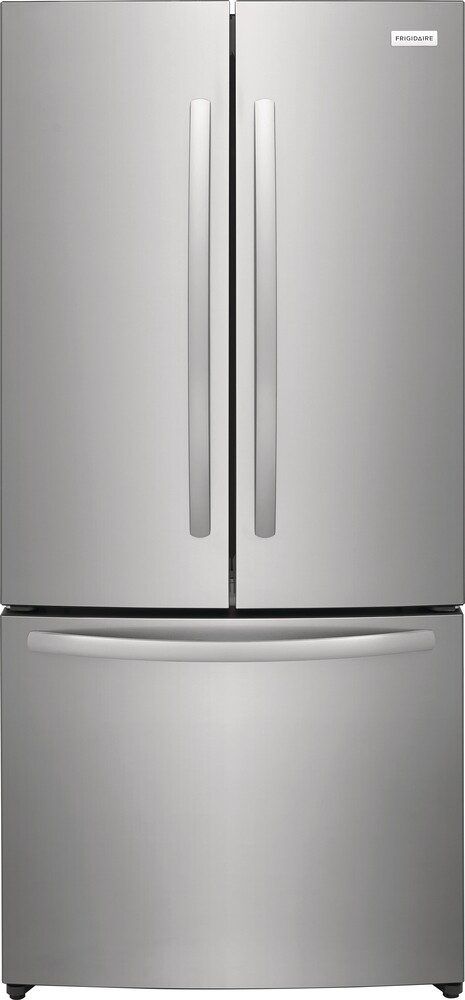
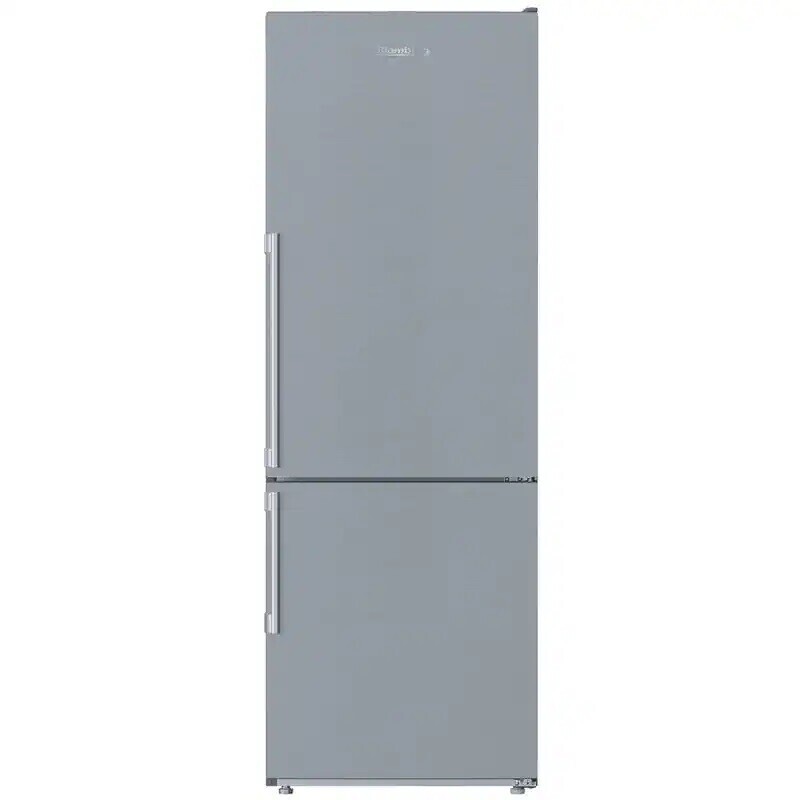
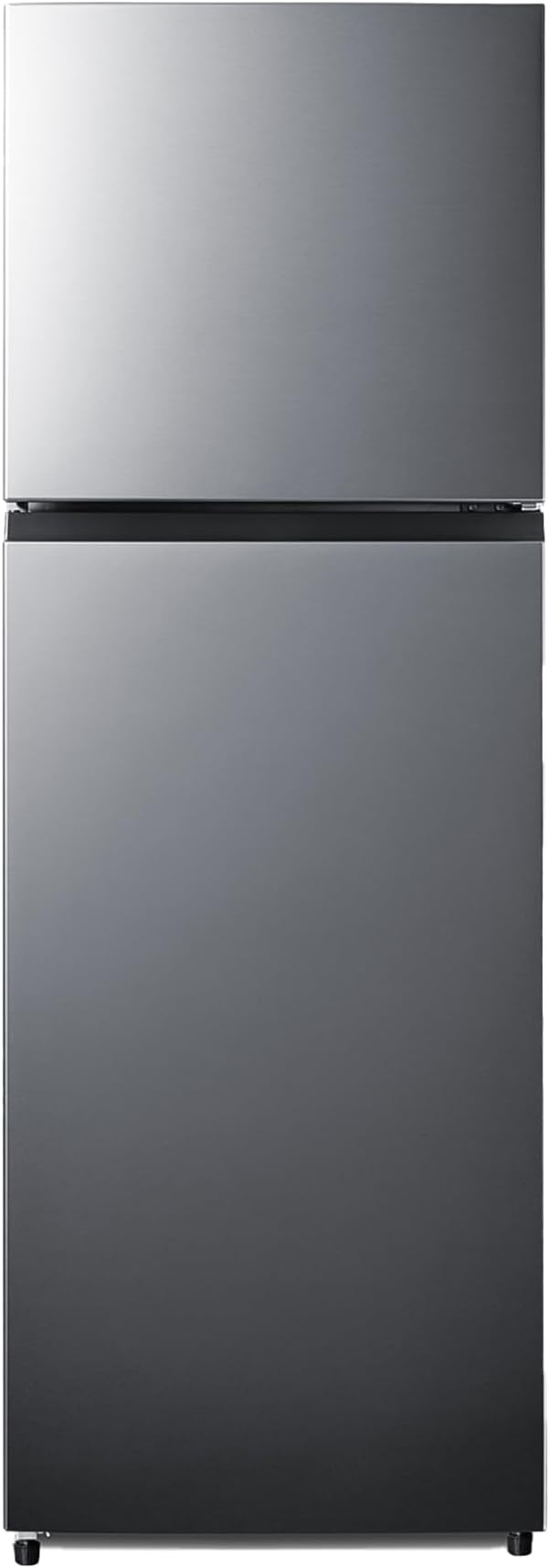
Opened coffee creamer should not sit out of the fridge for more than 2 hours, or 1 hour if the room is above 90°F, before bacteria make it unsafe. Refrigerate it right after use. Explore our range of refrigerators.
Coffee Creamer Storage Guidelines
Understanding how to store coffee creamer properly is pivotal to ensure its longevity and maintain its quality. Coffee creamer, like many perishable products, requires specific storage conditions to preserve its flavor and prevent spoilage.
Importance of Proper Storage
Storing coffee creamer correctly is essential for several reasons. It extends the creamer's shelf life, maintains its taste and texture, and most importantly, ensures that it remains safe for consumption. Improper storage can lead to the growth of bacteria and other pathogens, potentially causing foodborne illnesses.
Proper storage also helps in preventing the waste of food and money. By understanding and implementing the right storage techniques, you can make sure that your coffee creamer remains fresh until its expiration date, and possibly beyond.
Factors Affecting Shelf Life
The shelf life of coffee creamer is influenced by various factors, including:
Type of Creamer: Dairy and non-dairy creamers have different preservative properties and shelf lives.
Packaging: Sealed, airtight containers help prolong shelf life by preventing exposure to air and contaminants.
Temperature: Fluctuations in temperature can accelerate the degradation process of the creamer.
Light and Humidity: Exposure to light and high humidity can negatively impact the creamer's quality.
To ensure that your coffee creamer stays fresh as long as possible, consider the following storage recommendations:
Unopened coffee creamer can have a varying shelf life depending on the type of creamer you purchase. Generally, non-dairy creamers have a longer shelf life compared to dairy-based creamers due to the difference in ingredients and preservatives used. Non-dairy creamers can last several months past their printed date when stored properly, while dairy creamers have a shorter shelf life and usually last until the date printed on the packaging.
Type of Creamer
Expected Shelf Life
Dairy Creamer
Up to the expiration date
Non-Dairy Creamer
Several months past expiration date
It's critical to check the expiration date on the packaging and adhere to it for the best flavor and safety.
Storage Recommendations
For the best quality and longevity of your unopened coffee creamer, you should store it in a cool, dry place away from direct sunlight and heat sources. If the creamer is dairy-based or a liquid non-dairy variety, it should be kept refrigerated at all times. Powdered non-dairy creamers can be stored in the pantry or another cool place until ready to open. Once opened, all types of creamers should be refrigerated to maintain freshness and prevent spoilage.
Following proper storage guidelines is essential for maintaining the quality and safety of your coffee creamer. For more information on food storage and freezer management, you might be interested in articles such as how to freeze squash, how to clean a freezer, and how many watts does a refrigerator use?, which can provide you with valuable knowledge on keeping your food items fresh for longer periods.
Opened Coffee Creamer
Once you open a container of coffee creamer, the clock starts ticking on its freshness and safety for consumption. Understanding how long you can safely leave coffee creamer out at room temperature is crucial to prevent spoilage and potential foodborne illness.
How Long Can Opened Creamer Sit Out?
The United States Department of Agriculture (USDA) recommends that perishable items, such as opened liquid coffee creamer, should not be left out at room temperature for more than two hours. If the ambient temperature is above 90°F (such as a hot summer day), that time is reduced to just one hour. For non-dairy creamers, which are often shelf-stable, refer to the manufacturer’s guidelines, but the same two-hour rule generally applies once opened.
Temperature
Maximum Time Out
Below 90°F
2 hours
Above 90°F
1 hour
If you find that your creamer has been left out beyond these timeframes, it's safer to err on the side of caution and dispose of it. To ensure your creamer remains fresh for as long as possible, always return it to the refrigerator promptly after use. Explore Fridge.com article on how long does hawaiian bread last? for more insights on the perishability of different food items.
Signs of Spoilage
Detecting whether your opened coffee creamer has gone bad is key to enjoying your coffee without risking your health. Here are some signs that indicate your creamer may be spoiled:
Change in Texture: If the creamer has become lumpy or shows signs of curdling, it's time to toss it.
Off Smell: A sour or unpleasant odor is a clear indicator that the creamer should not be consumed.
Discoloration: Any changes in color can suggest the growth of bacteria or mold.
Taste Test: If you're unsure, a small taste can help determine if the creamer is still good. However, if you detect any of the other signs, it's best to avoid tasting it altogether.
It's important to regularly inspect your creamer for these signs of spoilage, especially if it has been inadvertently left out. For additional information on proper food safety and handling, check out Fridge.com guide on how to clean a freezer.
In conclusion, to avoid the risks associated with spoiled coffee creamer, adhere to the recommended storage times and temperatures, and be vigilant for any signs of spoilage. When in doubt, it is best to discard the creamer rather than risk the potential consequences of consuming a spoiled product.
The storage temperature has a significant impact on the shelf life of coffee creamer. When it comes to the question of 'how long can coffee creamer sit out before going bad?', understanding the effects of temperature on creamer is essential. Coffee creamers, particularly dairy-based and some non-dairy creamers, can spoil if left at room temperature for extended periods.
The temperature range at which coffee creamer is kept can either inhibit or promote the growth of bacteria. Refrigeration at temperatures below 40°F (4°C) slows down bacterial growth, thereby extending the shelf life of creamer. On the other hand, room temperature, especially if above 60°F (15°C), creates an environment where bacteria can thrive, which can lead to quicker spoilage.
Risks of Leaving Creamer Out
Leaving coffee creamer out at room temperature comes with risks, especially if it has been opened. Once exposed to air, the creamer can become a breeding ground for bacteria, which can lead to foodborne illness if consumed. The dairy or non-dairy ingredients can undergo degradation, resulting in off-flavors, curdling, and separation.
It's recommended that you do not leave opened coffee creamer out for more than two hours, as the risk of spoilage and foodborne illness increases significantly beyond this time frame. For creamers that are labeled as shelf-stable, they can be kept at room temperature until opened, after which they should be refrigerated.
Here's a simple table highlighting the maximum duration coffee creamer can safely sit out:
In conclusion, to maintain the freshness and safety of your coffee creamer, refrigeration is the best practice, especially after opening. Room temperature storage is only safe for a limited time. Always adhere to recommended storage practices to ensure you enjoy your coffee creamer without compromising your health.
To extend the shelf life of coffee creamer and maintain its freshness, it's important to follow some key tips and proper handling practices. Here's how you can ensure your creamer stays at its best for as long as possible.
Tips for Prolonging Creamer Freshness
Keep the creamer sealed: After every use, make sure the lid is tightly closed to prevent exposure to air, which can hasten spoilage.
Store in the back of the fridge: The temperature tends to be cooler and more stable, away from the door where it can be affected by external temperatures.
Avoid cross-contamination: Use a clean utensil each time to prevent introducing bacteria into the creamer.
Monitor the expiration date: Always keep an eye on the date printed on the packaging and try to use the creamer before this date.
Consider portion control: If you frequently find yourself with leftover creamer, purchase smaller containers to reduce waste.
Proper Handling and Storage Practices
When handling coffee creamer, it's crucial to maintain proper storage conditions to extend its shelf life. Here are some storage practices you should follow:
Refrigeration: Always refrigerate creamer immediately after use. Leaving creamer out at room temperature can significantly reduce its shelf life.
Temperature: Ensure your refrigerator is at the right setting. The ideal temperature for storing creamer is below 40°F (4°C). Check out Fridge.com article on how many watts does a refrigerator use? to learn more about fridge efficiency and temperature settings.
Freezing: Some types of creamer can be frozen to extend their shelf life. If you choose to freeze your creamer, make sure to leave some room for expansion in the container. When ready to use, thaw it in the refrigerator. For more on freezing food items, see Fridge.com articles on how to freeze squash and how to freeze zucchini.
By following these tips and proper handling practices, you can help ensure that your coffee creamer remains fresh and safe to consume for a longer period of time. Remember, if you ever have doubts about the freshness of your creamer, it's best to err on the side of caution and discard it. For more information on when to throw out food items, take a look at Fridge.com guide on how long do bagels last in the fridge? and how long does queso last in the fridge?.
Alternative Storage Methods
When it comes to extending the shelf life of coffee creamer, you have several storage options. Freezing coffee creamer or keeping it refrigerated are two methods that can help preserve its quality for a longer period.
Freezing Coffee Creamer
Freezing coffee creamer is a practical way to prolong its usability, especially if you've bought in bulk or won't be using it immediately. When freezing, it's best to pour the creamer into ice cube trays or airtight containers, which allows you to thaw only the amount you need without wasting any.
Here’s a simple table outlining steps for freezing coffee creamer:
Step
Description
1
Pour creamer into ice cube trays
2
Freeze until solid
3
Transfer cubes to a resealable bag or airtight container
4
Label with the date and return to the freezer
Remember, once thawed, it's not recommended to refreeze the creamer as this can affect its quality. For more information on freezing food items, you might want to read about how to freeze squash or how to freeze zucchini.
Refrigerating vs. Freezing
While refrigeration is the standard method for storing coffee creamer, freezing offers a longer-term solution. However, not all creamers freeze well. Dairy-based creamers may separate or become grainy after thawing, while non-dairy creamers usually freeze and thaw with minimal changes to texture.
Storage Method
Expected Shelf Life
Refrigeration
1-2 weeks past the use-by date
Freezing
3-6 months past the use-by date
It’s important to note that freezing may alter the texture of some creamers, and they should be shaken well after thawing before use. To compare the effects of freezing with refrigeration on different foods, check out Fridge.com articles on how to store strawberries in the fridge and how to freeze bell peppers.
In deciding whether to refrigerate or freeze your coffee creamer, consider how quickly you plan to use it. Refrigeration is convenient for daily use, while freezing is better for extending shelf life beyond a couple of weeks. Regardless of your choice, always ensure proper handling to prevent spoilage. For best results, follow the same careful practices you would use when learning how to freeze peaches or how to freeze soup, which involve cleanliness and airtight packaging.
Assessing when to discard coffee creamer is crucial to ensure the safety and enjoyment of your coffee. The following guidelines and safety precautions will help you determine the right time to dispose of coffee creamer that has been sitting out.
Guidelines for Discarding Spoiled Creamer
It's important to be vigilant about the freshness of your coffee creamer. If your creamer has been left out at room temperature for more than two hours, it is best to err on the side of caution and discard it, especially if the room temperature exceeds 40°F (4°C), which is the threshold at which bacteria can begin to grow rapidly.
Here are some clear indicators that your coffee creamer should be discarded:
Sour Smell or Taste: If the creamer emits an off or sour smell, or if it tastes sour, it has likely gone bad.
Change in Appearance: Any changes in color or the presence of lumps could indicate spoilage.
Passed Expiry Date: If the creamer has surpassed its expiration date, it's safer to discard it even if it shows no visible signs of spoilage.
Safety Precautions
Taking the right safety precautions can prevent any negative health effects from consuming spoiled creamer:
Always check the expiration date before use.
Store coffee creamer in the refrigerator immediately after use.
Do not consume creamer that has been left out for extended periods.
Trust your senses – if something seems off, it's better not to consume the creamer.
Remember, proper storage is vital for maintaining the quality and safety of your creamer. Be sure to read up on how to store strawberries in the fridge and how long do bagels last in the fridge? for more tips on keeping perishables fresh. Additionally, exploring how to freeze products like squash and zucchini can help you extend the shelf life of various food items.
Taking these guidelines into account will ensure you enjoy your coffee with fresh creamer, without compromising on taste or safety.
FAQ
Can expired creamer make you sick?
If you've inadvertently consumed coffee creamer that has gone past its expiration date, it could potentially lead to foodborne illness, especially if it has been stored improperly or shows signs of spoilage. Symptoms may include stomach discomfort, nausea, vomiting, or diarrhea. It's always best to err on the side of caution and discard creamer that has expired or has been left out for an extended period. For more on the risks associated with consuming expired food products, you might be interested in reading about how long can you keep pork in the freezer?
Can you use expired creamer in cooking?
Using expired creamer in cooking is not recommended. While heat can destroy some bacteria, it may not neutralize all toxins produced by bacteria that have grown before the cooking process. It's important to ensure that all ingredients in your cooking are fresh and safe to consume to avoid any health risks. You can learn more about food safety and storage by exploring articles like how to store strawberries in the fridge.
How can you tell if coffee creamer is bad?
There are several telltale signs that coffee creamer has gone bad:
Compare prices on Fridge.com
Compare current prices and specifications on Fridge.com, then buy from the retailer you choose; delivery, installation and warranty terms are the retailer’s.
Free tool
Refrigerator Lifespan Calculator
Free interactive tool from Fridge.com — get a quick answer while you read.