Refrigerators, those trusty kitchen companions, keep our leftovers fresh, sodas chilled, and ice cream ready for midnight cravings. Ever stop to think just how many beans you’re shelling out for the electricity they guzzle up? Figuring out how much juice your fridge chugs is downright useful if you wanna keep those energy bills from sky-high diving into your pockets.
Why You Should Care About Power Consumption
Knowing what's what with your fridge's energy munching can be a game-changer. For starters, it'll spill the beans on what it's costing you every month to keep that milk from going funky. Plus, if you're clued-up on comfort, it might help extend your fridge's life, saving those hard-earned dollars and sparing a headache in utility bills. Wrangling that power-savvy info is also key for budget juggling and great news for folks watching their carbon footprint.
What Messes With Your Fridge's Power Usage
Let's chew the fat on what makes your fridge act like an energy vacuum. Here's a peek at the big players:
Factor
What It's Up To
Size
Big ol' fridges are like big ol' kids at a buffet – they consume more.
Type
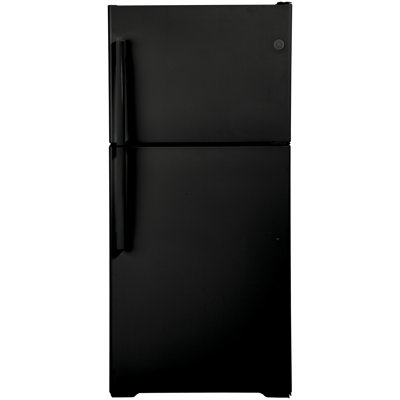
Those snazzy side-by-sides and fancy French doors? They sip more power than the pint-sized or sleek, slimmer ones.
Age
Ancient fridges are like those friends still rocking flip phones – just not efficient. Shiny newbies wrapped in smart tech take the efficiency crown.
Temperature Settings
Crank that temp lower, watch the power drain climb higher.
Location
If your fridge cozies up to heat blasters like ovens, expect a power hike.
Frequent Door Openings
Every door open is a ticket for cold air to make its escape, leaving the fridge huffing and puffing to cool things down again.
These bits and bobs don’t just piece together the puzzle of your fridge’s energy needs, they also help you in the hunt for a fridge that fits your bill (literally). Hunting for more savvy tips on picking the top fridge for your space? Check out Fridge.com handy guide on fridge factors: how to decide.
Figuring out how much juice my fridge guzzles can help me check that electric bill and maybe even tweak my choices to cut costs. Let's dive into the nitty-gritty of what wattage and voltage mean, and then I'll walk through how I tally up how much power this thing sucks up daily and monthly.
Wattage and Voltage Explained
Knowing about wattage and voltage gives me a head start in understanding my fridge's electric cravings.
Wattage (W): This is all about the energy the fridge uses. Find it on the little tag or specification sheet stuck somewhere on the fridge.
Voltage (V): This drives the electric current that flows through the fridge. Most US homes use appliances that rock the 120 volts.
Here's a quick peek at a table that lays out the usual suspects in terms of wattage and voltage:
Appliance Type
Typical Wattage (W)
Voltage (V)
Compact Refrigerator
50 - 100
120
Full-Sized Refrigerator
100 - 800
120
How to Calculate Daily and Monthly Power Consumption
Now, let’s crack the code on figuring out how much juice my fridge is burning through every day and month. Here’s the lowdown on how it works:
Find the wattage: Snag this info from the energy guide label or spec sheet. It's on there, I promise.
Convert to kilowatts: Divide the wattage by 1,000. (kW = W/1,000). Simple math magic.
Daily consumption check: Multiply those kilowatts by how many hours the fridge is on each day (which is like, all day, every day).
[ \text{Daily kWh} = \text{Wattage (in kW)} \times \text{Hours per day} ]
Monthly consumption tally: Times that daily number by 30 to get the monthly use.
Let’s break down a sample calculation with some numbers:
Appliance Type
Wattage (W)
Daily Consumption (kWh)
Monthly Consumption (kWh)
Compact Refrigerator
75
1.8
54
Full-Sized Refrigerator
200
4.8
144
Once I've done the math, I can get wise to how efficient my fridge really is. I might want to dig into refrigerator energy consumption to see if there's room for improvement. It's all about keeping some cash in my pocket while giving Mother Earth a little love.
Energy Efficiency and Savings
Who knew a humble fridge could have such a big impact on my wallet and Mother Earth? Figuring out how much power a fridge sucks up is key to keeping those pesky energy bills down. I've dug into energy ratings to share how I keep my fridge from gobbling up too much juice while saving a few bucks and being kind to the planet.
Energy Star Ratings
Spotting an Energy Star label is my go-to trick for picking out fridges that sip, not gulp, power. These badges tell me a fridge is doing more with less—cheers to that! They're like a shortcut to savings, slashing my electricity bills in the long run.
Energy Star Rating
Estimated Annual Cost of Electricity
Regular Fridge
$150 - $300
I tell you, that little blue sticker can be a lifesaver, guiding me to the right choices when shopping for energy-smart appliances.
Tips for Optimizing Fridge Energy Efficiency
I've got a few tricks up my sleeve to make sure my fridge runs like a dream without breaking the bank:
Tweak the Temp: I keep my fridge chilling between 35°F and 38°F, and the freezer at 0°F. It's like a sweet spot for keeping food fresh and saving energy. If you're unsure, check out what temperature should my fridge be?.
Tidy Up: A neat fridge is a happy fridge. It's easier to find stuff, and it doesn't have to huff and puff trying to maintain its cool.
Show Some TLC: Dusty coils and leaky door seals? No, thank you. I clean them regularly to keep the fridge humming nicely. Need a deep dive into repairs? Head to refrigerator parts.
Stop the Yo-Yo Game: Each time I open the door, the fridge has a mini meltdown, trying to stay cool. Planning my fridge raids ahead means fewer door swings.
Location Matters: I park my fridge far from ovens and the like, making sure it’s got room to breathe and stay efficient.
With these handy tips, and by eyeing those energy-smart models, I keep my fridge from turning into an energy-hogging monster. When I need a refresher on making the best fridge choices, I flip through my notes and resources like fridge factors: how to decide.
Choosing the right fridge can feel a bit like picking the perfect pair of shoes—it's gotta fit just right and not break the bank! Here’s the scoop on how different fridge sizes and types do the electric cha-cha and keep my snacks chilled.
Compact Refrigerators
Compact refrigerators, aka mini-magic, are ideal for squishing into tight spaces like my dorm or office. They suck up less juice than their bigger cousins mainly ’cause they’re, well, small. But don't be fooled—some mini fridges are secretly slurping down more power depending on their bells and whistles.
Compact Refrigerator Type
Average Power Usage (W)
Estimated Monthly Cost*
Mini Fridge
50 - 100
$5 - $15
Beverage Cooler
70 - 150
$7 - $20
*Cost based on an average electricity rate of $0.12 per kWh. (That's twelve cents per what-now?)
Side-by-Side Refrigerators
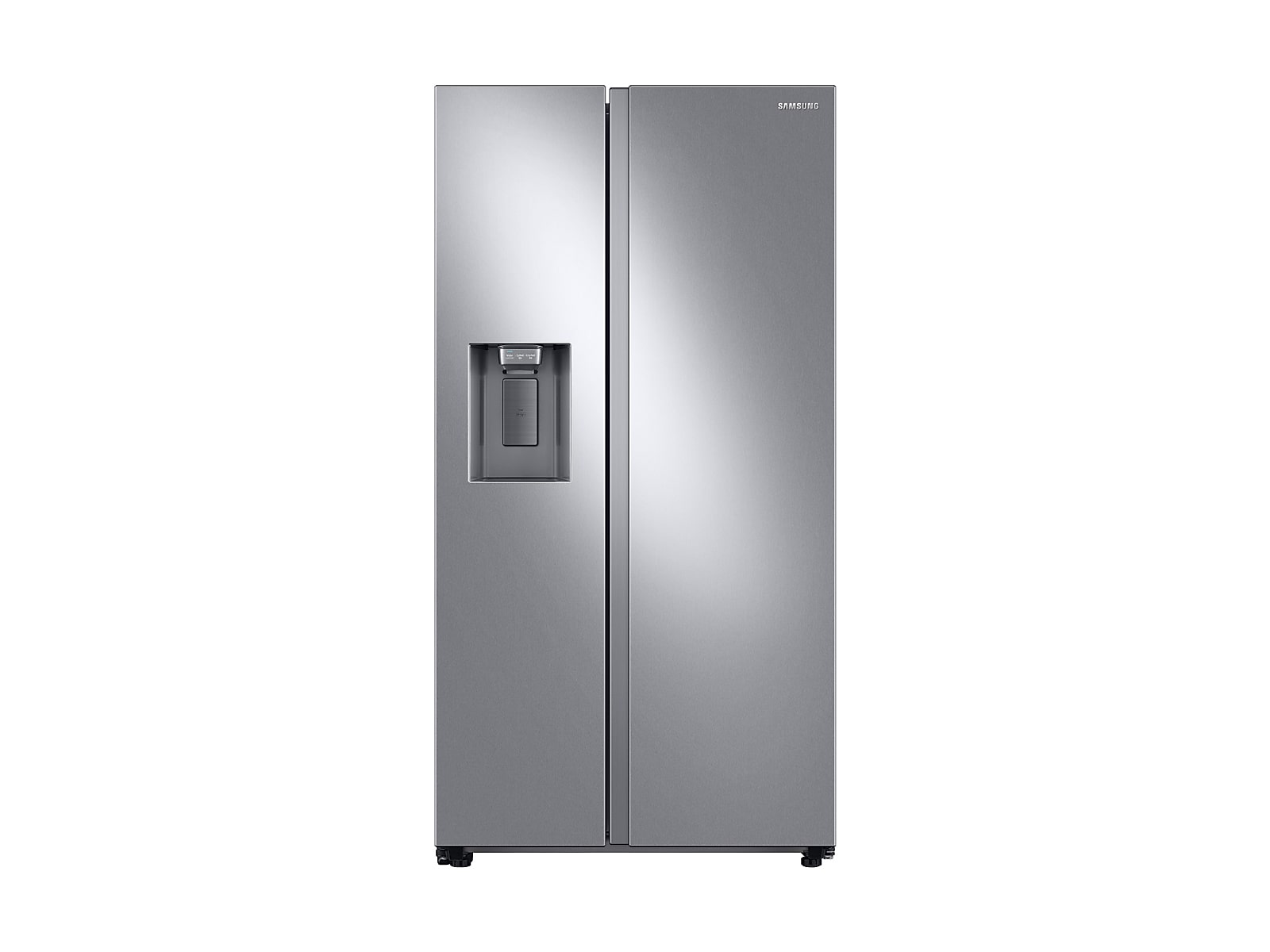
Side-by-side fridges give me easy peasy access to my frosty and fresh goodies but they like their power. Some models come with nifty efficiency features to keep power-hungry habits in check. Picking the right model can cut the monthly bill.
Side-by-Side Refrigerator Type
Average Power Usage (W)
Estimated Monthly Cost*
Standard Model
300 - 700
$30 - $70
*Cost based on an average electricity rate of $0.12 per kWh. Just keepin’ it real with numbers!
French Door Refrigerators
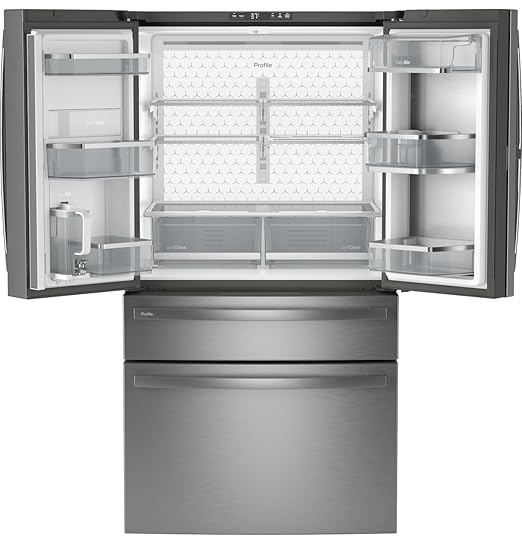
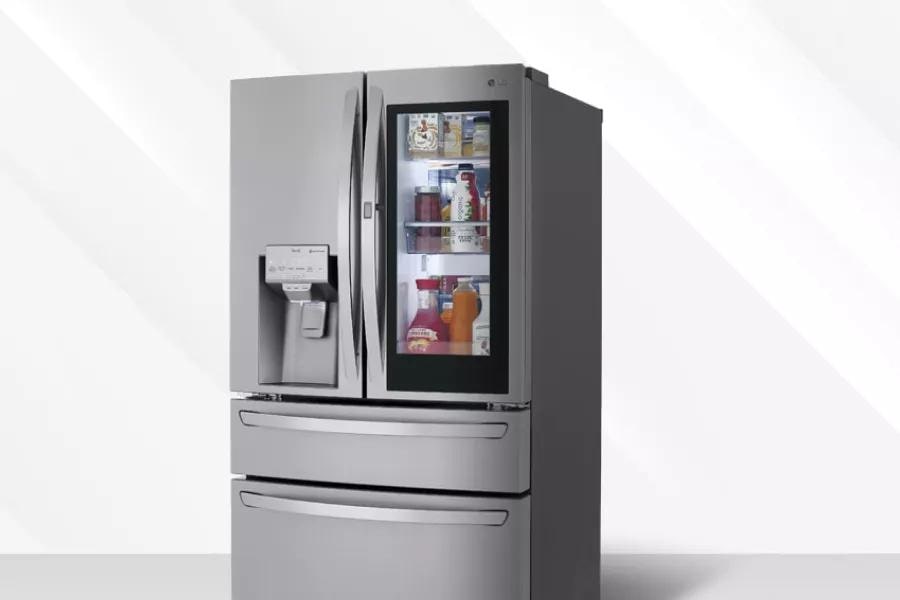
French door fridges—fancy, fab, and friend to all leftovers. With their sleek looks and roomy insides, it’s no wonder they need a bit more power. Lucky for me, many flaunt high energy efficiency ratings, meaning I can keep both groceries and energy bills from exploding.
French Door Refrigerator Type
Average Power Usage (W)
Estimated Monthly Cost*
Standard Model
400 - 800
$40 - $90
*Cost based on an average electricity rate of $0.12 per kWh. Phew!
When I’m playing fridge Tetris with my wallet and the power grid, size is just part of the puzzle. Checking out a fridge’s type and efficiency means I’ll snag the perfect fit for my food habits and savings, no sweat. Want more wise advice on fridge picking? Jump over to Fridge.com article on fridge factors: how to decide. Need an extra nudge on refrigerator energy consumption? We got the deets to make me a fridge whiz!
How much juice your fridge drinks up can depend on a bunch of things. Knowing them means I can be smarter about where I put my fridge, how I use it, and how well I take care of it.
Placement and Ventilation
Where the fridge lives matters for power munching. Stick it somewhere it can breathe easy, or it's gonna huff 'n' puff itself into guzzling more energy. Make sure it ain't trapped in some cozy nook or too close to something that’s always toasty like an oven or in the sun's line of sight. It'll make a difference, trust me.
Placement Stuff
Power Greenbacks Impact
Breathing Room
Tight spots? Power bill’s gonna climb
Heat Attraction
Ovens or sun equals higher energy slurp
Junk Around the Fridge
Blocks the breath, hikes the power hit
Frequency of Door Opening
Every time I yank open that fridge door, I'm letting out the cool and making my fridge work up a sweat to chill back down. You best believe those sneaky peeks and extended ingredient hunting during your culinary adventures or party hosting add up in energy points.
Door Peek Habits
Estimated Extra Power Tax
Every 5 minutes
+10% energy splurge
Every 10 minutes
+5% energy splurge
Barely Opened
Pocketbook stays as is
Age and Maintenance of the Fridge
My old faithful fridge might be costing more to run its cool game. The older the fridge, the more energy-hungry it tends to be because tech improvements weren't around back when it was born. Keeping it maintained helps though—dust off those coils, check those seals for leaks, and make sure the thermostat knows what’s what.
Fridge's Age
Power Consumption Jump
Under 5 years
Status quo usage
5-10 years
+15-25%
10 years and up
Could be 30% or more energy-hungry
Being clued in on these tidbits helps me fine-tune my fridge's game, saving me some Benjamins on the electric bill and squeezing the best out of it. For more strategies on making my fridge run like a champ, I can peep articles on refrigerator energy consumption and fridge factors: how to decide.
Compare prices on Fridge.com
Compare current prices and specifications on Fridge.com, then buy from the retailer you choose; delivery, installation and warranty terms are the retailer’s.
It also has tons of awesome articles about kitchen stuff and home news. Enhance your home, garage, backyard, patio, and office with the coolest essentials. With every necessary type of residential refrigerator or freezer in the collection, you're covered.
From Fridge.com research
Figures below come from data Fridge.com builds and maintains. Each links to the record behind it.
Fridge.com Energy Index, built on U.S. EPA and DOE ENERGY STAR records
Across 5,455 ENERGY STAR certified refrigerators and freezers from 263 brands, median use is 360 kWh per year.