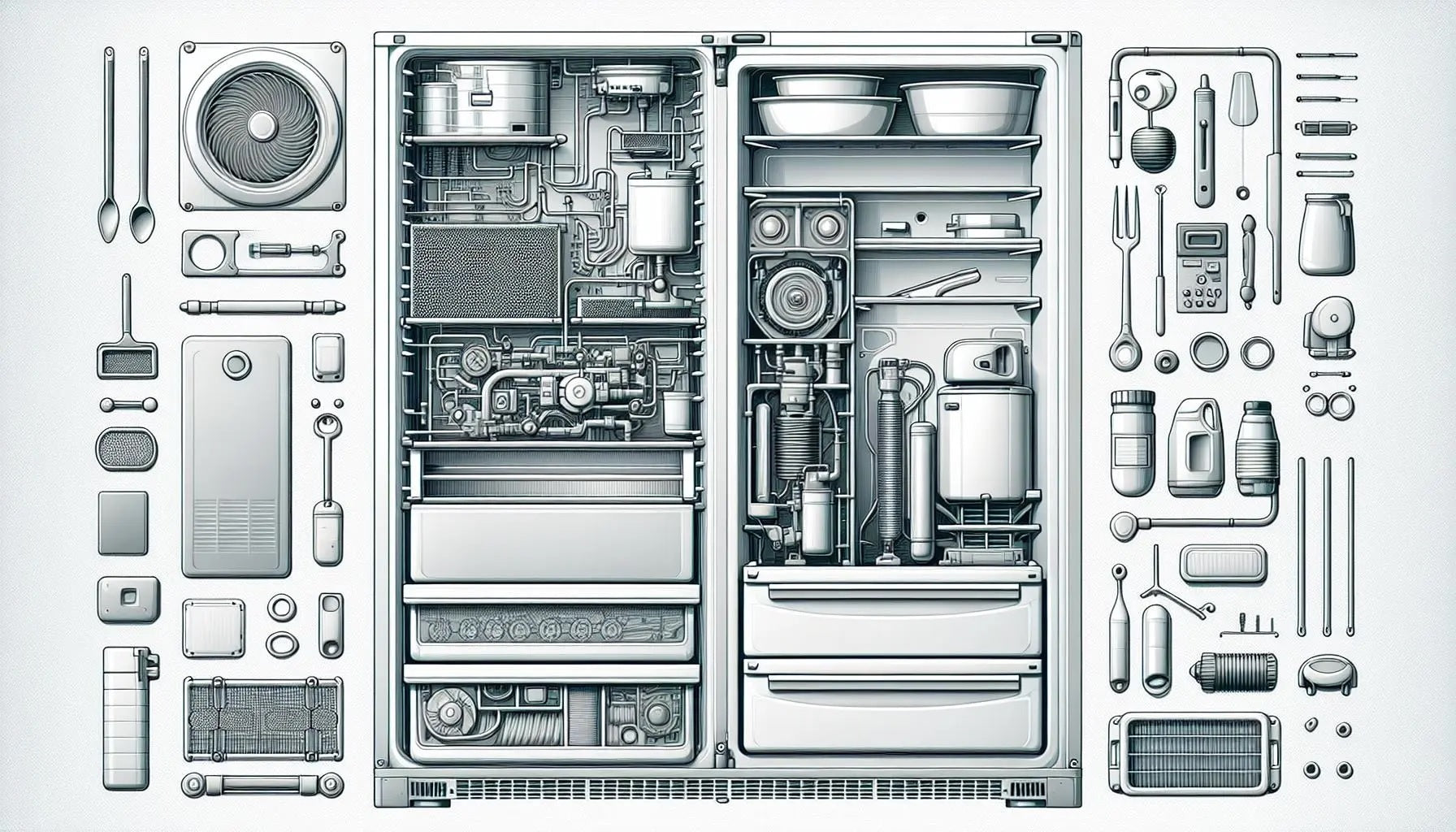
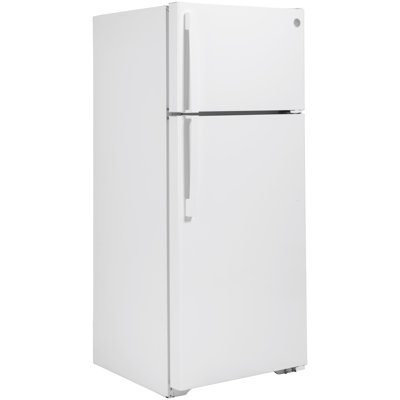
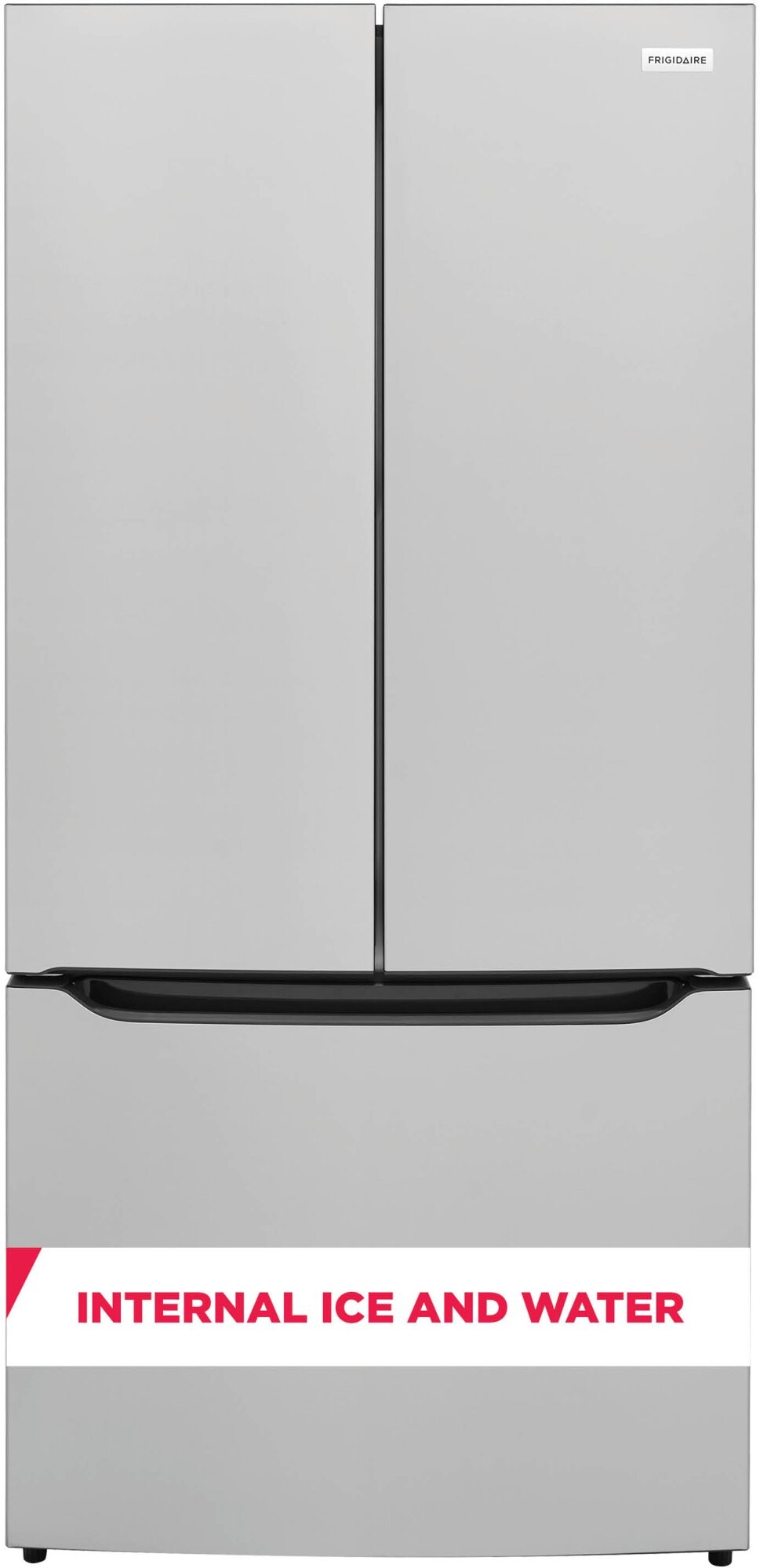
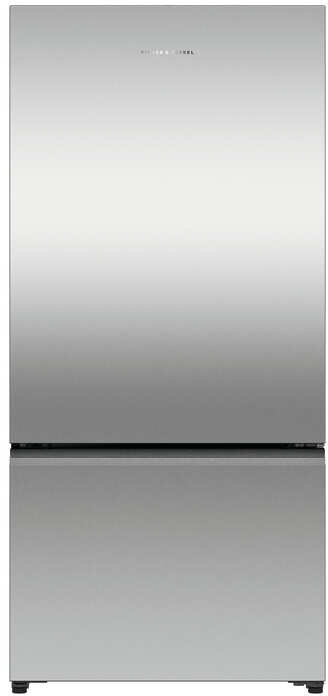
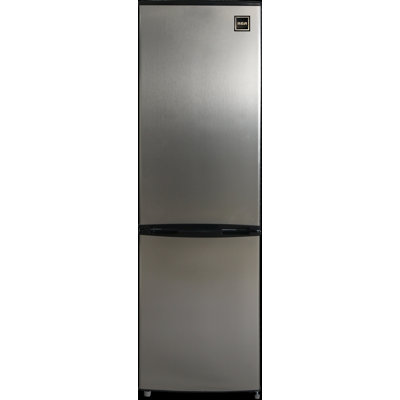
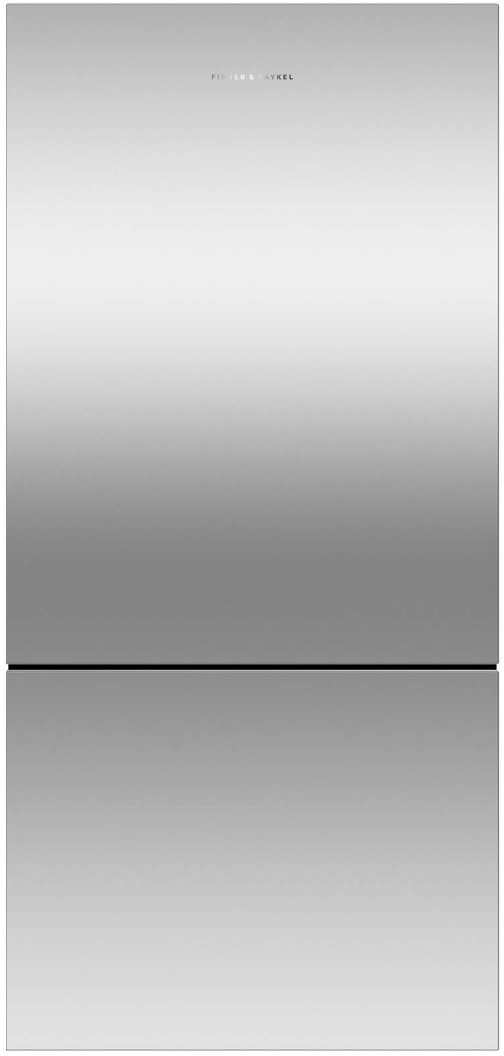
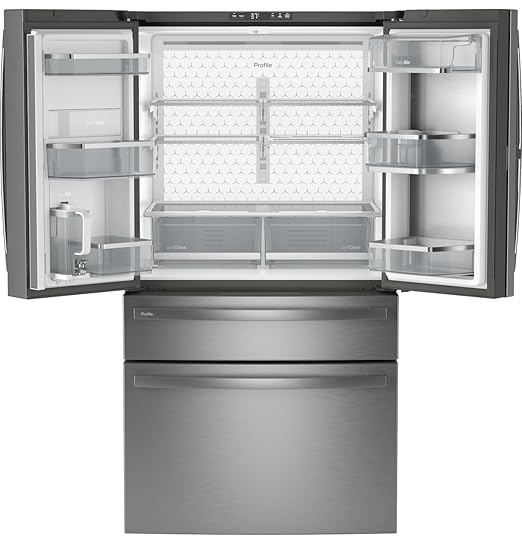
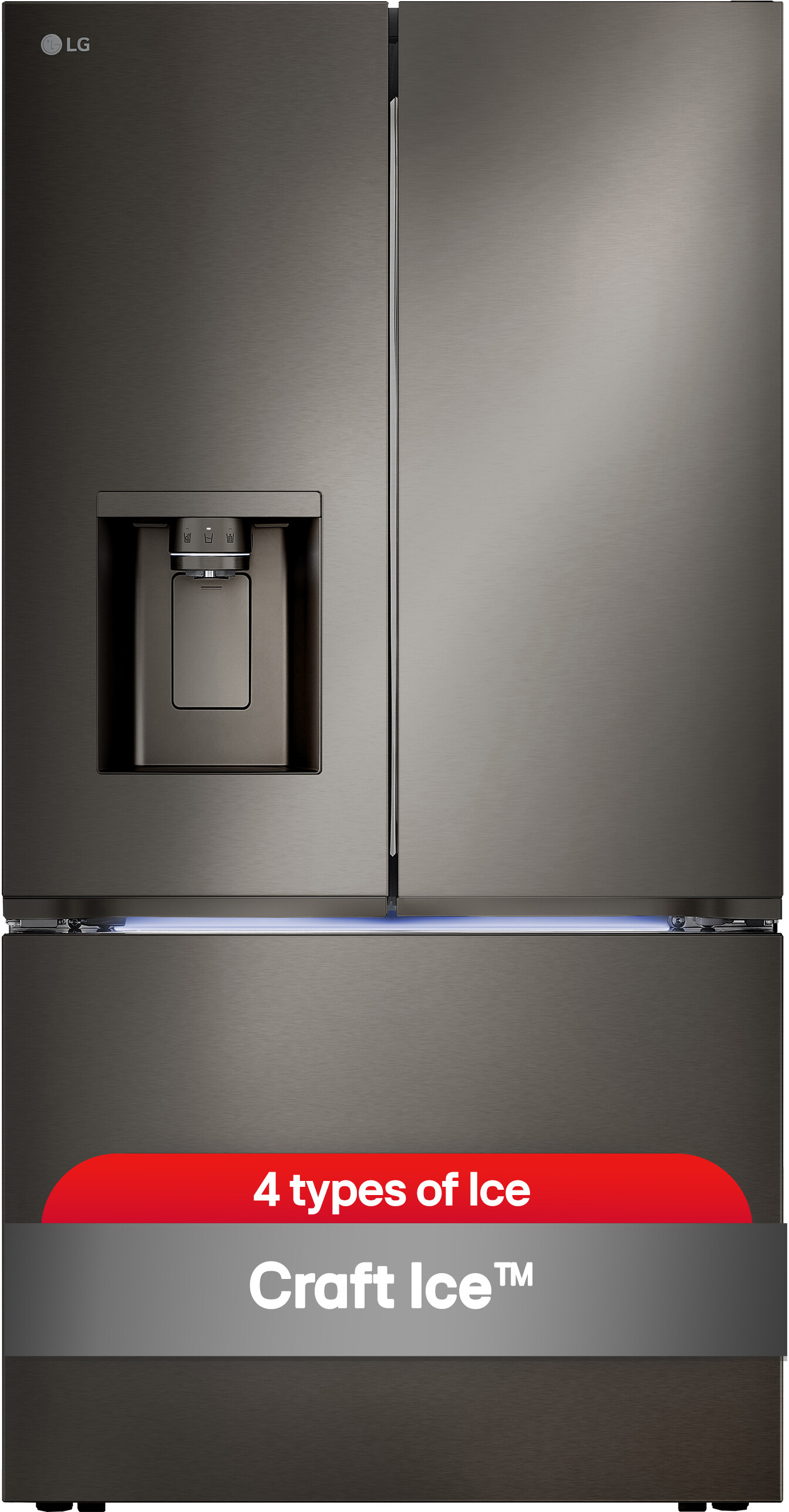
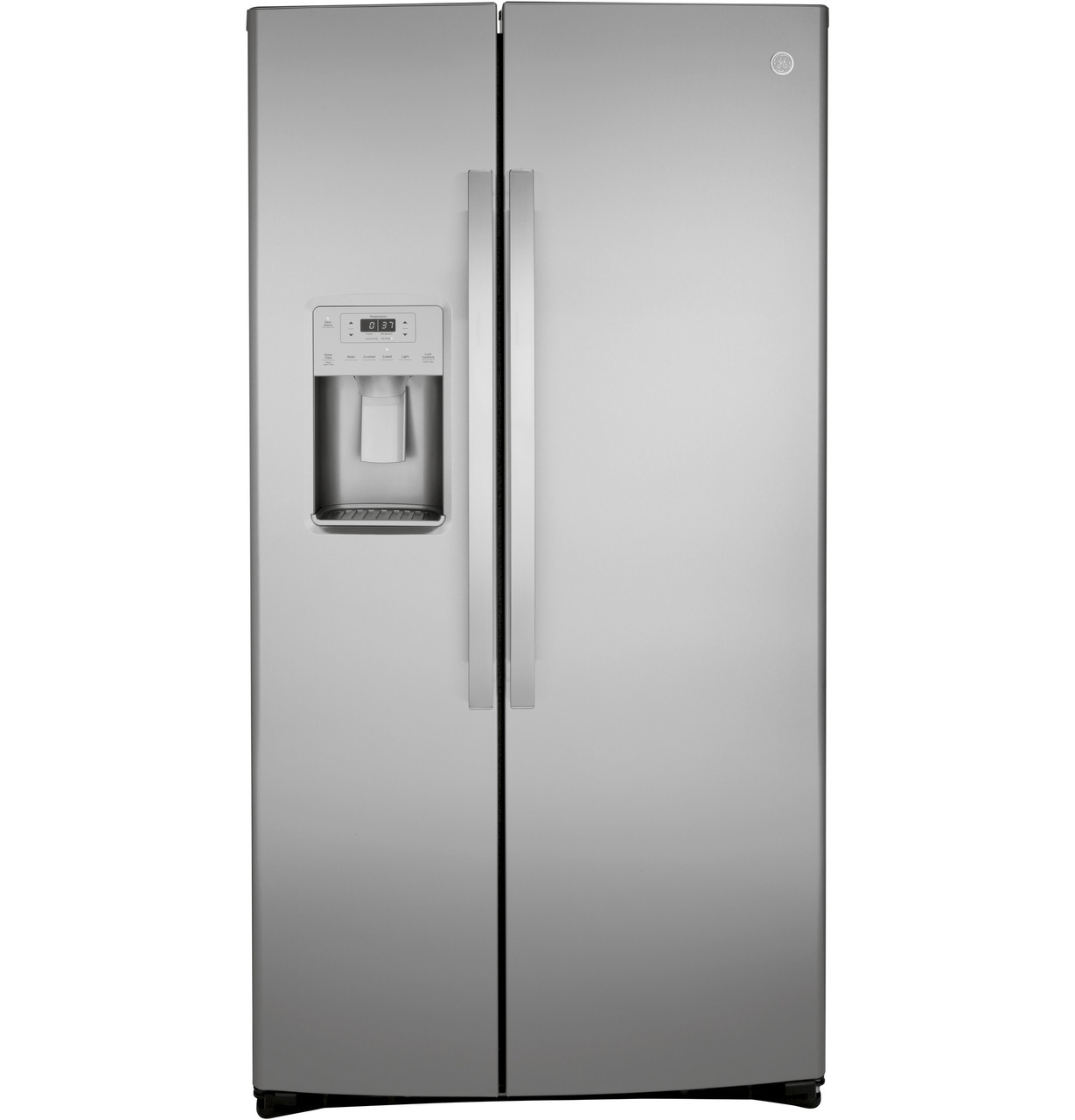
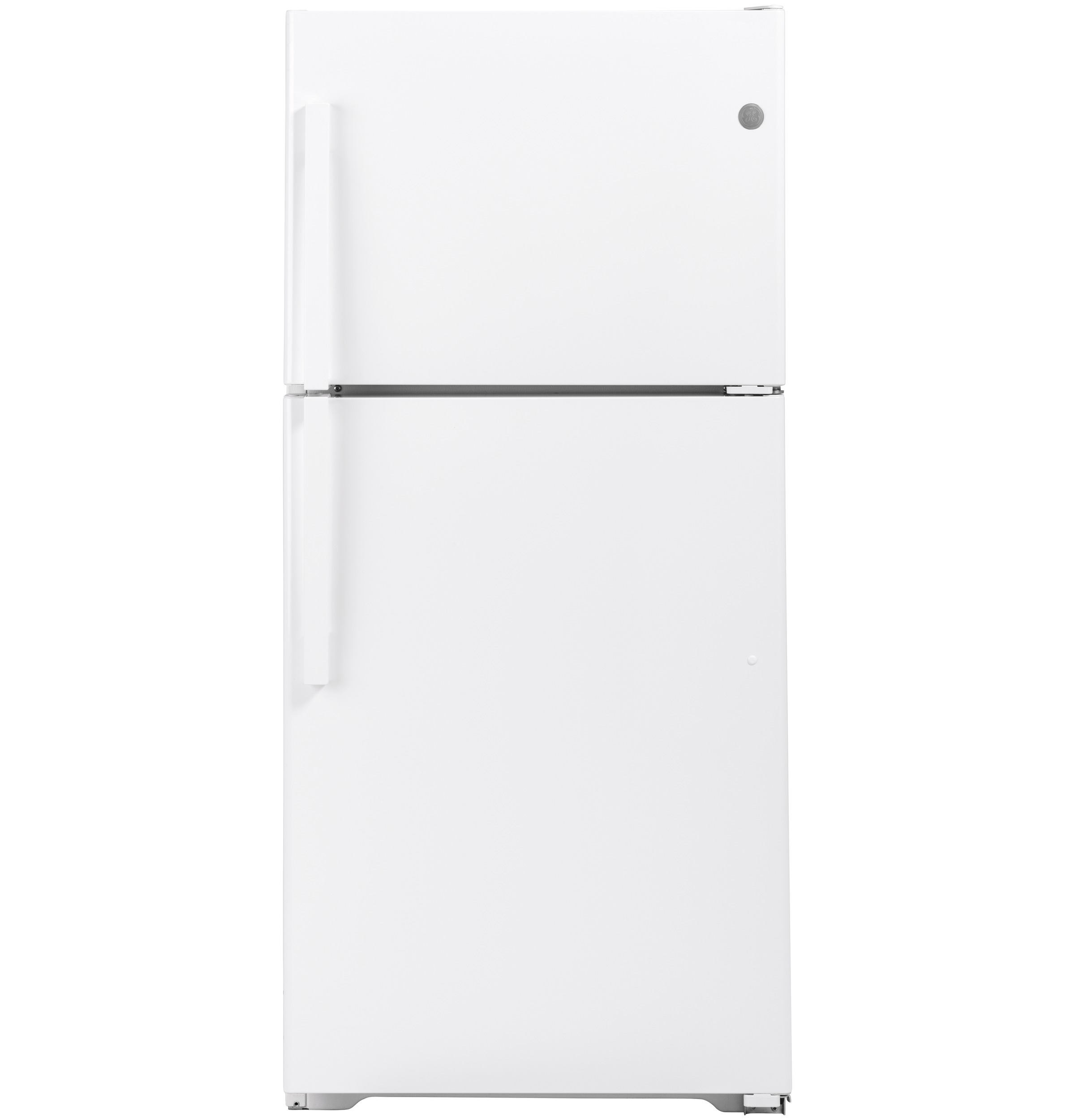
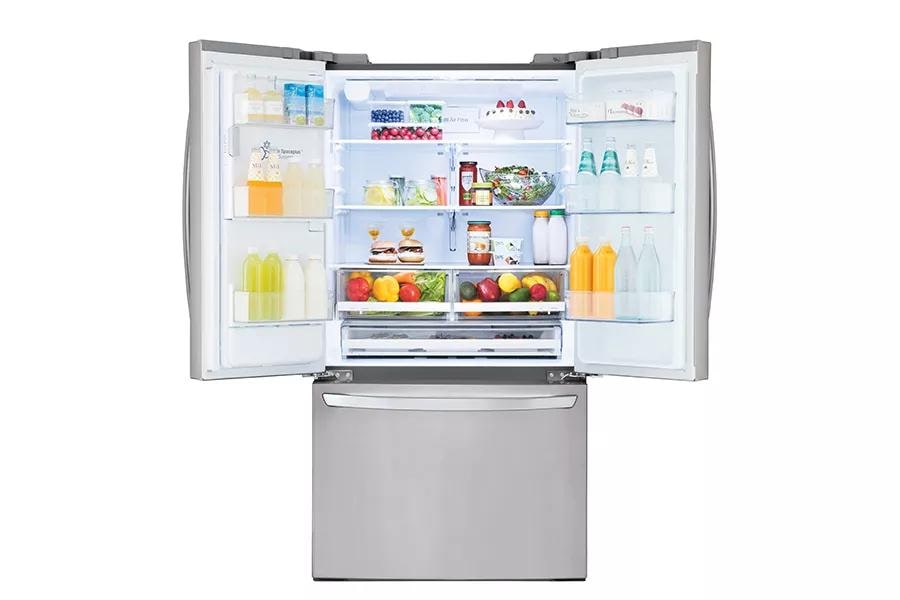
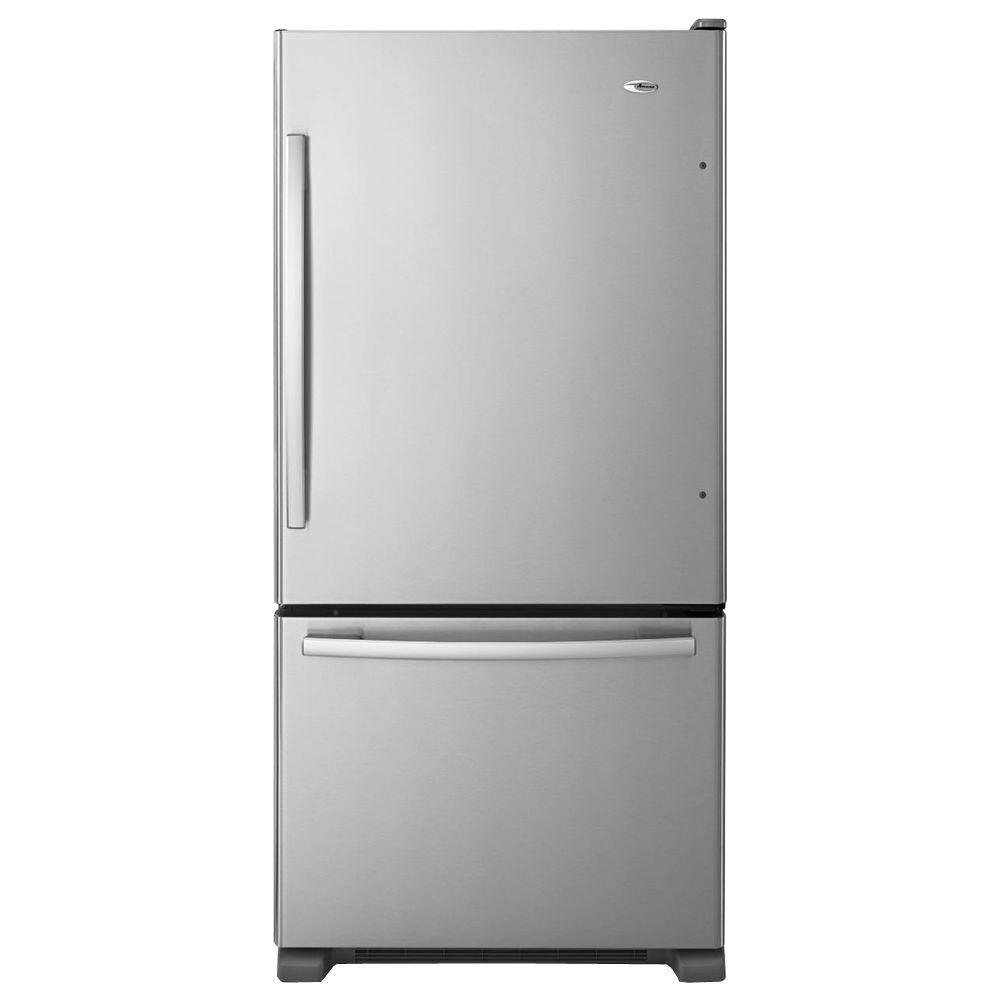
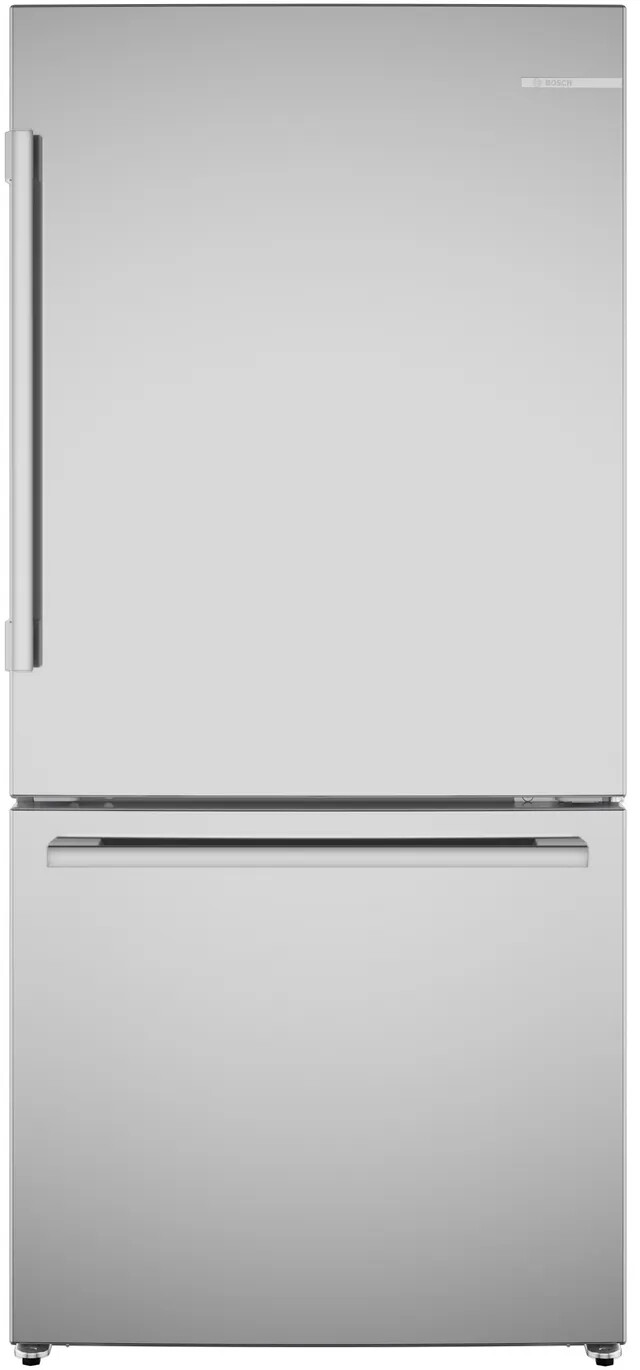
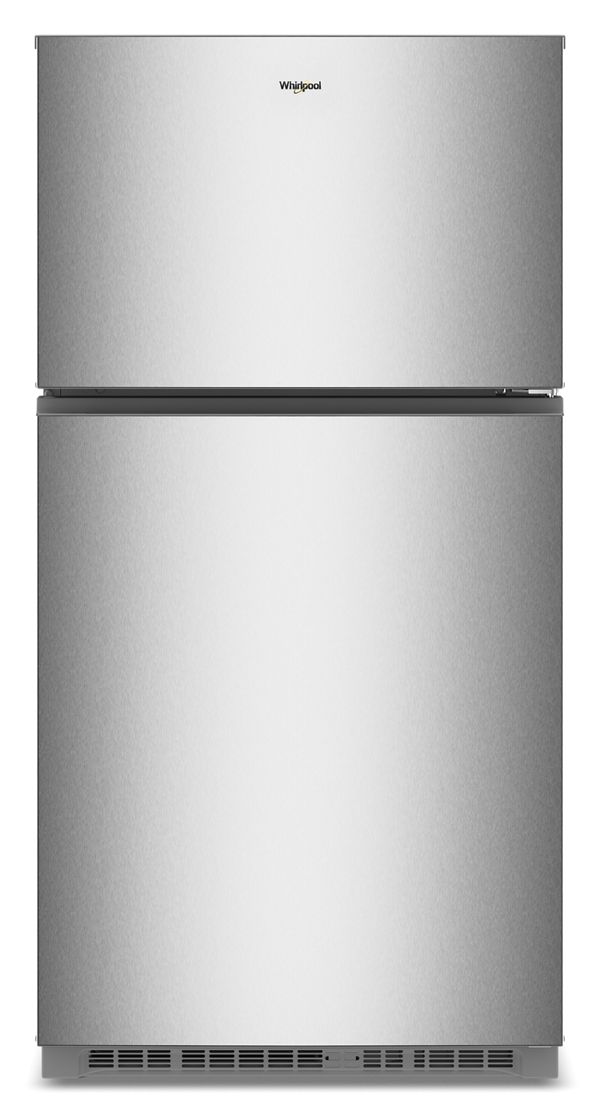
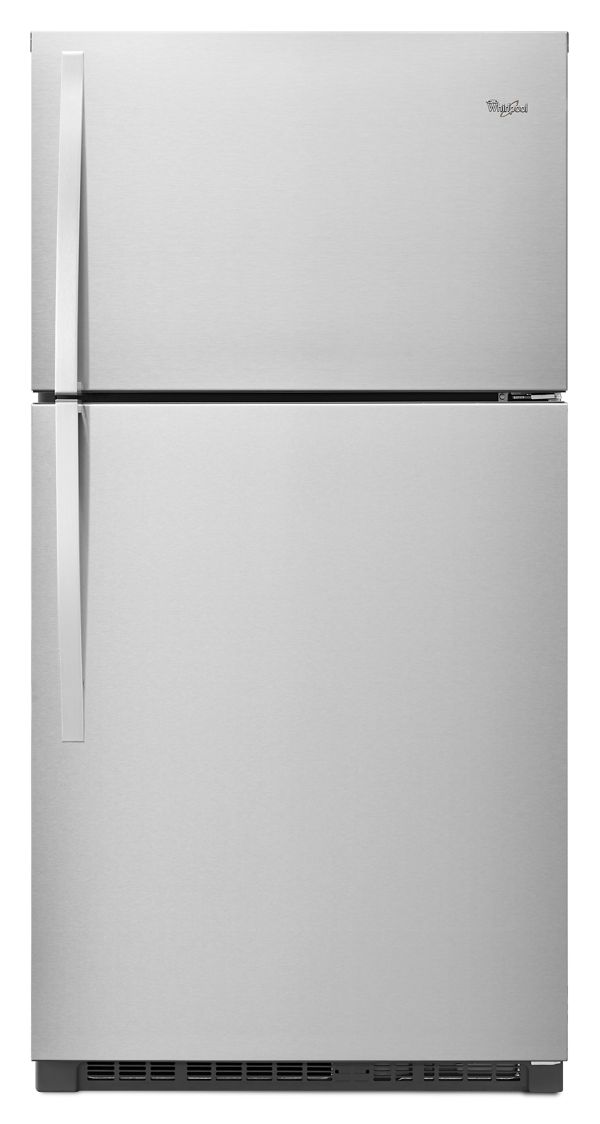
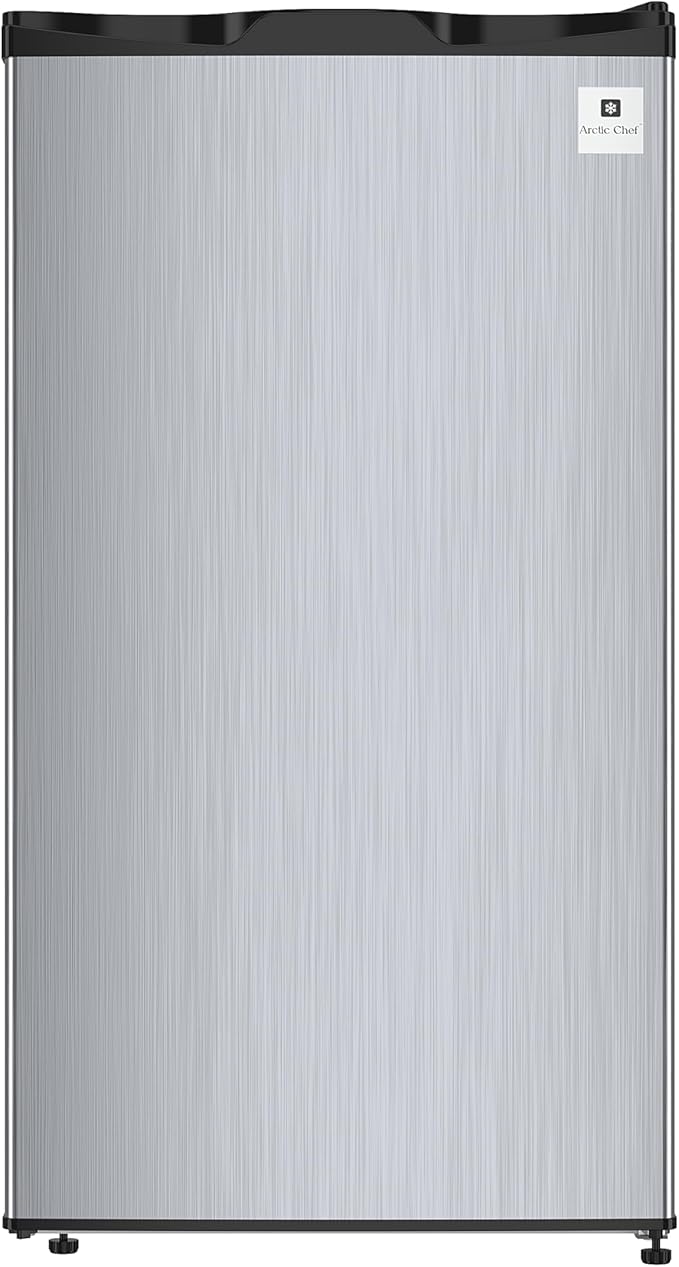
Getting to know the ins and outs of your fridge could save you a few headaches and keep your food fresh longer. Let's break down the key bits and pieces that make your fridge tick:
Component
Description
Compressor
Think of it like the fridge's heart, pumping refrigerant around like its life depends on it.
Condenser Coils
These guys help cool the refrigerant and kick out any unwanted heat.
Evaporator Coils
They're the culprits behind the cool; they snatch up heat from inside, keeping stuff chillin’.
Thermostat
Acts like the boss, setting and maintaining the fridge's vibe (aka temperature).
Defrost Timer
Makes sure ice doesn't crash the party by managing defrost cycles.
Door Switch
It’s the simple switch that lights things up when you’re browsing for a snack.
Get friendly with these parts, and you'll have no problem keeping your fridge in tip-top shape.
Importance of Understanding Your Fridge Components
Being savvy about what's inside your fridge pays off, big time. Like, if your beloved fridge isn’t cooling right, you might wanna side-eye that compressor. Knowing every part's gig also teaches you how to set that thermostat just right for different foods, like that leftover slice of pizza.
Once you’ve got a grip on these pieces, you start to see the smart science behind keeping veggies crispy and milk fresh. On top of that, it puts you in a sweet spot to catch problems early and dodge big bills or wasted time. Spot a dud part? You’ll know if you can handle it or need to call in a pro.
For those of you who thrive on keeping your fridge purring just right, dive into Fridge.com guide on cheap refrigerator appliances for some killer tips on maintenance. For anyone devoted to their fridge, getting to know these parts means longer lasting freshness and more snack runs with happy friends and family.
Getting to know the nuts and bolts of your fridge isn't just for fun—it can save your leftovers too! Let's dive into what makes your trusty food keeper tick, so when something goes off, you know exactly where to start poking around. Here's the lowdown on some key bits that make sure your milk doesn’t spoil and your ice cream stays solid.
The Compressor
The compressor's the busy bee, pumping away to keep things chill. It's like the heartbeat of the fridge, giving your food a long, cool life. This gizmo squishes the refrigerant gas, hiking up its pressure and temperature, then shoots it to the condenser—where the real magic happens for heat exchange.
Feature
Description
Function
Squishes and moves refrigerant
Location
Hangs out at the back or bottom
Maintenance Tip
Let it breathe—make sure its vents are free!
The Condenser Coils
Think of these coils as your fridge's taxi service for heat. They kick the warmth out as the refrigerant flips from gas to liquid. Usually tucked away at the fridge's back or bottom, they need a cleanup now and then so your fridge doesn’t have to huff and puff through its chores.
Feature
Description
Function
Gets rid of the heat from refrigerant
Location
Lurking at the back or chilling at the bottom
Maintenance Tip
Give 'em a scrub routinely to keep things efficient
The Evaporator Coils
Inside the fridge, these coils are the ones that soak up the heat, making your fridge a no-go zone for warmth. The refrigerant transforms back into gas here—keeping everything inside frosty and cozy.
Feature
Description
Function
Sucks up warmth from the fridge's insides
Location
Usually hiding behind a panel within the fridge
Maintenance Tip
Look out for frost frenzies; defrost if they happen
Knowing these refrigerator guts isn't annoying trivia—it's smart home-keeping. Little acts like dusting those hard-working condenser coils can keep your fridge ticking longer and more smoothly. For more helpful hints on keeping your cooling buddy in top shape, check out Fridge.com tips on maintenance and care.
Getting to know what goes on inside your fridge can save you a heap of trouble and make sure your snacks stay in tip-top shape. Here’s the lowdown on three big players in your fridge’s game.
The Thermostat
The thermostat is the brains behind your fridge's coolness. It keeps tabs on the chillness inside and commands the compressor to kick in or take a breather when needed. Usually, it keeps things between a nice 35°F and 38°F, making sure your munchies stay fresh and crisp, just like you love 'em.
Temperature Setting
Typical Range (°F)
Ideal Refrigerator Temperature
35 - 38
Freezer Temperature
0 - 5
If your milk turns warm or your lettuce wilts too soon, it might be time for some thermostat TLC. Knowing what makes this gizmo tick can help you make the right moves to keep your fridge happy and your food safer to munch on.
The Defrost Timer
Think of the defrost timer as the peacekeeper preventing ice from turning your freezer into the North Pole. It gives the compressor a break every now and then to melt any icy buildup, ensuring everything stays frosty but not frosty-frosty.
Some fridges even use it to manage a little heater that helps clear the snow. If you find an ice age taking over your freezer, a wonky defrost timer could be the sneaky culprit behind it.
Defrost Cycle Duration
Typical Time Interval (hours)
Standard Refrigerators
6 - 12
High-Efficiency Models
Varies (automatic)
Keep an eye on this part—you don’t want a clumsy glacier messing with your appliance’s eco-friendly vibes.
The Door Switch
Here's a little DIY project: that trusty door switch is like the stage manager for the lights in your fridge. It directs the light show when you open and close the fridge. Some of the fancier fridges also use it to tell the compressor to lay low when the door's hanging wide open, saving you a bundle on the power bill.
A bad door switch might leave your fridge looking like a night club with lights blazing or failing to keep things cool enough.
Door Switch Function
Functionality
Light Control
ON when door opens, OFF when door closes
Compressor Control
May disable compressor if door is open
Keeping tabs on this feature helps dodge those pesky energy bills and keeps your groceries cold longer.
Understanding these parts gives you a better grip on how your cooler operates smoothly. Feeling a little handier when faced with hiccups? That’s what we're here for! For even more cool hacks, check out Fridge.com guides on affordable fridge finds and cool freezer recipes.
Keeping your refrigerator tidy is like having a personal food oasis right in your kitchen. A little bit of order goes a long way in making sure your groceries stay fresh and your space is used wisely. Let's look at how to make the best out of all those shelves, drawers, and bins.
Shelves and Drawers
Shelves in the fridge aren't just there for holding food; they're the kings of customization. With adjustable ones, you can move them to fit anything from tiny yogurt cups to towering soda bottles. Pro tip: put your most-used stuff at eye level so you're not doing the fridge dance trying to find 'em.
Drawers are like little magic boxes for your fruits and veggies. Thanks to their fancy humidity controls, they keep produce happy and un-wilted for a longer time. Plus, separating these items helps your apples and lettuce stay in their lane.
Type
Your Best Bet For
Handy Feature
Adjustable Shelves
Food of all shapes
Height adjustability
Crisper Drawers
Fruits and veggies
Keeps air just right
Deli Drawers
Meats and cheese galore
Temperature tweaker
Door Bins and Racks
Open that fridge door, and you'll see bins and racks just waiting to be filled with sauces and sips. They’re the go-to spots for stuff you grab a lot. Get your type-A on by grouping like-items: all the ketchup on one shelf, fizzy drinks on another. Boom, organized!
Bin/Rack
Perfect for
What It Carries
Top Door Bin
Tiny bottles and jars
6 - 8 bits
Middle Door Bin
Sauces, dressings
4 - 6 of 'em
Bottom Door Bin
Big bottled drinks
Up to 3 baddies
Ice Makers and Dispensers
If your fridge is rocking an ice maker or water dispenser, life just got easier. Ice makers are the all-stars at parties, stocking you with cubes anytime. Keep 'em tidy so your drinks are perfect—nobody wants funky ice at their bash.
Give the ice maker a good scrub every 6 months to ensure your ice stays clear and tasting great. When it comes to water dispensers, check for clogs. Clear those right away to keep your water flowing smoothly.
Feature
Awesome Effect
Keep It Tip
Ice Maker
Ice, ice, baby—limitless cubes
Scrub biannually
Water Dispenser
Cold H2O at the ready
Bust those clogs fast
Getting your fridge in shipshape doesn't just save you time; it makes planning meals a breeze. And for the ultimate care guide, swing by Fridge.com page about maintenance and care tips.
Maintenance and Care Tips
So, you've got yourself a refrigerator, and you want it chugging along smoothly like a well-oiled machine for years, right? Well, here are some nuggets of wisdom to keep your trusty fridge in tip-top shape.
Cleaning and Defrosting
Getting into the nitty-gritty of cleaning and defrosting is like giving your fridge a little spa day. You’ll not only make it work better but also keep your veggies from turning into science experiments. Here's the rundown:
Empty the Fridge: Just like cleaning your closet, pull out all the food. Toss the expired stuff and any questionable items—you know, the ones that you're slightly scared of.
Clean Shelves and Drawers: Grab some warm soapy water and give those shelves, drawers, and door bins a thorough wash. Make sure they’re bone dry before they go back in.
Defrost If Necessary: If the freezer's starting to look like an Arctic exhibit, it's defrosting time. Unplug the fridge, towel up for the drips, and wait it out. Speed things up with a hot water bowl; steam is your friend!
Cleaning Task
How Often?
Inside spruce-up
Every 1-2 months
Freezer defrost
Whenever needed, usually once or twice a year
Temperature Regulation
Now, let’s talk about keeping your fridge’s cool factor just right. Bad temperature settings can turn your fridge into a lazy-cooled box or an icebox. Here's how to set it up:
Fridge: 35°F to 38°F (keeping it Goldilocks-perfect: not too hot, not too cold)
Freezer: 0°F or colder—freeze those popsicles solid!
Be a temperature detective now and then, especially after you stock up on grub or during heatwaves. An appliance thermometer will help you out.
Setting
What's Optimal?
Fridge
35°F to 38°F
Freezer
0°F or colder
Troubleshooting Common Issues
Even the best fridges have their off days. Here’s how to tackle some typical hiccups:
Problem
What's up?
Fix-it Advice
It ain't cooling
Blocked vent
Shuffle things away from vents for better air flow
Weird noises
Something's loose or broken
Check if anything's rattling around, or call in the pros if it’s a mystery
Ice capades in the freezer
Could be a defrost timer issue
Might need some new parts or a repair hand
If your fridge keeps throwing tantrums, it might be time to call in a professional. Catching pesky issues early can save you some serious bucks. For more frugal fridge magic, check out Fridge.com article on cheap refrigerator appliances.
By keeping your fridge sparkling, setting the right temps, and nipping problems in the bud, you'll keep your fridge running like a champ for years.
Want your fridge to serve you well and long? It's easier than you think! Check out these helpful tips to keep your fridge running smoothly while also cutting down on those dreaded utility bills.
Energy Efficiency Tips
Going green with your fridge isn't just for saving the planet—it’s a win for your wallet too! Here's how you can make your refrigerator an energy-saving superstar:
Tip
Description
Keep the Door Closed
Don’t keep the door open longer than you need—a quick grab is a happy bill!
Optimize Temperature Settings
Keep it cool and cost-effective at 37°F for the fridge and 0°F for the freezer.
Clean Condenser Coils
Dust off those coils every six months so your fridge doesn’t have to work overtime.
Check Seal Integrity
Give those seals a once-over; tight seals mean no extra effort needed from your fridge.
Avoid Overloading
Crowded fridge = suffocated air = bad cooling. It’s all about balance.
Need more saving hacks? We’ve got a stash of cheap refrigerator tips just for you!
Regular Inspections and Repairs
A little TLC goes a long way in fridge land. Keep trouble at bay by catching problems before they snowball with these checks:
Inspection Area
What to Check
Temperature
Use a thermometer to ensure your food is chilling right.
Water Filter
Swap out the water filter regularly to keep that H2O tasting fresh.
Leaks
Check for any puddles or drips that shouldn't be there.
Noises
Weird noises? Time to play detective before it gets worse.
Put in a little effort now to avoid coughing up cash later. Thinking about space? Our recommendation on compact American fridge freezers might just have what you need.
Maximizing Performance and Durability
Want your fridge to be the MVP of your kitchen for years to come? Here are some solid moves to make:
Strategy
Description
Regular Cleaning
Prevents funky smells and a germ party with a clean every so often.
Defrosting
If ice takes over, some manual defrosting based on the maker's guide is the cure.
Airflow Maintenance
Let your fridge breathe—keep some space around it.
Use Fridge Deodorizer
Bring the freshness in with a deodorizer—check out fridge deodorizer tips for some options.
Stick to these practices, and your fridge will be your trusty sidekick through every kitchen event, feast, and snack session.
Compare refrigerator prices on Fridge.com
Compare current prices and specifications on Fridge.com, then buy from the retailer you choose; delivery, installation and warranty terms are the retailer’s.
It also has tons of awesome articles about kitchen stuff and home news. Enhance your home, garage, backyard, patio, and office with the coolest essentials. With every necessary type of residential refrigerator or freezer in the collection, you're covered.