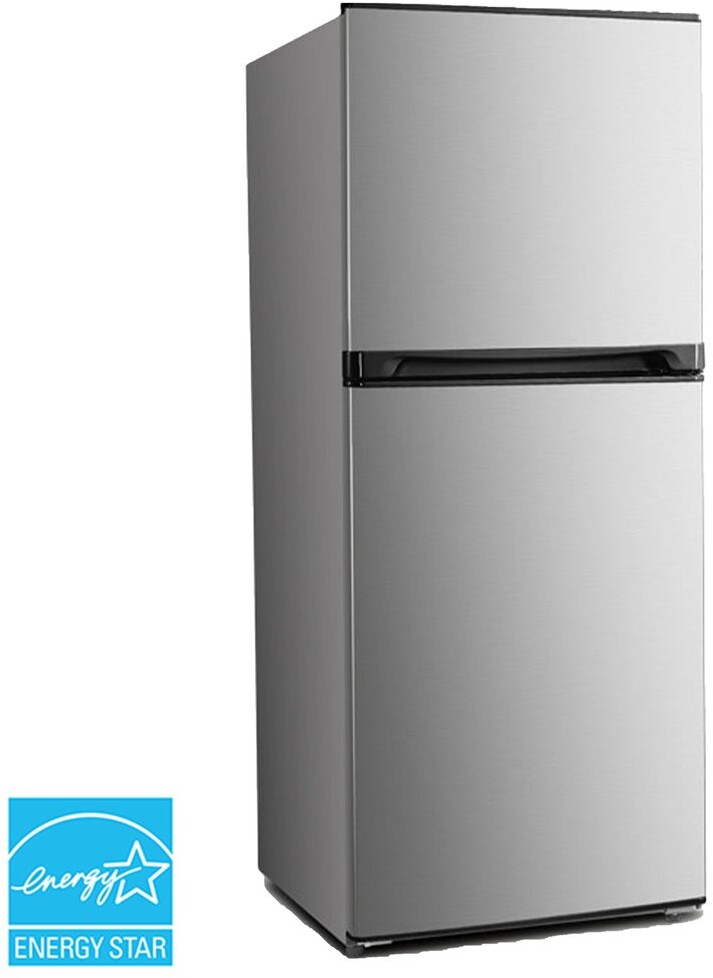
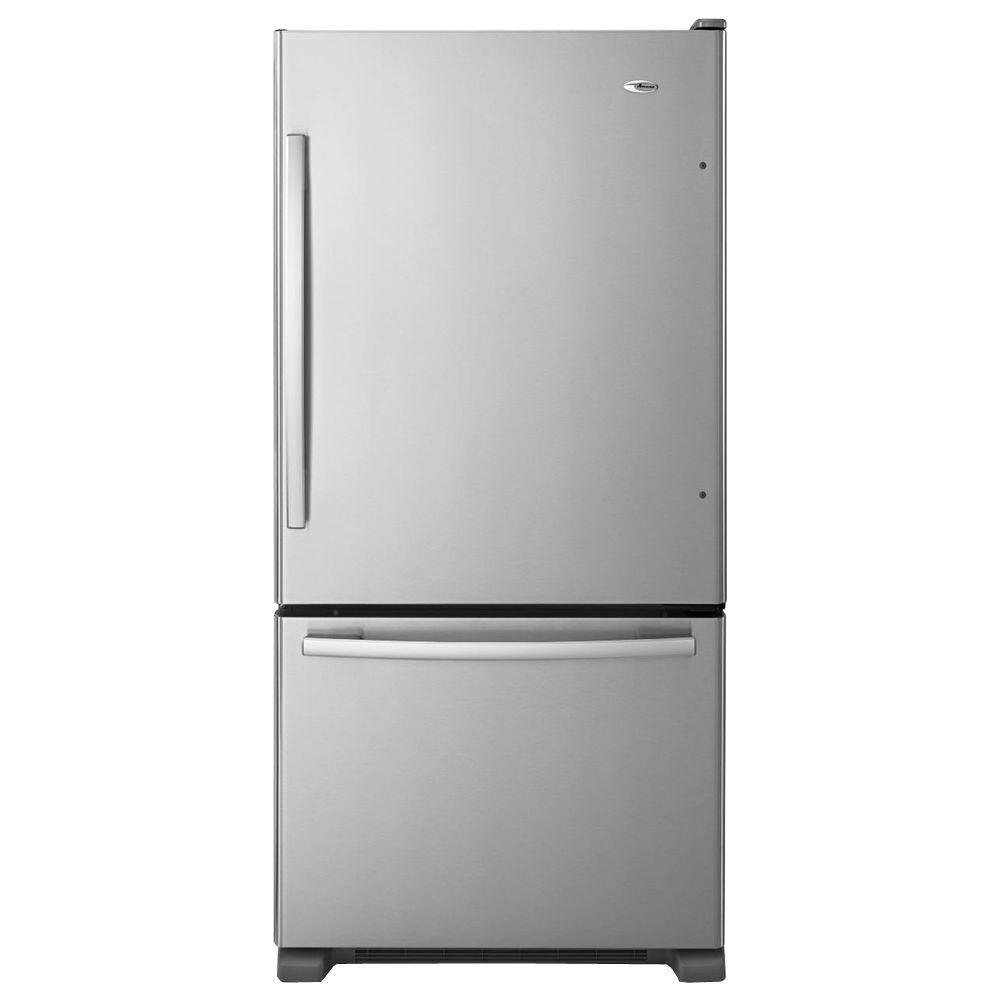
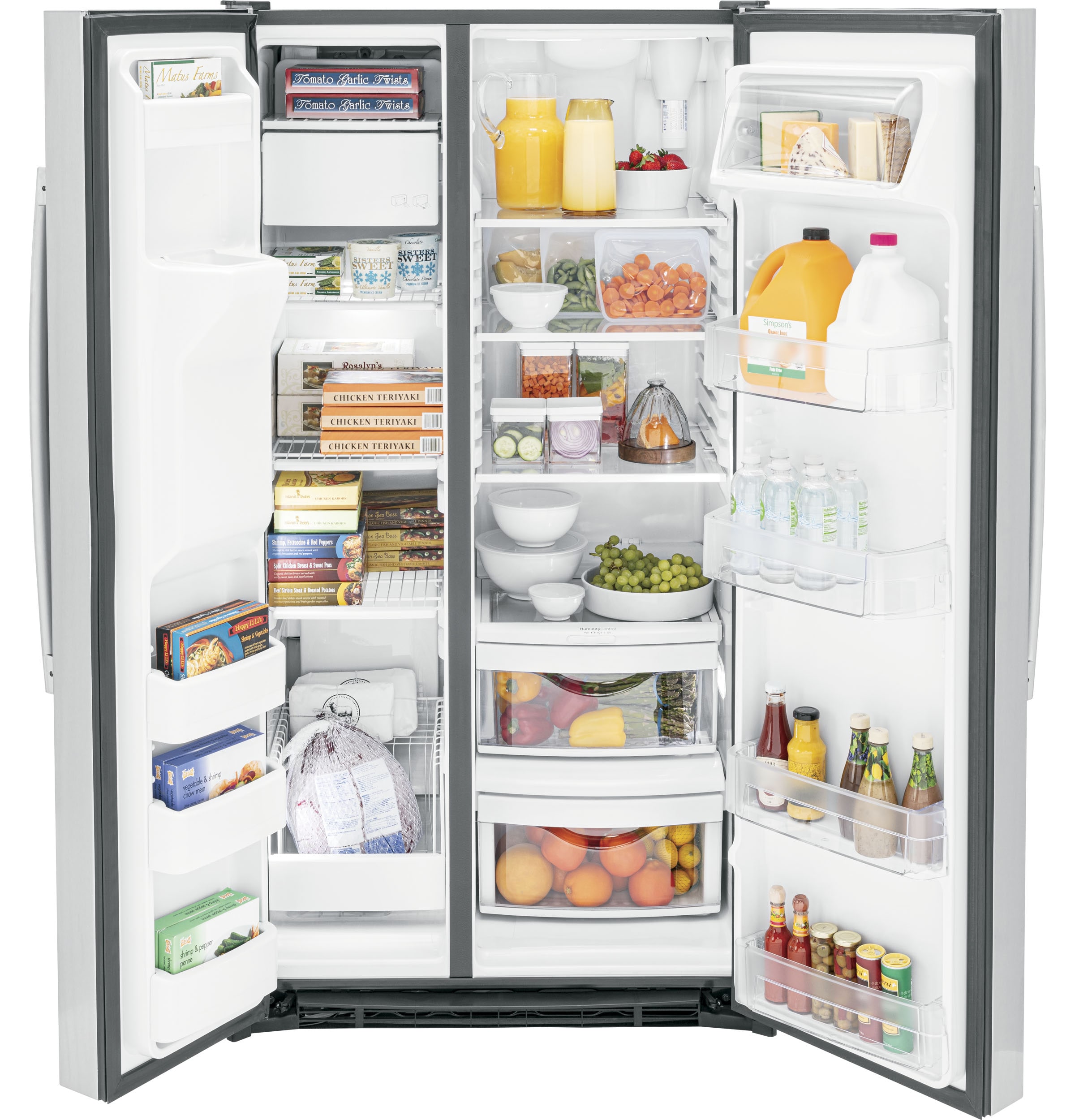
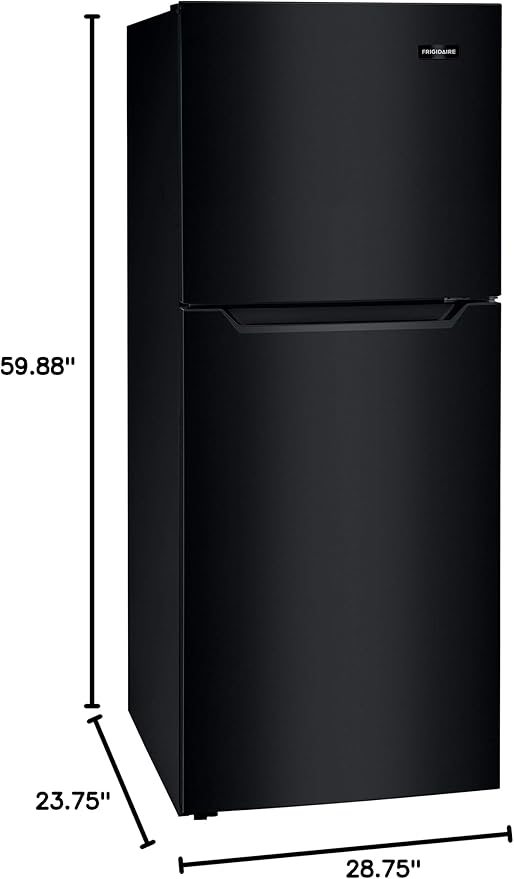
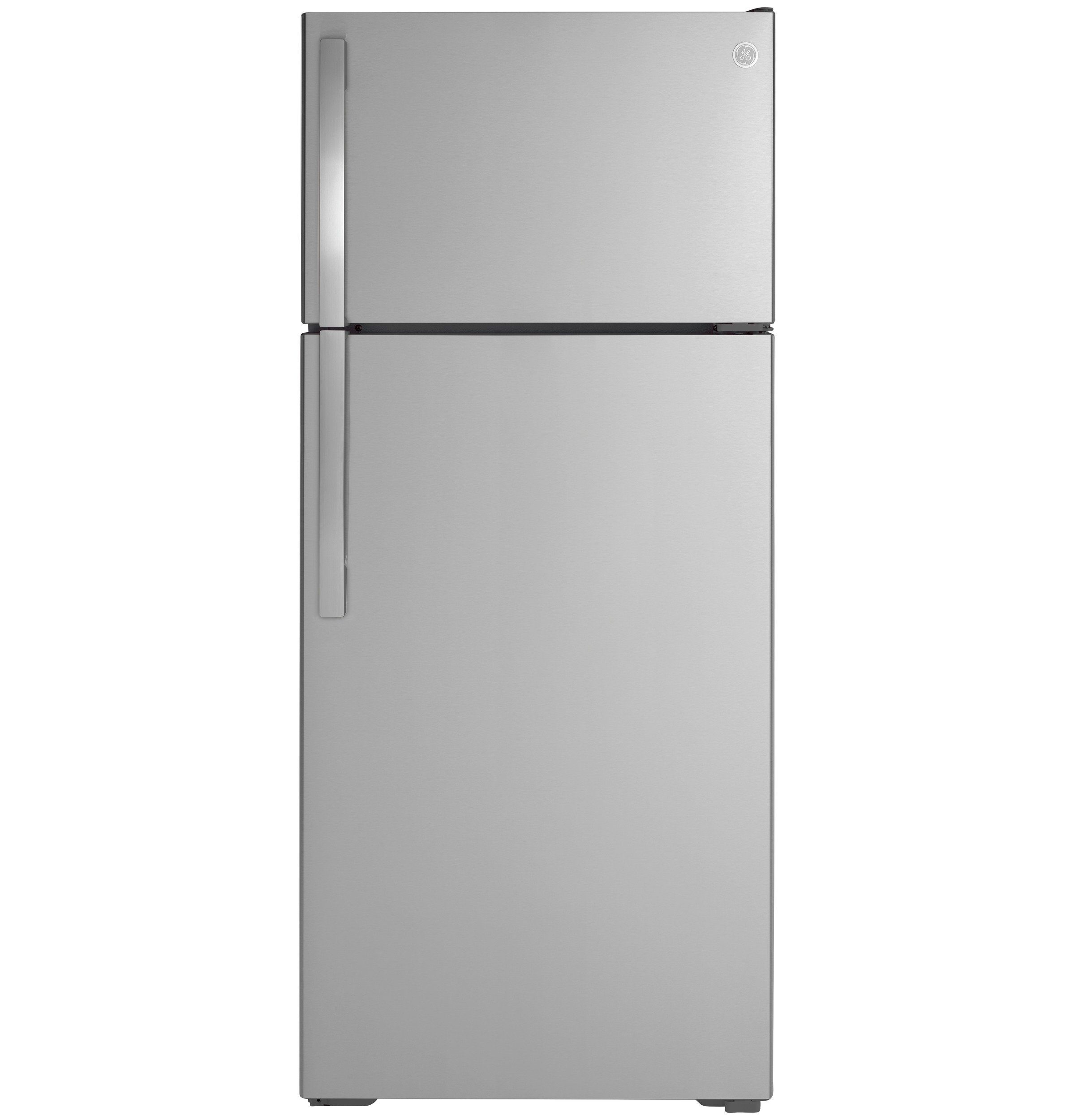
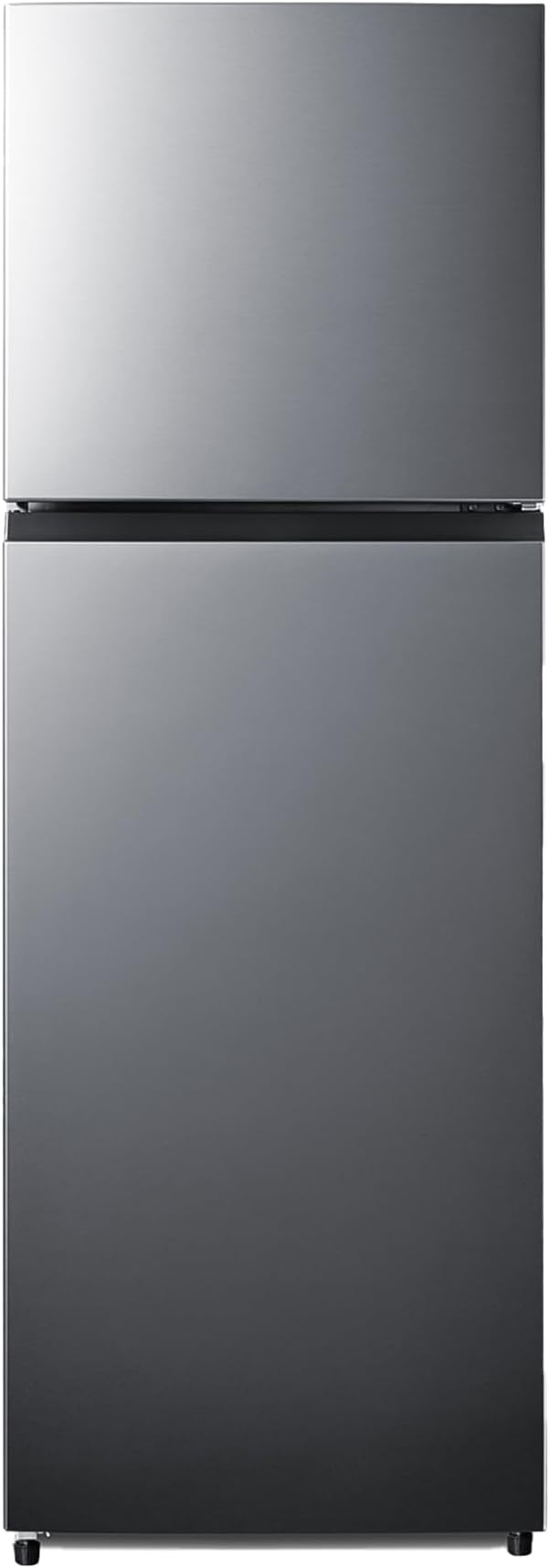
Man, dealing with frozen pipes in the ol' fridge is like trying to find your socks in the dryer. Just when you think you've sorted it out, something else pops up. But knowing what makes these pipes freeze and catching the hints early can really save you from a bunch of headaches.
Causes of Freezing Pipes
So, why do these pesky pipes freeze up in the first place? Here’s a peek behind that icy curtain:
What's Up
What's Goin' On
Crummy Breeze
Air can't flow right if vents are blocked or stuff's not set up right.
Fridge Chillin' Too Hard
Setting the temperature to Antarctica-levels might freeze everything.
Sticky Air
When it’s humid, moisture loves to cling and freeze onto your pipes.
Thermostat Gone Rogue
If this little guy's busted, your fridge might become a freezer.
Messy Coils
Dust on coils ain’t cool, and it can mess with how your fridge works.
Signs of Frozen Pipes in Your Fridge
I’ve got some pointers for spotting frozen pipes before they turn your fridge into a scene from a disaster movie. Here’s what I keep a lookout for:
What’s Weird
What's Happenin'
Frost Fiesta
Frost or ice turning your fridge into an igloo, inside or near the pipes.
Cooling Chaos
Parts of the fridge warmer than a beach vacation.
Wet Surprise
Puddles of water in places where water shouldn't be.
Strange Sounds
Gurgles and hisses mean struggling water trying to get through frozen parts.
When I catch wind of these things happening, I jump on it to dodge bigger hassles. For extra tips on keeping the fridge running smooth, I check out handy guides like how to prevent fridge pipes from freezing. Watching these signs helps keep my fridge purring like a kitten, free from the icy grip of frozen pipes.
Keeping Air Groovin' in My Fridge
Making sure my fridge gets its breath of fresh air is a big deal to stop those cheeky pipes from putting on their winter coat inside. I focus on keeping that air moving and shaking in all the right places.
Giving My Fridge Some Breathing Room
Turns out, the area around my fridge has more attitude than I thought. It's like it needs its space to avoid getting all hot and bothered (or frozen out).
How Much Space to Give
Front
Back
Sides
A Good Distance
1 inch
2 inches
1 inch
I make a habit of checking that there’s enough of a gap in all the right spots. If I spot a chair, rug, or some other nosy neighbor getting too close, it’s time for a little furniture shuffle. This helps my trusty fridge work like a champ and keeps those pesky pipes from getting icy.
Picking the Right Spot for My Fridge
Where my fridge hangs out makes a world of difference. I steer clear of hot spots like beside the oven, or where the sun likes to throw shade. Cool, dry nooks are my go-to choice.
Best Spots
What's Great
Not So Great
Cool Climates
Keeps the fridge happy, pipes stay toasty enough
Could be cramped in small kitchens
Shady Corners
No sunburn for the fridge
Might cramp the airflow style
If my fridge feels boxed in, I make sure it’s got space from the walls so the air can groove through. Plus, I check that no doors push up against a wall, squeezing its style. Moving the fridge to an open area can help the air do its thing.
By giving my fridge room to breathe and picking a chill spot for it, I can dodge those icy pipe issues. If you’re curious about more fridge fun, take a peek at Fridge.com piece on what do you call a fridge with a freezer on top?.
Keeping my fridge at the right temperature is my secret weapon against frozen fridge pipes. Trust me, fiddling with the settings really pays off.
Optimal Temperature for Fridge
I aim for my fridge to chill between a cool 32°F and a refreshing 40°F (that’s 0°C to 4°C if you’re feeling metric). Staying in this comfort zone keeps my food safe and fresh, plus it puts the kibosh on sneaky frozen pipes.
Here's a handy dandy table for fridge temps:
Temperature (°F)
Temperature (°C)
Why It Matters
32
0
Ice level—totally not fridge-friendly
35
1.7
Keeps my food happy and healthy
38
3.3
Sweet spot for top-notch freshness
40
4.4
Don't go higher if you like your food unspoiled
Adjusting Thermostat Settings
Tinkering with the thermostat is part of my fridge routine. Most modern fridges let me dial in the perfect temp.
Setting
Temperature (°F)
What It’s Best For
Low
40 - 45
Good for stuff that doesn't freak if it gets warm
Medium
35 - 38
Goldilocks zone for most eats and drinks
High
32 - 34
For when something needs to get icy lickety-split
I make it a habit to peek at the thermostat now and again—just to keep my pipes outta the freezer. If things get funky with the temps, it might be time to shuffle my fridge or make sure it’s getting the right amount of air love.
By sticking to my chill-out plan, I keep my fridge happy and my pipes nice and frost-free. Want more tips on making sure your fridge has all the air it needs? Head over to the info on air circulation.
Maintenance Tips for Prevention
Keeping those fridge pipes from turning into ice-blocks isn't just about twiddling with the dials, but also about rolling up your sleeves for regular upkeep. Here’s my take on some handy hints to nip those freezing pipes in the bud.
Regularly Defrosting Your Fridge
Defrosting is my little secret to a long-lasting fridge. Ice build-up? No thanks! It often leads to those dreaded frozen pipes. The trick is in figuring out how often your appliance really needs a good thaw. This varies with how much it’s being used and the climate in your home. I usually aim for every 6 months, unless Mount Everest starts forming on the walls.
Ice Situation
How Often
Just a bit frosty
Every 6 months
Medium avalanche warning
Every 3-4 months
Glacier-status
ASAP
Here's what I do: I unplug the fridge (a must!), and take all my groceries out. Towels come to the rescue, soaking up all that melted mess. Once the ice is a puddle, I give the inside a good scrub to keep it fresh and germ-free.
Inspecting and Replacing Door Seals
Those door seals? Total unsung heroes in keeping your fridge’s coolness where it belongs. If they’re torn or have collected more crumbs than a toaster, you might end up with unwanted icicles—sometimes even in the pipes!
I’ve got this quick hack: the “dollar bill test.” Slide a bill halfway in and shut the door tight. If it slips out like a pro magician’s trick, the seal’s not doing its job right. Time for a new seal!
Keeping seals clean comes next. A damp cloth wipe-down keeps away the grime and ensures they aren’t just for show. If ever they're beyond repair, replacing them fast is a must for your fridge’s efficiency and to keep Jack Frost away. For deeper fridge diving, check out the fridge buying guide or figure out what do you call a fridge with a freezer on top?.
Additional Preventive Measures
I've got a couple of extra tricks up my sleeve to keep my fridge humming along and to make sure those pipes don’t freeze up on me.
Using a Fridge Thermometer
A fridge thermometer is my go-to for keeping tabs on the internal temperature of my trusty old refrigerator. I aim to hit between 35°F and 38°F (1.6°C to 3.3°C), a snug spot where food stays safe and pipes steer clear of freezing.
Thermometer Type
Temperature Range
Accuracy
Liquid
30°F to 50°F
+/- 1°F
Digital
-20°F to 120°F
+/- 0.5°F
Bimetallic
0°F to 220°F
+/- 2°F
Checking the thermometer on the regular helps me dodge any not-so-fun surprises. It’s all about nailing the right temperature and keeping that fridge running on all cylinders. Curious about dialing in your fridge's chill factor? Hop over to Fridge.com fridge buying guide.
Keeping the Fridge Stocked Properly
Here's a tip that's been golden for me: keeping the fridge properly stocked. When it's filled just right, it holds a steady temperature, crucial for fending off frozen pipes.
Recommended Stock Levels
Benefits
70-80% full
Cuts down on temperature changes
Balanced Layout
Ensures air circulates smoothly
Organizing Items
keeps vents unblocked
The less warm air sneaks in when you swing open the door, the better. But hey, don’t go cramming too much in there, or you’ll block airflow and end up with frosty patches. Want to know more? Check out Fridge.com take on medium size refrigerator Vs. ice cream freezer.
By sticking to these extra steps, I feel way more at ease knowing my fridge is in top shape and those pipes aren’t going to give me any grief.
So, my pipes decided to turn into little ice sculptures inside my fridge, huh? No worries, here's my game plan to defrost them:
Unplug That Fridge: Safety dance! I make sure there's no electric mishaps by unplugging first.
Let Some Air In: Open up all doors, fridge and freezer, to let some of that sweet warm air do its magic.
Warm Air to the Rescue: I grab my trusty hairdryer, set it to low (no need for a tornado), and let it gently breeze over the frosty pipes, keeping it at a nice distance.
Hot Towel Hug: Hot towels are like a warm blanket for those icy pipes. Dip ‘em in hot water, give 'em a little twist, and wrap around the frozen bits.
Chill Out: Patience, my friend. Let nature take its course, no reaching for screwdrivers to chip away ice — unless I'm aiming to make things worse.
As I'm waiting for the thaw, it's a good time to eyeball how much ice is congregating in there. Here's a quick cheat sheet on what the freeze can mean:
Frosty Signs
What’s Likely Going On
Pipes looking like Elsa's been here
Possible clog-ville
Water playing hard-to-get
Needs defrost ASAP
Fridge making weird noises
Ice is likely disturbing the peace around the compressor
Once everything's back to liquid form, I’ll take a quick peek for leaks or any problems with the pipes.
Calling a Professional for Assistance
When I’ve tried my best at thawing and still no luck, it’s time to bring in the big guns—a professional. Figuring out the real reason behind Freezy McFreeze Face in the pipes can require some know-how and gizmos I don't have. Pros can dig deeper for things like:
Lame insulation
Thermostat mischief
Airflow taking a detour
Usually, a tech will scope out the situation thoroughly and fix it right. This not only gets my fridge back in action but keeps future surprises at bay. If I wanna get nerdy about my fridge, articles like what do you call a fridge with a freezer on top? or are bottom freezer refrigerators better? can keep me in the know. Staying ahead of the game keeps my fridge ready for all my snack stashing needs!
Compare prices on Fridge.com
Compare current prices and specifications on Fridge.com, then buy from the retailer you choose; delivery, installation and warranty terms are the retailer’s.
It also has tons of awesome articles about kitchen stuff and home news. Enhance your home, garage, backyard, patio, and office with the coolest essentials. With every necessary type of residential refrigerator or freezer in the collection, you're covered.