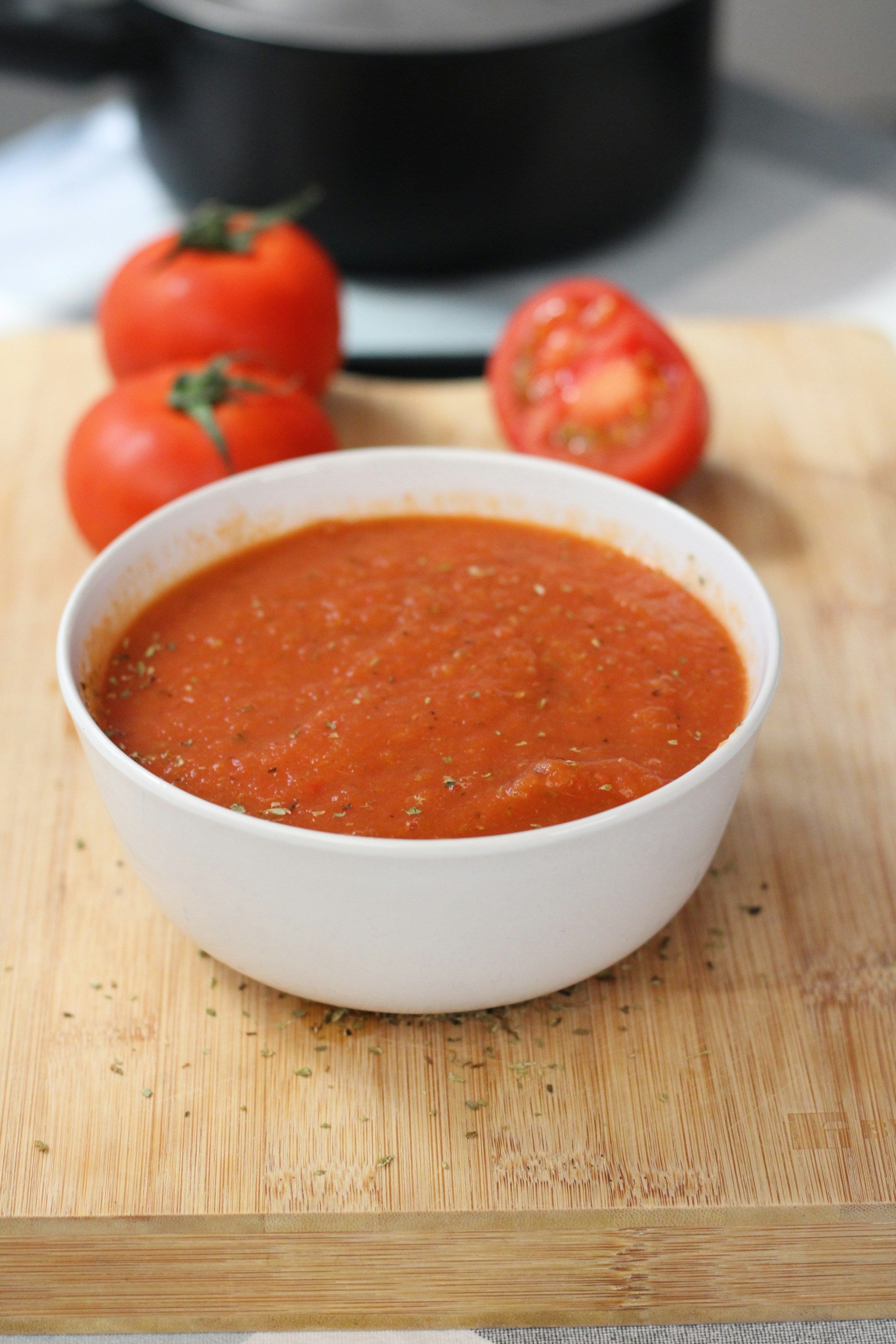
Storing Tomato Sauce in the Fridge
Proper storage of tomato sauce in the fridge is essential to maintain its freshness and extend its shelf life. Here, we'll discuss the best practices for storing tomato sauce after opening and the factors that can affect its longevity.
Proper Storage After Opening
Once you open a jar or can of tomato sauce, it’s important to store it correctly in the refrigerator. Follow these tips to ensure the sauce stays fresh:
Transfer to an Airtight Container: If the sauce came in a can, transfer it to an airtight container. This helps to prevent contamination and preserve the sauce’s flavor.
Seal Tightly: Ensure the container is sealed tightly to avoid exposure to air, which can lead to spoilage.
Label with Date: Label the container with the date of opening. This helps you keep track of how long the sauce has been stored.
Store in the Coldest Part: Place the container in the coldest part of the fridge, typically at the back of the lower shelves.
Shelf Life of Opened Tomato Sauce
| Condition | Duration |
|---|---|
| Opened Tomato Sauce (Refrigerated) | 5 - 7 days |
Factors Affecting Shelf Life
Several factors can influence how long your tomato sauce lasts in the fridge after opening:
Temperature: Consistently cold temperatures slow down the growth of bacteria and mold. Ensure your fridge is set to 40°F (4°C) or lower.
Cross-Contamination: Avoid using dirty utensils when scooping out the sauce. Contaminated utensils can introduce bacteria that speed up spoilage.
Ingredient Quality: The initial quality of the sauce plays a role in its shelf life. Higher-quality sauces with fewer preservatives may spoil faster.
Storage Method: Using proper storage methods, such as airtight containers and prompt refrigeration, helps extend the sauce’s freshness.
By understanding these factors and following proper storage guidelines, you can maximize the shelf life of your tomato sauce in the refrigerator. For more information on how long various foods last in the fridge, you can explore our articles on how long does blue cheese dressing last in the refrigerator? and how long does greek yogurt last in the fridge after opening?.
Shelf Life of Tomato Sauce
Understanding how long tomato sauce lasts in the fridge is essential for maintaining its quality and ensuring your meals are safe to eat.
Unopened Tomato Sauce
Unopened tomato sauce can last quite a while if stored properly. When kept in a cool, dark place such as a pantry, it remains in good condition until the "best by" date printed on the packaging. Here’s a general guideline:
| Storage Condition | Shelf Life (Unopened) |
|---|---|
| Pantry | Up to 1 year past "best by" date |
Opened Tomato Sauce
Once you open tomato sauce, its shelf life decreases significantly. Proper storage in the refrigerator is crucial to prolong its freshness. Generally, opened tomato sauce will last:
| Storage Condition | Shelf Life (Opened) |
|---|---|
| Refrigerator | 5-7 days |
To ensure that your tomato sauce remains safe to eat:
- Always refrigerate after opening.
- Store in an airtight container to prevent contamination.
- Avoid cross-contamination by using a clean utensil each time you scoop out sauce.
For more tips on preserving food and understanding shelf life, check out our articles on how long does blue cheese dressing last in the refrigerator? and how long does greek yogurt last in the fridge after opening?.
Signs of Spoilage
Knowing how to identify when tomato sauce has gone bad is crucial for ensuring your safety and maintaining the quality of your meals. Here are some key indicators that your tomato sauce may no longer be safe to consume.
How to Tell If Tomato Sauce Has Gone Bad
There are several signs to watch for when determining if your tomato sauce has spoiled:
- Appearance: Check for mold on the surface or around the lid. Mold can appear as white, green, or black spots.
- Smell: Spoiled tomato sauce often has a sour or off odor. If it smells different from when you first opened it, it's best to discard it.
- Texture: If the sauce has become excessively watery or has separated, it may be a sign of spoilage.
- Color: A change in color, such as a darker shade or any unusual discoloration, can indicate that the sauce is no longer good.
| Indicator | Description |
|---|---|
| Appearance | Mold, discoloration |
| Smell | Sour, off odor |
| Texture | Watery, separation |
| Color | Darker shade, unusual discoloration |
Safety Precautions
Taking safety precautions when dealing with potentially spoiled tomato sauce is important:
- Do not taste: If you suspect the sauce is bad, do not taste it. Consuming spoiled food can lead to food poisoning.
- Proper storage: Always store opened tomato sauce in the fridge with a tight lid to prevent contamination.
- Use within time frame: Generally, opened tomato sauce should be used within 5-7 days when stored in the refrigerator.
For more information on how long different foods last in the fridge, check out our articles on how long does blue cheese dressing last in the refrigerator? and how long does spaghetti sauce stay good in the refrigerator?.
By following these guidelines, you can ensure that your tomato sauce remains safe and enjoyable to use in your favorite recipes.
Extending Shelf Life
When it comes to preserving your tomato sauce, understanding proper storage techniques can significantly extend its freshness. Here are key tips and practices to ensure your sauce lasts as long as possible in the fridge.
Tips for Prolonging Tomato Sauce Freshness
- Refrigerate Promptly: Once opened, place the tomato sauce in the refrigerator immediately to slow down bacterial growth.
- Use Airtight Containers: Transfer tomato sauce to an airtight container to prevent exposure to air, which can lead to spoilage.
- Label With Date: Always label the container with the date you opened the sauce to keep track of its shelf life.
- Avoid Cross-Contamination: Use clean utensils each time you scoop out sauce to prevent introducing bacteria.
- Minimize Temperature Fluctuations: Store the sauce in the middle or back of the fridge, where the temperature is more stable.
Proper Handling and Storage
Proper handling and storage of tomato sauce are crucial to maintaining its quality and extending its shelf life. Follow these guidelines:
- Store in the Coldest Part of the Fridge: The back of the middle shelf is ideal since it’s consistently cold.
- Use Smaller Containers: Divide large quantities into smaller portions to cool them faster and more evenly.
- Keep Lid Tightly Sealed: Ensure the container lid is tightly sealed to prevent moisture and contaminants from entering.
- Check Temperature Settings: Keep your fridge at or below 40°F (4°C) to slow down the growth of bacteria.
- Avoid Double Dipping: Always use a clean spoon to avoid introducing bacteria from other foods.
| Storage Tip | Benefit |
|---|---|
| Refrigerate Promptly | Slows bacterial growth |
| Airtight Containers | Prevents exposure to air |
| Label With Date | Tracks shelf life |
| Avoid Cross-Contamination | Prevents bacterial introduction |
| Minimize Temperature Fluctuations | Maintains consistent cold temperature |
By following these tips and proper handling methods, you can ensure your tomato sauce remains fresh and safe to use for a longer period. For more on how to store other foods, check out our articles on how long does an open jar of salsa last in the refrigerator? and how long does greek yogurt last in the fridge after opening?.
Using Leftover Tomato Sauce
Leftover tomato sauce can be a versatile ingredient in your kitchen. There are numerous creative ways to utilize it, ensuring your meals are both delicious and resourceful.
Creative Ways to Utilize Leftover Tomato Sauce
- Pizza Base: Spread leftover tomato sauce on a pizza crust, add your favorite toppings, and bake.
- Soup Base: Use the sauce as a base for tomato soup, adding vegetables, broth, and spices.
- Marinade: Mix the sauce with herbs and spices to create a flavorful marinade for meats.
- Casserole: Incorporate the sauce into casseroles for added moisture and flavor.
- Dipping Sauce: Heat the sauce and use it as a dip for breadsticks or mozzarella sticks.
Recipes to Make the Most of Your Tomato Sauce
Here are a few simple recipes to help you make the most of your leftover tomato sauce:
Spaghetti Bolognese
Ingredients:
- 1 cup leftover tomato sauce
- 1 lb ground beef
- 1 onion, chopped
- 2 cloves garlic, minced
- 1 can diced tomatoes
- 1 tsp dried oregano
- Salt and pepper to taste
- Spaghetti noodles
Instructions:
- Cook the ground beef in a large skillet until browned.
- Add the chopped onion and minced garlic, cooking until softened.
- Stir in the diced tomatoes, leftover tomato sauce, and oregano.
- Season with salt and pepper, simmer for 15-20 minutes.
- Serve over cooked spaghetti noodles.
Shakshuka
Ingredients:
- 1 cup leftover tomato sauce
- 1 onion, chopped
- 1 bell pepper, chopped
- 2 cloves garlic, minced
- 1 tsp ground cumin
- 1 tsp paprika
- 4 eggs
- Fresh cilantro for garnish
Instructions:
- Sauté the onion, bell pepper, and garlic in a skillet until softened.
- Add the ground cumin and paprika, cooking for an additional minute.
- Stir in the leftover tomato sauce and simmer for 5 minutes.
- Make four wells in the sauce and crack an egg into each well.
- Cover the skillet and cook until the eggs are set.
- Garnish with fresh cilantro.
Tomato Basil Bruschetta
Ingredients:
- 1 cup leftover tomato sauce
- 1 baguette, sliced
- 2 cloves garlic, minced
- Fresh basil, chopped
- Olive oil
- Salt and pepper to taste
Instructions:
- Preheat your oven to 375°F.
- Brush the baguette slices with olive oil and toast in the oven until golden.
- Mix the leftover tomato sauce with minced garlic, salt, and pepper.
- Spoon the tomato mixture onto the toasted baguette slices.
- Garnish with fresh basil.
By using these recipes and ideas, you can ensure your leftover tomato sauce is put to good use, enhancing your meals and reducing food waste. For more tips on food storage and safety, check out our articles on how long does an open jar of salsa last in the refrigerator? and how long does homemade chicken noodle soup good in the fridge?.
Get Your Upgrade or New Addition at Fridge.com
Whether you're searching for your perfect fridge, freezer, wine fridge, beer fridge, ice maker, or kegerator, we have what you need.
Shop the world's best brands at Fridge.com.
We also have tons of awesome articles about kitchen stuff and home news. Enhance your home, garage, backyard, patio, and office with the coolest essentials. With every necessary type of residential refrigerator or freezer in our collection, we've got you covered.
Elevate your game and shop now at Fridge.com!