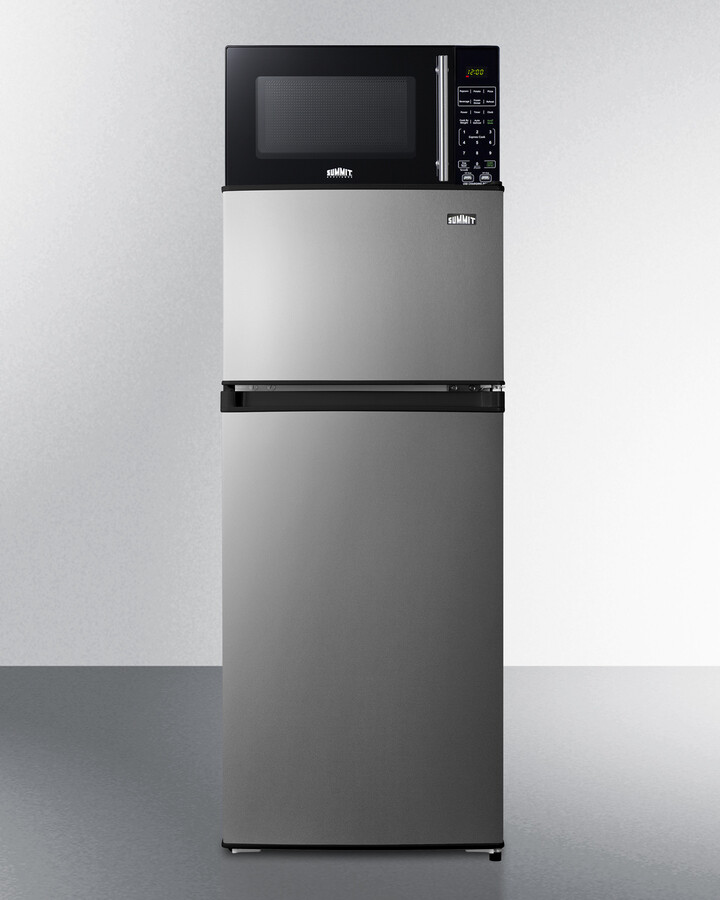
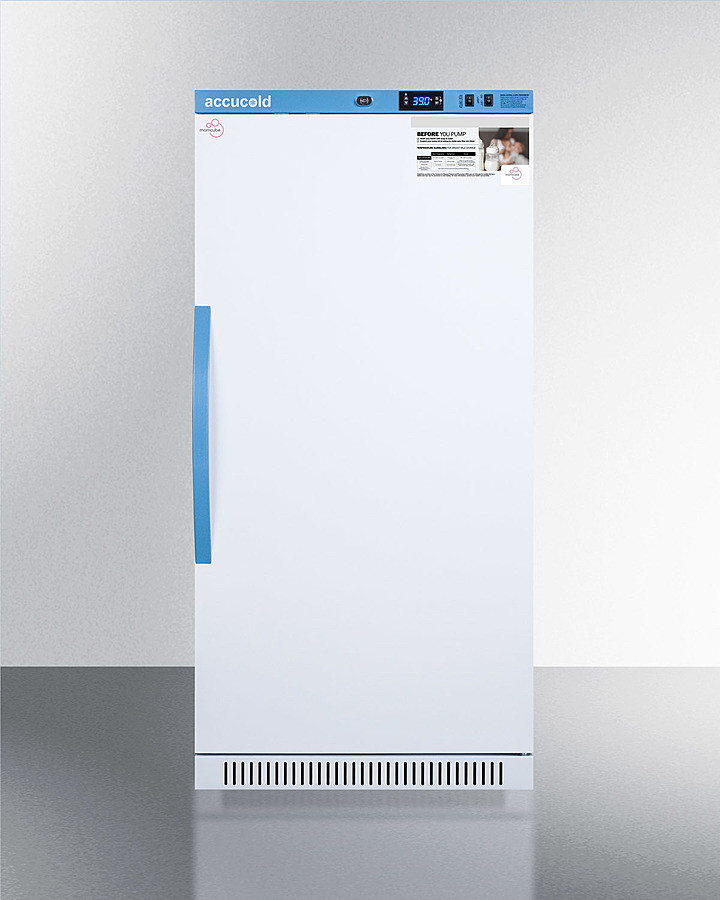
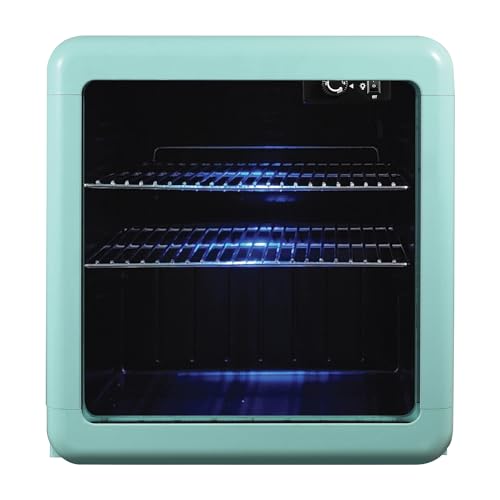
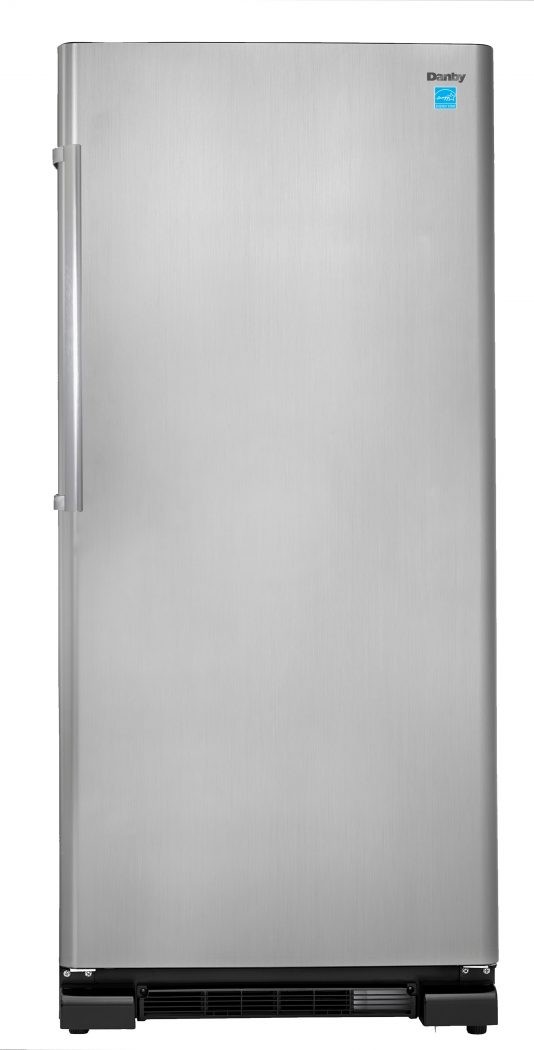
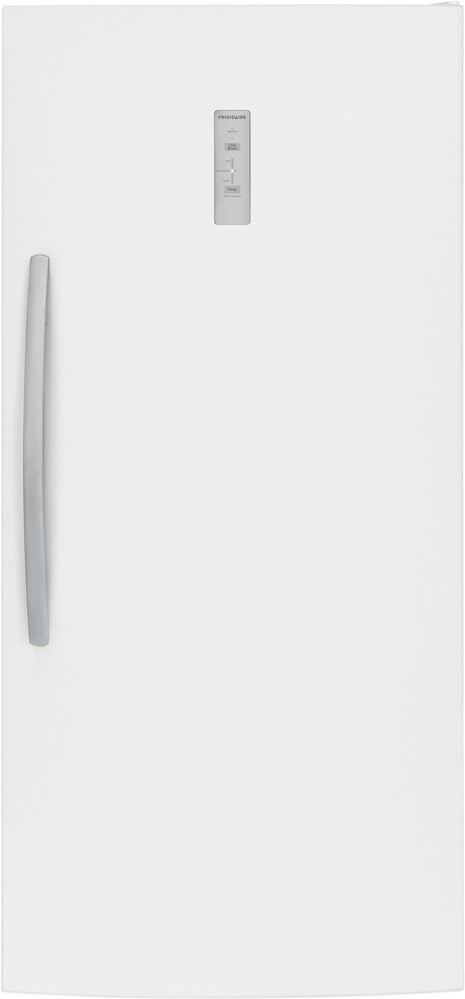
Blue cheese dressing lasts 1 to 2 weeks in the refrigerator once opened, while an unopened bottle keeps for 3 to 4 months (or until its "Best By" date) when stored at or below 40°F (4°C). Homemade blue cheese dressing has a much shorter window — just 5 to 7 days in the fridge — because it lacks the preservatives found in store-bought versions. Below are the exact shelf-life numbers, the signs that blue cheese dressing has gone bad, and how to store or freeze it to get the most out of every bottle. Dressings keep longest at a steady, sub-40°F chill — compare current refrigerators.
Blue Cheese Dressing Shelf Life at a Glance
| Type / State | Storage | Expected Shelf Life |
|---|---|---|
| Store-bought, unopened | Refrigerator | 3-4 months (or as indicated by the "Best By" date) |
| Store-bought, opened | Refrigerator | 1-2 weeks |
| Homemade | Refrigerator | 5-7 days |
| Frozen (any type) | Freezer | Up to 6 months |
Unopened Blue Cheese Dressing
Unopened blue cheese dressing should be stored in the refrigerator from the moment it is brought home from the store. This will ensure that it remains at a safe temperature, inhibiting the growth of harmful bacteria. The typical shelf life of unopened blue cheese dressing is as follows:
| Storage Location | Expected Shelf Life |
|---|---|
| Refrigerator | 3-4 months (or as indicated by the "Best By" date) |
It's important to note that the "Best By" date is not an expiration date, but rather the manufacturer's estimate for peak quality. Unopened blue cheese dressing past its expiration date may still be safe to consume if it was stored correctly and shows no signs of spoilage — but always inspect it carefully before using.
Opened Blue Cheese Dressing
Once the seal is broken, the countdown begins. Opened blue cheese dressing requires careful storage to maximize its shelf life while ensuring it remains safe to consume. Here are the guidelines for opened blue cheese dressing:
| Storage Location | Expected Shelf Life |
|---|---|
| Refrigerator | 1-2 weeks |
To preserve the quality of your opened blue cheese dressing:
- Ensure the lid is tightly sealed after each use to prevent exposure to air and contaminants.
- Always use clean utensils when serving the dressing to avoid introducing bacteria.
- Do not leave the dressing at room temperature for extended periods, as this can accelerate spoilage.
- Note the date you opened the bottle so you can track how long it has been in the refrigerator.
How Long Does Homemade Blue Cheese Dressing Last?
Homemade blue cheese dressing lasts 5 to 7 days in the refrigerator. Because it is made with fresh ingredients and contains no commercial preservatives, it spoils faster than store-bought versions. Store it in a clean, airtight container, keep it at or below 40°F (4°C), and consume it within a week to ensure freshness. Label the container with the date it was made so nothing lingers past its window.
Does Blue Cheese Dressing Go Bad? Signs of Spoilage
Yes — blue cheese dressing goes bad, whether opened or unopened. Knowing the indicators of spoilage will help you determine when it's time to discard it. Be alert for:
- Visual Changes: Any signs of mold growth (that isn't part of the blue cheese itself), or discoloration such as a yellowish or brownish hue.
- Texture Alterations: A change in consistency, such as becoming unusually thick, watery, lumpy, or separated.
- Odor: A sour or rancid smell that deviates from the dressing's typical tangy aroma.
- Taste: If the dressing has a bitter or unpleasant taste, it should not be consumed.
| Indicator | Spoilage Sign |
|---|---|
| Smell | Sour or rancid |
| Appearance | Mold, yellowish or brownish discoloration |
| Texture | Separation, chunkiness, wateriness |
| Taste | Bitter or off flavor |
If you notice any of these signs, err on the side of caution and dispose of the dressing. Consuming spoiled blue cheese dressing can pose health risks, so check its condition regularly, especially if it has been stored for an extended period. For more spoilage guides, see how long does celery last in the refrigerator? and how long does rémoulade last in the fridge?.
Storing Blue Cheese Dressing
Does Blue Cheese Dressing Need to Be Refrigerated?
Yes. Blue cheese dressing, like many other dairy-based products, requires refrigeration to prevent spoilage and maintain quality. The recommended storage temperature is at or below 40 degrees Fahrenheit (4 degrees Celsius) — this inhibits the growth of bacteria and helps preserve the taste and texture of the dressing. Blue cheese dressing that is not refrigerated will go bad faster: room temperature accelerates spoilage and bacterial growth, so refrigerate it immediately after opening and after every use.
Proper Refrigeration Guidelines
When placing blue cheese dressing in the fridge, keep it on a shelf in the middle or back of the refrigerator where the temperature remains consistent, rather than on the door where temperatures fluctuate with frequent opening and closing. For more insights on the lifespan of other refrigerated items, you might be interested in learning how long does mango juice last in the fridge?
Sealing and Container Choice
When not in use, the dressing should be kept in an airtight container or its original packaging if it's resealable. This prevents the dressing from absorbing odors of other foods in the fridge and reduces the chances of contamination. For those who transfer their dressing into separate containers, ensure the container is clean and made of non-reactive material like glass or plastic. Keep the dressing away from direct light and sources of heat, as these can degrade the quality faster. If you're curious about the storage life of other foods, you might find how long do shiitake mushrooms last in the fridge? helpful.
Factors Affecting Shelf Life
| Factor | Impact on Shelf Life |
|---|---|
| Temperature | Consistent 40°F (4°C) or below prevents bacterial growth |
| Container | Airtight packaging blocks air and contaminants |
| Ingredients | Homemade dressings with fresh ingredients spoil faster than store-bought versions with preservatives |
| Handling | Clean utensils prevent introducing bacteria |
Extending the Shelf Life
Tips for Prolonging Freshness
- Chill Promptly: Always return blue cheese dressing to the refrigerator immediately after use to prevent temperature fluctuations that can hasten spoilage.
- Use Clean Utensils: To prevent contamination, only use clean utensils when serving or scooping out the dressing. Avoid dipping food directly into the bottle.
- Avoid Cross-Contamination: Do not return unused portions back into the original container to prevent the introduction of contaminants.
- Keep It Sealed: Ensure that the container is sealed tightly after each use. Exposure to air can degrade the quality of the dressing and shorten its shelf life.
| State | Recommended Practices |
|---|---|
| Unopened | Store in the fridge in its original packaging. |
| Opened | Transfer to an airtight container if not in one already and refrigerate. |
Freezing Blue Cheese Dressing
Freezing blue cheese dressing extends its storage life to up to 6 months, though the texture and consistency may be affected upon thawing because the emulsion of fats and liquids separates. Here's how to do it:
- Portion Control: Divide the dressing into smaller portions so you only thaw what you need.
- Use Freezer-Safe Containers: Store the portions in airtight, freezer-safe containers or heavy-duty freezer bags. Label each container with the date.
- Freeze Quickly: Place the containers in the freezer immediately to preserve freshness.
- Thaw in the Refrigerator: When ready to use, thaw overnight in the refrigerator and stir well to recombine the ingredients as much as possible.
| Storage Method | Estimated Shelf Life |
|---|---|
| Refrigerated (opened) | 1-2 weeks |
| Frozen | Up to 6 months |
For optimal taste and texture, it's still best to use the dressing fresh.
Can You Eat Expired Blue Cheese Dressing?
Risks of Consuming Expired Dressing
Eating expired blue cheese dressing is not recommended. Blue cheese dressing, like other dairy-based products, is prone to bacterial growth over time, which can lead to foodborne illnesses if consumed past its expiration date. Pathogens such as Salmonella, E. coli, and Listeria can develop in spoiled products, posing serious health risks.
What happens if you eat expired blue cheese dressing that has spoiled? Symptoms of foodborne illness may include nausea, vomiting, fever, abdominal pain, stomach cramps, and diarrhea. These symptoms can be especially severe in young children, the elderly, pregnant women, and individuals with compromised immune systems. While some products may still be safe shortly after their expiration date if stored correctly, always check for signs of spoilage first — and if in doubt, throw it out.
How to Safely Dispose of Spoiled Dressing
- Seal the dressing container tightly to contain the smell and prevent leakage.
- If the dressing is in a glass jar, transfer it to a sealable plastic bag to reduce the risk of breakage and spillage.
- Discard the sealed dressing in your household garbage.
- Wash your hands thoroughly after handling the expired product to avoid any contamination.
Keeping track of the expiration dates of all items in your fridge — from mango juice to shiitake mushrooms — is key to maintaining food safety and reducing waste.
FAQs About Blue Cheese Dressing
How long is blue cheese dressing good for after opening?
Opened blue cheese dressing is good for 1 to 2 weeks in the refrigerator when kept tightly sealed at or below 40°F (4°C) and served only with clean utensils.
Is blue cheese dressing good after the expiration date?
The "Best By" date on unopened blue cheese dressing is a quality estimate, not a safety deadline — unopened dressing stored continuously in the refrigerator may still be usable shortly past that date if it shows no signs of spoilage. That said, using blue cheese dressing well past its expiry date is not recommended; inspect the smell, color, and texture carefully, and when in doubt, dispose of it.
Does blue cheese dressing go bad if not refrigerated? What if it was left out overnight?
Yes. Blue cheese dressing is dairy-based and must be kept refrigerated at or below 40°F (4°C). Time at room temperature accelerates spoilage and bacterial growth, so dressing left out for an extended period — such as overnight — should be discarded rather than returned to the fridge. It is always better to err on the side of caution with dairy-based dressings.
Can blue cheese dressing make you sick?
Yes, consuming spoiled blue cheese dressing can lead to foodborne illness. Symptoms may include nausea, vomiting, stomach cramps, and diarrhea. Always store the dressing properly and check for signs of spoilage before consuming.
How long is homemade blue cheese dressing good for?
Homemade blue cheese dressing lasts 5 to 7 days in the refrigerator in a clean, airtight container. Without preservatives, it spoils faster than store-bought dressing, so consume it within a week.
Can I freeze blue cheese dressing?
Yes — blue cheese dressing can be frozen for up to 6 months in an airtight container or heavy-duty freezer bag, though the texture may change as the emulsion separates. Thaw it in the refrigerator overnight and stir well to recombine. For the best taste and texture, use the dressing fresh.
How can I tell if blue cheese dressing has gone bad?
- Smell: If the dressing emits an off, rancid odor that is different from its usual tangy scent, it may be spoiled.
- Color: Any discoloration — including yellowish or brownish hues — or mold growth (that isn't part of the blue cheese itself) can indicate spoilage.
- Texture: If the consistency has changed, becoming excessively watery, lumpy, or separated, the dressing may be past its prime.
- Taste: If you're unsure based on the above signs, a small taste can be the final indicator. If the flavor is off or unpleasant, it's time to discard the dressing.
Always trust your senses, and if you suspect that the dressing is not in its best condition, do not consume it. For more tips on storage and shelf life, explore how long does mango juice last in the fridge? or how long does green juice last in the fridge?.
Get Your Upgrade or New Addition at Fridge.com
Shop the world's best brands at Fridge.com.
Whether you're searching for your perfect fridge, freezer, wine fridge, beer fridge, ice maker, or kegerator, Fridge.com has what you need.
It also has tons of awesome articles about kitchen stuff and home news. Enhance your home, garage, backyard, patio, and office with the coolest essentials. With every necessary type of residential refrigerator or freezer in the collection, you're covered.
Elevate your game and shop now at Fridge.com!