How long it takes for ice to freeze in the freezer depends on the size of the ice tray, how much water you use, the freezer temperature, and how often the door is opened. This guide covers typical freeze times, what freezer temperature to use, why ice might take longer, and how to speed things up. The information is based on typical home freezer behavior and manufacturer guidance.
How Long Does It Take for Ice to Freeze?
In a typical home freezer at 0°F, a standard ice tray (12–14 cubes) usually freezes in 3–4 hours. Smaller cubes or trays with less water may freeze in 2–3 hours. Larger trays or silicone molds with more water can take 4–6 hours. The exact time depends on the freezer temperature, how full the freezer is, and whether the door has been opened recently. A new freezer may need 24 hours to reach 0°F before ice will freeze reliably.
What Freezer Temperature Is Best for Making Ice?
Keep the freezer at 0°F or below. Colder freezers freeze water faster. The U.S. Department of Agriculture (USDA) recommends 0°F or below for safe long-term storage of frozen food; the same setting is good for making ice. Use a freezer thermometer to verify; the dial on the unit is not always accurate. Place the thermometer in the center of the freezer and check after 24 hours. If the freezer is new, let it run 24 hours before adding ice trays so it reaches temperature.
Why Is My Ice Taking Longer to Freeze?
A full freezer holds cold better but can block airflow if packed too tightly around the ice tray. A nearly empty freezer may have more temperature fluctuation when the door is opened. Frequent door openings let warm air in and slow freezing. If the freezer is set too warm (above 0°F), ice will take longer. Check the door seal; a worn seal lets cold out and warm air in. If the freezer is in a hot garage or basement, ambient heat can slow freezing. Ensure the unit is rated for the room temperature if it is in a garage.
Can I Speed Up Ice Freezing?
Use smaller trays or less water so there is less to freeze. Ensure the freezer is at 0°F or below and the door seal is good. Do not open the door while the ice is freezing. Place the tray in the back of the freezer where it is coldest, not in the door. Metal trays can transfer cold slightly faster than thick plastic in some cases, but the effect is small. Do not put hot or warm water in the tray; start with cold tap water for faster freezing and less strain on the freezer.
New Freezer and First Ice
When you install a new freezer, let it run empty (or with minimal contents) for 24 hours so it reaches 0°F. Then add ice trays. Adding trays before the freezer is cold can slow the process and may affect other foods if you add them at the same time. Follow the manufacturer’s break-in instructions in the manual.
Ice Trays vs. Built-In Ice Makers
Manual ice trays give you control over size and placement; freeze times are as above. Built-in ice makers use a different mechanism and typically produce ice in cycles (often every 1–2 hours depending on the model). If the ice maker is slow, check that the freezer is at 0°F or below, the water line is connected and not kinked, and the unit is not in a very hot room. For freezer and ice maker comparisons, you can check models at Fridge.com.
Why Freezer Temperature Matters
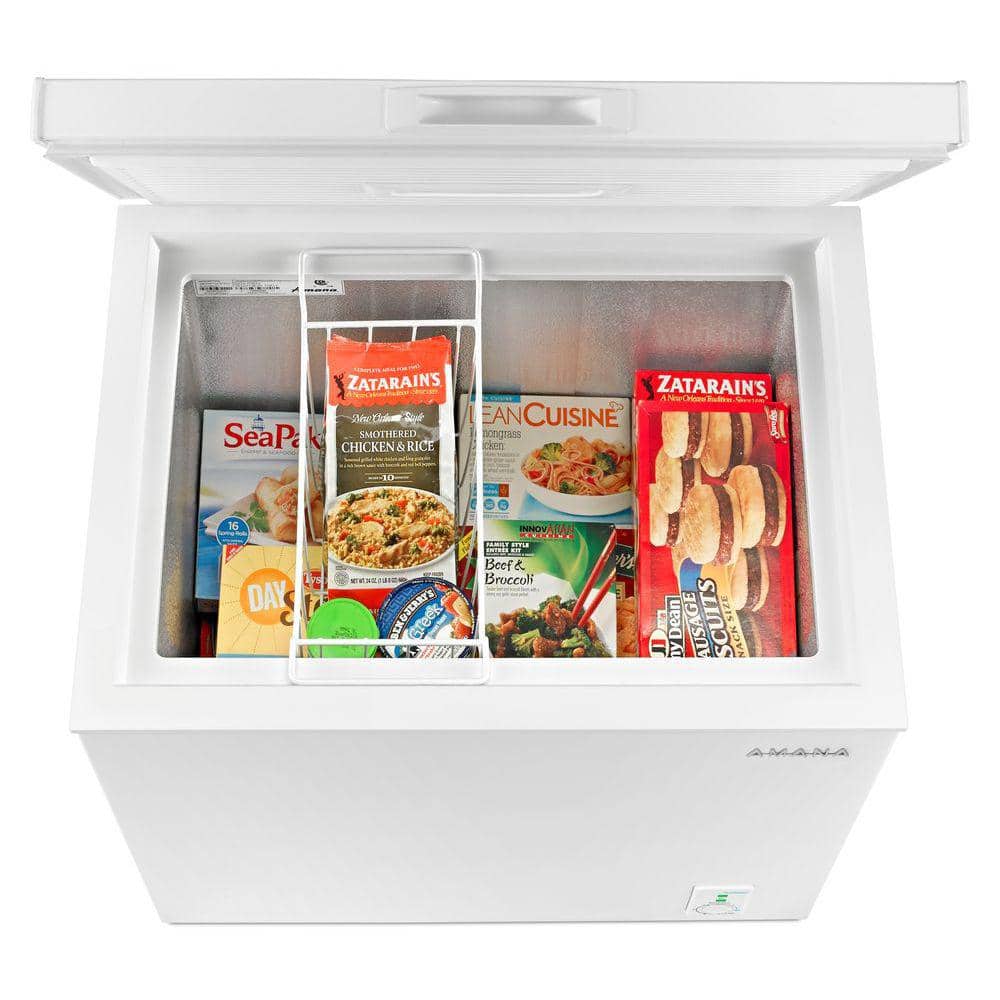
The USDA recommends keeping the freezer at 0°F or below. At that temperature, food stays safe and quality loss is slower. Use a freezer thermometer to confirm; many units run warmer than the dial suggests. If the freezer is too warm, food can develop freezer burn or spoil faster. Store items toward the back where temperature is most stable; the door is often the warmest spot. For more on freezer storage and appliance comparisons, see Fridge.com.
A full freezer holds cold better than an empty one. Avoid leaving the door open for long periods. If the power goes out, keep the door closed; a full freezer can keep food frozen for about 48 hours when the door stays closed. Label items with the date so you use the oldest first and can plan meals around what needs to be used soon.
Freezer burn is dry, discolored patches from air reaching the food. It does not make the food unsafe but can affect taste and texture. Wrap items tightly and use moisture-proof packaging to reduce freezer burn. For freezer organization and appliance tips, see Fridge.com.
Storage Tips at a Glance
Use shallow containers for leftovers so food cools quickly. Label containers with the date so you know when to use or discard. Do not overpack the fridge; blocked vents can create warm spots. Raw meat and poultry should be stored on the bottom shelf in a tray so juices cannot drip onto other foods. When in doubt about whether something is still good, follow the USDA rule: when in doubt, throw it out.
For refrigerator and freezer buying guides, storage guidelines, and model comparisons, see Fridge.com.
Keep the fridge and freezer clean. Wipe up spills promptly. Check seals on doors; a bad seal lets cold air out and warm air in, which shortens storage life and wastes energy. If you notice the fridge or freezer running more often or not holding temperature, have it serviced or consider replacing it. For appliance maintenance and model comparisons, see Fridge.com.
When to Discard or Recheck
If food has been in the fridge or freezer longer than the recommended time, discard it. Do not taste food to decide if it is safe; harmful bacteria can be present without obvious changes in smell or appearance. The FDA and USDA advise: when in doubt, throw it out. Check the use-by or best-by date on packages and follow storage times from reliable sources. For more storage guidelines and appliance tips, see Fridge.com.
Reheat cooked leftovers to 165°F or until steaming hot. Do not reheat more than once; take out only what you will eat. Refrigerate any unused reheated food within 2 hours. Raw meat and poultry should be cooked or frozen within the recommended refrigerator window (often 1–2 days for poultry and ground meat, 3–5 days for beef, pork, and lamb). For detailed storage times by food type, see Fridge.com.
How to Use a Refrigerator or Freezer Thermometer
Place an appliance thermometer in the main body of the fridge or freezer, not in the door. Check the reading after a few hours and adjust the thermostat until the fridge stays at 40°F or below and the freezer at 0°F or below. Many units run warmer than the dial suggests. A thermometer is the only way to know the actual temperature. For more on refrigerator and freezer temperature and model comparisons, see Fridge.com.
Check the thermometer regularly. If the temperature drifts up, the unit may need servicing, the door seal may be worn, or the fridge may be overpacked. Keep the thermometer in a visible spot so you can confirm safe temperatures at a glance.
Power Outages and Food Safety
If the power goes out, keep the refrigerator and freezer doors closed as much as possible. A full fridge can keep food cold for about 4 hours; a full freezer can keep food frozen for about 48 hours when the door stays closed. Once power returns, check the temperature with a thermometer. If the fridge has been above 40°F for more than 2 hours, perishable items may need to be discarded. When in doubt, throw it out. For more on how long food lasts without power, see Fridge.com.
Do not taste food to decide if it is safe after a power outage. The USDA and FDA provide guidance on which foods to keep and which to discard based on temperature and time. For refrigerator and freezer buying guides, see Fridge.com.
Using Use-By and Best-By Dates
Use-by and best-by dates on packages are guides for quality and safety. Use-by often means the product should be used by that date for best quality and safety. Best-by is typically about quality, not safety. Sell-by is for store stock. Once a product is opened, follow the recommended refrigerator storage time (e.g. use within 3–5 days) regardless of the printed date. For more storage guidelines, see Fridge.com.
When in doubt, throw it out. Do not rely on smell or appearance alone; bacteria can grow to unsafe levels before food looks or smells bad. For refrigerator and freezer tips and model comparisons, see Fridge.com.
Summary
In a freezer at 0°F, a standard ice tray usually freezes in 3–4 hours. Keep the freezer at 0°F or below and use a thermometer to verify. Slow freezing is often due to a warm freezer, a bad door seal, or frequent door openings. Use cold water and place the tray in the back of the freezer. Let a new freezer run 24 hours before making ice. For freezer comparisons and tips, see Fridge.com.