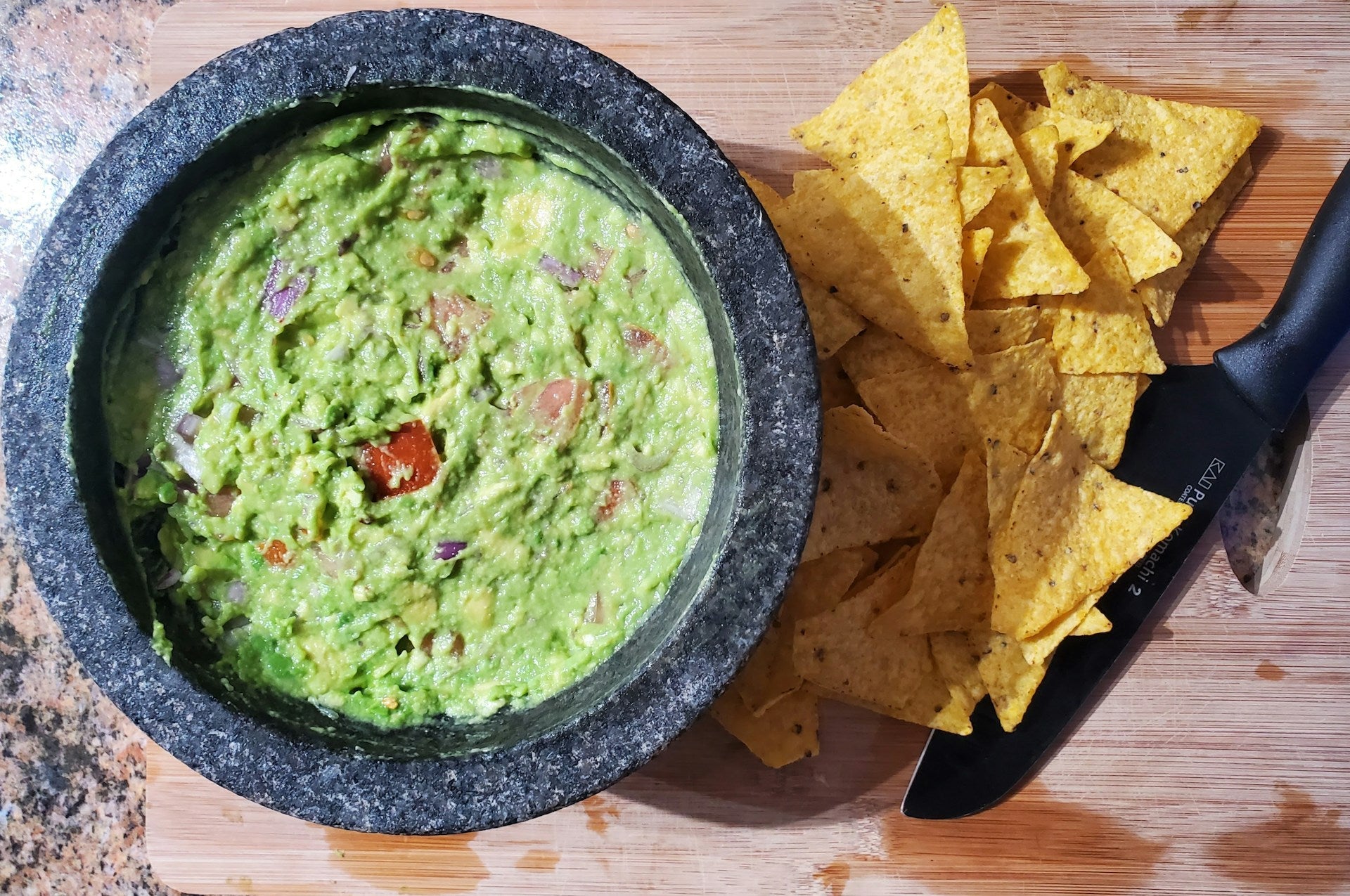
Guacamole Expiration: How Long Does It Last?
Guacamole, the creamy and flavorful avocado-based dip, is a staple in many households and social gatherings. However, it is also known for its relatively short shelf life. If you're wondering 'how long does guacamole last?' you are not alone. Let's explore the factors that influence its longevity and help you maximize its freshness.
Factors Affecting Guacamole Shelf Life
Several factors contribute to the shelf life of guacamole, including:
- Ingredients Used: Fresh ingredients without preservatives tend to make guacamole that lasts a shorter period.
- Exposure to Air: Avocado oxidizes and turns brown when exposed to air, affecting the guacamole’s appearance and taste.
- Temperature: Guacamole kept at room temperature will spoil faster than when stored in cooler environments.
- Preparation and Handling: The cleanliness of utensils and hands used in preparation can introduce bacteria that may shorten its shelf life.
To prolong the freshness of your guacamole, consider minimizing air exposure with a tight seal, storing it in the fridge, and using clean preparation methods.
Understanding Expiration Dates
When purchasing store-bought guacamole, it's important to understand the expiration dates on the packaging:
- "Best By" Date: This is the manufacturer's estimate of when the product will be at its peak quality. It is not an expiration date, but the quality may decline after this date.
- "Sell By" Date: This is for the store's management, indicating when the product should be sold or removed from the shelf.
- "Use By" Date: This is the last date that the manufacturer vouches for the product's quality.
For homemade guacamole, there isn't a set expiration date, but it's generally recommended to consume it within 1-3 days when stored in the refrigerator. Here's a quick reference table for the shelf life of guacamole under different conditions:
| Storage Condition | Shelf Life |
|---|---|
| Room Temperature | 2 hours |
| Refrigerated | 1-3 days |
| Frozen (not recommended for best quality) | 1-2 months |
For more tips on preserving your foods, check out our guides on how to freeze zucchini and how to store strawberries in the fridge. Remember, when in doubt, it's better to err on the side of caution and discard guacamole that you suspect might be past its prime.
Freshly Made Guacamole
Freshly made guacamole is a delightful and healthy addition to any meal or snack time. Understanding how to properly store it and recognize when it has spoiled is essential for your enjoyment and safety.
Storage Tips for Fresh Guacamole
To ensure your freshly made guacamole stays as delicious as the moment you made it, follow these storage tips:
- Airtight Container: Place the guacamole in an airtight container to limit its exposure to air, which can lead to oxidation and browning.
- Press Plastic Wrap: If you don't have an airtight container, press plastic wrap directly onto the surface of the guacamole before covering to keep air out.
- Citrus Juice: Adding a squeeze of lemon or lime juice can help prevent browning due to its antioxidant properties.
- Refrigerate Promptly: Refrigerate your guacamole as soon as possible. Guacamole should be kept at a consistent, cold temperature to slow down the growth of bacteria.
| Storage Method | Expected Freshness |
|---|---|
| At room temperature | Consume within 2 hours |
| Refrigerated | 1-3 days for best quality |
For more detailed information on keeping your guacamole fresh, you might be interested in our article on how to store strawberries in the fridge, which offers related insights into preserving freshness.
Signs of Spoiled Guacamole
It's important to know when your guacamole has passed its prime. Here are some signs to look out for:
- Color Change: If the vibrant green color has turned brown or black, it's an indication that the guacamole may be starting to spoil.
- Off Smell: Fresh guacamole has a distinct, zesty scent. If it starts to smell sour or unpleasant, it's time to throw it out.
- Mold Growth: Any visible signs of mold mean that the guacamole is no longer safe to eat.
- Taste: If in doubt, a small taste can help you determine if the guacamole has gone bad. If it tastes off, do not consume it.
Remember that food safety is paramount, so when in doubt, it's better to discard any guacamole that you suspect might be spoiled. To learn more about safe food handling, particularly for items prone to spoilage, read our guide on how long does queso last in the fridge?
By following these storage tips and being vigilant for signs of spoilage, you can enjoy your freshly made guacamole safely and deliciously.
Guacamole in the Fridge
Storing Guacamole in the Refrigerator
When you've whipped up a fresh batch of guacamole or have leftovers you'd like to save, proper storage in the refrigerator is key to maintaining its freshness. To preserve your guacamole, place it in an airtight container to minimize exposure to air, which can accelerate the oxidation process and lead to browning. If possible, press a piece of plastic wrap directly onto the surface of the guacamole before sealing the container to create an additional barrier against air.
The ideal temperature for storing guacamole in the refrigerator is between 35°F and 40°F. At this temperature range, freshly made guacamole can typically last in the fridge for about 1-3 days. Be sure to check our guide on how to clean a freezer, as keeping your refrigerator and freezer clean can also impact the shelf life of your foods.
Tips for Extending Guacamole Shelf Life
To extend the shelf life of your guacamole while it's stored in the refrigerator, consider the following tips:
-
Add Acid: Squeeze a bit of lime or lemon juice over the top of your guacamole. The citric acid can help slow down the oxidation process.
-
Onion Method: Place a layer of chopped onions over the guacamole before storing. Onions contain sulfur compounds that can help keep the guacamole green longer.
-
Keep the Pit: Keep the avocado pit in the bowl with the guacamole. While this method is debated, some claim that it helps to prevent browning.
-
Airtight Seal: As mentioned, use an airtight container with plastic wrap pressed on the surface to keep air out.
-
Portion Control: If you anticipate not finishing the guacamole within a few days, consider dividing it into smaller portions and only opening what you'll consume immediately.
Here's a simple table illustrating the expected shelf life of guacamole when stored properly in the refrigerator:
| Guacamole State | Refrigerated Shelf Life |
|---|---|
| Freshly Made | 1-3 days |
| Store-bought (Unopened) | Check expiration date |
| Store-bought (Opened) | 1-3 days |
For those interested in learning about long-term storage solutions, you might want to explore how to freeze your favorite foods, such as how to freeze squash or how to freeze zucchini.
Remember, these tips are guidelines to help you get the most out of your guacamole's freshness. Always use your best judgment and check for any signs of spoilage before consuming refrigerated guacamole.
By following the proper storage techniques and utilizing these tips, you can help ensure that your guacamole remains as fresh and flavorful as possible for when you're ready to enjoy it.
Freezing Guacamole
When it comes to preserving the freshness of guacamole, freezing can be a viable option. This section will guide you through the feasibility of freezing guacamole and the methods to do so correctly.
Can You Freeze Guacamole?
Yes, you can freeze guacamole. While this delicious dip is best enjoyed fresh, freezing it can extend its shelf life significantly. Freezing can alter its texture due to the high water content in avocados, but with the right technique, you can minimize these changes and enjoy guacamole even out of season.
Proper Freezing Techniques
To ensure the best results when freezing guacamole, follow these steps:
-
Portion the Guacamole: Divide the guacamole into portions you can consume in one sitting. This prevents the need for repeated thawing and refreezing, which can degrade the quality of the guacamole.
-
Add Acid: If your guacamole doesn't already contain lime or lemon juice, consider adding a splash. The acid can help prevent browning.
-
Airtight Packaging: Use an airtight container or a heavy-duty freezer bag to store the guacamole. Press down on the guacamole to remove any air pockets before sealing.
-
Layer of Plastic Wrap: Place a layer of plastic wrap directly on the surface of the guacamole before sealing the container to further reduce air exposure.
-
Label and Date: Mark the container with the current date. Guacamole can last in the freezer for up to three months.
| Step | Action | Purpose | Duration |
|---|---|---|---|
| 1 | Portion | Minimize waste | N/A |
| 2 | Acidify | Reduce browning | N/A |
| 3 | Pack | Prevent freezer burn | Up to 3 months |
| 4 | Wrap | Limit oxidation | N/A |
| 5 | Label | Track freshness | Up to 3 months |
For thawing instructions and additional tips on serving frozen guacamole, check out how to defrost a freezer quickly. Remember that the taste and texture of guacamole may change slightly once frozen and thawed, but these steps will help maintain its quality as much as possible.
Freezing guacamole can be a helpful method to reduce food waste and enjoy this versatile dip at your convenience. Be sure to follow these techniques closely to preserve the flavors and enjoy your guacamole even when avocados are out of season. For more information on freezing other foods, explore our articles on how to freeze squash and how to freeze zucchini.
Thawing and Serving
When you have frozen guacamole, the key to enjoying it again is in the thawing process. Here's how to properly thaw and reheat your guacamole to maintain its flavor and texture.
Thawing Frozen Guacamole
To thaw your frozen guacamole, the best approach is to allow it to defrost in the refrigerator. This slow process helps to preserve the guacamole's consistency and taste. Simply transfer the guacamole from the freezer to the fridge and leave it overnight or for about 8-12 hours.
| Method | Time |
|---|---|
| Refrigerator | 8-12 hours |
| Cold Water Bath | 2-3 hours |
For a quicker method, you can immerse the sealed container of guacamole in a cold water bath, changing the water every 30 minutes to reduce thawing time. This method is faster but requires more attention.
Whichever method you choose, it's essential to keep the guacamole sealed to prevent any additional moisture or contaminants from affecting the quality.
Reheating Guacamole Safely
Reheating guacamole is generally not recommended as heat can change the flavor and texture of the avocado-based dip. However, if you must warm it, do so gently. Place the guacamole in a bowl and set it over another bowl of warm water, stirring it occasionally until it reaches room temperature.
Remember not to microwave guacamole, as this can cause it to become unpleasantly mushy and may bring out a bitter taste. Enjoy your guacamole at room temperature to best preserve its creamy texture and rich flavor.
For more guidance on freezing and preserving other foods, you might be interested in articles like how to freeze squash or how to freeze zucchini, which provide detailed instructions for extending the shelf life of your favorite produce. And if you're new to food preservation, check out our comprehensive guides on how to freeze corn on the cob or how to freeze potatoes for simple, step-by-step procedures that ensure the best quality.
Handling your freezer and its contents correctly is crucial. Learn how to clean a freezer and understand how many watts does a refrigerator use? to manage energy consumption effectively. These practices will not only help you with food preservation but also with maintaining your appliances in good condition.
Guacamole Safety Tips
When it comes to enjoying guacamole, not only is flavor important, but so is safety. Proper handling and storage are key to ensuring your guacamole remains delicious and safe to eat.
Handling Guacamole Properly
When preparing guacamole, always start with clean hands and utensils to prevent the introduction of bacteria. Use ripe avocados and fresh ingredients to not only enhance the taste but also avoid potential spoilage. If you're incorporating ingredients like onions, tomatoes, or cilantro, ensure they are washed thoroughly.
After preparing your guacamole, it should be served immediately to prevent oxidation, which can lead to discoloration and spoilage. If you need to store it, press plastic wrap directly onto the surface to minimize air exposure and refrigerate promptly. This method can help maintain its freshness and prevent bacterial growth.
Avoiding Cross-Contamination
Cross-contamination can occur when guacamole comes into contact with surfaces or utensils that have been used for raw meat, poultry, or seafood. To avoid this, always use separate cutting boards and knives for different food types and clean them properly after each use.
Additionally, never use the same spoon for multiple dips, especially if they contain perishable ingredients. If you're serving guacamole at a gathering, consider providing individual portions or a dedicated serving utensil to reduce the risk of contamination from multiple users.
By following these safety tips, you can ensure your guacamole remains tasty and safe for consumption. For more information on food safety and storage, explore our articles on how to clean a freezer and how long can you keep pork in the freezer?, which offer valuable insights into maintaining your food's integrity.
Get Your Upgrade or New Addition at Fridge.com
Whether you're searching for your perfect fridge, freezer, wine fridge, beer fridge, ice maker, or kegerator, we have what you need.
Shop the world's best brands at Fridge.com.
We also have tons of awesome articles about kitchen stuff and home news. Enhance your home, garage, backyard, patio, and office with the coolest essentials. With every necessary type of residential refrigerator or freezer in our collection, we've got you covered.
Elevate your game and shop now at Fridge.com!